Engineered for high load distribution, custom warehouse topologies, and direct factory procurement pipelines.
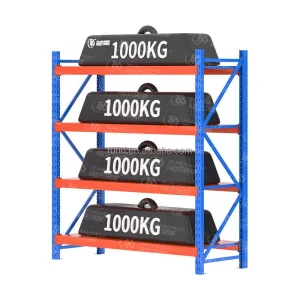
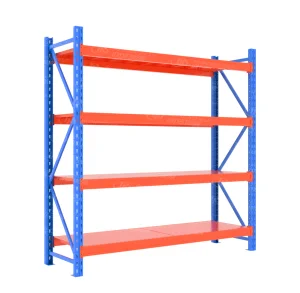
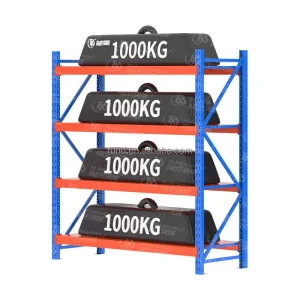
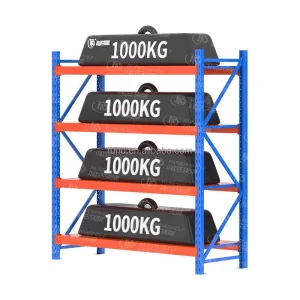
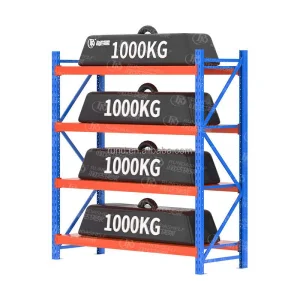
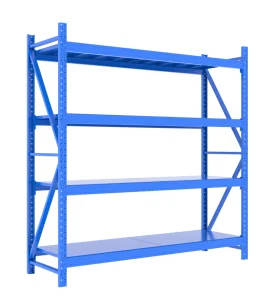
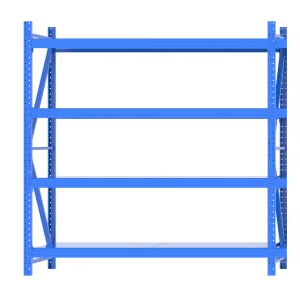
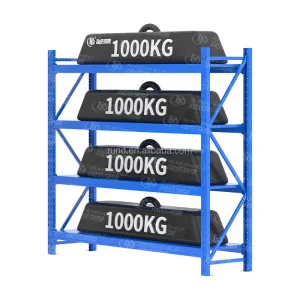
Established in 2016, Chengdu CoreStorage Logistics Equipment Manufacturing Co., Ltd. has developed into a premier industrial powerhouse in the structural storage system domain. Operationally anchored within a comprehensive 22,000 m² advanced manufacturing facility, the enterprise produces structural and semi-automated racking systems resulting in an annual export revenue of $15,000,000.
We possess 6 years of global trading expertise in tandem with 11 years of dedicated industrial storage rack manufacturing. This dual capacity ensures that we understand both the precise structural demands of modern intralogistics systems and the compliance, logistics, and supply requirements of complex international procurement.
Operating as an integrated Manufacturer and Global Trading Hub, our core target markets are strategically focused on the Middle East, South America, and Eastern Europe. Through deep integration with over 650 supply chain partners, CoreStorage delivers high-performance modular racking systems tailored specifically for specialized enterprise clients, including:
Our dedicated R&D department features 18 professional engineers who released 28 new product configurations last fiscal year. We support fully customizable profiles, variable column gauges, optimized cold-rolled geometry, and highly adjustable beam interfaces.
An authoritative deep dive into safety coefficients, load-bearing mathematics, and strategic procurement frameworks.
Global supply chain volatility requires organizations to optimize their cubic warehouse storage footprint. Upgrading to high-density systems like Very Narrow Aisle (VNA) or Shuttle Pallet Rack setups increases floor space utilization by up to 60% compared to traditional selective racking systems.
Under international standards (such as EN 15512 and RMI specifications), warehouse racking must be engineered with a structural safety coefficient of at least 1.5. This protects against forklift impacts, dynamic loading variations, and minor uneven floor layouts that create structural eccentricities.
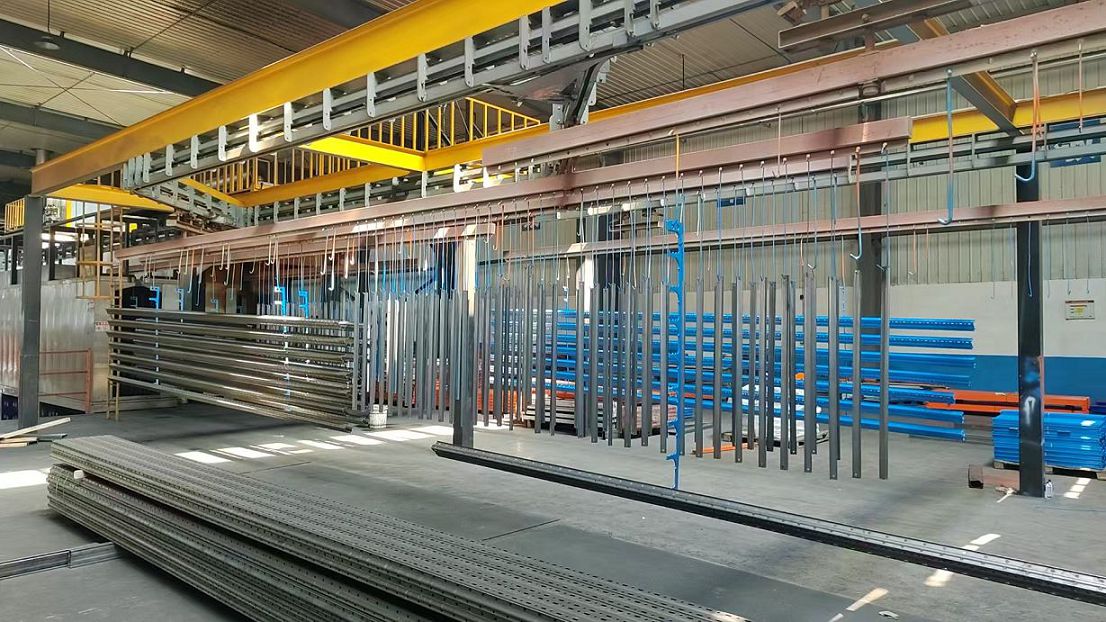
For industrial applications, environmental degradation is a key point of failure. Modern processes require electrostatic thermosetting powder coating (60-80 microns thick) or hot-dip galvanization to stop oxidation, especially in high-humidity or cold chain storage structures.
In modern industrial facilities, matching storage system design to specific operations is key to throughput efficiency. Choosing the right steel grade (like Q235B or high-tensile Q355B cold-rolled steel) affects both load capacity and structural durability. Below is a comparison table outlining different industrial storage topologies:
| Racking Topology | Optimal Load Capacity | Access Type & Throughput | Primary Industrial Use Cases |
|---|---|---|---|
| Selective Pallet Racking | 1500 - 4500 kg / level | 100% Selectivity / Moderate Speed | FMCG, general distribution hubs, retail warehouses |
| Very Narrow Aisle (VNA) | 1000 - 3000 kg / level | 100% Selectivity / High Speed | E-commerce fulfillment centers, high-density archives |
| Wire Shelving & Stacking Racks | 200 - 500 kg / level | Manual picking / Fast configuration | Cold storage chambers, pharmaceutical labs, garages |
| Shuttle Pallet Systems | 1000 - 2000 kg / pallet | FILO or FIFO / automated high speed | Food and beverage storage, automated cold chains |
The transition toward Automated Storage and Retrieval Systems (AS/RS) is reshaping the structural design of warehouse shelving. Modern systems must support automated crane systems, laser alignment, and tighter structural tolerances (conforming to EN 15620 standards). CoreStorage R&D engineers integrate Finite Element Method (FEM) analysis during early design phases. This simulates structural loads, seismic events, and long-term metal fatigue under variable weight loads. This proactive engineering approach reduces steel weight while maintaining structural safety.
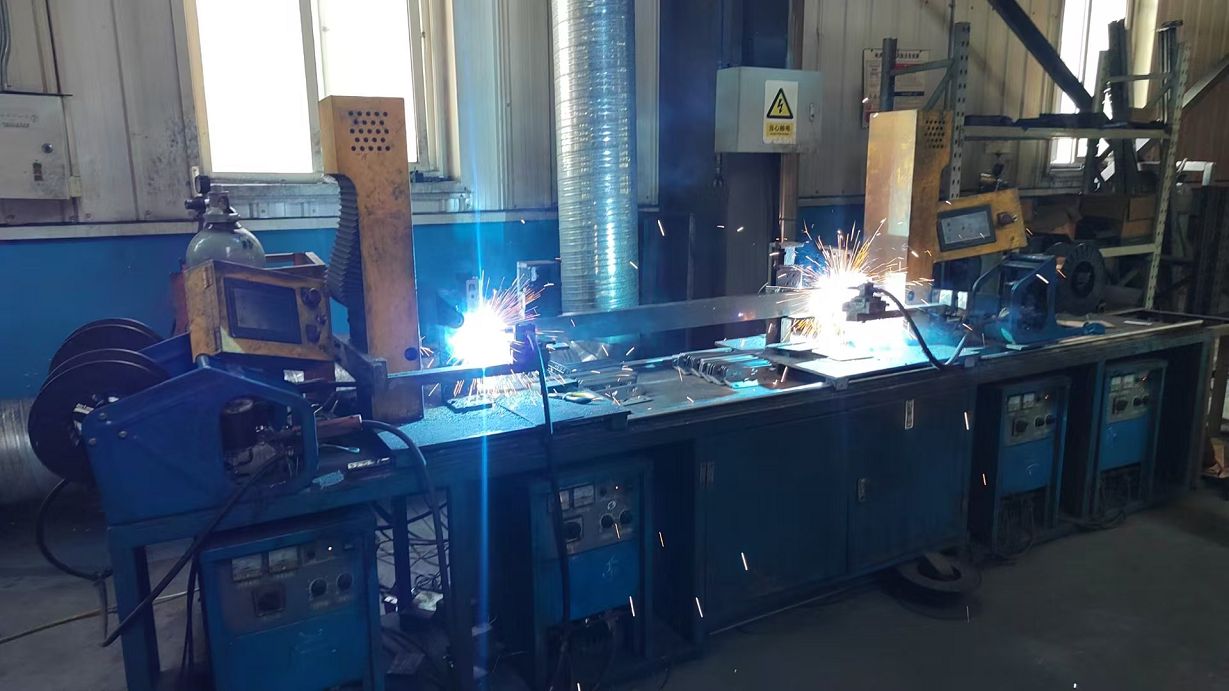
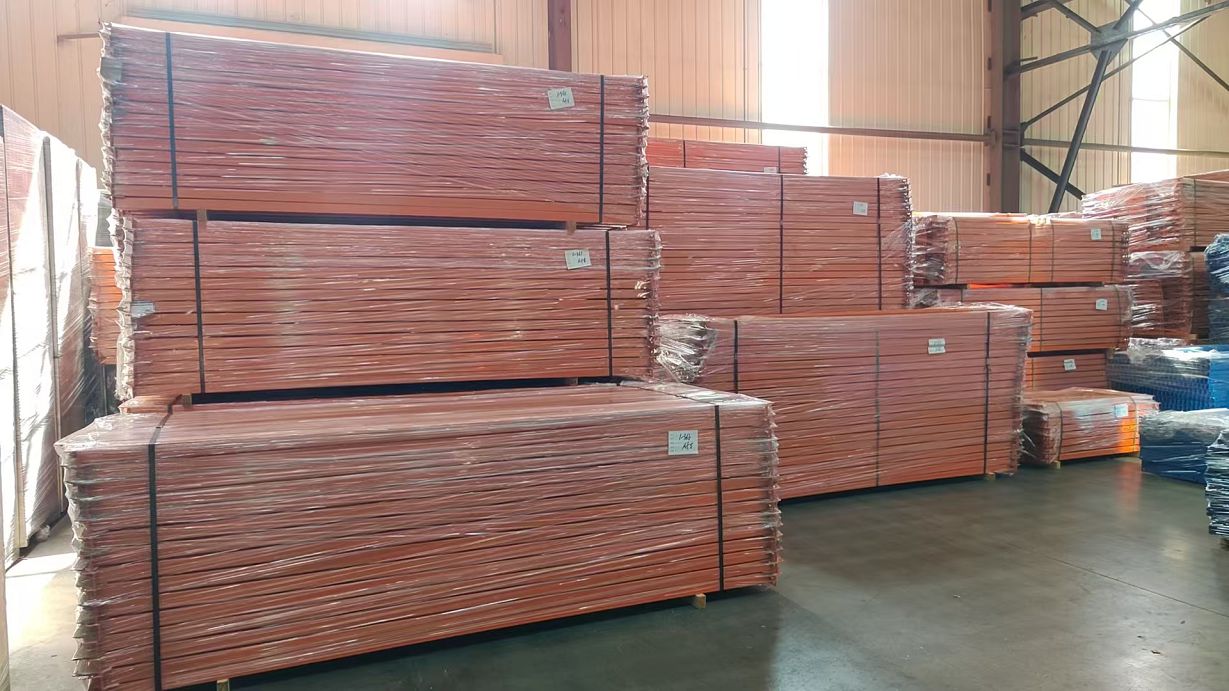
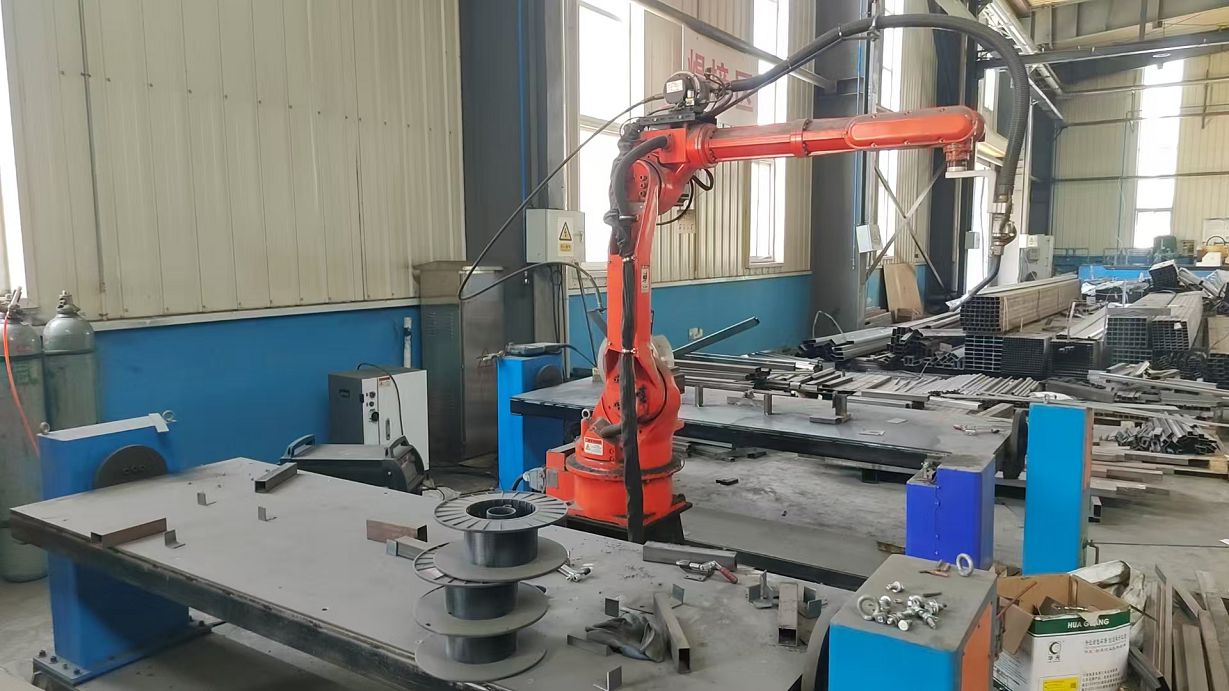
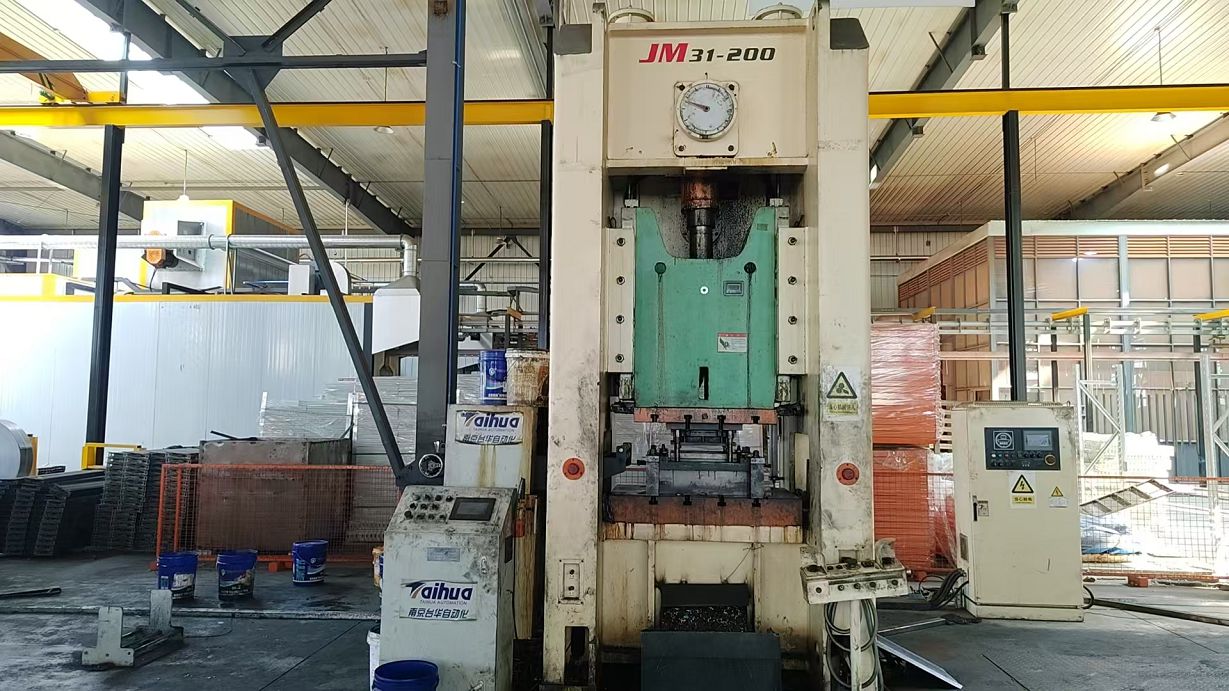
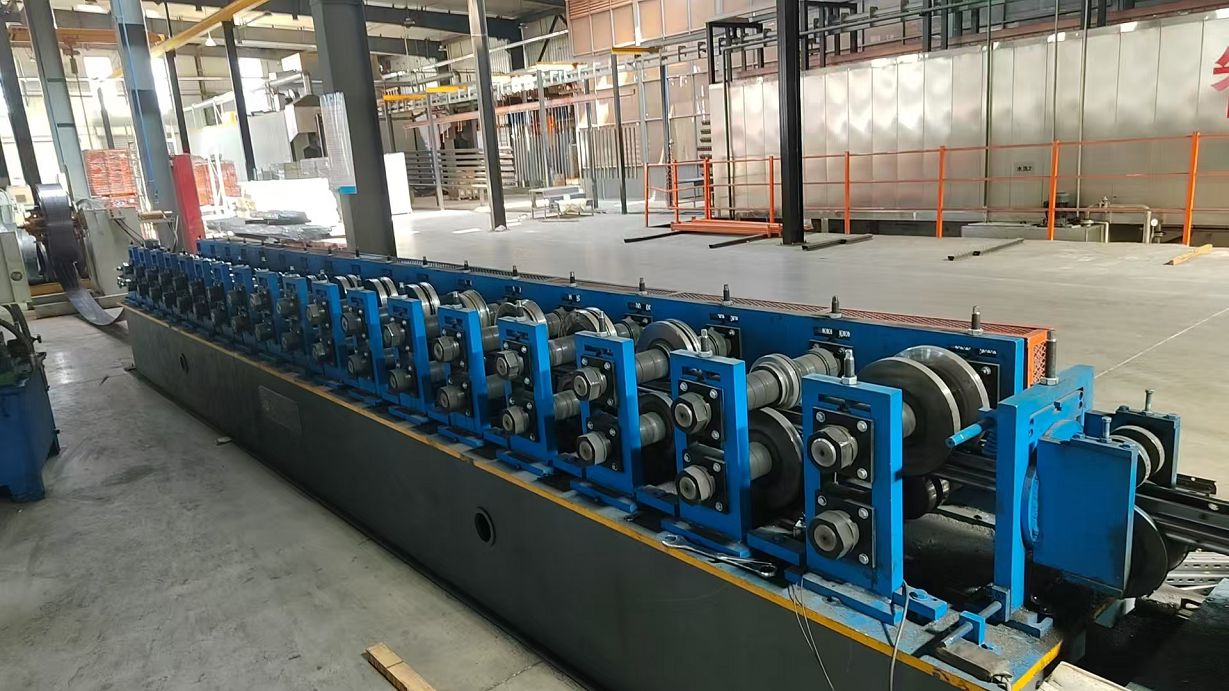
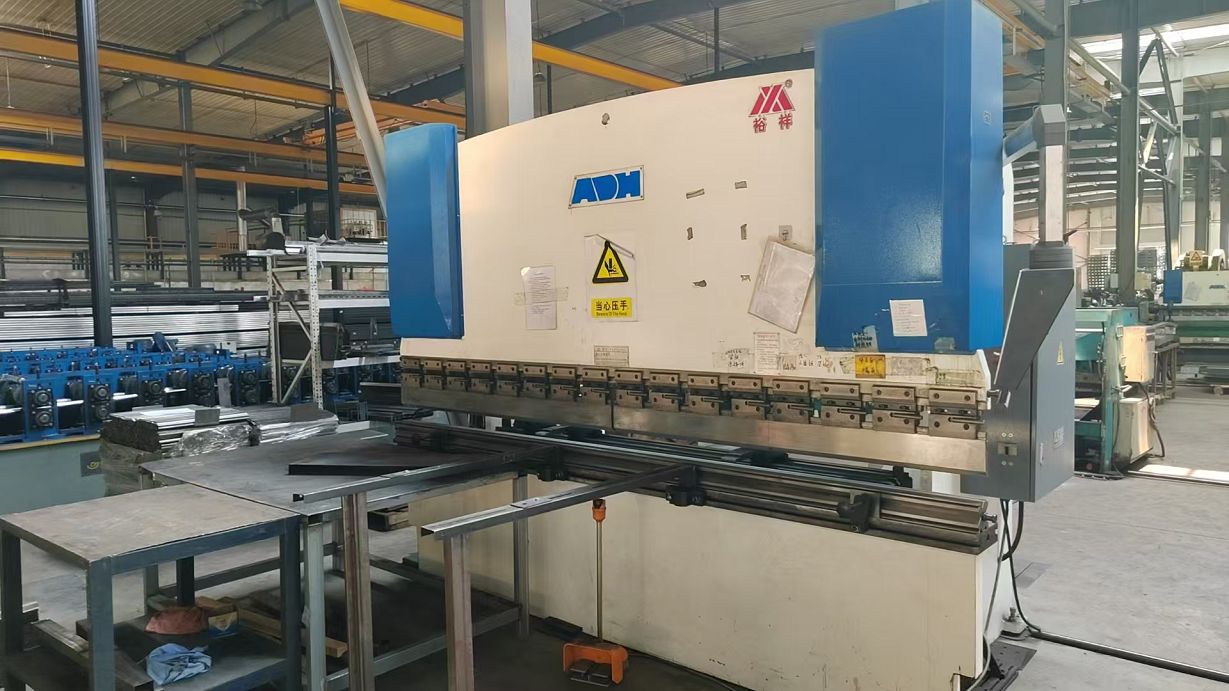
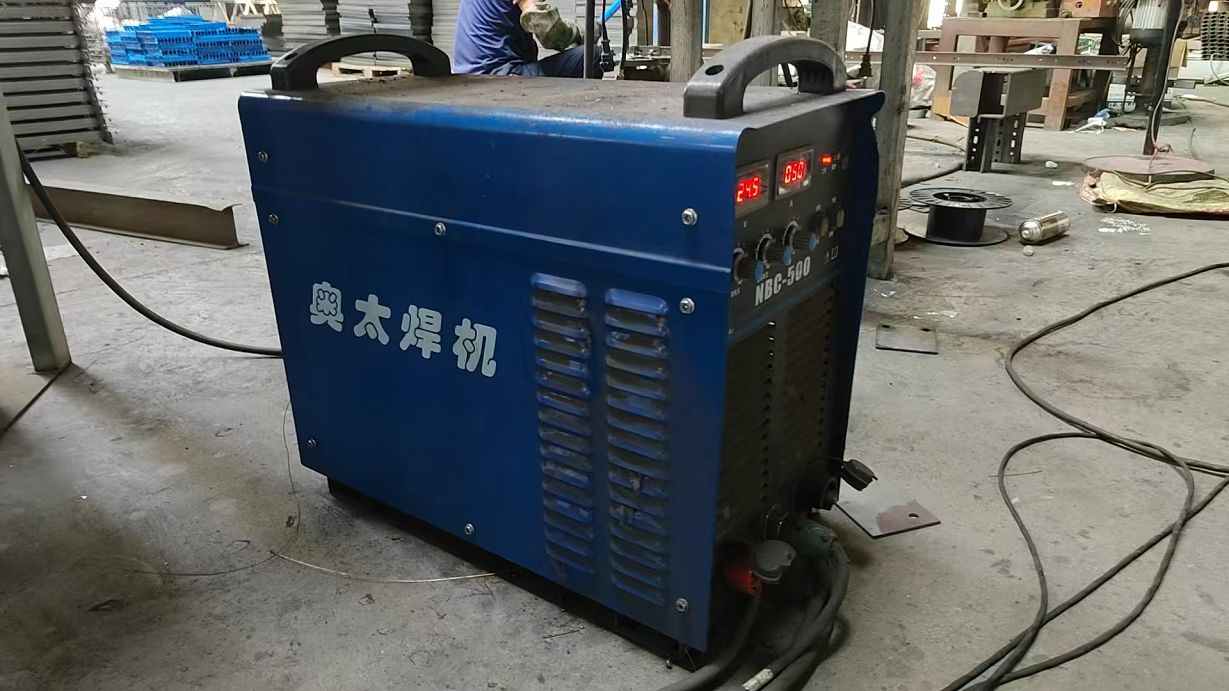
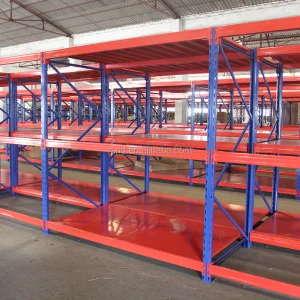
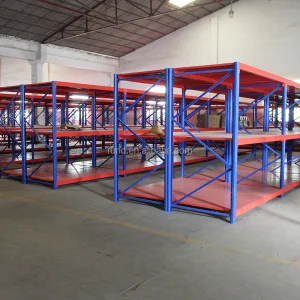
A detailed look at our factory floor, showing the precise processes and machinery used to manufacture our storage racks.
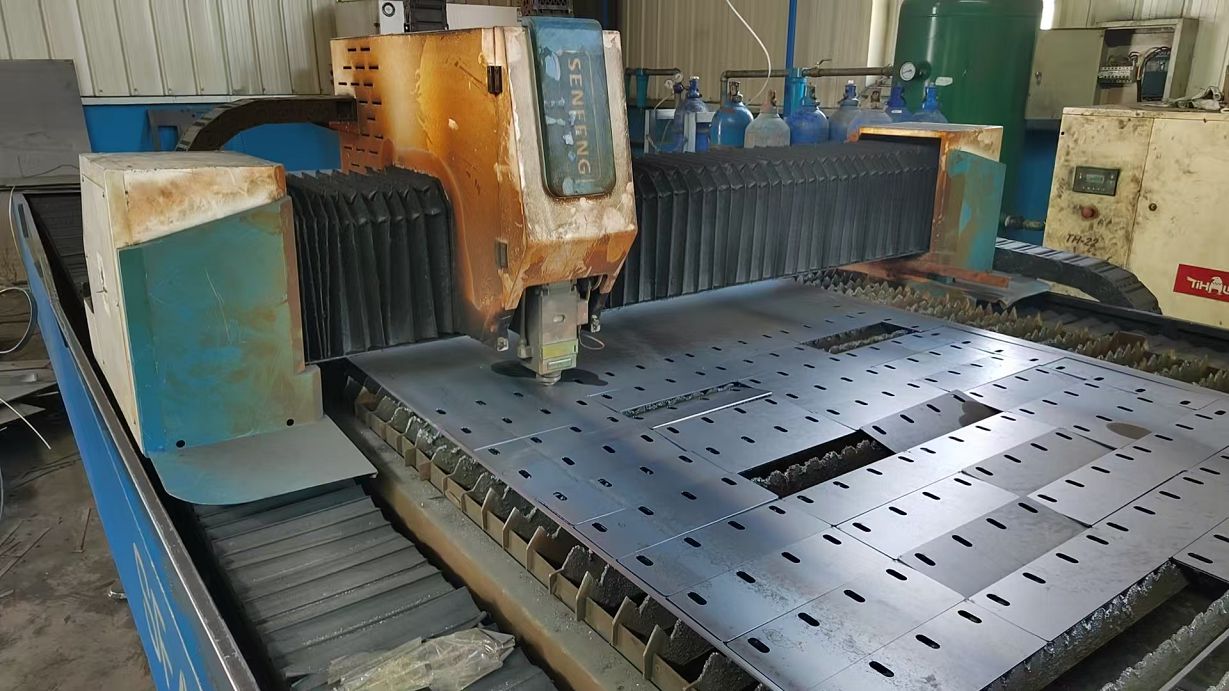
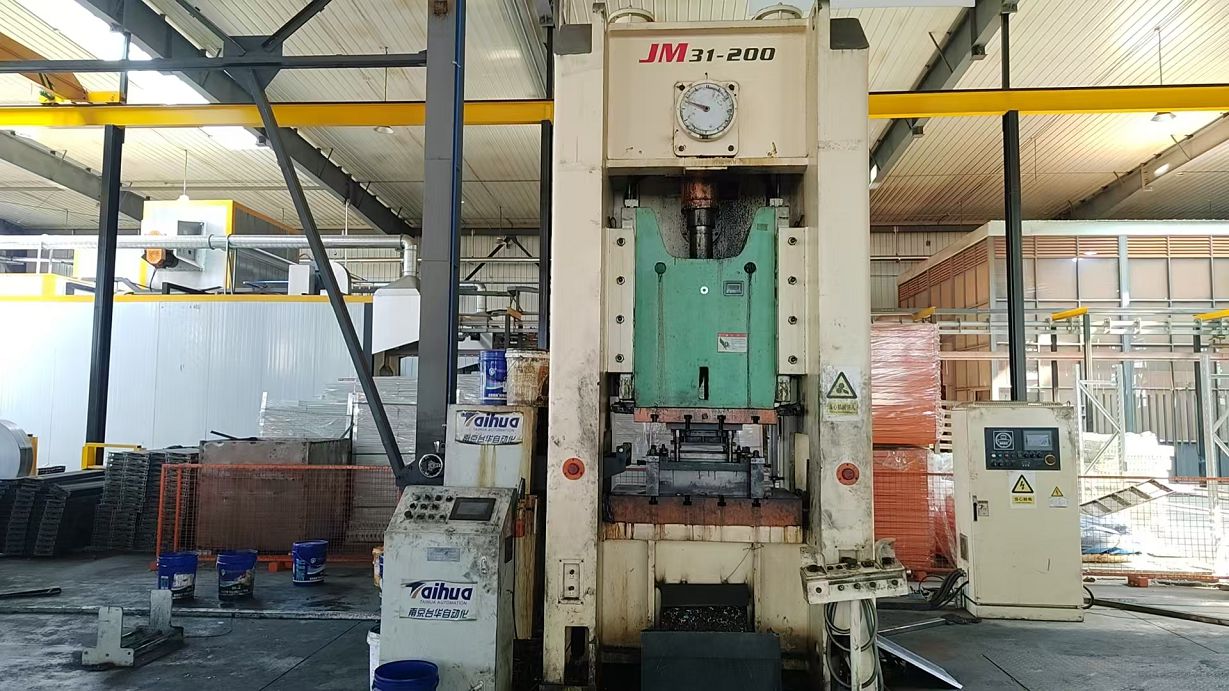
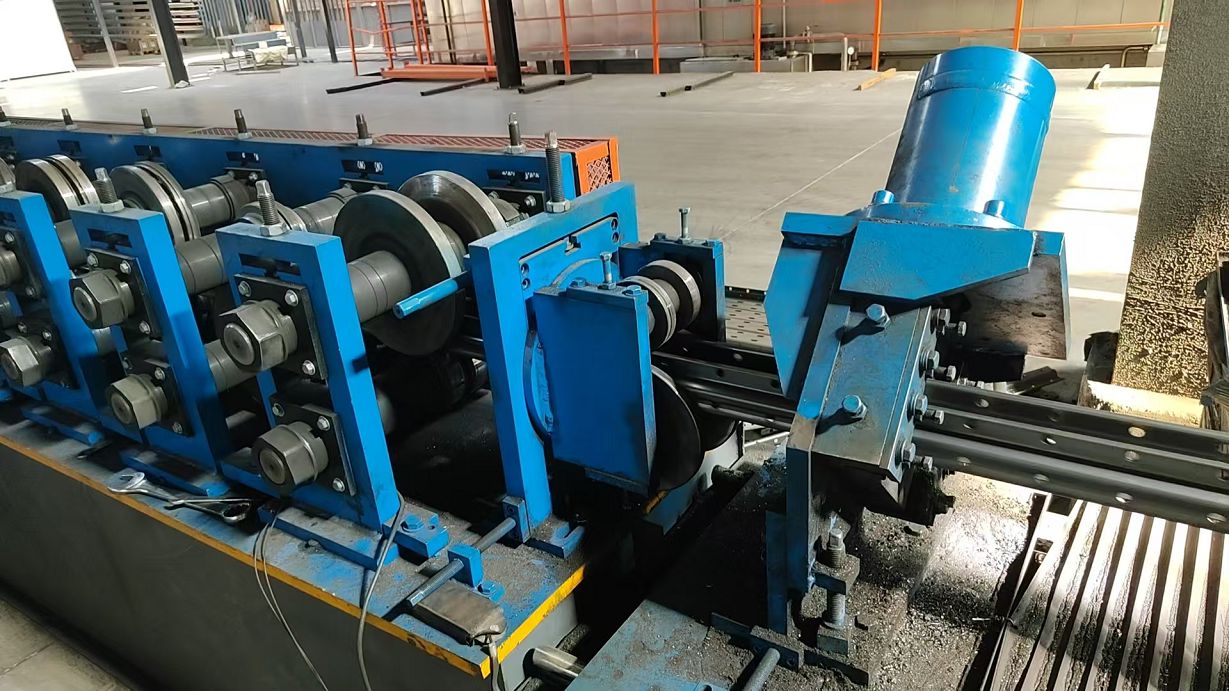
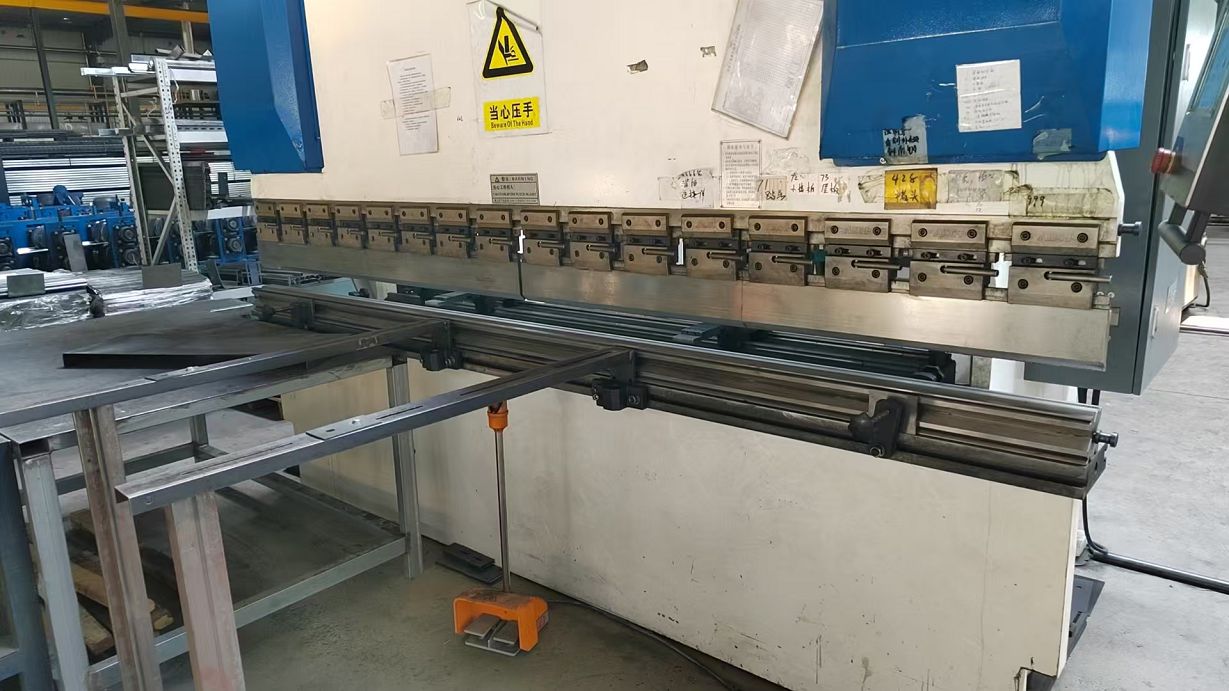
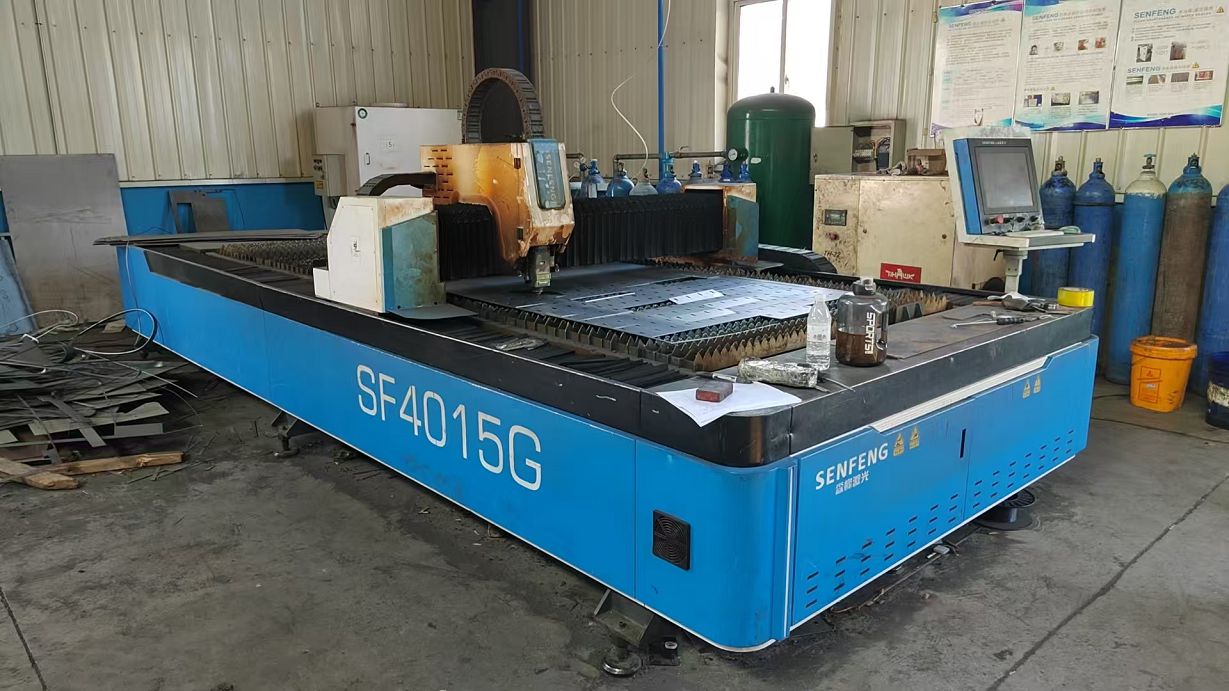
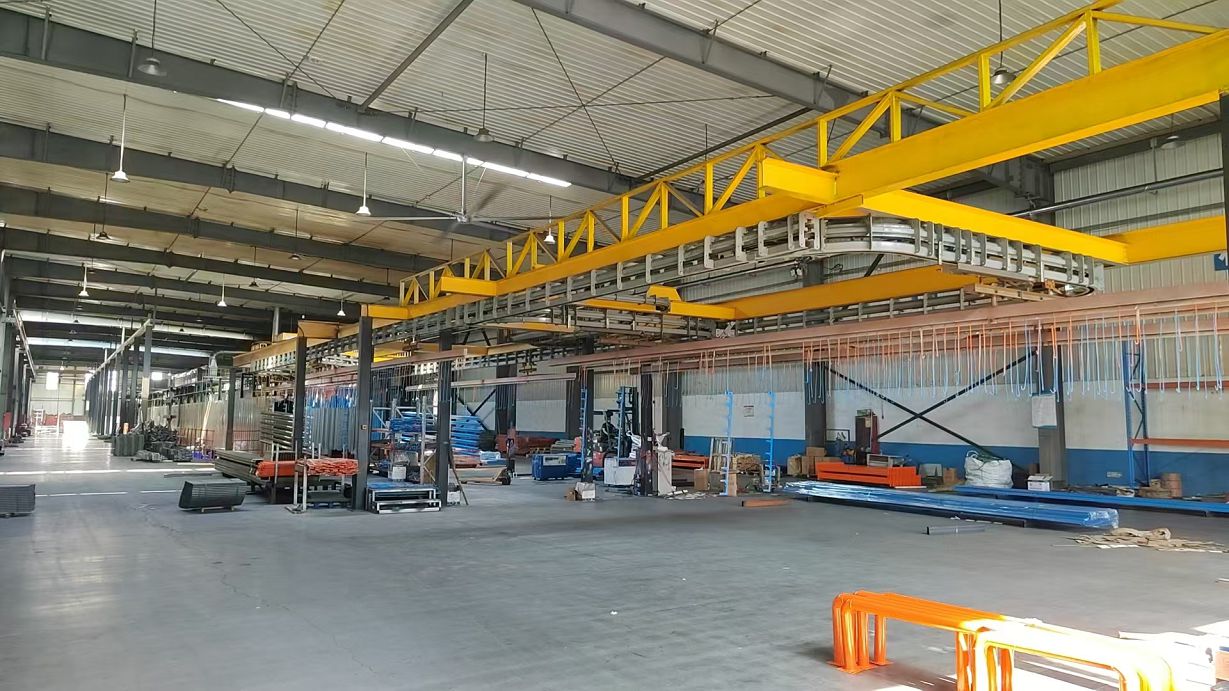
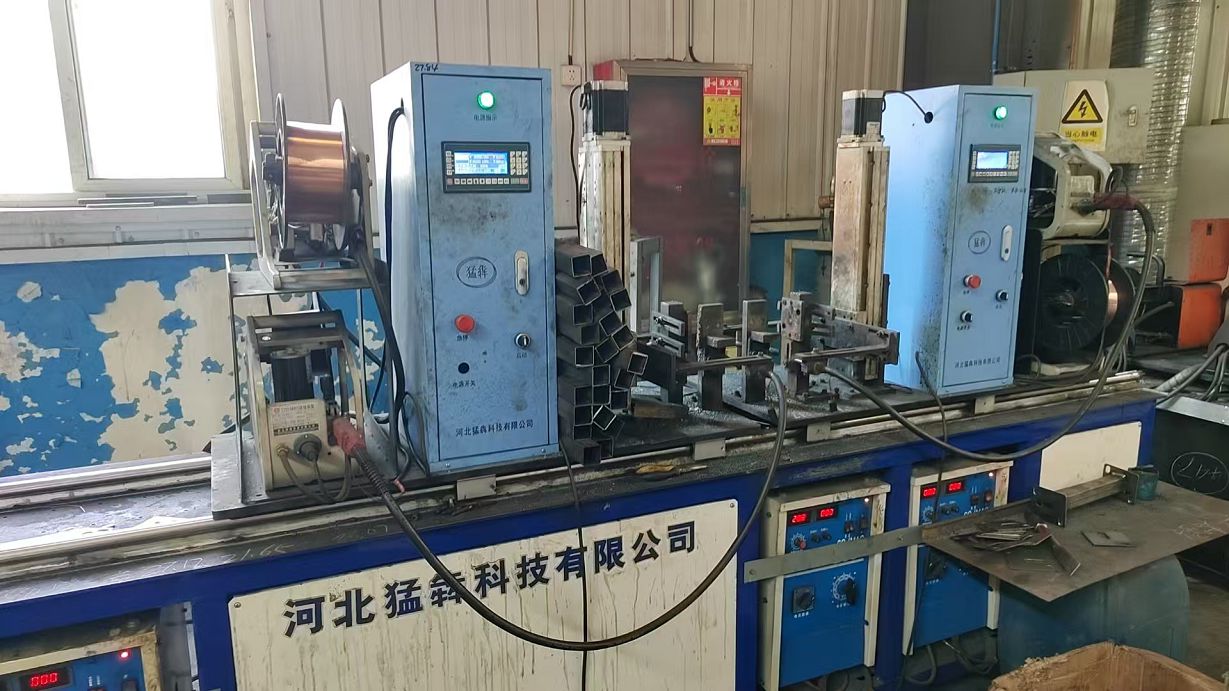
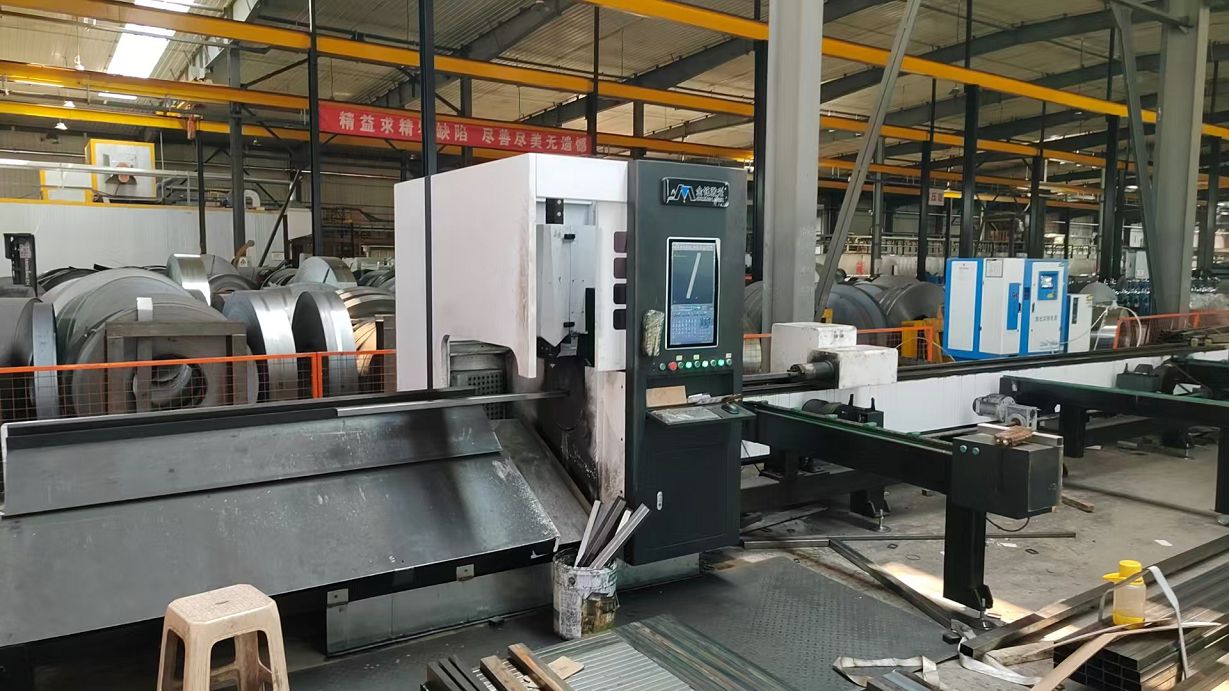
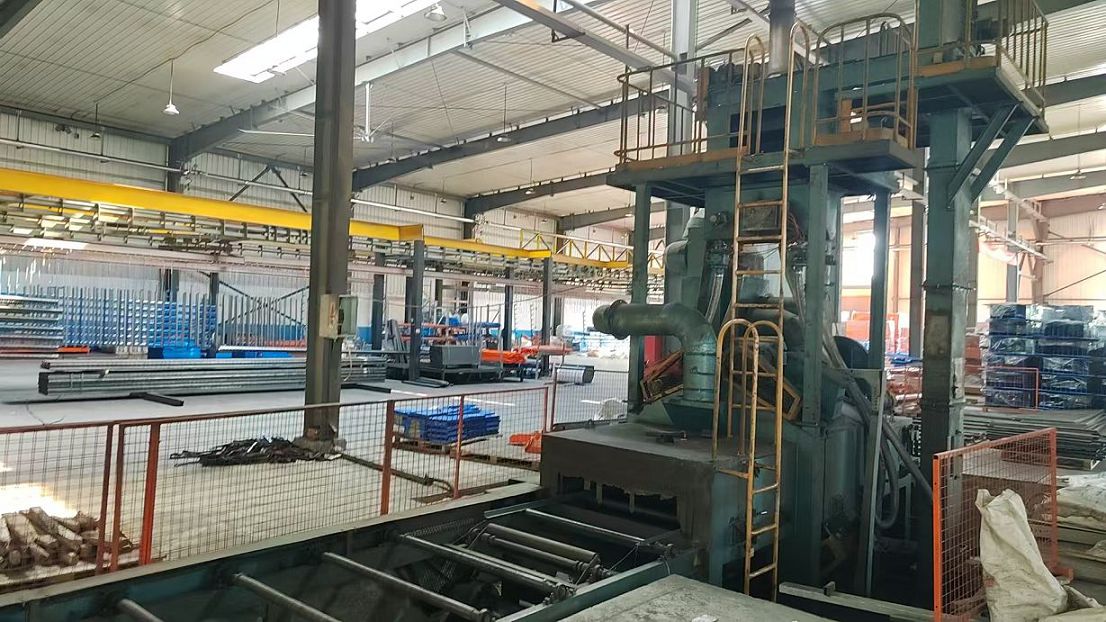
Ensuring operational safety and project approval through complete compliance with global engineering standards.
We design and engineer our structural systems to meet international standards. This ensures compatibility and certification compliance across different global markets:
Our fabrication team works closely with local engineering consultants to supply certified structural calculations. This helps speed up the building and operational permit approval processes for your warehouse.
Our quality assurance program is integrated directly into the manufacturing line. By using coordinate measuring machines (CMM) and load-stress test jigs, we inspect incoming raw steel sheets for consistent yield strength, weld penetration, and dimensional accuracy.
Every production batch is fully documented. Customers receive material mill certificates, powder thickness testing records, and concrete expansion anchor pull-out ratings. This documentation ensures complete transparency for safety inspectors and insurance adjusters alike.
Answers to common structural design, logistics compliance, and customization questions.
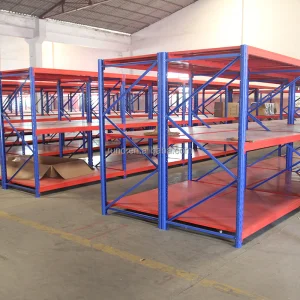
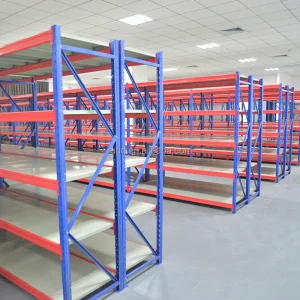
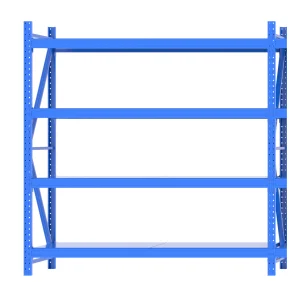
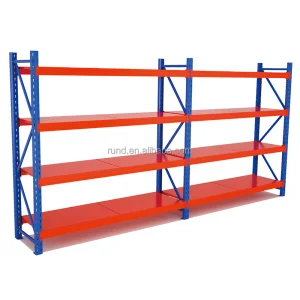
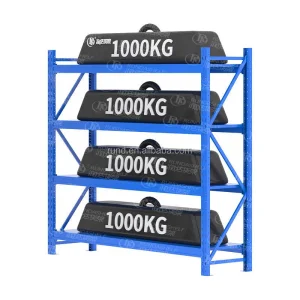
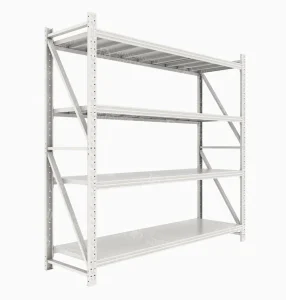
Engineered industrial systems designed to withstand heavy loading conditions and high pallet throughput.
 CoreStorage