The global fresh produce supply chain is undergoing a structural transformation driven by consumer demand for year-round fresh inventory, stringent food safety laws, and the global integration of major agricultural hubs. Supermarket accessories for fruit and vegetable factories and exporters are no longer mere visual merchandising units; they are crucial components of a highly synchronized cold chain ecosystem designed to prevent shrink, preserve post-harvest quality, and guarantee food hygiene. Export hubs, high-output processing facilities, and international logistics hubs demand display systems and modular racks that can withstand extreme relative humidity, resist acidic sanitizing washes, and optimize air circulation around fragile biological stock.
From a global commercial perspective, agricultural exporters face immense regulatory pressure. In North America and the European Union, compliance with the Food Safety Modernization Act (FSMA) and Hazard Analysis Critical Control Point (HACCP) standards requires fixtures that do not harbor bacterial pathogens. This has pushed display racks away from traditional porous wood elements toward advanced, food-grade powder-coated steel, high-durability zinc coatings, and modular engineering. The focus is now on maximizing ventilation and sanitization efficiency, making adjustable racking systems with custom configurations the absolute gold standard for international export operations.
"In the agricultural export business, systemic efficiency is determined by how well the physical interface preserves the product. Modern supermarket racks and logistics accessories serve as the crucial structural bridge between transport logistics and direct-to-consumer sales."
Furthermore, globalization has lengthened the transportation timeline for fruits and vegetables. Exporters need equipment that transitions seamlessly from container storage to wholesale floors. Cross-docking structures, heavy-duty warehouse storage layouts, and highly aesthetic retail shelves must align dimensionally and structurally. This necessitates standardizing rack designs that can seamlessly support palletized fresh goods, modular retail displays, and dynamic storage configurations without risking micro-damage to structural systems.
High-humidity cold storage environments cause rapid oxidation in poorly finished metals. Modern supermarket facilities are moving toward hot-dip galvanized finishes and non-toxic powder coating processes that prevent structural rust and chemical leaching, ensuring direct food-contact safety over years of intensive usage.
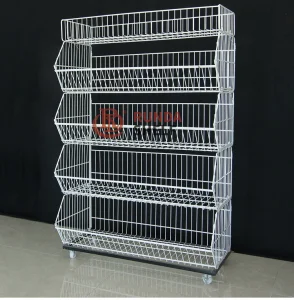
Static, pocketed air speeds up rotting in fresh vegetables and fruits due to ethylene gas accumulation. Modern racking systems integrate perforated mesh plates, wire basket arrays, and open-front single-sided racks to facilitate unimpeded chilled airflow, decreasing produce shrink by up to 18%.
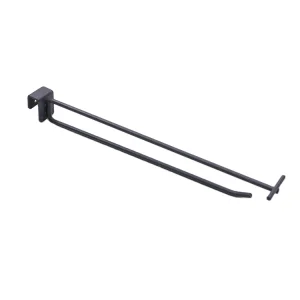
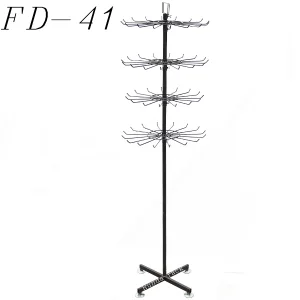
Fresh produce cycles dynamically with seasons. Racks must adapt quickly from summer stone-fruits to heavy autumn root vegetables. Tool-free assembly systems, adjustable heights, and customizable hooks allow quick floor resets, saving precious labor and preventing layout bottlenecking.
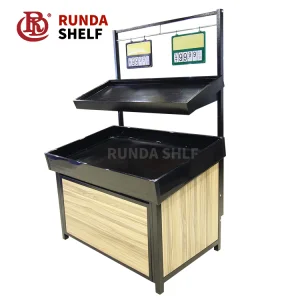
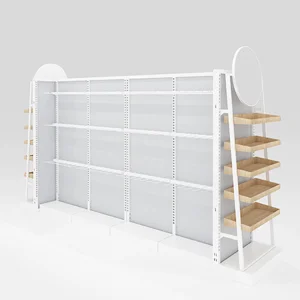
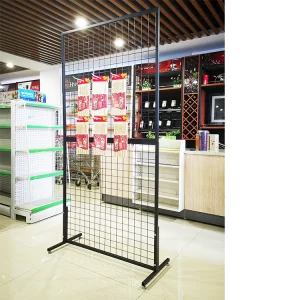
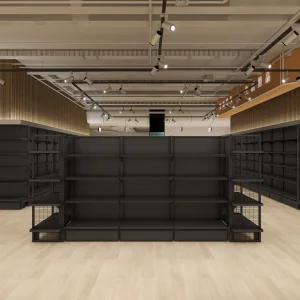
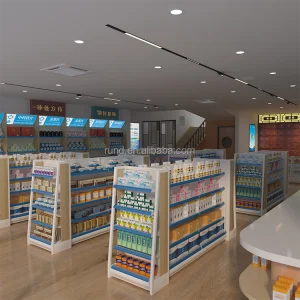
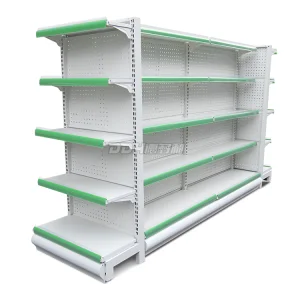
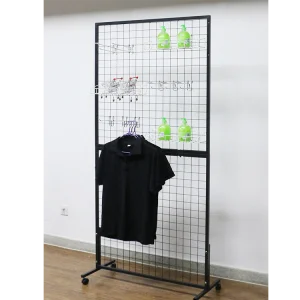
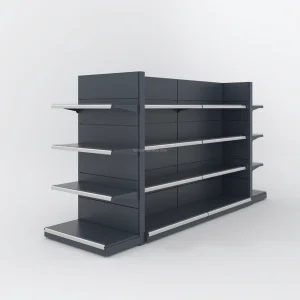
Beyond aesthetics, layout design optimization plays a key role in fresh retail margins. Exporters and retail supermarket operators need modular options like adjustable single-sided shelves (such as the FS-02 Series) that maximize visual verticality while ensuring deep ventilation. High-end retail setups also employ complementary checkout counters and cross-merchandising grids to cross-sell accessories, creating a comprehensive fresh food customer journey.
Sourcing logistics equipment for large-scale grocery stores, global fresh produce distribution operations, and export packing facilities involves unique challenges. Corporate buyers look beyond simple unit pricing. They focus on total cost of ownership (TCO), loading stability under structural stress, and strict supplier compliance with international quality and safety certifications.
In high-throughput produce warehouses, rack overloading can lead to structural failures, putting worker safety and inventory value at risk. Thus, logistics managers expect high load-integrity systems. Sourcing criteria typically focus on the following key metrics:
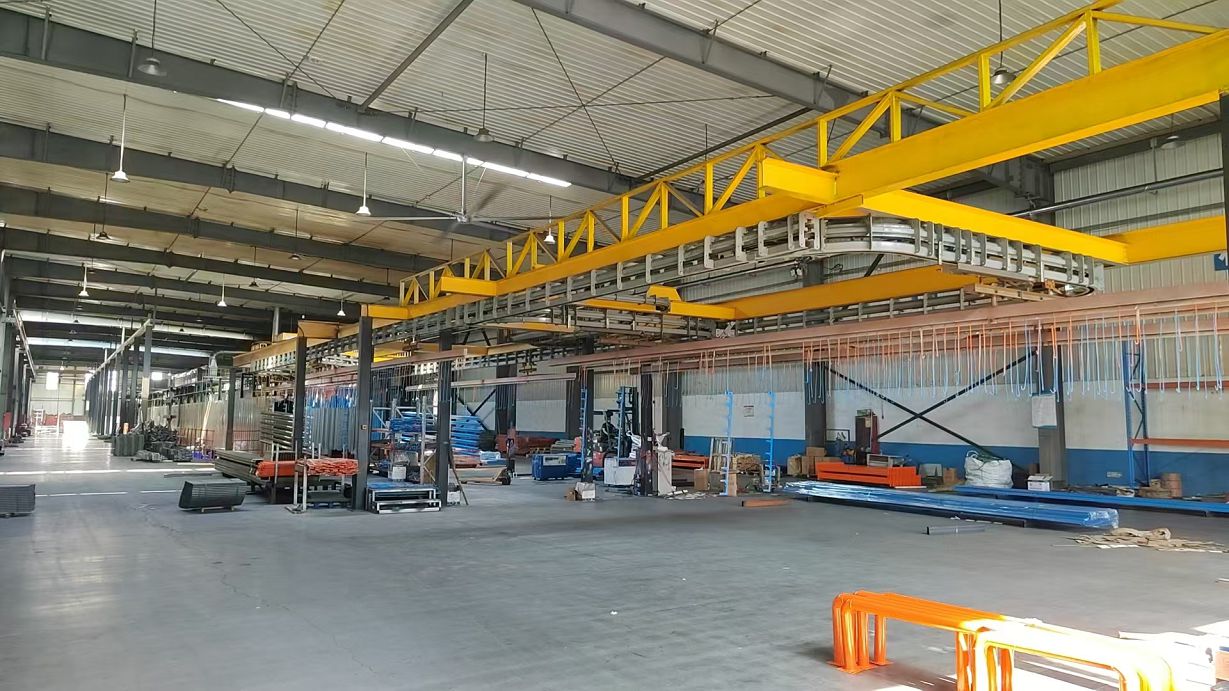
Operating out of Chengdu, China, Chengdu CoreStorage Logistics Equipment Manufacturing Co., Ltd. represents the modern evolution of industrial logistics manufacturing. Founded in 2016, our facility spans a comprehensive 22,000 m² state-of-the-art production area, generating over $15,000,000 in annual export revenue. Our operations combine 6 years of global trade expertise with 11 years of specialized industrial rack manufacturing experience to provide clients with exceptional supply chain support and high-performance products.
Our commitment to quality control is reflected in our adherence to ISO 9001 and CE Structural Safety Standards. Utilizing advanced CMM Automated Dimensional & Load Stress Testing, our team of 28 skilled QC inspectors continuously monitors our automated production lines to guarantee every component meets our rigorous specifications. We operate as an integrated manufacturer and global trading hub, actively collaborating with 650 supply chain partners to serve cold storage operators, wholesale distribution chains, and automotive assembly facilities across the Middle East, South America, and Eastern Europe.
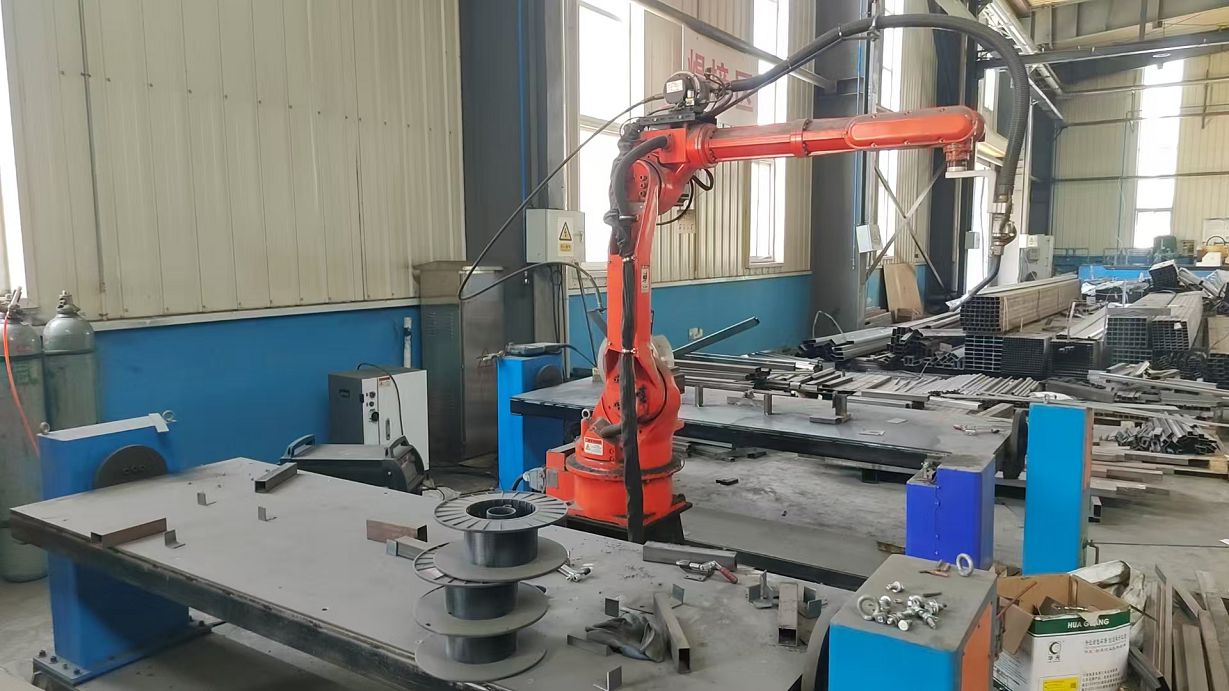
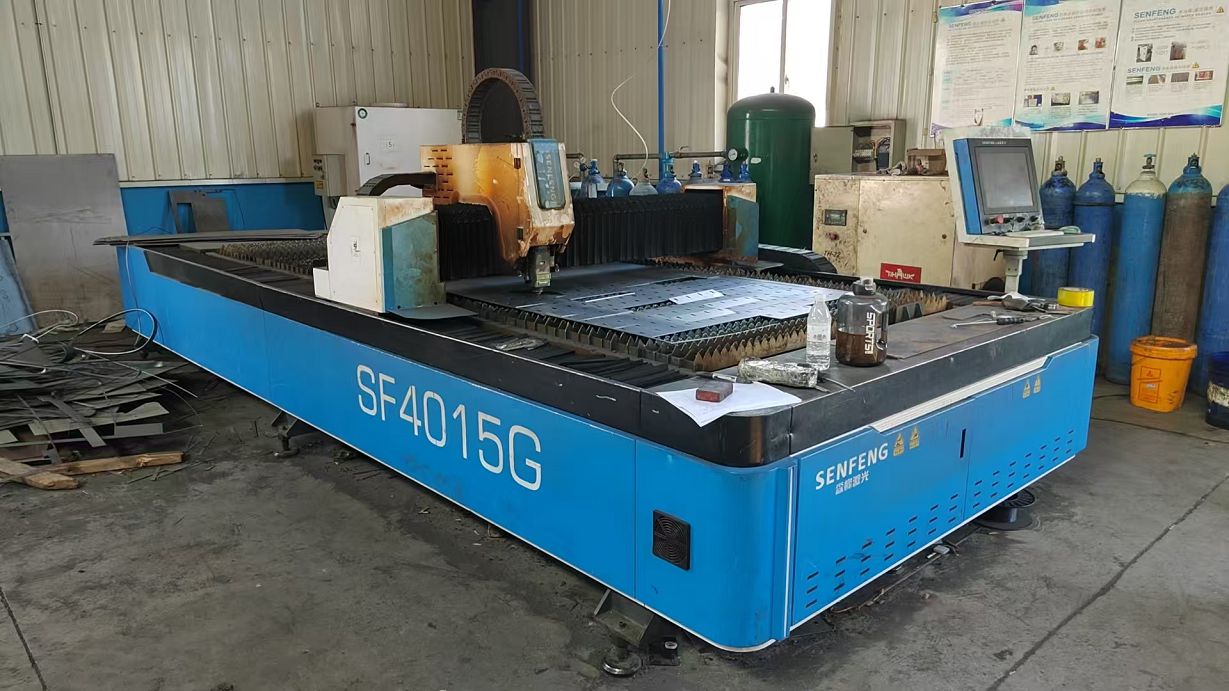
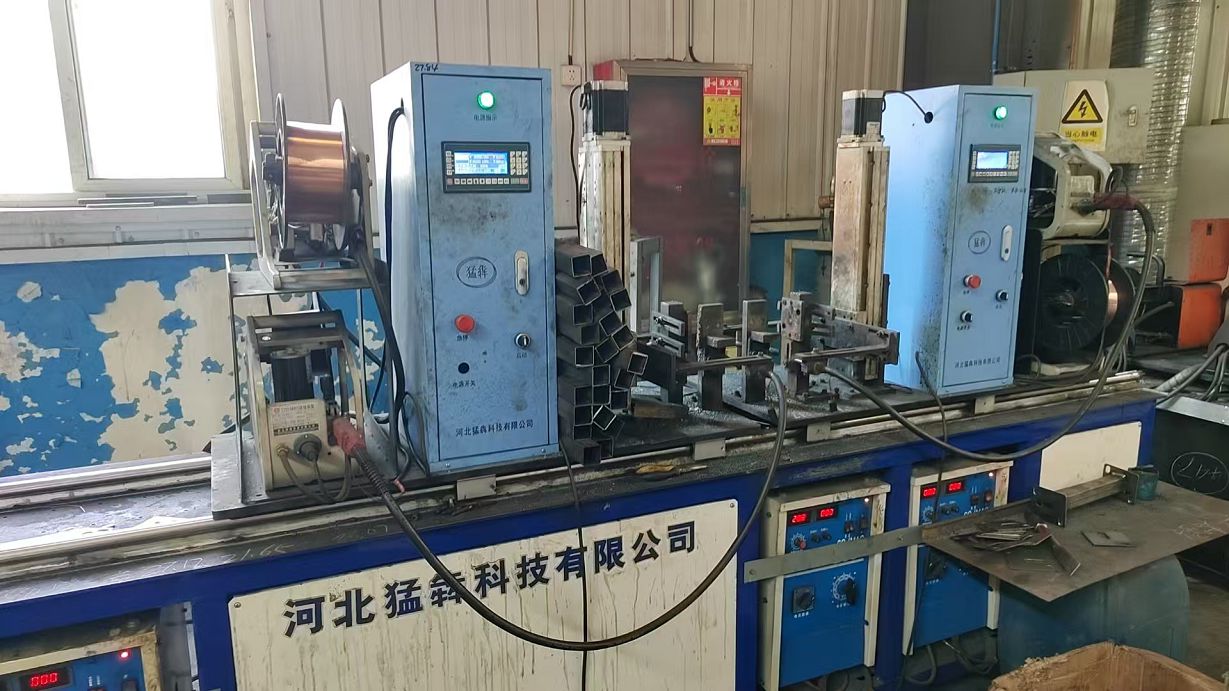
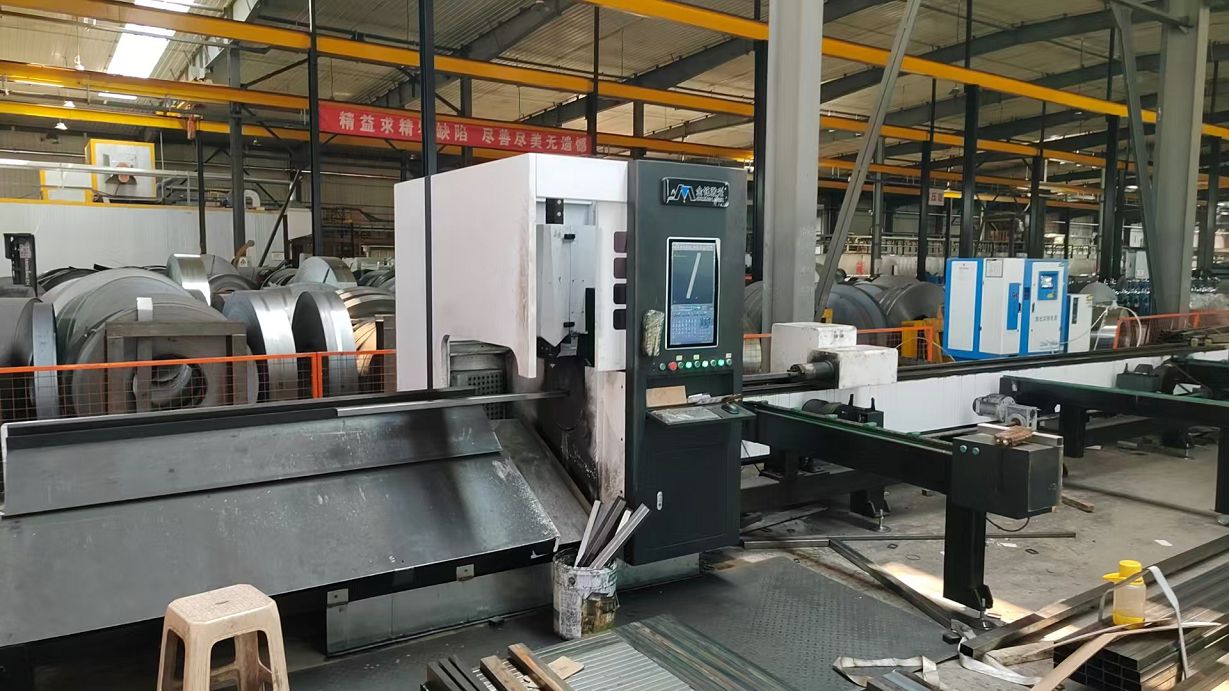
Our engineering team specializes in intelligent modular racking designs, offering tailored column profiles, corrosion-resistant galvanization, and adjustable beam configurations. Driven by our 18 R&D engineers, we successfully launched 28 new product designs last year to meet evolving global industry requirements.
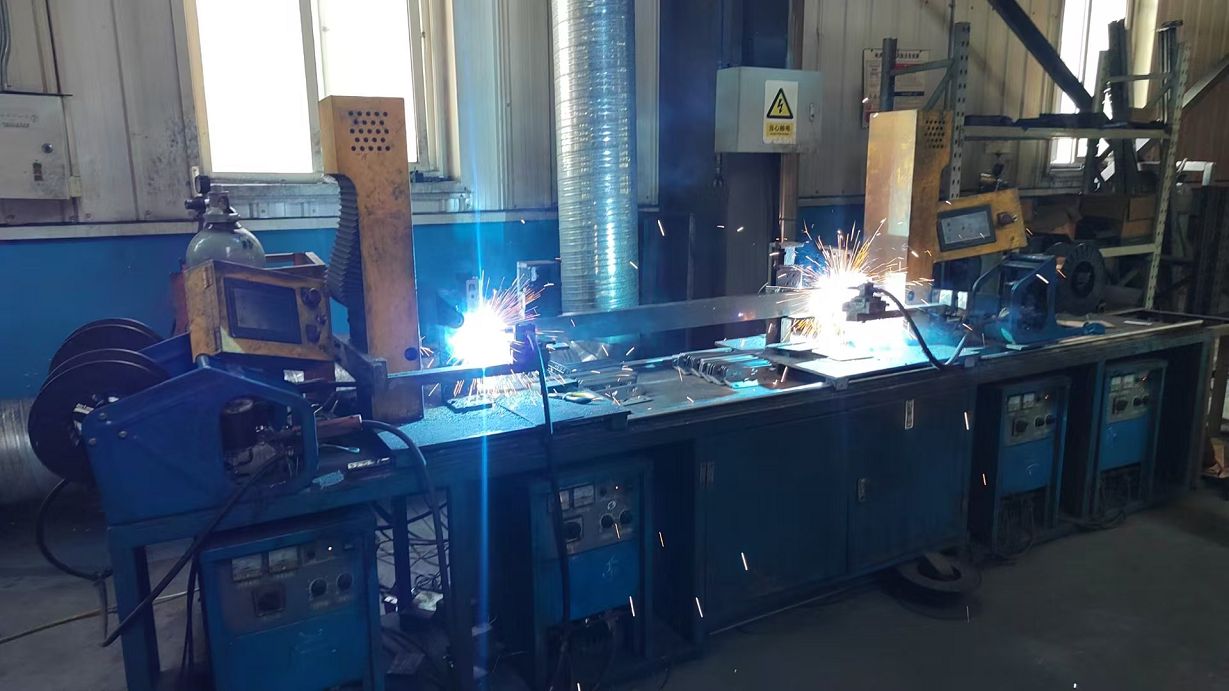
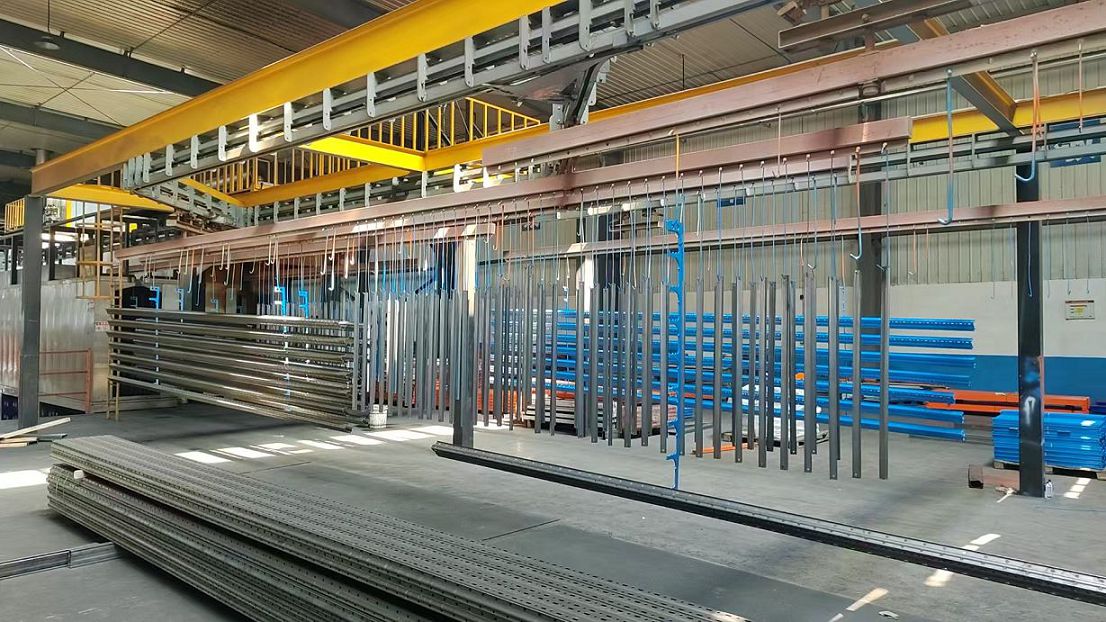
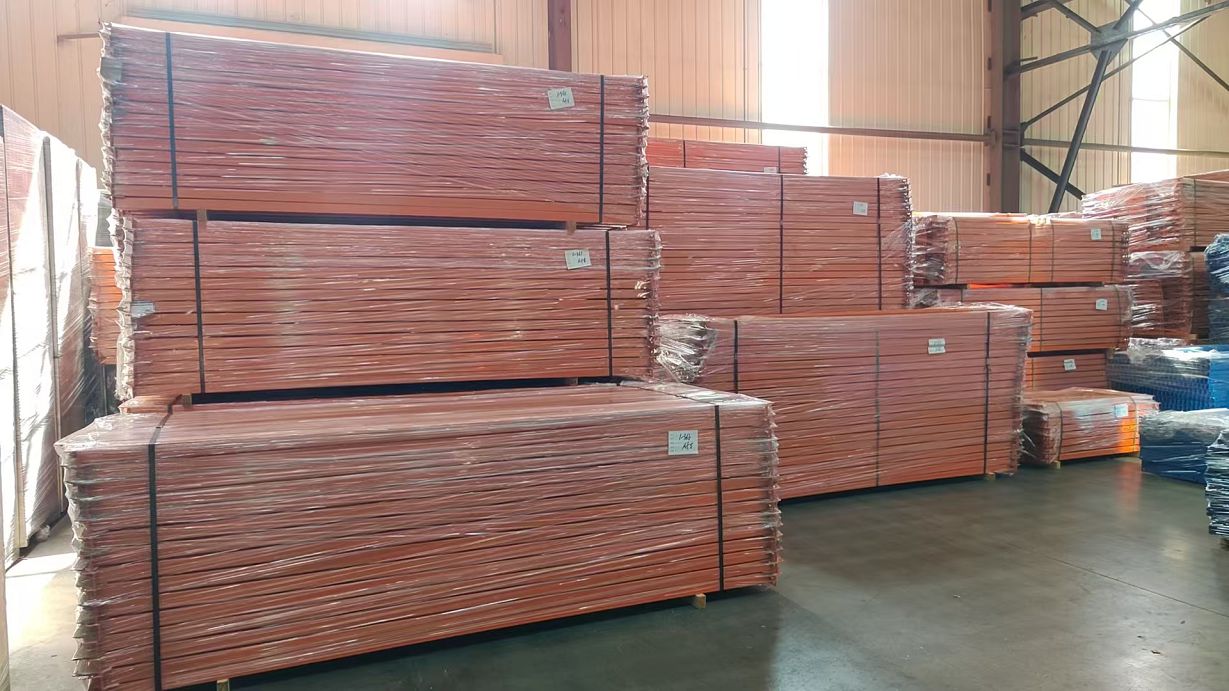
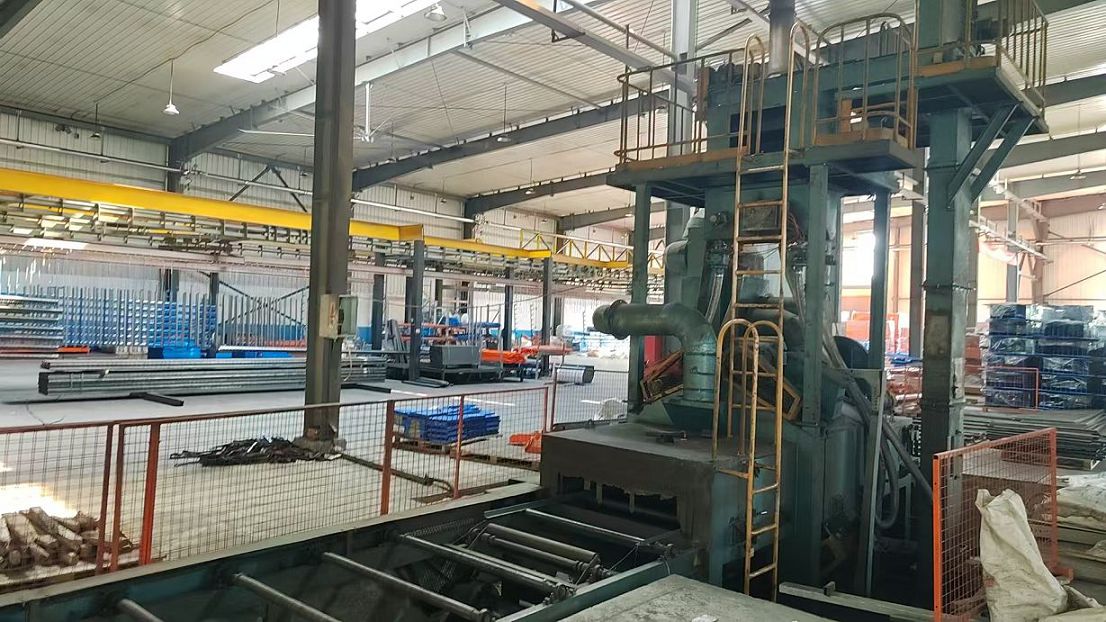
We combine advanced mechanical fabrication with automated robotics to maintain high production precision and output consistency across our product lines:
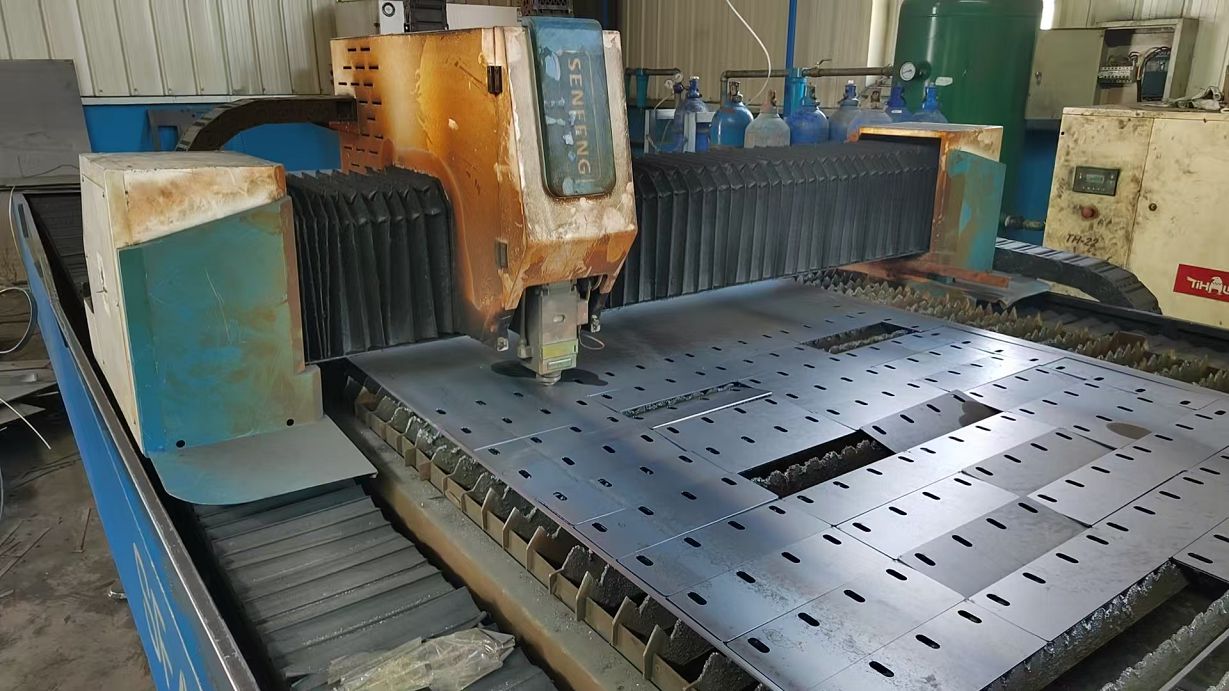
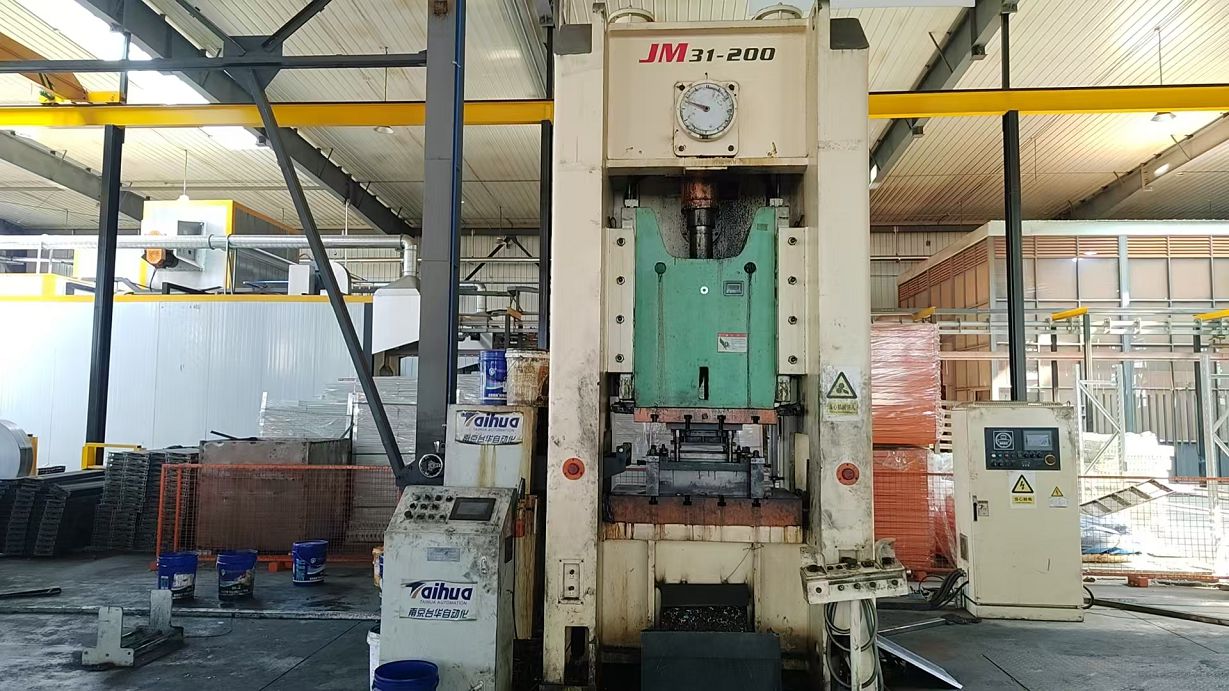
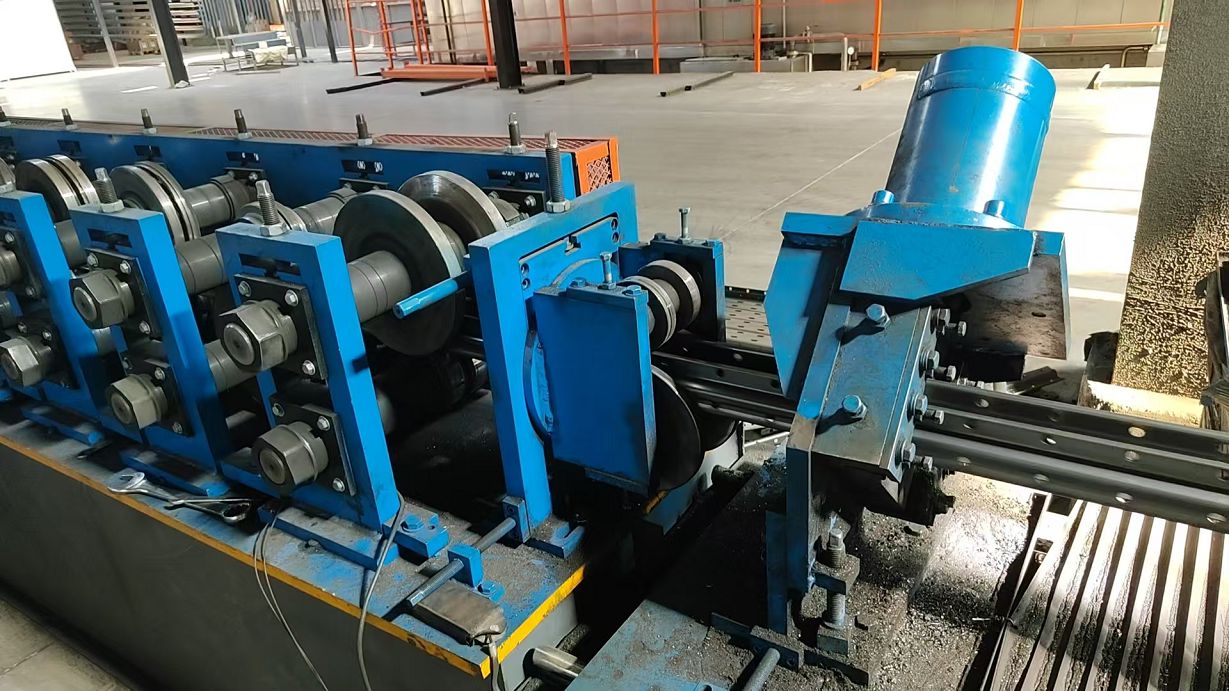
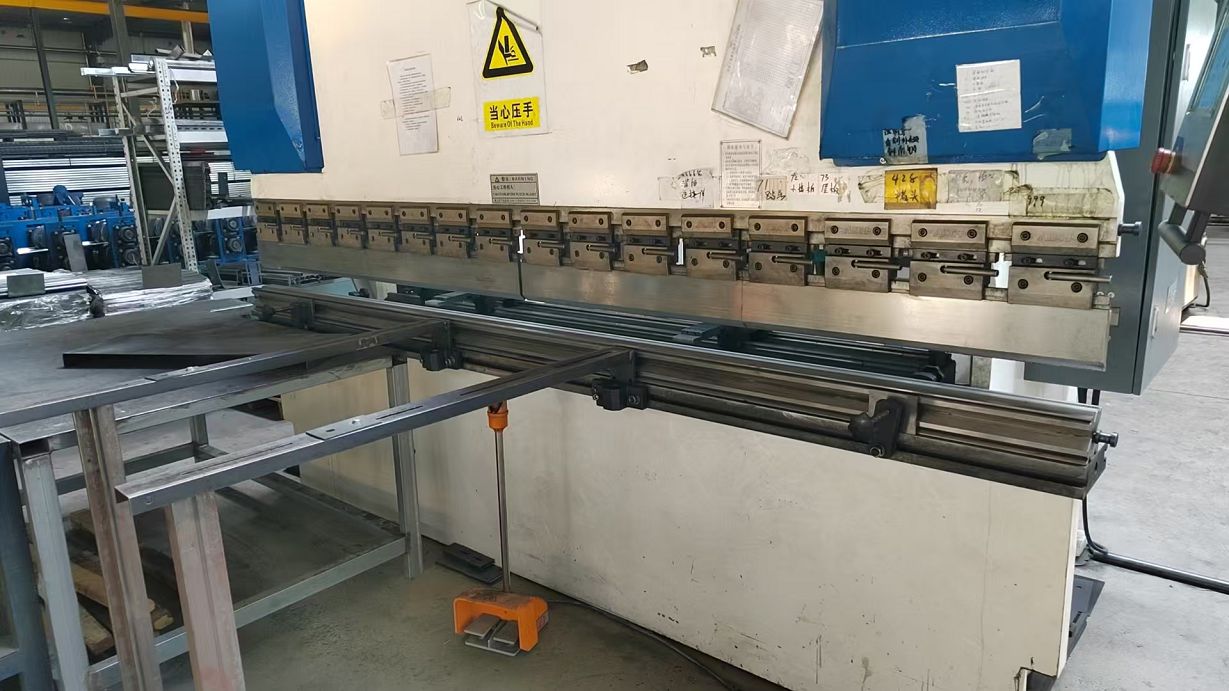
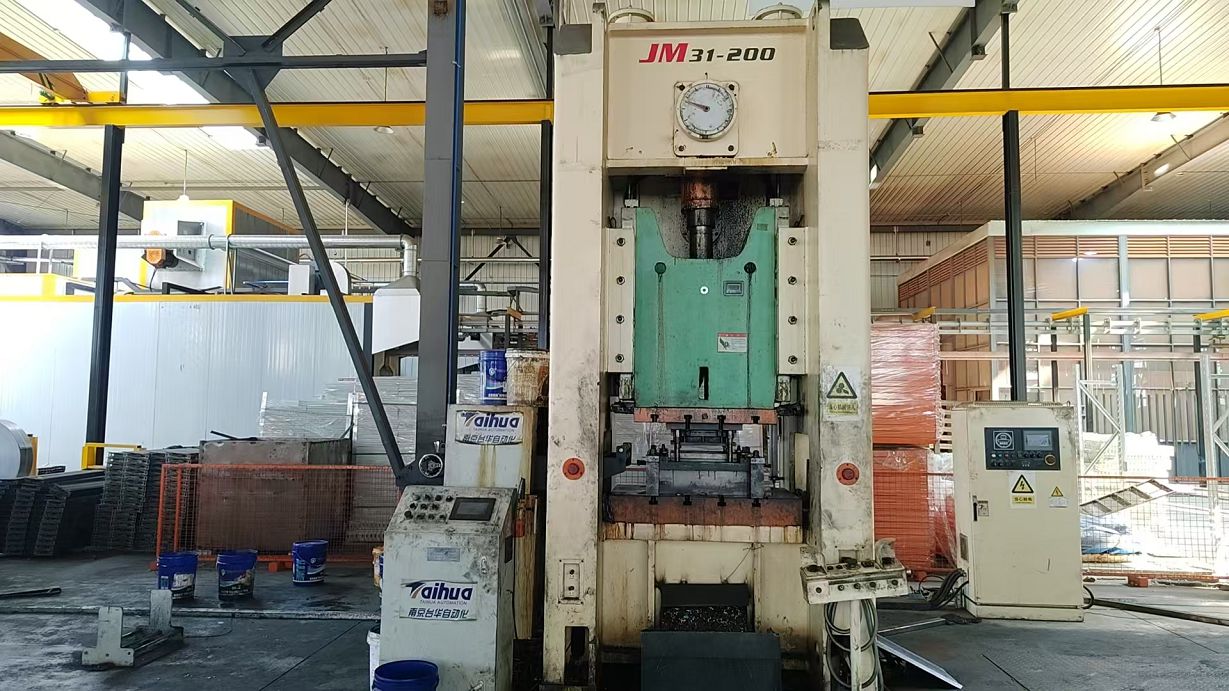
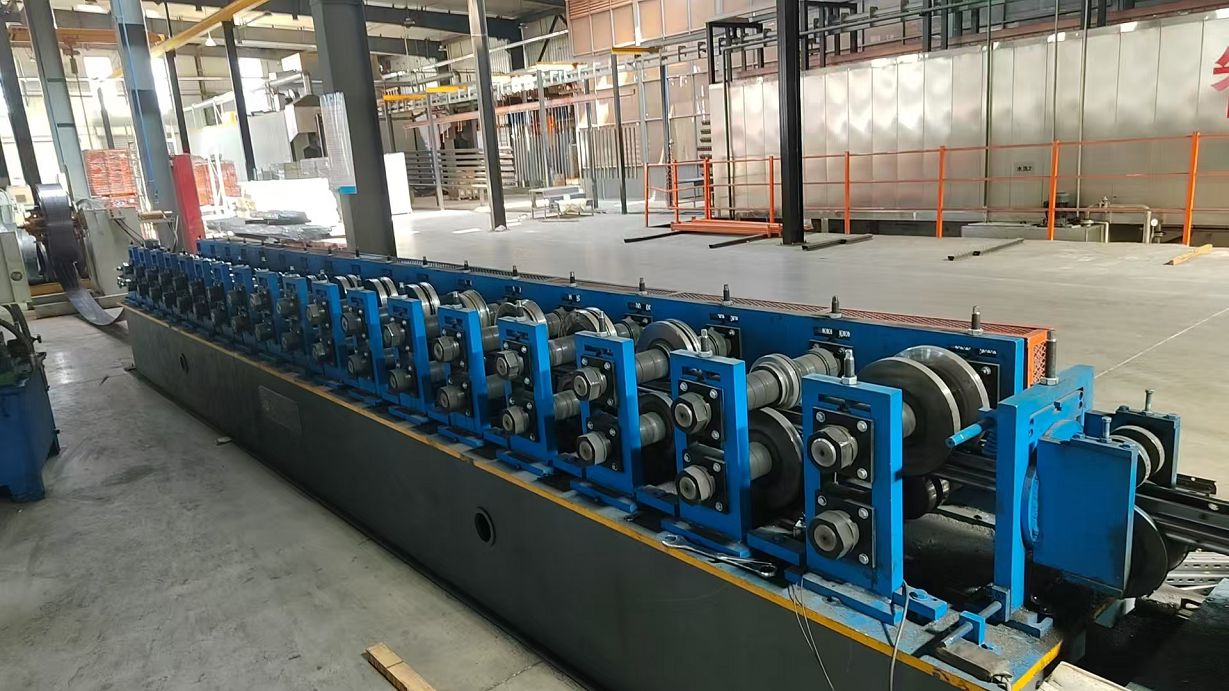
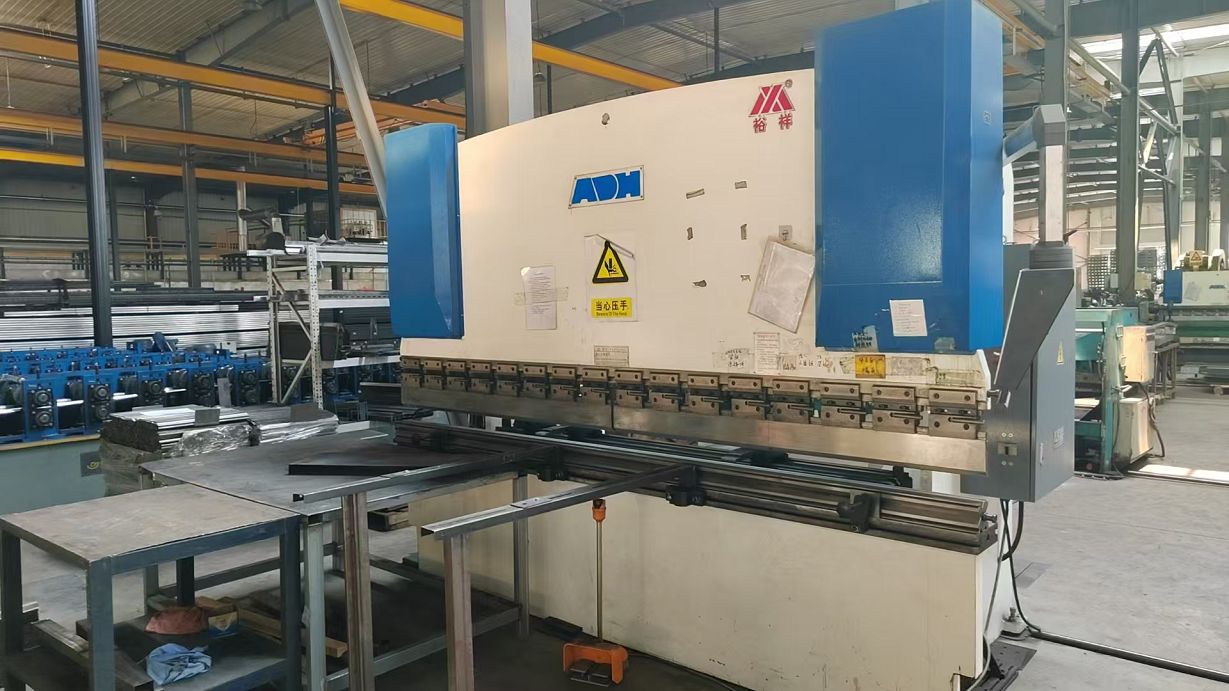
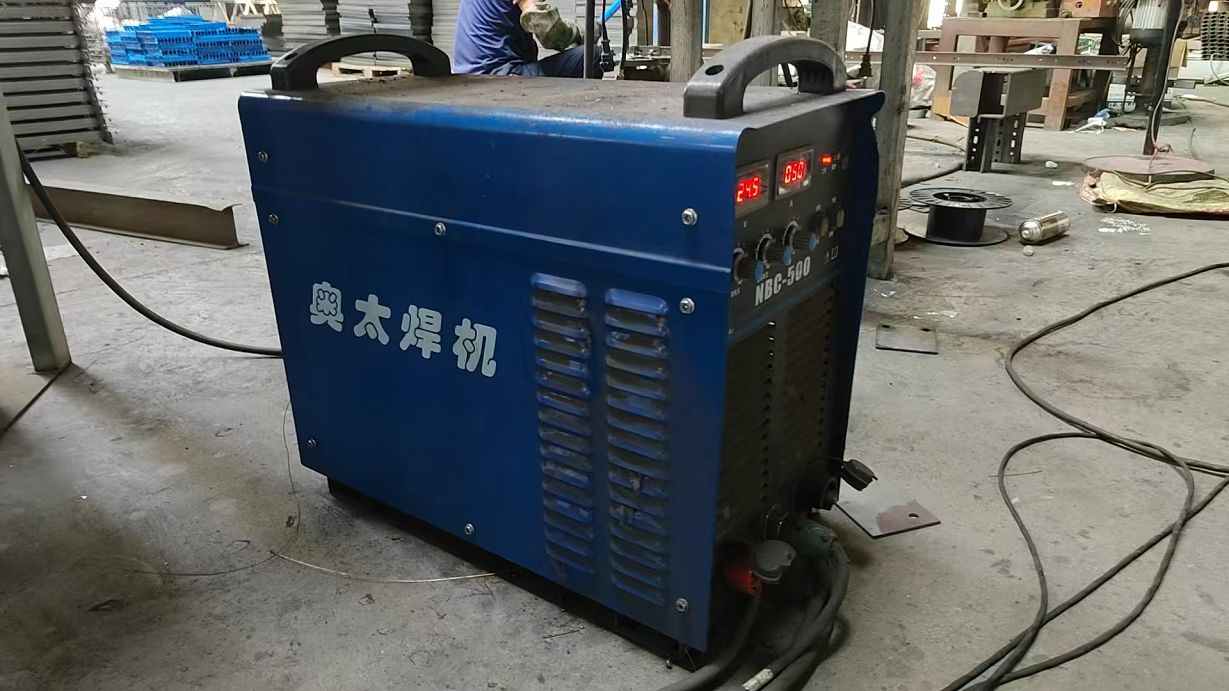
Agricultural warehousing, regional cold chain hubs, and grocery display floors require customized layouts to optimize operational flow. By tailoring equipment setups to specific environments, operators can protect produce quality and streamline logistics:
Designed for packing facilities and post-harvest holding coolers. Our high-durability, corrosion-resistant galvanized racks are engineered to withstand humidity levels above 90% without structural degradation, preventing rust-based contamination and safeguarding fresh produce.
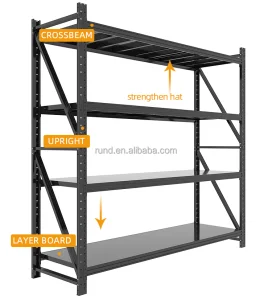
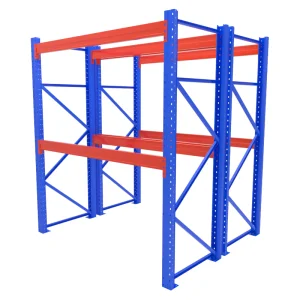
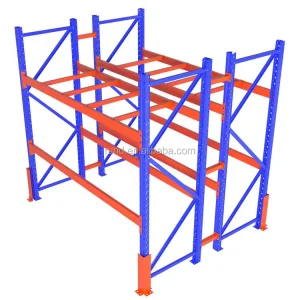
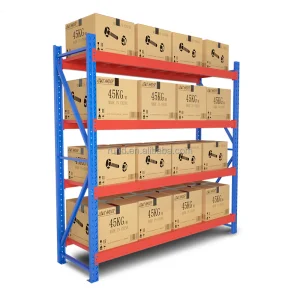
For export hubs handling heavy shipments. Our heavy-duty racking systems, capable of supporting loads over 1000 kg, are built to handle bulk crates of root vegetables and dense citrus loads, optimizing vertical warehouse space and improving forklift loading speeds.
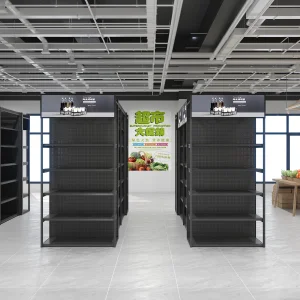
For high-footfall retail stores. We supply ergonomic, single-sided displays and customized modular wire shelves that display fresh produce effectively, simplify restock processes, and withstand daily wear and tear.
Fresh produce releases organic acids and is frequently misted with water to maintain freshness, creating a highly corrosive environment. Hot-dip galvanization forms a robust, multi-layered zinc-iron alloy coating that isolates the steel core from moisture and oxygen, preventing corrosion and structural degradation.
Enclosed shelving traps ethylene, a natural plant hormone that accelerates ripening and decay. Our open-mesh wire decks and perforated steel panels facilitate cross-ventilation, helping disperse ethylene gas and maintaining cool temperatures to extend produce shelf life.
Our products undergo testing in accordance with ISO 9001 and CE structural safety standards. Using coordinate measuring machines (CMM), we perform dimensional audits and load stress tests under simulated load conditions to confirm safe loading limits and mechanical integrity before delivery.
Yes, our racking systems feature modular slotting and boltless connections, allowing operators to adjust shelf heights and angles without specialized tools. This flexibility supports rapid product resets as seasonal inventories change.
 CoreStorage