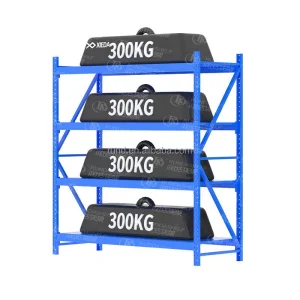
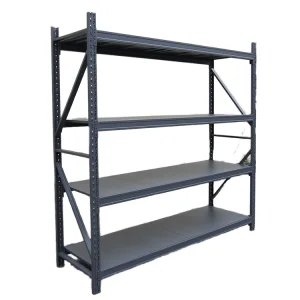
Engineered structural racking and modular steel shelving solutions optimized for maximum space utilization and load safety metrics.
In the contemporary landscape of global logistics, the optimization of industrial storage is no longer merely a matter of finding extra floor space. It represents a critical nexus where operational throughput, physical load structural safety, and long-term cost amortization intersect. Modern distribution networks operate at hyper-speed, processing high SKU counts under stringent time-to-market constraints. To thrive, warehouses must maximize volumetric space utilization. This is the domain of engineered stacking racks & shelves and advanced industrial warehouse racks.
Standard static storage frameworks are rapidly being replaced by intelligent modular racking architectures. As high-density storage technologies like automated shuttle systems, drive-in racks, and heavy-duty adjustable pallet systems mature, procurement managers require deep technical guidance to ensure their infrastructure investments are robust, legally compliant, and structurally sound. This whitepaper analyzes the manufacturing engineering, global compliance parameters, supply chain advantages, and localized operational configurations that define class-leading storage solutions.
Chengdu CoreStorage Logistics Equipment Manufacturing Co., Ltd. was founded in 2016. Spanning a comprehensive factory area of 22,000 m², the company generates an annual export revenue of $15,000,000. We bring 6 years of global trade expertise alongside 11 years of specialized industrial rack manufacturing experience.
Industrial structural failure in a high-density warehouse is catastrophic, resulting in damaged capital goods, operational down-time, and severe human risk. Therefore, ensuring safety begins at the steel chemistry and microstructural level. Quality control procedures must adhere strictly to ISO 9001 & CE Structural Safety Standards. Premium warehouse rack systems leverage advanced manufacturing methods, incorporating automated robotic welding and high-precision profile rolling.
To guarantee load integrity under both static and dynamic forces, our manufacturing lines employ CMM Automated Dimensional & Load Stress Testing. With a dedicated team of 28 skilled QC inspectors, each production run is monitored for structural straightness, thickness tolerances, and weld-penetration depth. This level of quality management allows us to actively collaborate with 650 supply chain partners globally. We supply reliable products to critical logistics operations including cold storage operators, wholesale distribution chains, and automotive assembly facilities.
Innovative designs require advanced product engineering. Guided by Intelligent Modular Racking Design principles, our development team designs racks with customizable options including corrosion-resistant hot-dip galvanization, engineered column profiles, and easily adjustable beam heights. Last year, our product innovation team executed 28 new product releases, backed by the deep technical expertise of our 18 R&D engineers.
Witness the specialized processes and robotic engineering that translate high-grade Q235 steel into structural, certified logistics storage assets.
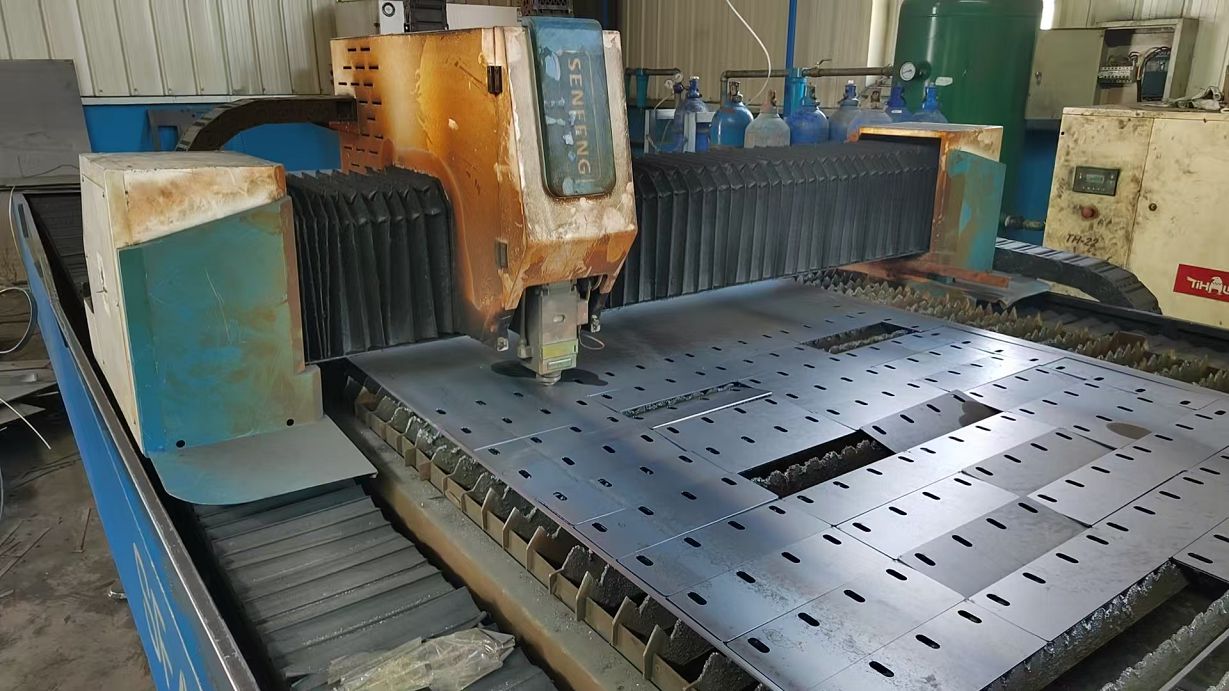
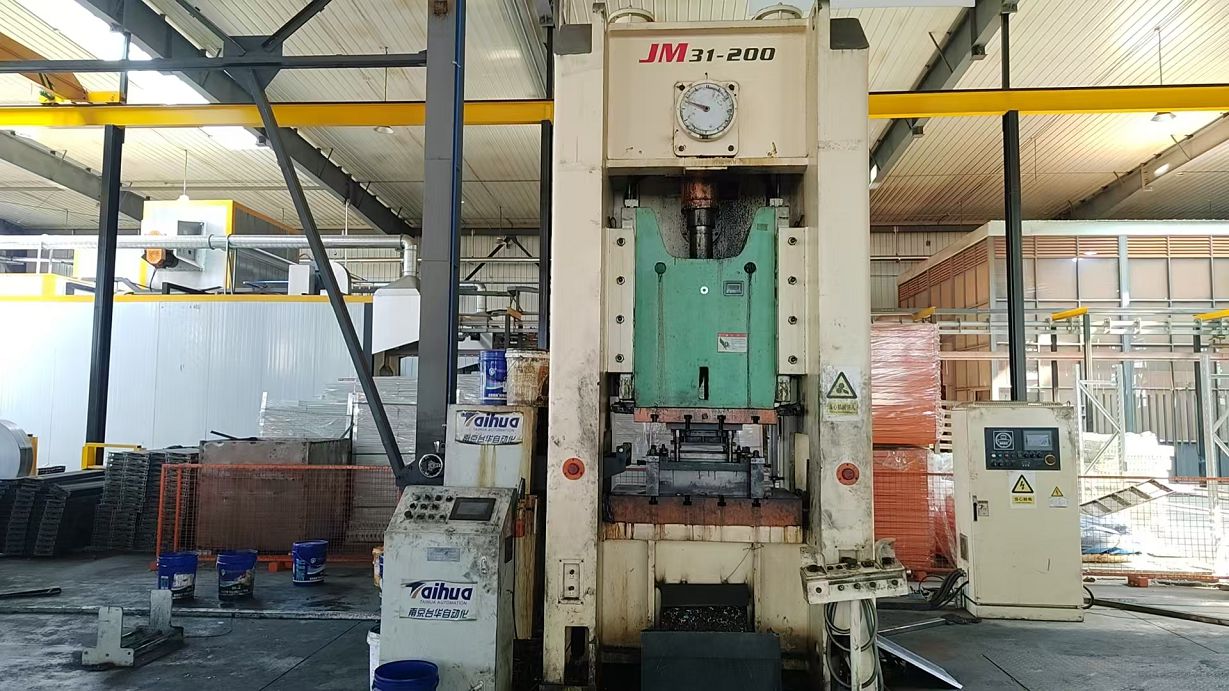
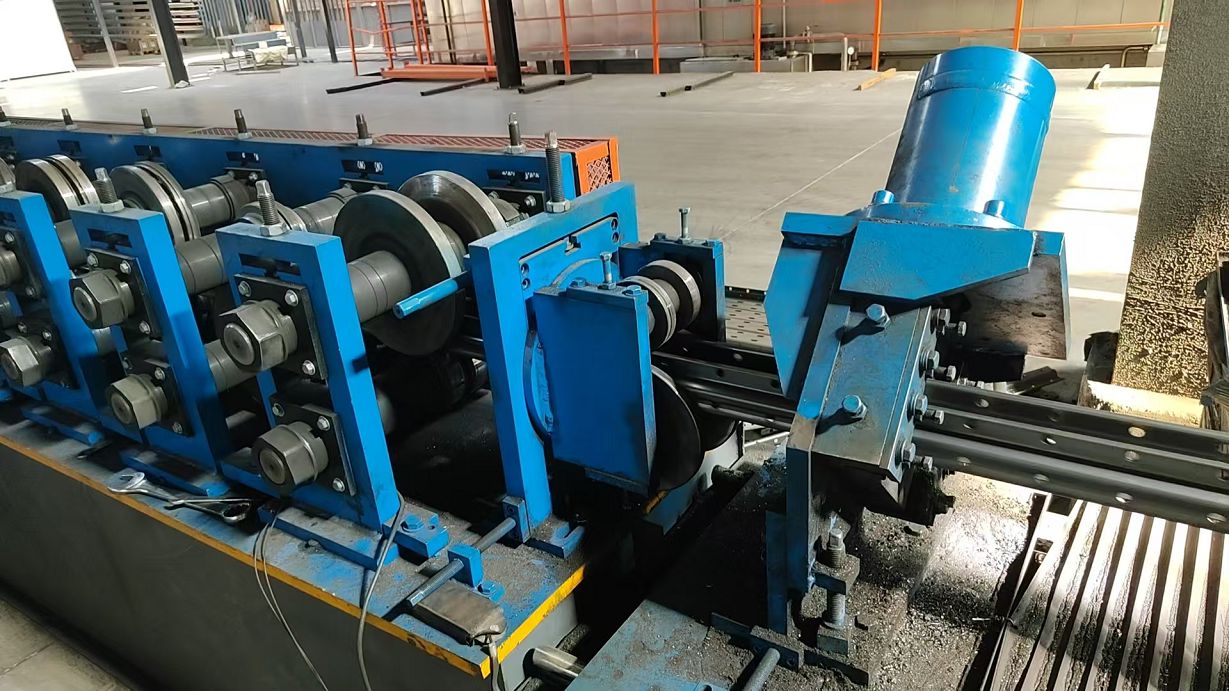
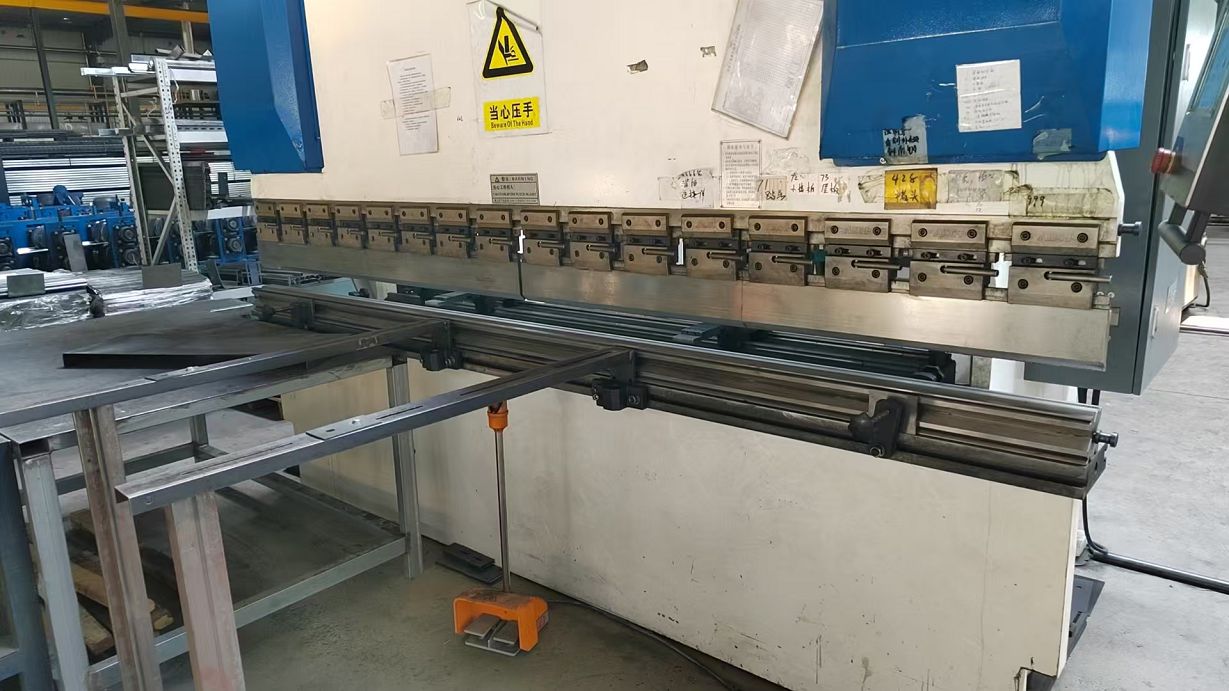
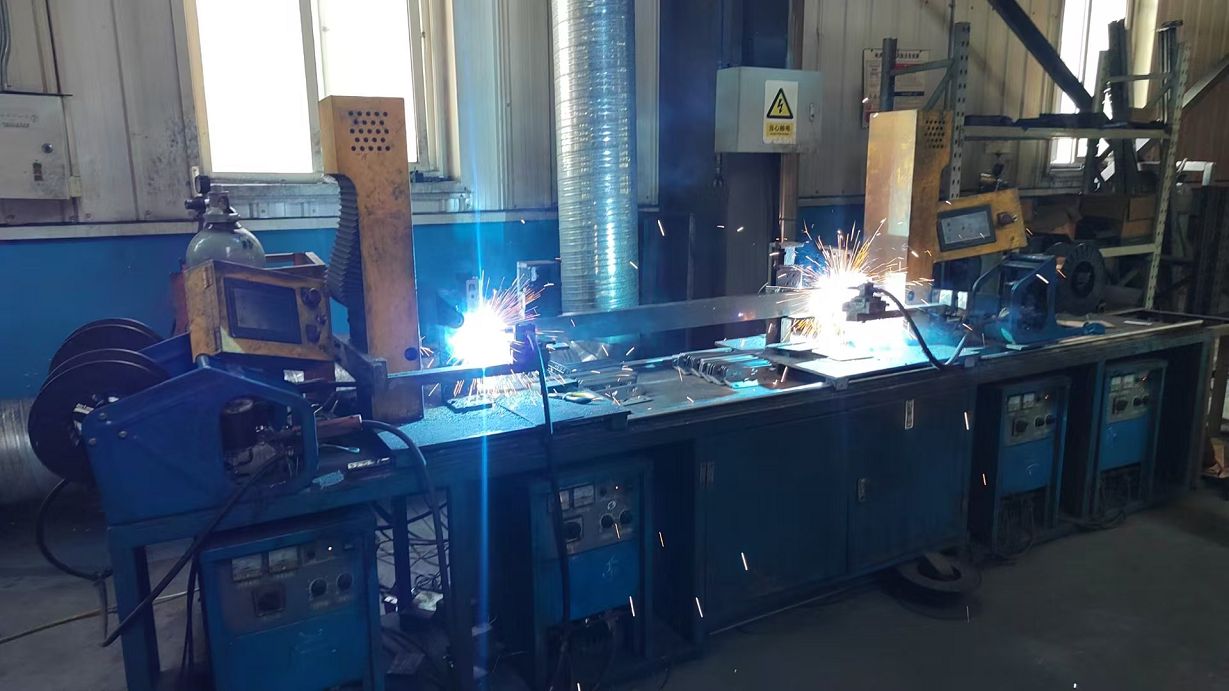
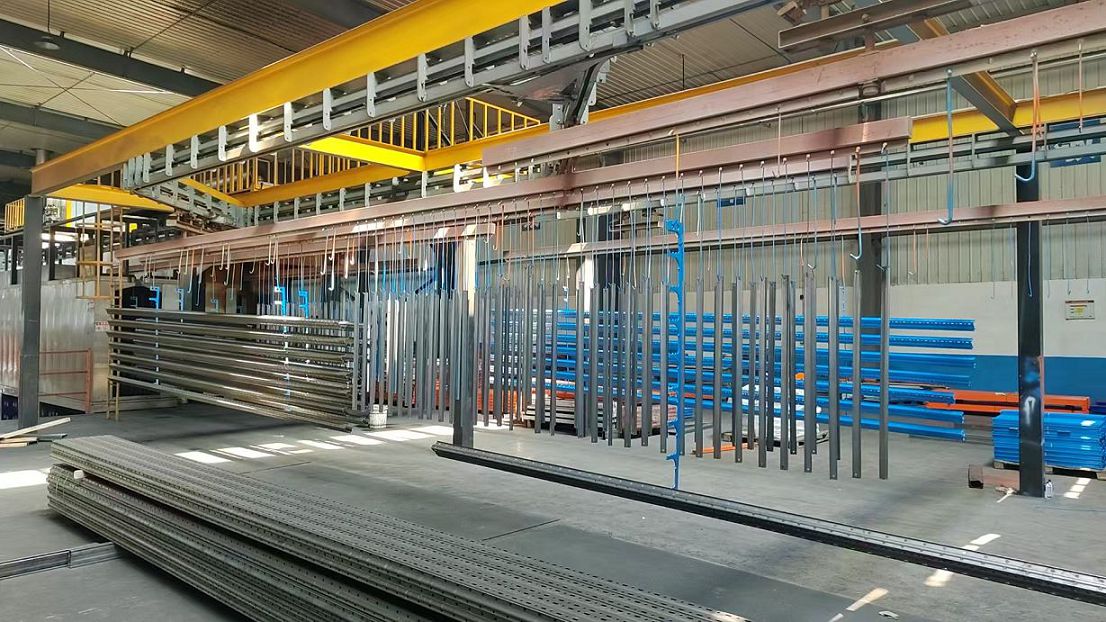
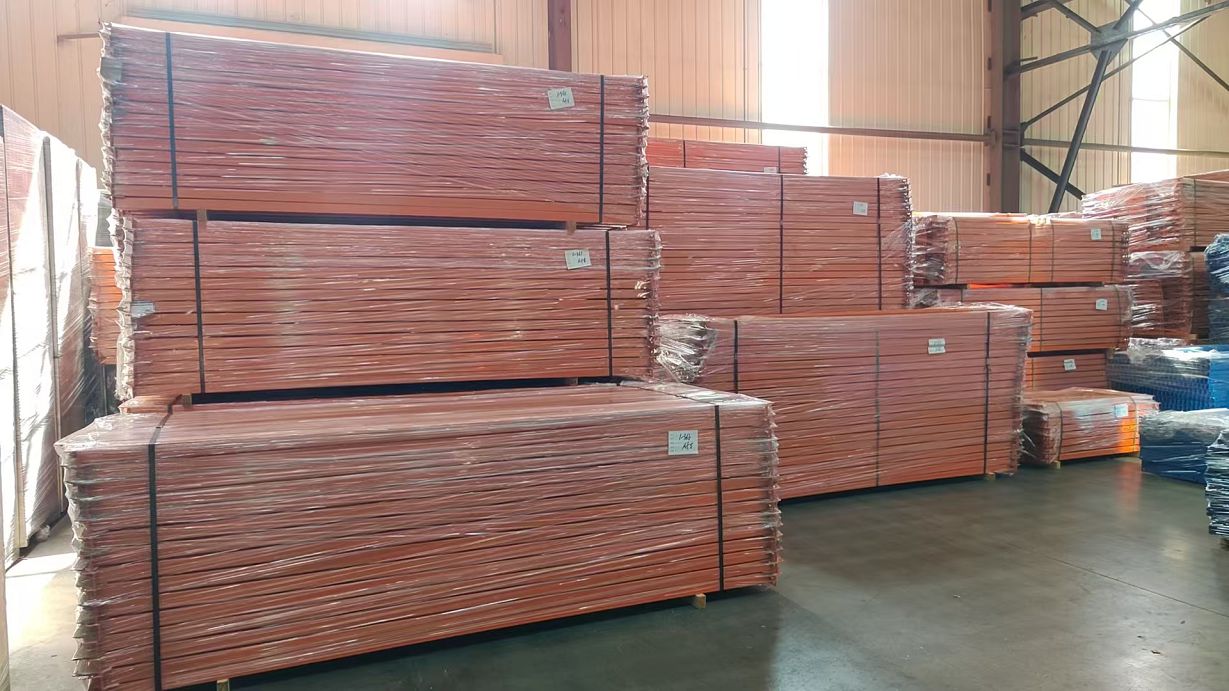
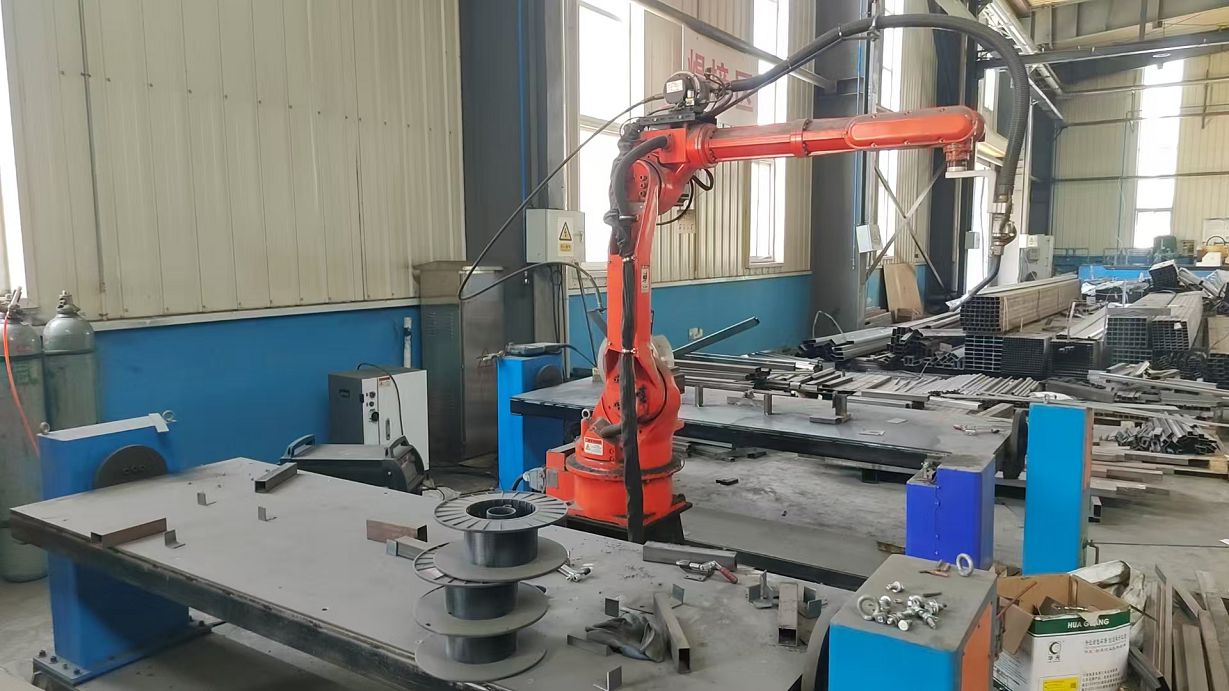
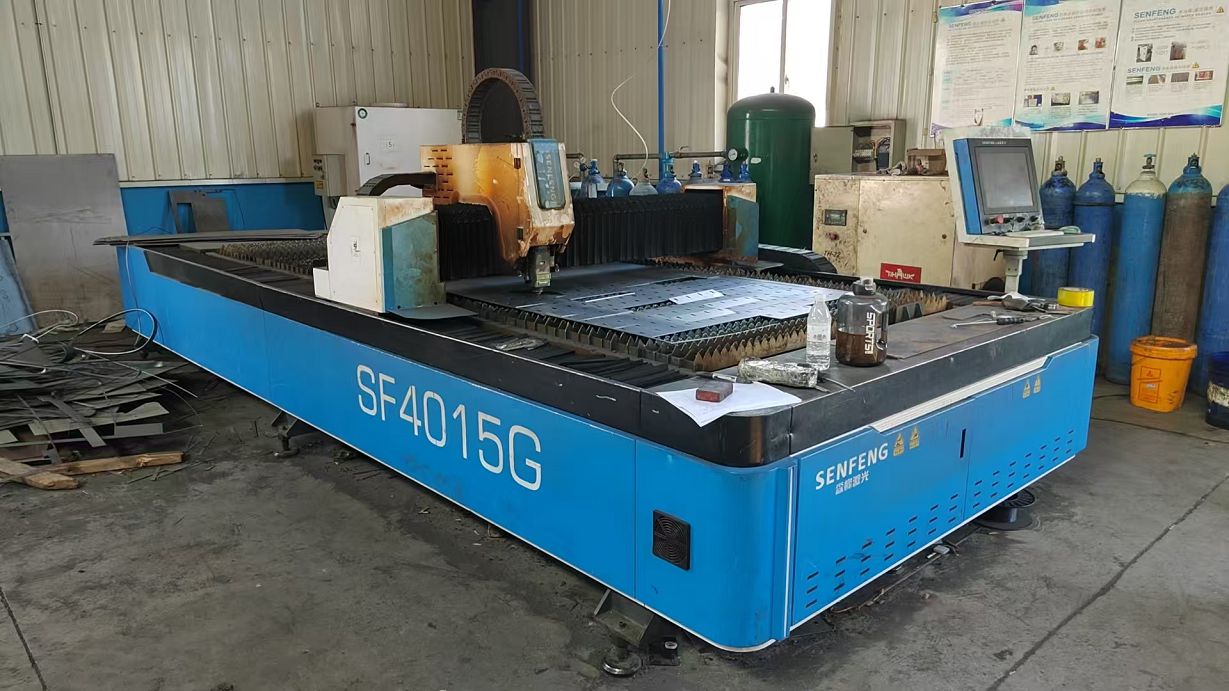
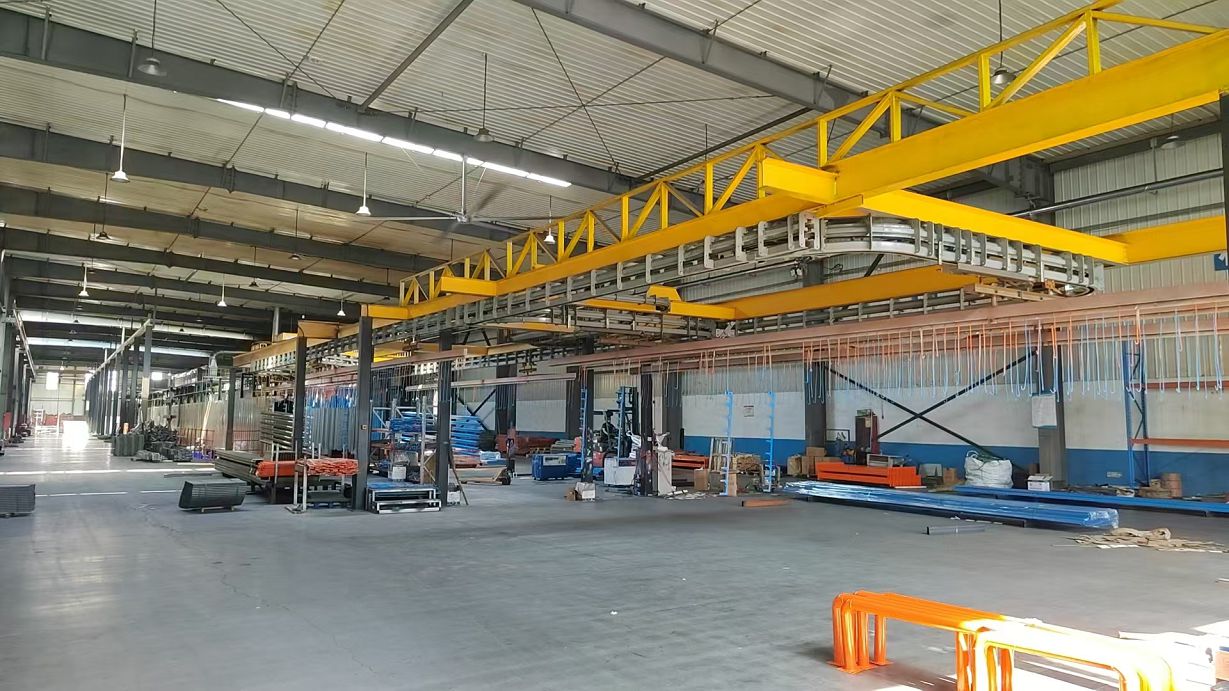
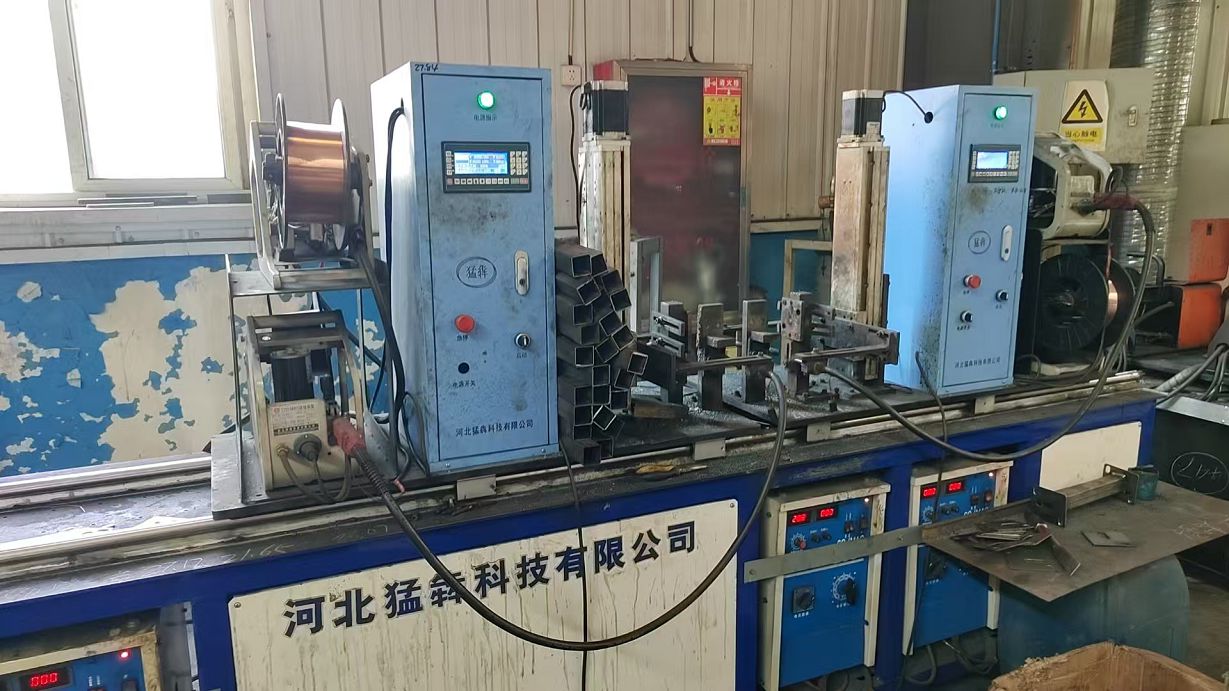
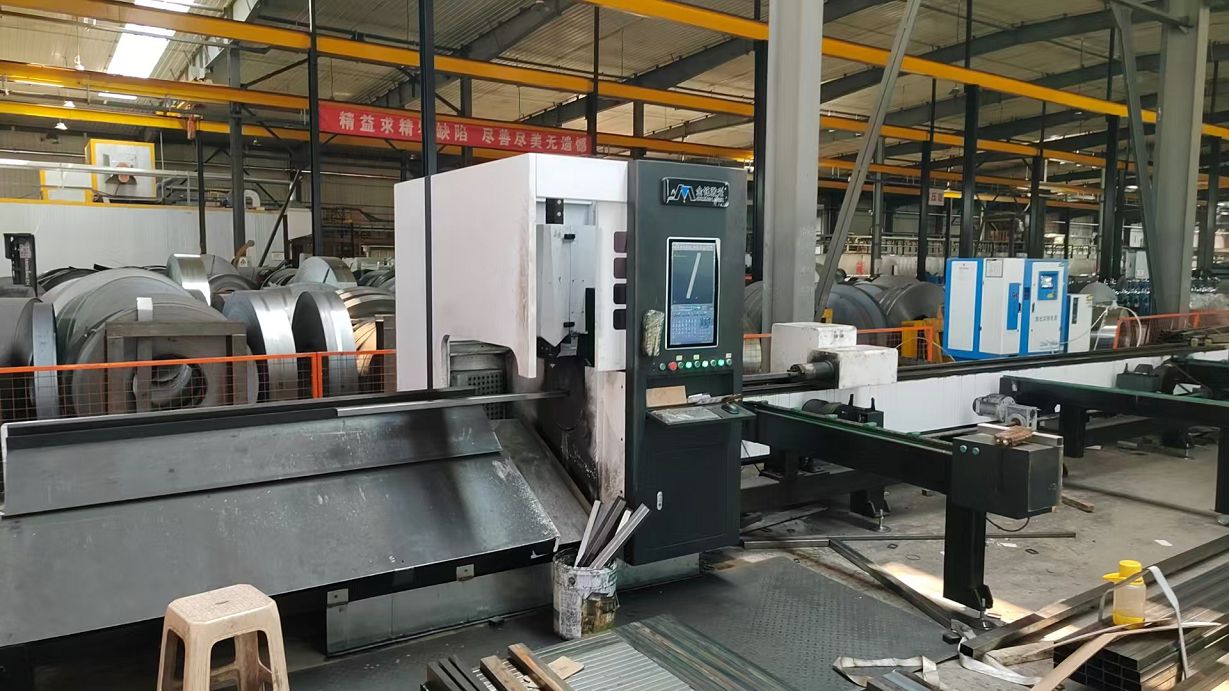
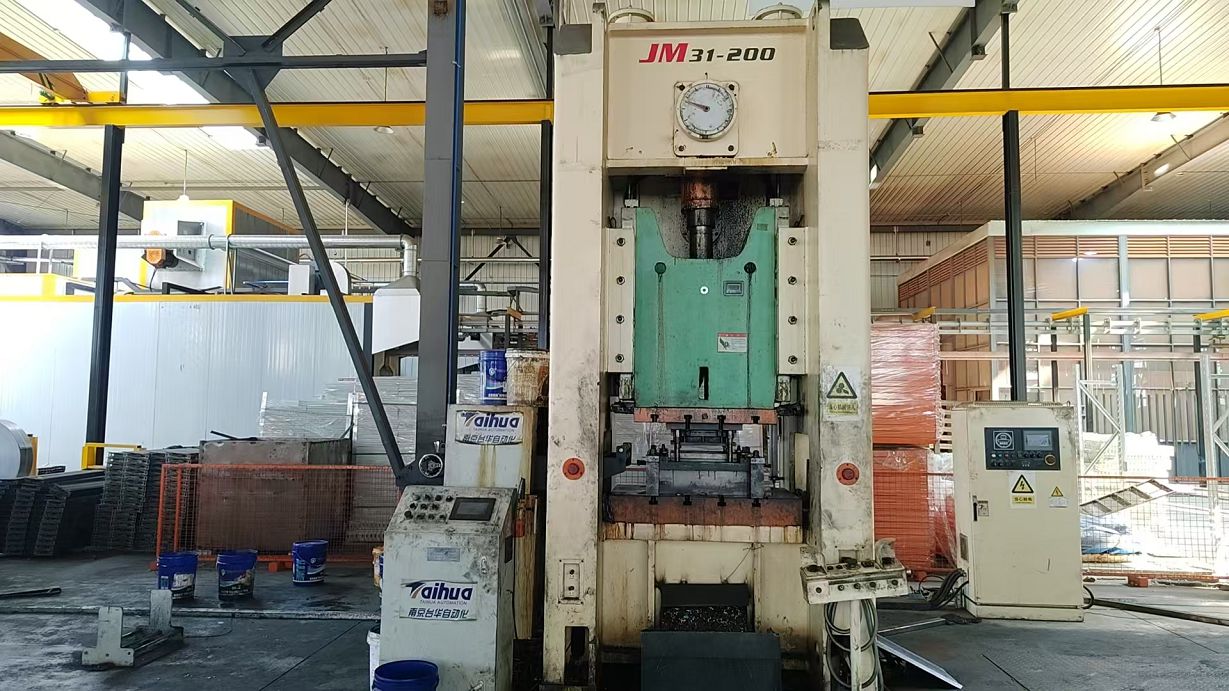
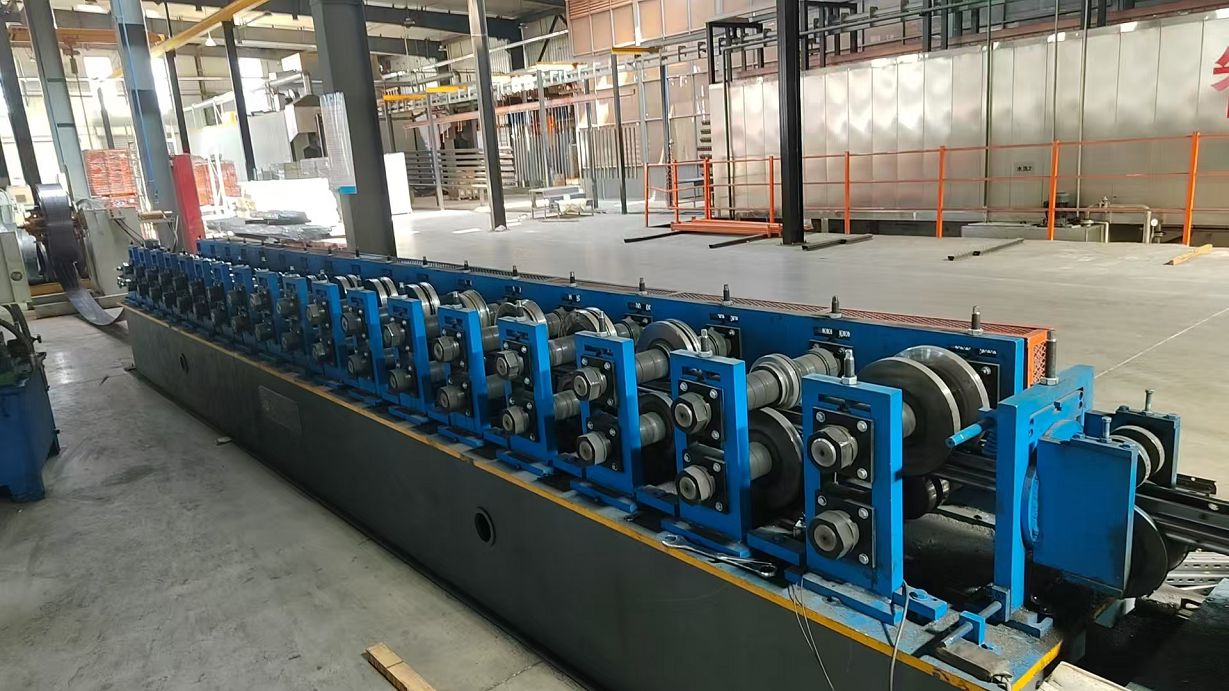
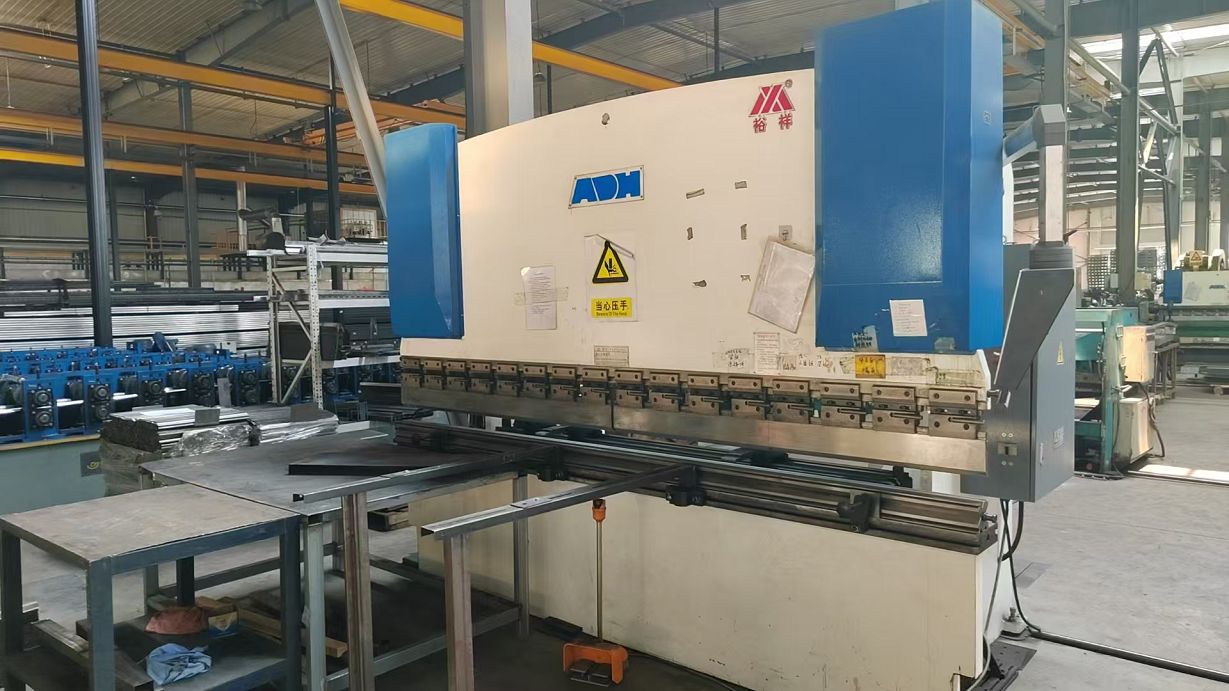
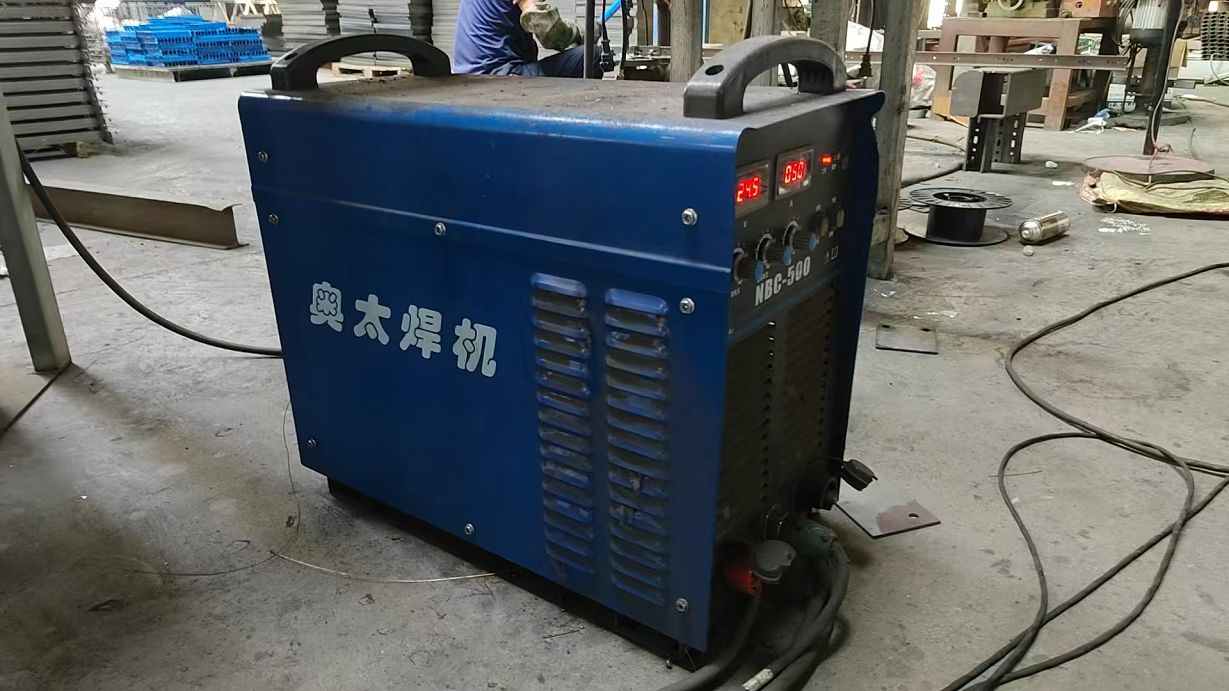
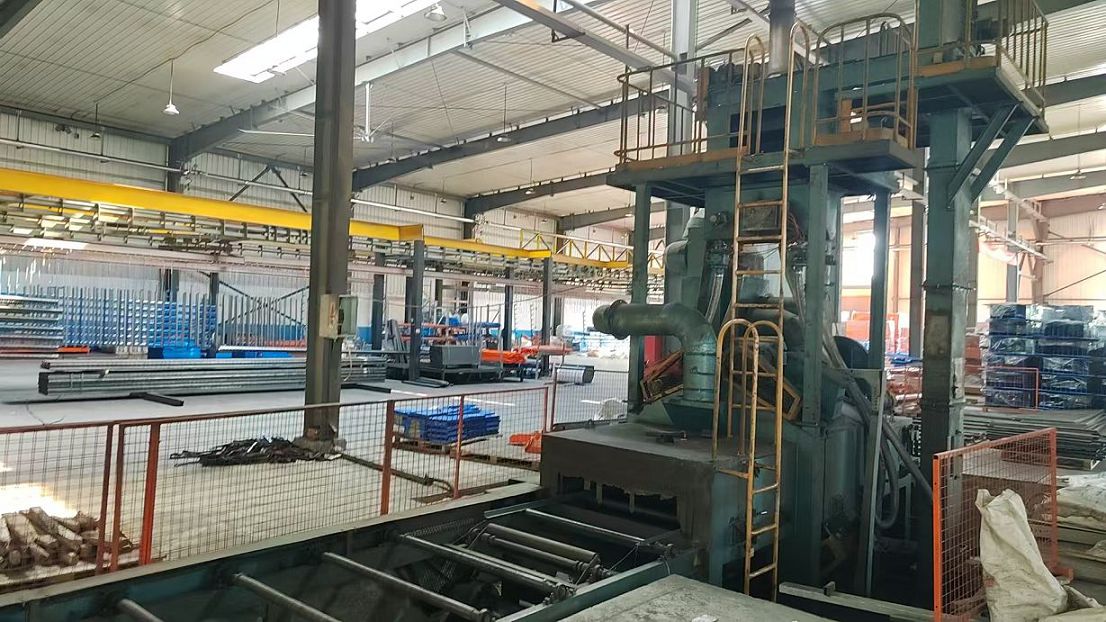
Procuring warehouse racking solutions directly from an integrated manufacturer in China offers massive supply chain advantages. Through vertical integration, direct raw material relationships with state-supported steel mills, and automated high-throughput production lines, Chinese factories provide optimal pricing without compromising on metallurgical quality. Using Q235 and Q355 high-strength carbon steel, manufacturers maintain structural load standards while optimizing material thickness through smart cold-roll forming.
In addition to raw material cost containment, the logistics ecosystem surrounding industrial hubs like Chengdu provides superb shipping pathways. By leveraging the China-Europe Railway Express and close maritime links at Chengdu hubs, products are dispatched to the Middle East, South America, and Eastern Europe with optimized freight routes. This supply chain stability ensures that international enterprises can count on consistent lead times, even when ordering customized structural profiles at scale.
Sourcing racking equipment internationally requires compliance with local structural standards. Depending on the target region, these frameworks dictate safety coefficients, seismic stress factors, and allowable deflection limits. A reliable factory supplier must demonstrate a deep understanding of standard engineering codes:
To support global enterprise procurement, suppliers must offer local engineering review services, comprehensive load certificates, and tailored installation guidance. This helps clients clear municipal structural safety inspections and obtain industrial occupancy permits easily.
High-density racking systems require custom engineering configuration based on the operational profile of the facility. Let's analyze key applications where modular stacking racks and shelves are utilized:
1. Cold Storage Environments: Low temperatures degrade structural carbon steel ductility. Cold storage operators require specialized hot-dip galvanized finishes or powder coatings that resist micro-cracking at sub-zero temperatures. Racking configurations like dynamic drive-in or shuttle-based storage are crucial here, as they minimize open space and lower energy costs.
2. Automotive Component Logistics: Automotive parts and assembly components are dense, heavy, and unusually shaped. Systems must accommodate custom-sized pallet configurations, integrated heavy-duty wire mesh decking, and impact protection frames. Column guard protectors are vital additions to prevent damage from forklift collisions.
3. Wholesale Distribution Hubs: These systems need to support high SKU variety and high turn rates. Highly adjustable selective pallet racking allows managers to configure shelf beam heights on the fly. This adaptability supports changing seasonal inventories without sacrificing structural integrity.
The industrial storage industry is undergoing rapid technical evolution. Modern factories are moving away from passive steel frames toward smart racking systems. Integrating RFID sensors and real-time load cell monitoring allows operations to identify shelf overloading or structural shifts before failures occur.
Additionally, green logistics is changing steel finishing techniques. Ecologically safe powder coating lines, like the fully automated electrostatic powder coating lines used at Chengdu CoreStorage, eliminate volatile organic compounds (VOCs). They also yield a highly durable, scratch-resistant surface finish that stands up to decades of abrasive forklift usage.
Direct technical guidance from our R&D engineering division on selecting, installing, and certifying industrial steel storage racks.
Q235 steel is a high-grade structural carbon steel optimized for heavy load distribution. It is the ideal material choice for selective pallet systems, VNA racks, and drive-in configurations where structural loads exceed 1,000kg per level. Stainless steel shelving (typically Grade 304 or 201) is reserved for environments requiring high sanitation levels, cleanrooms, and food processing zones due to its superior corrosion resistance and ease of sanitation.
Under CE (EN 15512) and ANSI (MH16.1) structural regulations, our engineers design steel racks with a typical safety factor of 1.5 to 1.8. This safety factor accommodates structural variations, minor load misplacements, and dynamic forces caused by forklift operations. Frame and beam designs undergo finite element analysis (FEA) to confirm safety across all loading cycles.
Low temperatures increase steel's susceptibility to brittle fracture. To counter this, we utilize select carbon steel grades with verified low-temperature impact toughness. For coatings, we apply heavy-duty electrostatic polyester powder coatings or hot-dip galvanization (minimum coating thickness of 60-80 microns). This prevents peeling, rust, and micro-cracking caused by condensation cycles.
Our 18 R&D engineers provide comprehensive customization services, including custom column profile selections (90/100/120mm widths), material thickness choices (1.8mm to 3.0mm), and variable safety connector pin patterns. We also offer custom-engineered accessories such as column guards, frame barriers, pallet support bars, and custom gridwall panels for picking areas.
Manual welding can introduce inconsistencies like porosity and micro-cracks, which lead to premature joint failure. Automated robotic welding systems maintain precise weld path travel, uniform voltage, and controlled wire-feed speeds. This guarantees full penetration at critical beam-to-connector joints, ensuring uniform load capacity across all manufactured units.
Chengdu's advanced logistics network provides robust shipping routes. European shipments are typically routed via the China-Europe Railway, with transit times ranging from 12 to 18 days. Shipments to North and South America are consolidated and sent via high-efficiency coastal ports like Shanghai or Shenzhen, with ocean transit times averaging 25 to 35 days. We handle all export packaging, container stuffing, and customs clearance documents.
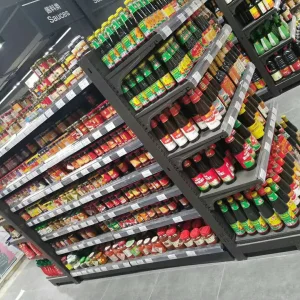
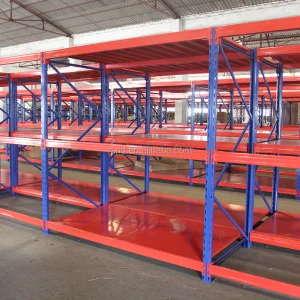
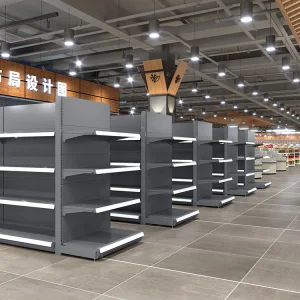
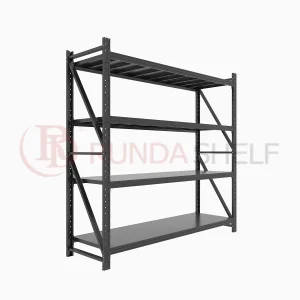
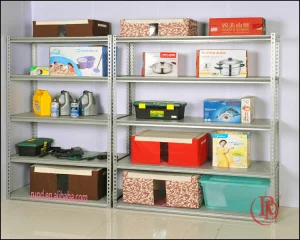
Explore our structural storage solutions designed for commercial spaces, logistics centers, and retail environments.
 CoreStorage