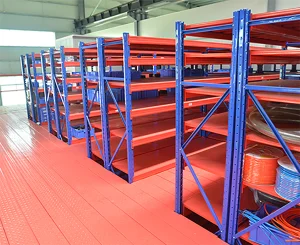
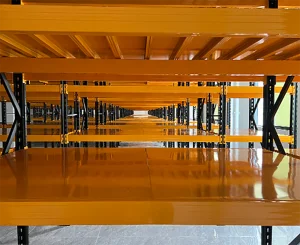
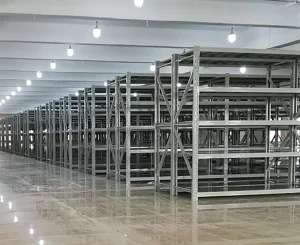
Engineered with Q235B high-grade steel structure and certified to meet European GS and CE safety compliance metrics.
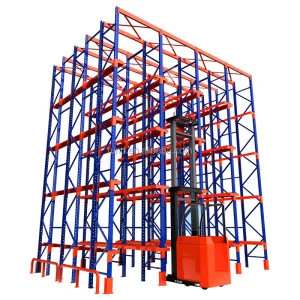
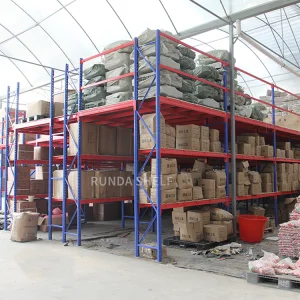
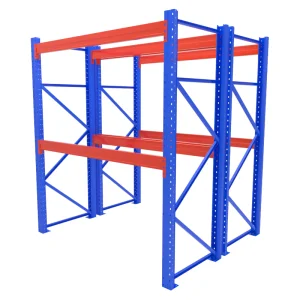
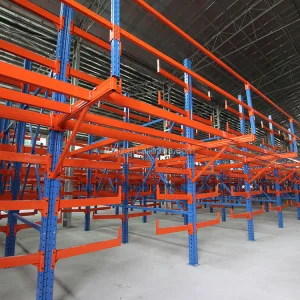
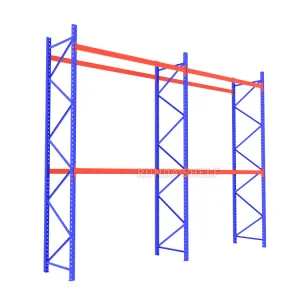
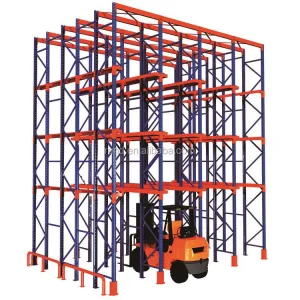
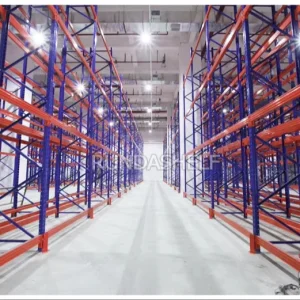
In the contemporary landscape of global logistics, the role of heavy storage shelving has migrated from a passive storage utility to an active contributor to operational throughput. Modern warehouses require racking systems that maximize volumetric efficiency while operating under absolute parameters of structural integrity and safety. As land acquisition costs escalate and inventory profiles diversify, global enterprises must design storage frameworks that adapt seamlessly to high-density operational models.
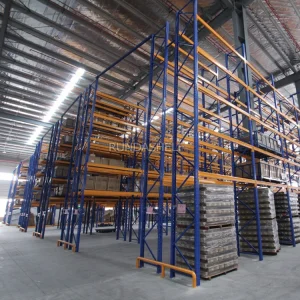
Heavy storage shelves act as the foundational architecture of these installations. Fabricated from structural carbon steel alloys, such as Q235B, these frameworks are calculated utilizing advanced Finite Element Analysis (FEA) models to withstand massive static and dynamic payloads. The selection of these materials ensures resistance to structural deflection, cyclic fatigue, and seismic forces, conforming directly to internationally recognized benchmarks including the Rack Manufacturers Institute (RMI) standards and European EN 15512 codes.
Industrial operations across the Middle East, South America, and Eastern Europe are witnessing structural transformations. The transition to automated guided vehicles (AGVs) and stacker cranes calls for tighter tolerances in rack alignment, deflection limits, and steel manufacturing specifications. High-quality heavy racking is no longer defined merely by load capacity, but by dimensional accuracy, modular configurations, and lifecycle durability.
Analyzing crucial parameters that procurement managers, project directors, and logistics engineers prioritize for long-term operational success.
Heavy storage applications routinely face loading limits ranging from 1,000 kg to upwards of 4,000 kg per pallet level. Dynamic loading demands structural members with elevated yield strength values. Calculations must account for safety factors of at least 1.5 times the static load capacity to guard against structural failure under fork truck impact or pallet placement shocks.
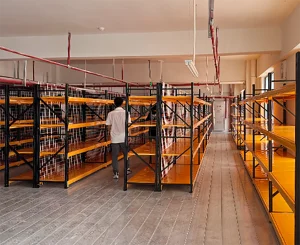
A standard industrial facility cannot maximize efficiency on static configurations. Enterprise procurement demands flexible frame profiles, modular hook connections, custom frame heights, adjustable beam increments, and varied upright column profiles (such as 90mm, 100mm, or 120mm widths) to scale structural support with fluctuating inventories.
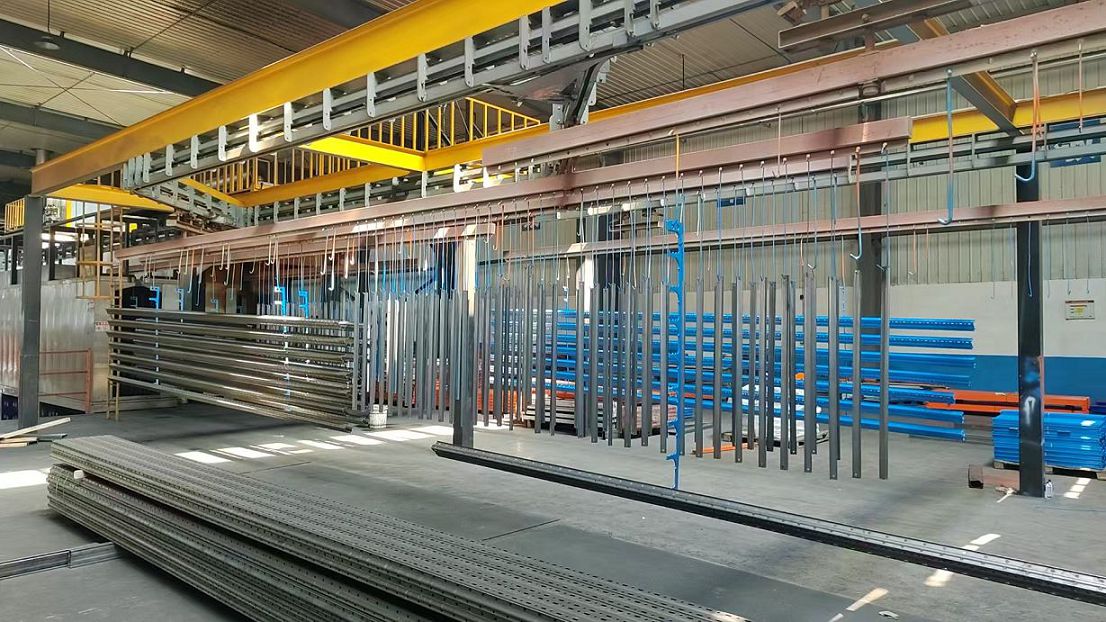
From temperature-controlled cold storage vaults to industrial environments exposed to chemical particulates, the surface finish of a heavy-duty racking unit governs its functional lifespan. Procurement specifications rely on either thermosetting epoxy-polyester powder coating (cured between 180°C to 200°C) or hot-dip galvanization for long-term corrosion prevention.
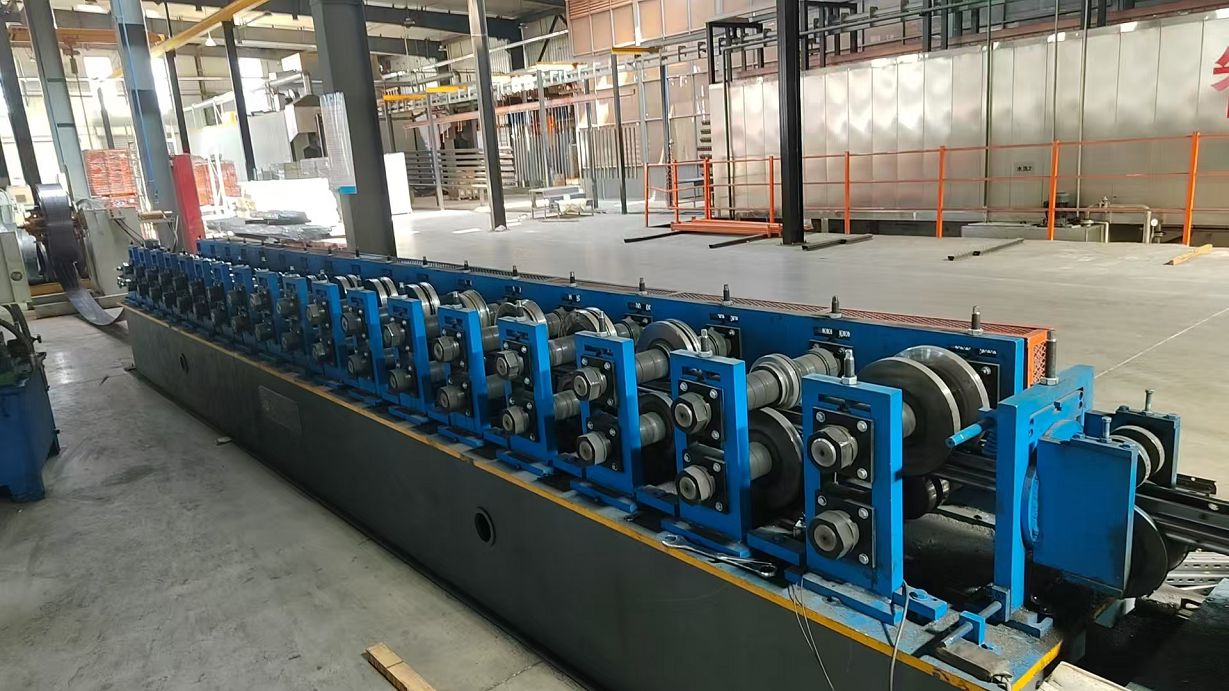
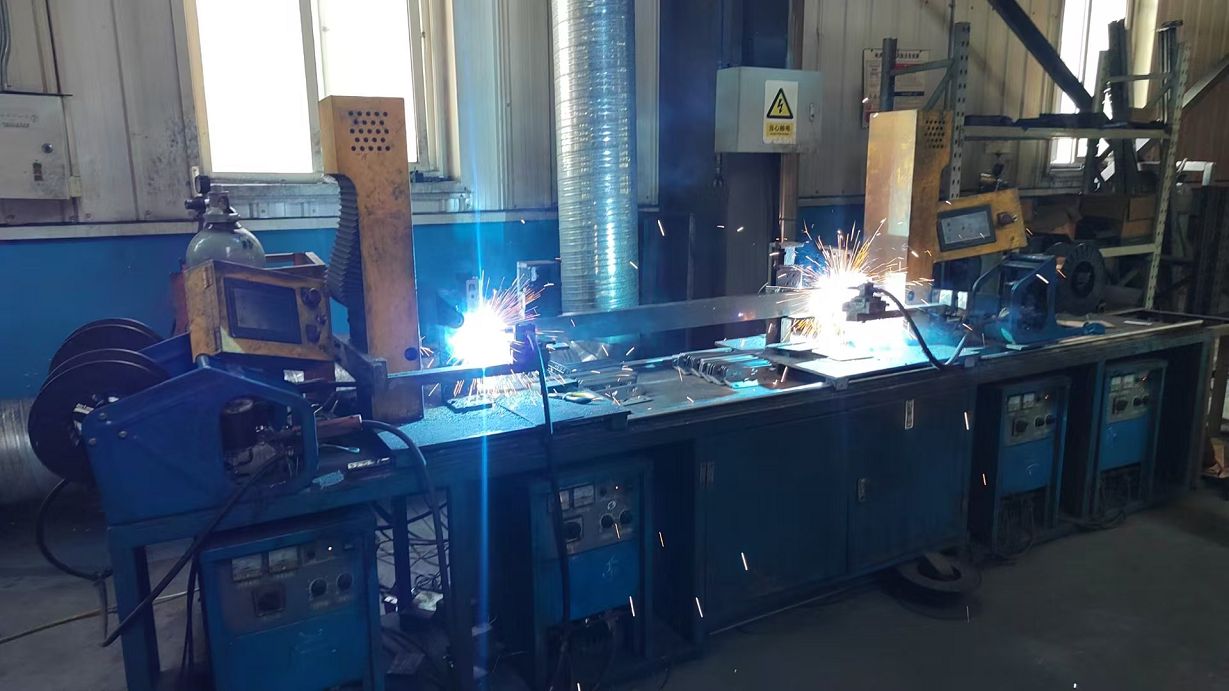
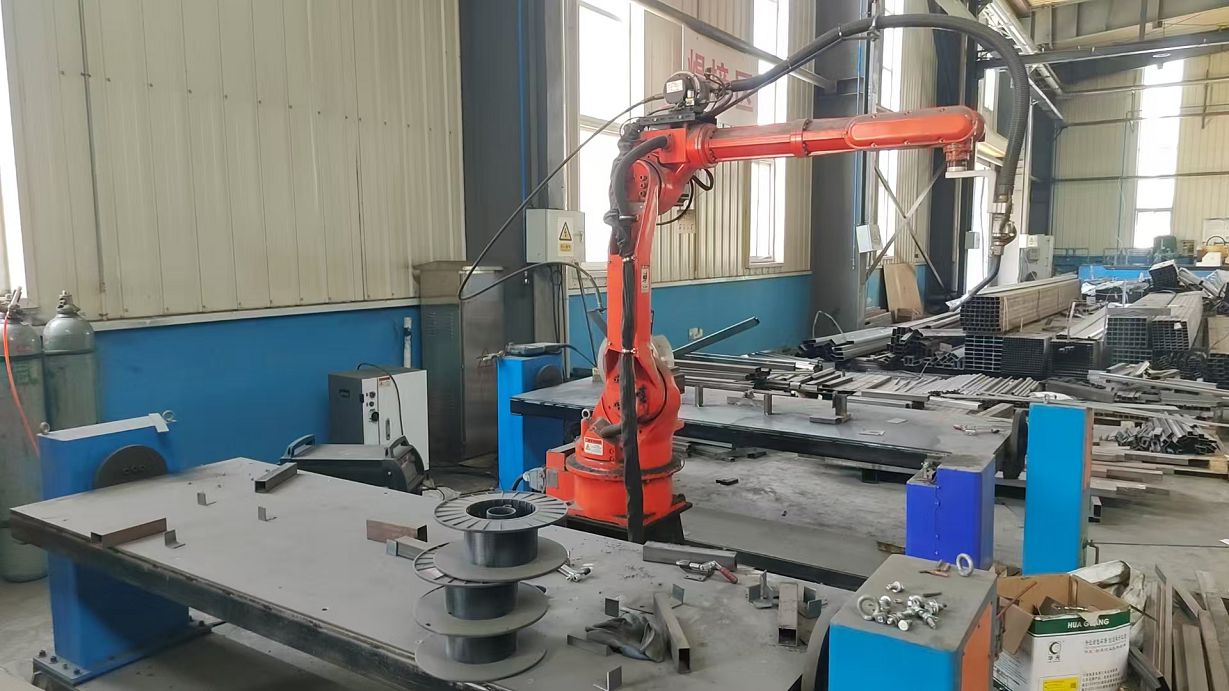
At Chengdu CoreStorage Logistics Equipment Manufacturing Co., Ltd. (founded in 2016), we address these precise enterprise demands. Our 22,000 m² modern production facility features advanced metalworking machinery designed to process raw steel profiles with tolerances within margins of less than 0.5mm. Backed by 11 years of structural engineering design experience, we operate as an integrated manufacturer and exporter supplying industrial sectors in the Middle East, South America, and Eastern Europe.
Our custom capabilities focus on delivering safe, modular racking frameworks that match the warehouse footprint. Last year, our product innovation team completed 28 new product releases designed to optimize cold storage operations, bulk distribution warehouses, and high-capacity industrial environments.
Every profile is produced inside our factory using robotic precision, CNC machining, and automated powder-coating lines to secure dimensional stability.
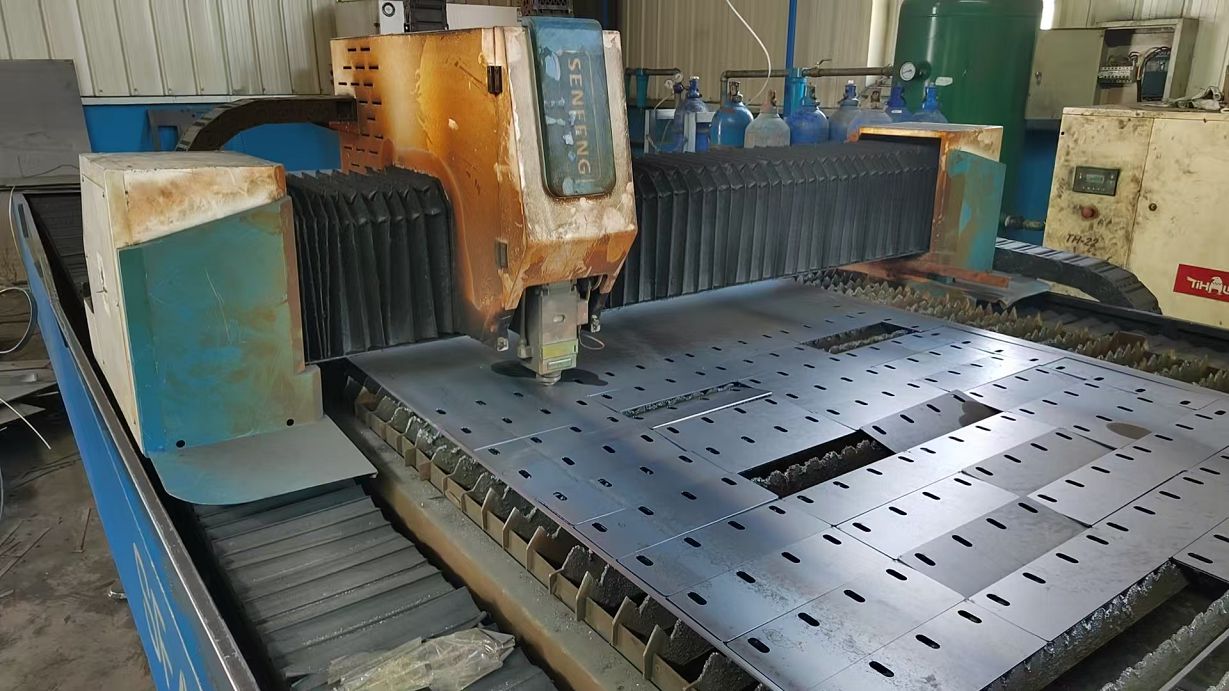
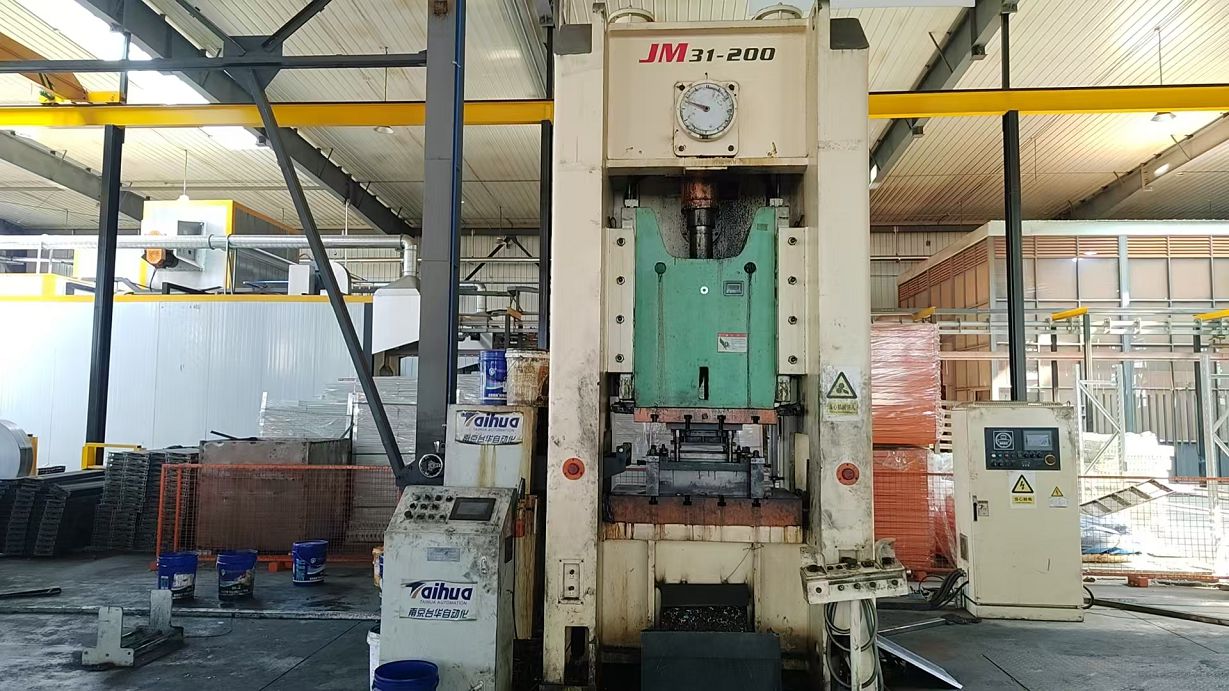
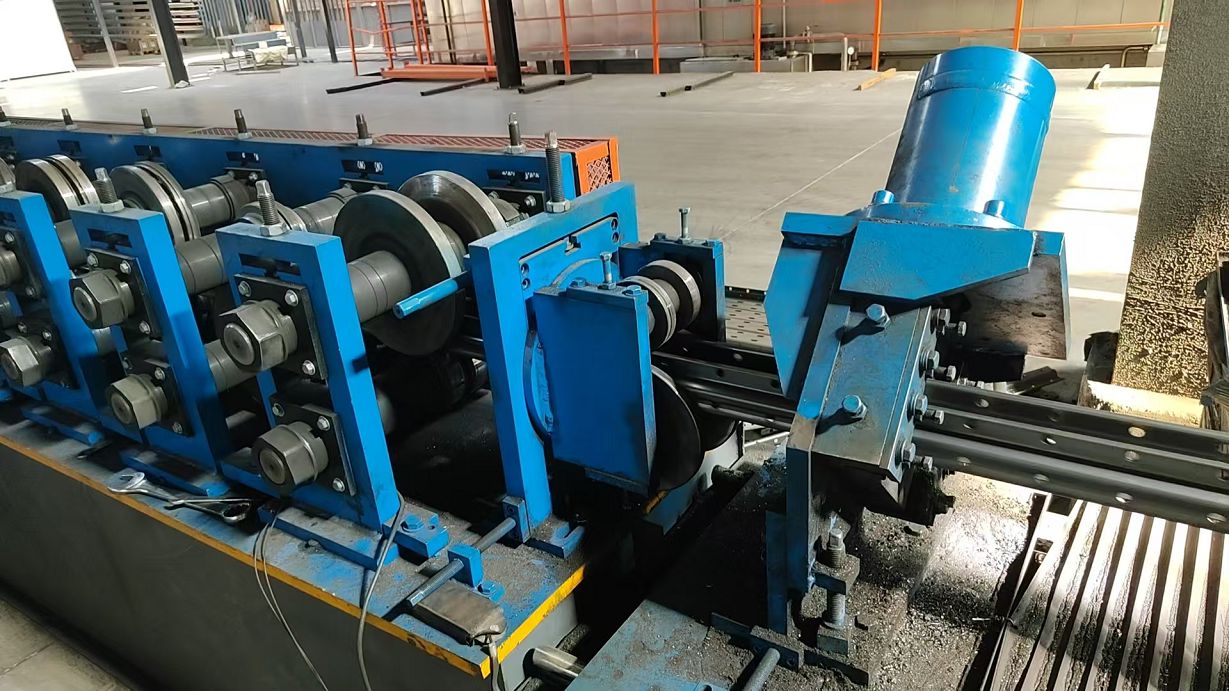
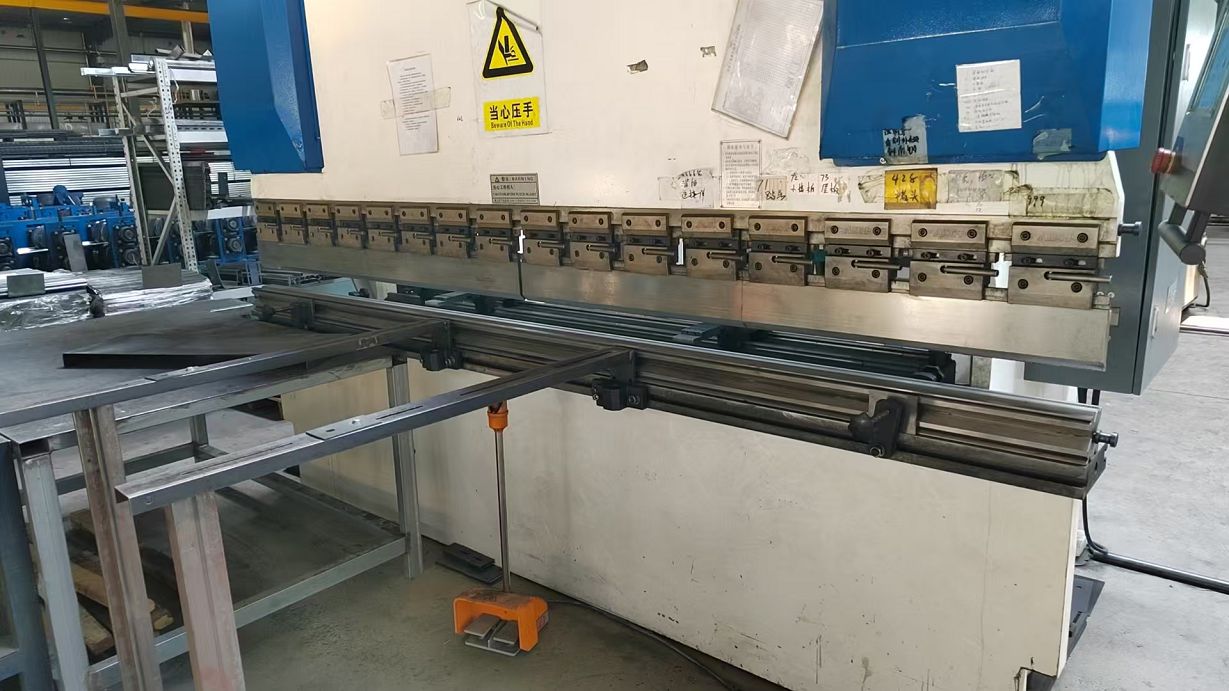
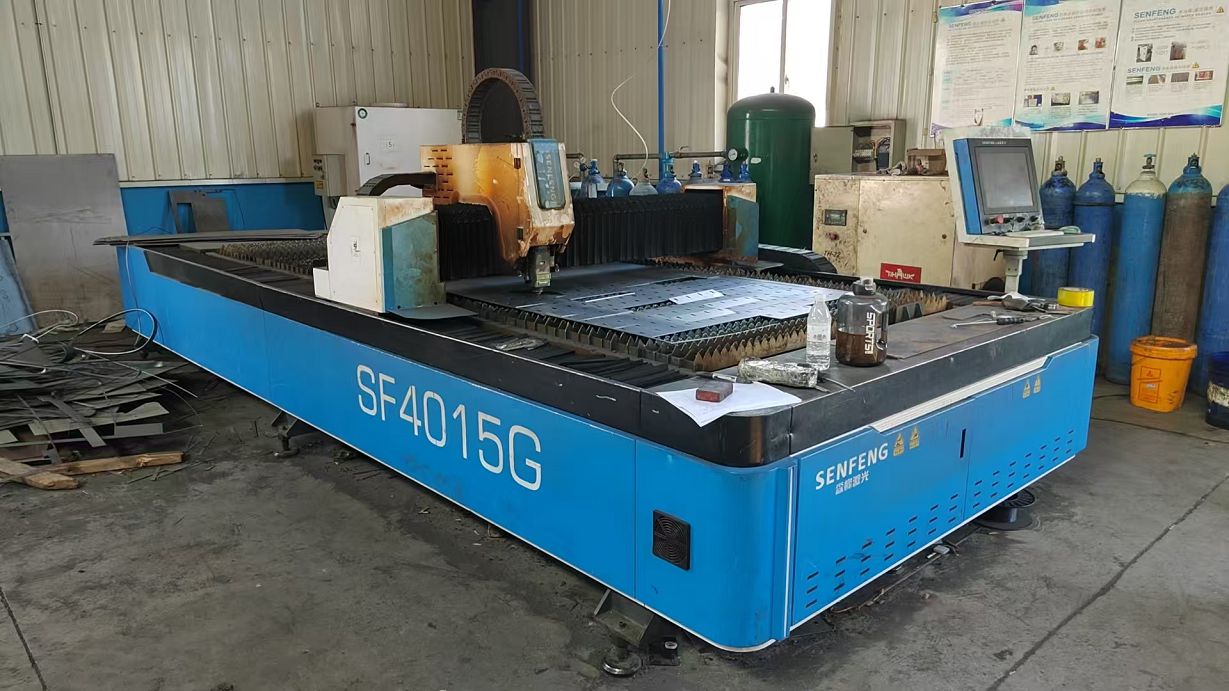
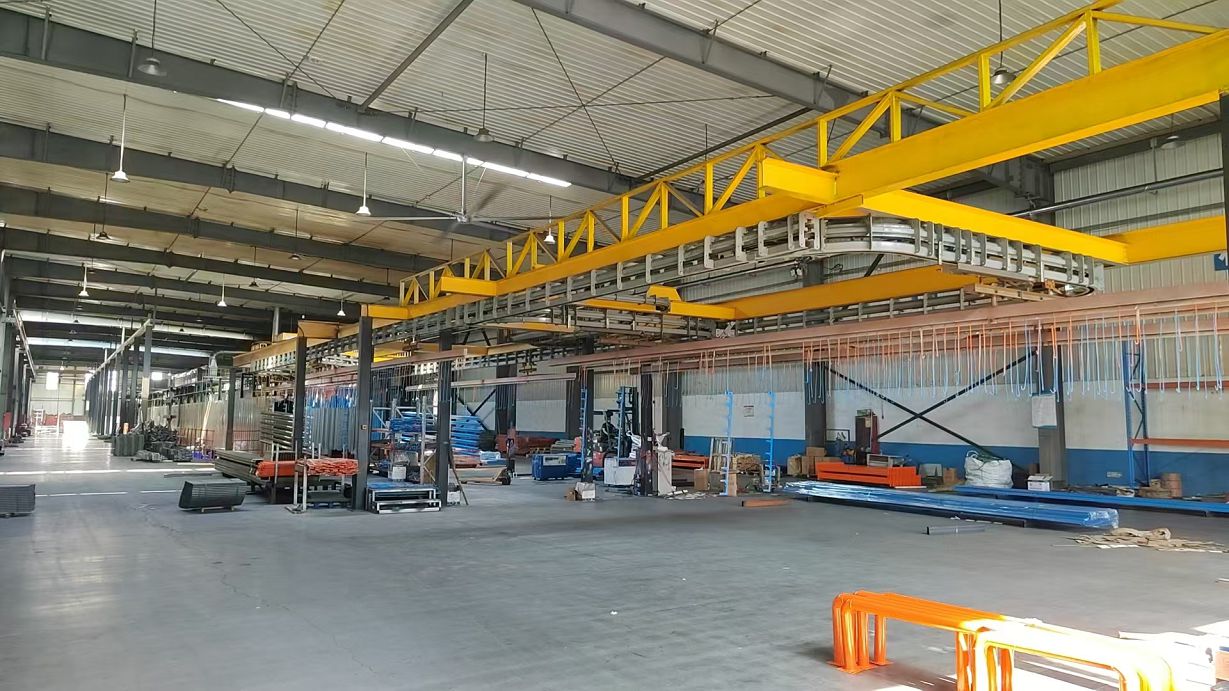
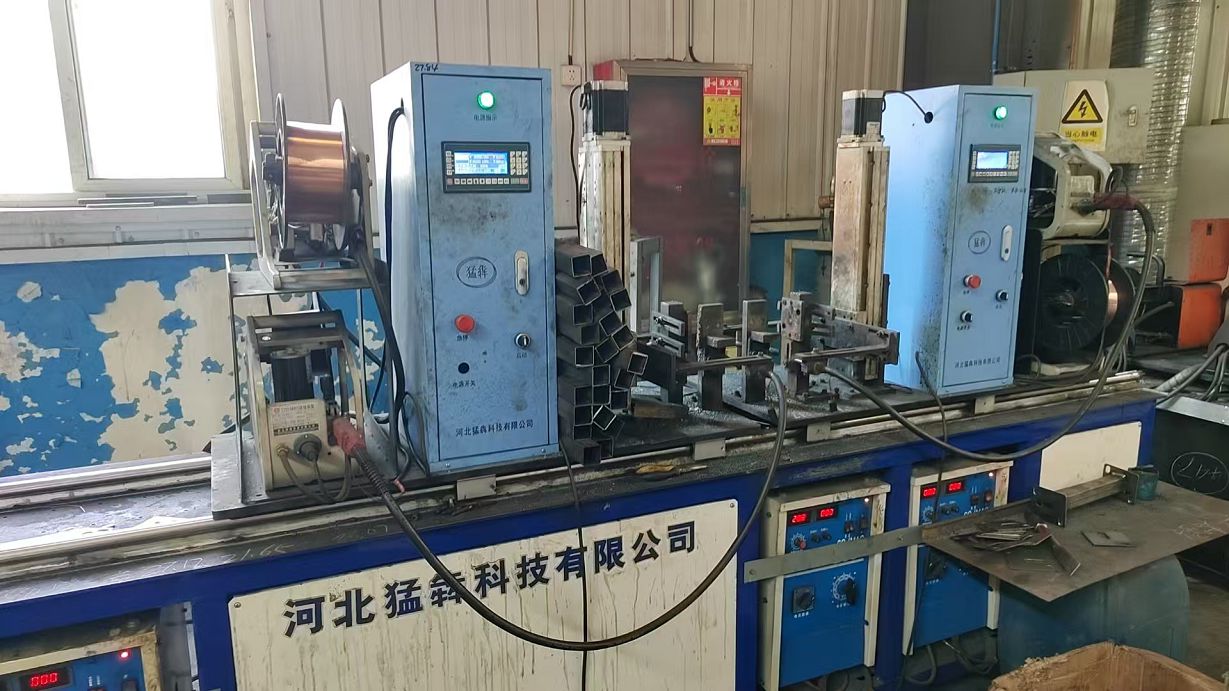
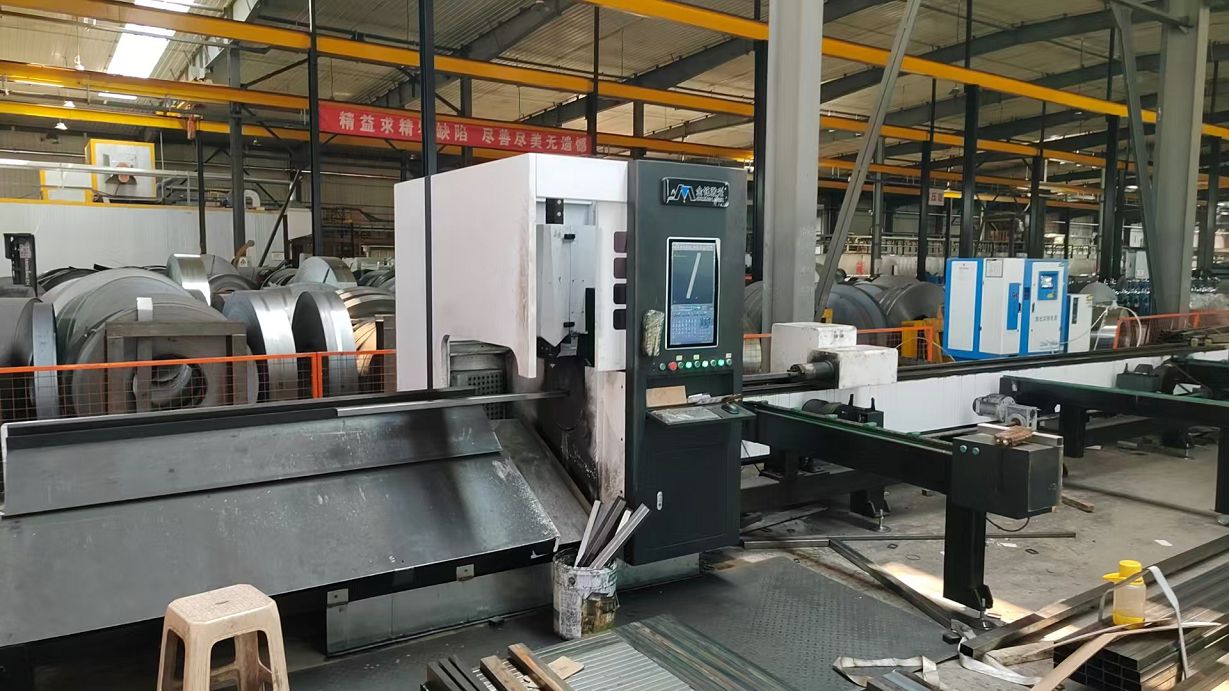
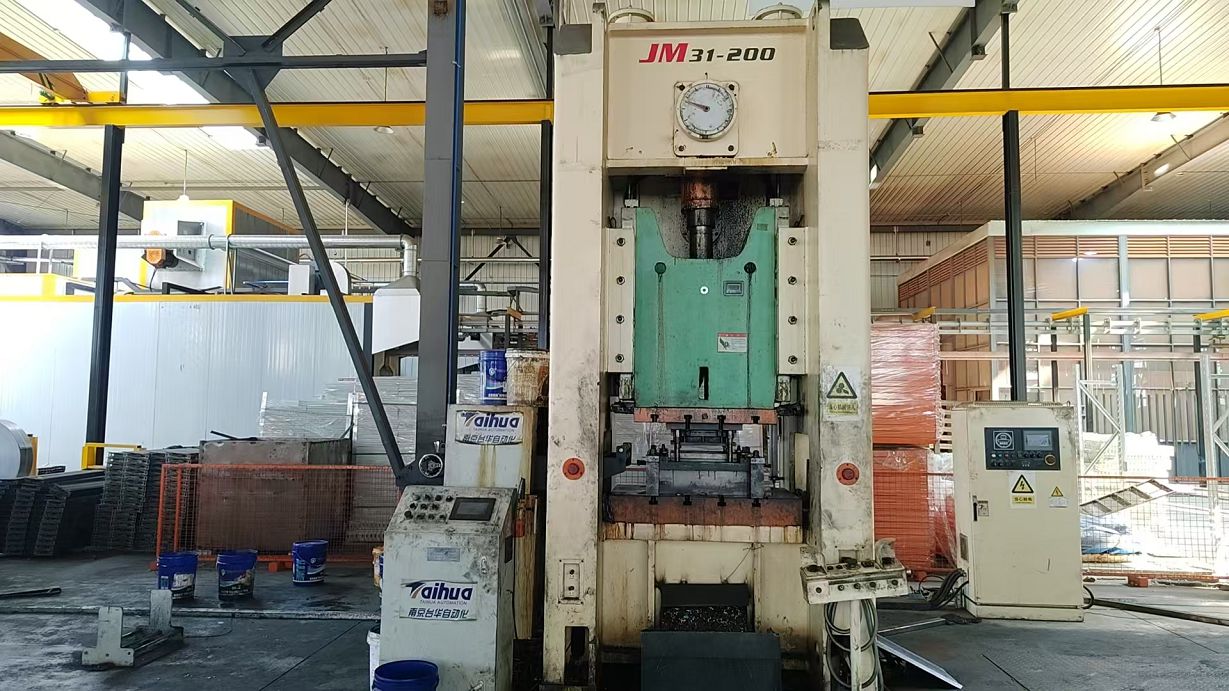
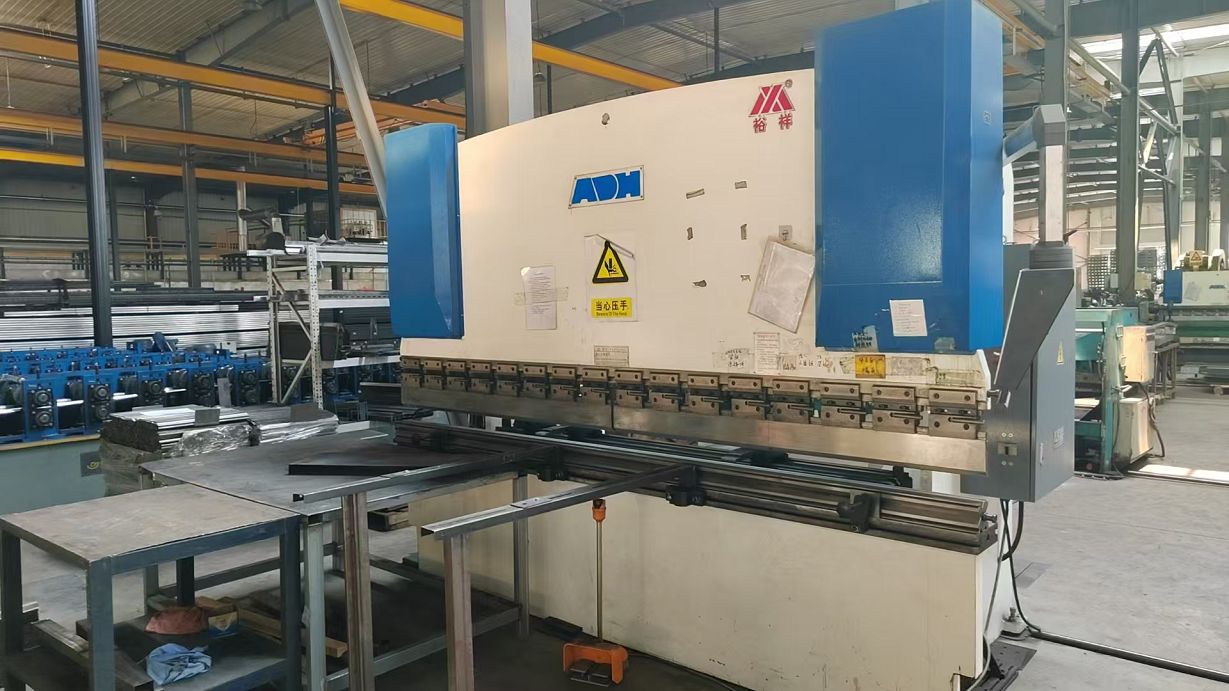
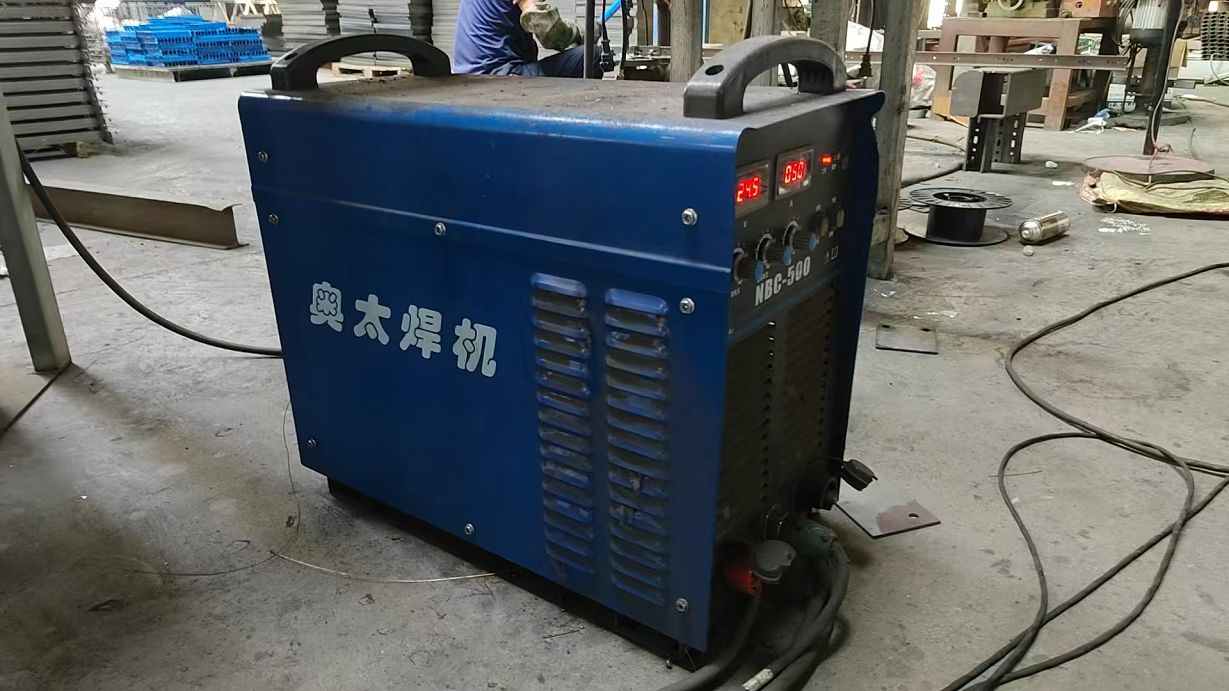
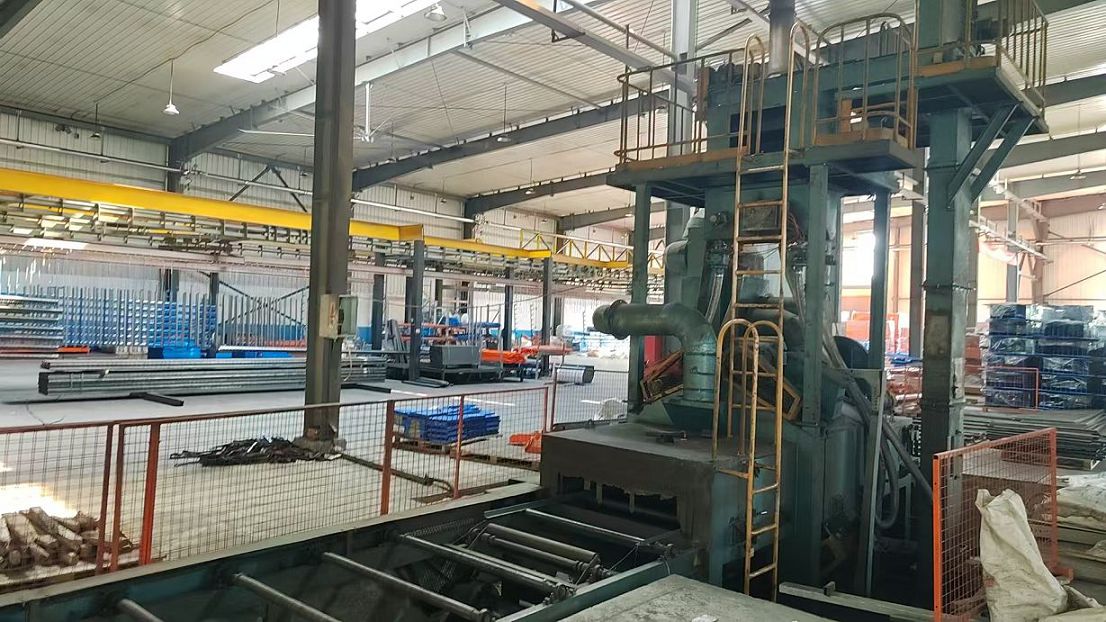
Every industry possesses distinct challenges regarding cycle speed, climate parameters, load variety, and floor space utilization.
Cold chain facilities operate under intense operational pressures. High energy costs dictate maximum volumetric concentration of pallet storage, while extreme temperatures (-30°C to -4°C) can induce structural embrittlement in standard grades of carbon steel. CoreStorage delivers specialized cold storage racking solutions leveraging high-grade low-temperature structural steel. Finished with specialized epoxy-polyester coatings, these structures prevent rust formation and retain mechanical properties under continuous freezing. These configurations maximize storage density while maintaining open ventilation corridors required to optimize cold air distribution.
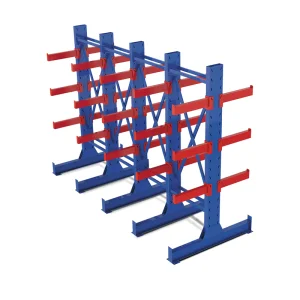
The automotive industry deals with a complex inventory matrix. Massive, dense assemblies like motors, chassis elements, and body panels must be held alongside highly fragile electronic sensors and sub-components. To address this diverse profile, we supply customizable heavy-duty shelves featuring tailored accessory options such as selective pallet systems, tire support bars, steel wire decking, and custom cantilever storage arms. These designs permit direct, uninhibited forklift access and are capable of supporting dynamic parts picking alongside high-mass overhead pallet storage.
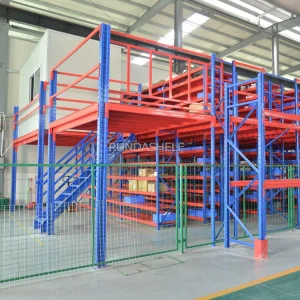
E-commerce networks rely on velocity. The target is fast, efficient picking while securing high vertical density. Our multi-level mezzanine racking systems and double-sided structural attic solutions utilize empty overhead room to effectively double or triple a facility's active footprint. Integrated with conveyor loops, safety handrails, and durable steel stairs, our mezzanine setups organize multi-tiered operations safely, maintaining compliance with structural building codes.
As structural logistics technologies evolve, heavy racking systems are transitioning toward automated frameworks, smart materials, and high-durability surfaces.
Modern heavy racking systems are designed to accommodate automated stacker cranes and radio shuttles. Standard structural configurations must adapt to the low-tolerance profiles, high-speed travel paths, and electronic alignment systems of robotic storage networks. High-density shuttle systems maximize efficiency and reduce reliance on floor staff.
Developing profiles using advanced cold-rolled steel alloys increases weight capacity while reducing structural deadweight. This approach lowers raw material consumption and decreases floor loading pressures without sacrificing structural load metrics. Optimizing material efficiency maintains strong performance with less overall steel mass.
We integrate advanced CMM (Coordinate Measuring Machine) dimensional checking alongside continuous stress testing. Our QA lab validates joint welds, baseplate performance, and upright deflection under simulation to confirm that structural parameters are met before export and installation.
Heavy storage infrastructure represents a foundational capital expenditure. Our 18 R&D engineers focus on structural safety, utilizing advanced software to simulate real-world factors. This includes analyzing baseplate deflection on concrete, beam twisting during uneven loading, and dynamic stresses during seismic events. Our team collaborates with engineering consultants globally to ensure that local building codes and seismic zones are evaluated during design, preventing failures and protecting warehouse staff.
Managing overseas supply chains requires rigorous compliance and documentation to prevent installation delays.
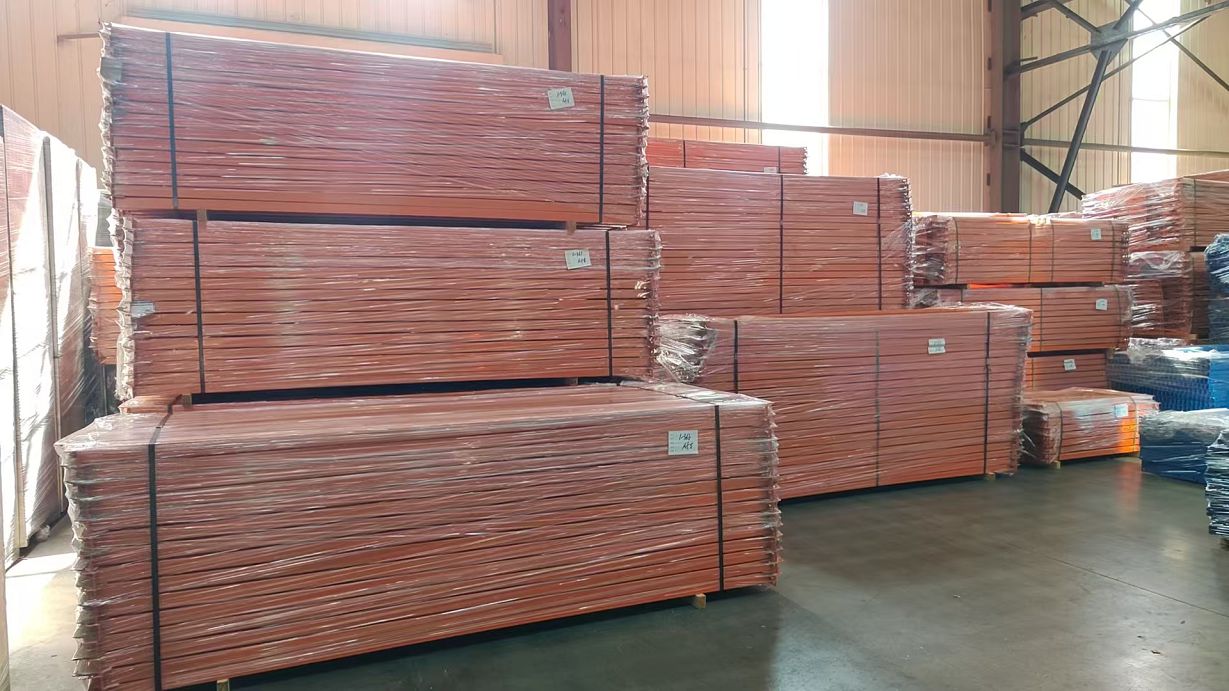
As a global trading partner with 6 years of direct export history, CoreStorage coordinates supply chains for partners in the Middle East, South America, and Eastern Europe. We maintain structural safety standards like ISO 9001 and CE certifications. Our shipping division packs profiles to prevent deformation, utilizing custom steel crates and high-strength plastic banding for secure ocean transport.
Our quality engineering team coordinates with logistics operators to verify all compliance paperwork is prepared. This includes country-specific certificates, mill test certifications, weld quality inspections, and loading capacity documents. Providing comprehensive engineering packets streamlines customs clearance and ensures verification for local building inspectors.
Answers to common structural, procurement, and shipping questions for warehouse managers.
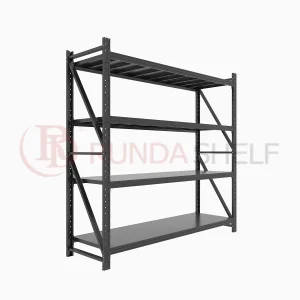
Select from our manufacturing line of structural pallet racking, double-sided mezzanine systems, and high-capacity cantilever platforms.
 CoreStorage