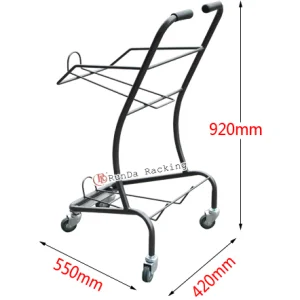
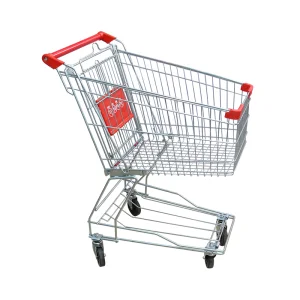
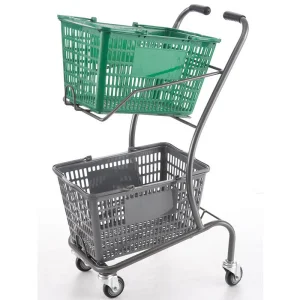
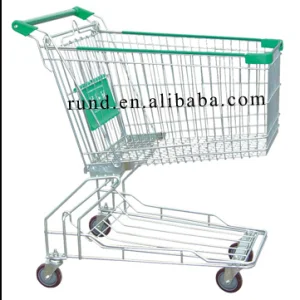
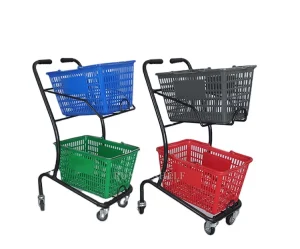
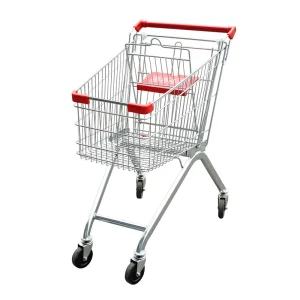
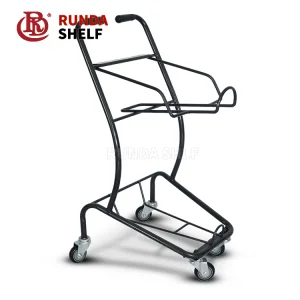
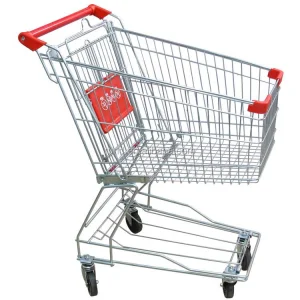
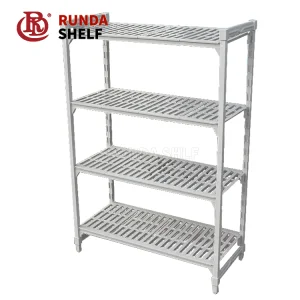
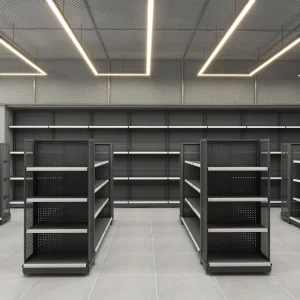
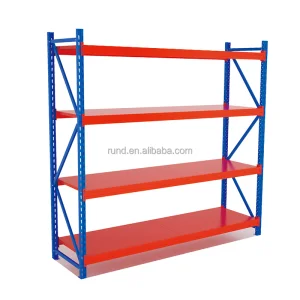
Explore our high-performance supermarket shopping trolleys, ergonomic toy carts, and specialized storage equipment engineered to sustain high-density consumer traffic. Every product is optimized for structural integrity and smooth deployment in high-volume retail environments.
In the modern retail ecosystem, the humble shopping cart has evolved far beyond a basic conveyance vehicle; it is a critical component of Retail Fleet Management that directly correlates with buyer behavior and logistics efficiency. From small urban grocery stores to mega cash-and-carry hypermarkets, selecting the optimal configuration of retail hardware is essential. Today's global market demands high load-integrity systems designed to minimize friction, lower noise pollution, and resist intensive physical wear over years of constant operation.
Historically, shopping carts were manufactured using standard iron wire grids with single-layer zinc coating, which rapidly suffered from structural oxidation and wheel seizure. Today, advanced manufacturers employ high-grade carbon steel formulations (such as Q235B) treated with secondary protective coatings like Electro-Zinc Plating combined with Clear Acrylic Lacquer or organic polymer powder coatings. The structural geometry of the baskets has also been refined using finite element analysis (FEA) to maximize volume density while maintaining nesting stackability, saving valuable footprint space in parking lot cart corrals.
Beyond material compositions, castor dynamics represent the primary mechanical factor determining a cart's lifespan. Modern supermarket fleets utilize 3-inch, 4-inch, or 5-inch castors engineered with high-durability thermoplastic rubber (TPR) or polyurethane (PU). These castors incorporate shielded precision ball bearings that prevent dust, water, and debris accumulation. For multi-level retail operations utilizing inclined travelators, automatic braking castors featuring specialized guide grooves are mandatory to lock the cart securely into the escalator tracks, guaranteeing public safety and avoiding liability risks.
Sourcing managers must specify finishes based on geographic climatic factors. Standard high-gloss chrome plating is preferred for temperature-controlled internal boutiques due to its premium aesthetics. In contrast, outdoor facilities with ocean humidity or high rainfall require double-layer zinc plating or hot-dip galvanization to achieve salt-spray testing resistance of up to 480 hours without red rust formation.
Nesting density dictates the warehouse storage and parking lot footprint. Optimized cart models feature a short nesting distance (often down to 180mm–220mm per nested cart), which translates to a 35% footprint reduction in comparison to older legacy models. This efficiency maximizes floor space for customer traffic rather than empty fleet storage.
Chengdu CoreStorage Logistics Equipment Manufacturing Co., Ltd. was founded in 2016. Spanning a comprehensive factory area of 22,000 m², the company generates an annual export revenue of $15,000,000. We bring 6 years of global trade expertise alongside 11 years of specialized industrial rack manufacturing experience.
To ensure maximum load integrity, our quality control procedures adhere to ISO 9001 & CE Structural Safety Standards, utilizing advanced CMM Automated Dimensional & Load Stress Testing. Our Quality Department comprises 28 skilled QC inspectors. Functioning with an Integrated Manufacturer & Global Trading Hub background, our main markets are focused on the Middle East, South America, and Eastern Europe. We actively collaborate with 650 supply chain partners to serve diverse client groups, including cold storage operators, wholesale distribution chains, and automotive assembly facilities.
Driven by Intelligent Modular Racking Design, our innovation team provides flexible custom options such as corrosion-resistant galvanization, tailored column profiles, and adjustable beam heights. Last year, we successfully executed 28 new product releases, empowered by 18 R&D engineers.
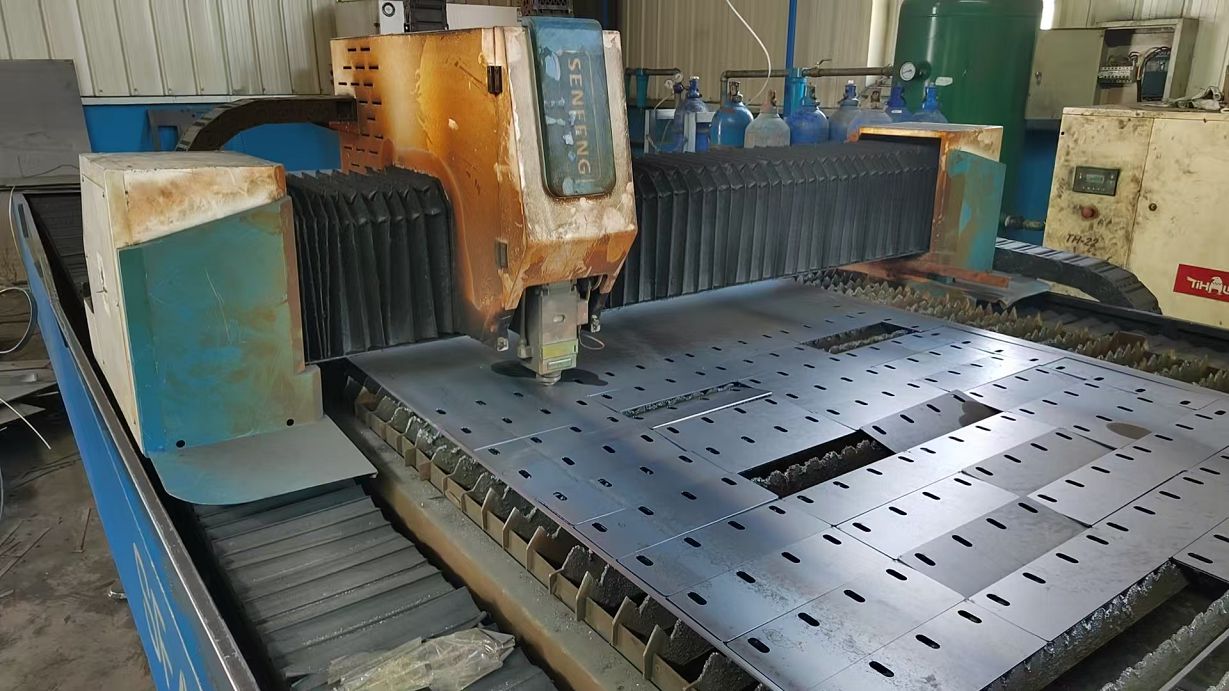
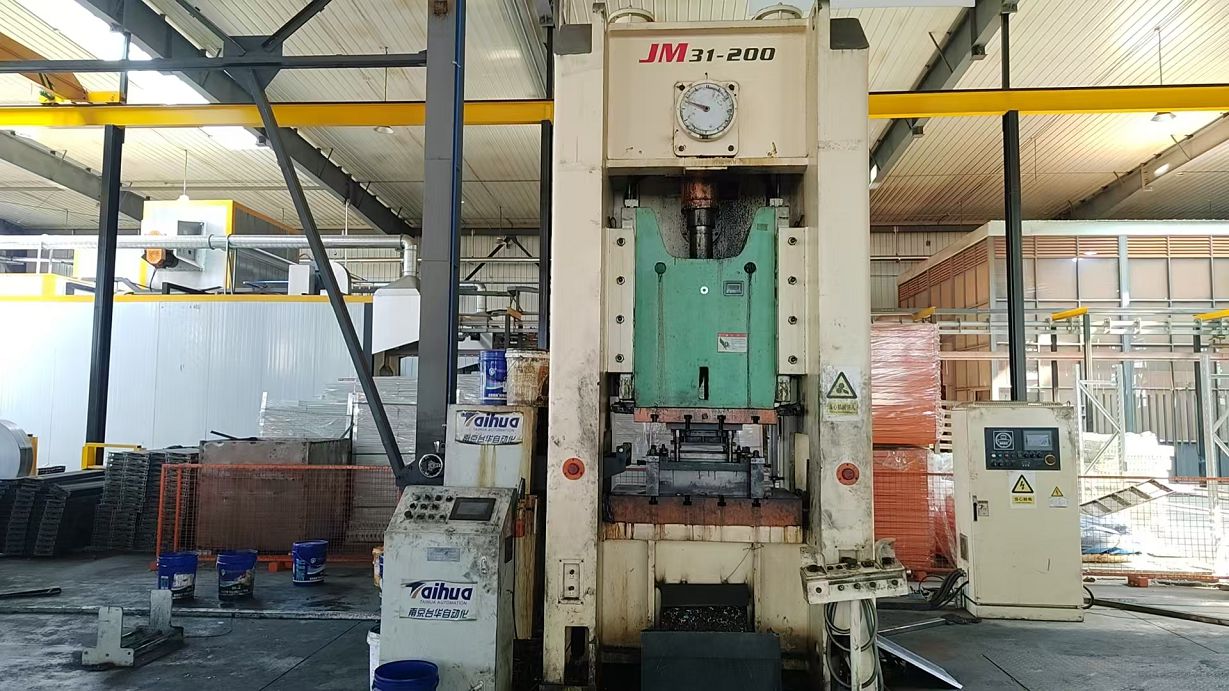
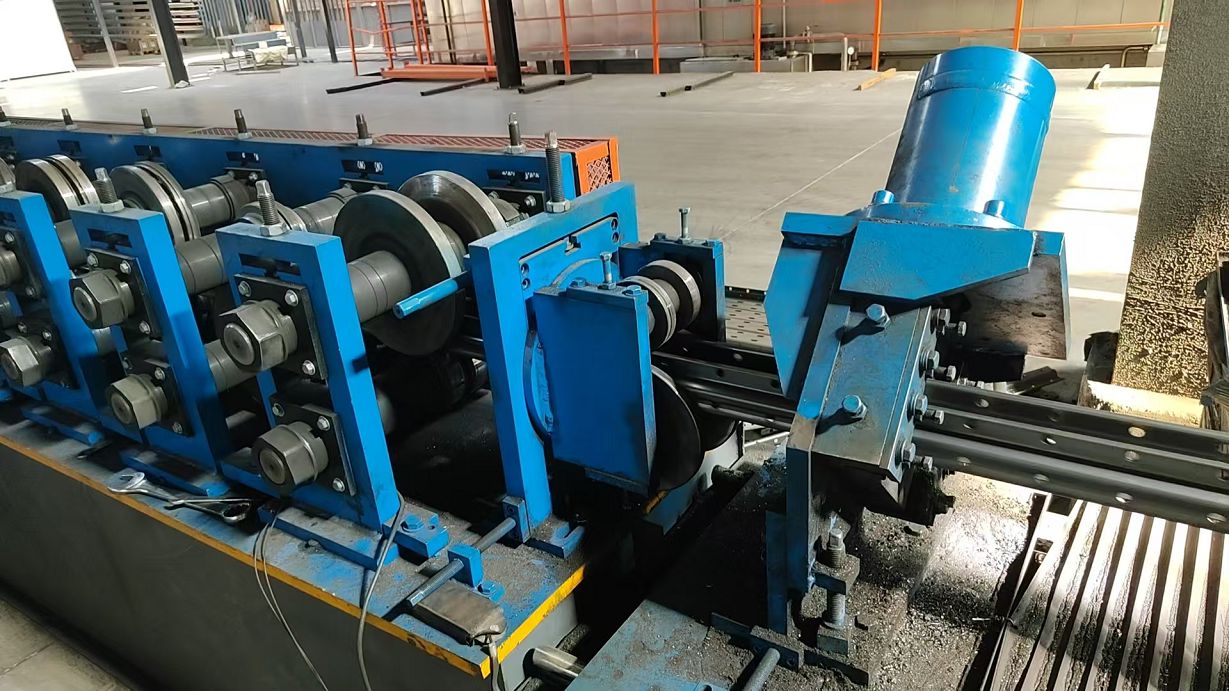
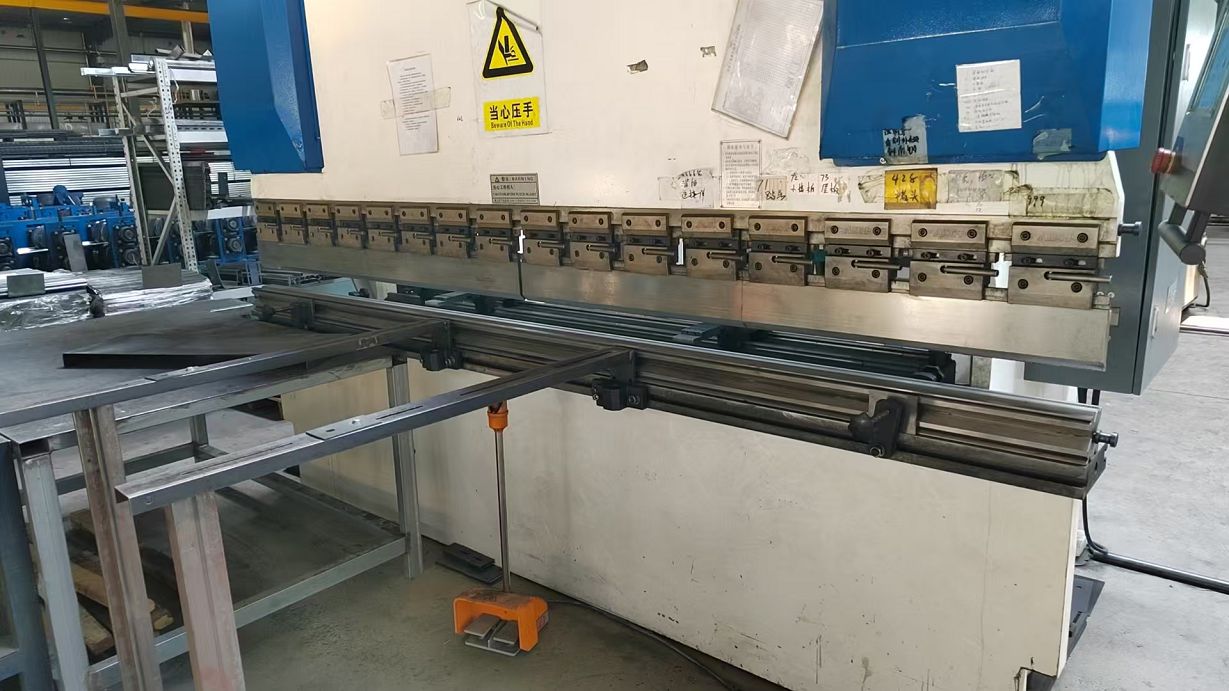
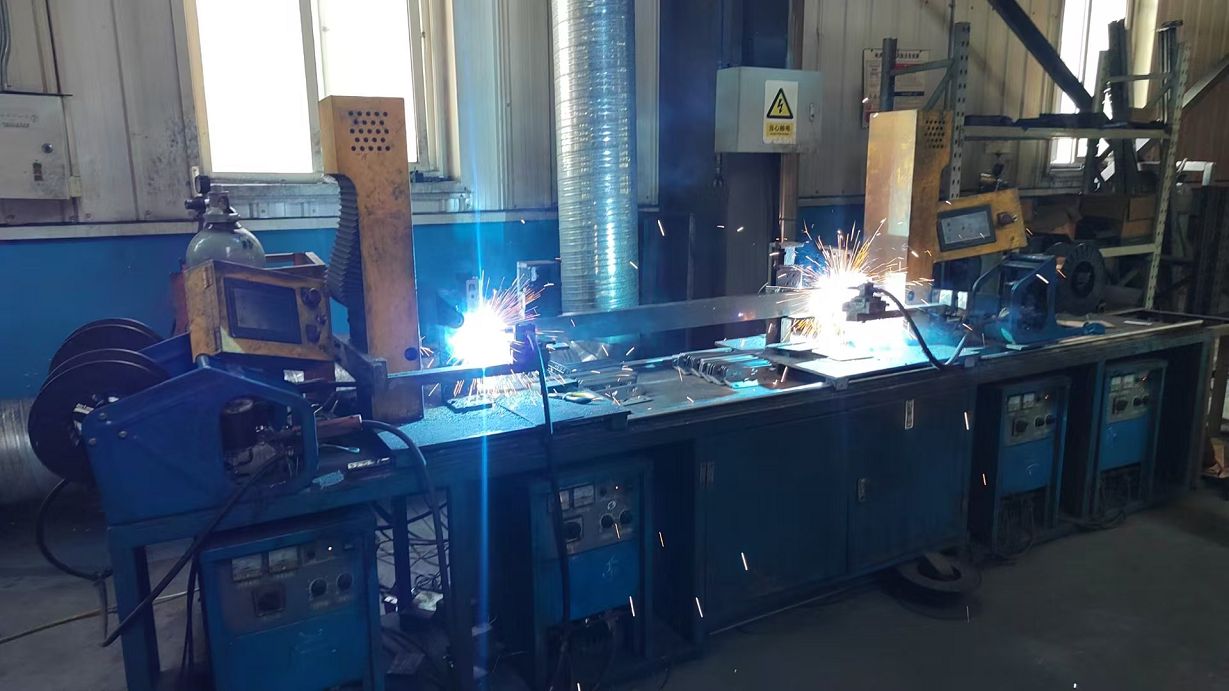
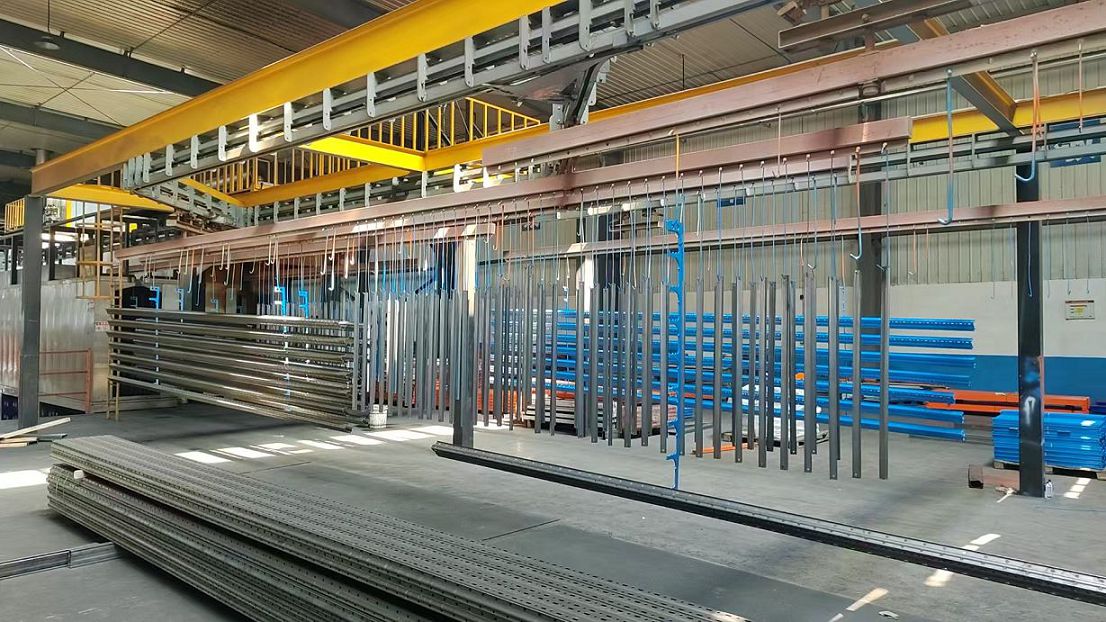
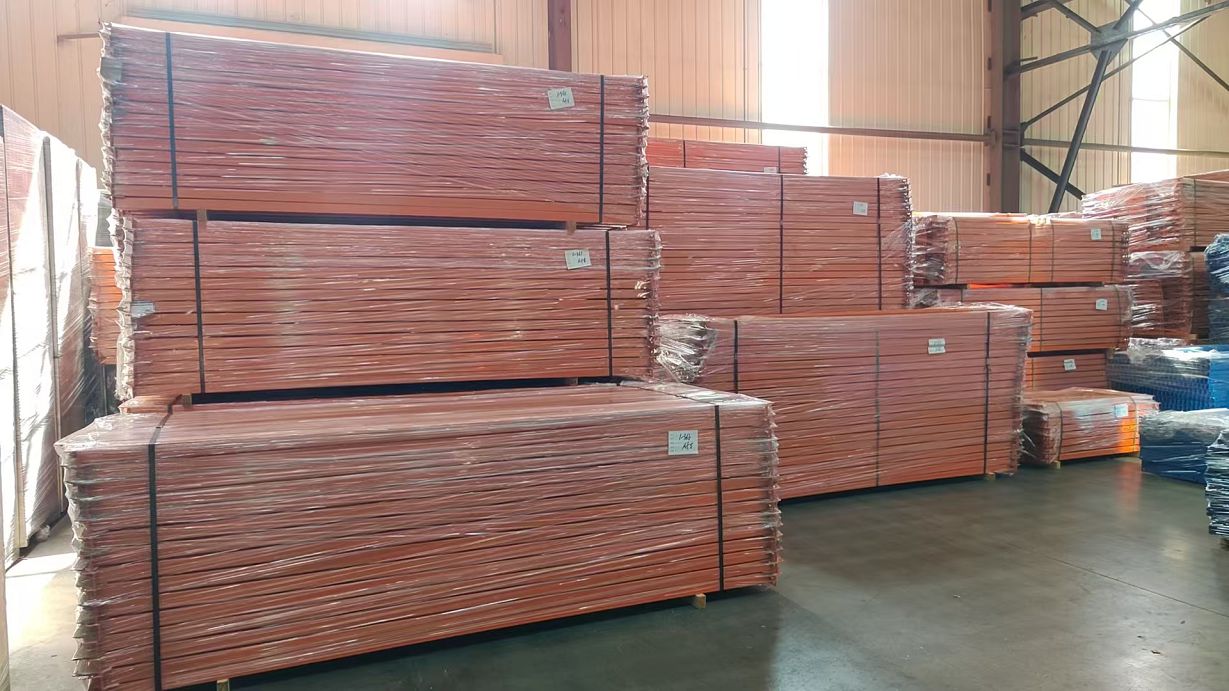
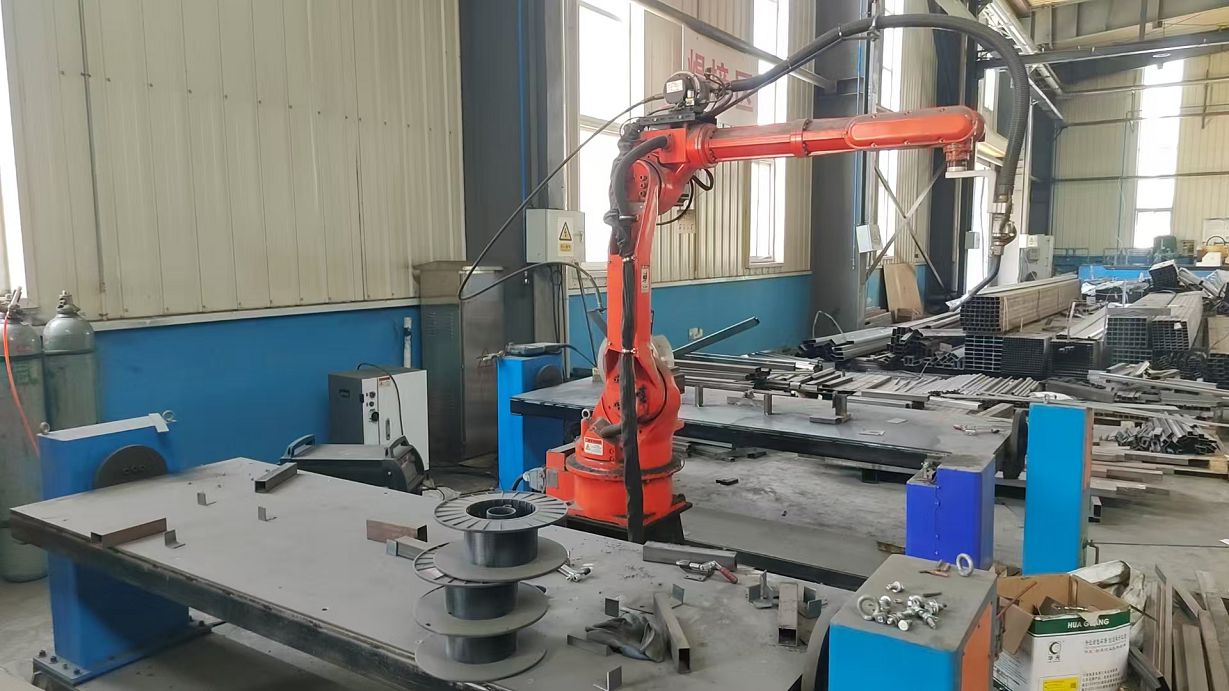
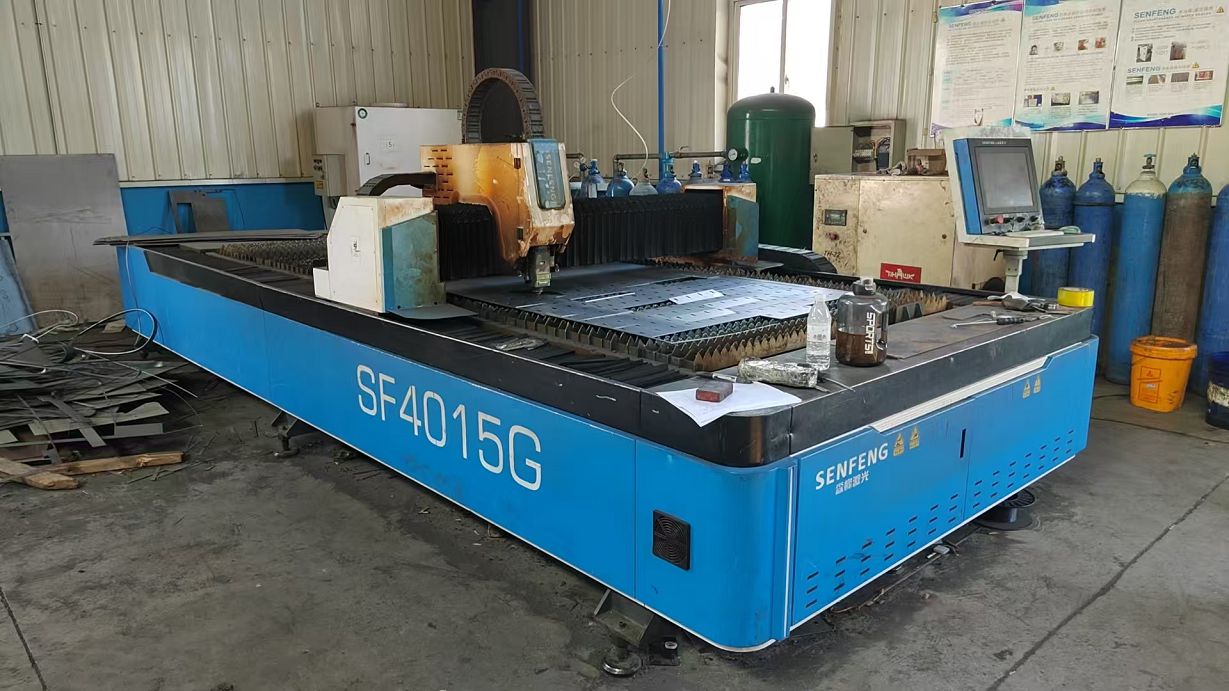
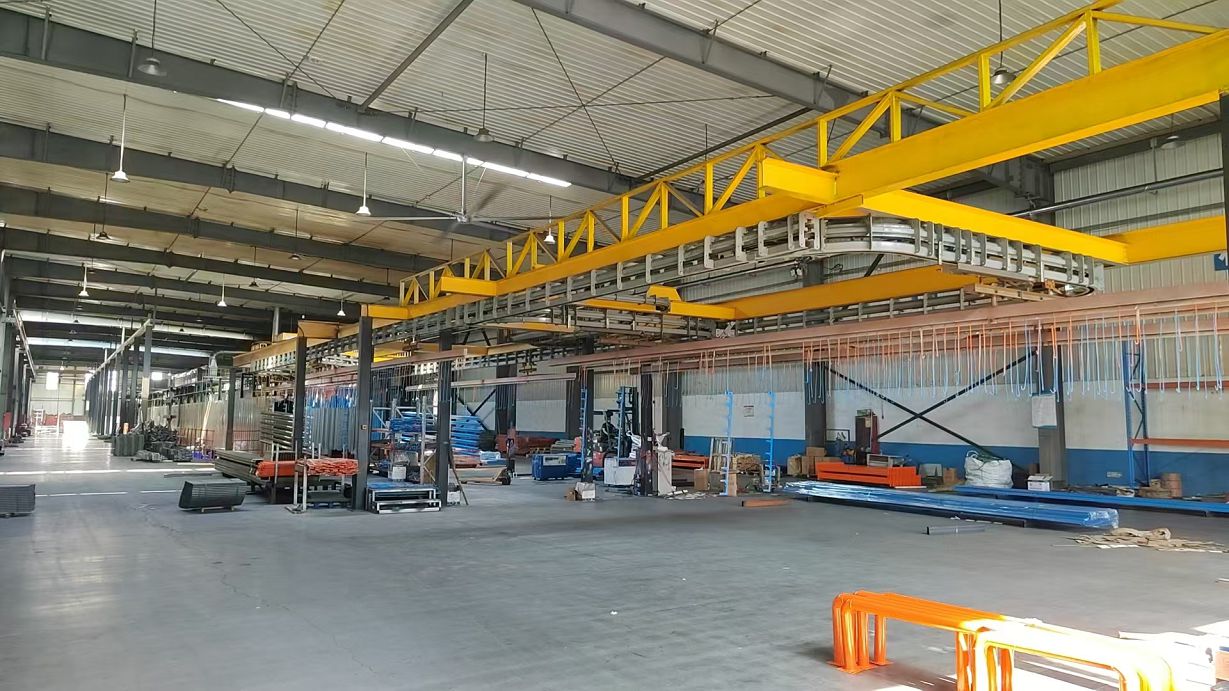
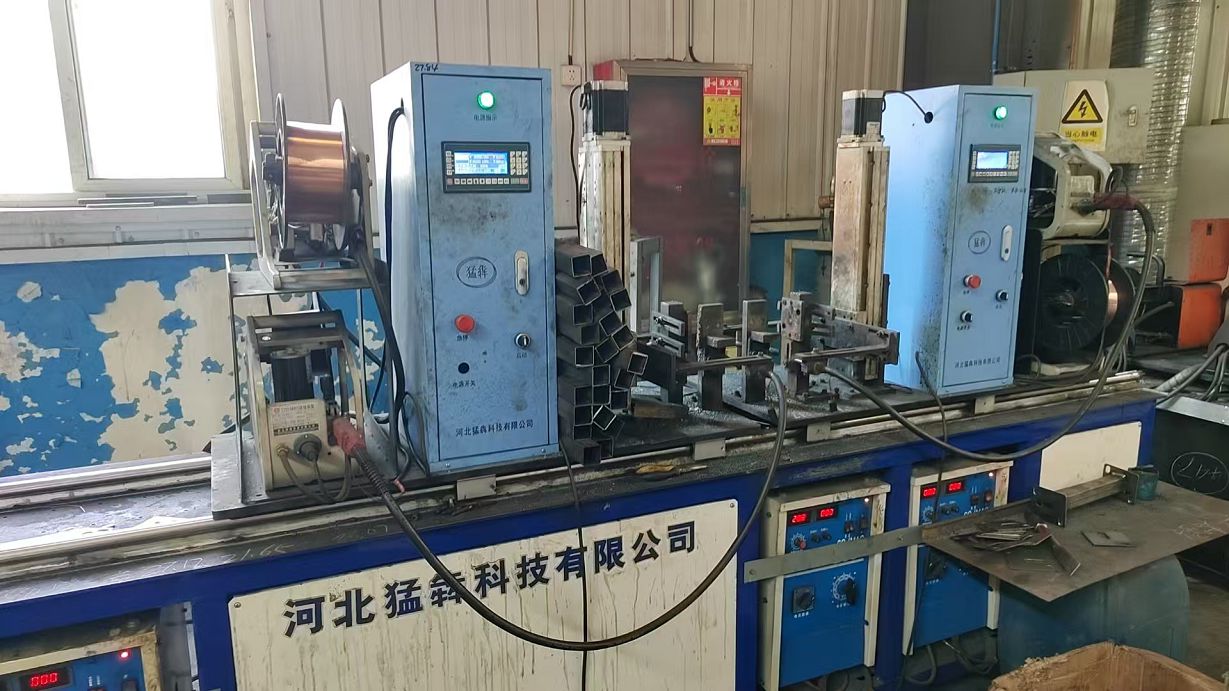
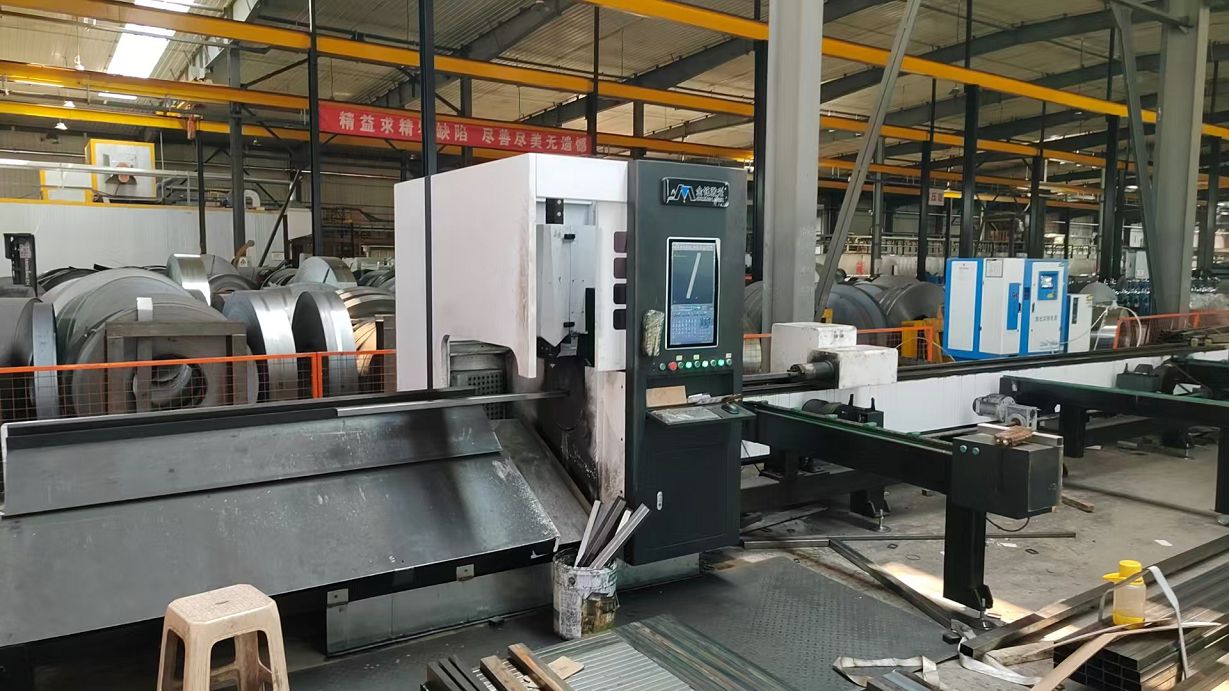
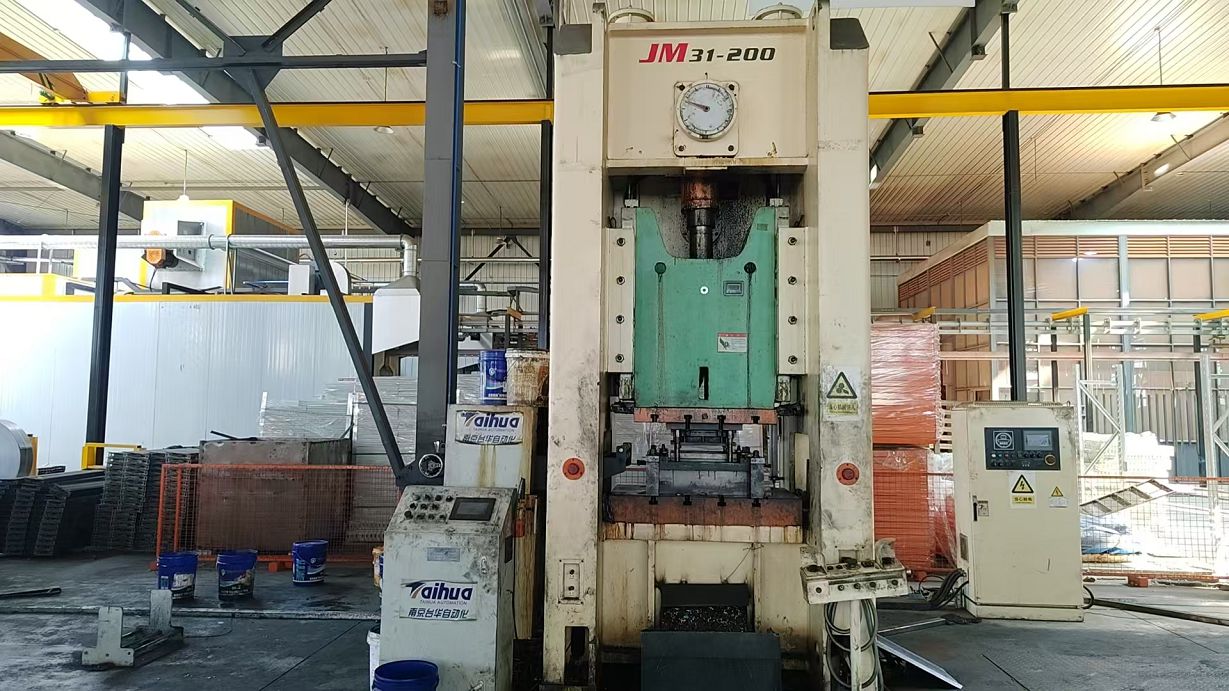
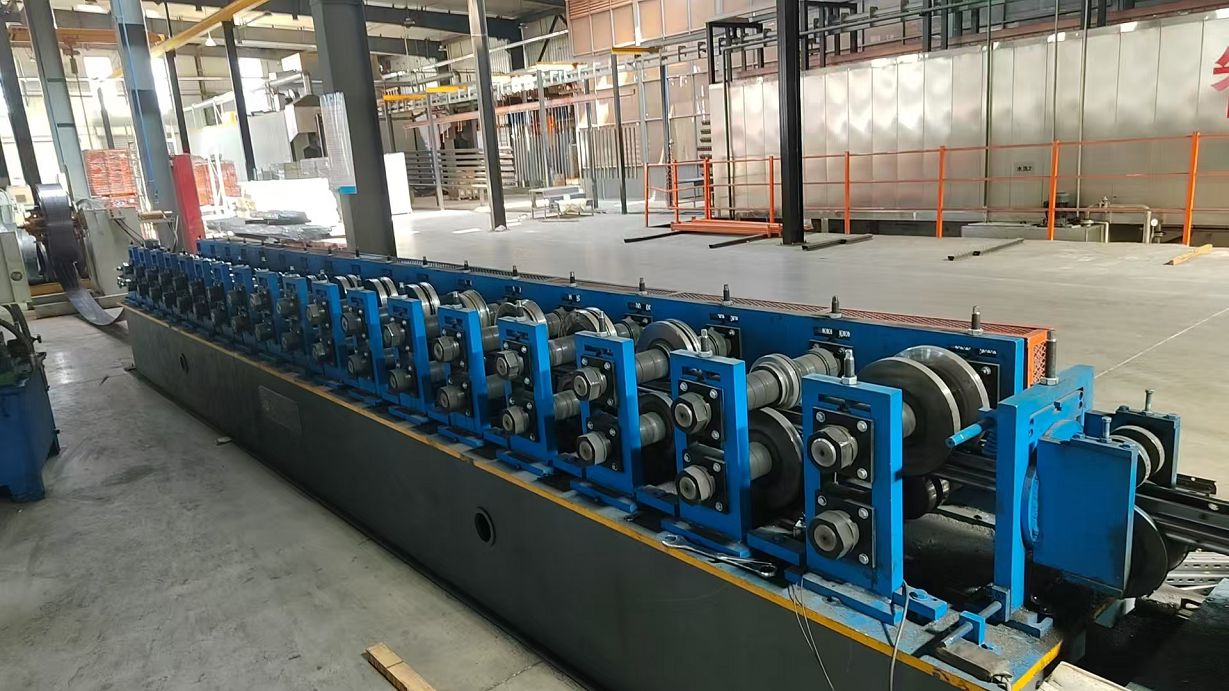
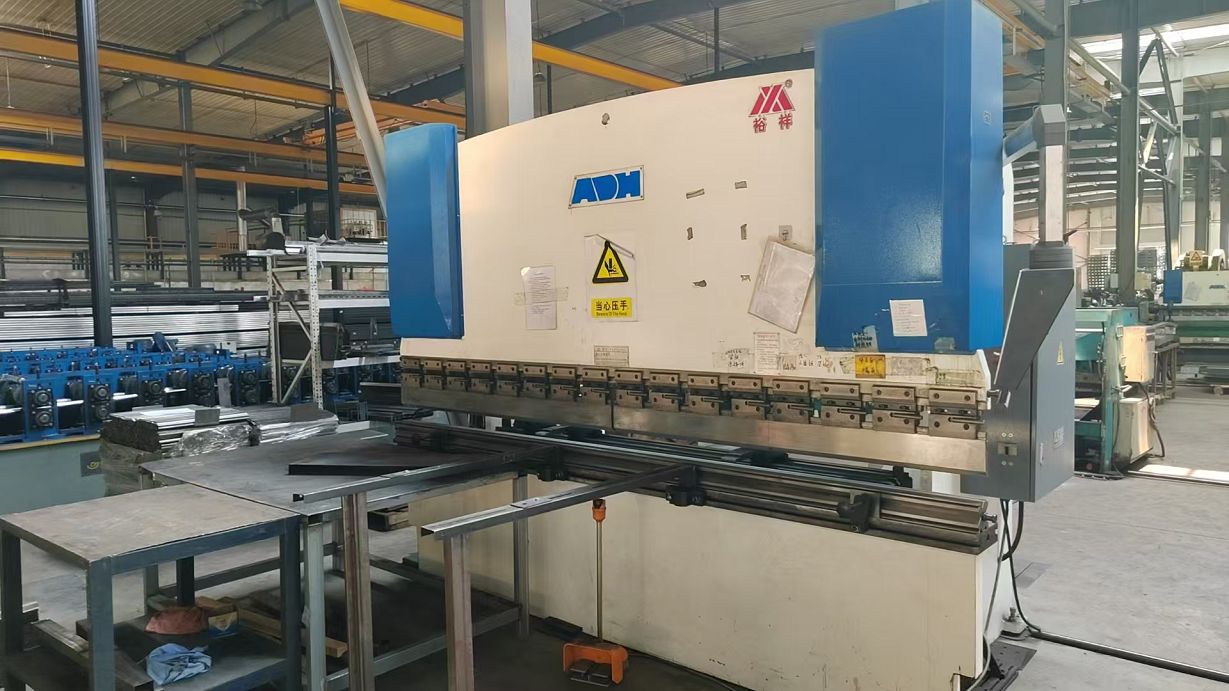
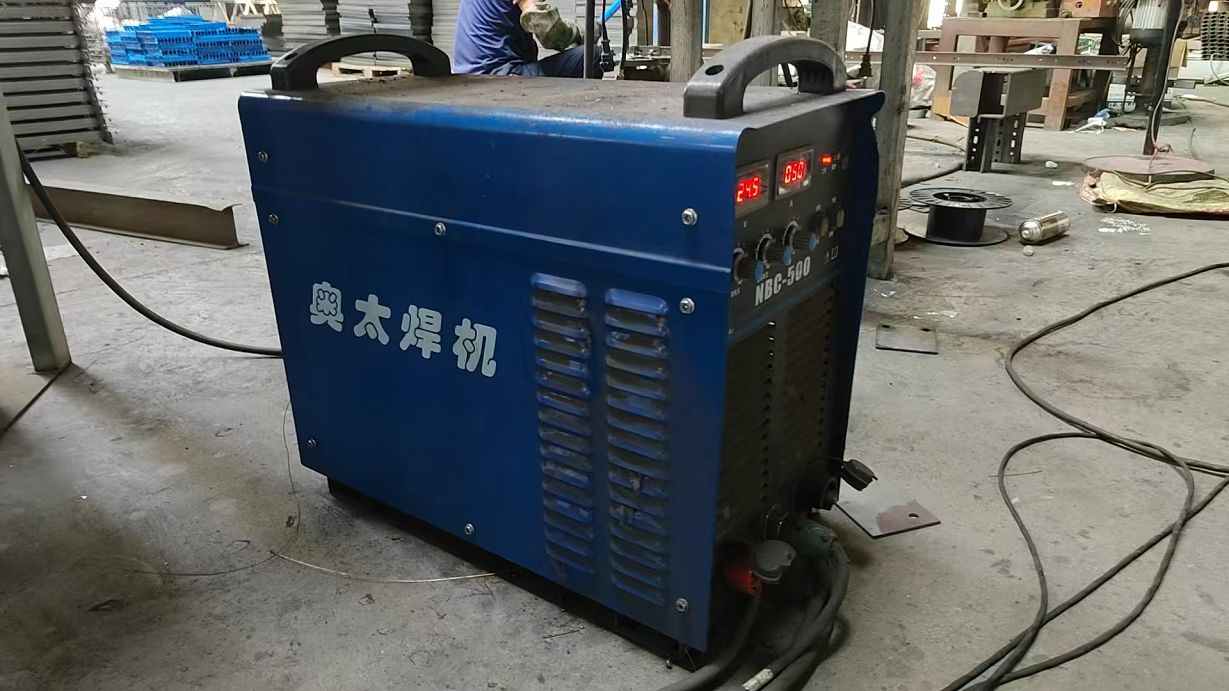
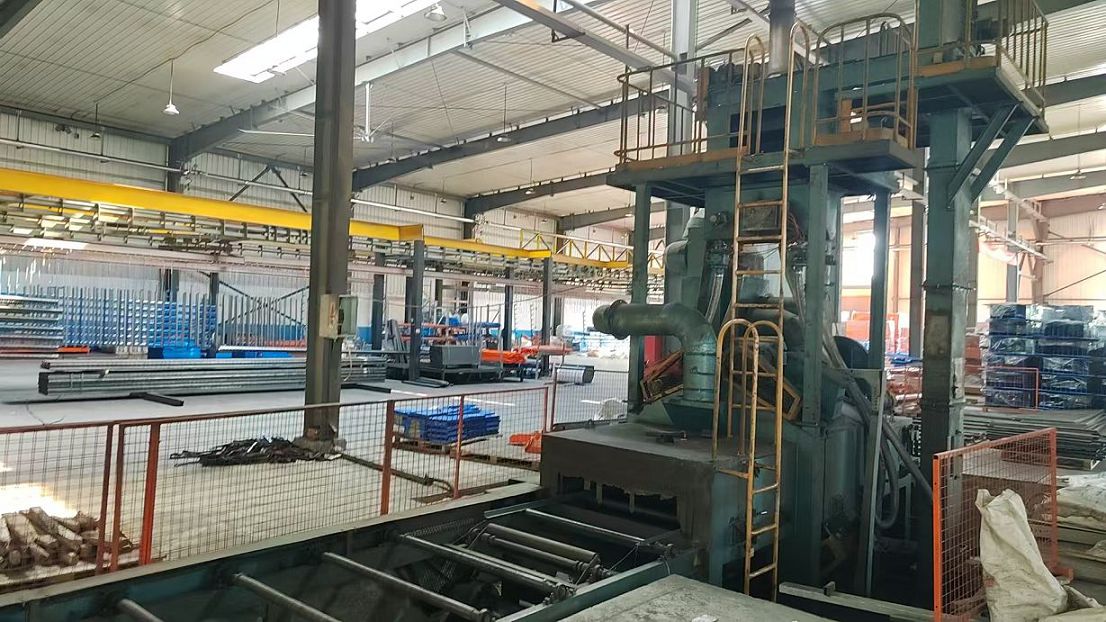
The Chinese supply chain ecosystem for retail accessories stands out due to massive horizontal integration, raw material availability, and robotic automation. At our Chengdu facilities, production throughput is maximized via a continuous workflow—from high-speed raw wire drawing to automatic robotic welding, multi-stage spray pretreatments, and automated powder coating. This systematic consolidation results in an unmatched cost-to-performance ratio for large volume orders.
Global procurement strategies must adapt to localized environmental stressors and consumer demographics. For instance, in cold storage operations and temperature-controlled logistical channels, raw metal products risk rapid thermal contraction stress. Standard shopping trolleys used in humid, coastal hypermarkets of South America or the Middle East require enhanced structural zinc galvanization combined with high-grade marine-grade coatings. Our engineers analyze regional requirements to balance weight, thermal stability, and corrosion defense across every product series.
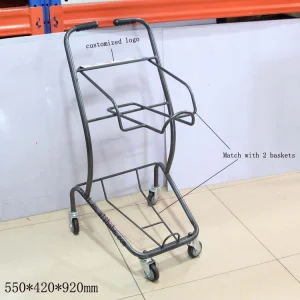
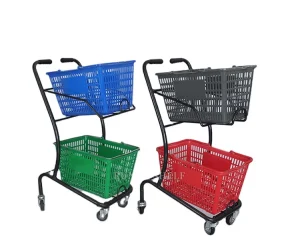
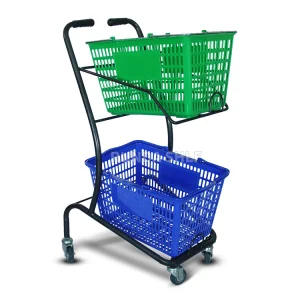
Another major driver is the shifting landscape of store design. Urban boutique retail environments in high-density European and Japanese cities feature narrow aisles. This layout necessitates dual-layer shopping carts or compact wire-mesh baskets with minimal turning radii. Conversely, warehouse wholesale stores require heavy-duty transport platforms capable of carrying up to 150kg of goods without bending or compromising castor alignment. By matching shopping cart structural capacity with target distribution demands, enterprise retailers avoid early fleet failures and improve spatial dynamics.
Looking forward, smart retail environments are transforming fleet standards. Integrating RFID tags, anti-theft smart locks, and consumer-facing tablet mounts directly influences layout designs. Consequently, the core steel structure must remain structurally rigid while accepting non-metallic polymer components for device integration. Additionally, using circular plastics for handles and baby seats allows global brands to hit ESG compliance metrics and lower carbon footprint goals.
Zinc plating with an acrylic lacquer offers standard corrosion resistance for indoor and outdoor environments. Chrome plating yields a highly reflective, premium finish best suited for controlled indoor settings. Epoxy-polyester powder coating is highly impact-resistant, allows for color customization to align with branding guidelines, and provides excellent protection against scratching and chipping.
We perform automated CMM (Coordinate Measuring Machine) dimensional checks alongside physical load stress tests. Carts are placed on simulating tracks under heavy load (up to 1.5 times nominal capacity) for extended cycles to evaluate castor wear, basket distortion, and welding fatigue, ensuring compliance with global structural safety expectations.
Nesting distance refers to how deep one cart pushes into another. A shorter nesting distance (e.g., 200mm) allows you to park more carts in a shorter physical space, reducing the footprint in customer entryways and cart shelters by up to 30%, which frees up valuable floor area for merchandising.
Yes, our R&D team of 18 engineers specializes in modular layout adaptations. We offer custom double-deck options, built-in magazine racks, specialized basket geometries, and personalized color and branding panels, ensuring complete compatibility with boutique or industrial warehouse store layouts.
All Chengdu CoreStorage processes are verified under ISO 9001 and CE Structural Safety Standards. This guarantees that steel grade selection, welding penetration, and load capacities meet structural criteria for importing into strict regulatory regions, including South America, the Middle East, and Eastern Europe.
Complete your retail configuration with our range of heavy-duty metal shelving, double-deck convenience trolleys, and cold storage rack systems designed to streamline store-to-warehouse stock management.
 CoreStorage