In the highly competitive landscape of modern retail and warehousing, storage infrastructure is no longer a static utility—it is a critical driver of spatial efficiency, inventory turnover, and shopper engagement. Global supply chains mandate that commercial shelving solutions achieve a sophisticated equilibrium between structural integrity, modular versatility, and aesthetic cohesion.
Whether designing an ultra-dense warehouse layout or a high-footfall grocery store, the engineering parameters of shelving directly affect operational bottom lines. Advanced material choices like high-grade Q235B carbon steel, precision engineering tolerances, and multi-tier modular adjustments are crucial elements. Procurement teams are moving away from standardized, one-size-fits-all models to custom-engineered setups that accommodate varying load capacities, maximize vertical space, and support digital storefront technologies.
A structural analysis of Chengdu CoreStorage Logistics Equipment Manufacturing Co., Ltd., presenting industrial footprints, output metrics, and manufacturing excellence.
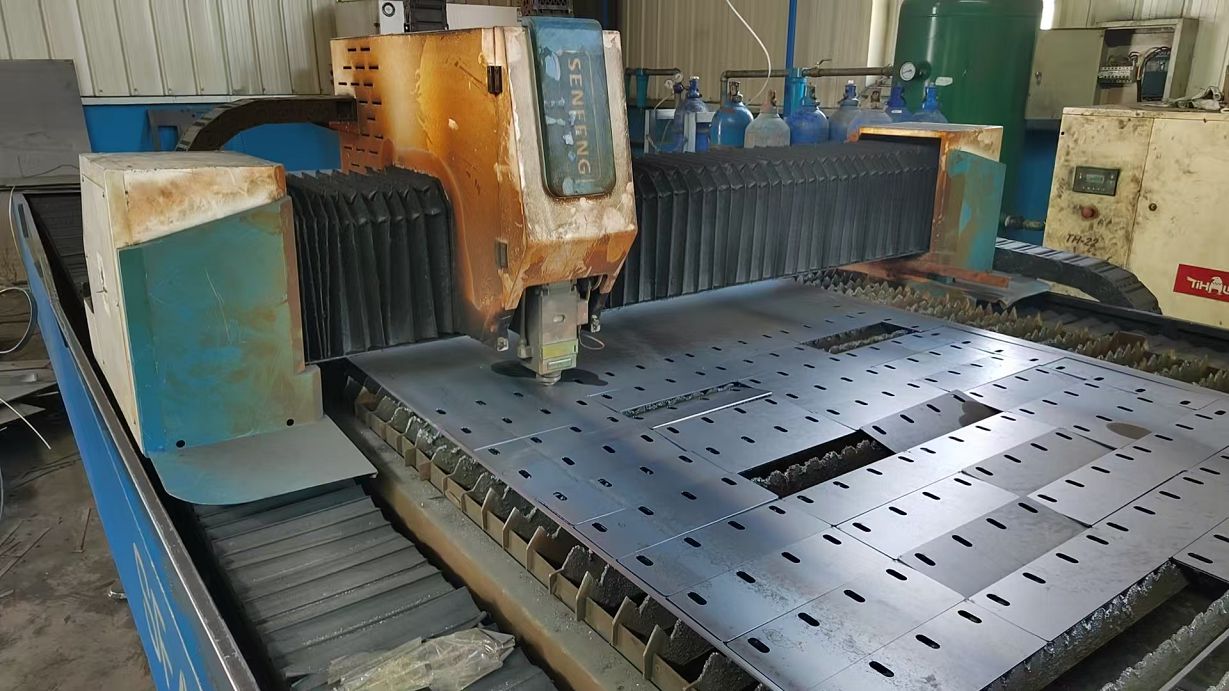
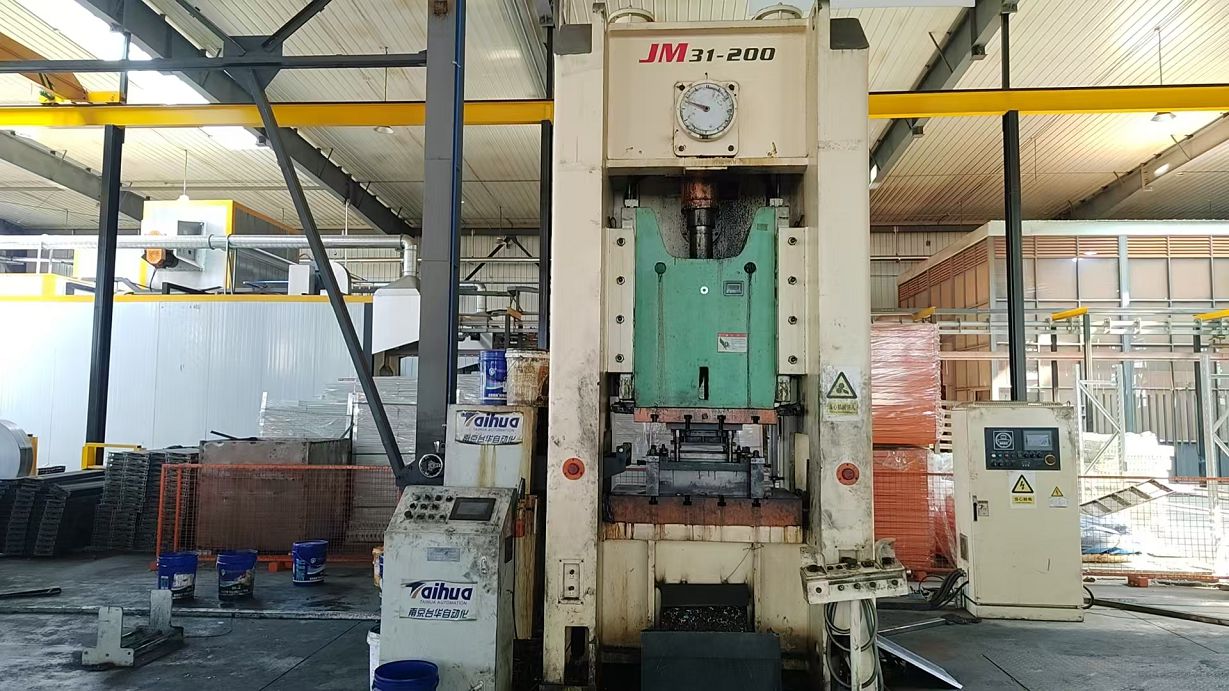
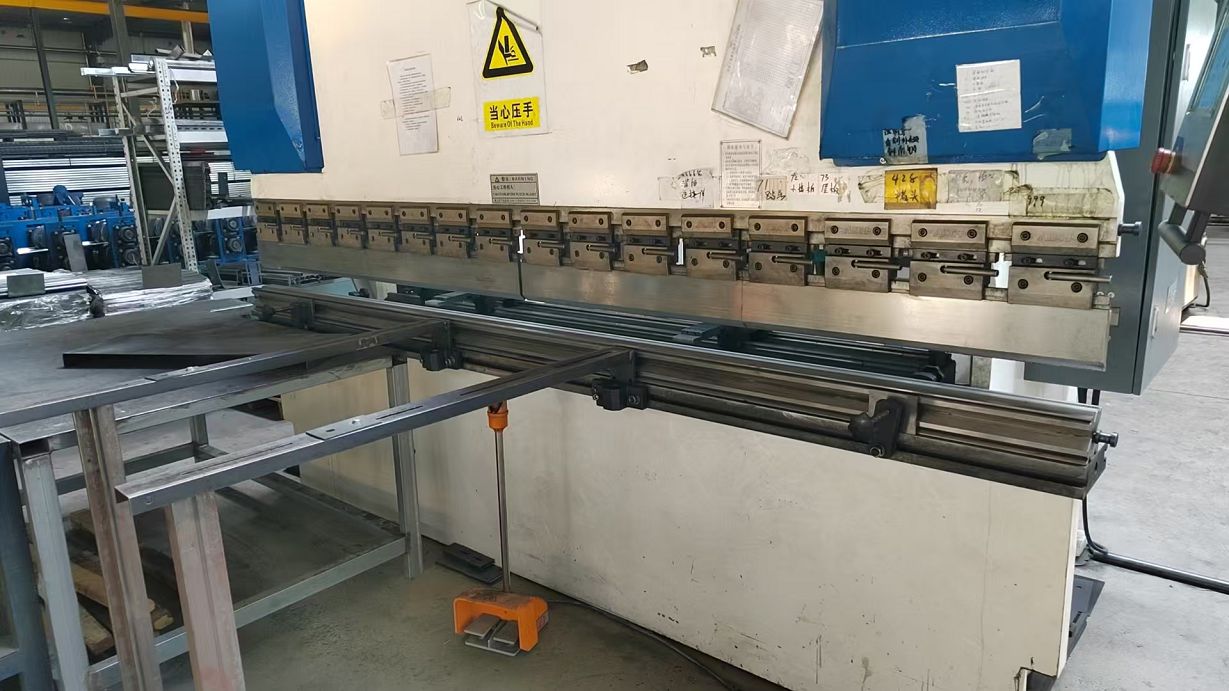
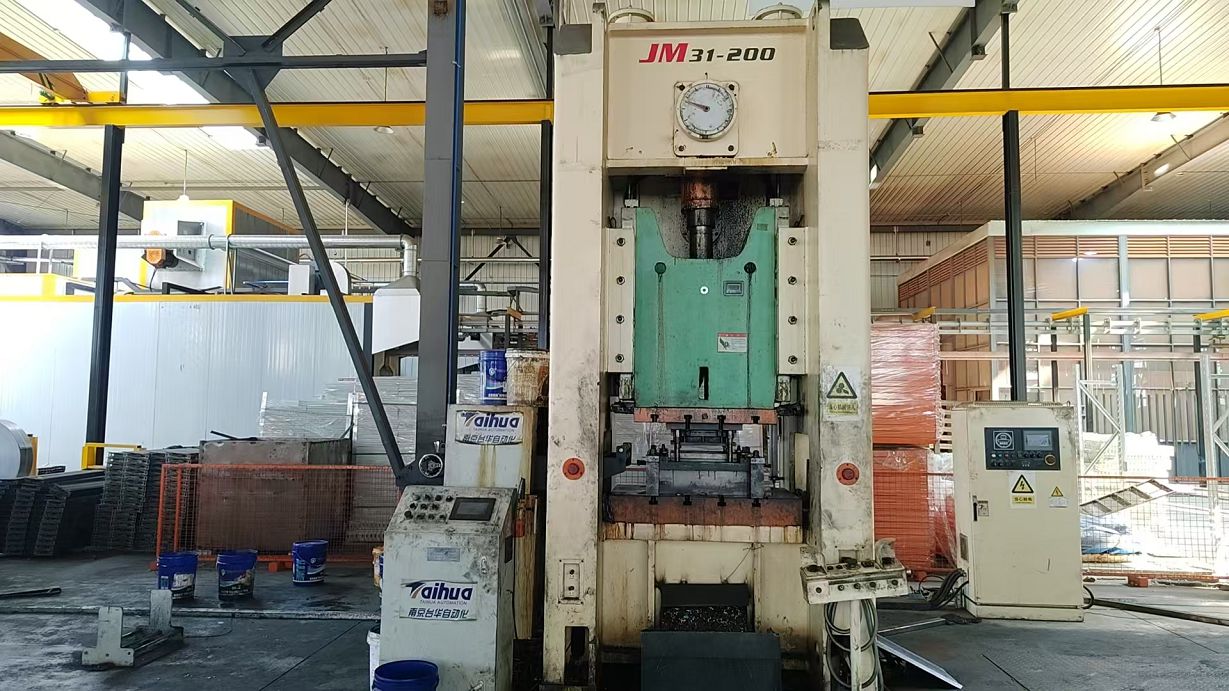
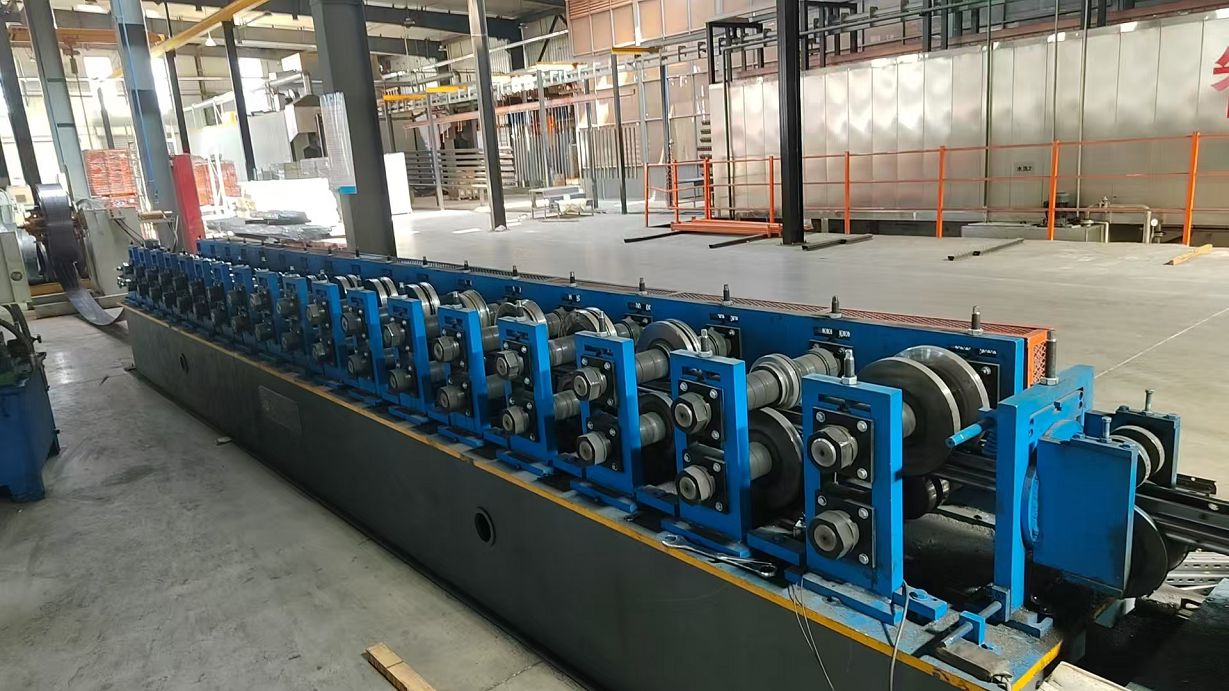
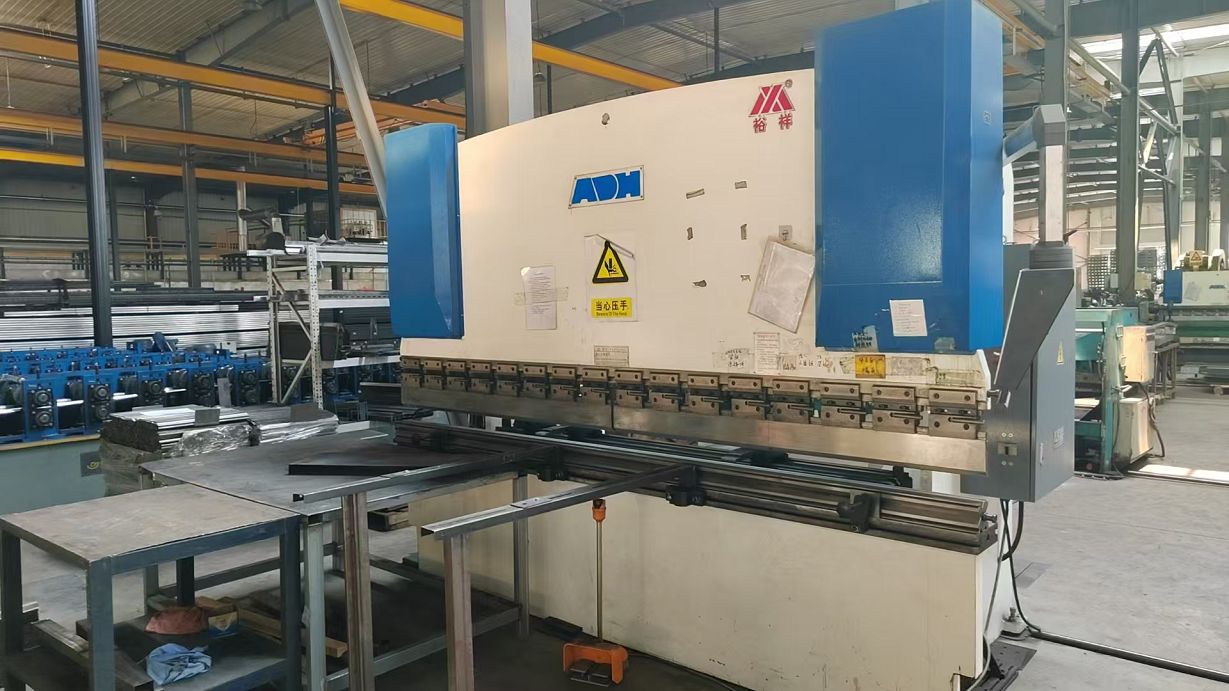
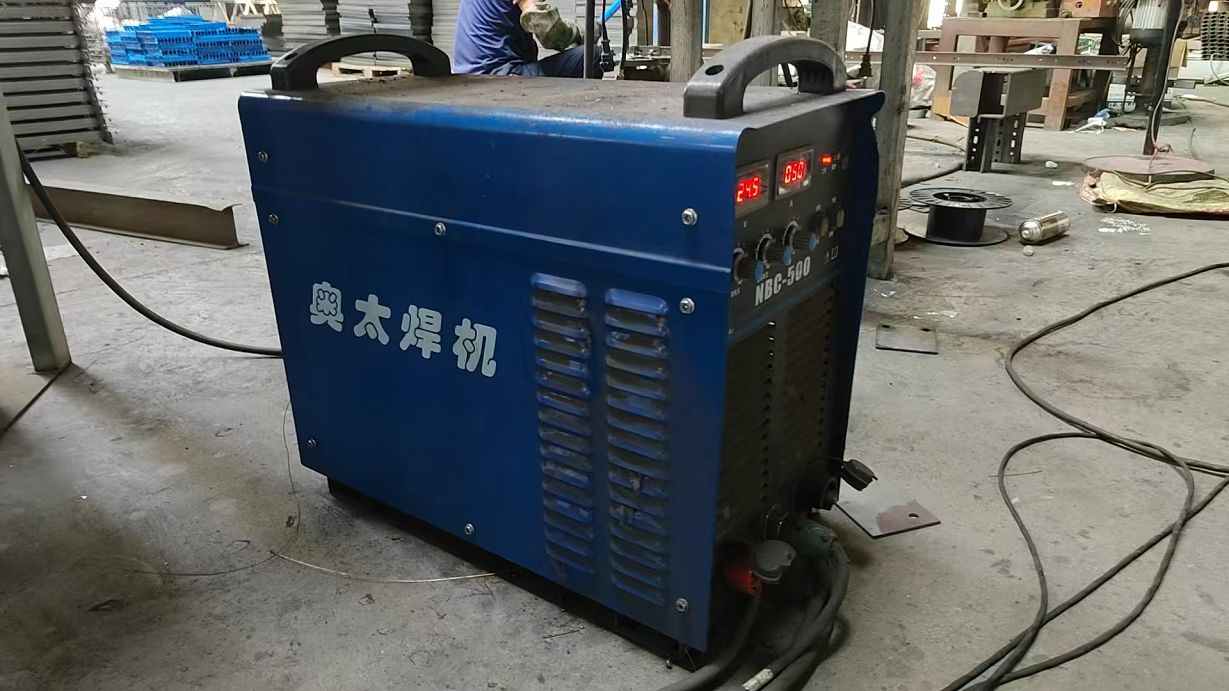
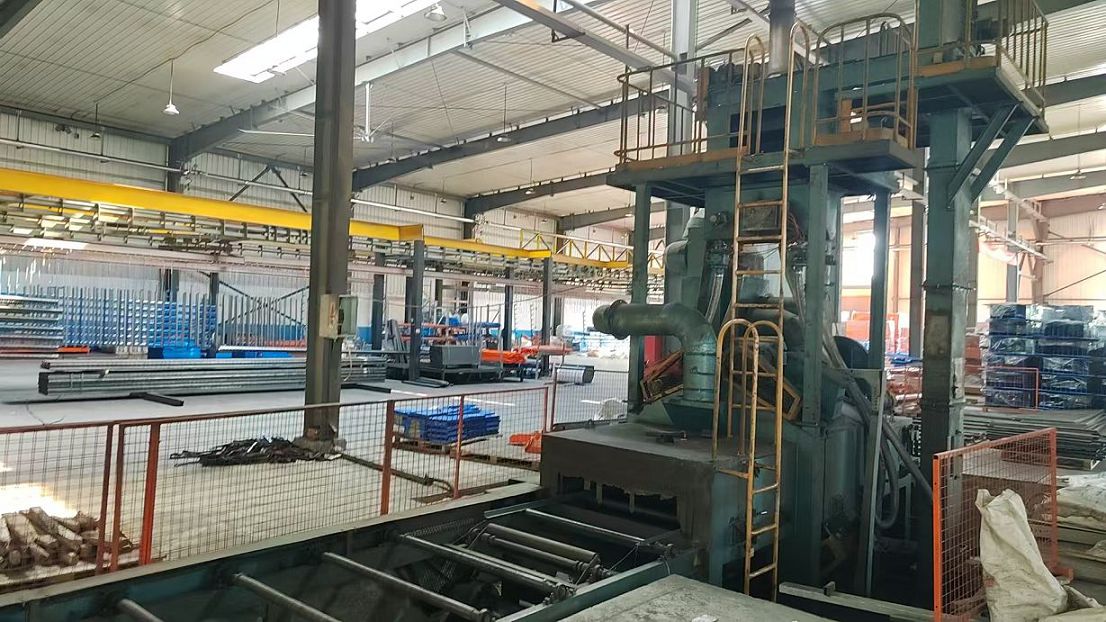
Founded in 2016, Chengdu CoreStorage Logistics Equipment Manufacturing Co., Ltd. has established itself as an industry-leading force in high-efficiency storage rack design. Spanning an expansive production footprint of 22,000 m², our facilities generate an annual export valuation exceeding $15,000,000. We leverage over 6 years of dedicated international trade integration combined with 11 years of highly specialized rack manufacturing experience.
Our products serve diverse industries ranging from sophisticated cold storage operators to wholesale distribution networks and advanced automotive assembly lines. Backed by 18 professional R&D engineers and 28 certified QC inspectors, CoreStorage successfully rolled out 28 new product iterations last year alone, offering flexible structural adaptations such as specialized anti-corrosive galvanization, proprietary column profiles, and variable beam settings.
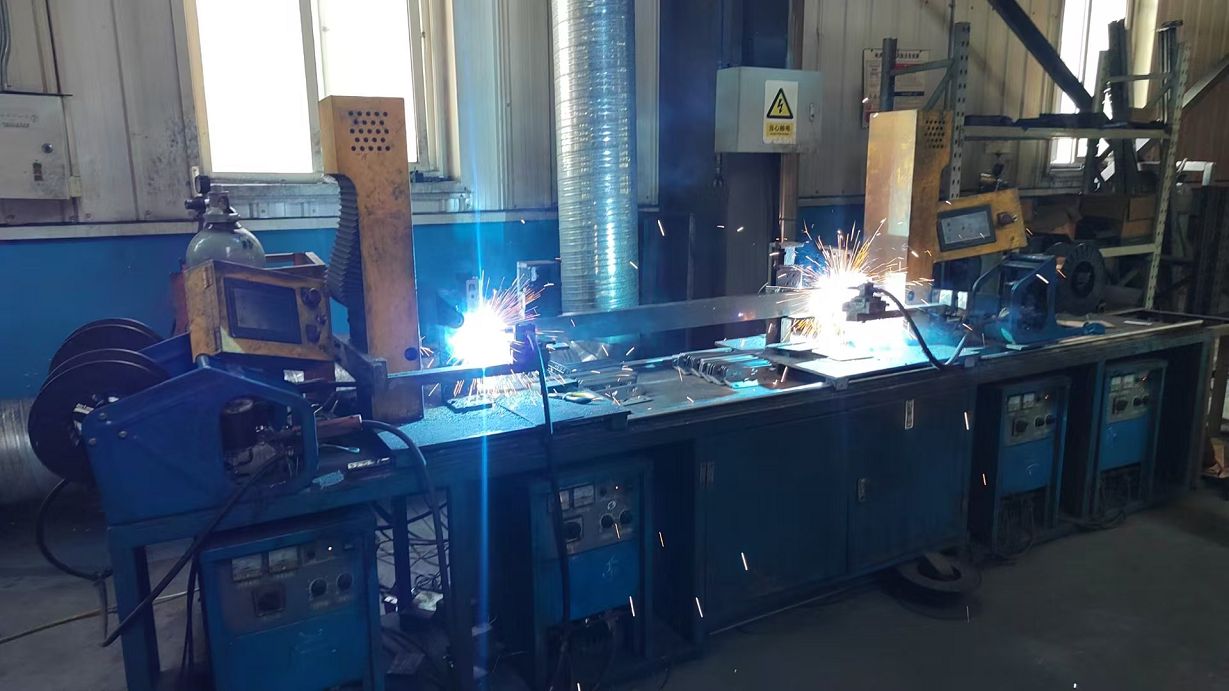
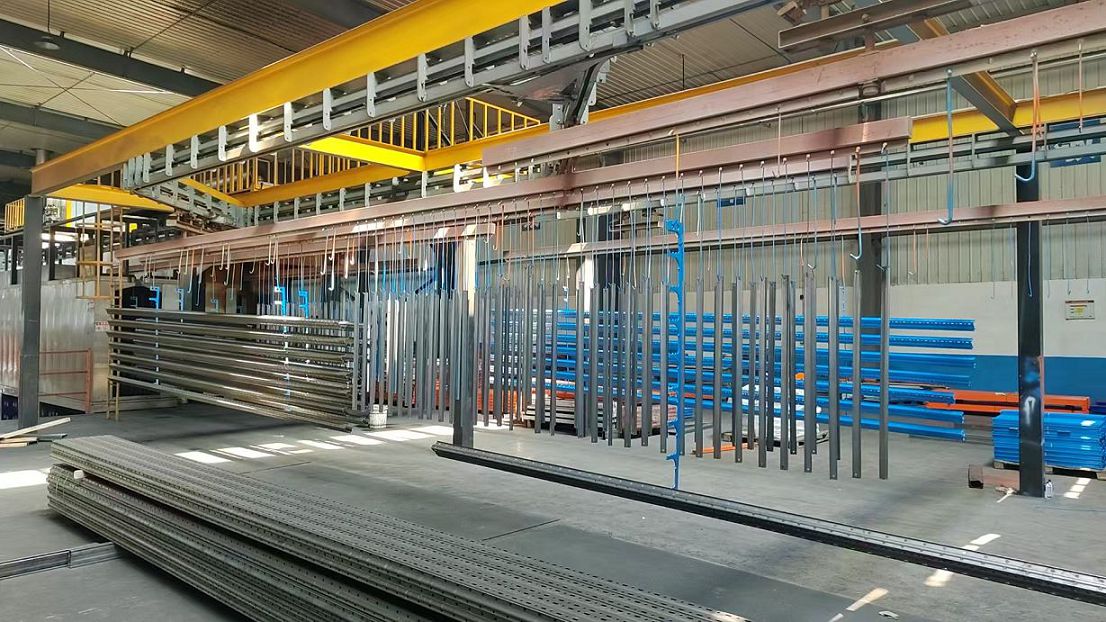
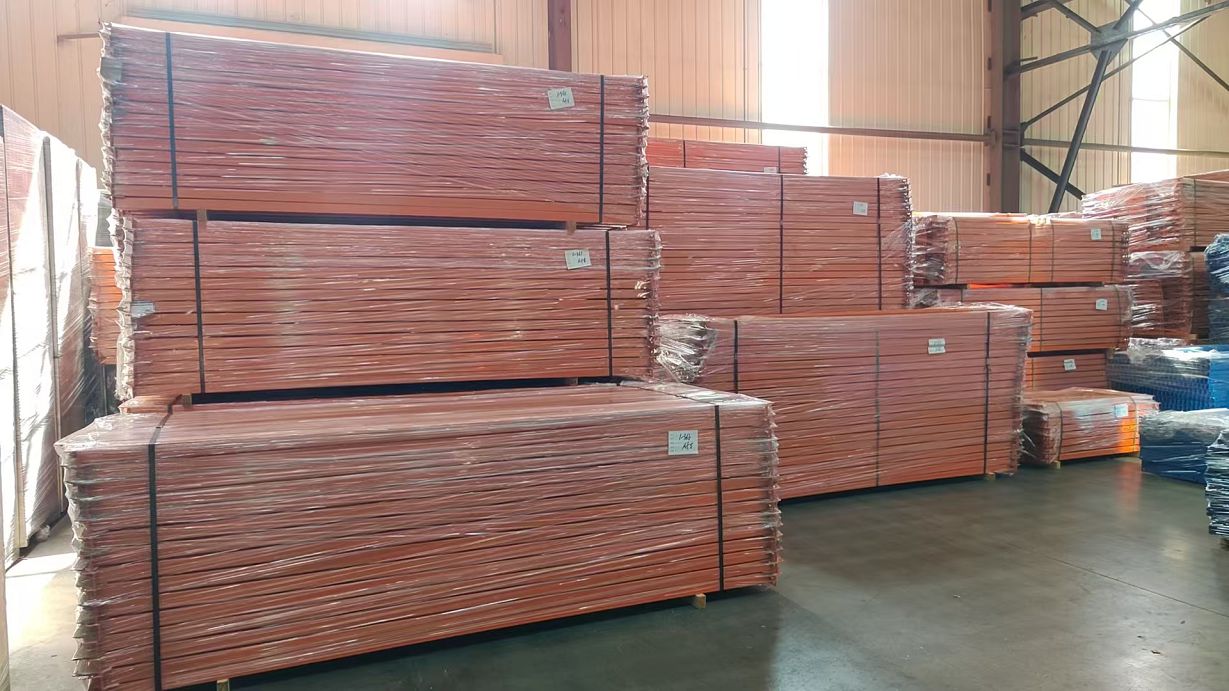
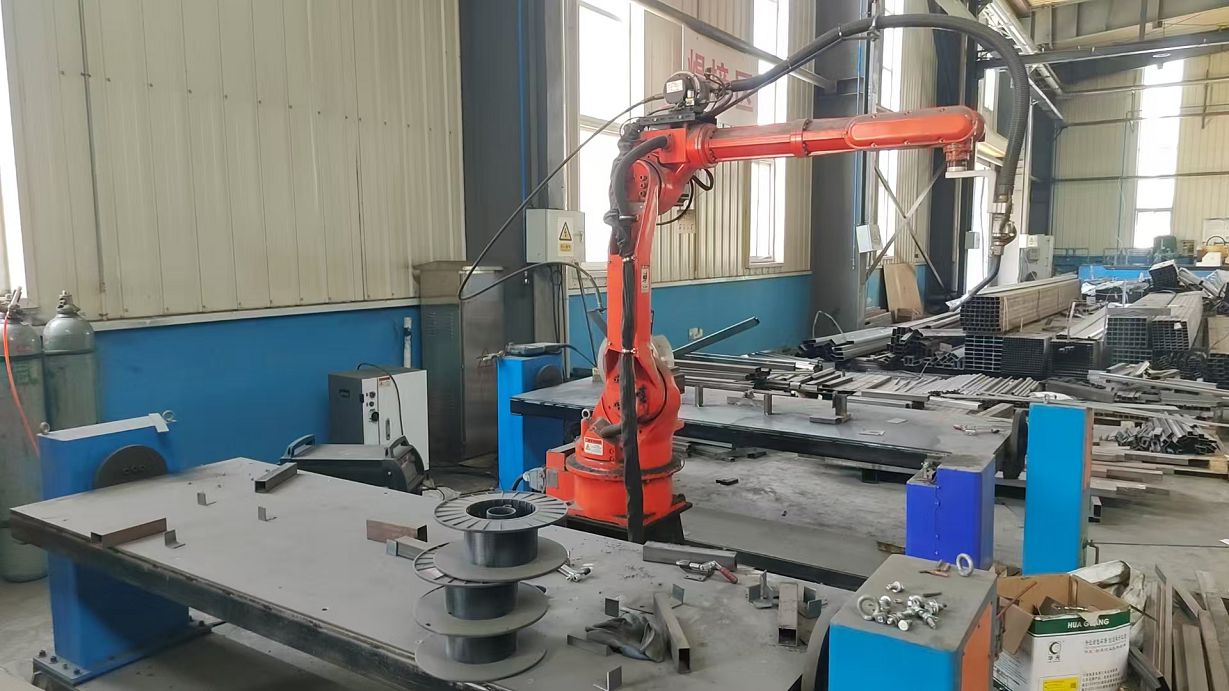
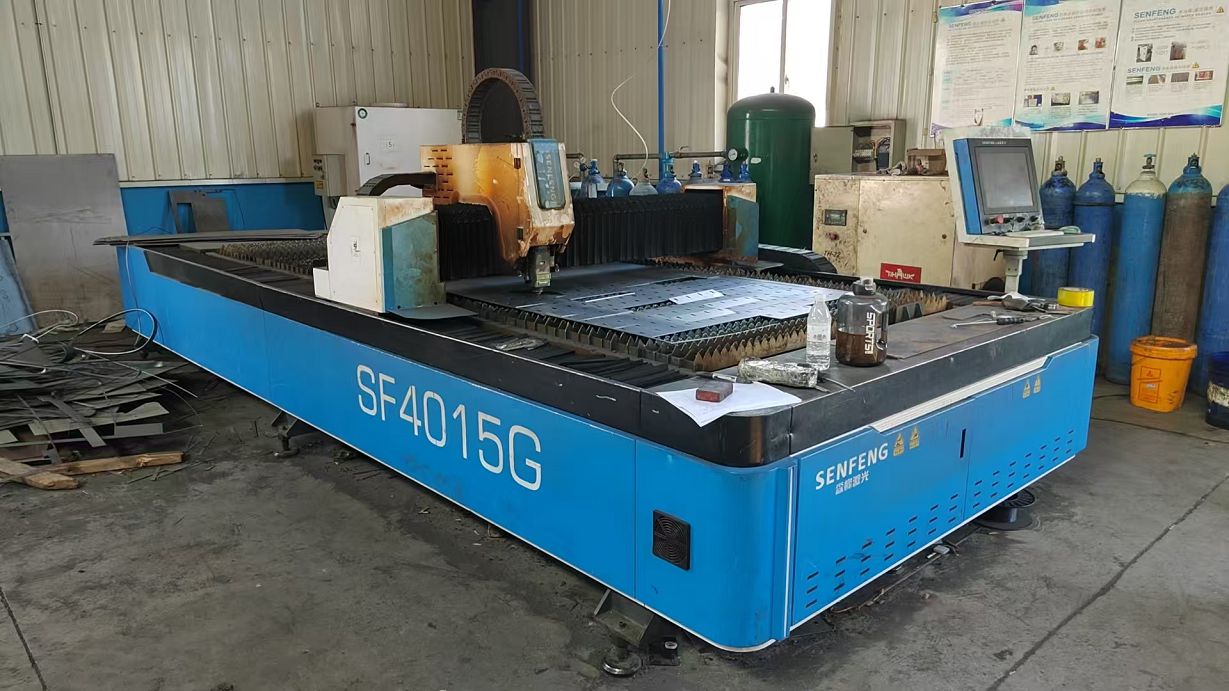
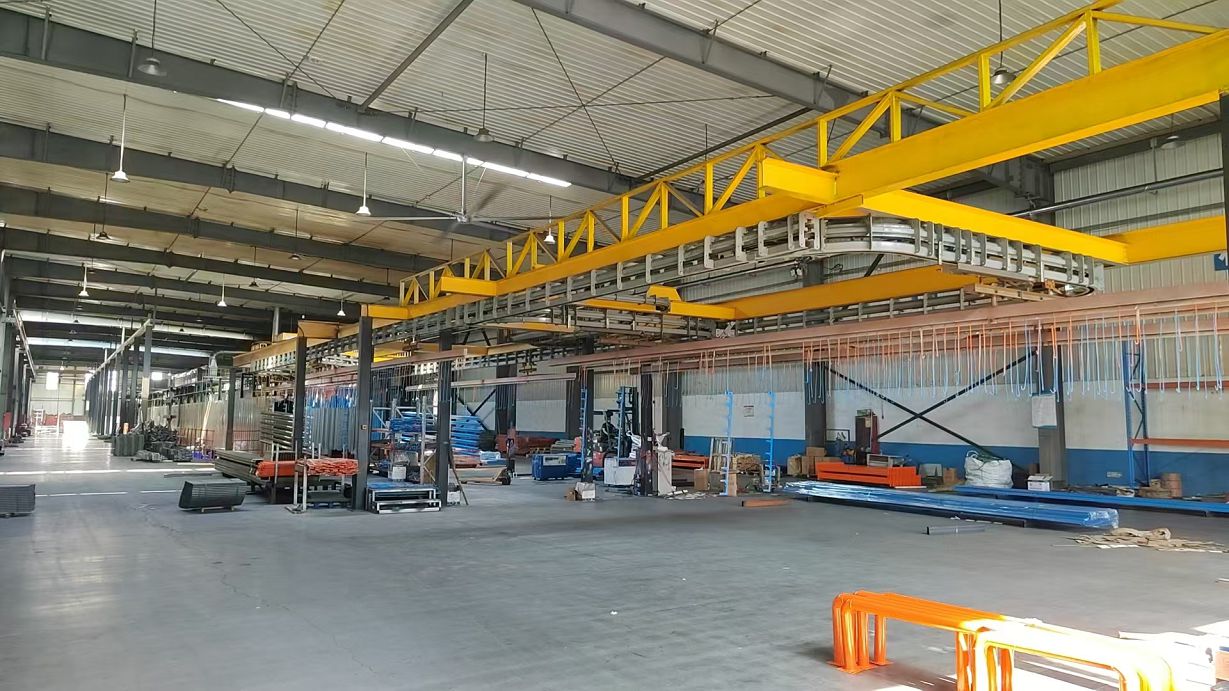
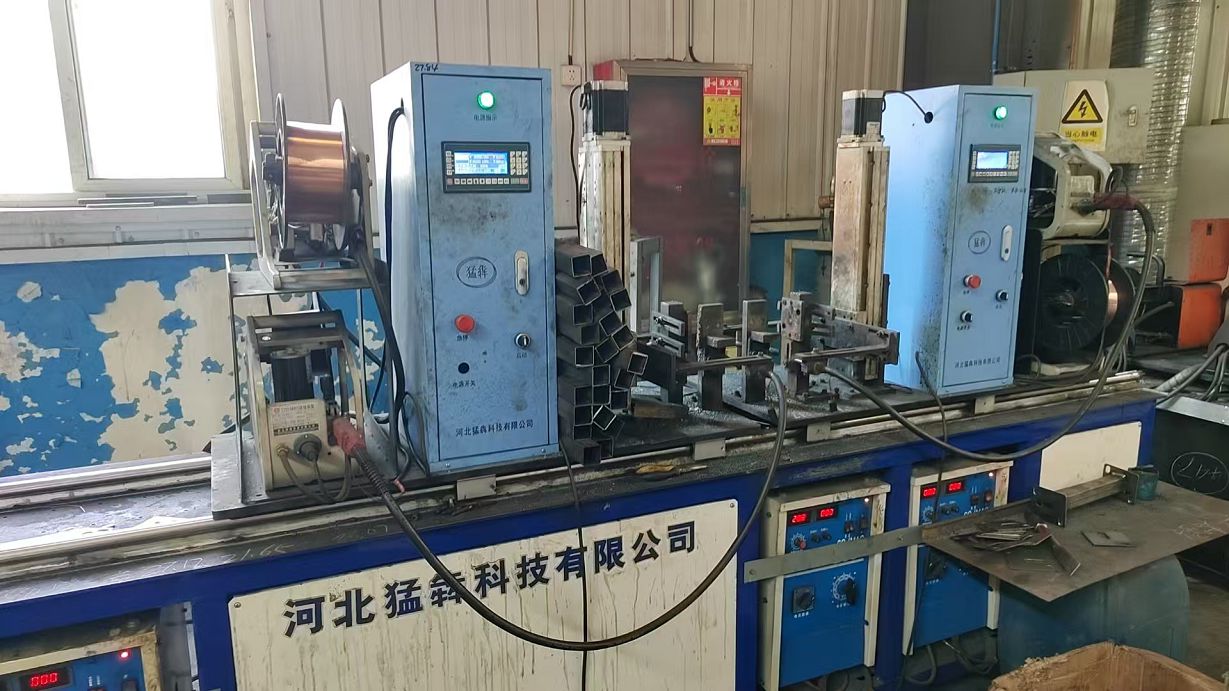
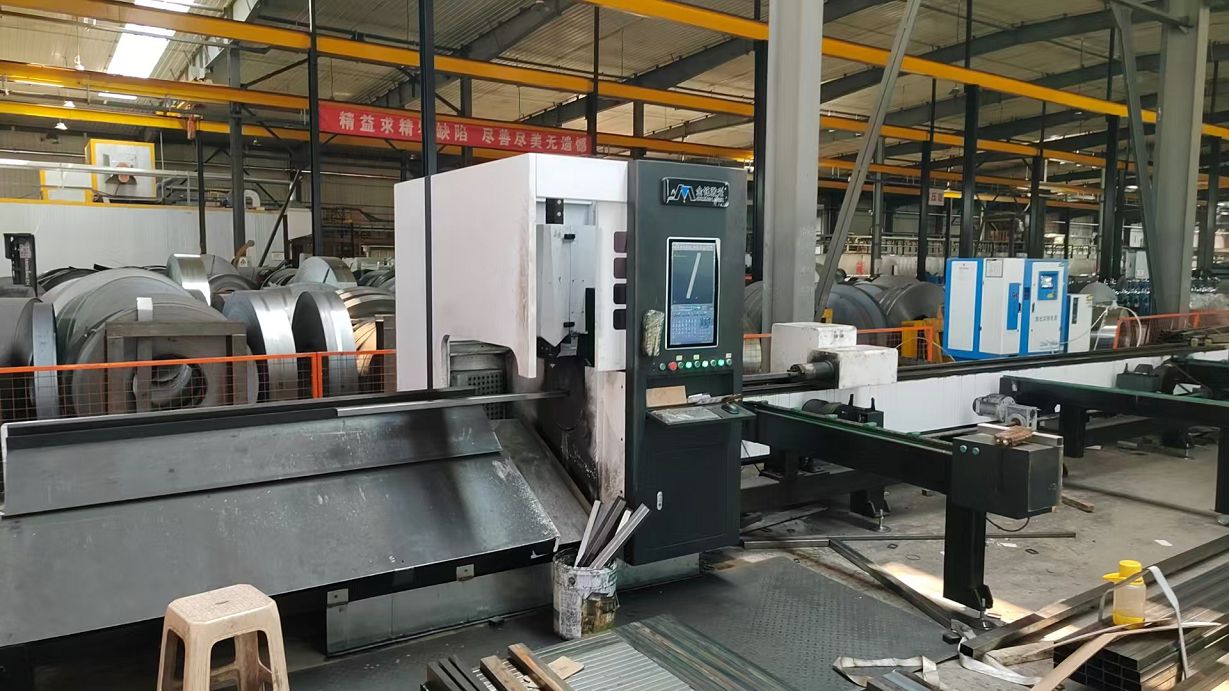
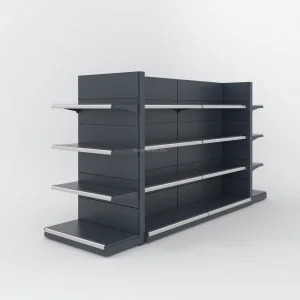
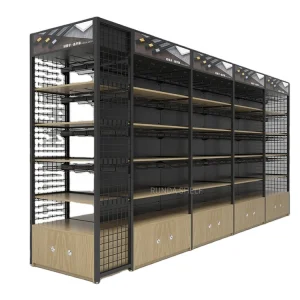
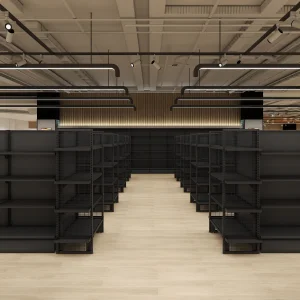
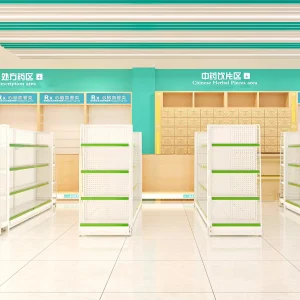
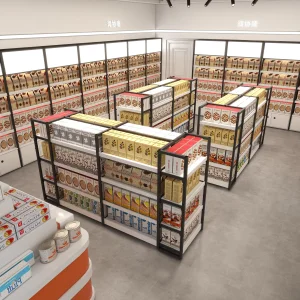
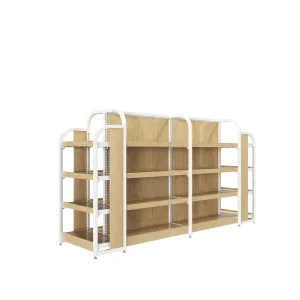
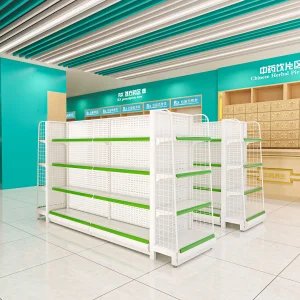
Highly optimized retail environments require adjustable configurations that combine strength and visual appeal. High-strength steel frames with optional timber trim systems maximize visibility while maintaining load limits for heavier inventory like bulk liquids and canned goods.
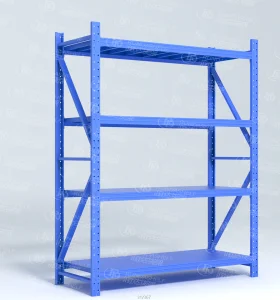
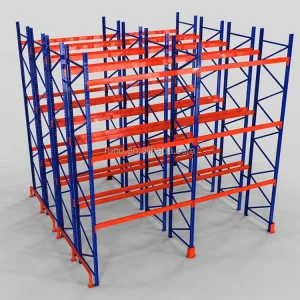
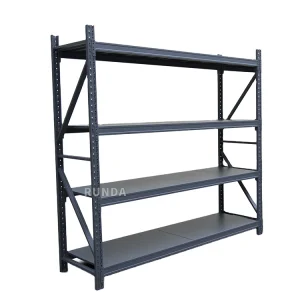
Engineered for extreme loading demands. Utilizing VNA (Very Narrow Aisle) systems and heavy-duty structural steel profiles, our racking solutions ensure continuous compliance with critical safety coefficients in busy distribution centers.
Corrosion-resistant hot-dip galvanization and targeted alloy configurations prevent structural embrittlement at sub-zero temperatures. Engineered to guarantee structural integrity down to -30°C for sensitive pharmaceutical and food distribution projects.
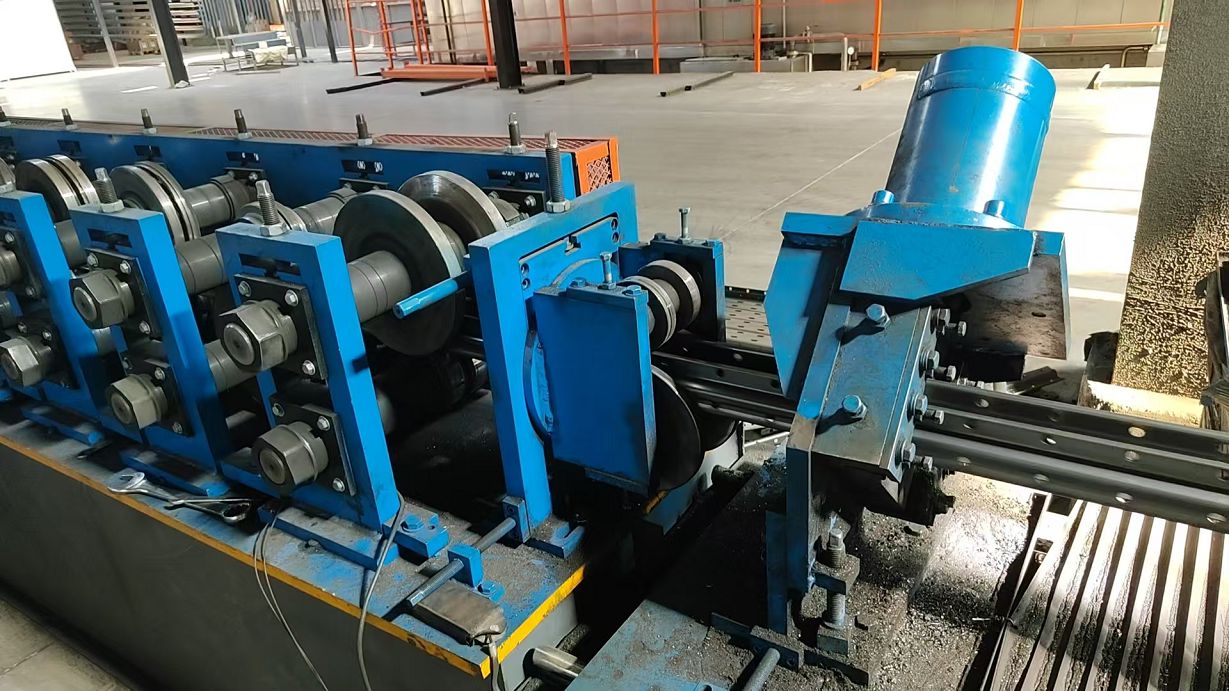
Structural reliability is the foundation of our engineering process. Our raw materials undergo rigorous selection, using high-tensile Q235B steel profiles that deliver optimum mechanical performance. Standard roll-formed profiles are systematically calculated via Finite Element Analysis (FEA) to evaluate stress distribution and load deflection ratios under static and dynamic loading.
Our QA frameworks mandate rigorous compliance tests. Under ISO 9001 and CE certifications, our QA team runs physical load stress trials using CMM Automated Dimensional & Stress Testing. This systematic approach guarantees that every component—from upright frames to box beams—easily handles structural forces and meets strict regulatory safety margins.
Our engineering and manufacturing roadmap focuses on sustainability, modularity, and high-efficiency production:
Collaborating with 650 supply chain partners allows us to source premium raw materials cost-effectively, keeping our global lead times short and pricing highly competitive.
Our primary markets span the Middle East, South America, and Eastern Europe. We design products that meet local building codes, seismic regulations, and regional compliance standards.
Our logistics division coordinates seamlessly with sea, rail, and land freight. Flat-pack packaging minimizes container displacement, significantly lowering international shipping costs for large-scale operations.
 CoreStorage