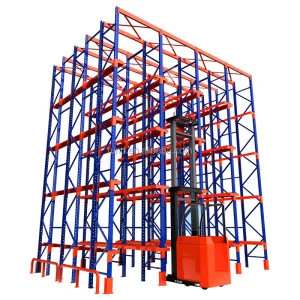
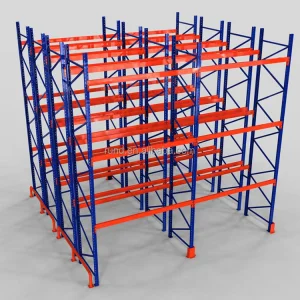
Engineered for high density storage, quick assembly, and strict safety compliance across industrial environments.
How Modern Intralogistics Optimization Drives Warehouse Efficiency and Structural Safety Compliance
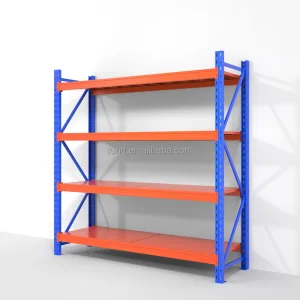
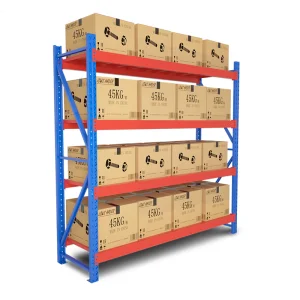
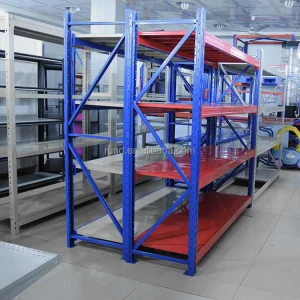
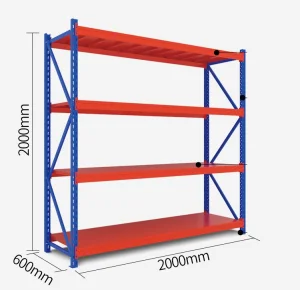
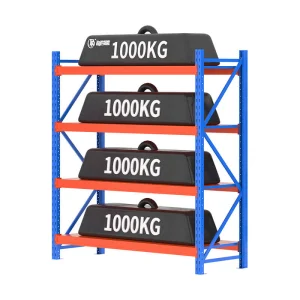
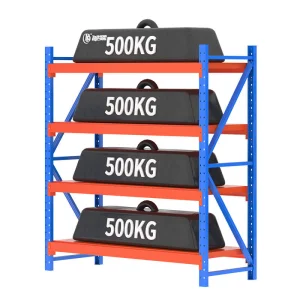
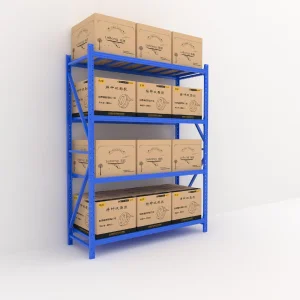
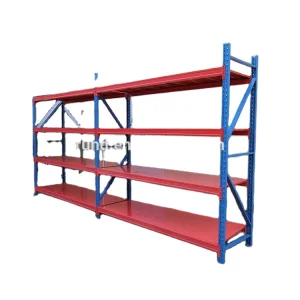
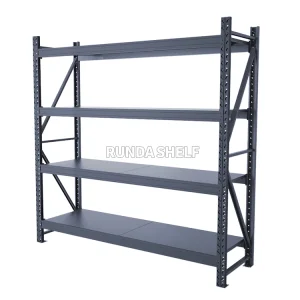
In modern intralogistics, the medium-duty storage tier represents the crucial intersection of manual order picking, high-density SKU layout, and rapid-access system architectures. Racks engineered specifically for the 100 kg to 300 kg loading capacity per level are often characterized as "longspan shelving" or "medium-duty shelving." Unlike heavy-duty pallet racking systems that rely exclusively on forklifts, or light-duty boltless shelving designed for minor commercial applications, medium-duty systems are optimized to handle structured bulk containers, heavy cardboard packaging, automotive components, and hand-loaded industrial hardware.
As leading manufacturers, we analyze warehouse kinetics to optimize our structural profiles. The core objective of this engineering class is maximizing load stability while reducing steel deadweight. To achieve this balance, Chengdu CoreStorage Logistics Equipment Manufacturing Co., Ltd. implements a specialized combination of roll-formed Q235B high-tensile steel, optimized beam-to-column connector brackets, and multi-bend stiffener profiles. This guarantees that whether you store industrial machinery parts or grocery distribution products, structural deformation rates remain safely below the L/200 deflection limit defined by international safety standards.
Many suppliers present static load ratings without clarifying the difference between Uniformly Distributed Load (UDL) and point loading. A shelf rated for 200KG UDL will fail instantly under a concentrated 120KG point load. At Chengdu CoreStorage, our engineering R&D incorporates finite element analysis (FEA) to ensure safety margins reach 1.5 times the nominal load capability, preventing structural collapse under localized loading conditions.
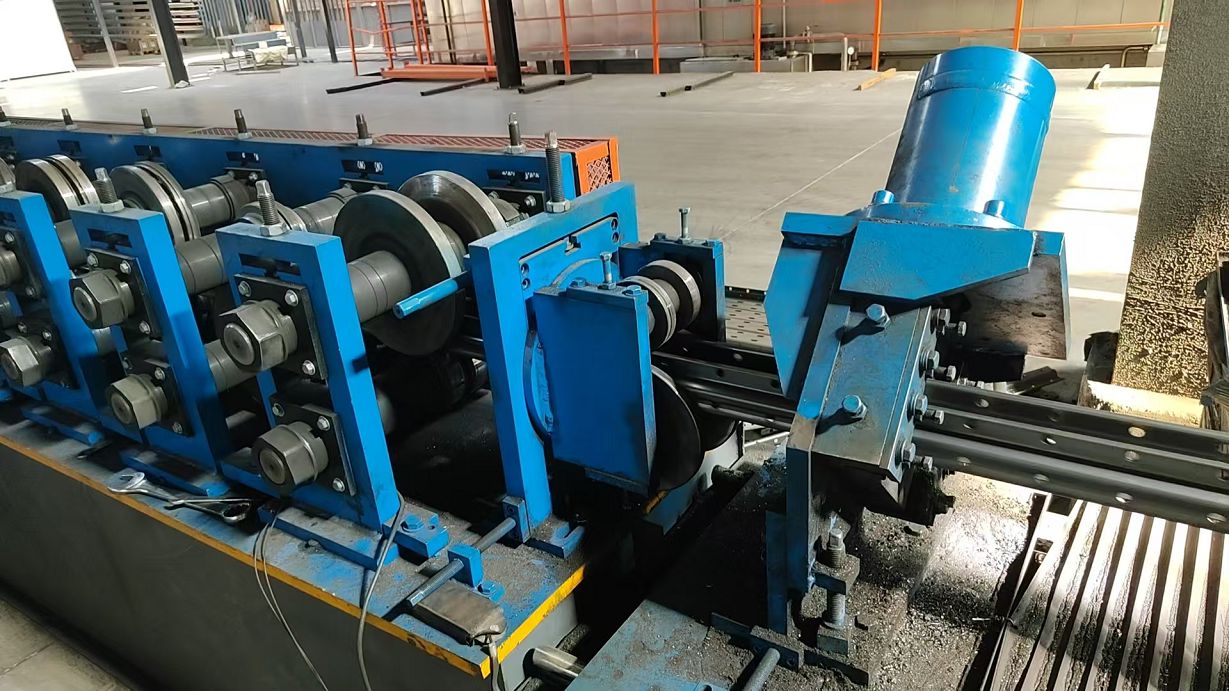
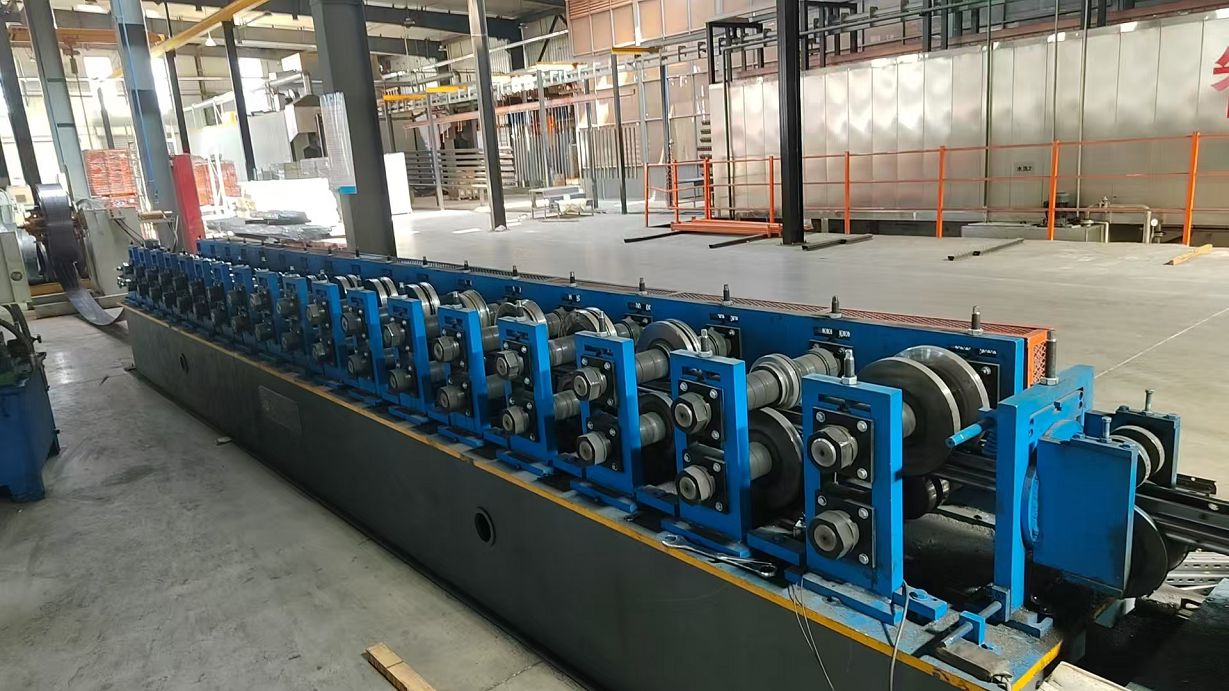
The foundation of our racking integrity starts with premium Q235B structural carbon steel. This steel grade features the optimal balanced ratio of carbon, manganese, and silicon, providing a minimum yield strength of 235 MPa and superior weldability. We process this material using precise CNC-controlled profile press lines, cold-rolling the steel into complex geometries.
The column profiles utilize a multi-angle bent cross-section, which introduces multiple cold-work hardened zones, vastly improving the resistance of the columns against torsional buckling. Furthermore, we leverage the "P-type" beam profile or specialized step beams configured with internal reinforcement ribs. By locking the step beam directly into the upright frames using multi-claw connector plates, the system achieves rigid structural nodes that convert vertical downforce into lateral stabilizing force.
| Feature / Parameter | Standard Medium Duty (100-200 kg) | Heavy Medium Duty (200-300 kg) | Advanced Industrial Racks (>300 kg) |
|---|---|---|---|
| Material Grade | Q235B Cold-Rolled Carbon Steel | Q235B Premium Structural Steel | Q345B High-Tensile Structural Steel |
| Upright Column Profile | 50 mm x 47 mm x 1.2 mm | 55 mm x 47 mm x 1.5 mm | 75 mm x 60 mm x 1.8 mm / 2.0 mm |
| Surface Coating Thickness | 60–80 μm Powder Paint | 70–90 μm Electrostatic Thermoset | 100+ μm Hot-Dip Galvanization Available |
| Deflection Limit Ratio | L / 180 (UDL) | L / 200 (UDL) | L / 240 (High Integrity Standard) |
| Standard Certification | ISO 9001, CE Safety Accord | ISO 9001, CE, FEM 10.2.02 | CE, FEM 10.2.02, RMI Standards |
Medium-duty warehouse shelving is not a one-size-fits-all product. Different industrial sectors place radically unique demands on their racking systems:
The future of storage systems extends far beyond passive steel assemblies. As automation penetrates deeper into warehousing, medium-duty shelving is evolving to become interactive nodes. In our R&D pipeline, we are engineering Sensor-Integrated Racking (SIR), featuring localized load cells and deflection monitors that connect directly to Warehouse Management Systems (WMS). These systems flag overload conditions and calculate fatigue stress in real time, preventing catastrophic failure events.
Furthermore, our designs are structurally optimized to work in concert with Autonomous Mobile Robots (AMRs) and automated guided vehicles (AGVs). By maintaining strict dimensional accuracy (tolerances within ±0.5mm via CNC fabrication), robot pickers can seamlessly interface with the racks, executing rapid pallet and bin transfers without collision risks.
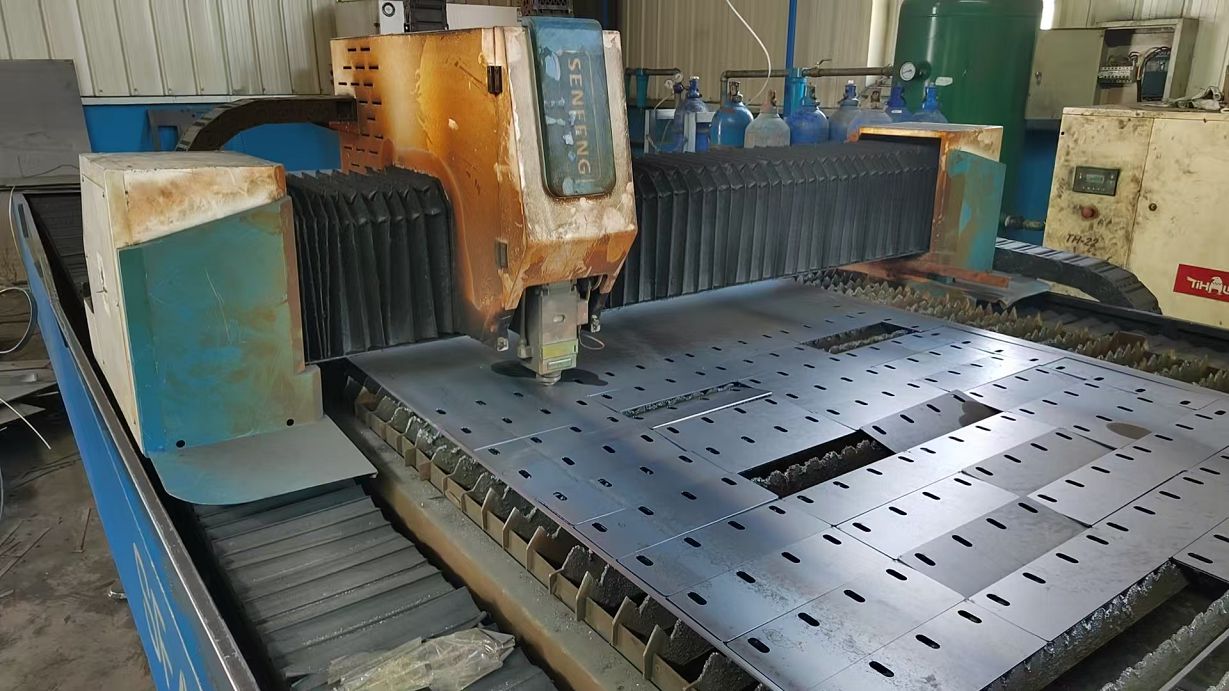
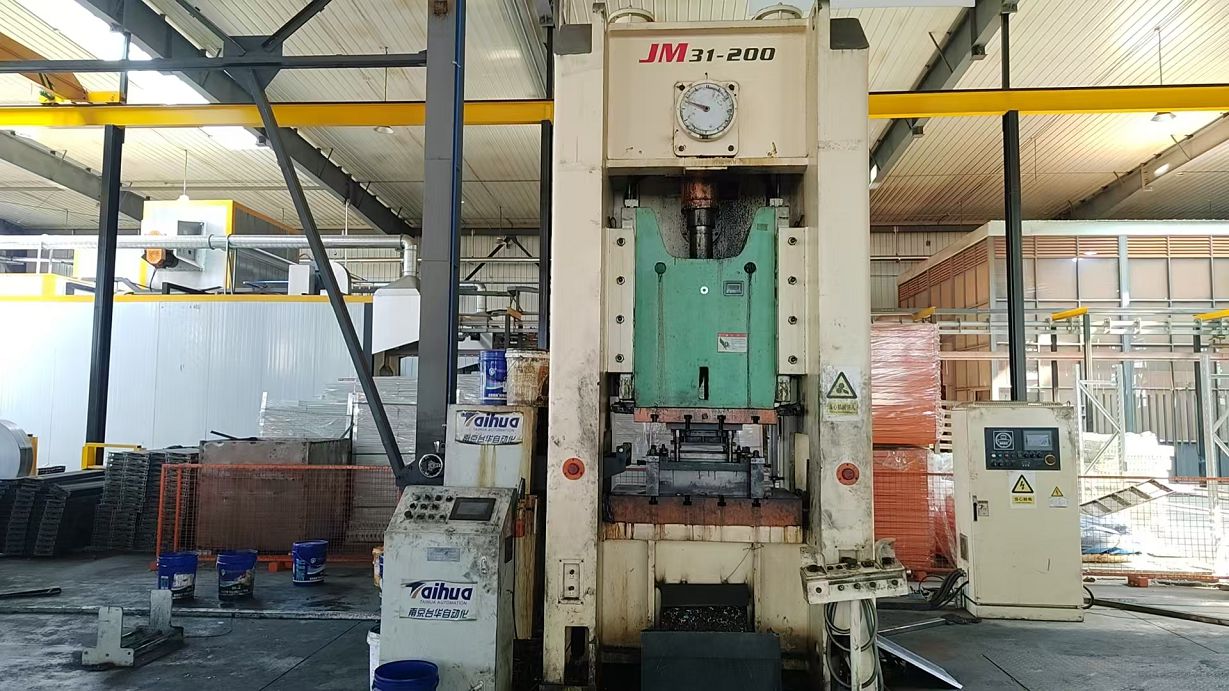
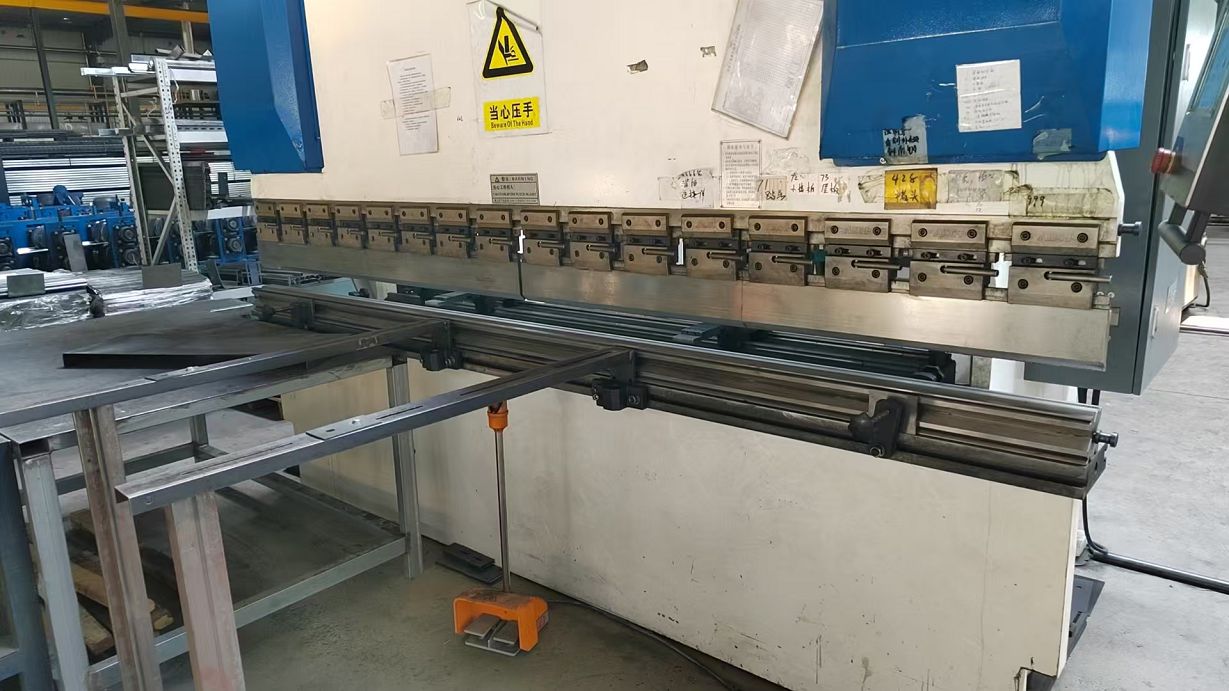
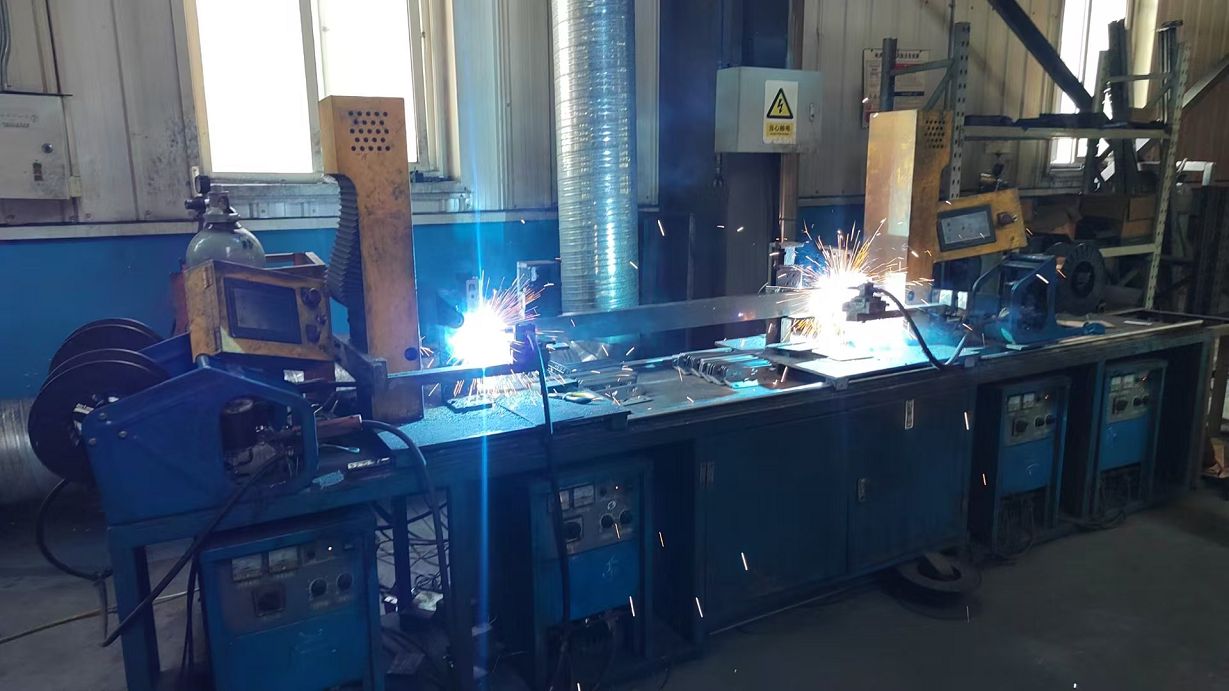
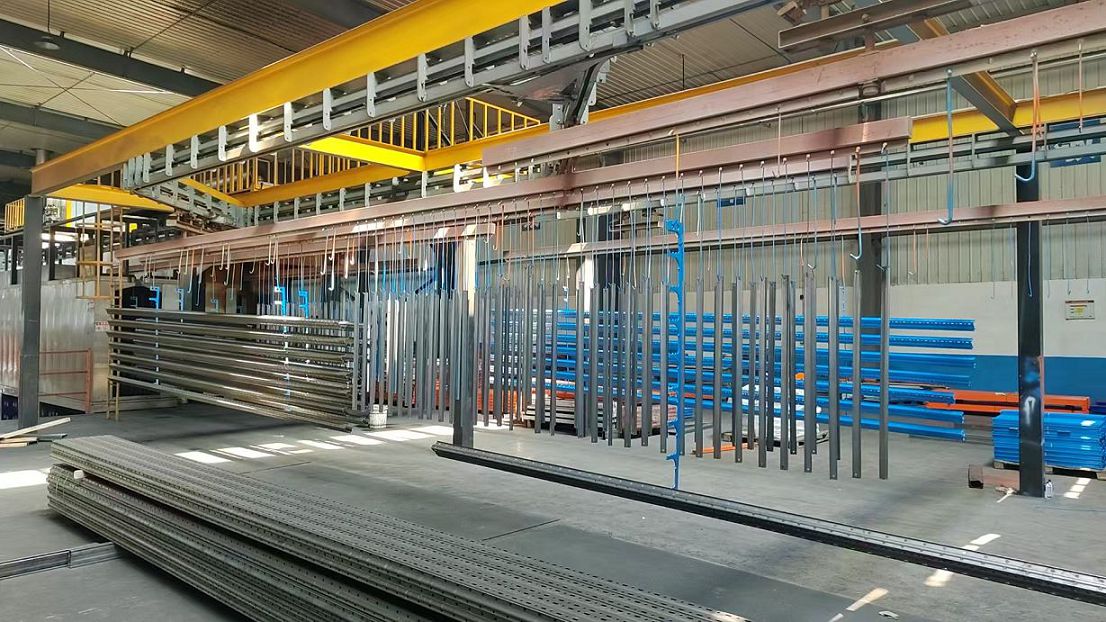
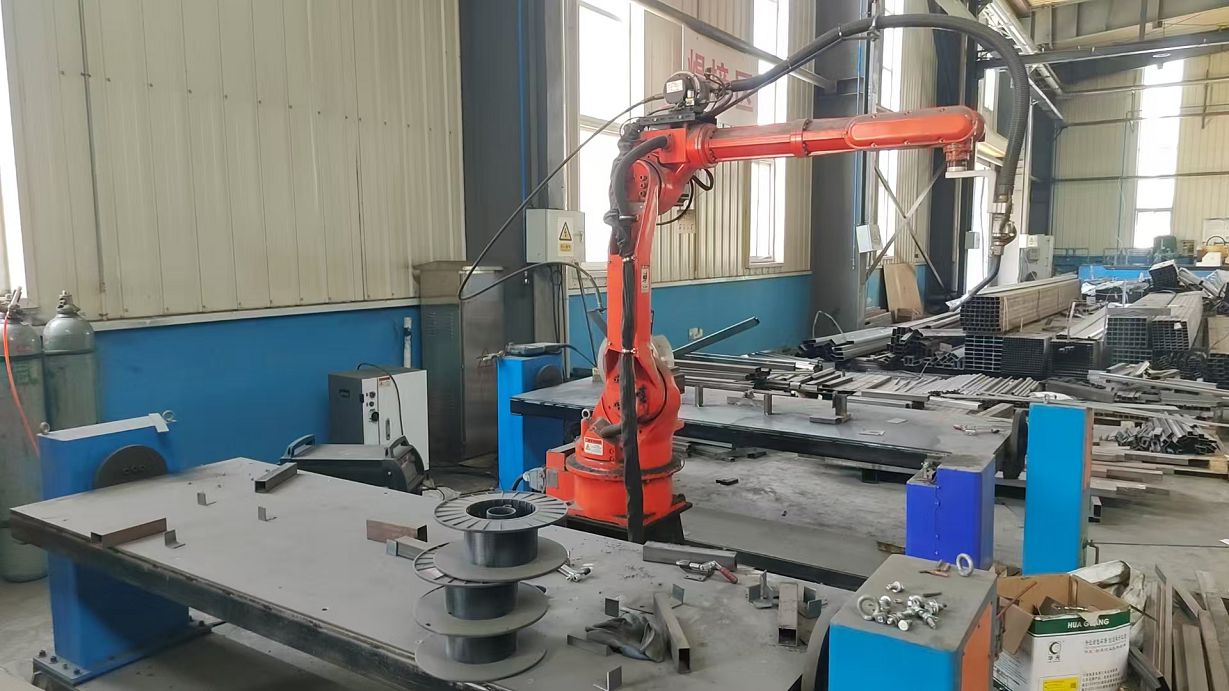
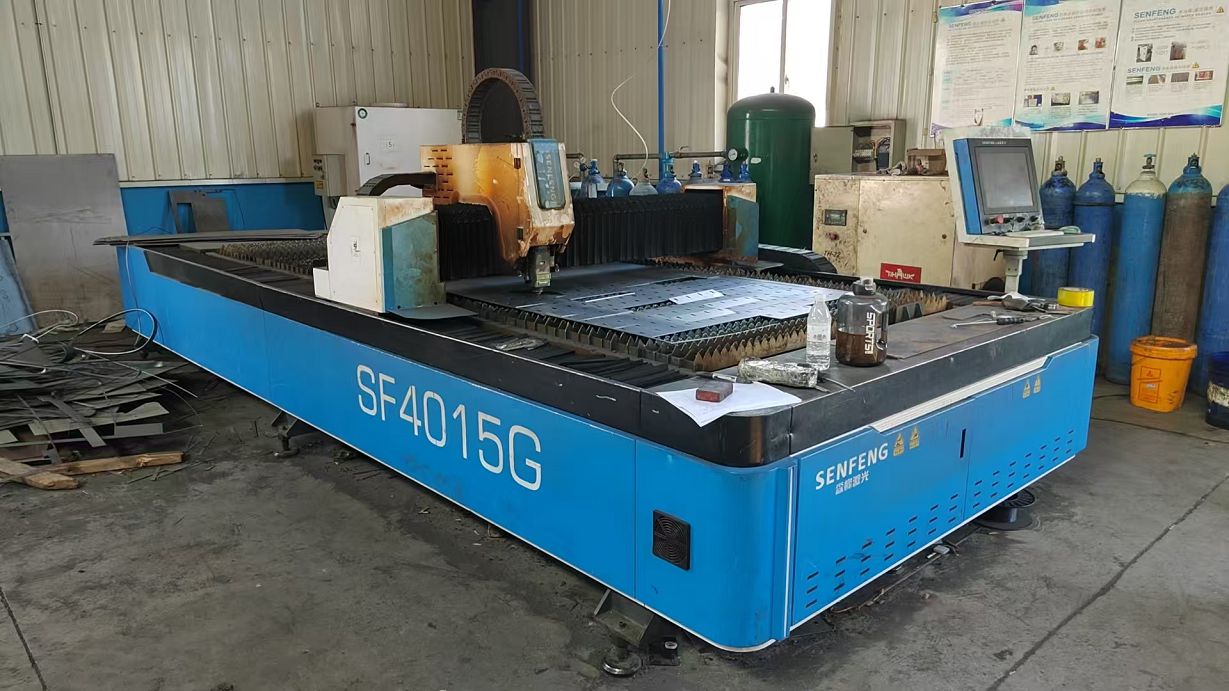
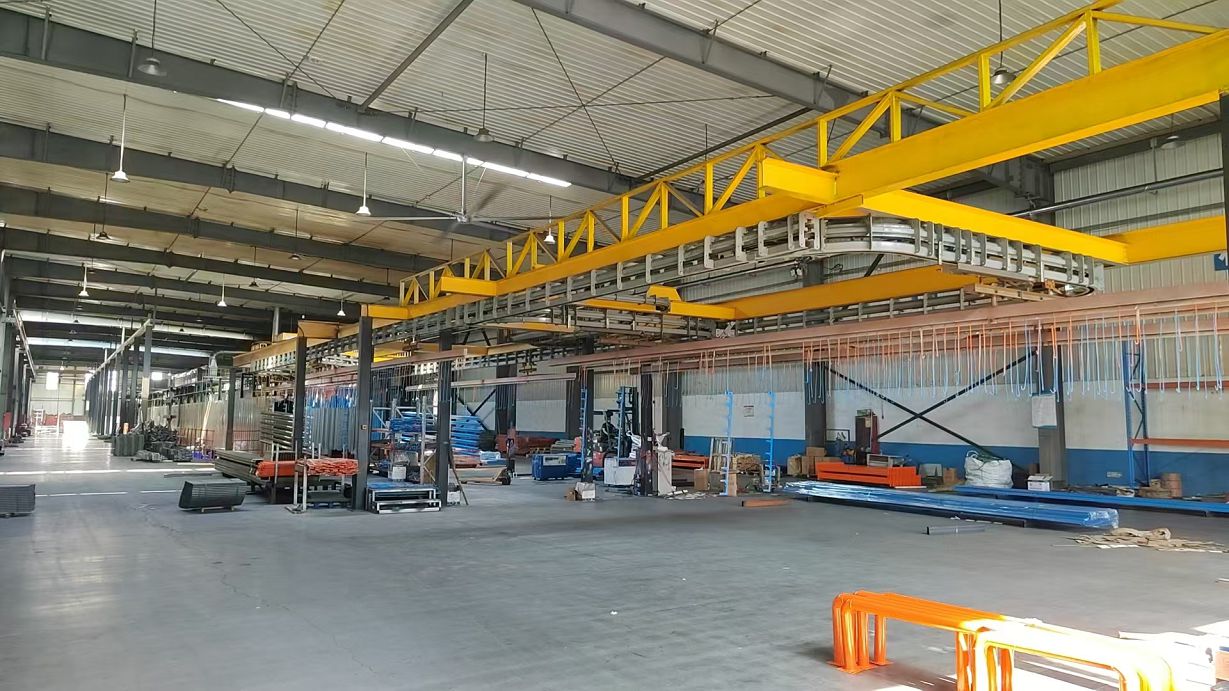
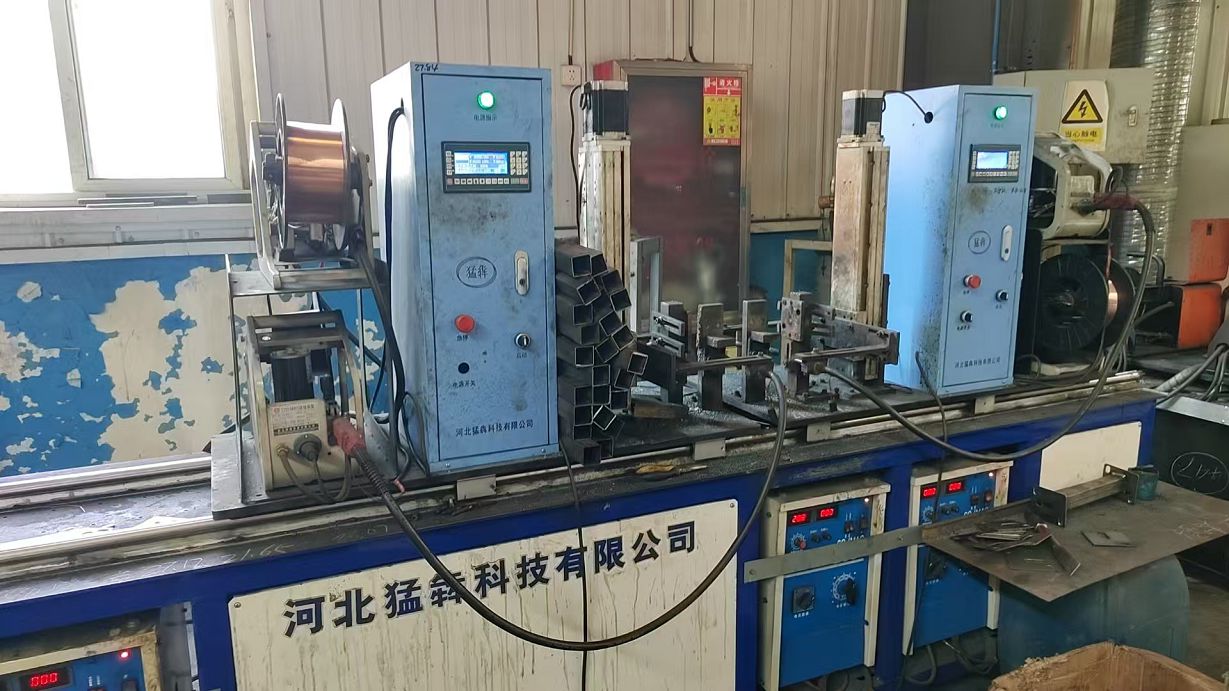
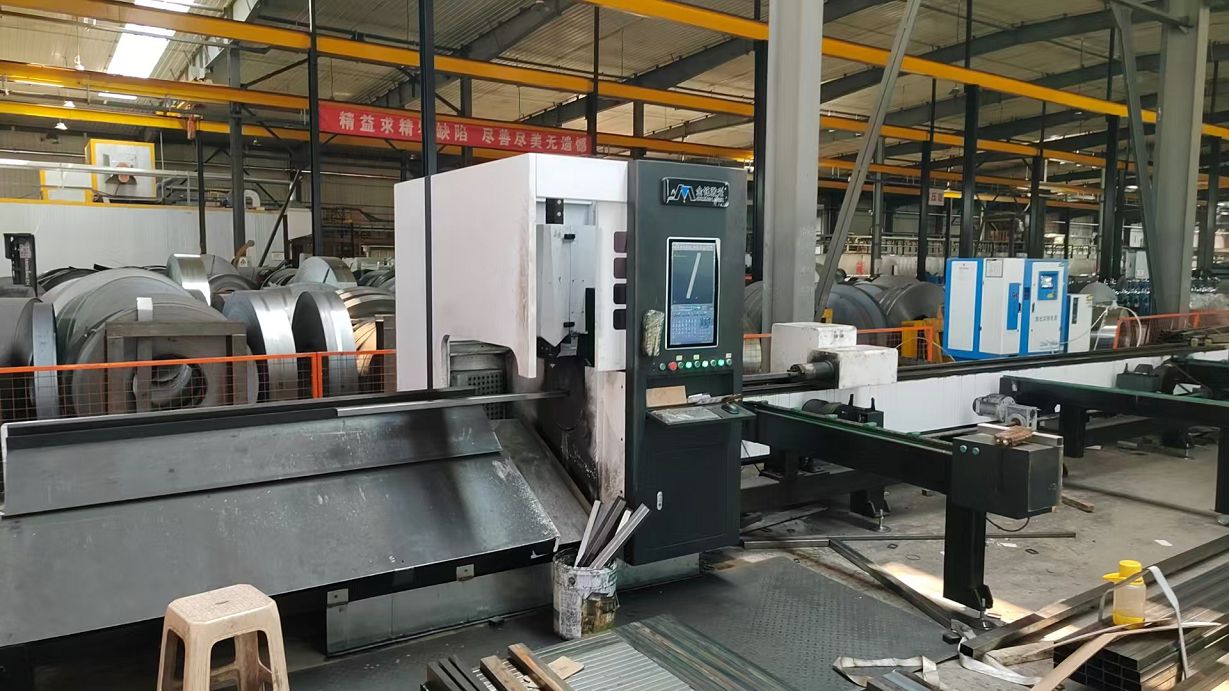
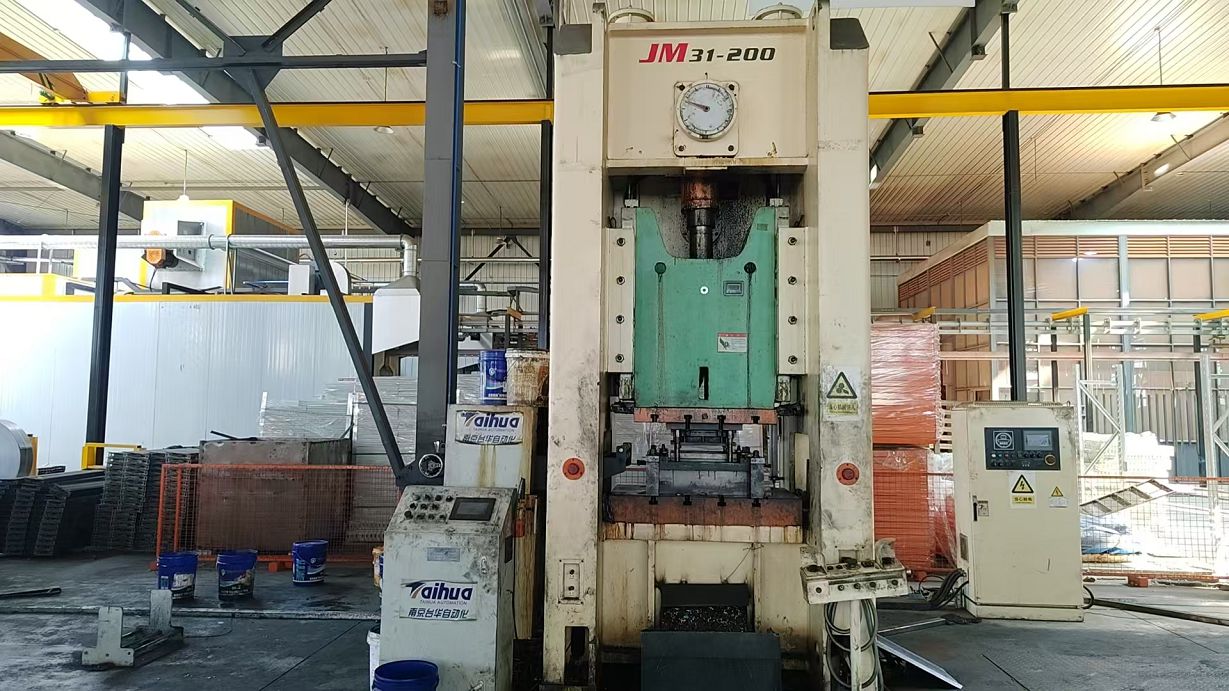
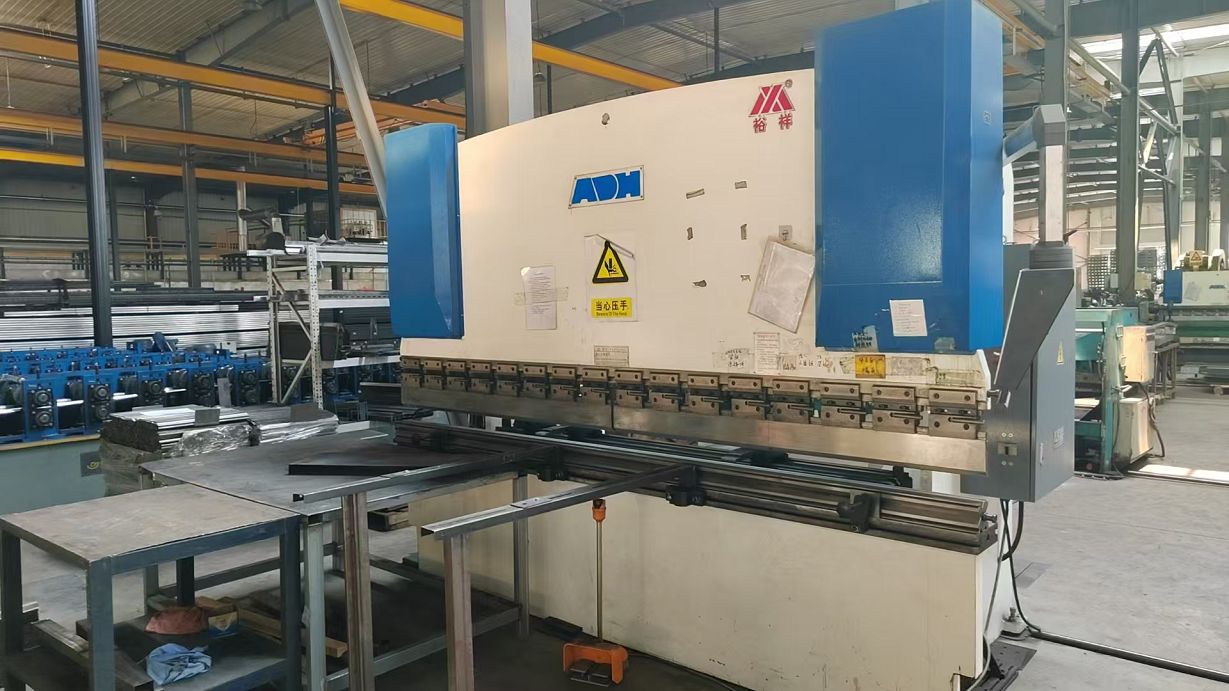
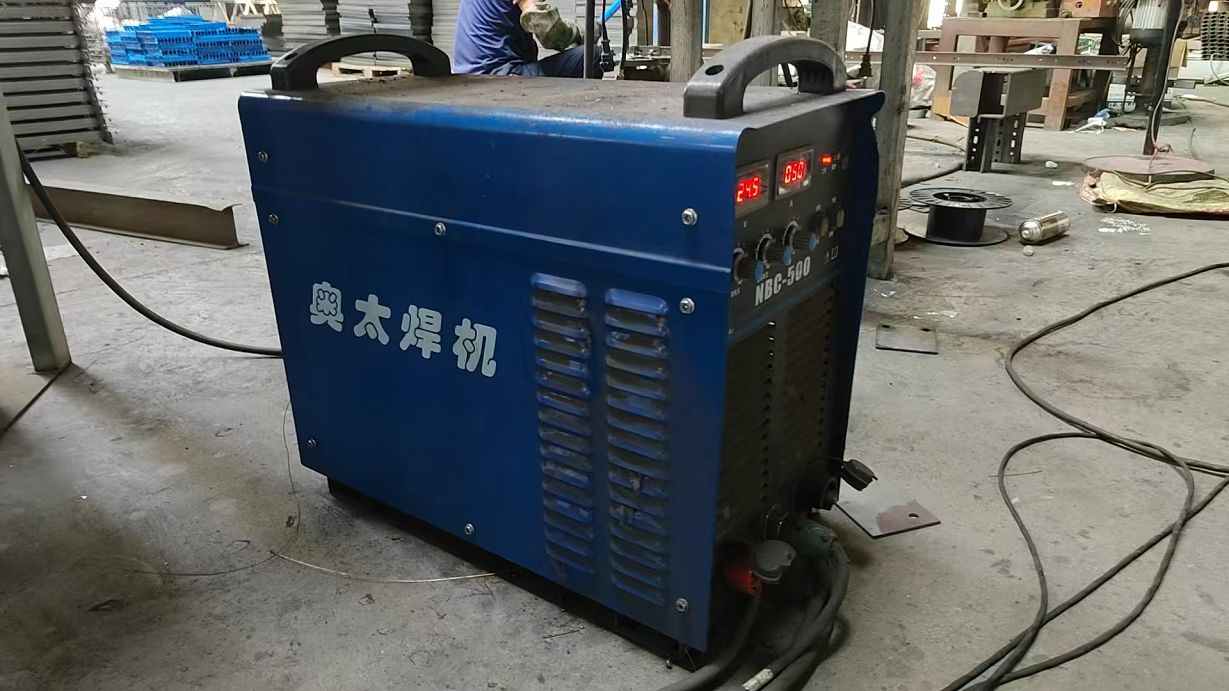
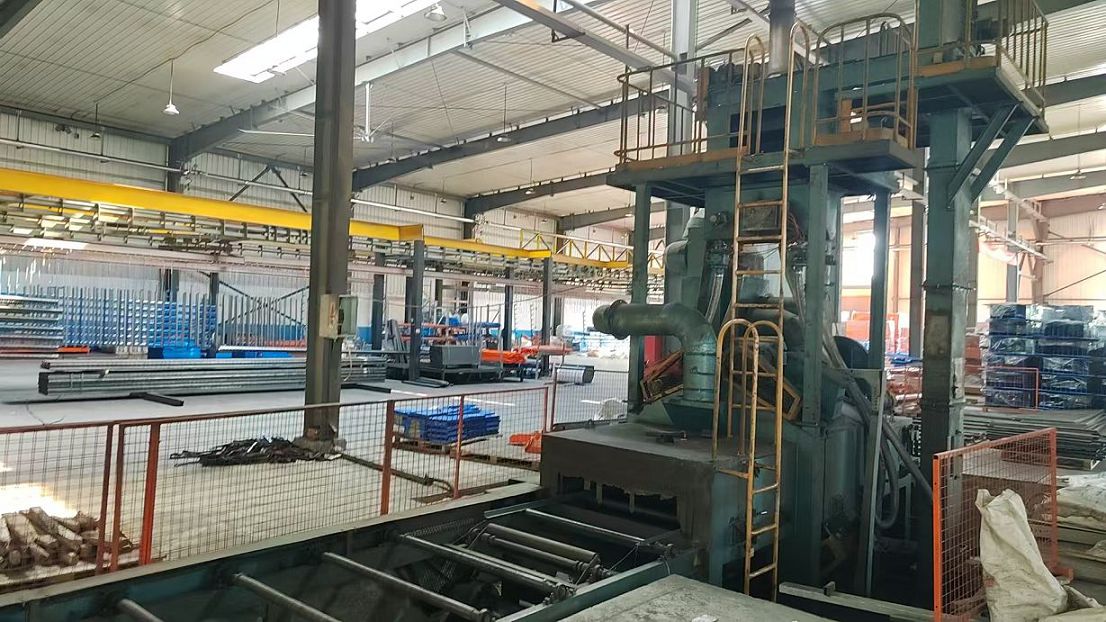
Take a closer look at our advanced manufacturing lifecycle, combining robotic welding, automated profile pressing, and strict QA gates.
Ensuring frictionless procurement, certified structural load testing, and tailored local logistics integration.
When purchasing warehouse storage racks, international buyers must navigate a complex landscape of structural design standard compliance. In Europe, the FEM 10.2.02 (Fédération Européenne de la Manutention) sets the design standard for steel static shelving, accounting for seismic zones, wind loading (for outdoor storage), and accidental impacts. In North America, the Rack Manufacturers Institute (RMI) governs the calculation methodologies.
Our export products are calculated using state-of-the-art strain-gauge systems, certifying that our structural margins satisfy both European CE and American standards. We supply full technical dossiers, material mill test certificates, and calculations verified by third-party laboratories. This eliminates regulatory risks for procurement managers, ensuring easy municipal structural permits and reducing corporate liability.
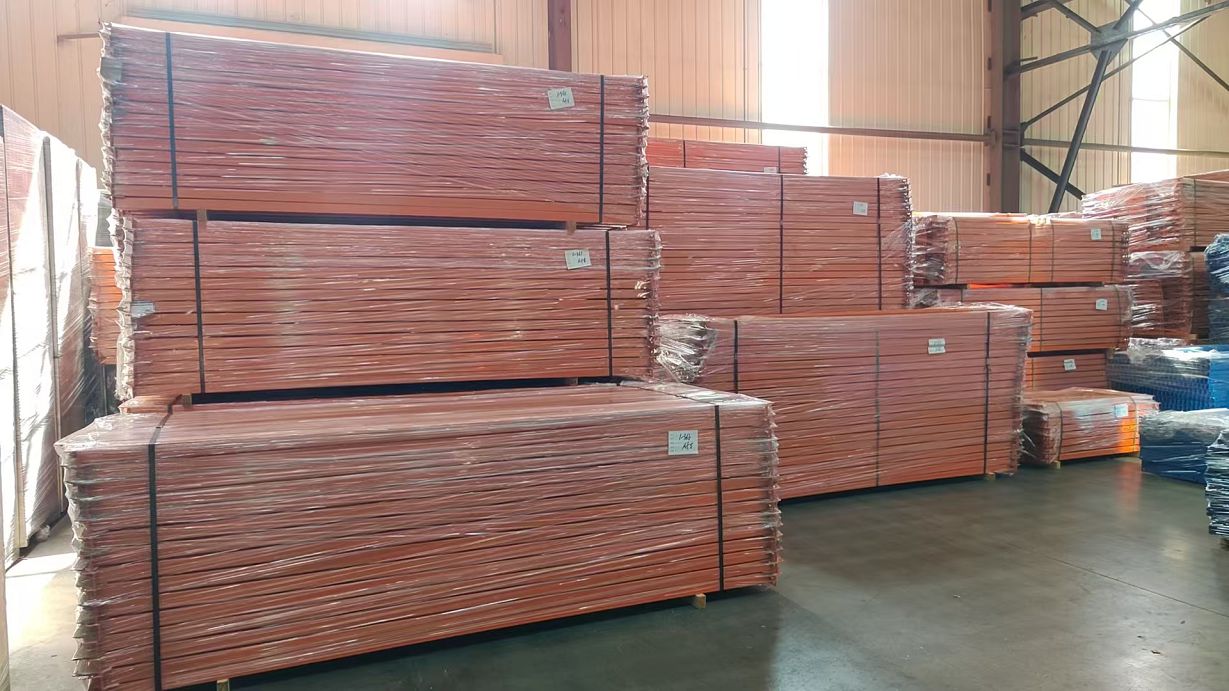
The risk of cargo damage during multi-week ocean transport is high. Oxidation, saltwater corrosion, and mechanical abrasions can compromise raw steel surfaces before installation even begins. To mitigate these risks, Chengdu CoreStorage has developed strict packing protocols:
By designing the bundles to correspond to standard 20ft and 40ft High Cube container dimensions, we optimize volumetric space, lowering total ocean freight cost per ton and reducing total procurement cost (TCO).
Answering high-intent technical questions based on real-world warehouse engineering and logistics design.
A: Every design undergoes physical testing at our CMM labs. We mount strain gauges to the beam centers and apply deadweights up to 1.5 times the target rating (e.g., 450KG for a 300KG rated shelf) for 24 hours. The permanent deformation coefficient must remain under 0.2% after weight removal to pass safety thresholds.
A: We provide two options: a dual-layer electrostatic thermoset powder coating (using epoxy-polyester formulas cured at 200°C) with a thickness range of 70 to 90μm, or hot-dip galvanization for extreme humidity or cold storage facilities. The hot-dip process provides a sacrificial zinc layer that prevents rust even if the metal is scratched.
A: Yes, our shelving lines feature highly precise manufacturing tolerances (within ±0.5mm on vertical alignment and hole pitch). This geometric accuracy ensures that robotic grippers, automated shuttles, and AMRs can reliably locate and access storage compartments without encountering alignment failures.
A: Absolutely. Our 18 in-house R&D engineers use advanced SolidWorks CAD modeling and Finite Element Analysis (FEA) to design customized upright profile geometries, custom beam lengths, and adjustable pitches (50mm / 75mm increments). This allows optimization for unique pallet footprints and storage volumes.
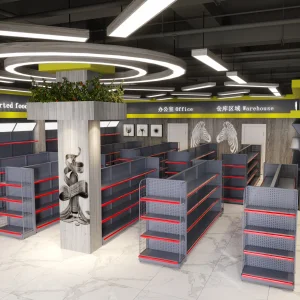
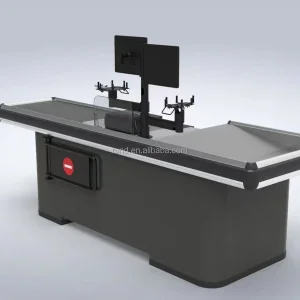
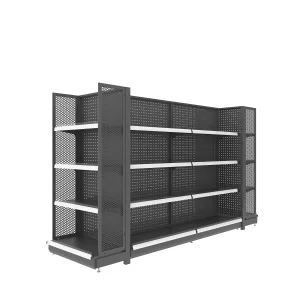
Adaptable display solutions and heavy-duty retail shelving designed to optimize product density and visibility.
 CoreStorage