CoreStorage
The Dynamics of the Dutch Retail Market & Shelving Requirements
The retail industry in the Netherlands stands as one of the most sophisticated, densely clustered, and efficiency-driven markets in the European Union. Dominated by major national grocery giants such as Albert Heijn, Jumbo, and PLUS, alongside prominent discount retailers like Lidl and Aldi, the Dutch supermarket ecosystem operates under intense space constraints, strict ecological parameters, and high-frequency supply chains. Because metropolitan spaces in key cities like Amsterdam, Rotterdam, and Utrecht command premium lease rates, maximizing floor utilization and ensuring rapid shelf replenishment cycles are not merely operational goals—they are essential for business survival.
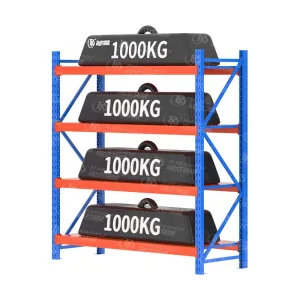
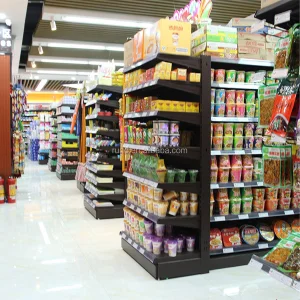
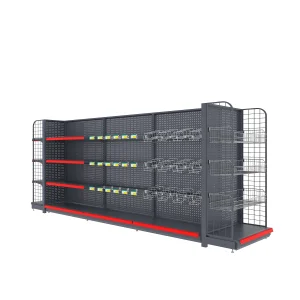
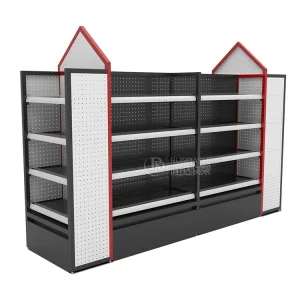
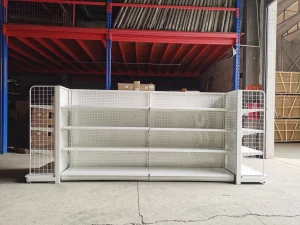
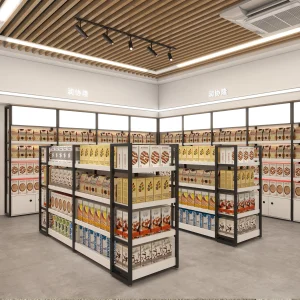
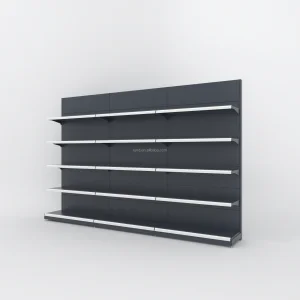
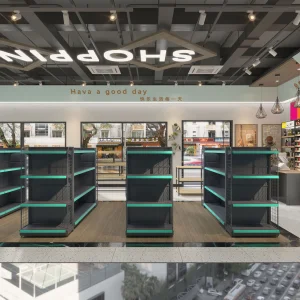
This demographic reality translates to specific engineering requirements for supermarket shelving. Systems deployed in this region must feature ultra-slim profiles, high modular versatility, and flawless load-carrying safety characteristics. Furthermore, Dutch retailers are increasingly pivoting towards "Smart Stores" and sustainable "Circular Economy" infrastructure. To gain a competitive edge, shelves must natively integrate features like Electronic Shelf Labels (ESL) channels, sensor-based stock monitoring, and chrome-free, low-emission powder coatings that comply with strict EU REACH environmental regulations.