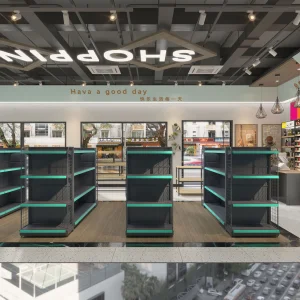
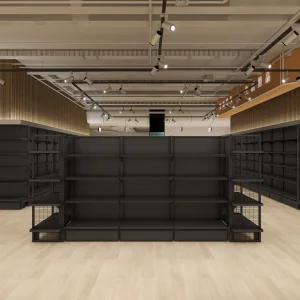
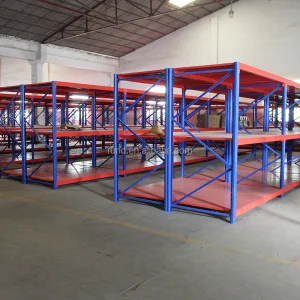
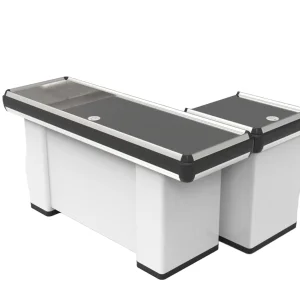
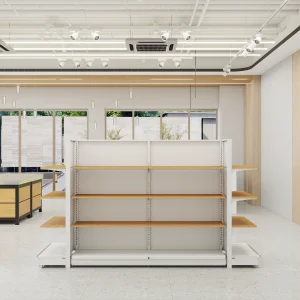
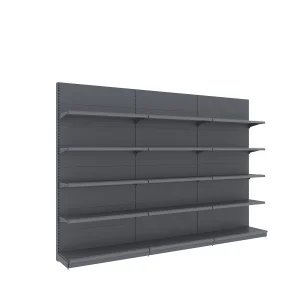
Engineered specifically for high-turnover urban retail environments requiring maximum structural durability and clean space layouts.
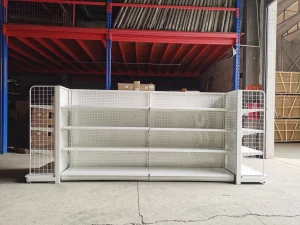
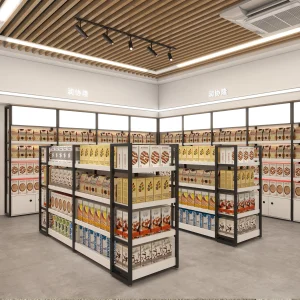
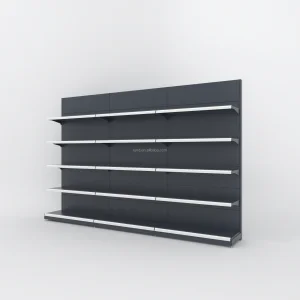
New York City remains one of the most demanding retail markets globally. With real estate rents in prime Manhattan locations reaching unprecedented heights, retail owners, supermarket chains, and logistics managers face a continuous challenge: maximizing sales volume per square foot. Every inch of commercial space must perform, making the selection of retail shelving an investment in structural capability and spatial geometry.
Traditional shelving solutions often fall short in high-density urban areas. Modern retail formats in Brooklyn, Queens, and the Bronx demand a fusion of aesthetic appeal, structural versatility, and safety compliance. Stores must navigate the tight space constraints of older building structures while adhering to strict local codes, such as the New York City Building Code Chapter 22 for steel design and the Americans with Disabilities Act (ADA) accessibility regulations.
This reality has driven the adoption of heavy-duty, modular, and dynamic display shelving systems. By utilising highly adjustable upright columns, custom-engineered base footprints, and optimized shelf profiles, New York operators can expand vertically without sacrificing safety or aisle clearance.
Furthermore, the rapid rise of grocery delivery services and omni-channel retail throughout the Tri-State area has created a new requirement for dual-purpose shelving. Display fixtures must serve as customer-facing showcases while simultaneously acting as high-capacity picking locations for store operators.
This hybrid environment demands commercial shelves with:
We design and manufacture our storage systems to withstand heavy loads while maintaining long-term physical integrity.
We source cold-rolled steel coils with verified carbon content to ensure optimal yield strength. Standard Q235B carbon steel provides an excellent balance of rigidity and ductility, which is critical for preventing sudden failures under excessive loads.
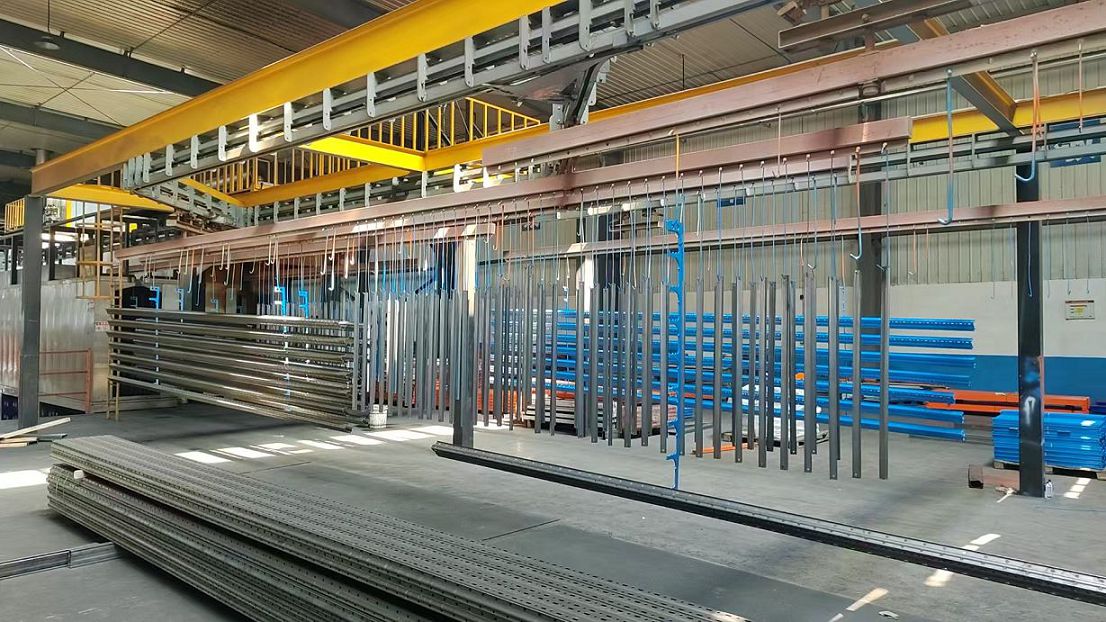
Our electrostatic powder coating line applies a continuous polymer barrier (thickness: 60-80 microns). This formulation delivers exceptional resistance to impacts, cleaning chemicals, and scratch-induced corrosion in humid environments.
Our structural design follows the ANSI/MH16.1 limit guidelines. In practical terms, our beams and shelving panels keep deflection beneath L/180 at maximum load. This prevents unsightly warping and structural failures.
Modular setups custom configured for specific SKU dimensions, optimizing product presentation and picking times.
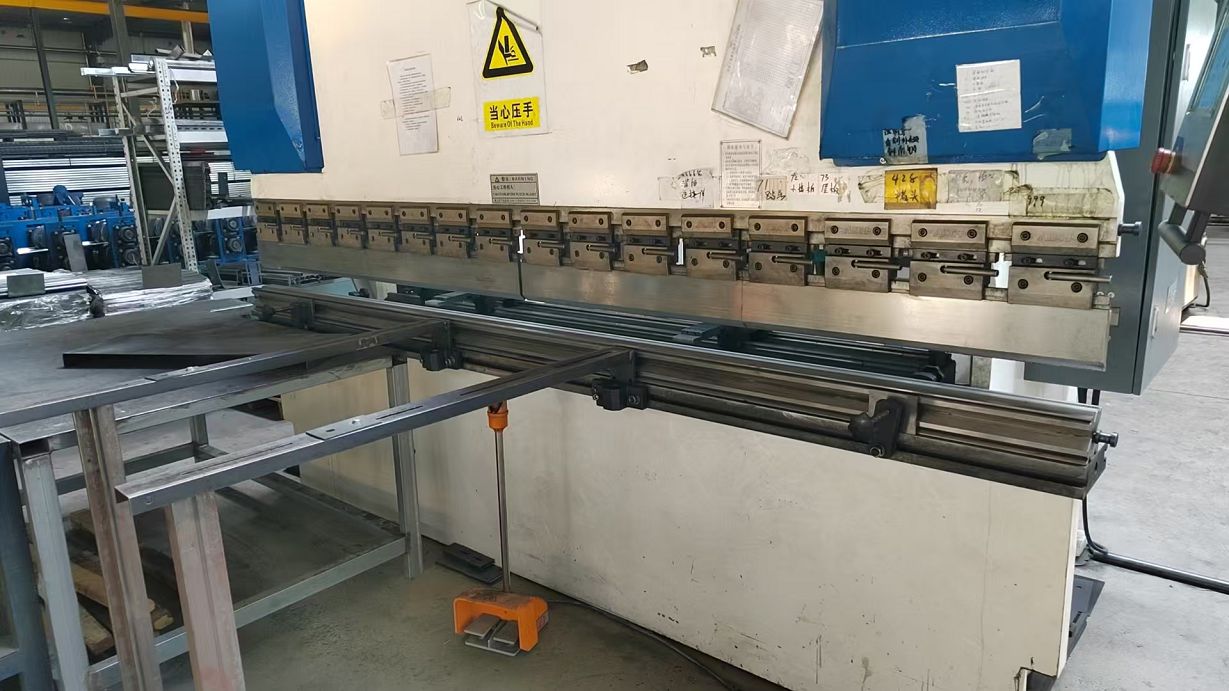
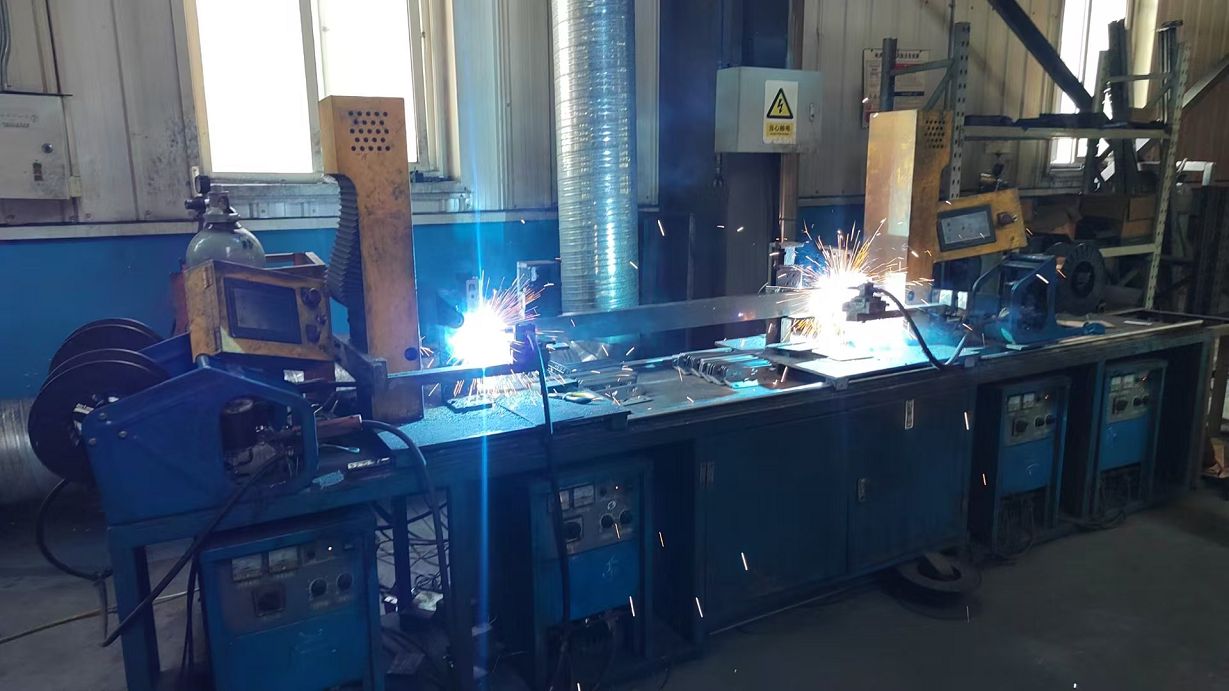
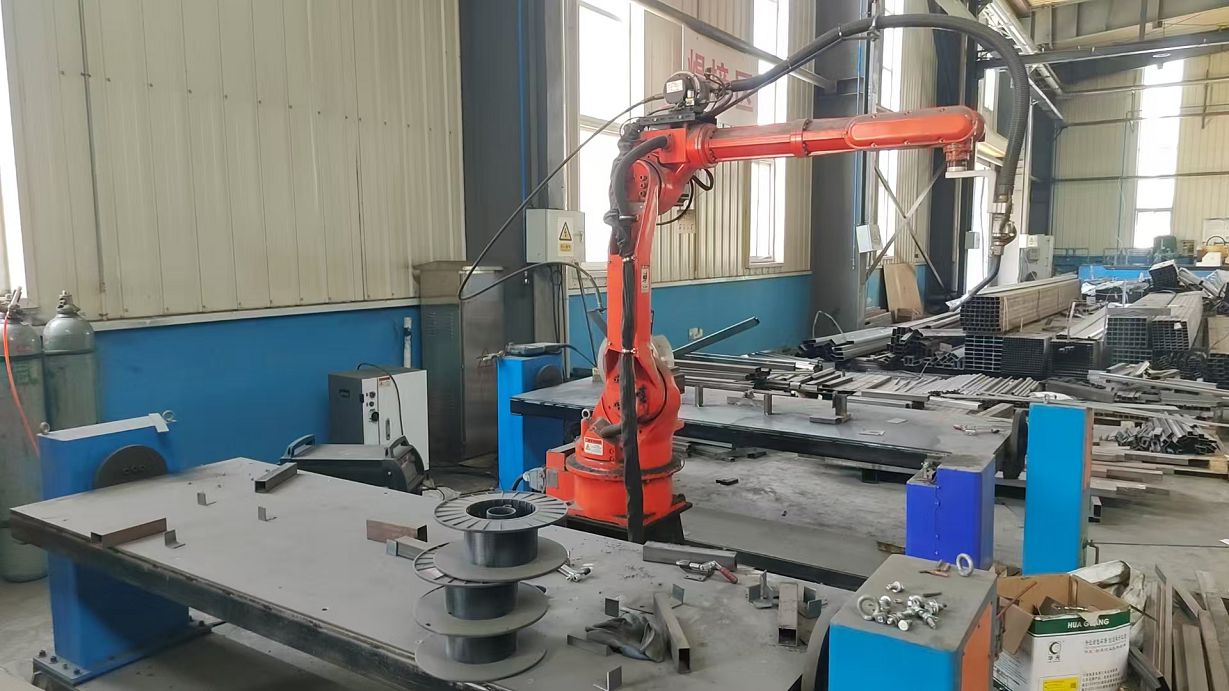
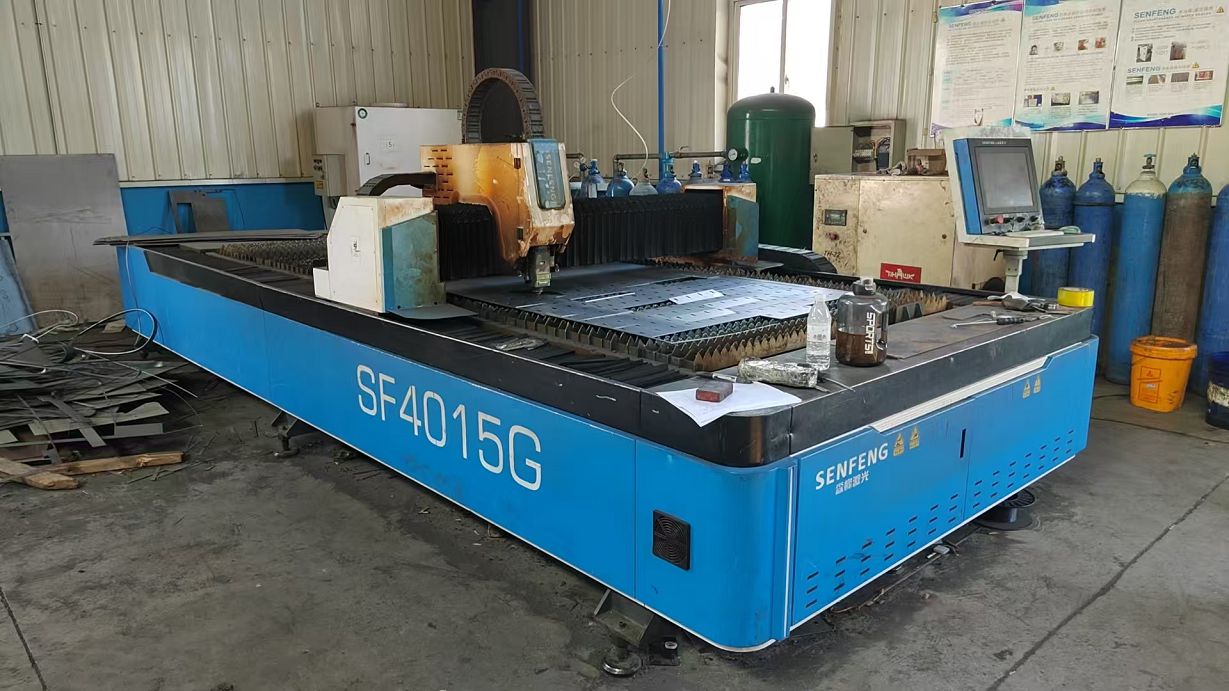
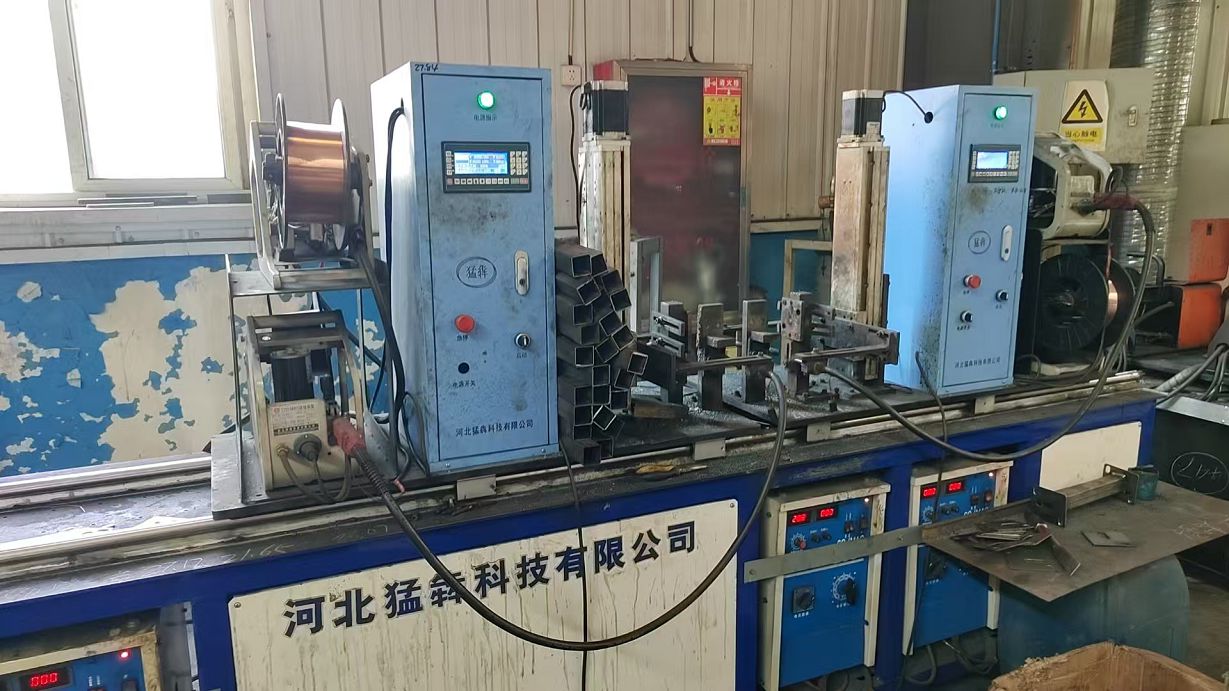
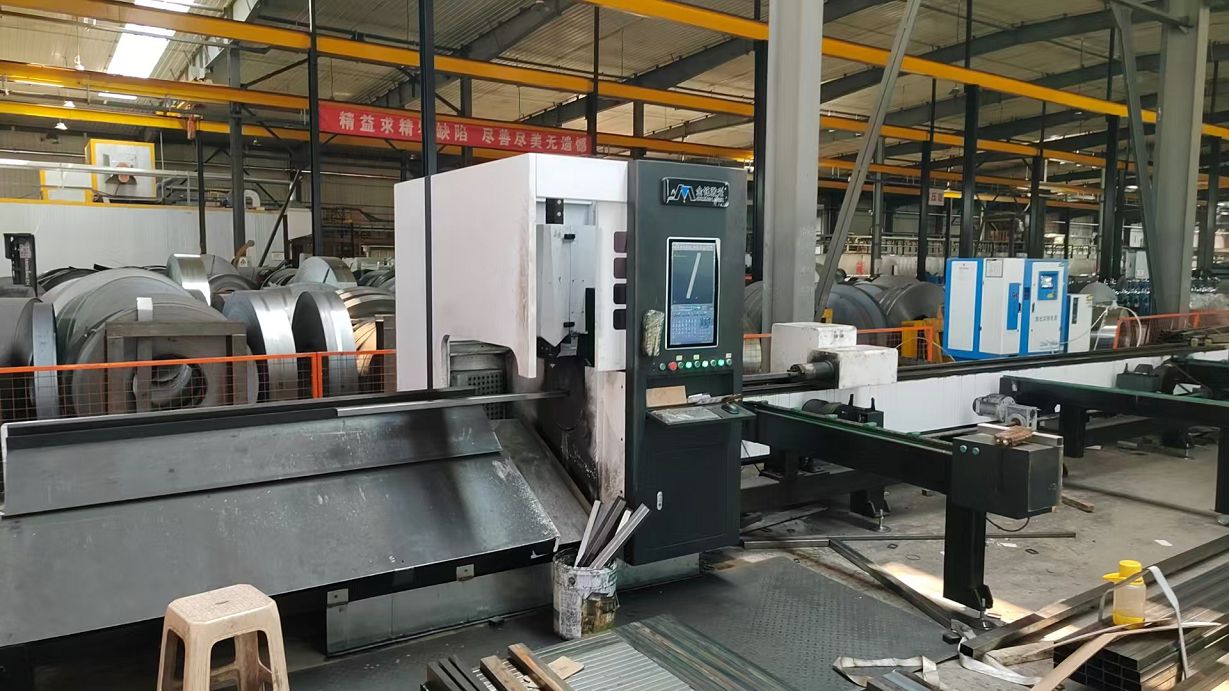
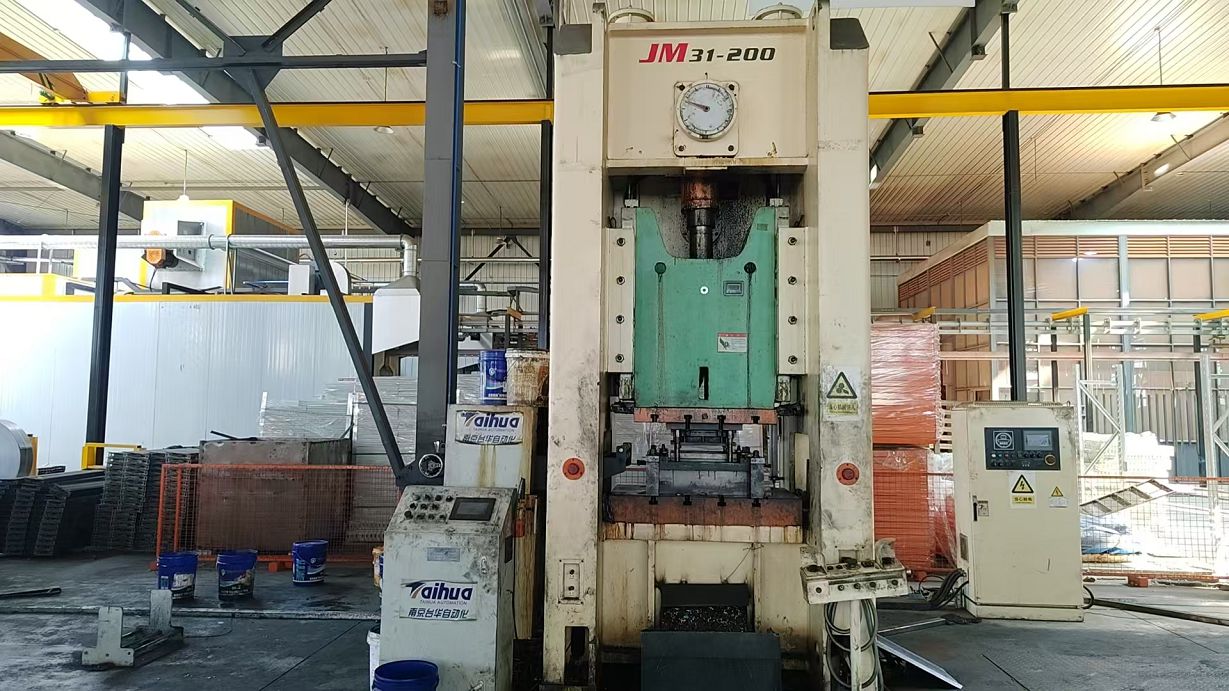
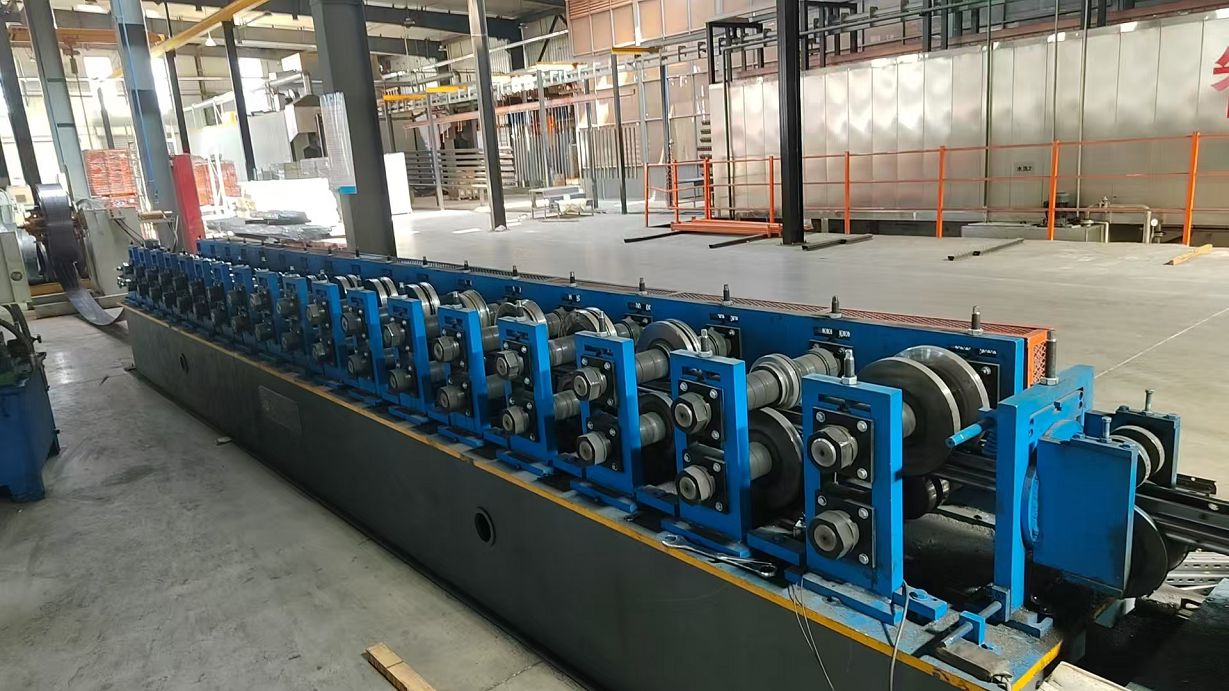
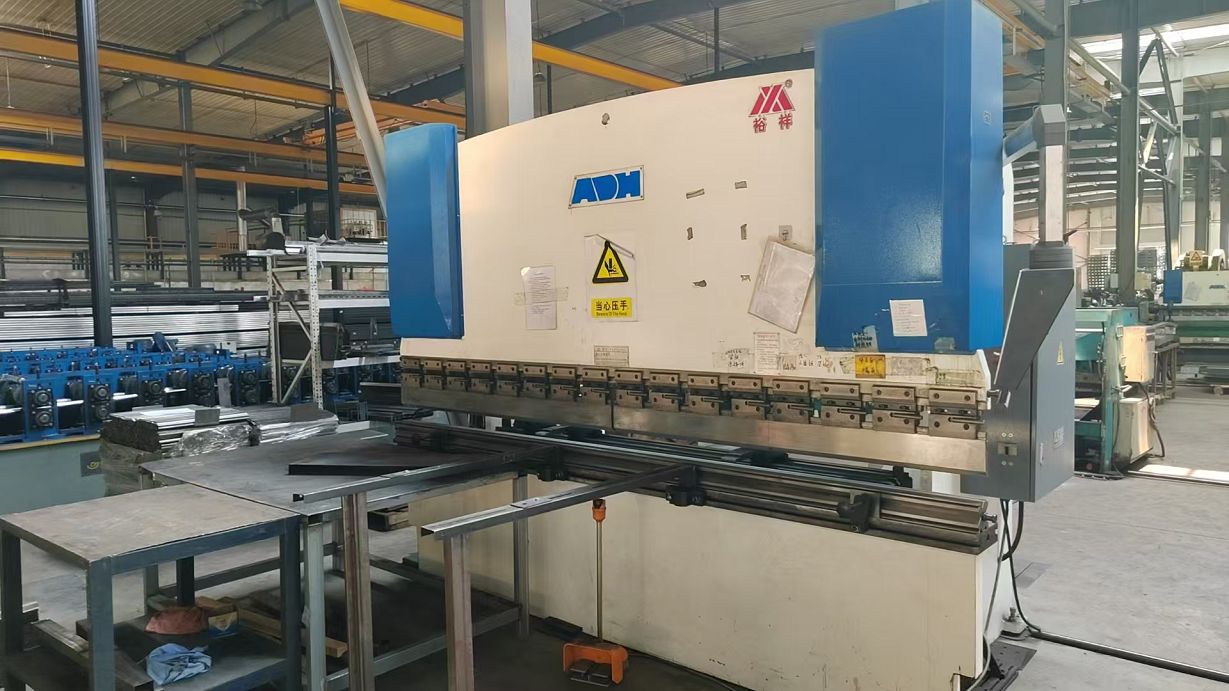
How does an overseas factory reliably serve the demanding, fast-paced commercial environment of the New York market? The answer lies in Chengdu CoreStorage Logistics Equipment Manufacturing Co., Ltd.'s highly optimized Industry 4.0 production framework.
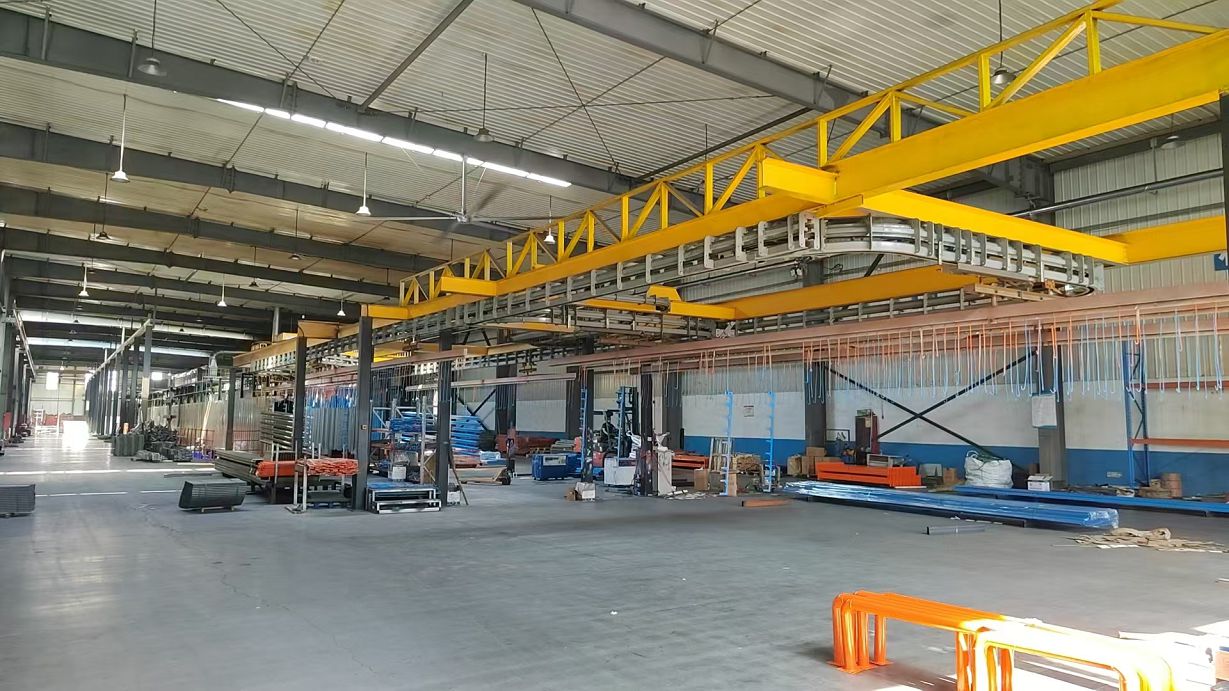
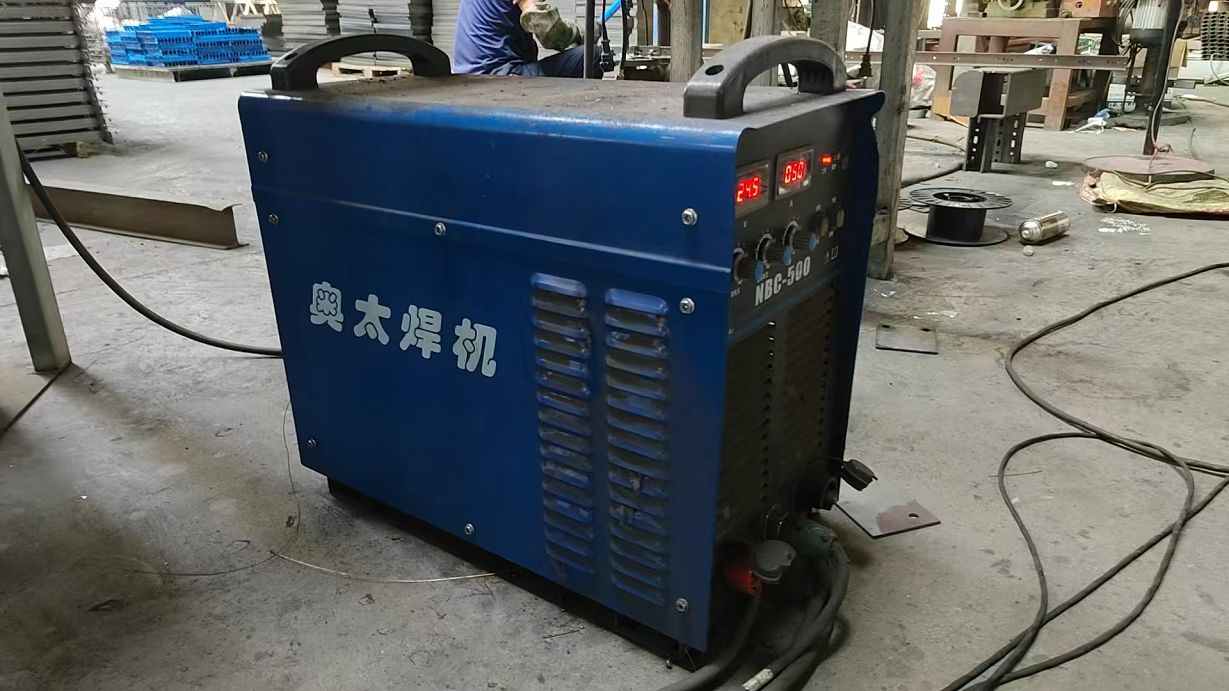
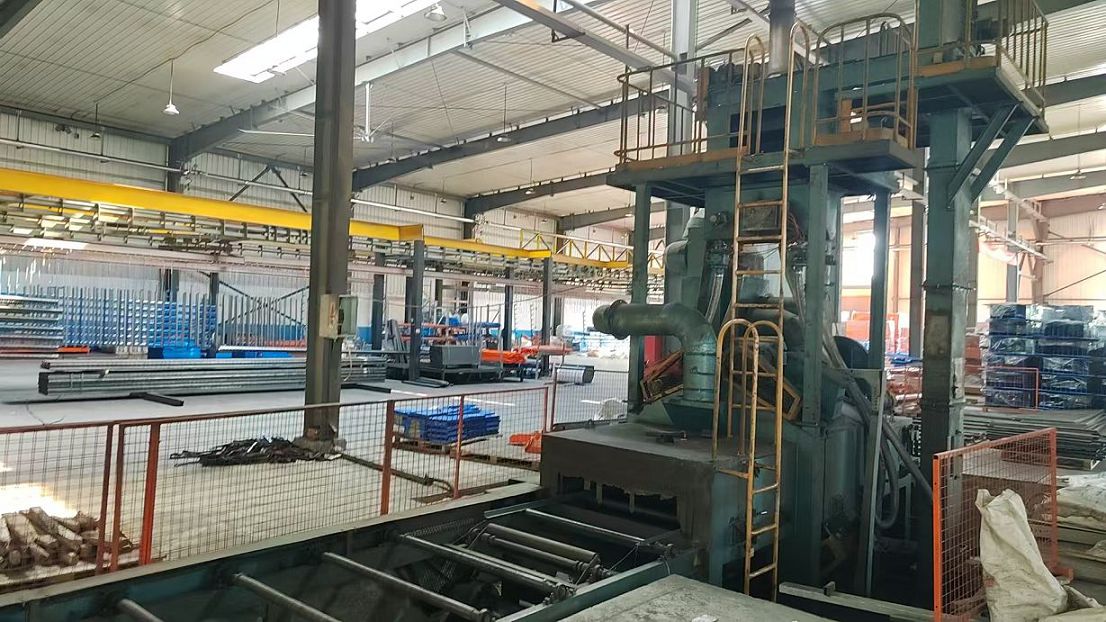
Founded in 2016, CoreStorage operates an expansive 22,000 m² modern facility. Through automated robotic tooling, digital manufacturing, and strict end-to-end quality assurance, we manage high-capacity global supply lines that generate $15,000,000 in annual export revenue. Our production pipeline minimizes structural variation, ensures consistent dimension tolerances, and shortens turnaround times for complex custom orders.
Our quality assurance program is built around ISO 9001 and CE structural safety standards. Raw materials undergo rigorous thickness testing and yield validation before entering production. During manufacturing, components undergo regular physical inspections by our QC staff, which helps limit dimensional discrepancies and ensure reliable shelf assembly on site.
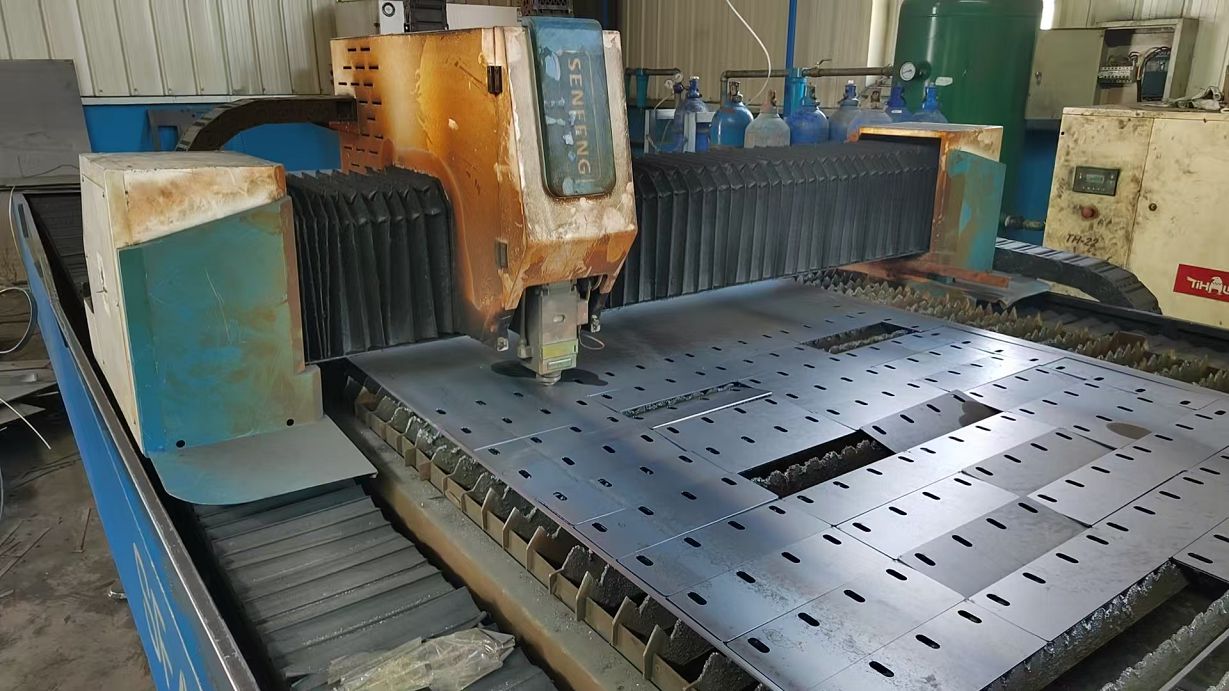
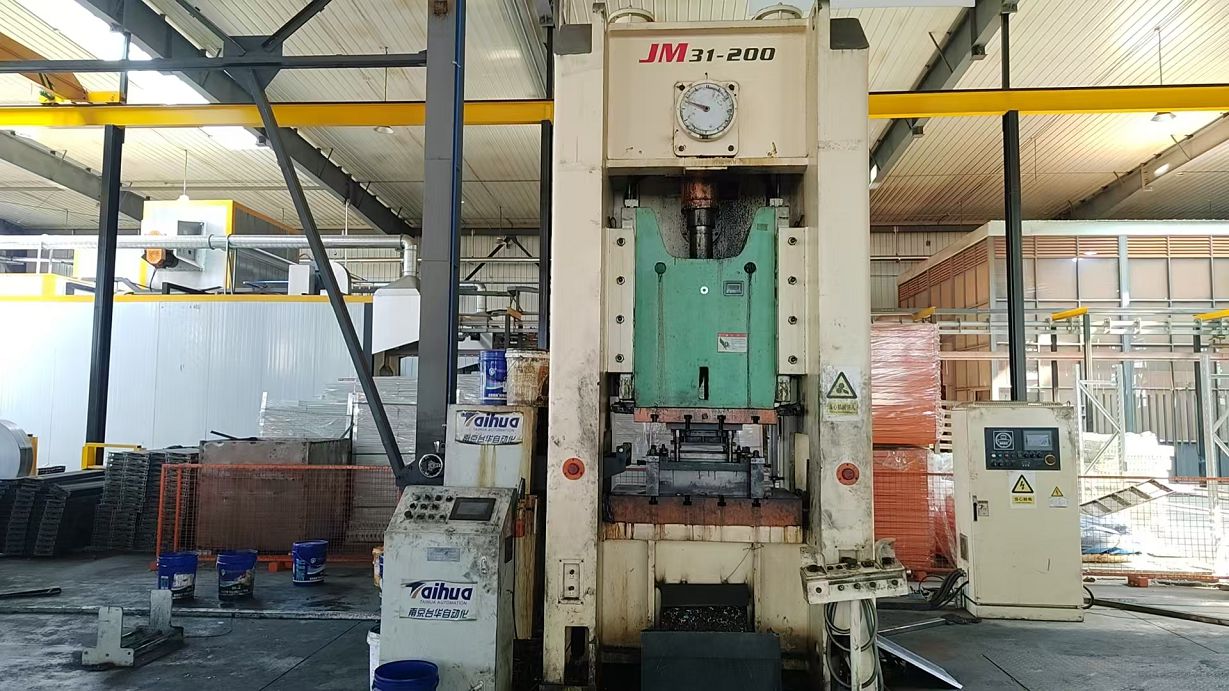
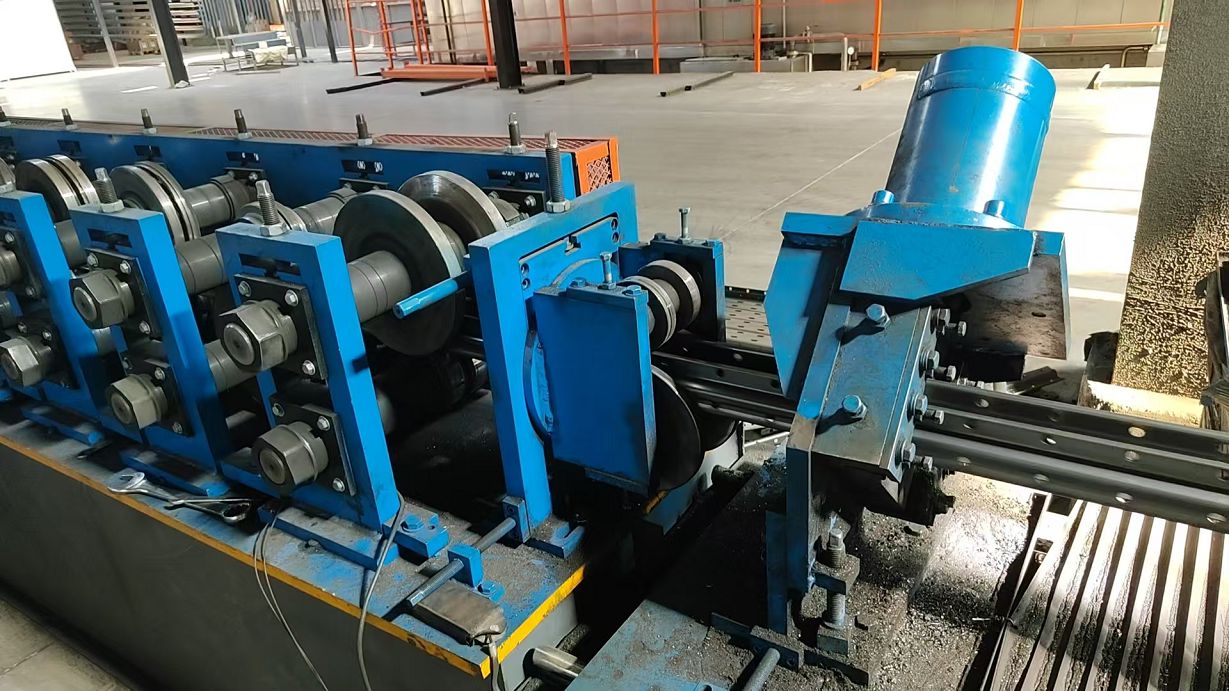
Deploying retail fixtures in a highly regulated jurisdiction like the New York metropolitan area requires strict adherence to international and local engineering standards. Our product design process integrates these compliance requirements directly from the initial design phase:
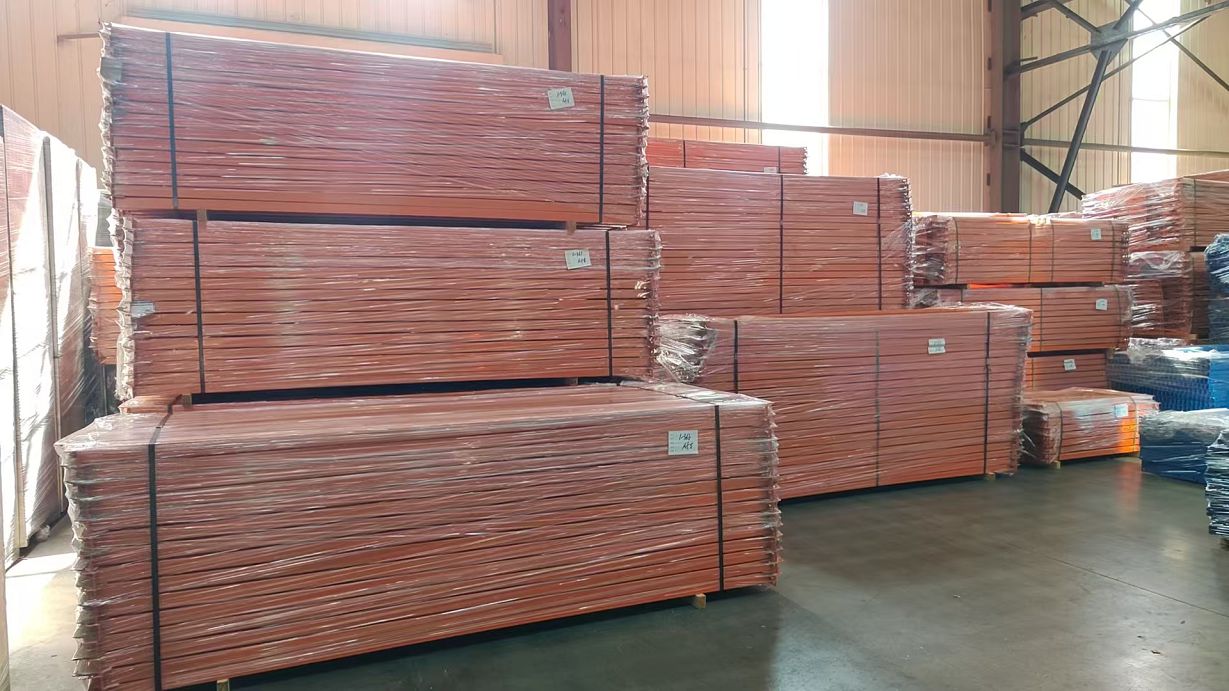
Shipping large steel components across oceans presents unique challenges. To minimize the risk of shipping damage, we pack all structural columns and beams in custom-braced, reinforced shipping containers. Pre-sorted component labeling helps simplify the installation process once the shipment arrives at your retail space or logistics depot in New York.
Our long-term partnerships with major ocean freight lines help secure competitive transit times to the Port of New York and New Jersey. We also provide complete documentation, including material mill certificates and certified capacity reports, to support a smooth customs clearance process.
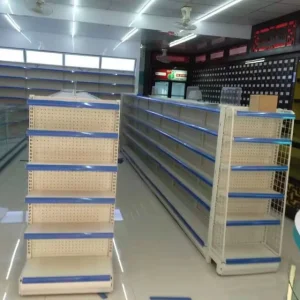
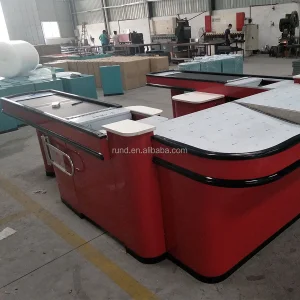
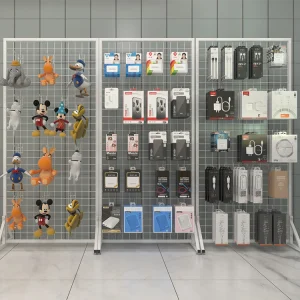
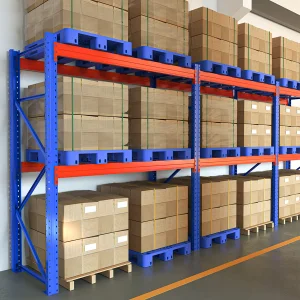
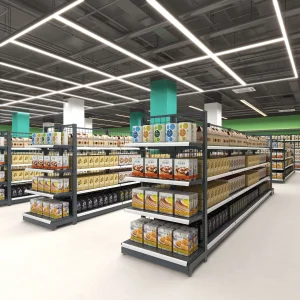
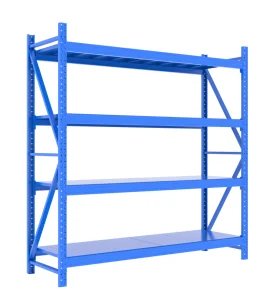
Our complete range of retail storage systems is engineered to support structural durability and modern space layouts.
Common questions from operations managers, engineers, and procurement directors in the Tri-State area.
Contact our engineering and sales department today to request detailed product catalogs, customized CAD layouts, or a structural pricing quotation tailored for your New York business location.
Contact Our Engineering Office CoreStorage