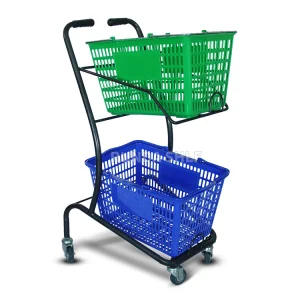
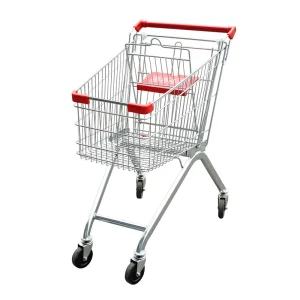
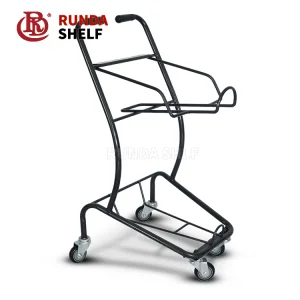
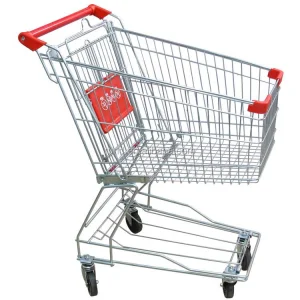
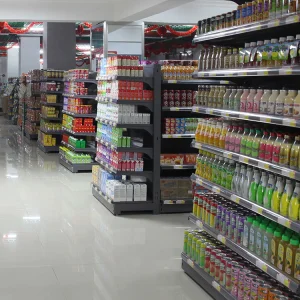
High-durability metal and structural wire mesh grocery trolleys designed for optimal load integrity.
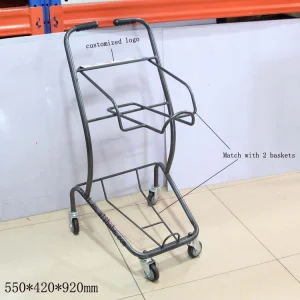
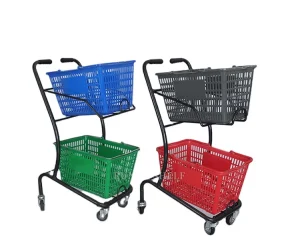
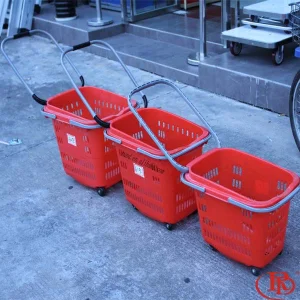
Understanding user intent and operational challenges in South Asia's booming consumer market.
The retail environment in Pakistan is undergoing a major structural transformation. Across key metropolitan hubs like Karachi, Lahore, Islamabad, Faisalabad, and Rawalpindi, the traditional *Kiryana* system (informal local mom-and-pop stores) is rapidly integrating with or giving way to modern organized retail configurations. The rise of multi-floor departmental stores, massive cash-and-carry operators (such as Imtiaz Super Market, Metro Cash & Carry, Chase Up, and Carrefour), and specialized grocery boutiques has generated a surge in demand for commercial-grade retail equipment. Among these, the supermarket shopping cart remains the primary physical touchpoint between the brand and the consumer.
Providing high-durability fleets of metal shopping carts to the Pakistani market presents unique requirements. In humid coastal regions like Karachi, standard untreated carbon steel carts can rapidly corrode due to airborne salt water particles. Conversely, in the extreme temperatures of Lahore and Multan, plastic handle wraps and child-seats must contain advanced UV stabilizers to prevent structural degradation, embrittlement, and cracking.
Furthermore, Pakistani supermarkets experience high average footfall per store and high load weights per trolley. Consumers frequently purchase bulk staple goods (such as 10-20kg bags of wheat flour, basmati rice, and wholesale beverage packs). Therefore, deploying heavy-duty, double-welded, and structural reinforced base chassis models is essential to avoid structural collapse under high-stress conditions.
How Chengdu CoreStorage Logistics Equipment Manufacturing Co., Ltd. ensures reliability.
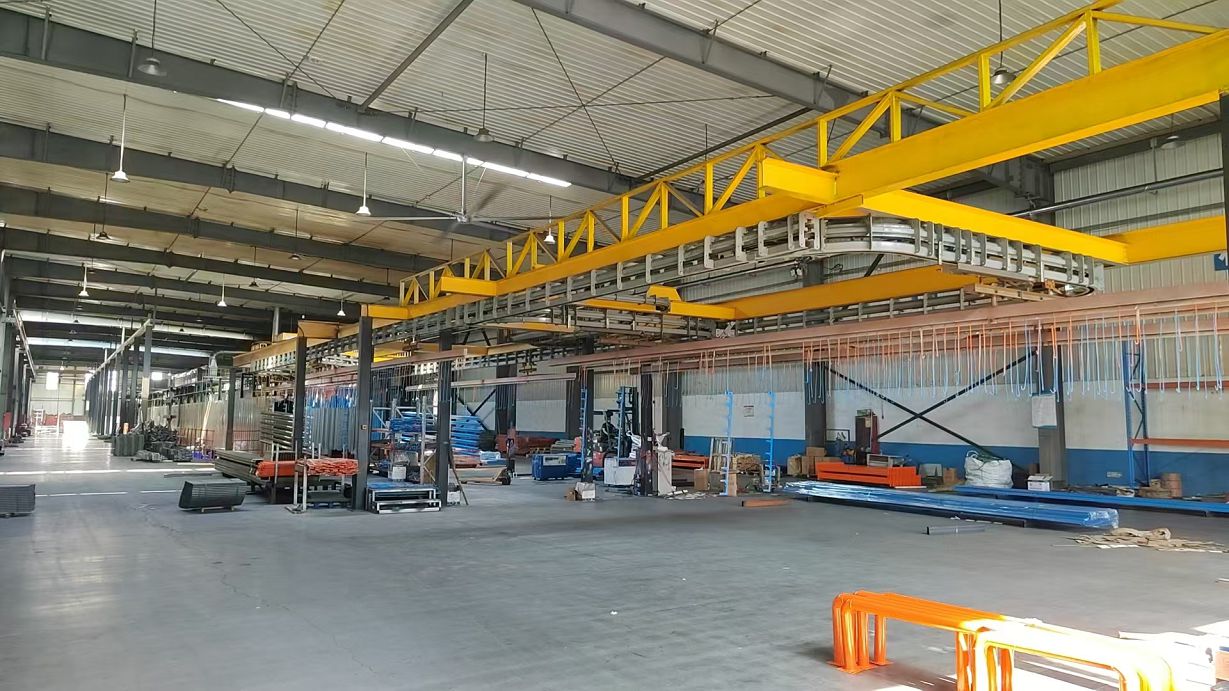
Founded in 2016, Chengdu CoreStorage Logistics Equipment Manufacturing Co., Ltd. has established itself as an industry-leading manufacturer of high-quality warehouse racking and retail equipment. Our facilities span a comprehensive factory area of 22,000 m², generating an annual export revenue exceeding $15,000,000. Supported by 6 years of global trade experience and 11 years of structural steel fabrication expertise, we deliver high-performance retail and warehouse equipment to demanding markets worldwide.
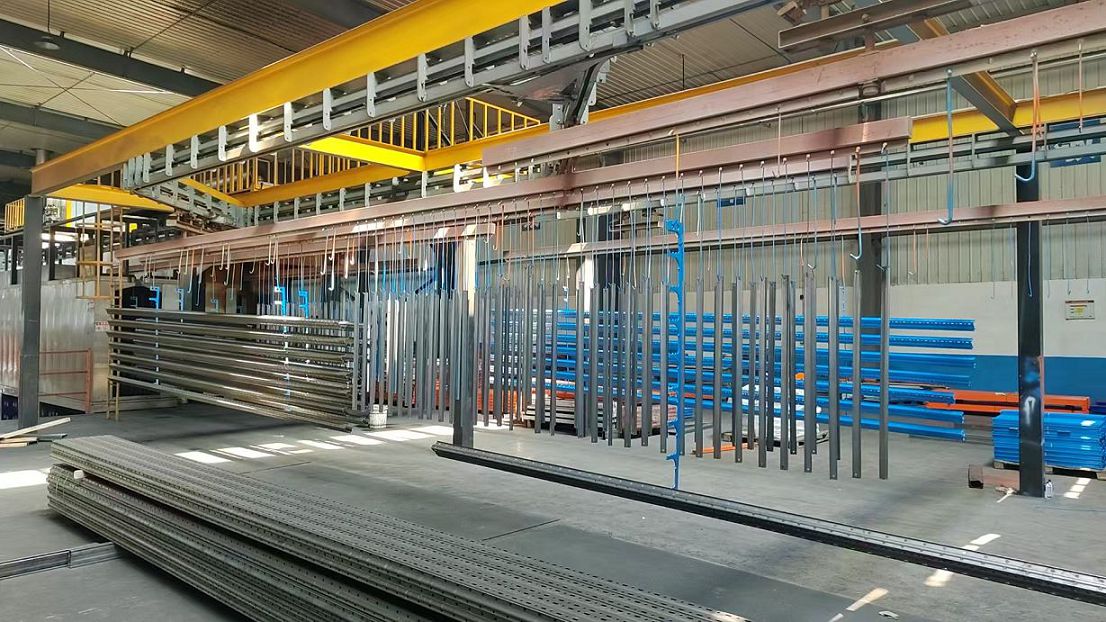
To address the operational conditions of Pakistan's retail sector, our engineering team has developed an advanced material preparation and surface coating roadmap. All shopping carts are constructed from high-tensile strength Q235 cold-rolled steel wire. Rather than standard zinc plating, which is prone to oxidization, CoreStorage implements a dual-layer protective coating system:
Our quality control procedures strictly adhere to ISO 9001 & CE Structural Safety Standards. We utilize CMM Automated Dimensional & Load Stress Testing to ensure that every cart maintains its tracking alignment and basket integrity under load configurations of up to 150 kg. Our designated Quality Department of 28 skilled QC inspectors monitors every phase of production, from raw steel wire straightening to final caster assembly.
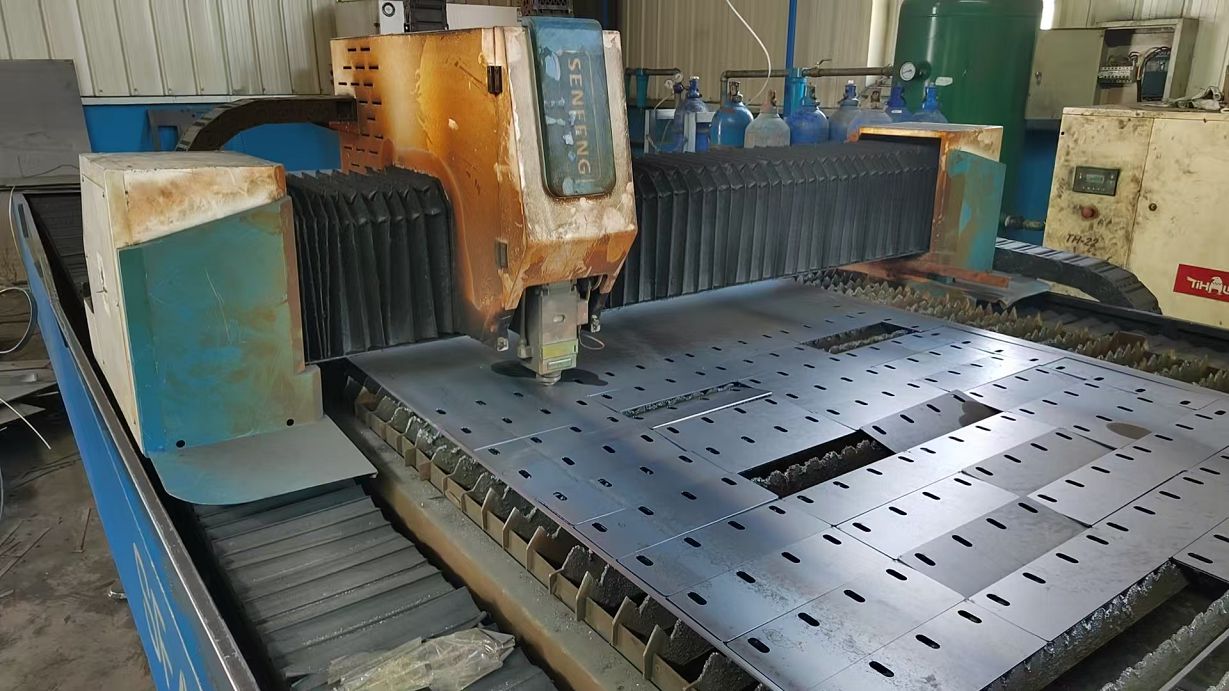
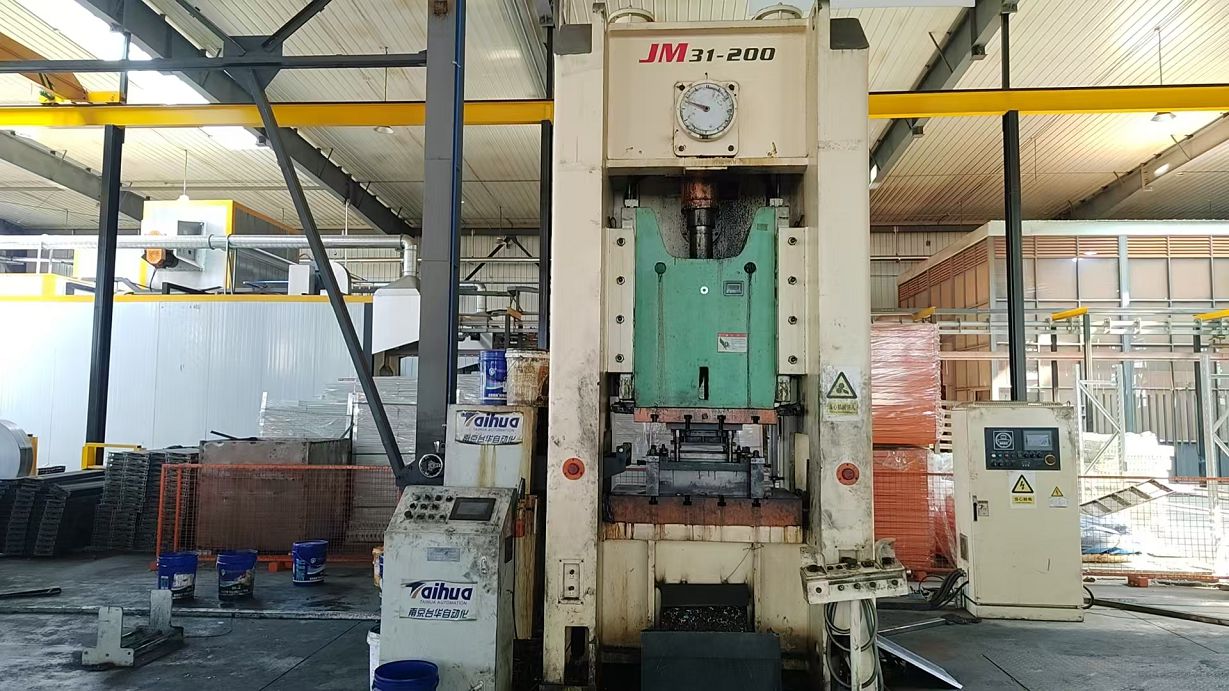
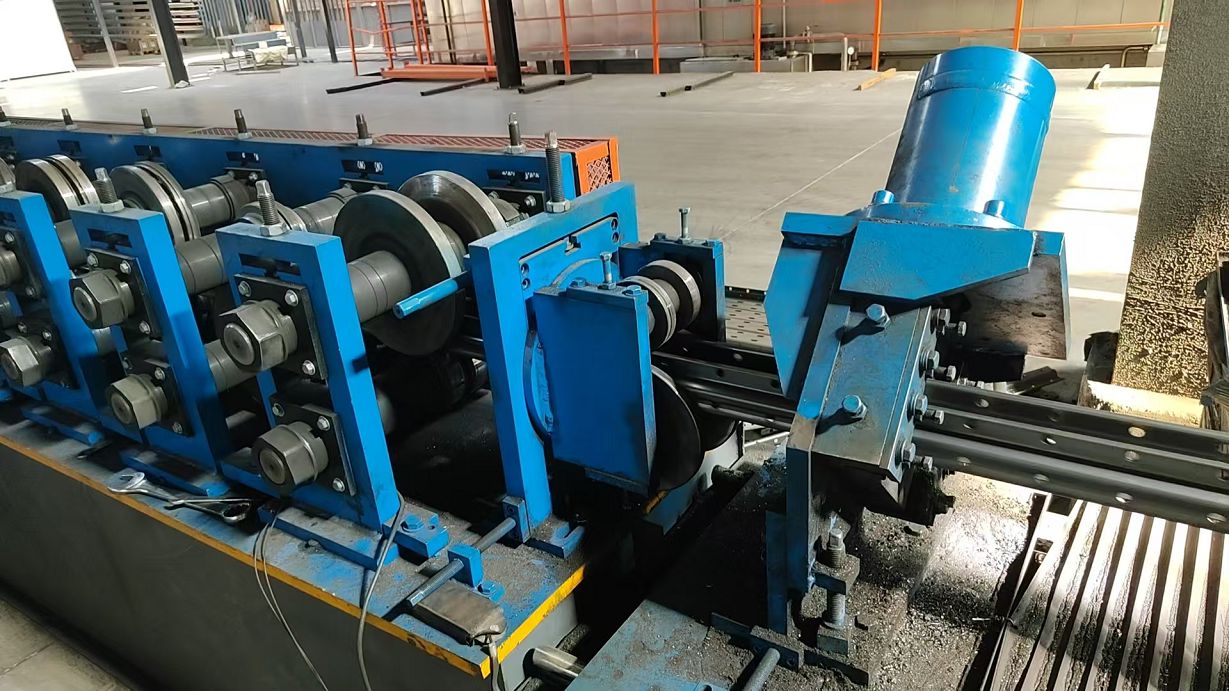
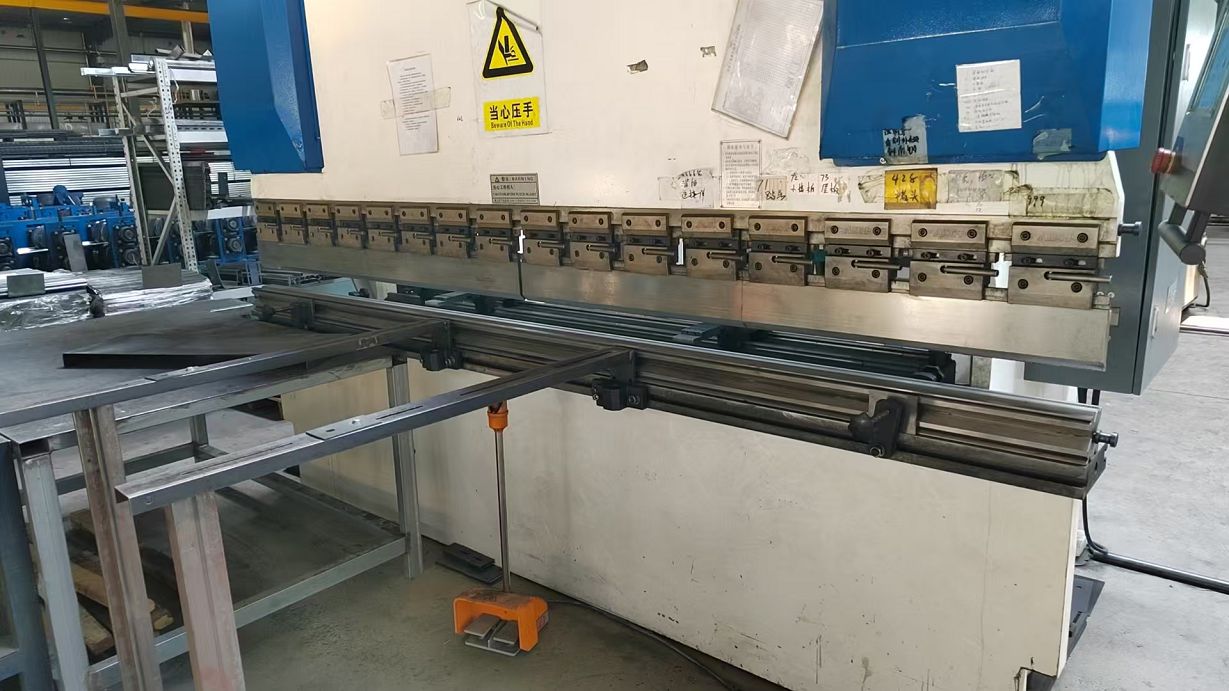
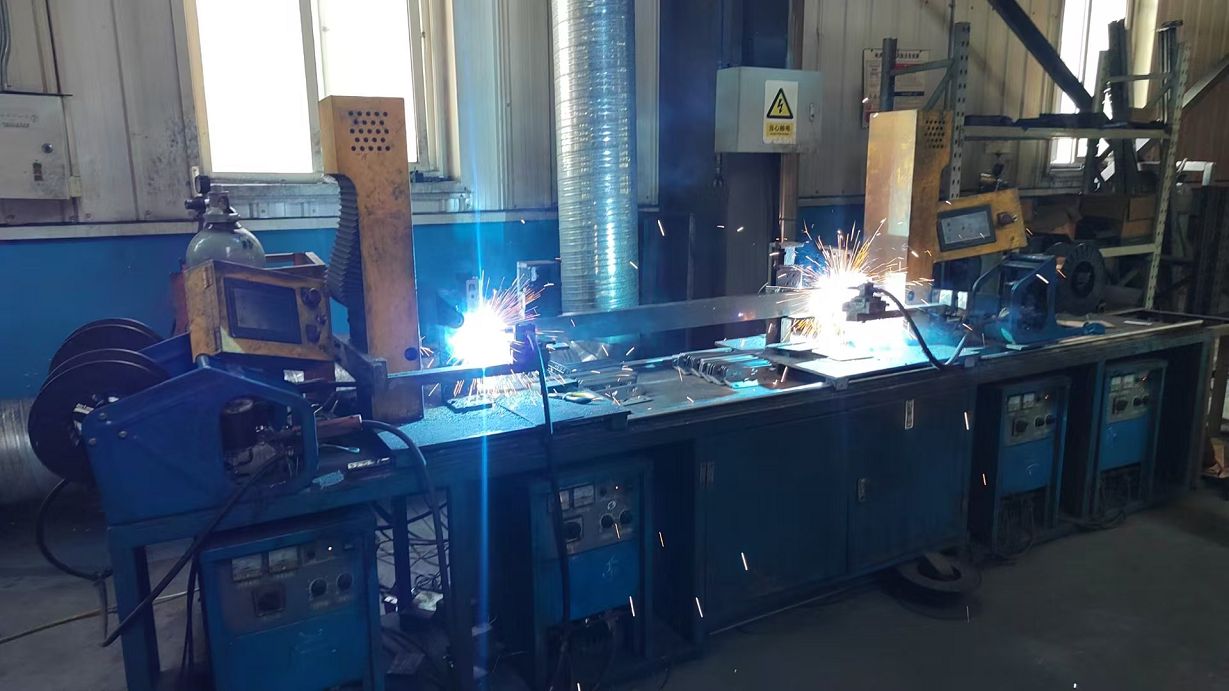
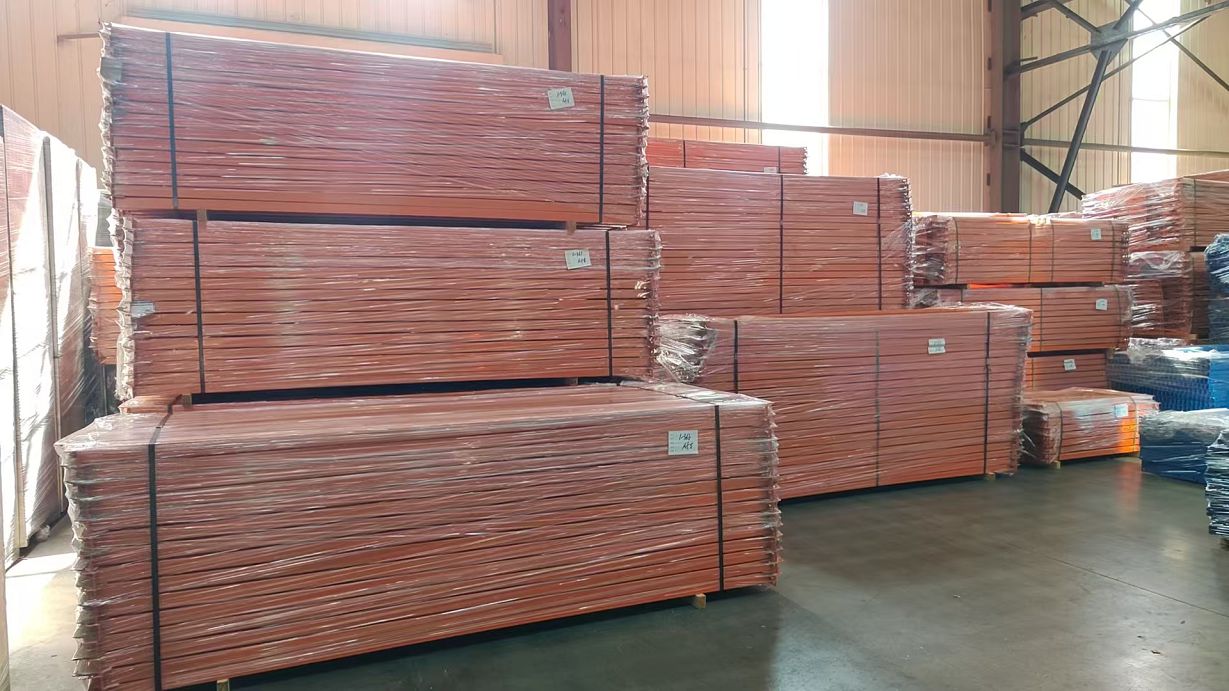
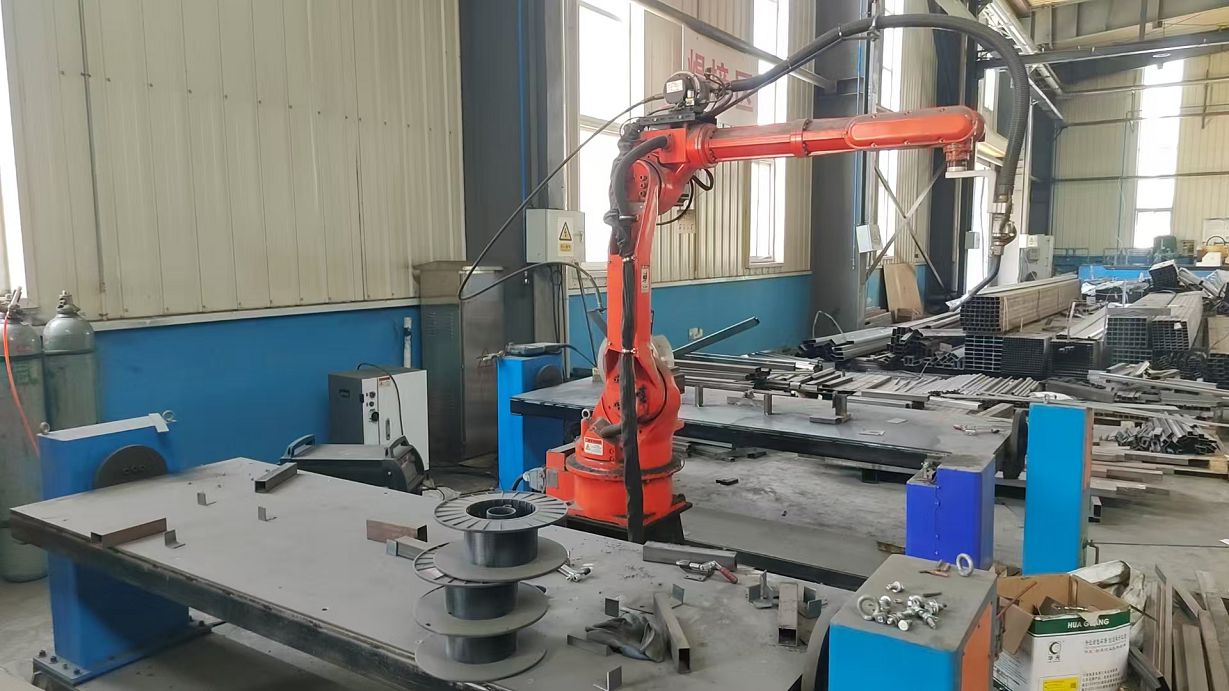
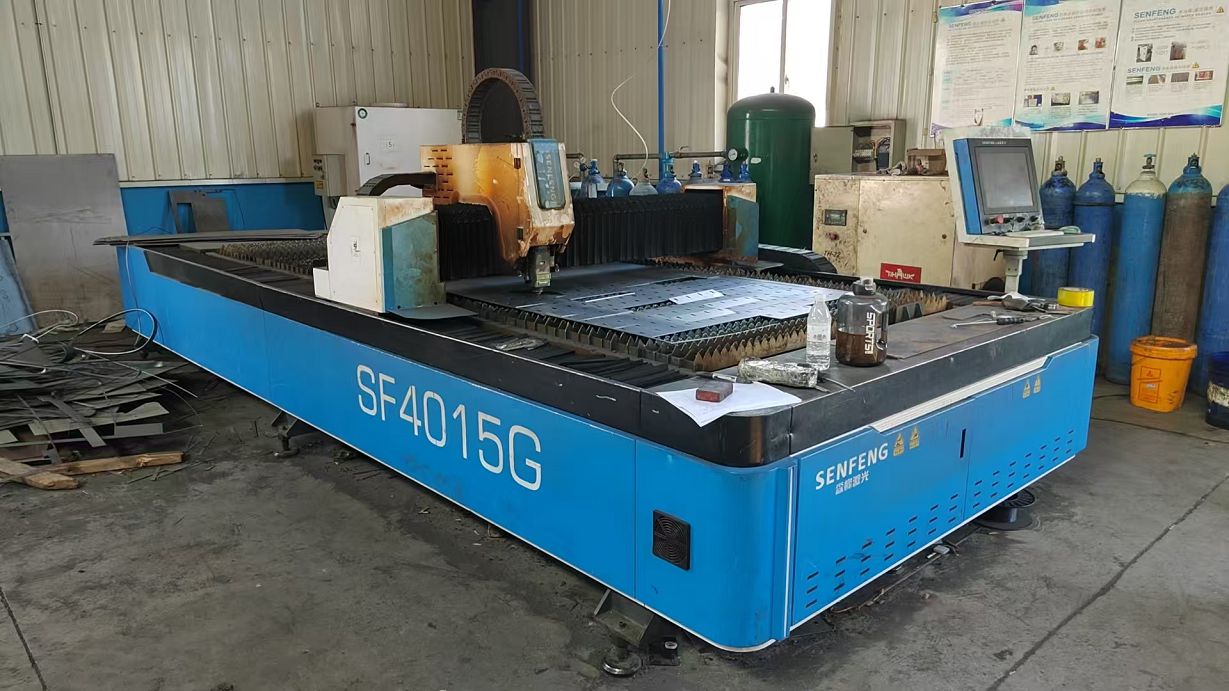
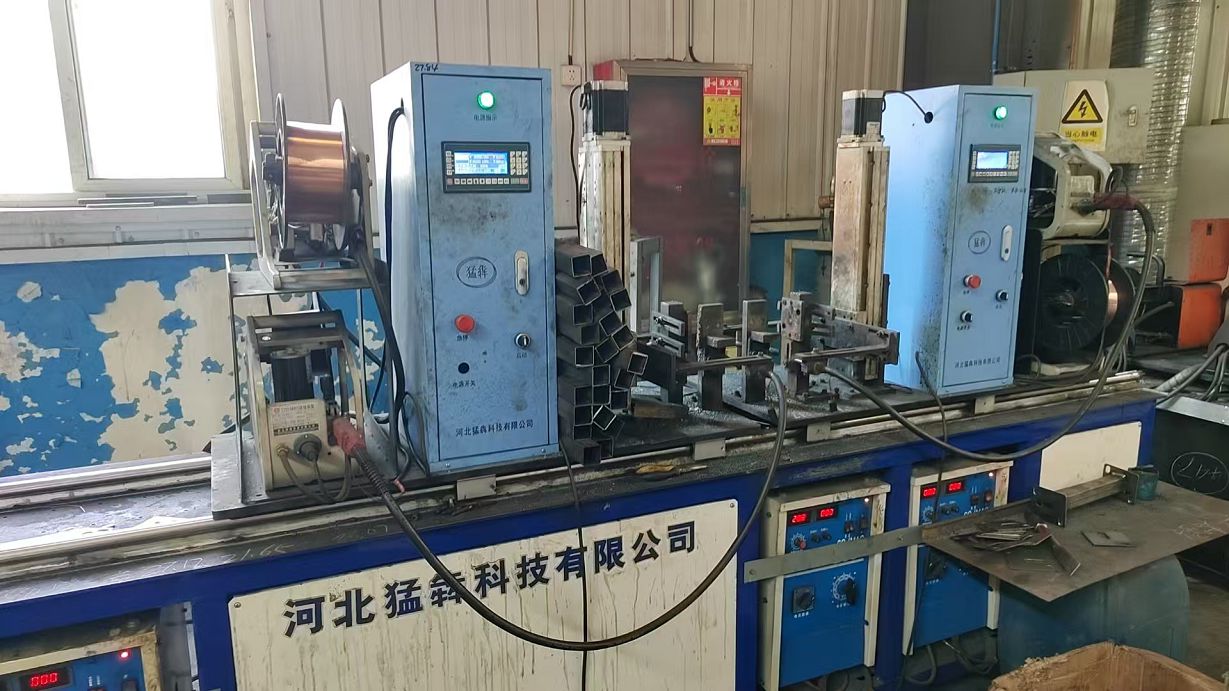
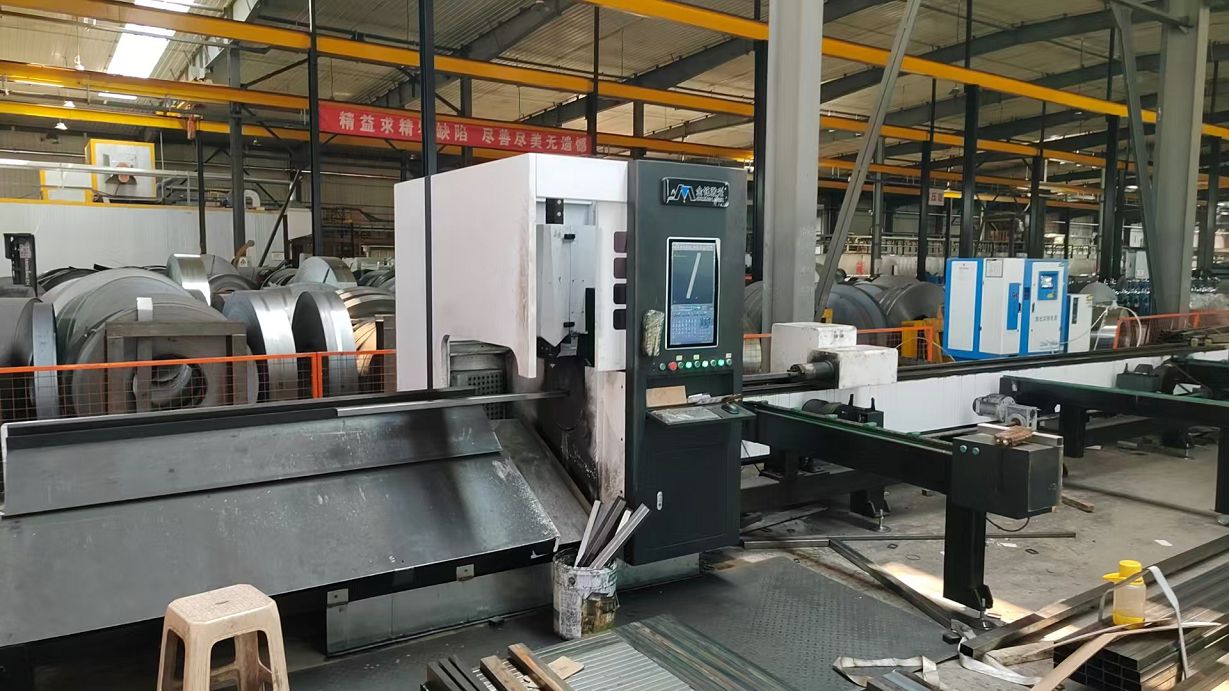
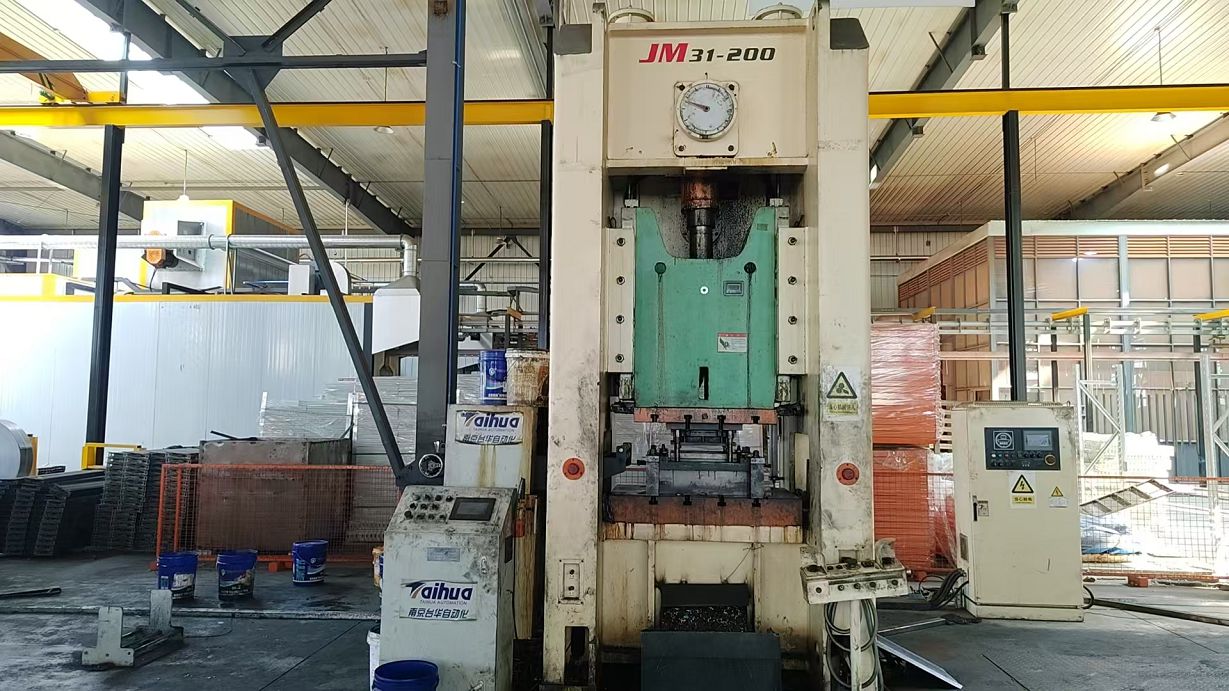
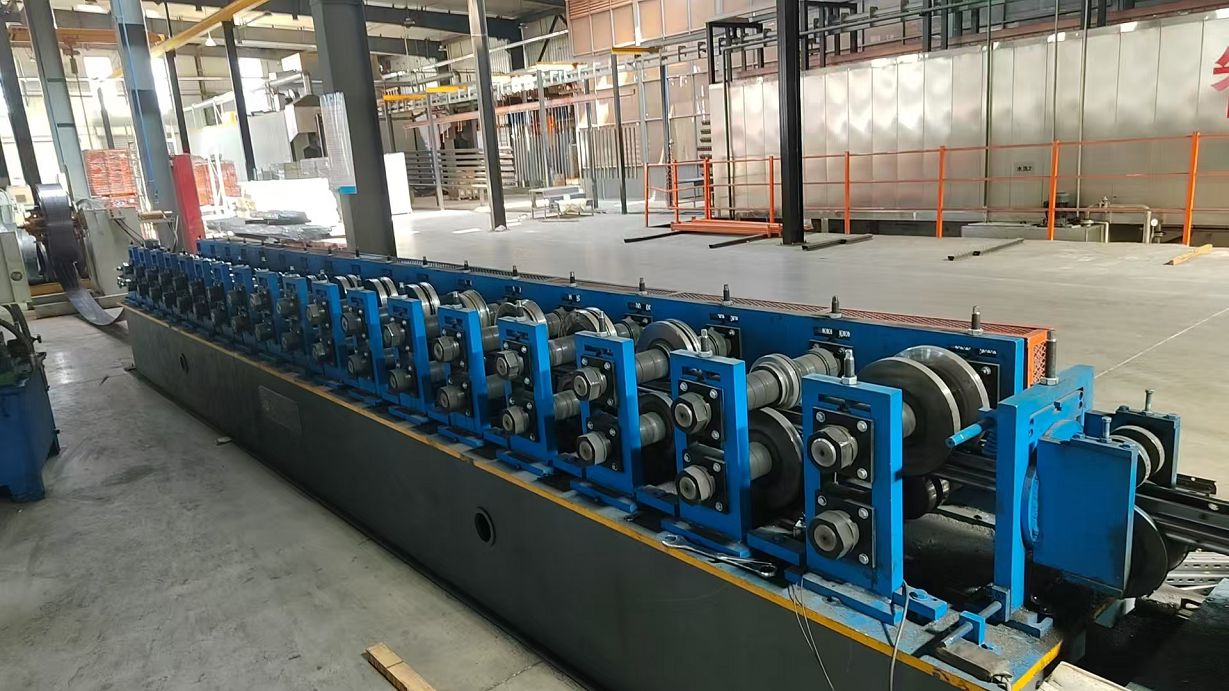
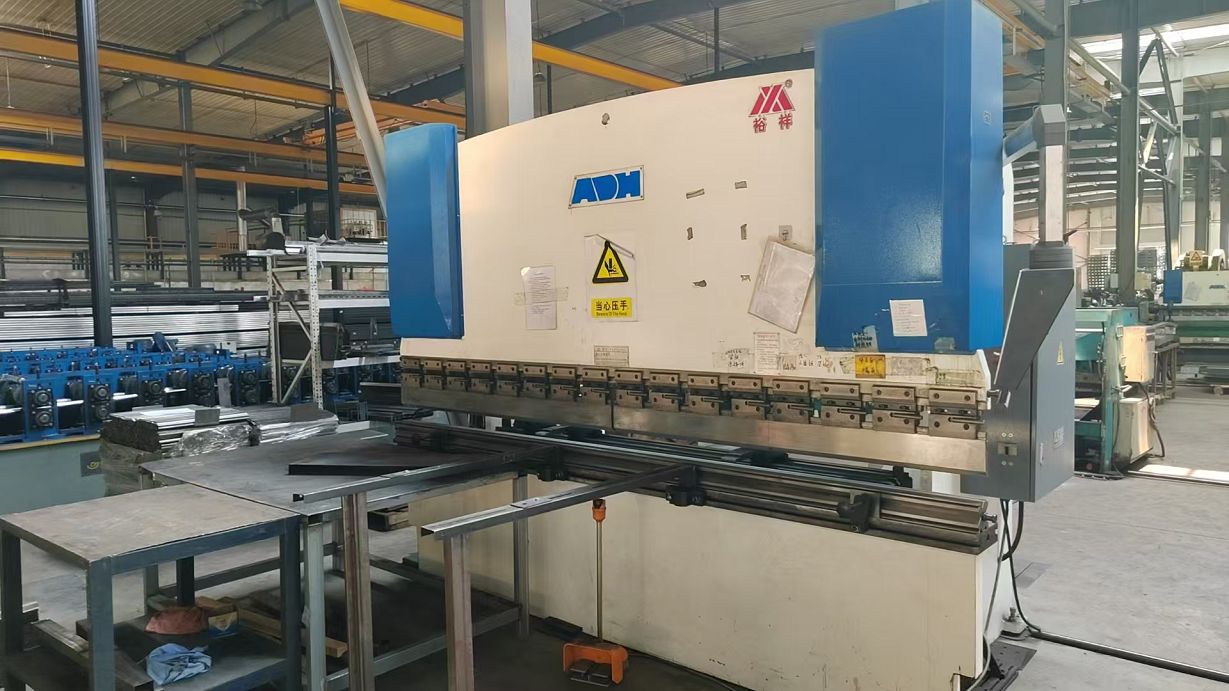
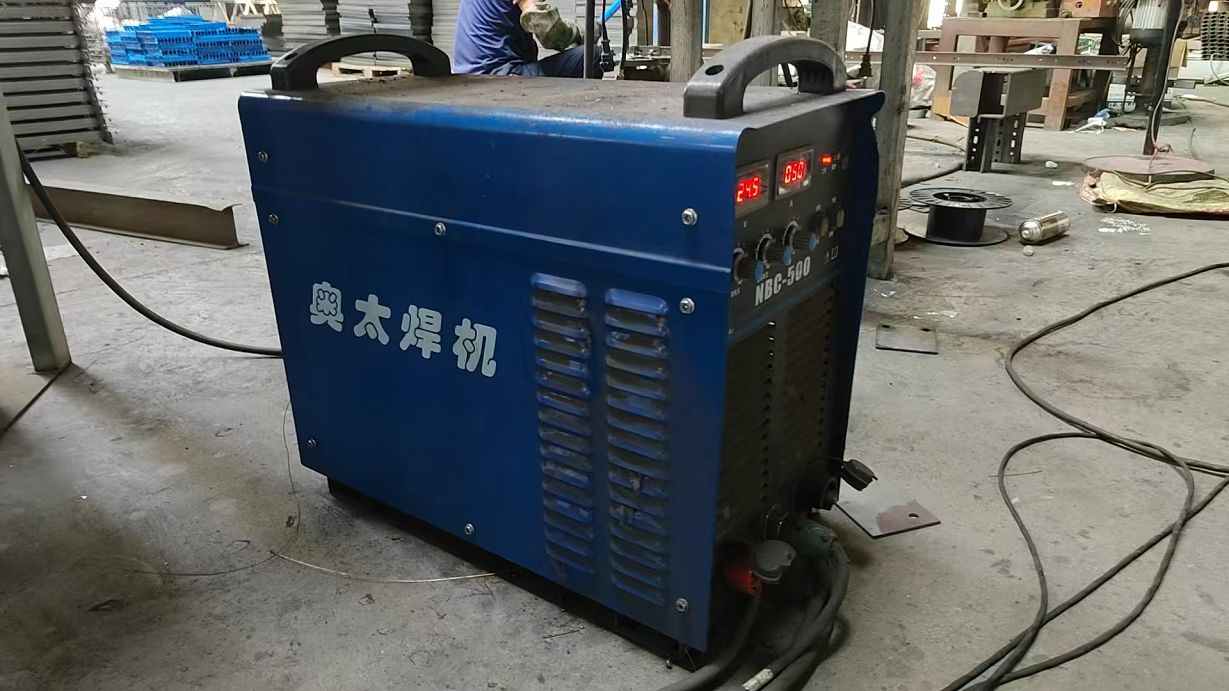
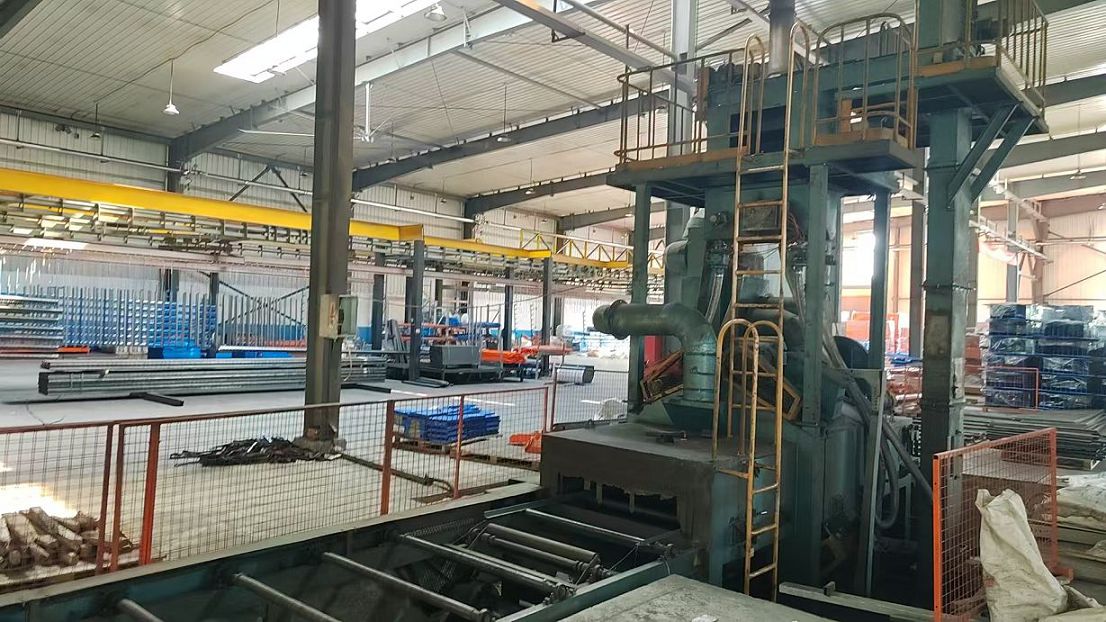
Visualizing our automated production line and structural testing capabilities.
Optimizing procurement processes for Pakistani retail chains and distributors.
Importing high-quality retail steel equipment directly from Chengdu CoreStorage provides substantial economic advantages for procurement managers in Pakistan. Our manufacturing operations utilize advanced robotic welding machines, CNC pipe cutting systems, and fully automated profile pressing production lines. This scale of automation guarantees dimensional consistency, eliminates welding defects, and reduces per-unit labor costs. We pass these efficiency savings directly to our customers.
Furthermore, we leverage China's extensive industrial ecosystem. Through active partnerships with 650 supply chain suppliers, we secure high-grade raw steel coils and castor components at competitive rates, ensuring steady pricing even during global steel market fluctuations.
For logistical planning, we offer direct support for routes terminating at key Pakistani entry points:
Engineered for high structural stability and quiet, smooth caster operation.
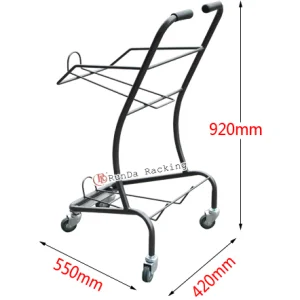
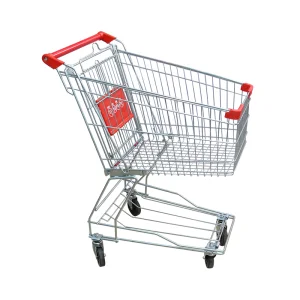
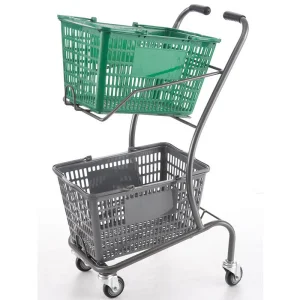
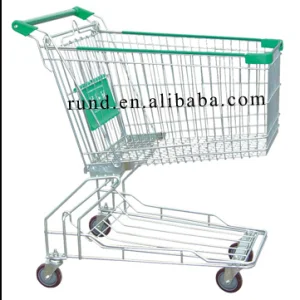
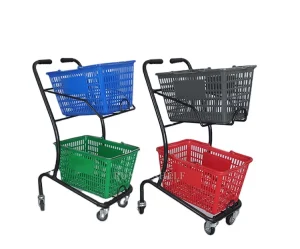
Complete display rack systems and inventory storage solutions for supermarket warehouses.
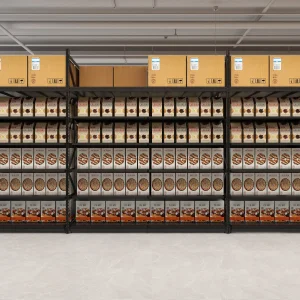
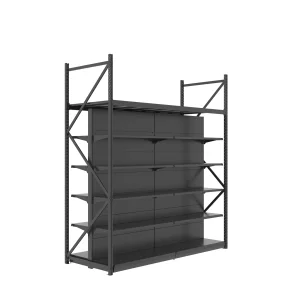
A technical guide for supermarket chains and commercial project managers.
When establishing a procurement contract for a fleet of shopping trolleys destined for the Pakistani market, retail supply chain directors should evaluate several key technical parameters:
Clear, direct answers regarding customs, logistics, customization, and warranty for Pakistan procurement.
To optimize shipping container space (20GP or 40HQ container load), our standard MOQ is typically 100 units. This volume ensures that sea freight costs per unit remain low. However, we can accommodate smaller quantities for initial retail trials.
We apply a dual protective system: first, an electro-zinc plating layer, followed by a transparent, high-temperature baked organic powder coating lacquer. This coating meets demanding salt-spray resistance standards, preventing corrosion from moisture and salt.
Yes. We provide complete customization options. The plastic handle sleeves can be co-extruded or printed with your corporate colors and logo. Additionally, we offer custom colors for plastic corner guards and child seats.
All our products conform to ISO 9001 quality management guidelines and CE structural safety certifications. We conduct automated load testing, CMM dimensional analysis, weld integrity checks, and caster rolling tests to ensure durability.
Transit times generally range from 18 to 25 days by sea from major shipping ports to Karachi Port (PICT/KICT or Port Qasim), depending on shipping line schedules and customs processing times.
Contact our global sales engineering division today to get technical details, CAD floor layout advice, and a comprehensive quote for your retail operations in Pakistan.
Send Inquiry Now CoreStorage