Engineered to support heavy commercial loads while offering flexible space configuration for fast-moving retail spaces in Sydney.
Analysis of New South Wales retail footprint, warehouse space limitations, and structural safety parameters.
Sydney's commercial retail landscape is currently undergoing a structural transformation driven by population growth, rapid urbanization, and shift in consumer habits. Major retail hubs in New South Wales—ranging from dense urban convenience stores in the Sydney CBD, Chatswood, and Parramatta to vast industrial wholesale clubs in Western Sydney—are facing unprecedented pressure to optimize shelf space. High real estate costs in Australia mean that maximizing visual merchandising while maintaining safety standards is critical to retail survival.
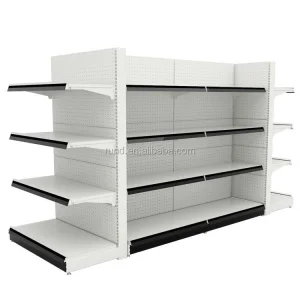
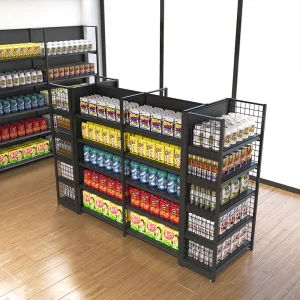
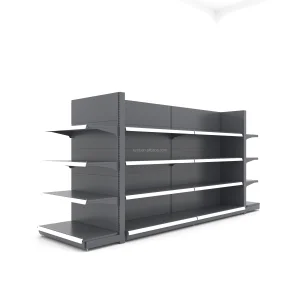
In this high-stakes environment, heavy supermarket shelving plays a pivotal role. The demand is not just for basic displays, but for robust systems capable of supporting heavy volumetric loads, such as bulk grocery packs, high-density beverage rows, canned items, and hardware products. Retailers are actively moving away from traditional light-duty shelving to prevent sag, structural deformation, and catastrophic failure. Sydney warehouses and supermarkets are bound by strict WorkCover NSW regulations, necessitating structures that offer high safety margins and stability profiles.
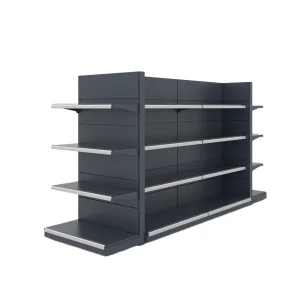
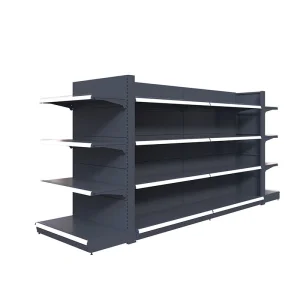
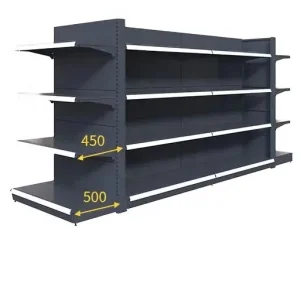
Sydney Market Insight: High-density, double-sided gondola units have seen a 34% increase in procurement across Australian regional hubs over the past two financial years, driven by the rise of express format stores and localized distribution centers.
Furthermore, the physical footprint of Sydney supermarkets is evolving. The traditional large-format hypermarket is being supplemented by smaller, localized convenience models like Woolworths Metro and Coles Local. These smaller footprints require high-capacity, space-efficient shelving. To maintain profitability, these stores must stack heavier loads vertically, requiring engineered steel profiles that guarantee structural integrity even under asymmetric loads.
Modern global supermarket shelving systems must allow rapid reconfiguration. Toolless assembly systems, dynamic pitch adjustment (typically 25mm to 50mm increments), and multi-material integration (steel, premium wood overlays, and durable polymer accents) are the baseline expectation of modern tier-1 retailers.
With warehouse clubs like Costco and major discount grocery chains expanding globally, shelves must carry uniform loads ranging from 100kg to over 150kg per level. Shelving systems must comply with international structural integrity standards such as ISO 9001 and European CE protocols.
Anti-microbial, corrosion-resistant electrostatic powder coatings are standard. Shelf surfaces must withstand high-moisture conditions (such as cold chain zones and produce display sections) without structural degradation or paint peeling.
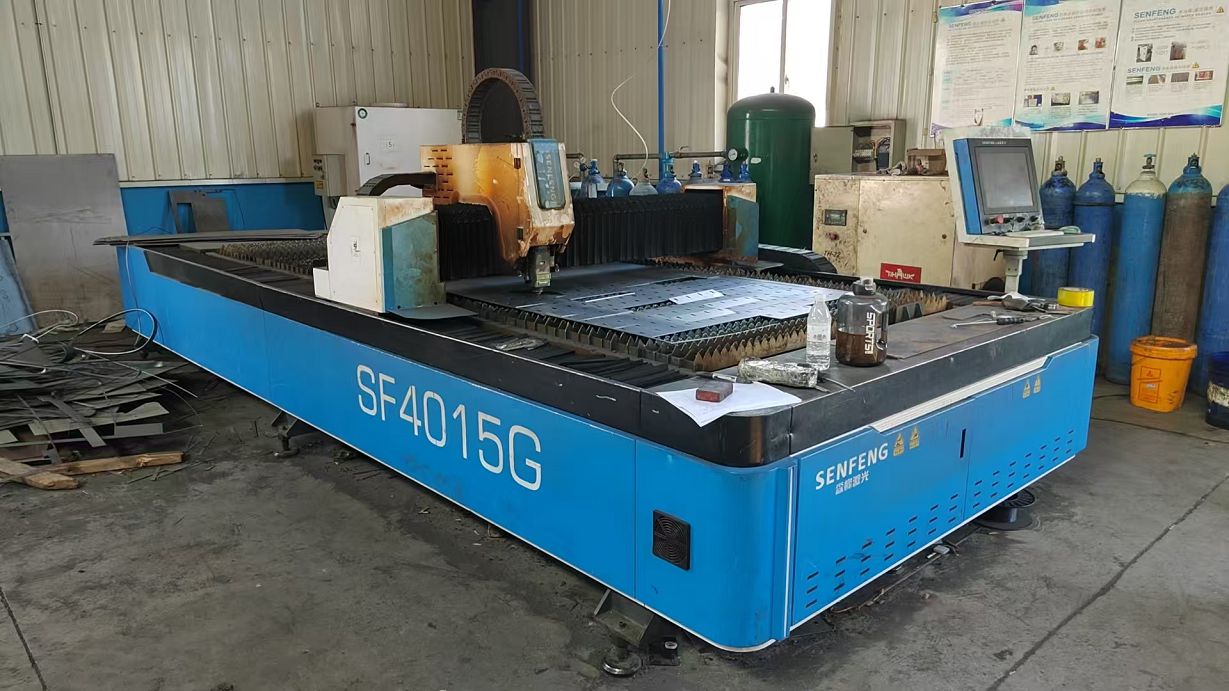
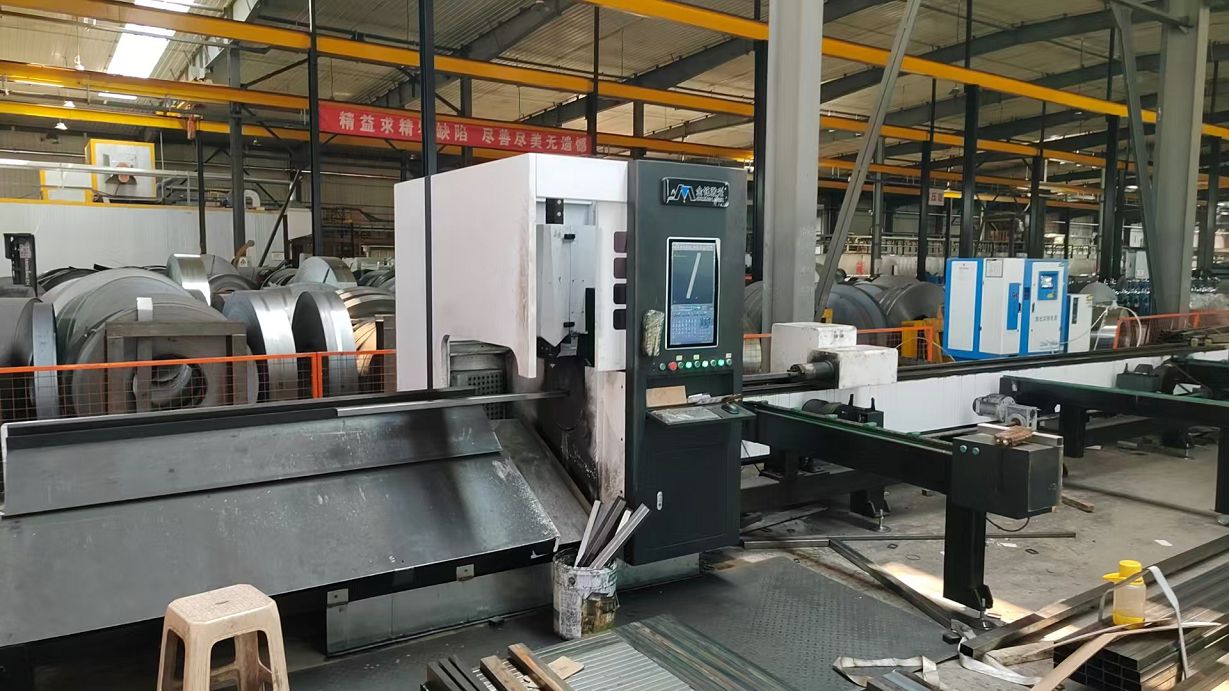
As smart retail solutions gain traction, shelving designs are also adapting to incorporate electronic shelf labels (ESL), built-in LED lighting tracks, and integrated weight sensors that monitor real-time stock levels. Manufacturers who invest in high-precision automated rolling and punch lines are best positioned to deliver products that support these technological integrations while maintaining high load-bearing integrity.
Discover premium-grade metal storage solutions designed for department stores, grocery networks, and hardware showrooms in New South Wales.
Why leading retail brands and logistics operators choose to consolidate their equipment supply with factory partners.
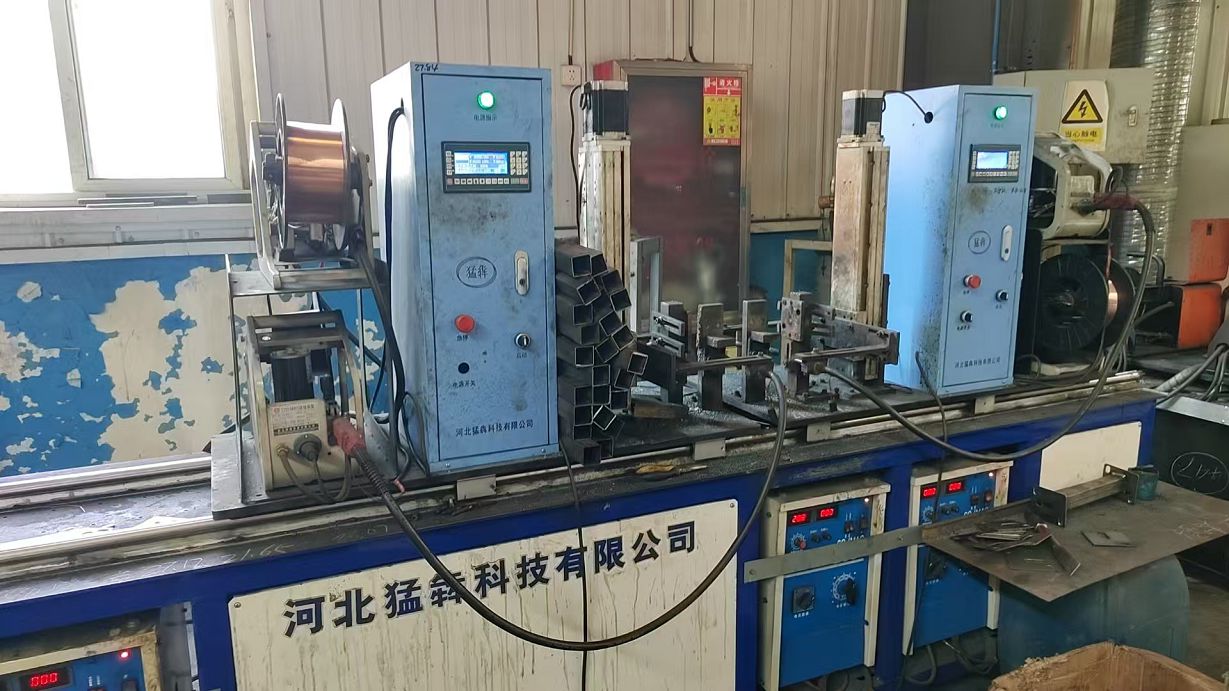
For large retail brands, purchasing supermarket shelving involves complex supply chain and quality risk management. Key concerns for global procurement managers include: stability of lead times, consistency of paint finishes across production runs, structural integrity of welds under continuous load, and transparency of manufacturing standards. A failure in any of these areas can delay store openings, incur massive cost overruns, or compromise safety.
By establishing direct procurement partnerships with advanced manufacturing hubs, retail operators reduce risk and control costs. Direct sourcing bypasses intermediaries, ensures access to engineering-level customization (such as specialized column profiles and customized post spacing), and provides detailed quality documentation, including raw material certifications and stress-test data reports.
How advanced automation, digital quality control, and scaled manufacturing capacity ensure predictability and premium quality for Australian enterprises.
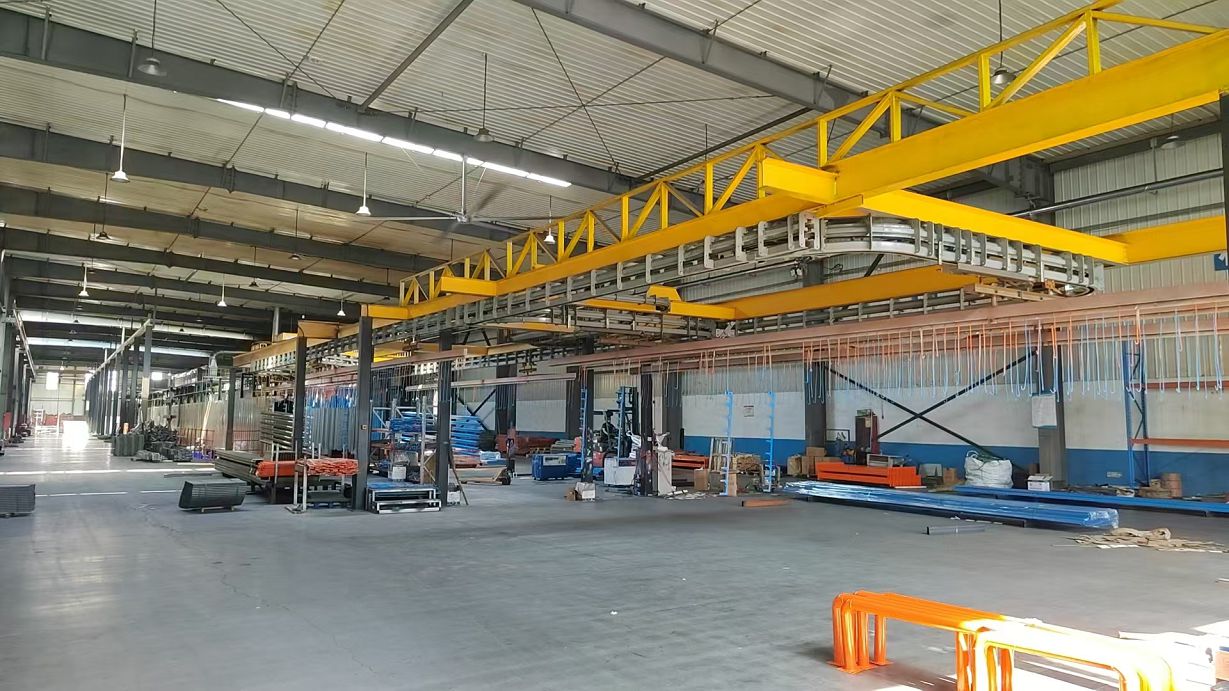
Operating from our modern production facility, Chengdu CoreStorage Logistics Equipment Manufacturing Co., Ltd. (founded in 2016) has become a key manufacturing partner for global retail chains. With 11 years of structural steel rack fabrication experience and 6 years of international trade operations, we understand how to meet the quality demands of the Australian market.
Our facility incorporates Factory 4.0 principles to improve yield consistency and reduce production waste. To meet Australian standard safety margins, we operate under ISO 9001 and CE certifications, utilizing CMM Automated Dimensional and Load Stress Testing machines. These systems measure material deformation down to the micrometer, ensuring that columns, brackets, and base legs match exact engineering tolerances.
"Our engineering team works with 650 reliable raw material and supply chain partners. With 18 dedicated R&D engineers driving design, we introduced 28 new structural configurations last year alone to meet evolving retail logistics challenges globally."
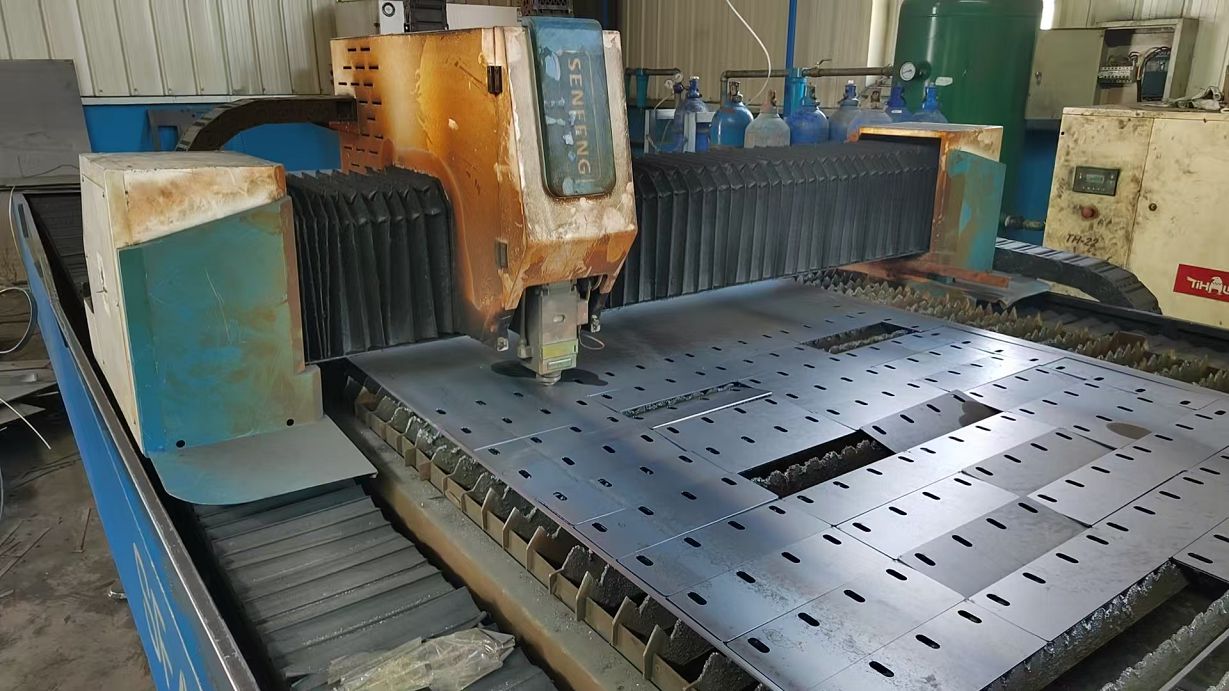
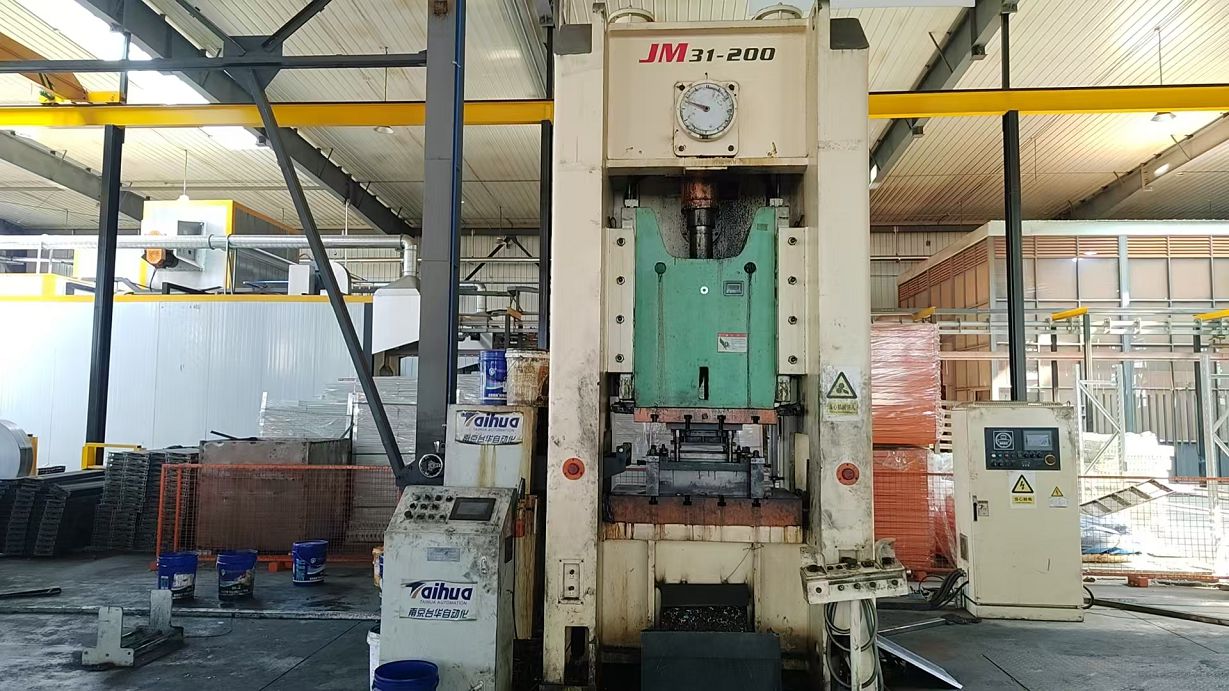
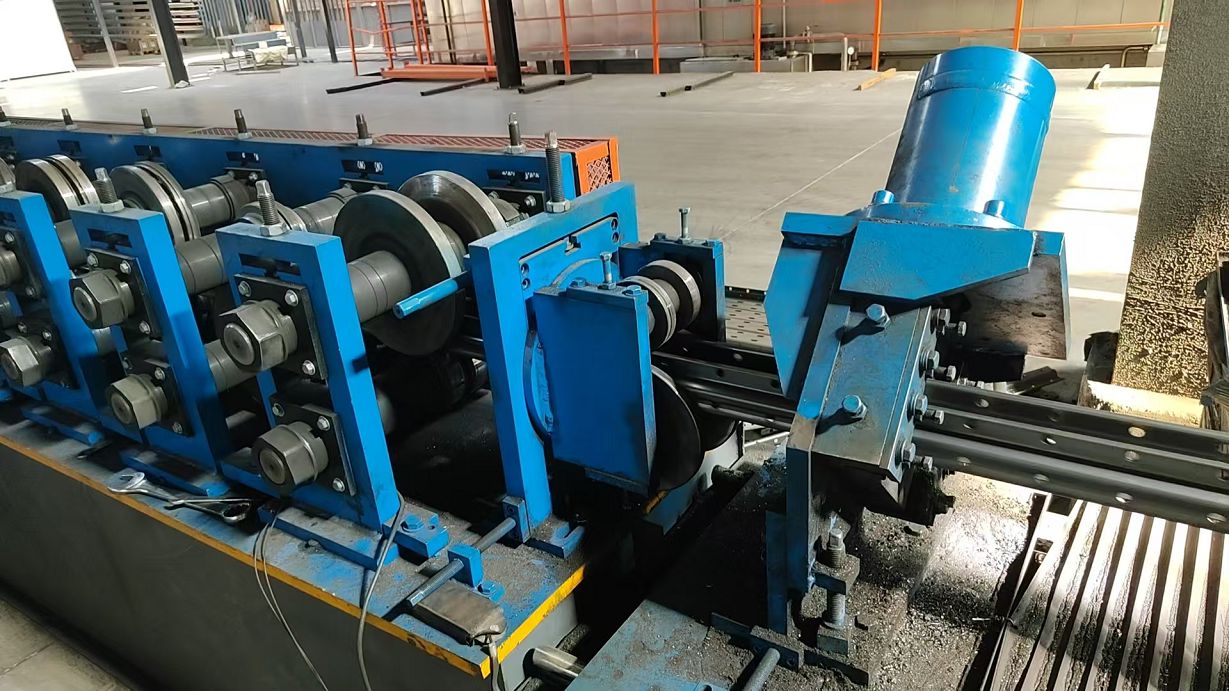
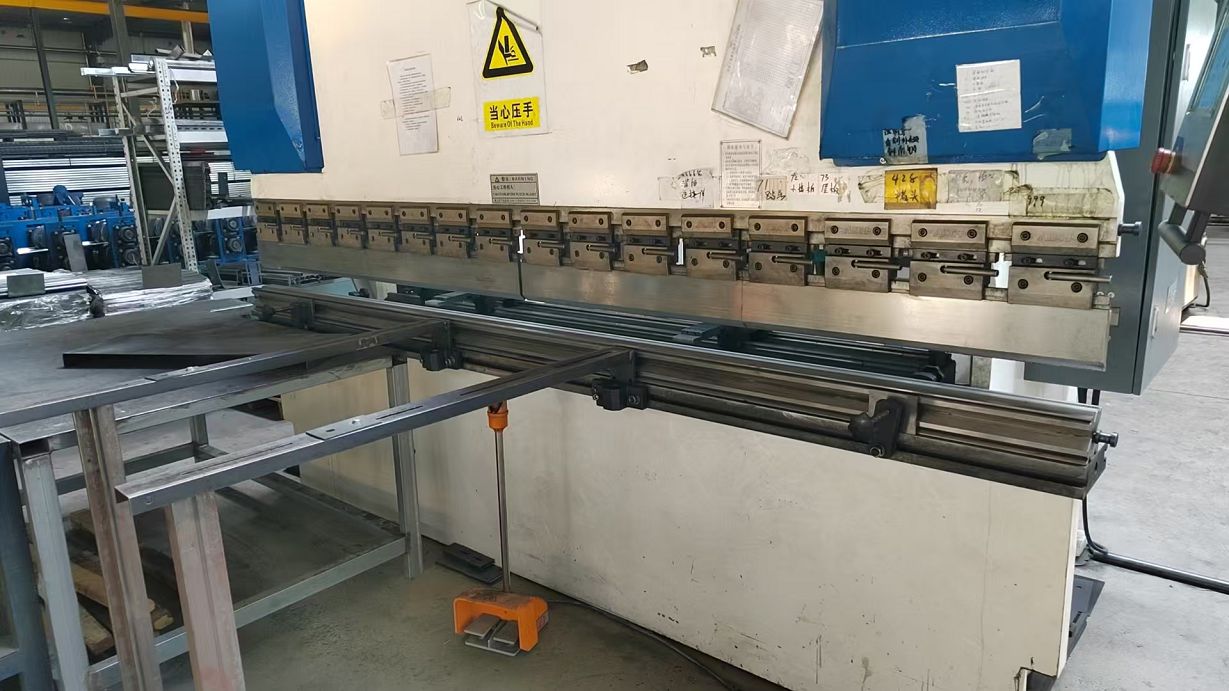
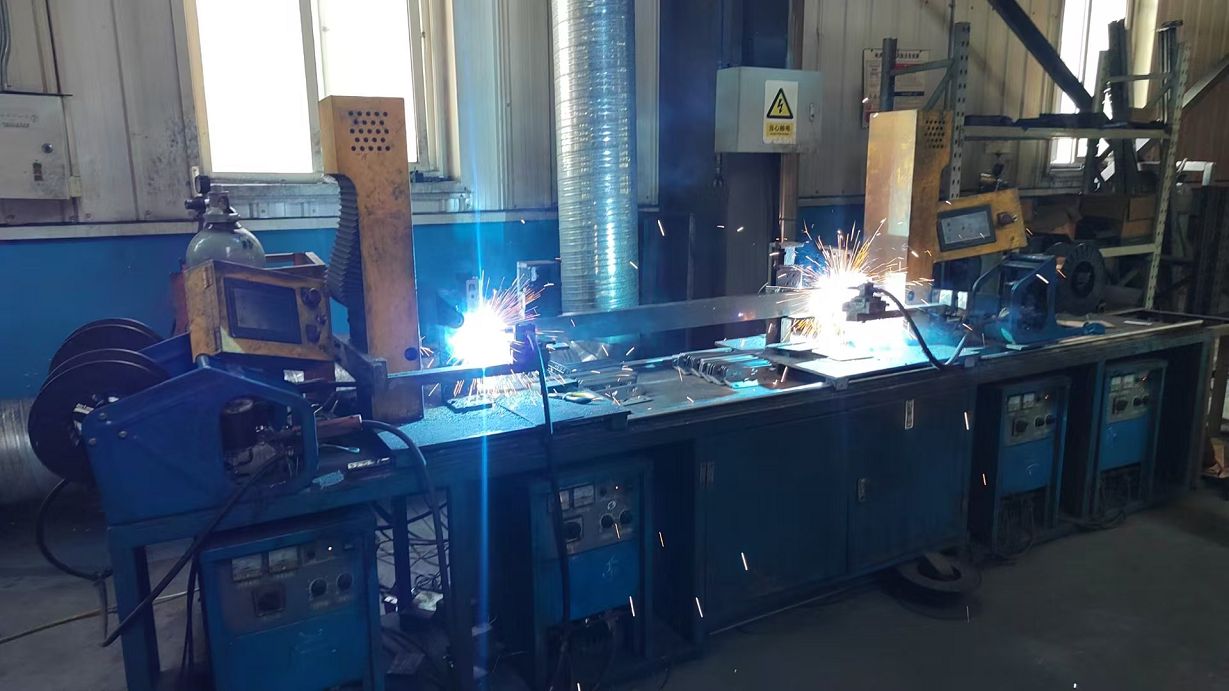
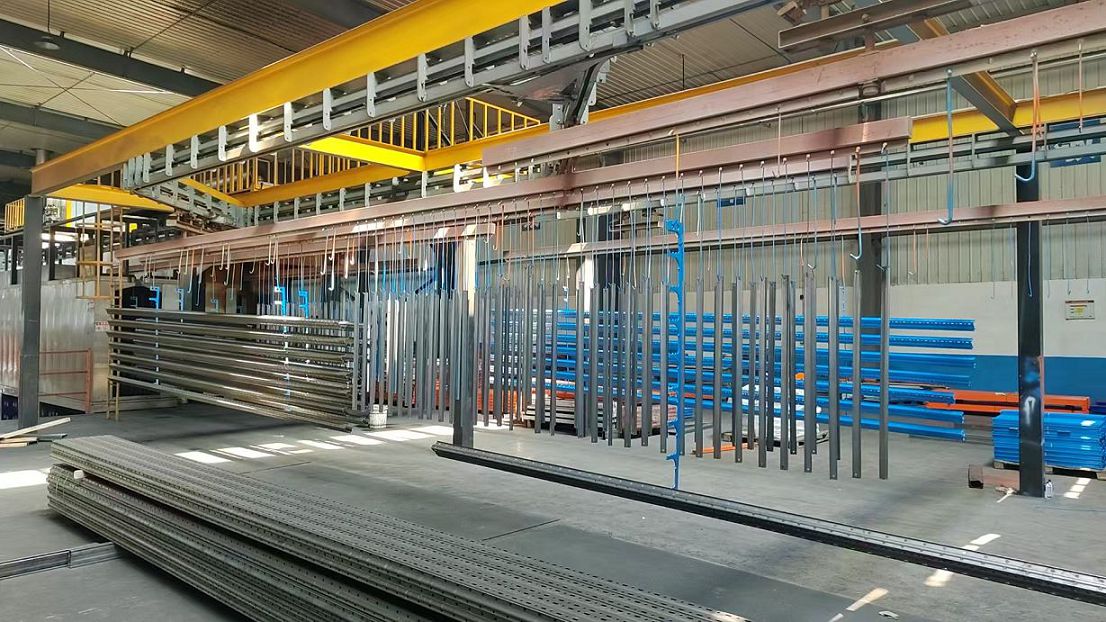
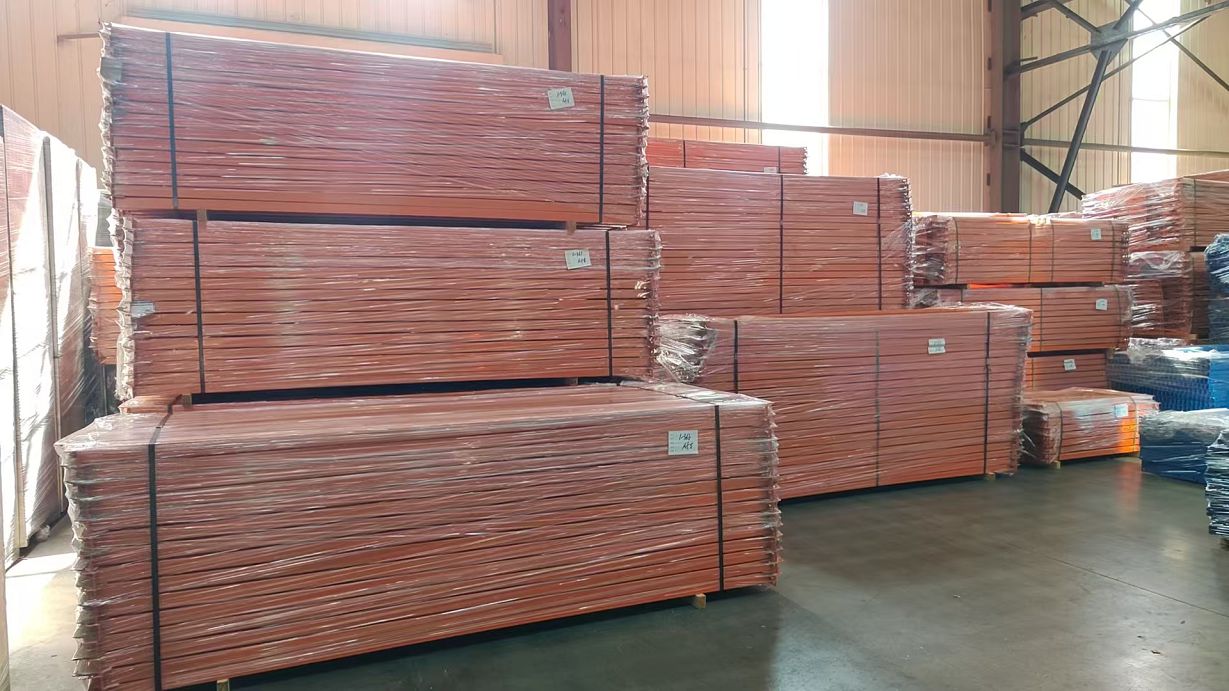
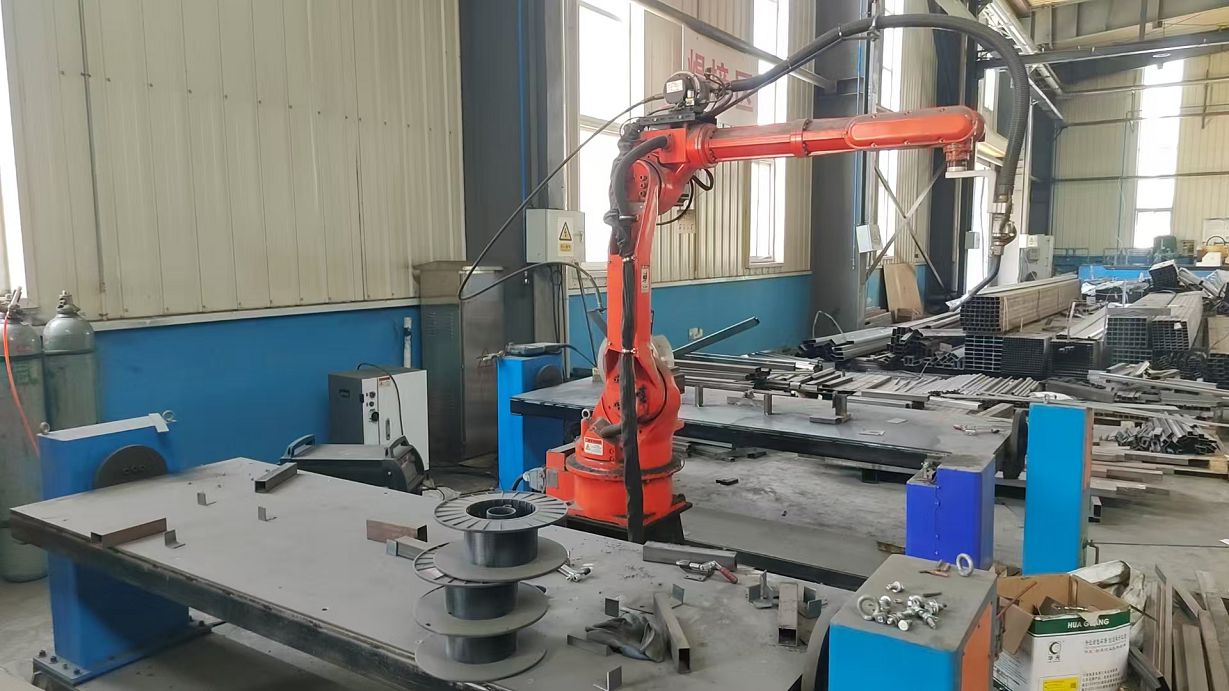
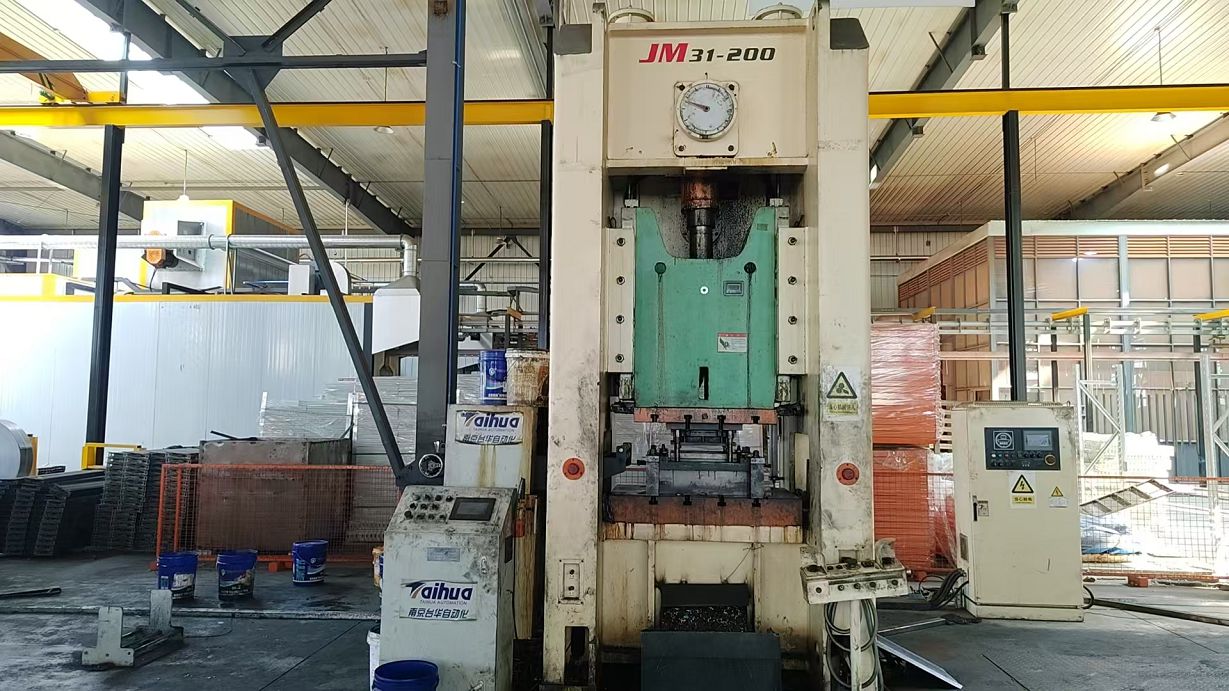
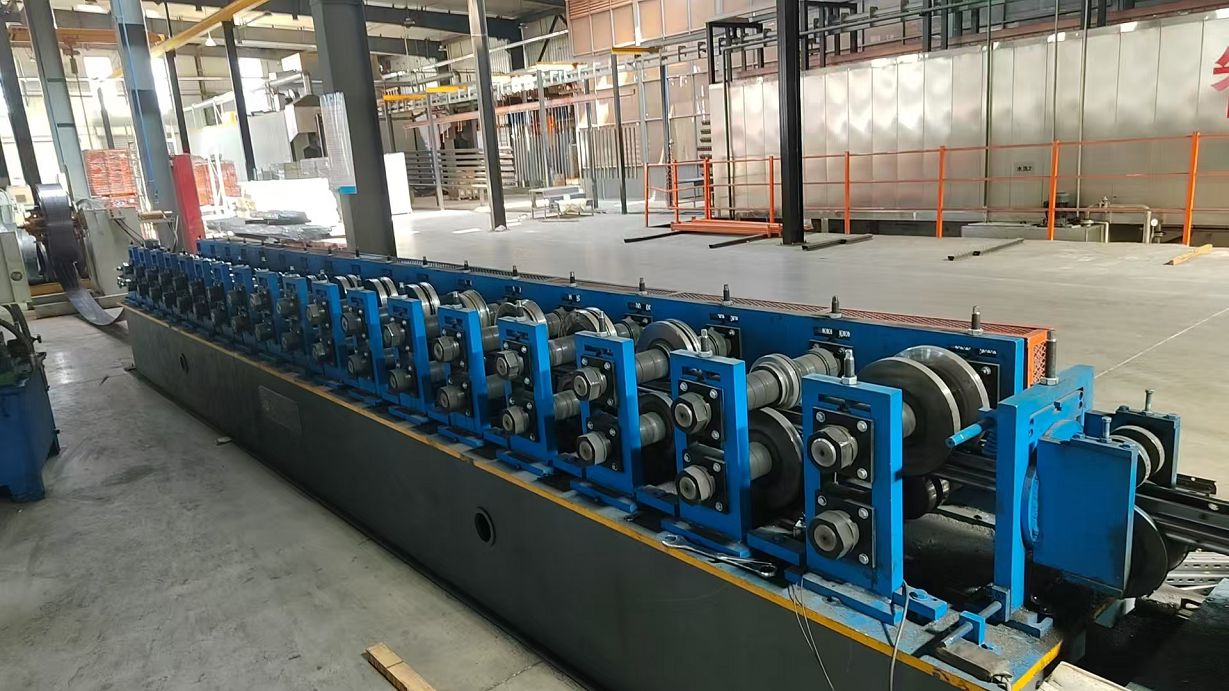
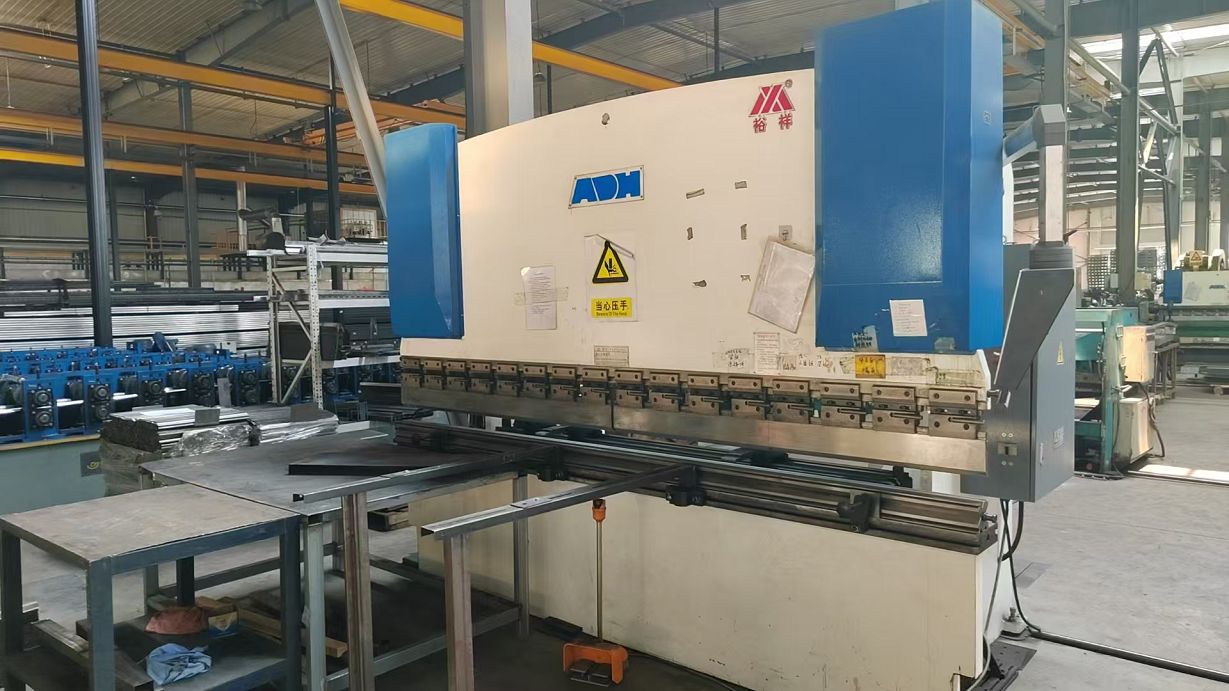
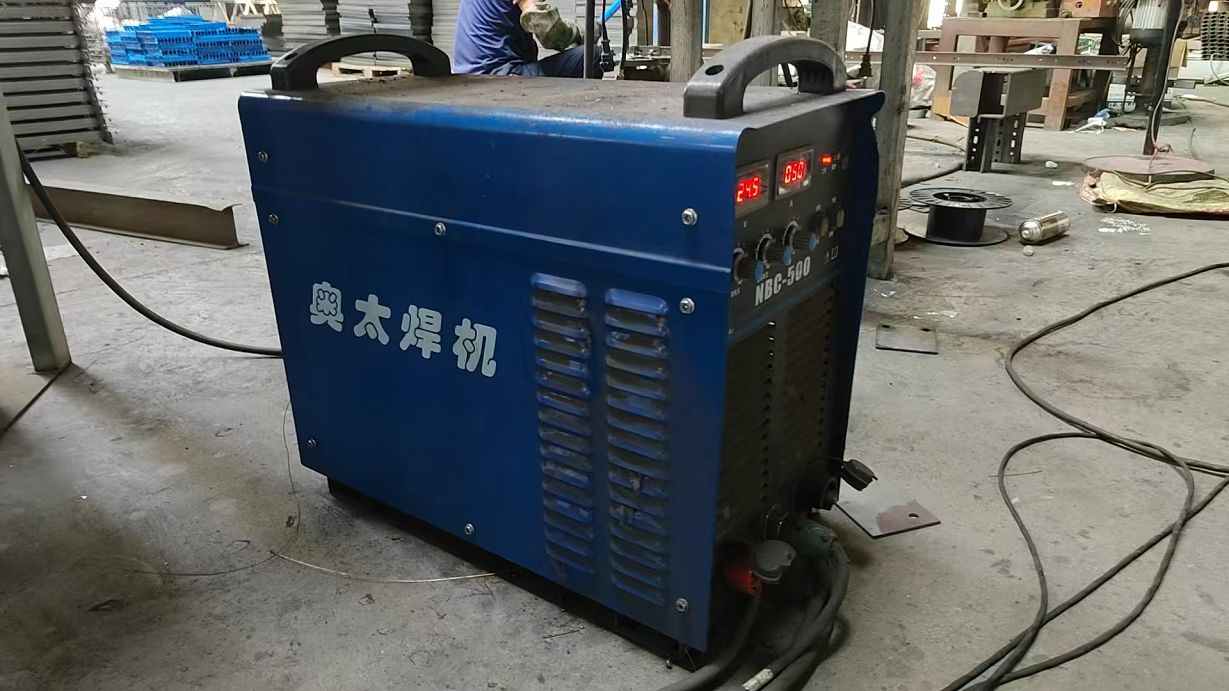
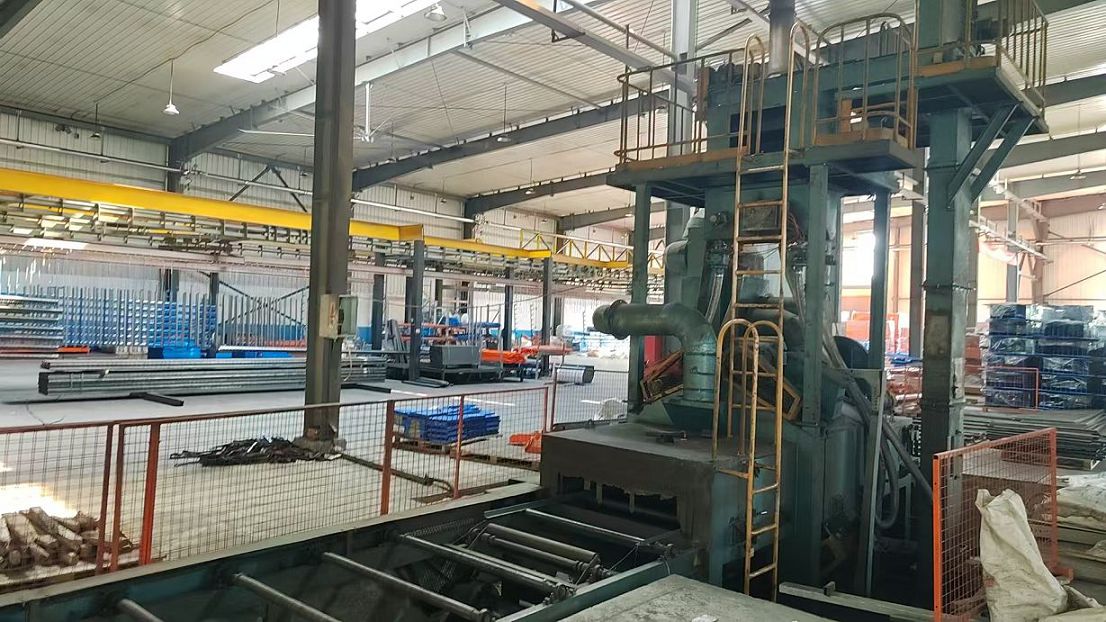
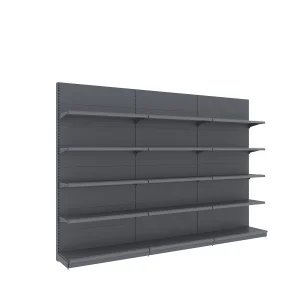
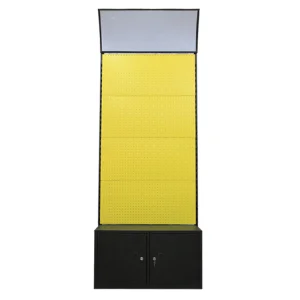
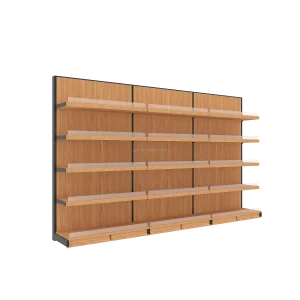
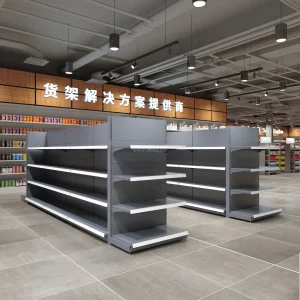
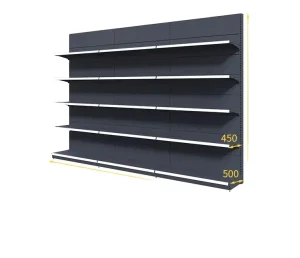
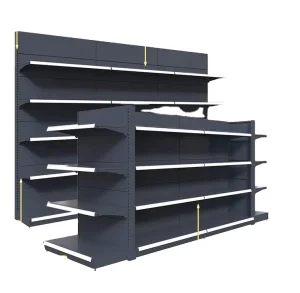
Explore our full engineering portfolio, featuring back net shelves, peg boards, stainless steel displays, and adjustable stack units.
Find direct, engineer-level answers regarding load capacity, custom fabrication, import logistics, and quality assurance standards.
 CoreStorage