Engineered to maximize product freshness, ease rotation, and withstand rigorous commercial environments in Southern California.
How regional dynamics drive the demand for state-of-the-art agricultural warehousing and structural storage technology.
The Greater Los Angeles area stands as the primary logistics gateway for North America's agricultural supply chain. Positioned at the crossroads of the Central Valley's multi-billion dollar agricultural output and massive import flows from the Port of Los Angeles and Port of Long Beach, LA cold storage operators face unique structural challenges. Temperature-controlled warehouses in industrial corridors such as Vernon, Commerce, and the Inland Empire require high-density, sanitary, and seismic-ready racking systems to manage millions of tons of perishables daily.
This demanding environment dictates a structural shift away from standard roll-formed steel racks toward heavy-duty structural channel racking. Storage systems must support massive dynamic loads under high-rotation FIFO (First-In, First-Out) operations while offering zero tolerance for corrosion or bacterial breeding grounds. Chengdu CoreStorage Logistics Equipment Manufacturing Co., Ltd. addresses this vital market by engineering tailored, high-grade steel solutions that withstand both the physical demands of high-throughput distribution and the harsh sanitization regimes required by US food safety regulations.
Adapting to technological advances, environmental pressures, and labor constraints in modern cold chains.
Real estate scarcity in major metropolitan areas like Los Angeles has pushed warehouse footprints vertical. VNA racking layouts combined with wire-guided forklift systems permit aisle widths down to 5.5 feet, yielding up to a 50% capacity improvement over standard selective configurations. This spatial optimization directly lowers refrigeration energy consumption per pallet position, a critical cost metric for cold chain operators.
Southern California's seismic profile demands advanced structural calculations. Racks are no longer treated as simple shelves; they are load-bearing, engineered structures. Racking columns utilize enlarged base plates, heavy-duty anchors, and high-ductility structural steel alloys. R&D centers run finite element analysis (FEA) to simulate earthquake stress patterns, ensuring storage systems remain stable during seismic events.
Organic acids from decaying produce, humidity, and chemical washes degrade standard steel. The industry is standardizing on pre-galvanized components, hot-dip galvanized (HDG) finishes, and specialized anti-microbial powder coatings. These treatments prevent oxidation and smooth out microscopic surface crevices where bacteria, mold, and pathogens could compromise food safety compliance.
Semi-automated pallet shuttle systems are replacing traditional drive-in configurations. Shuttles carry pallets inside deep lanes, minimizing forklift entry into racks. This reduces physical structural damage, speeds up the loading/unloading cycle for highly perishable goods, and guarantees strict FIFO inventory rotation to control spoilage.
Aligning manufacturing precision with strict international logistics demands and supply chain transparency.
Enterprise procurement teams from global retail distribution networks and heavy cold storage operators assess industrial racking suppliers based on a strict matrix of material origin, precision engineering, and quality assurance certifications. Sourcing structural steel storage requires verifying that materials conform to ASTM or European structural standards (EN 10025, Q355B equivalent). Standardized components must undergo rigorous mechanical properties evaluations, including yield strength, tensile testing, and impact energy absorption, to guarantee safety under maximum load configurations.
To operate reliably in wet, high-rotation operations, manufacturers must demonstrate control over the entire production cycle—from raw coil slitting and automated roll-forming to robotic welding and electrostatic powder coating lines. Procurement managers looking to supply distribution networks in North America, South America, and Europe benefit from a consolidated supplier model. An integrated manufacturer and global trading hub streamlines trade paperwork, provides engineered structural drawings, and offers compliance documentation to expedite local municipal permitting processes.
Pioneering Intelligent Modular Racking Design and structural safety compliance for global distribution systems.
Founded in 2016, Chengdu CoreStorage Logistics Equipment Manufacturing Co., Ltd. has established itself as an industry leader in heavy-duty logistics storage solutions. Operating from a state-of-the-art 22,000 m² factory floor, we generate an annual export revenue of over $15,000,000. We combine 6 years of global trade experience with 11 years of industrial rack manufacturing to supply dependable, long-term warehousing solutions to cold chain facilities, food processing plants, and wholesale grocery distribution centers.
To ensure load capacity integrity in challenging warehouse environments, our quality management procedures conform strictly to ISO 9001 and CE Structural Safety Standards. We leverage advanced CMM Automated Dimensional Checking and Load Stress Testing equipment to verify structural tolerances and weld penetration. Supported by 28 skilled QC inspectors and an active partnership with 650 supply chain suppliers, we reliably service logistics operators, heavy wholesalers, and manufacturing hubs across the Americas, the Middle East, and Europe.
Driven by Intelligent Modular Racking Design, our in-house engineering team provides tailored adjustments, including corrosion-resistant galvanization finishes, custom column profiles, and adjustable beam configurations. Last year, our 18 R&D engineers launched 28 new product designs, meeting the changing needs of logistics and food safety engineering.
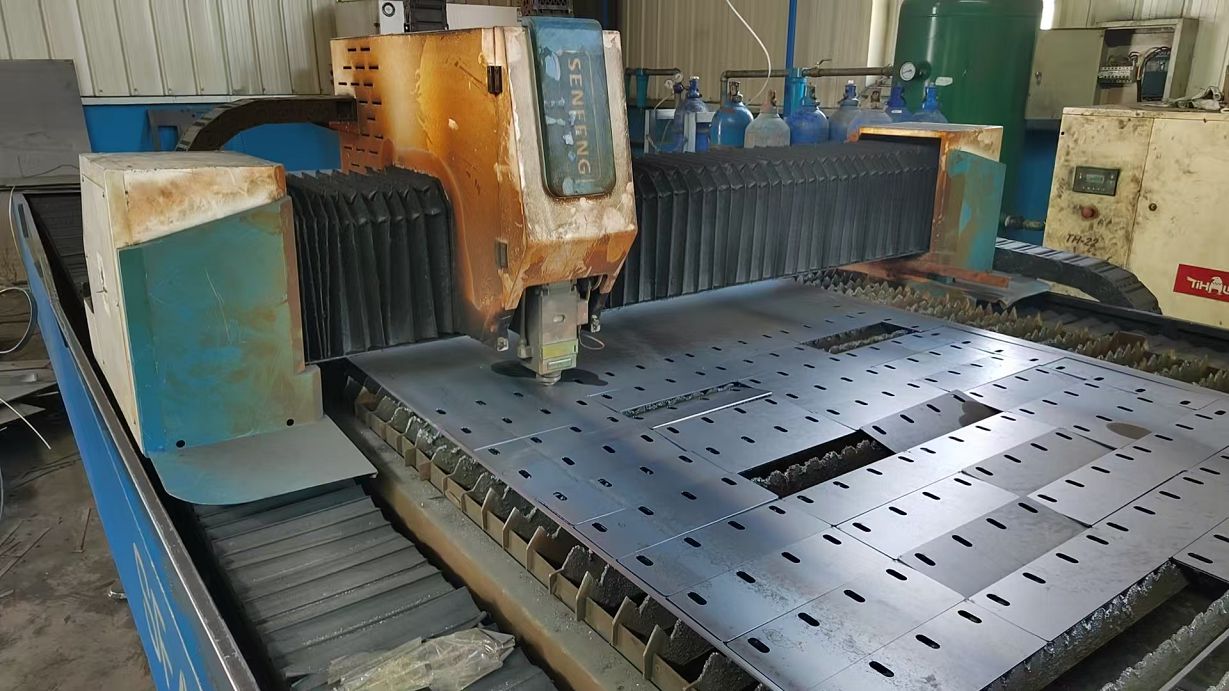
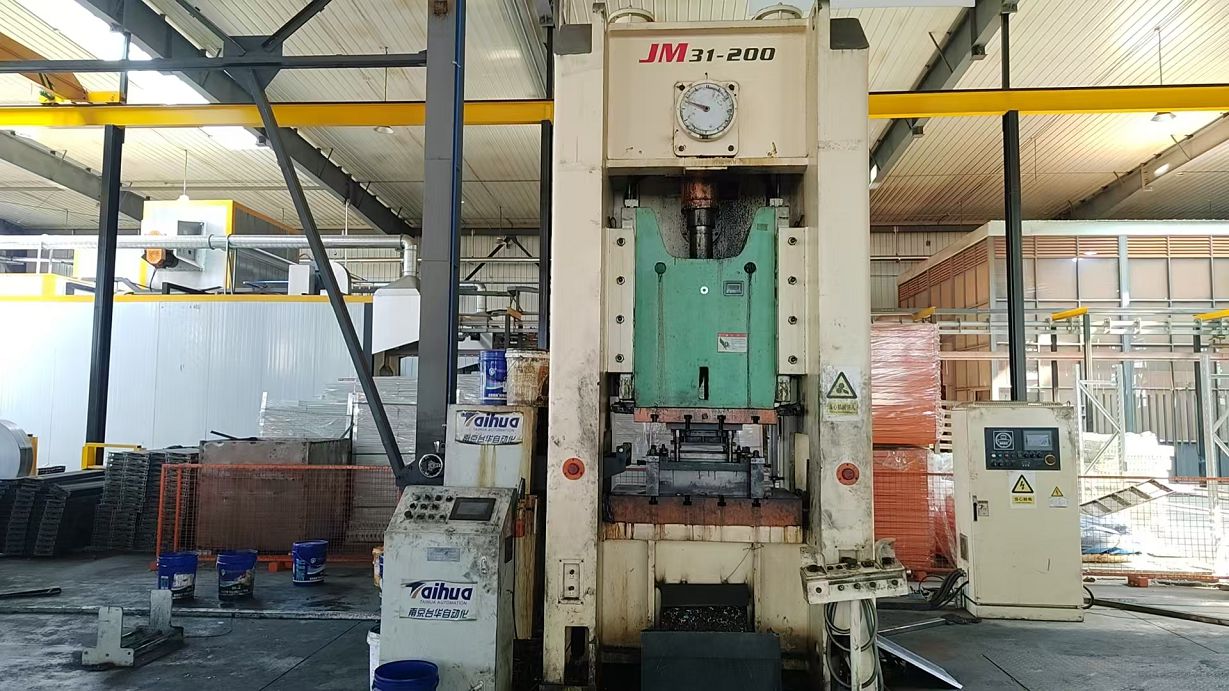
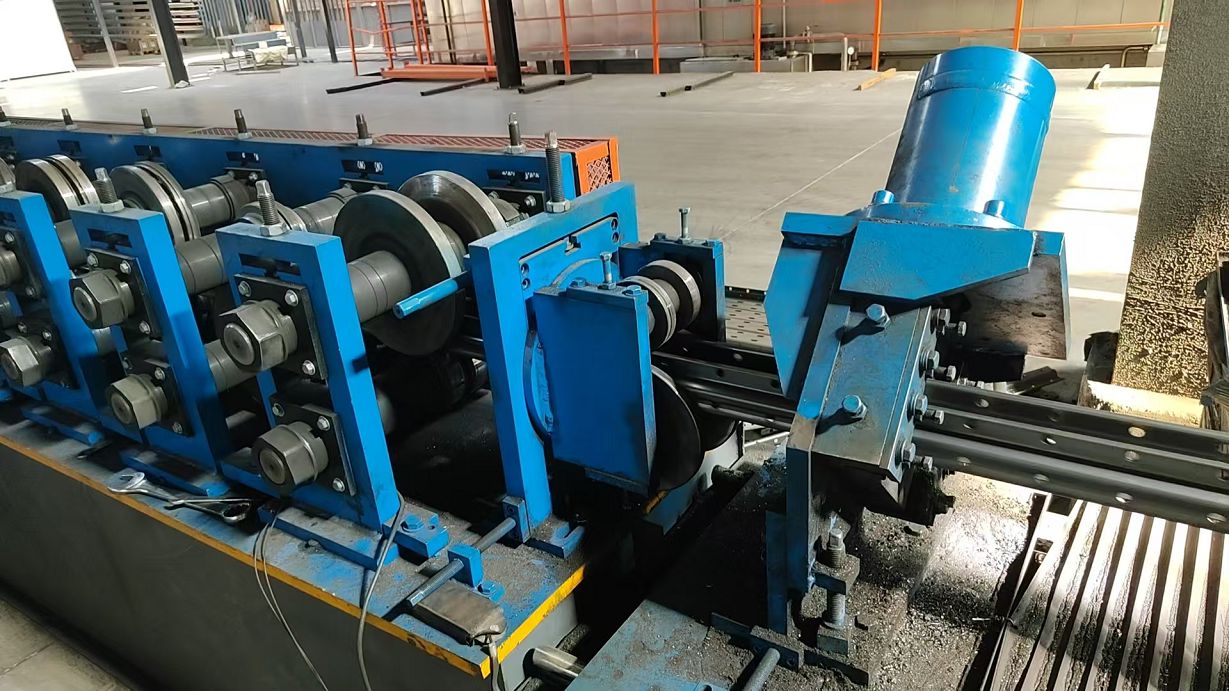
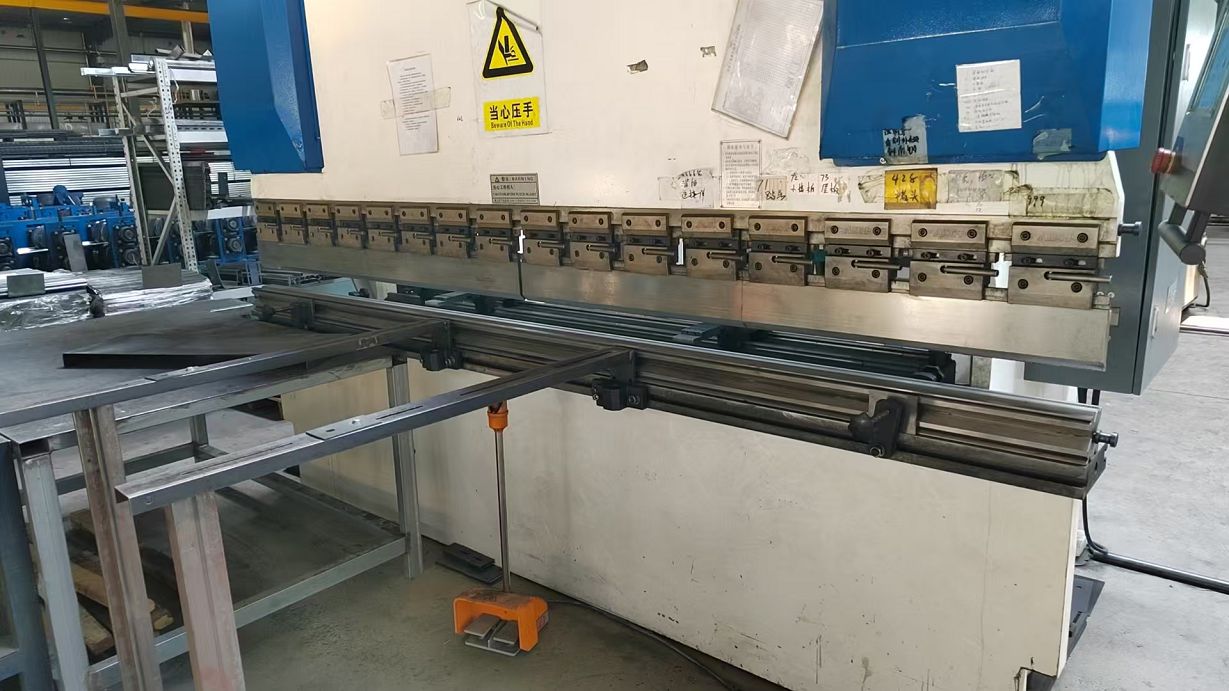
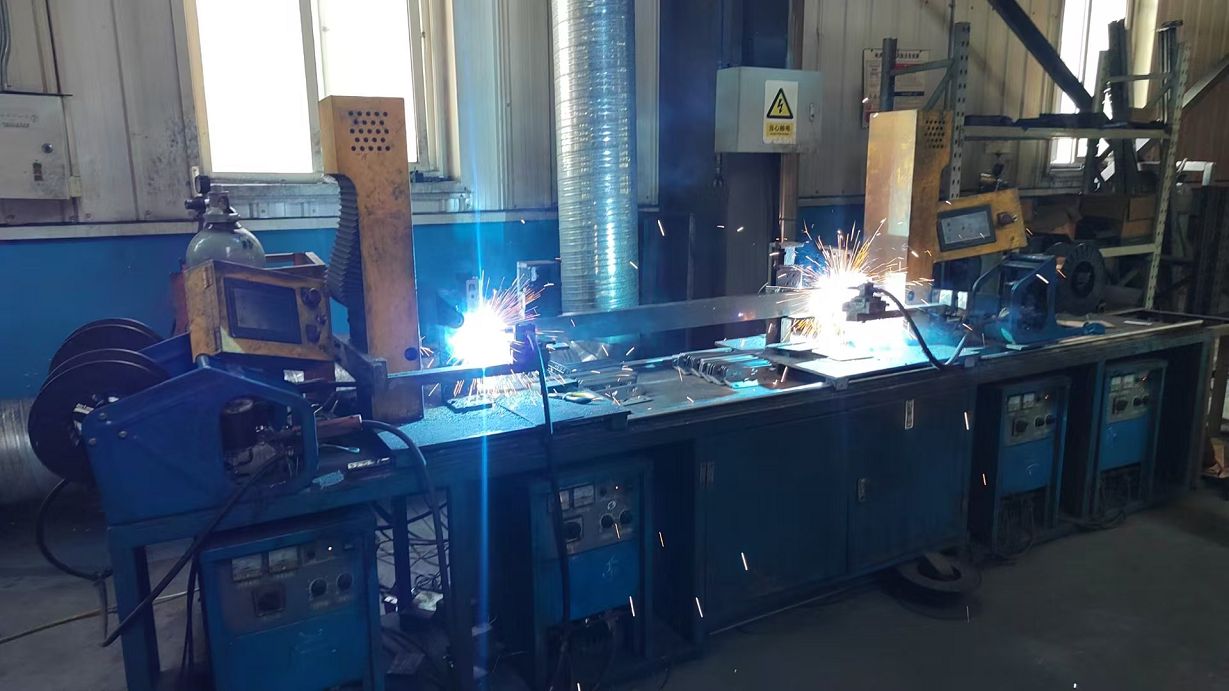
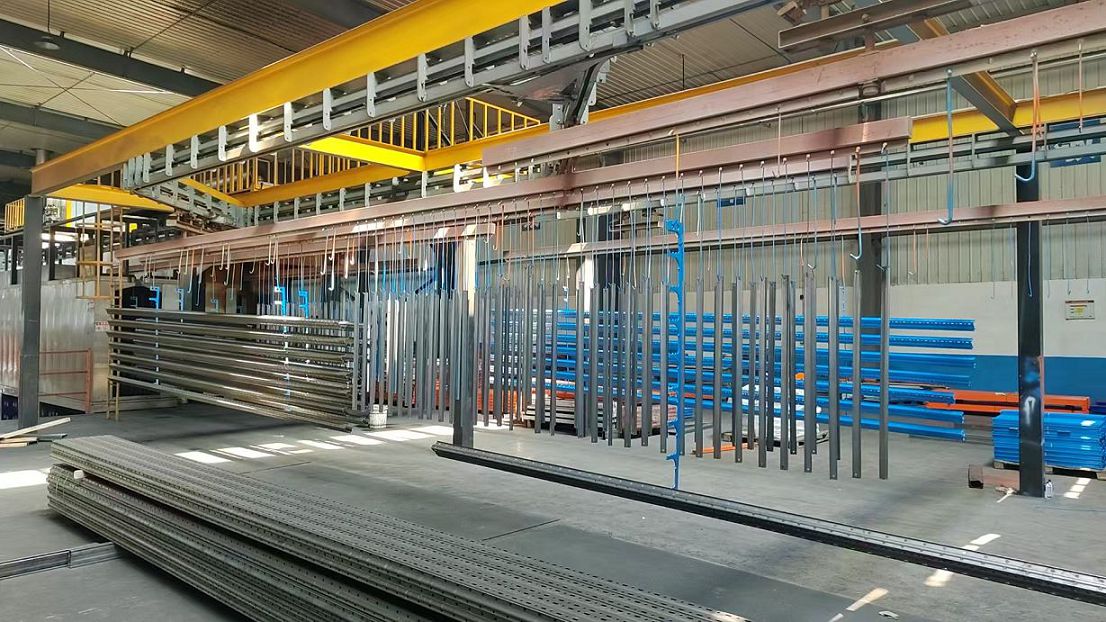
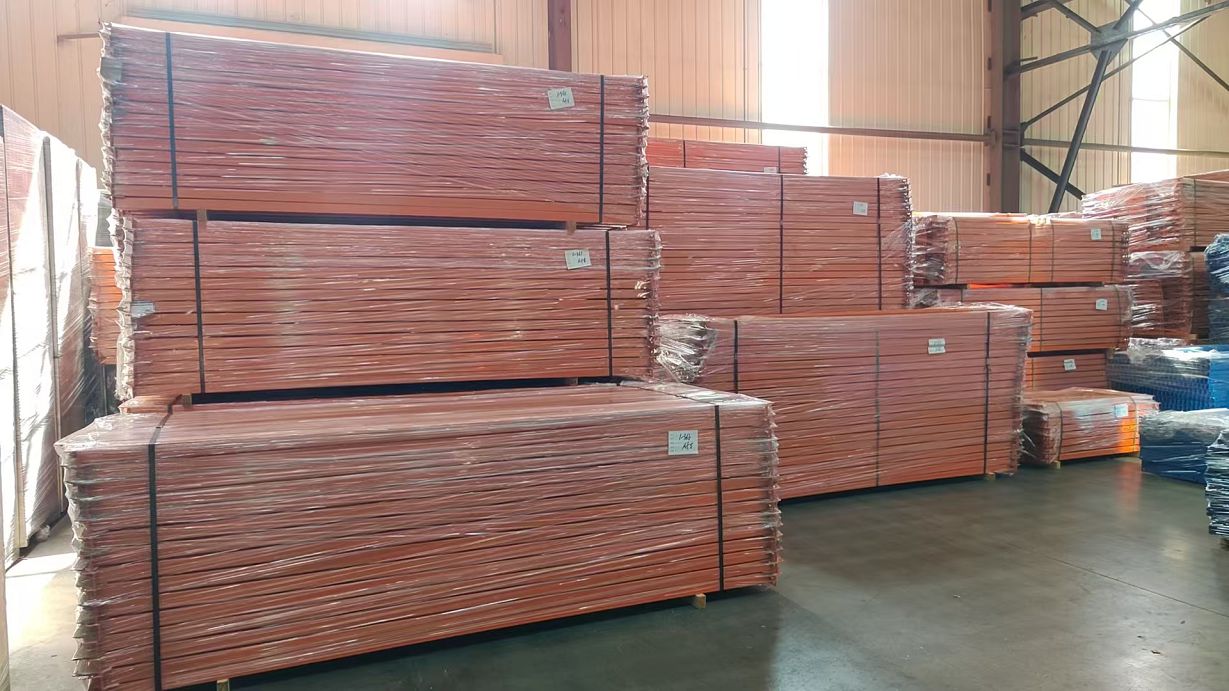
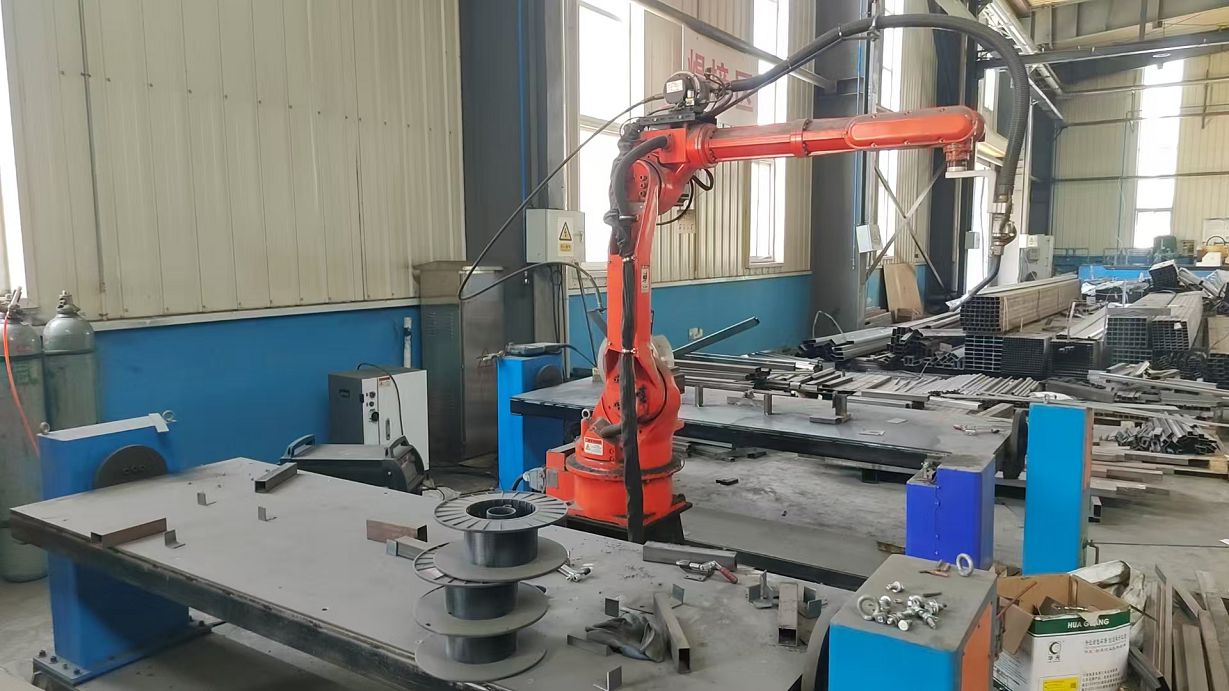
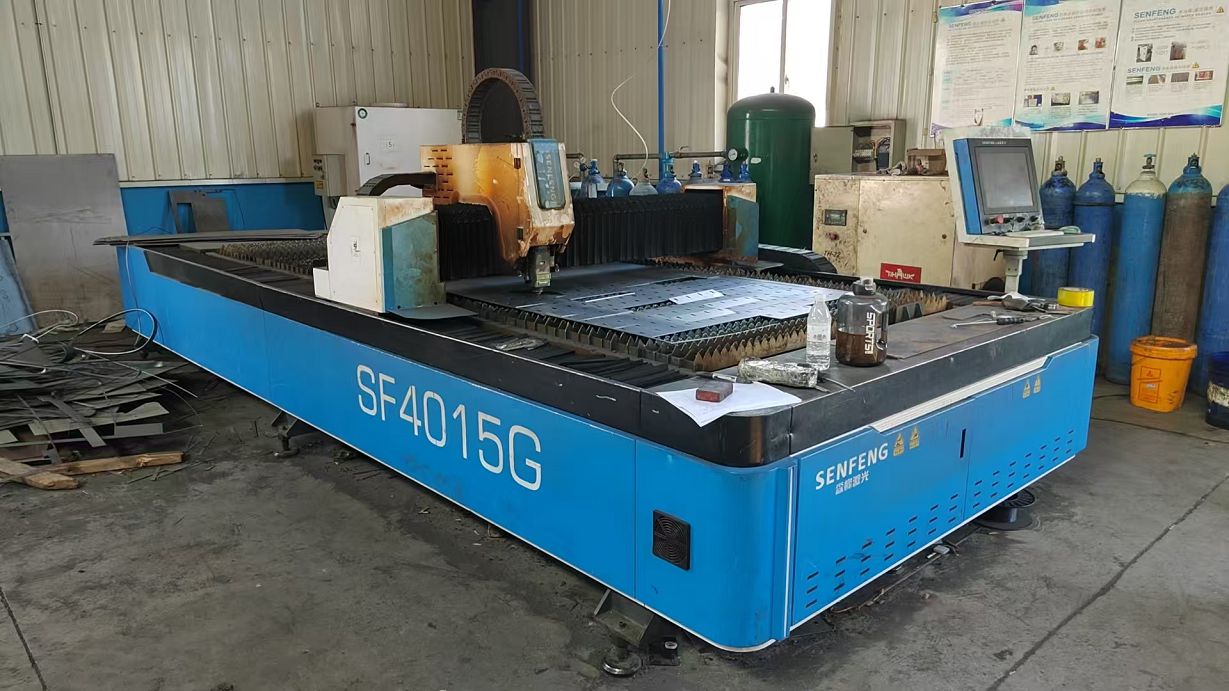
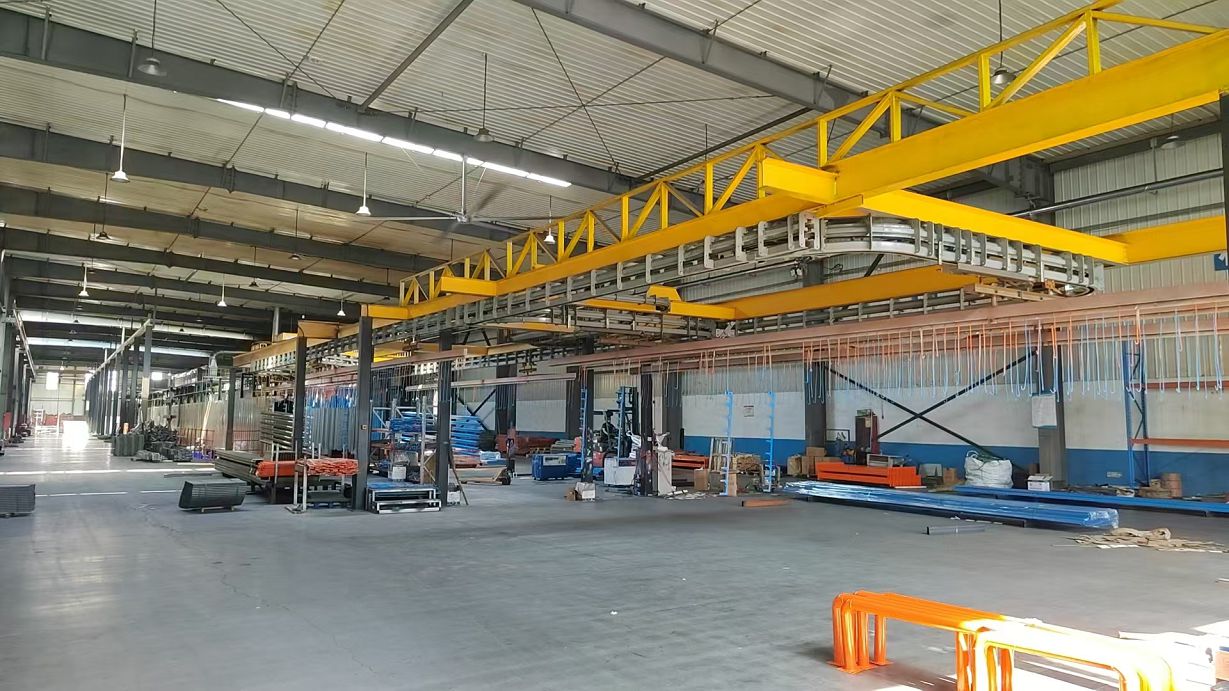
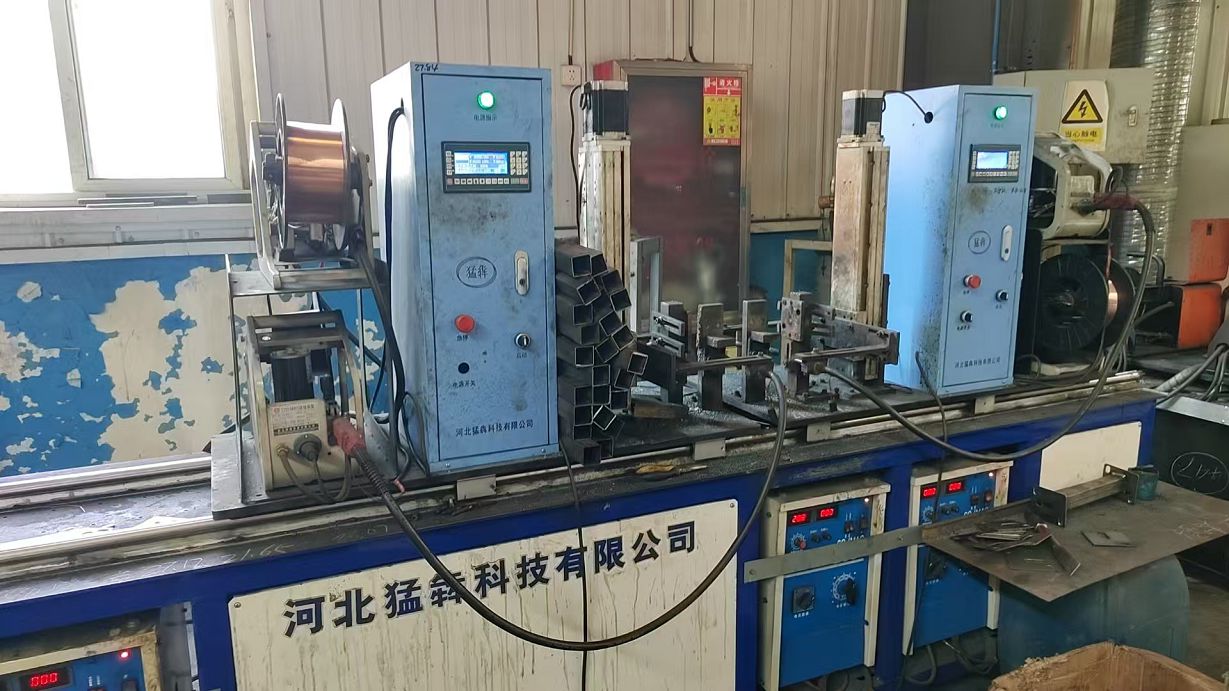
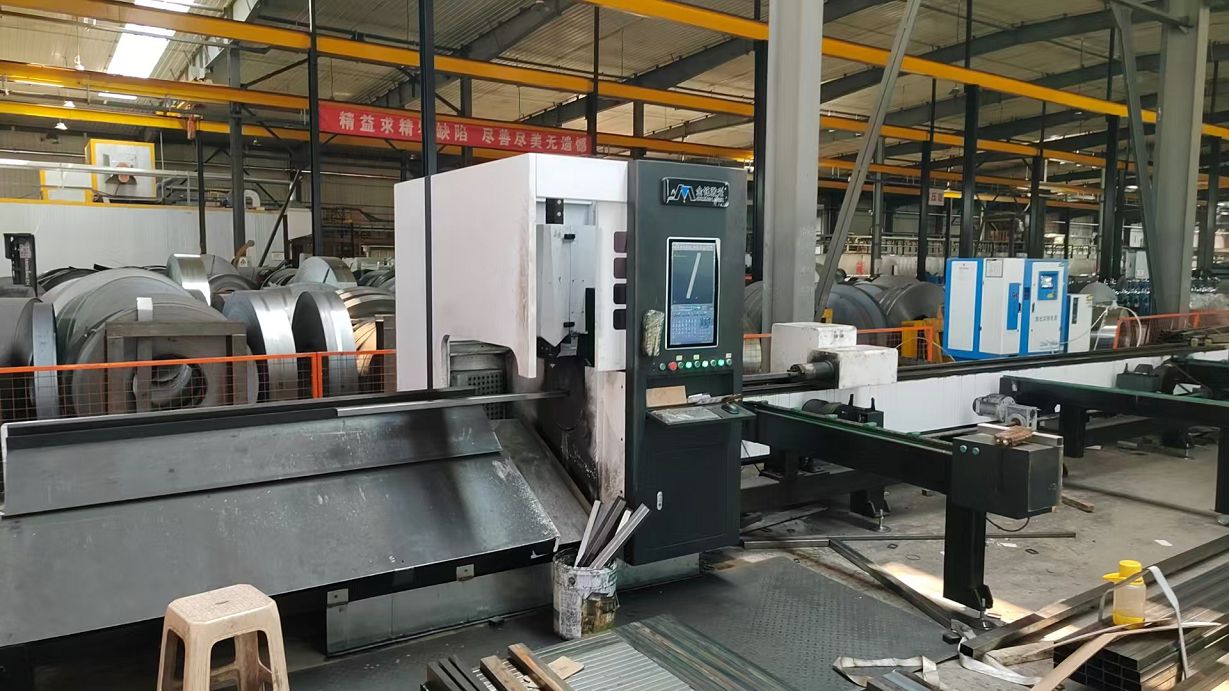
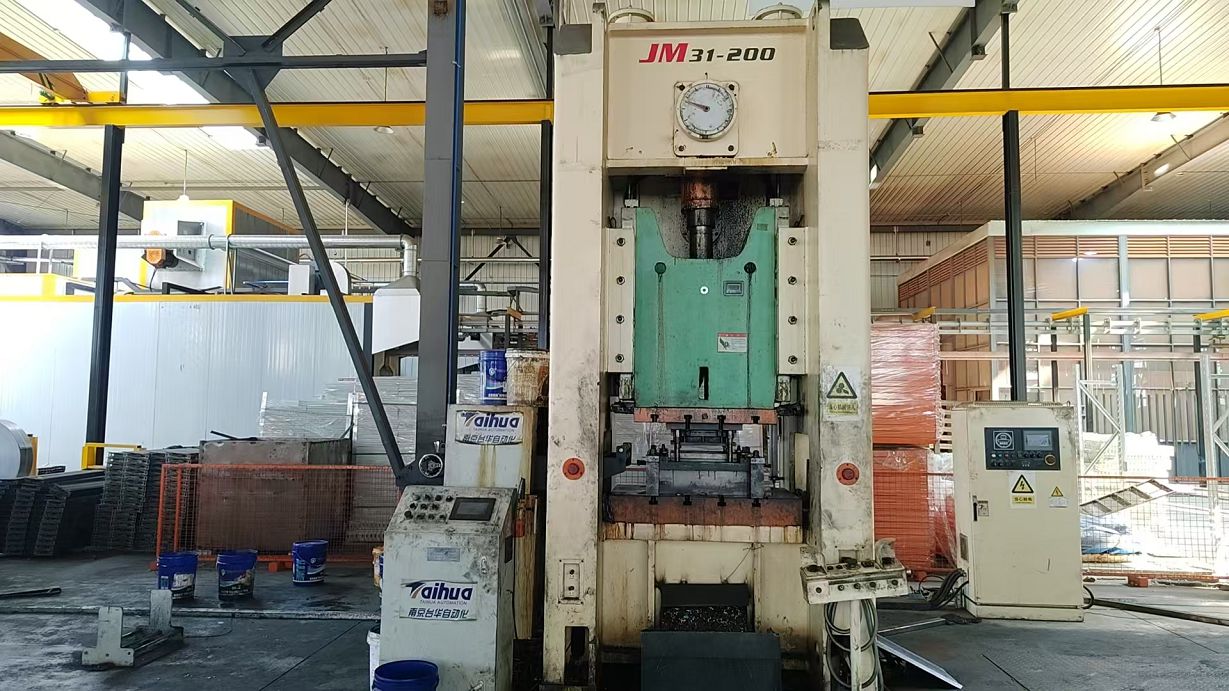
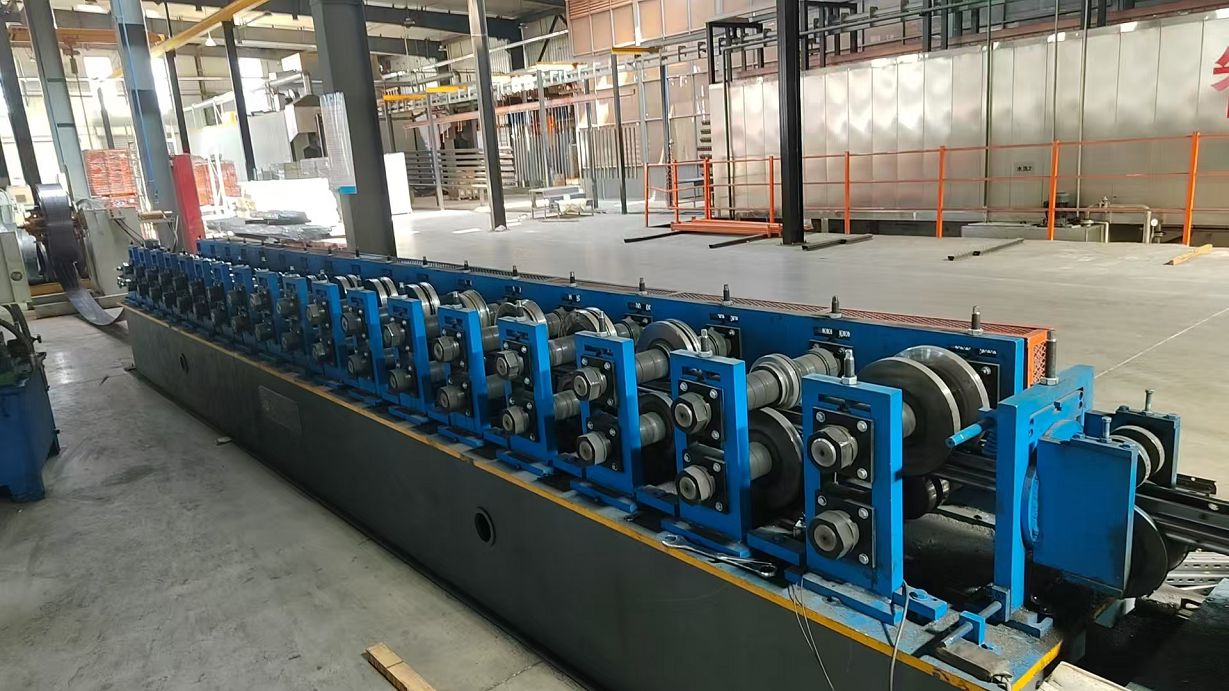
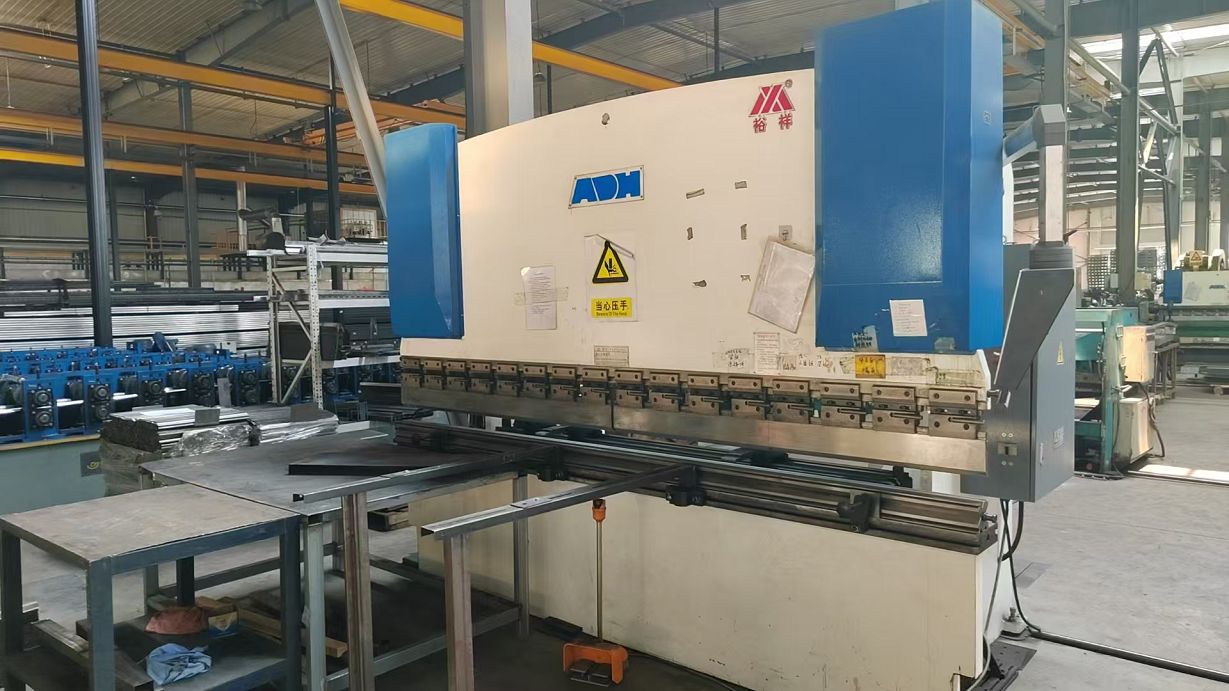
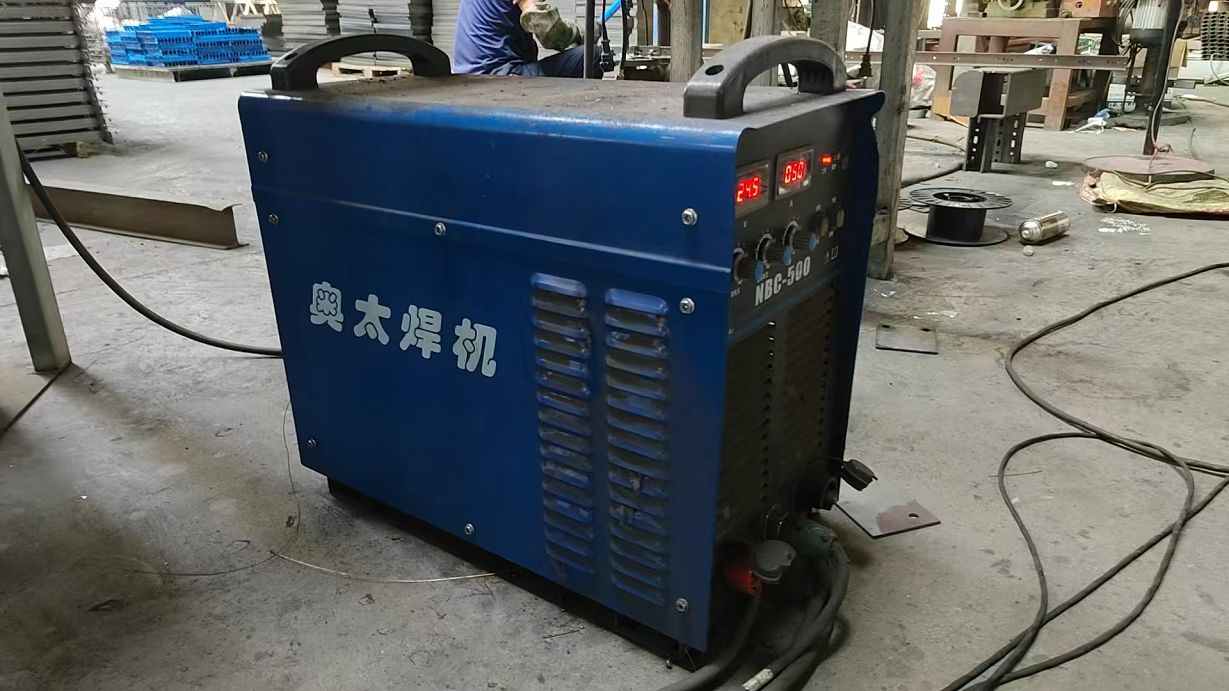
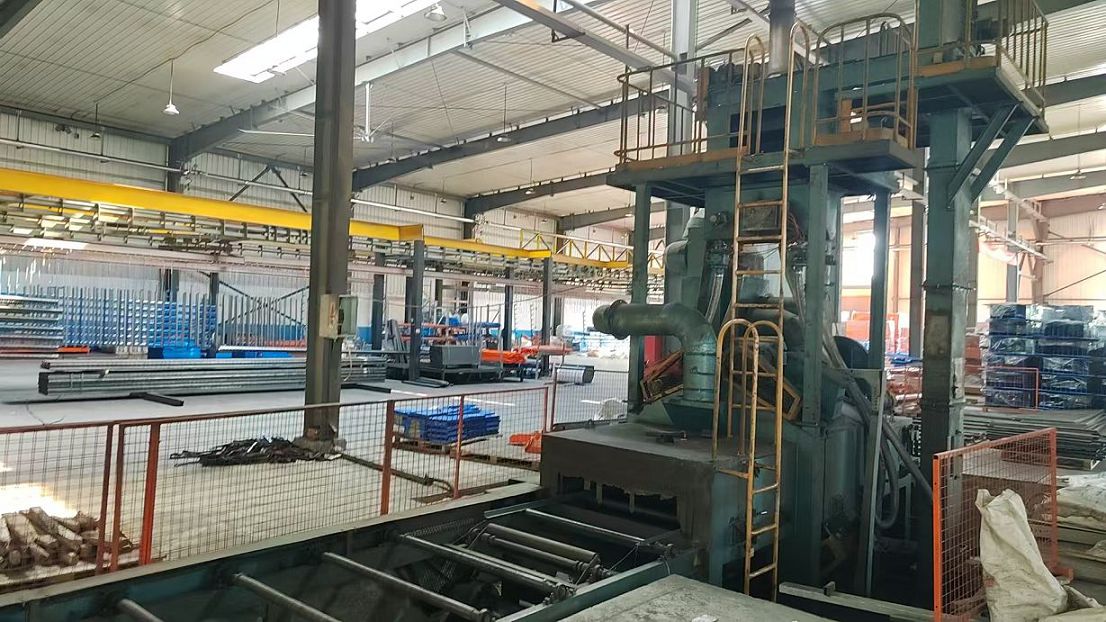
Systematic layouts designed to withstand severe thermal, physical, and environmental stress profiles.
Designing racking systems for fruit and vegetable distribution in Los Angeles requires a deep understanding of thermodynamics and seismic engineering. Under-designed storage racks in a sub-zero cold room risk structural cracking. As steel cools, its impact toughness decreases, increasing the risk of brittle fractures under sudden forklift impacts. Our engineers mitigate this by utilizing high-ductility carbon steel grades specifically rated for low-temperature applications.
Furthermore, to maintain sanitary conditions required by US FDA (Food and Drug Administration) and USDA guidelines, the storage system must support thorough cleaning procedures. High-pressure washdowns with chlorinated sanitizers will quickly oxidize standard painted coatings. CoreStorage solves this by utilizing hot-dip galvanized finishes conforming to ASTM A123 standards, ensuring a minimum zinc coating thickness of 85 microns. This protective layer provides reliable barrier protection, maintaining structural integrity and sanitary compliance even in wet, high-humidity produce ripening rooms.
Embracing digital connectivity, structural monitoring, and sustainable manufacturing practices.
The industrial storage industry is transitioning from passive steel frameworks to intelligent, connected systems. CoreStorage's R&D efforts center on integrating physical storage components with modern warehouse management software and structural monitoring tools. Over the next five years, our engineering department is focusing on three key technology pillars:
Expert technical answers addressing permitting, environmental durability, and structural logistics calculations.
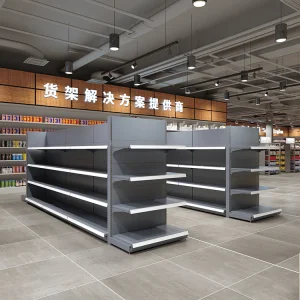
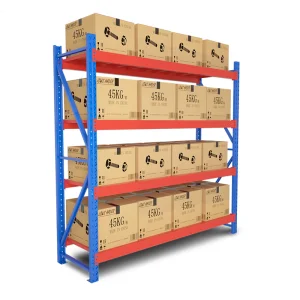
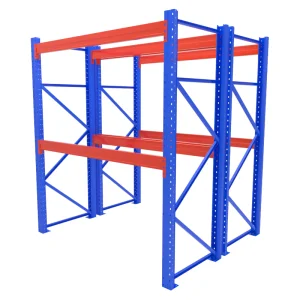
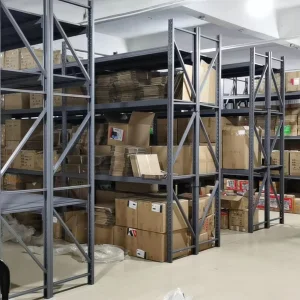
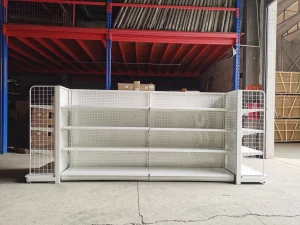
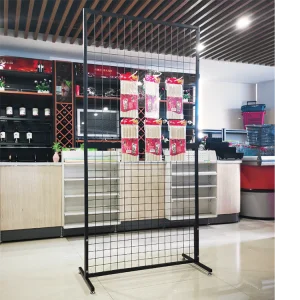
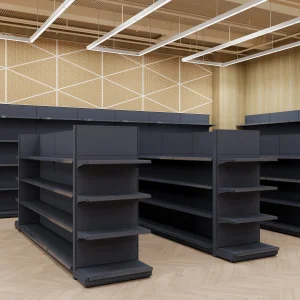
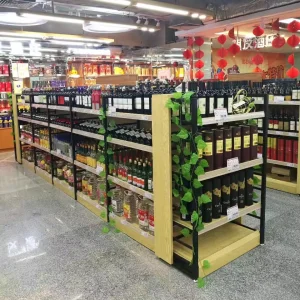
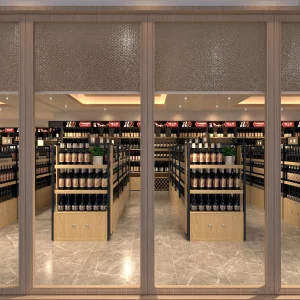
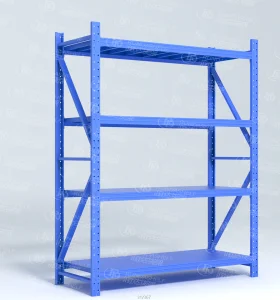
A comprehensive selection of storage systems engineered for logistics centers, grocery wholesale, and boutique retail setups.
 CoreStorage