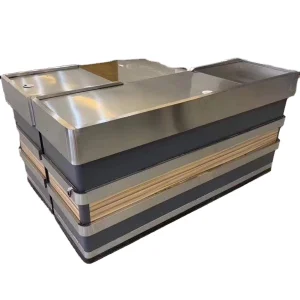
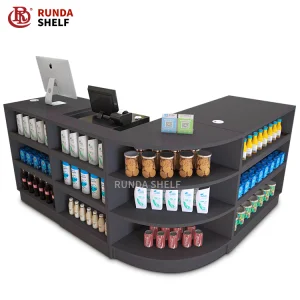
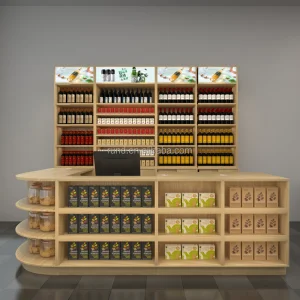
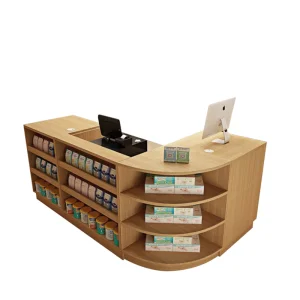
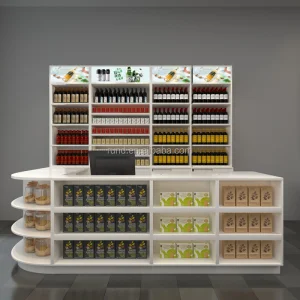
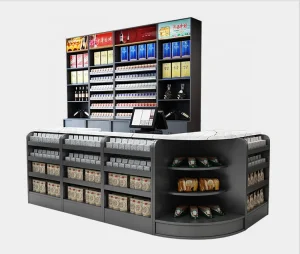
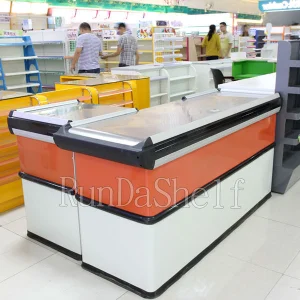
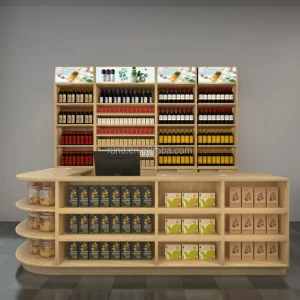
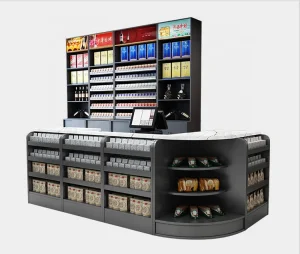
Engineered for high-volume retail hubs, these initial configurations combine robust steel construction with space-optimized corner units to maximize footprint efficiency.
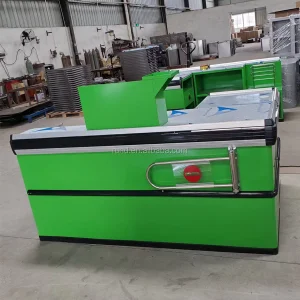
A B2B Whitepaper on space-optimization, retail ergonomics, and high-frequency cash wrap configuration.
Osaka, historically known as Japan’s merchant capital, represents one of the most densely packed retail environments in the world. From the sprawling underground shopping arcades of Umeda and Namba to the high-density neighborhood grocery stores across the Kansai region, commercial real estate is prized on a per-square-meter basis. For B2B procurement managers and store planners, the checkout area is not merely a payment terminal; it is a critical zone where operational efficiency, customer satisfaction, and space utilization intersect.
In Osaka, the concept of **坪単価 (Tsubo-tanka)**—sales revenue per unit of floor area—drives all architectural layouts. Store front-ends must maximize throughput while occupying minimal physical square footage. Unlike expansive Western supermarkets, Osaka retail layouts demand compact, modular cashier desks that can integrate multiple POS subsystems. These include automatic cash recyclers (commonly manufactured by Glory or NEC), barcode scanners, passport readers for tax-free shopping, and digital display mounts. Additionally, local consumer habits require checkout systems that facilitate fast bagging processes and smooth transaction flows to prevent queue bottlenecks, which can directly cause cart abandonment in high-traffic urban areas.
On a global scale, the checkout counter market is undergoing a structural transition. Legacy, single-unit static cashier tables are rapidly being replaced by intelligent, modular cash wraps. The driver is clear: rising operational costs and labor shortages. In Japan and Europe, aging demographics have created a critical shortage of retail staff. Consequently, checkout desks must be designed to adapt seamlessly from manned operations to self-checkout (SCO) or semi-self-checkout (hybrid) configurations.
Furthermore, international retail chains are focusing on ergonomics and barrier-free access. Global standards, such as the Americans with Disabilities Act (ADA) in the United States and the Barrier-Free Act in Japan, require that front-end counters feature lowered profiles or adjustable sections to accommodate disabled shoppers and cashiers. The structural integrity of the counter framework must also support heavy weight loads from incoming baskets while integrating sophisticated cable management pathways to shield complex electronics from dust, moisture, and accidental spills.
To meet the precise demands of the Japanese and global retail markets, Chengdu CoreStorage Logistics Equipment Manufacturing Co., Ltd. provides a direct-to-factory supply model that bridges cost-efficiency and uncompromising quality. Founded in 2016 and operating a **22,000 m² modern manufacturing facility**, we bring 6 years of international trade expertise and 11 years of specialized industrial fabrication experience to every project. Our annual export revenue exceeds **$15,000,000**, serving major wholesale distribution chains, retail groups, and cold-storage operations across the globe.
Quality control is the bedrock of our manufacturing philosophy. Our production process conforms strictly to **ISO 9001 and CE Structural Safety Standards**. We employ **CMM Automated Dimensional & Load Stress Testing** to ensure that every welded joint, support column, and shelf profile can withstand years of high-volume commercial wear. Supported by a dedicated Quality Department of 28 inspectors, we maintain detailed material traceability from raw steel coils to the final finished product. Our R&D team, consisting of 18 engineers, successfully released **28 new product designs** last year, adapting to localized requirements such as anti-microbial surfaces, specialized scanner mounts, and anti-vibration cash recycler enclosures.
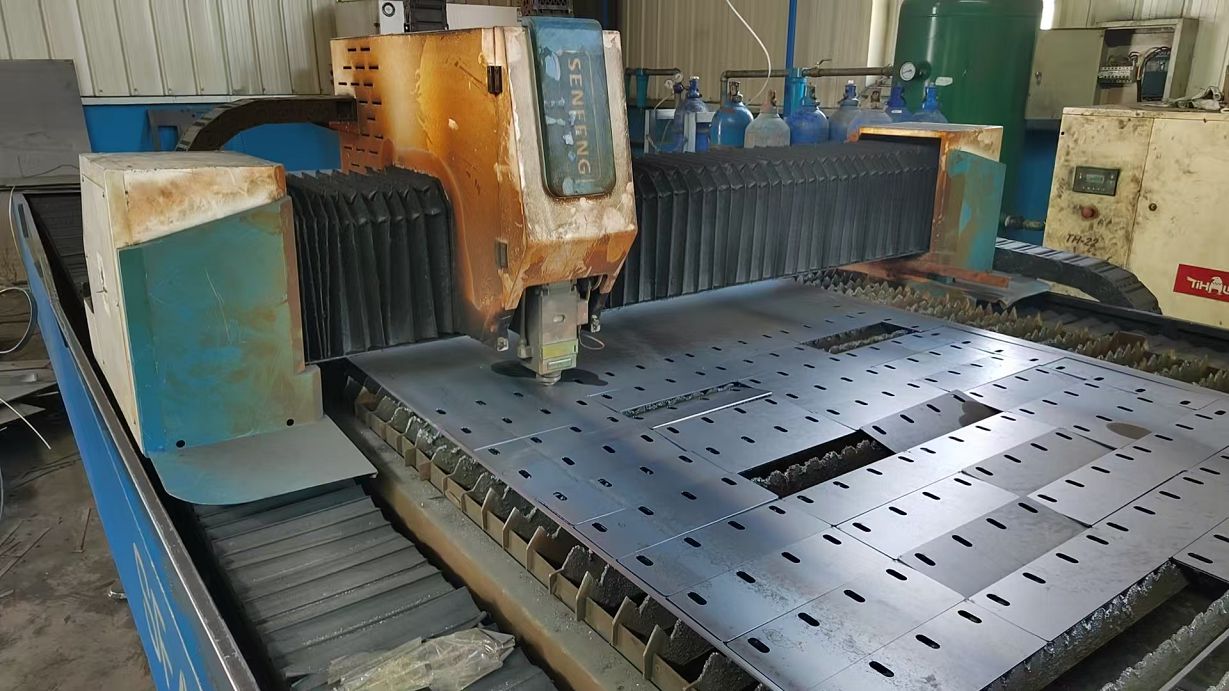
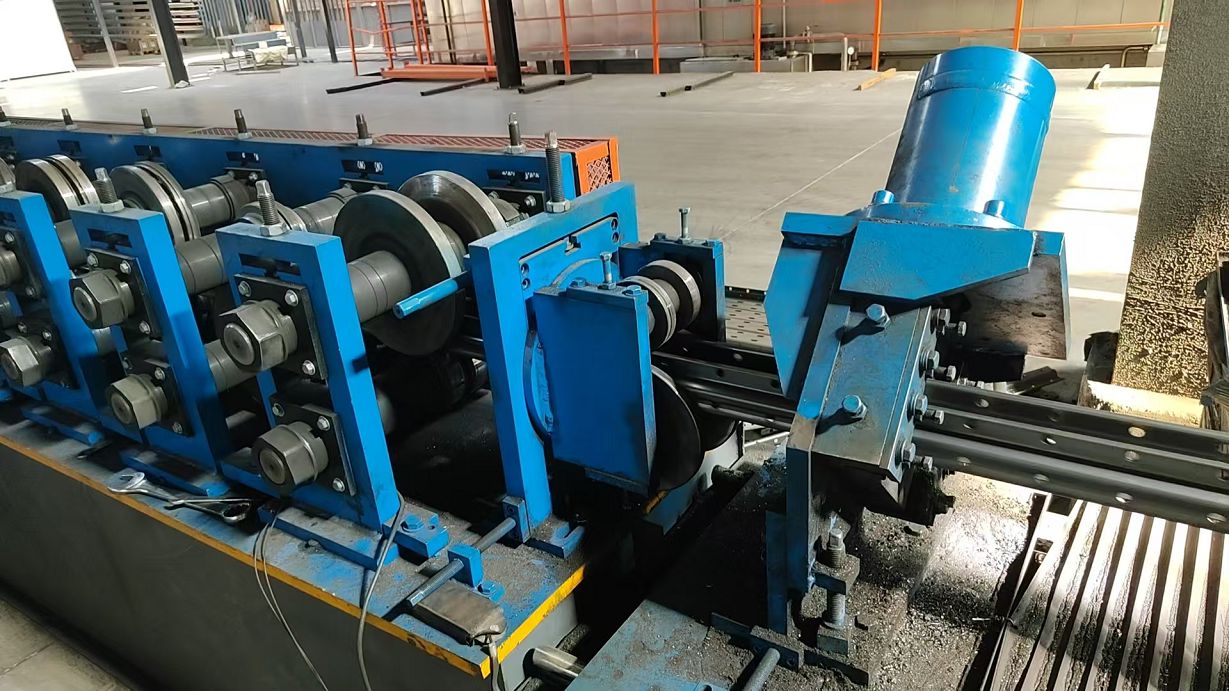
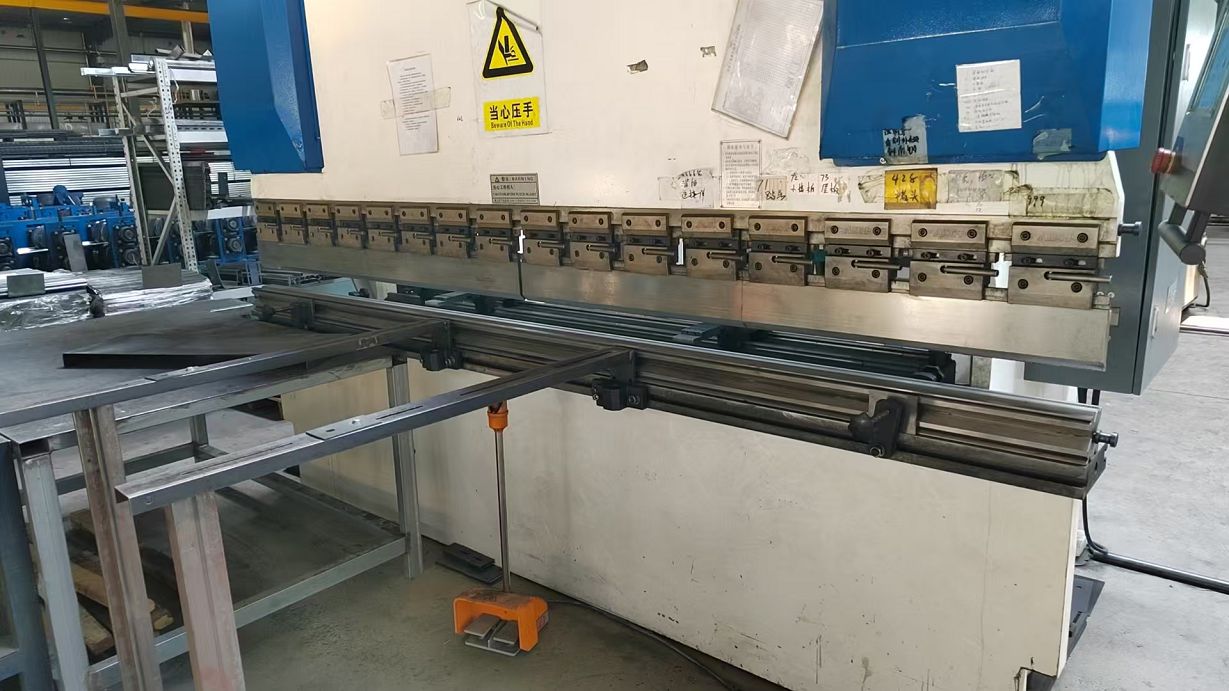
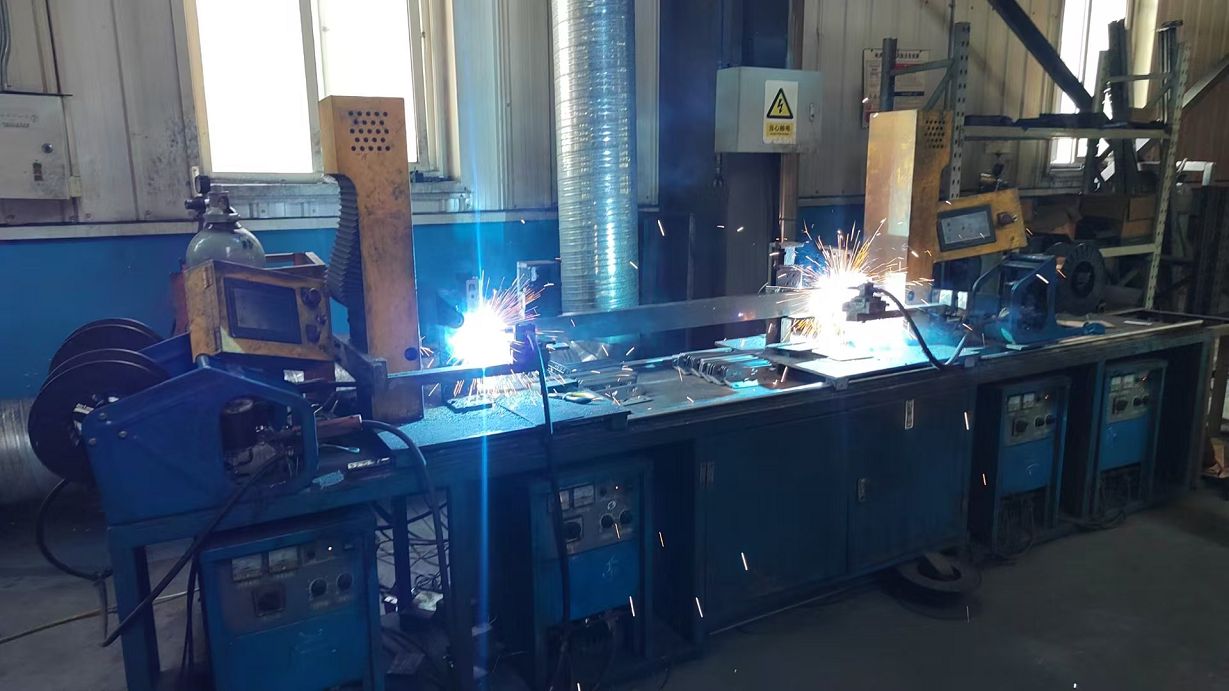
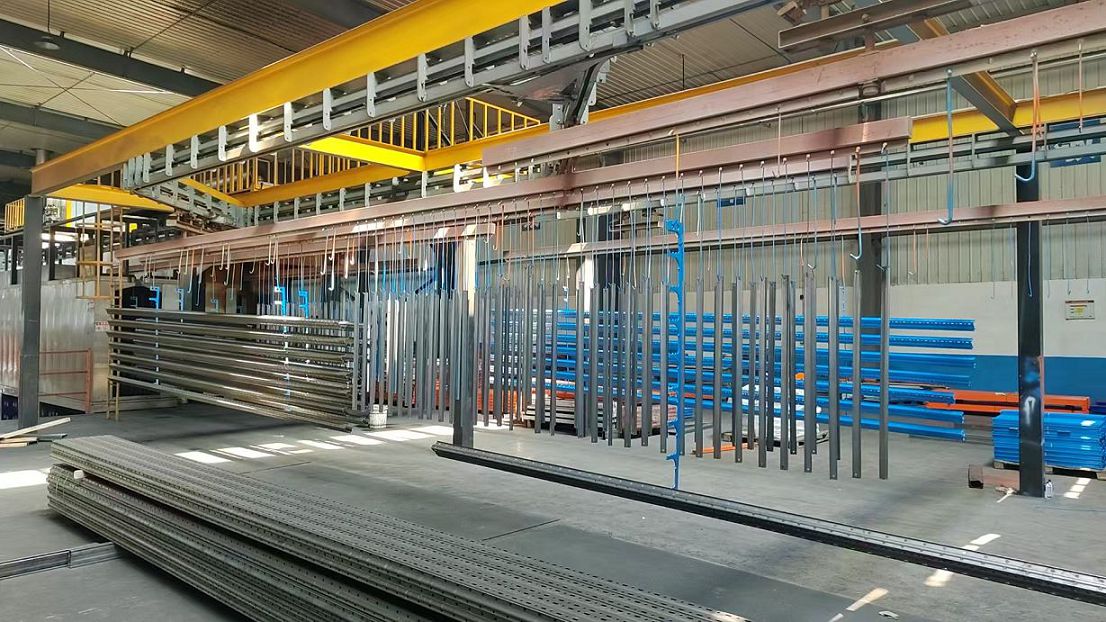
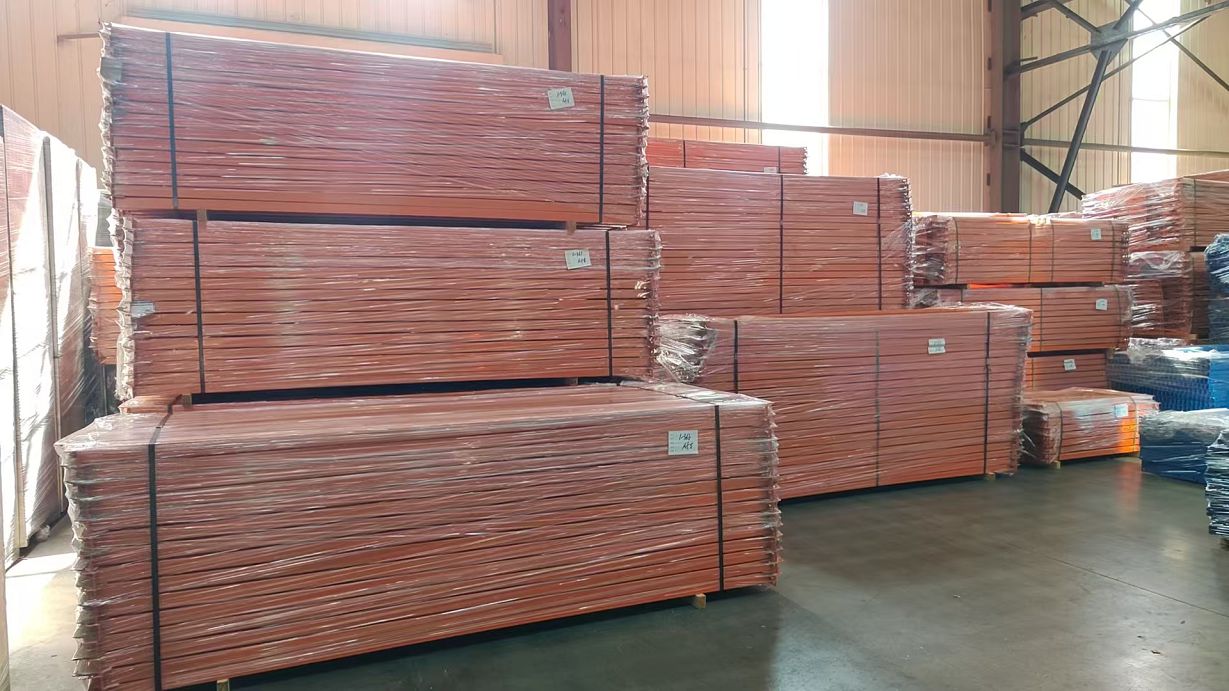
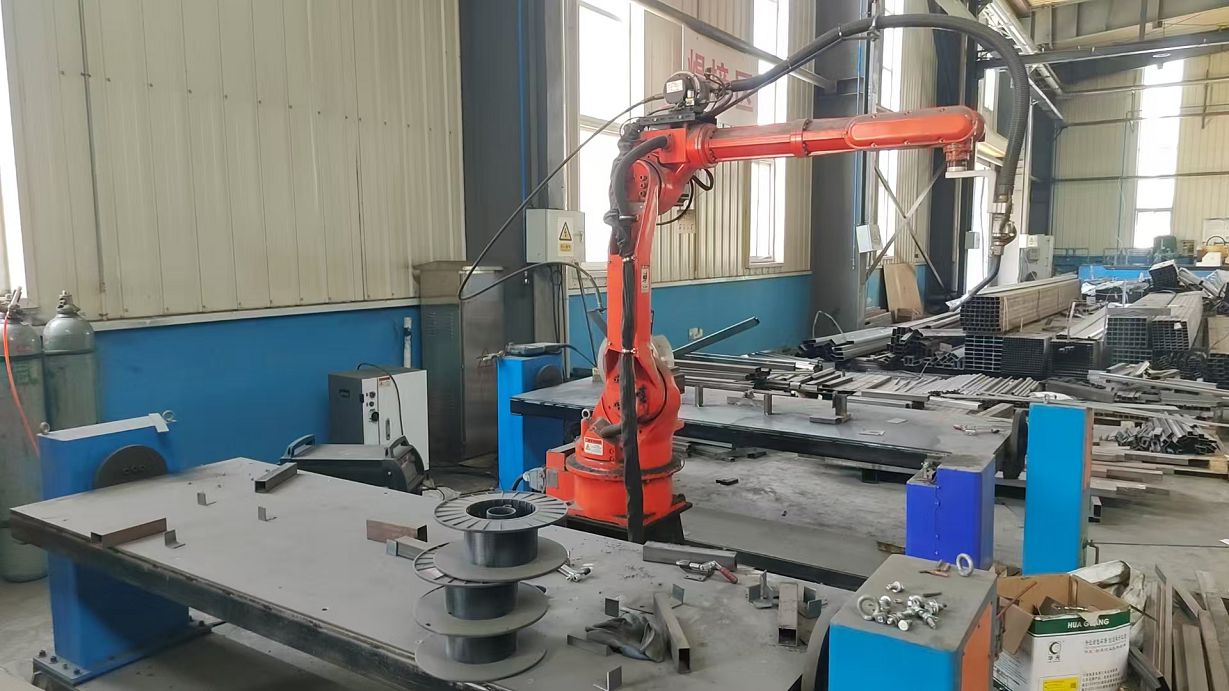
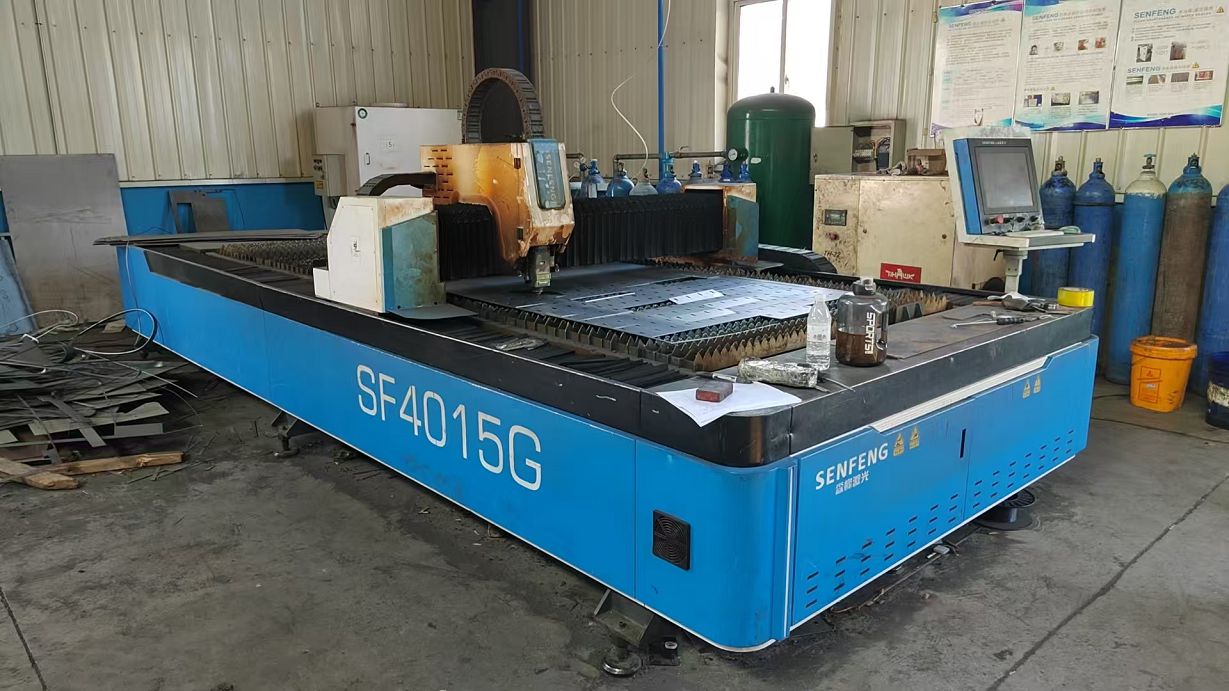
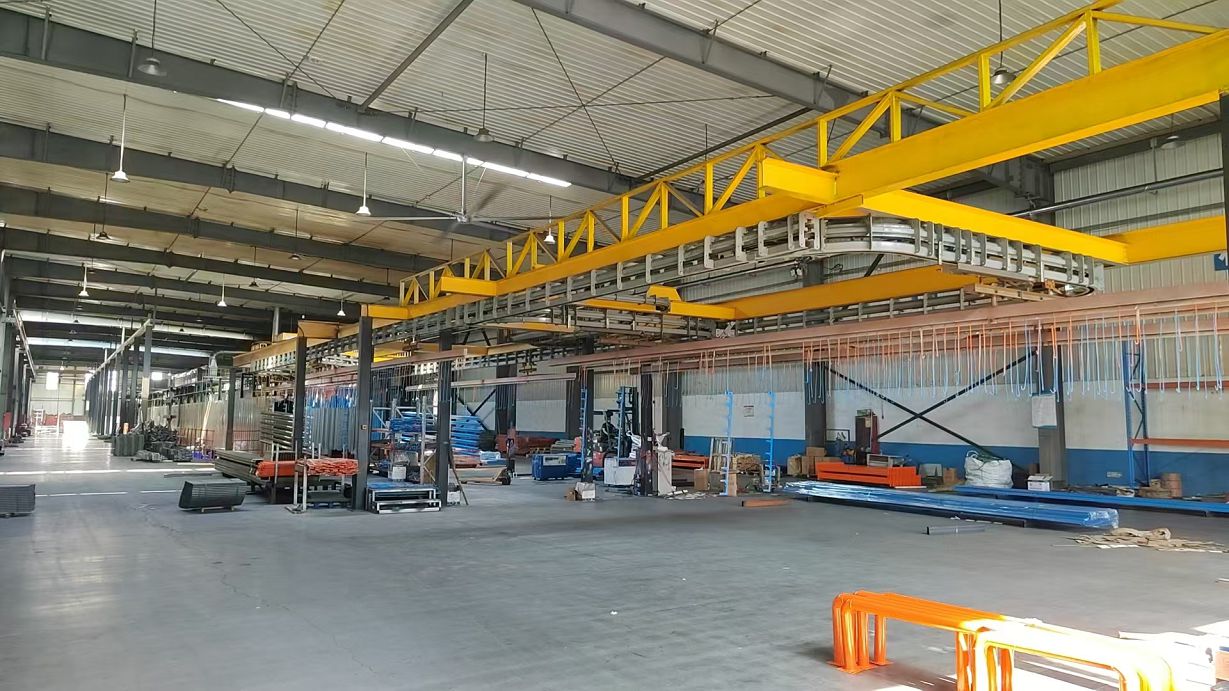
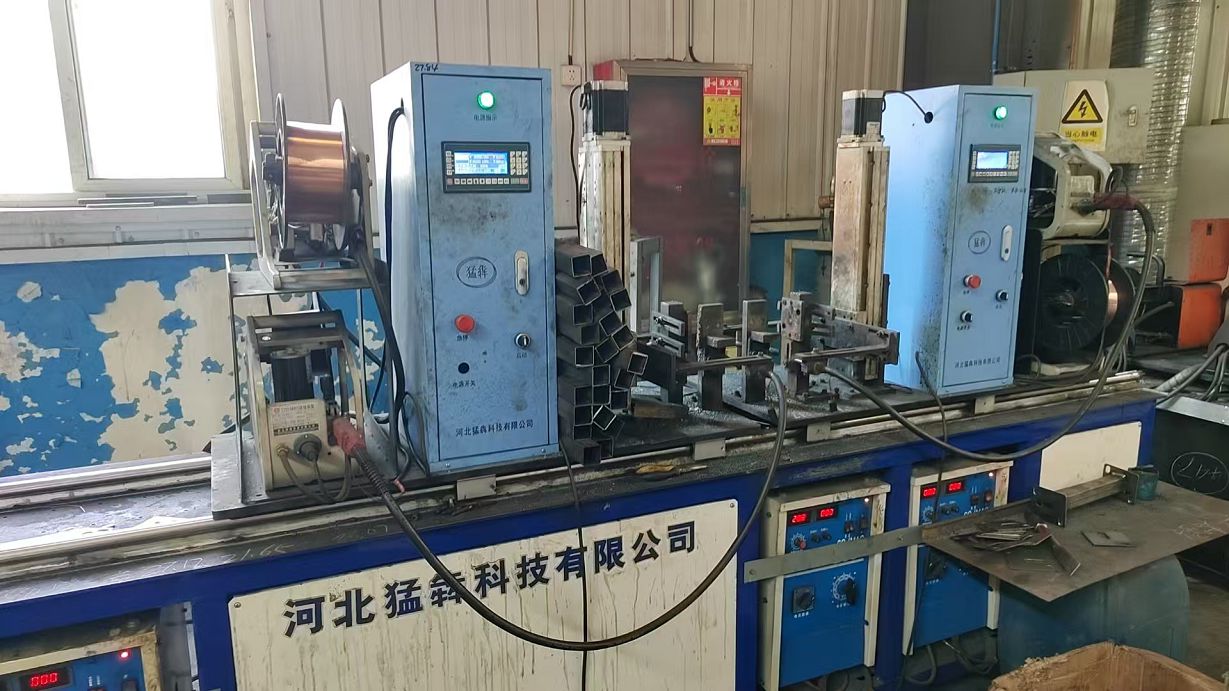
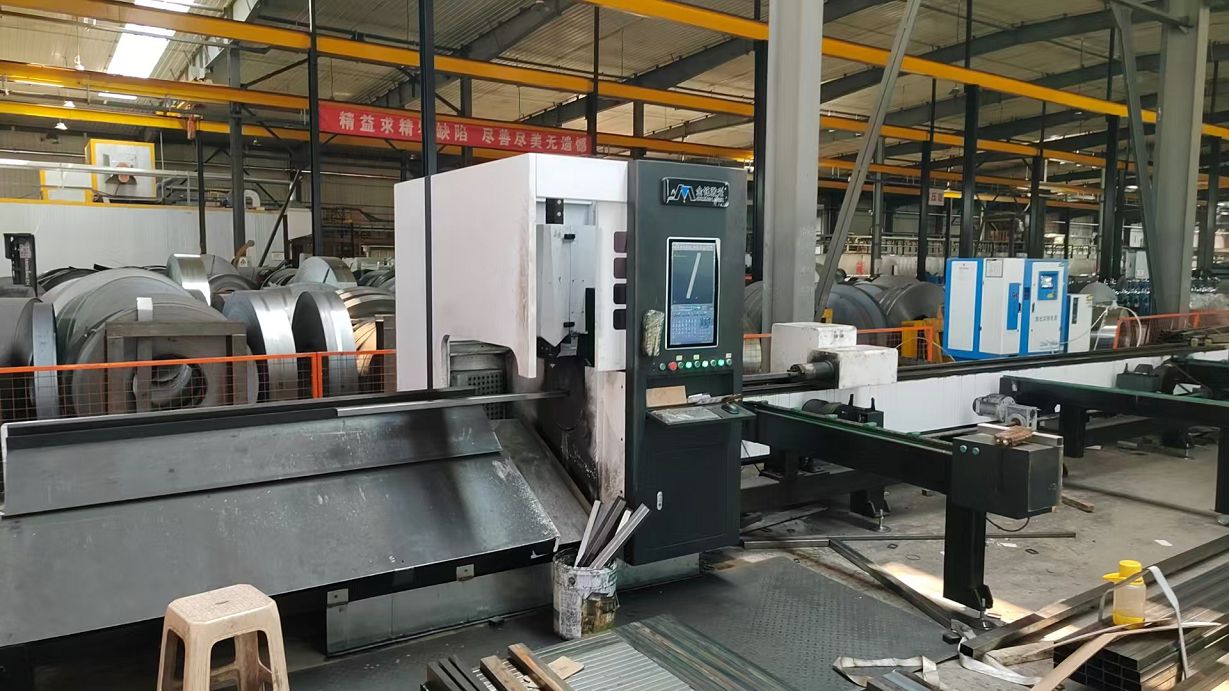
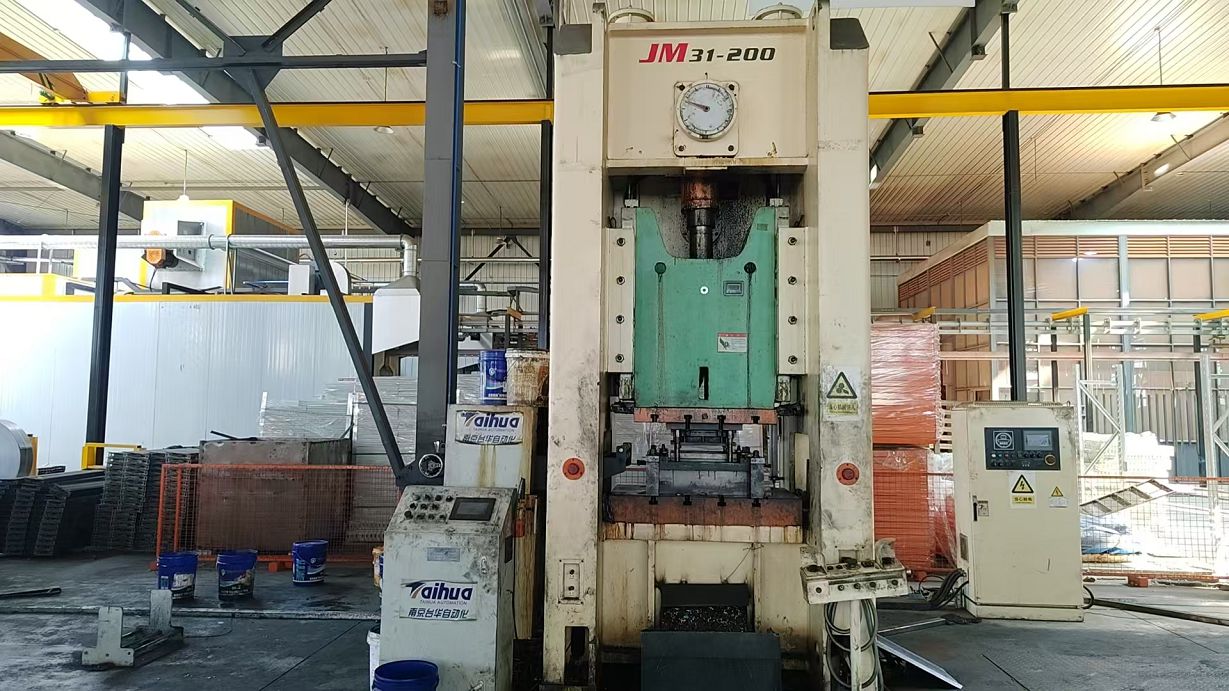
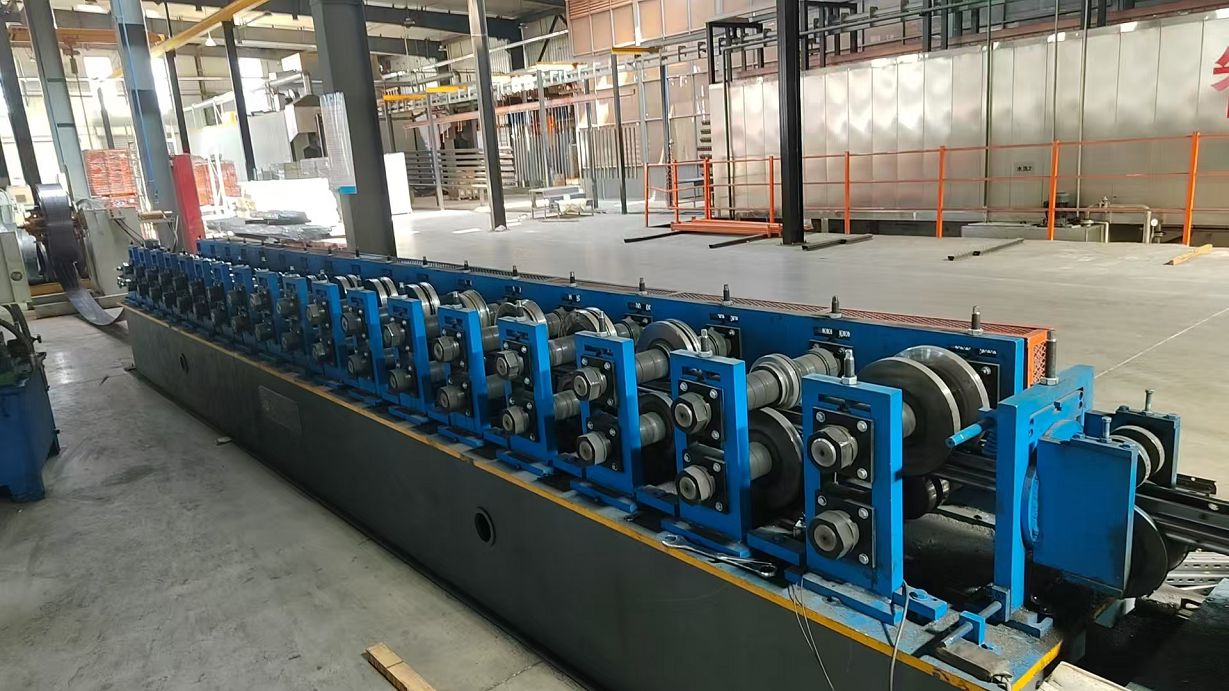
Why do global retail enterprises choose Chinese manufacturing hubs for checkout counter procurement? The answer lies in the deep supply chain ecosystem. Unlike regional fabrication shops, Chengdu CoreStorage integrates raw material sourcing, automated CNC laser cutting, robotic welding, and high-efficiency powder coating into a single, contiguous pipeline. This integration minimizes material waste and production cycles, yielding a **30% to 45% cost advantage** over localized domestic production without compromising precision.
Additionally, our shipping routes to Japan are highly optimized. From our plant in Chengdu, finished counters are securely packaged in multi-layer corrugated sheets and structural wooden crates, then transported via intermodal rail to major eastern coastal ports (Shanghai/Shenzhen) and shipped directly to the **Port of Osaka** or **Port of Kobe**. Typical sea transit times are between 4 and 6 days, allowing Kansai-based retail operators to maintain tight store opening timelines while benefiting from competitive offshore manufacturing pricing.
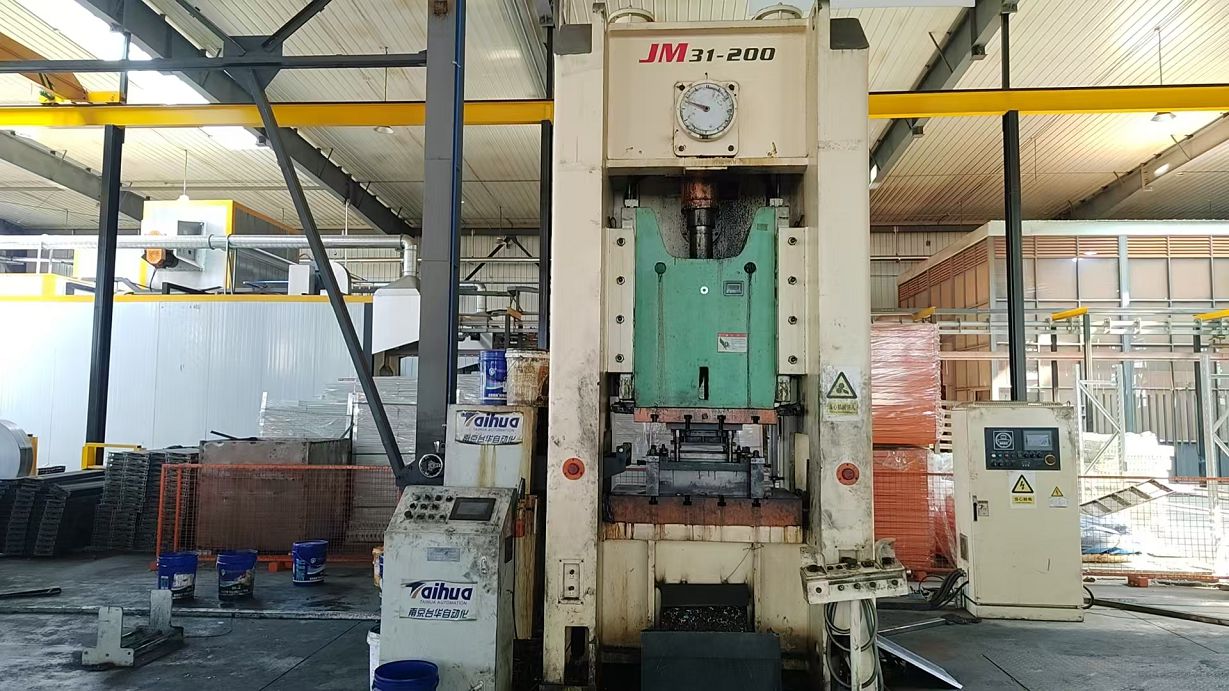
A transparent look inside our 22,000 m² fabrication facility. Every step of our production workflow is monitored by automated sensors and verified by certified QC technicians.
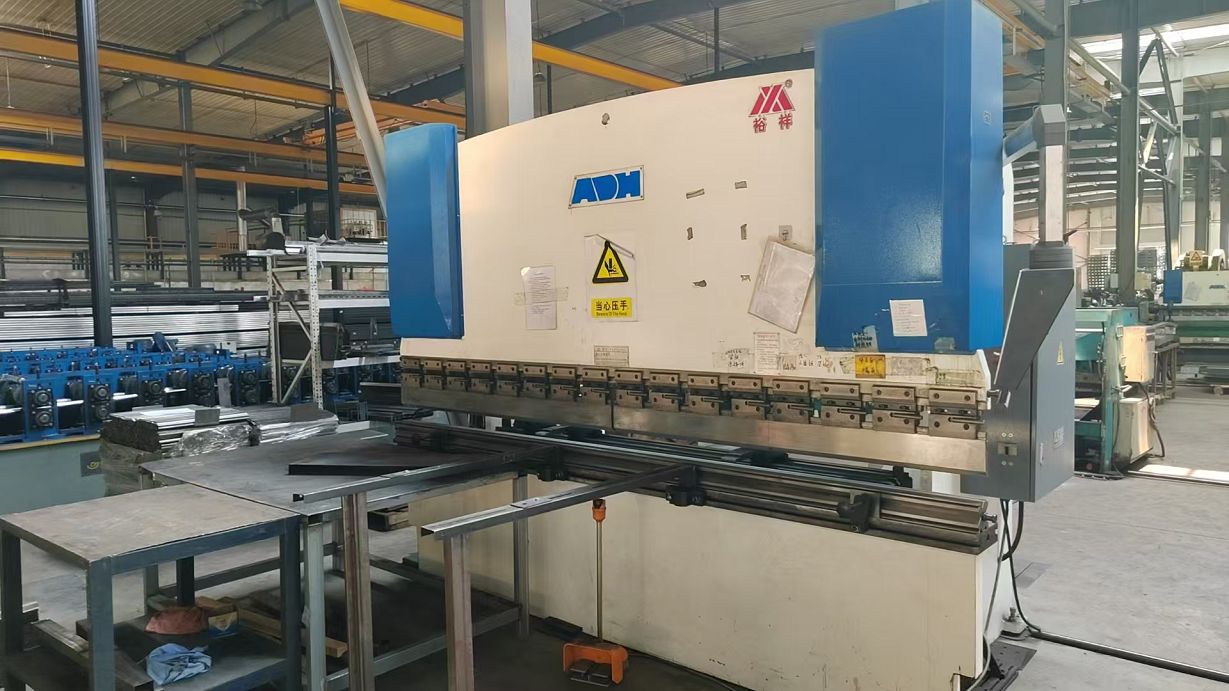
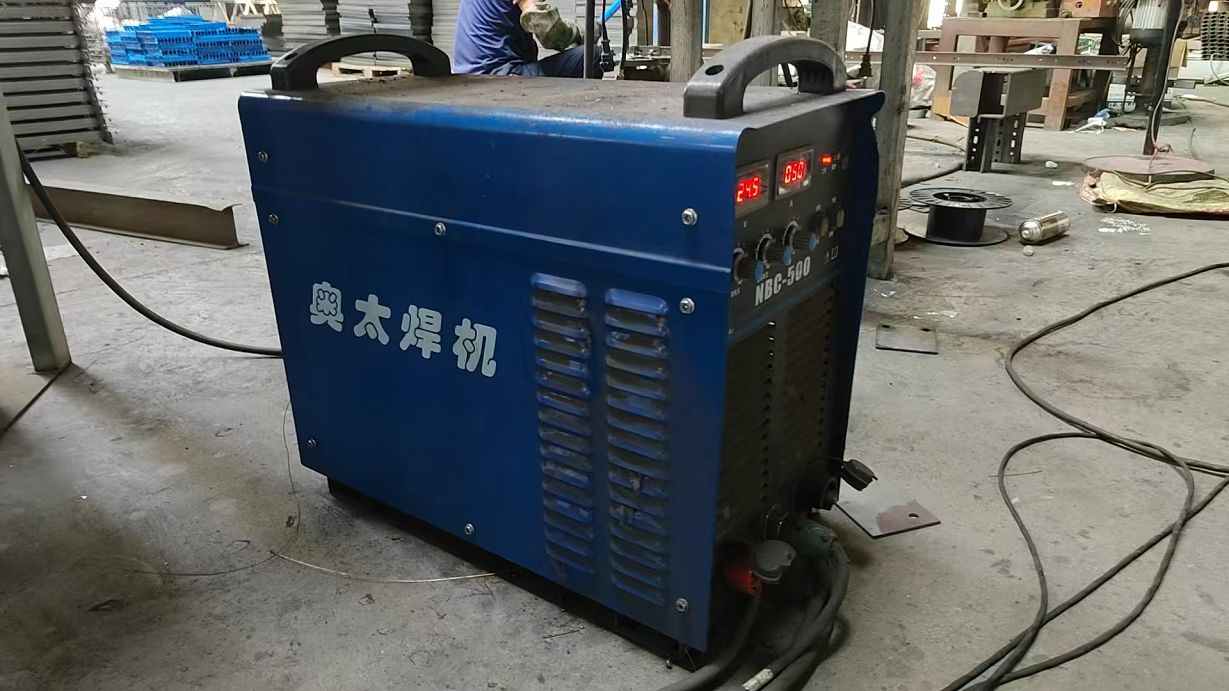
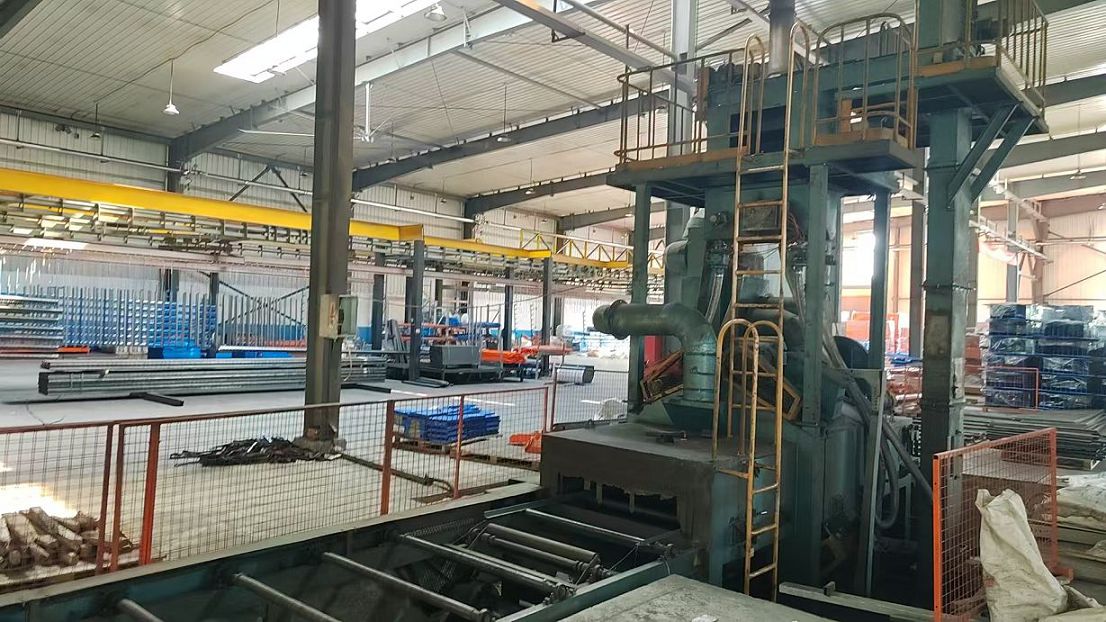
A checkout counter's layout should match the specific buying habits and footfall patterns of the retail format it serves. For the Kansai retail market, we have categorized three core deployment scenarios:
Modern checkout counters are evolving beyond static tables into dynamic, technology-integrated hubs. We are observing a significant increase in the integration of **RFID (Radio Frequency Identification)** tunnels, which allow entire baskets of goods to be scanned simultaneously without barcode alignment. Furthermore, antimicrobial materials are increasingly specified. Our counters feature durable powder-coated steel surfaces and JIS-certified wooden composites that withstand harsh sanitation agents, keeping checkout environments safe for both store employees and customers.
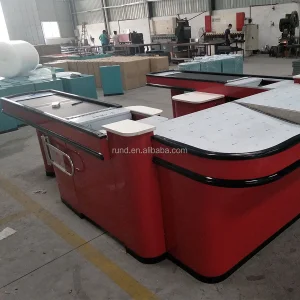
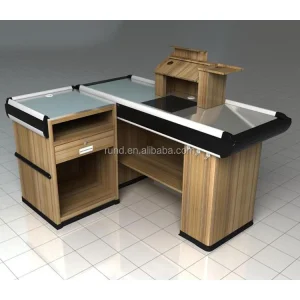
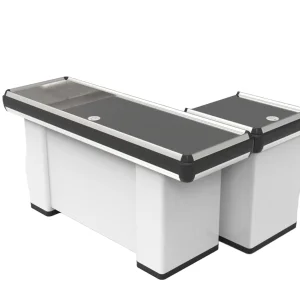
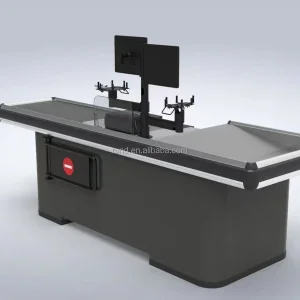
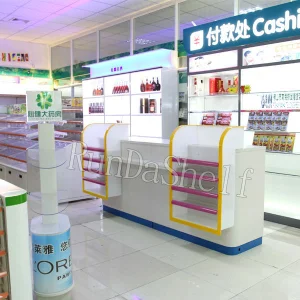
Explore our high-performance range of supermarket and retail store checkout configurations, engineered to enhance operational efficiency, cashier comfort, and customer transit flow.
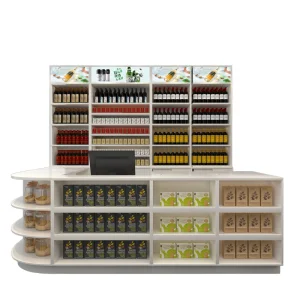
Specifically developed for modular integration, these sets support adaptive orientations and structural customization matching dynamic retail needs.
Purchasing managers from enterprise retail brands operate under demanding verification procedures. At Chengdu CoreStorage, we align our engineering processes to match these stringent requirements. Every production run undergoes automated dimensional inspection using coordinate measuring machines (CMM) and load-bearing stress testing to ensure the structural safety margin remains well above normal operating levels.
Additionally, we work closely with more than 650 supply chain partners, ensuring that ancillary components (such as electrical conduits, conveyor belts, mechanical motors, and rubber bumper strips) are sourced from certified manufacturers. Whether our clients are building cold storage retail zones, high-density convenience chains, or large industrial wholesale distribution outlets, we deliver checkout and logistical systems designed to minimize maintenance costs and maximize business uptime.
Get answers to technical queries, shipping timelines, design options, and quality certifications for Japanese and global retail markets.
Get in touch with our design engineers to request high-resolution CAD files, physical material samples, and custom price quotations optimized for Osaka port delivery.
Send Inquiry Now CoreStorage