Explore our high-performance warehousing systems optimized for heavy loads, retail supply chains, and industrial storage projects across Tokyo, Yokohama, and Osaka logistics hubs.
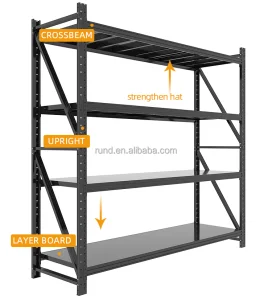
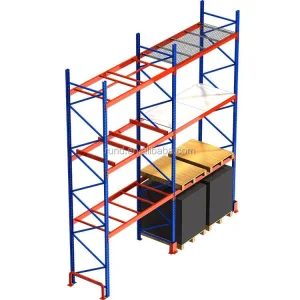
In the prime industrial zones of Japan—including the Tokyo Bay Area, Osaka Port, and the Nagoya manufacturing hub—industrial land prices and warehouse rental rates remain among the highest in the world. Consequently, logistics providers, steel distributors, and heavy manufacturers cannot afford horizontal spatial inefficiencies. Traditional floor storage of heavy, long, or irregular materials such as steel pipes, timber, copper plates, and construction components leads to severely constrained workflow layouts and critical safety hazards.
To counter these restrictions, modern Japanese warehouses are shifting rapidly toward vertical integration. Heavy-duty cantilever racking systems are the premier choice for storing long loads, eliminating the front column obstacle found in standard pallet racks. By utilizing structural cantilever configurations, logistics facilities can optimize their high-bay height clearance, achieving vertical storage up to 8 meters or higher while facilitating immediate access to individual items.
Design engineering for the Japanese market is fundamentally defined by compliance with structural safety against seismic activity. Under Japan’s Building Standards Act (Kenchiku Kijun-hō) and the guidelines set forth by the Japan Racking Association, storage racks must be designed to withstand severe lateral seismic accelerations. Standard designs used in North America or continental Europe frequently fail to meet these local parameters without major structural alterations.
At Chengdu CoreStorage, our engineering team utilizes high-tensile steel grades (equivalent to JIS G3101 SS400 or higher) combined with rigid structural design parameters. We construct our heavy-duty cantilever systems with robust bases, extra-thick column profiles, and high-strength bracing patterns. Using advanced Finite Element Analysis (FEA) and dynamic structural calculations, we ensure our racks maintain their equilibrium during both Level 1 (moderate, frequent) and Level 2 (severe, rare) earthquake ground motions.
Full dynamic calculations complying with Japanese seismic coefficient (Co ≥ 0.2 to 0.4) to secure operating safety in earthquake zones.
Heavy-duty cold-rolled or structural steel (Q235B/Q355B) engineered with up to 6mm column thickness to resist deformation.
Arm pitch adjustments at 75mm or 100mm increments, allowing operators to dynamically adjust storage space as SKU profiles evolve.
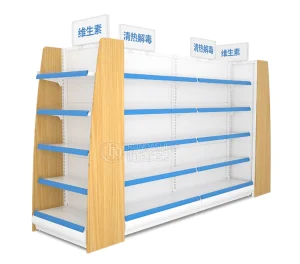
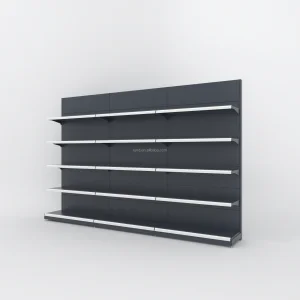
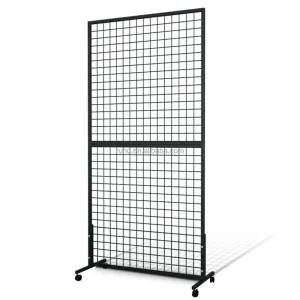
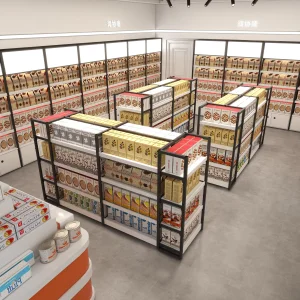
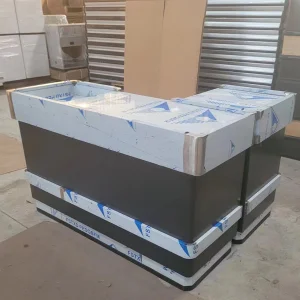
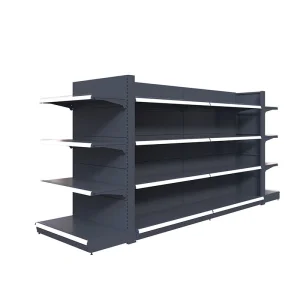
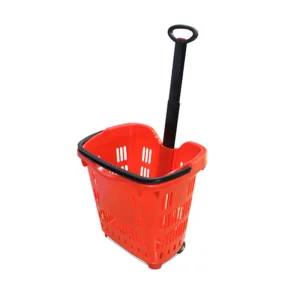
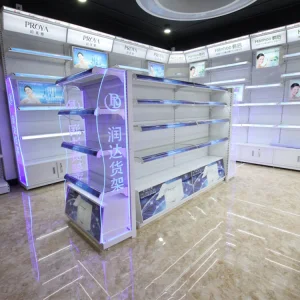
Advanced merchandising and material handling systems engineered to withstand intense traffic load inside premium Japanese retail and distribution centers.
Engineering structural systems for Japan's heavy industry demands strict adherence to metallurgical purity and load calculation formulas. Our cantilever systems are optimized based on structural load distribution principles:
Under standard operating conditions, our arms are designed to maintain a deflection ratio under L/180 (where L is the arm projection length). For highly specialized operations, such as automated retrieval cranes, we tighten this limit to L/250. This structural limit ensures that heavy steel pipes, sheets, or lumber packs do not slip forward, keeping the stored materials stable and protecting operators from dynamic load shifts.
| System Component | Material Class | Yield Strength (MPa) | Corrosion Protection Options | Ideal Application (Japan) |
|---|---|---|---|---|
| Structural Columns | Q355B (JIS G3106 SM490) | ≥ 355 MPa | Epoxy Powder / Hot-Dip Galvanized | Heavy steel coil & structural timber hubs |
| Cantilever Arms | Q235B (JIS G3101 SS400) | ≥ 235 MPa | High-Visibility Safety Orange Coating | Pipes, extrusions, and heavy machinery parts |
| Anchor Assemblies | Grade 8.8 High-Tensile Bolt | ≥ 640 MPa | Zinc Electroplated / Chemical Anchors | Seismic base-isolation floor mounting |
| Bracing Systems | Standard Carbon Steel C-Channel | ≥ 235 MPa | Electrostatic Powder Coated | Dynamic horizontal & diagonal load distribution |
With the implementation of strict overtime caps for commercial drivers in Japan in April 2024, warehouses must optimize loading dock throughput and streamline order fulfillment workflows. Traditional forklift handling of bulky items via floor stacking results in slower cycle times and increased truck idle times.
By utilizing our front-free cantilever design, operators can run side-loaders or heavy-duty reach trucks continuously along the aisles. The lack of vertical upright obstructions allows forklifts to pick and place multi-ton packs of steel, dry timber, or prefabricated pipes in under 60 seconds. This setup reduces cargo handling times, helping distributors meet strict shipping windows.
Founded in 2016, Chengdu CoreStorage Logistics Equipment Manufacturing Co., Ltd. operates a modern 22,000 m² factory that supports an annual export revenue of $15,000,000. We combine 6 years of global trade experience with 11 years of industrial rack manufacturing expertise.
To ensure load integrity and mechanical reliability, our quality control procedures comply with ISO 9001 & CE Structural Safety Standards. We utilize advanced CMM Automated Dimensional & Load Stress Testing. Our Quality Department has 28 skilled QC inspectors monitoring each stage of production. As an Integrated Manufacturer & Global Trading Hub, we work with 650 supply chain partners to serve clients in diverse industries, including cold storage operators, wholesale distribution chains, and automotive assembly facilities.
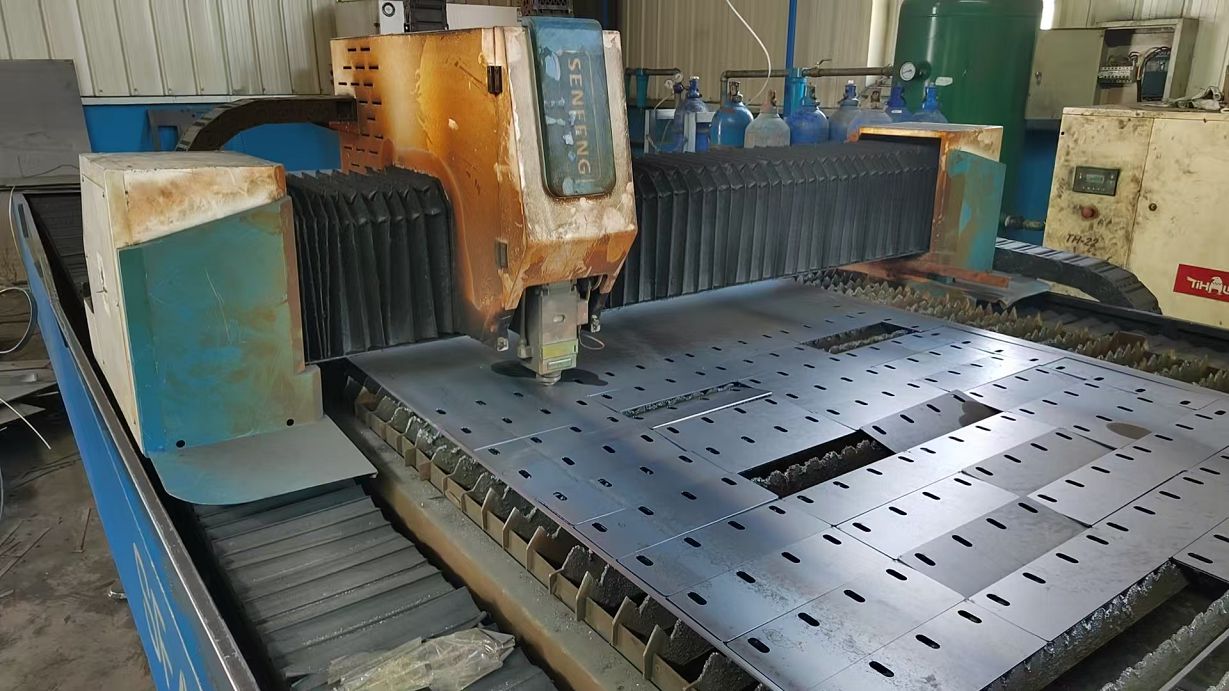
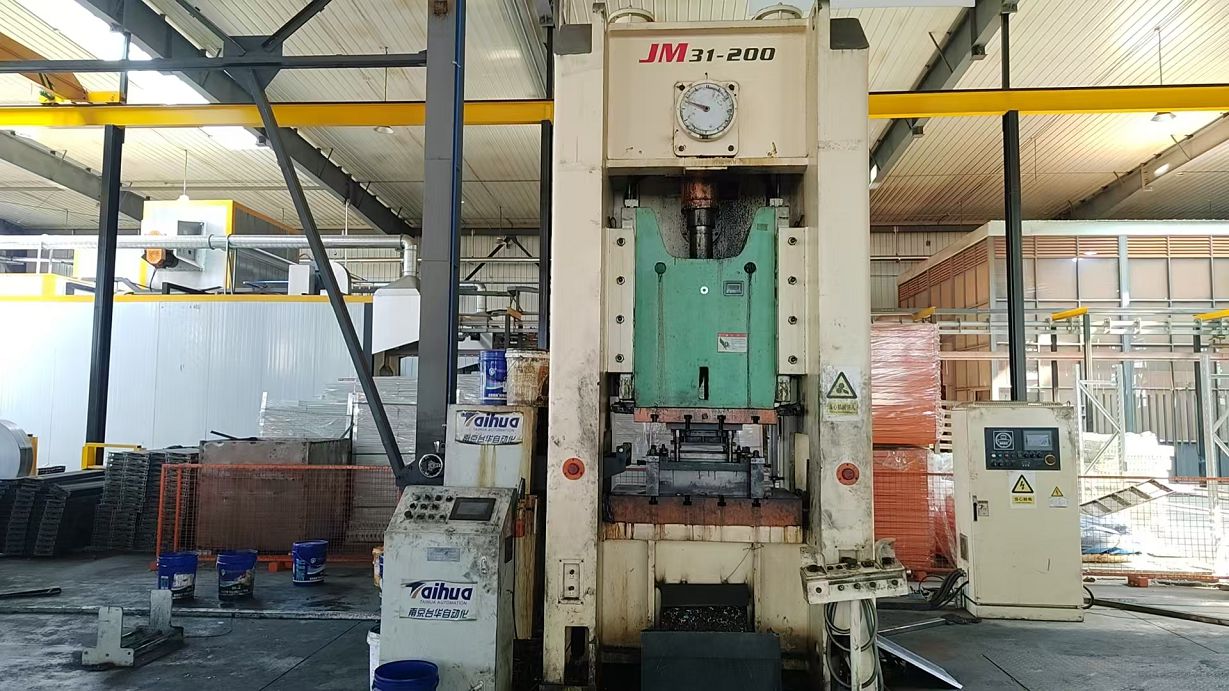
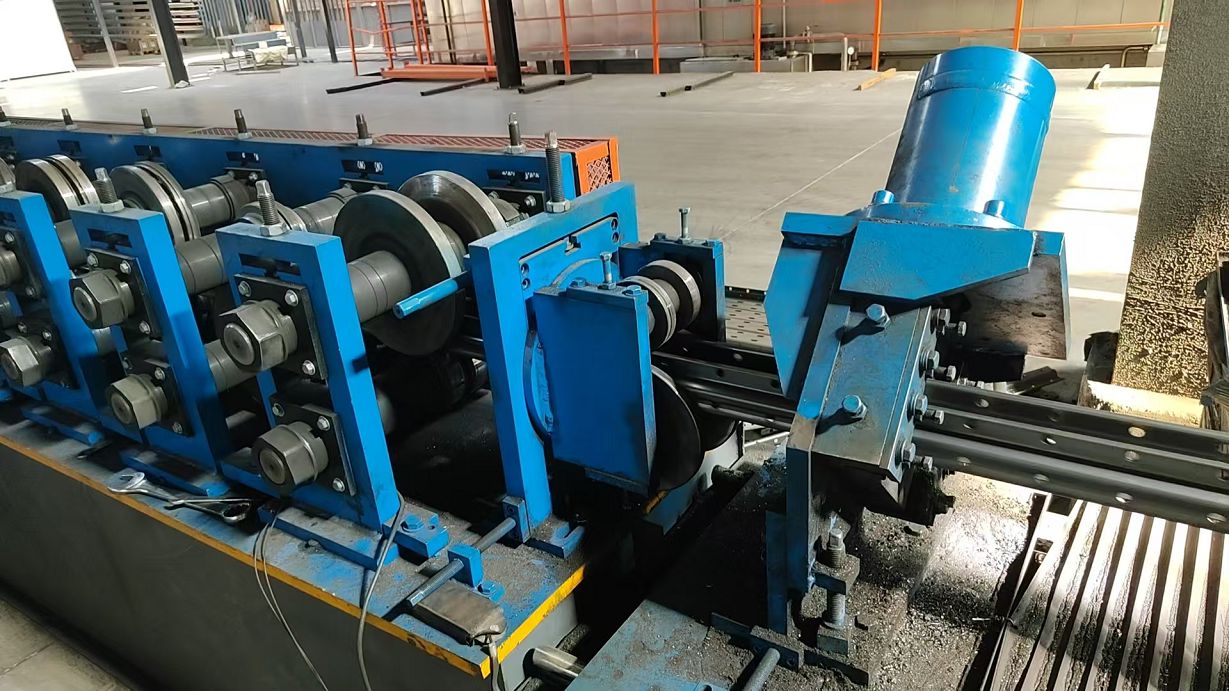
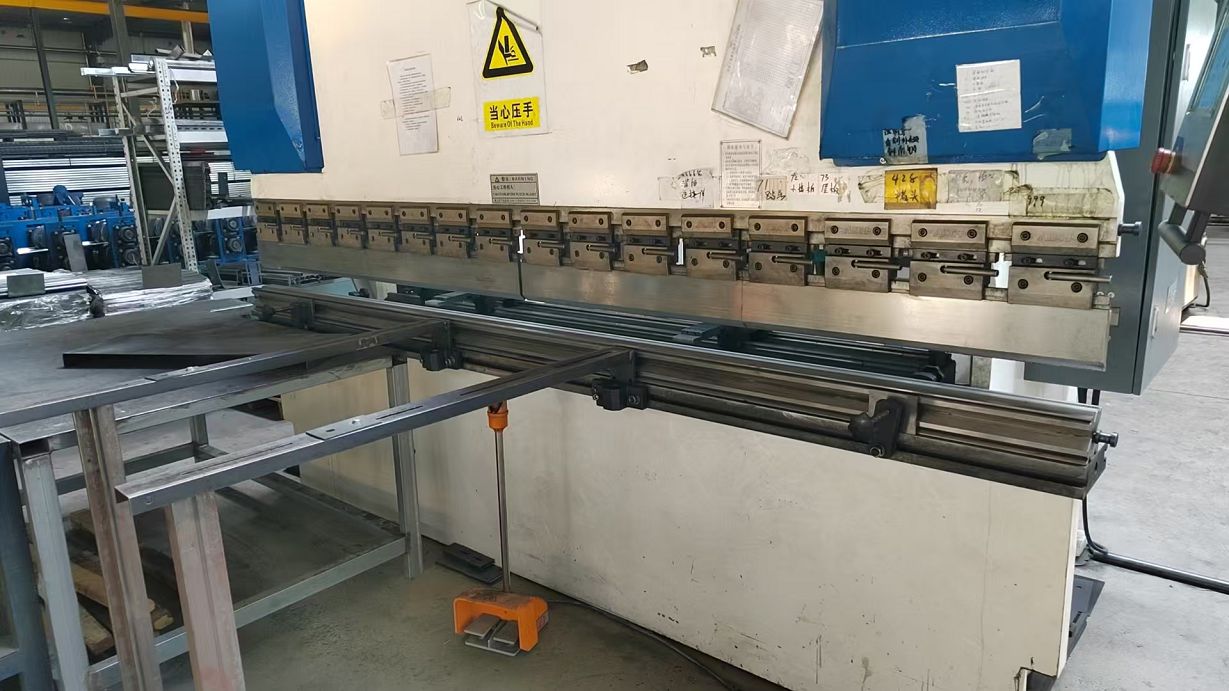
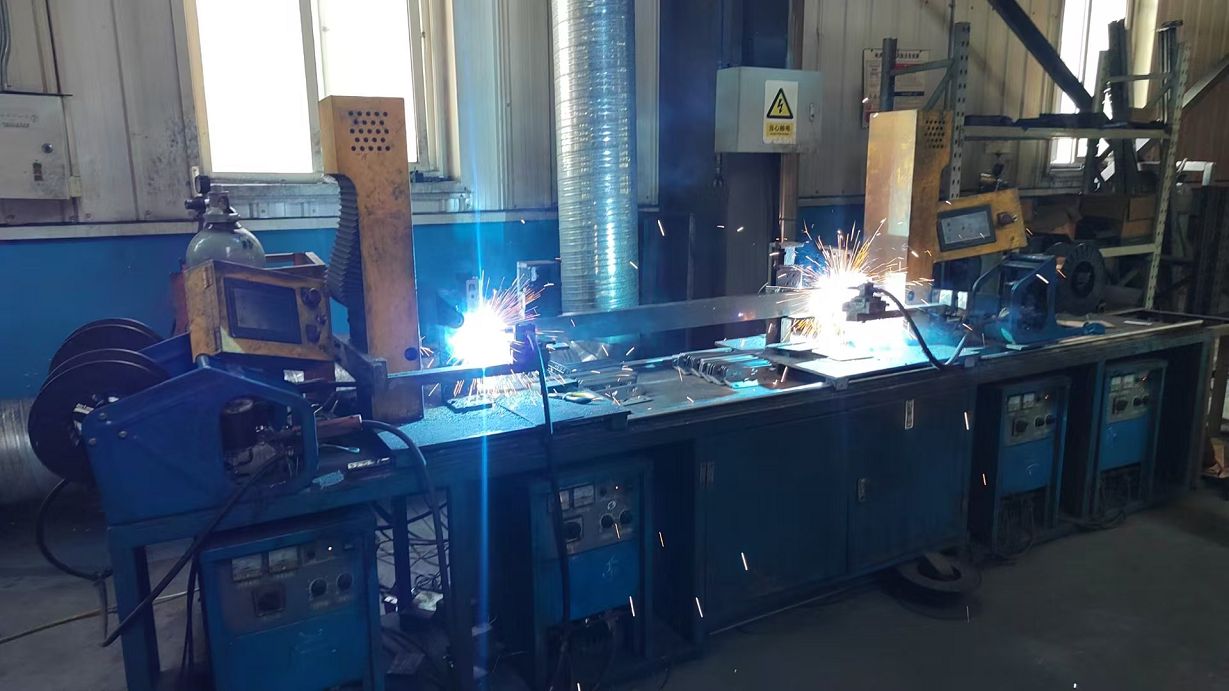
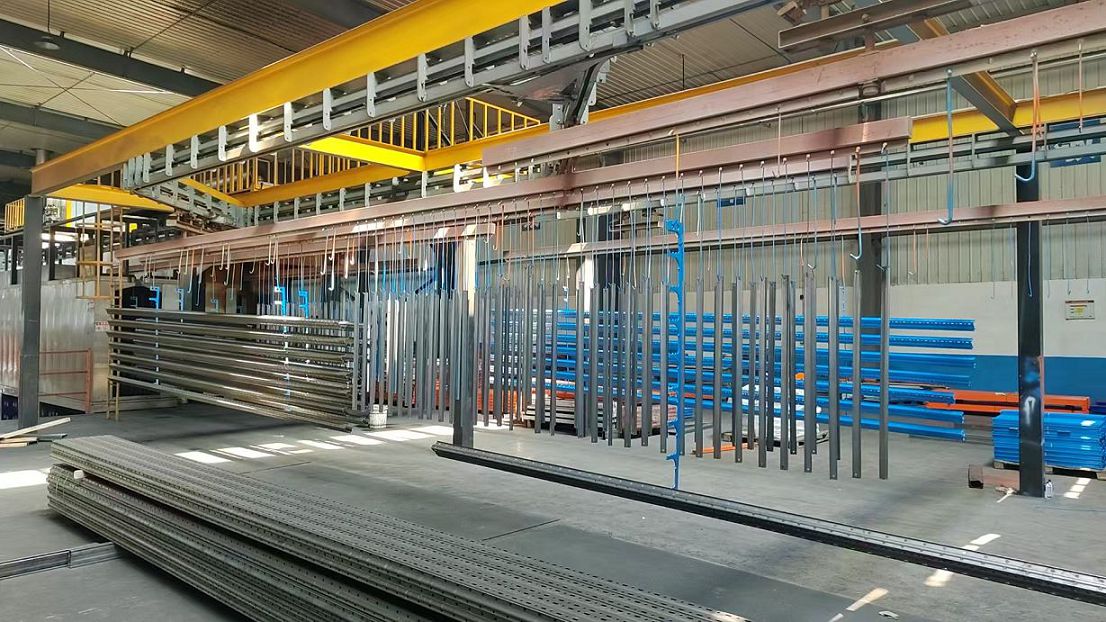
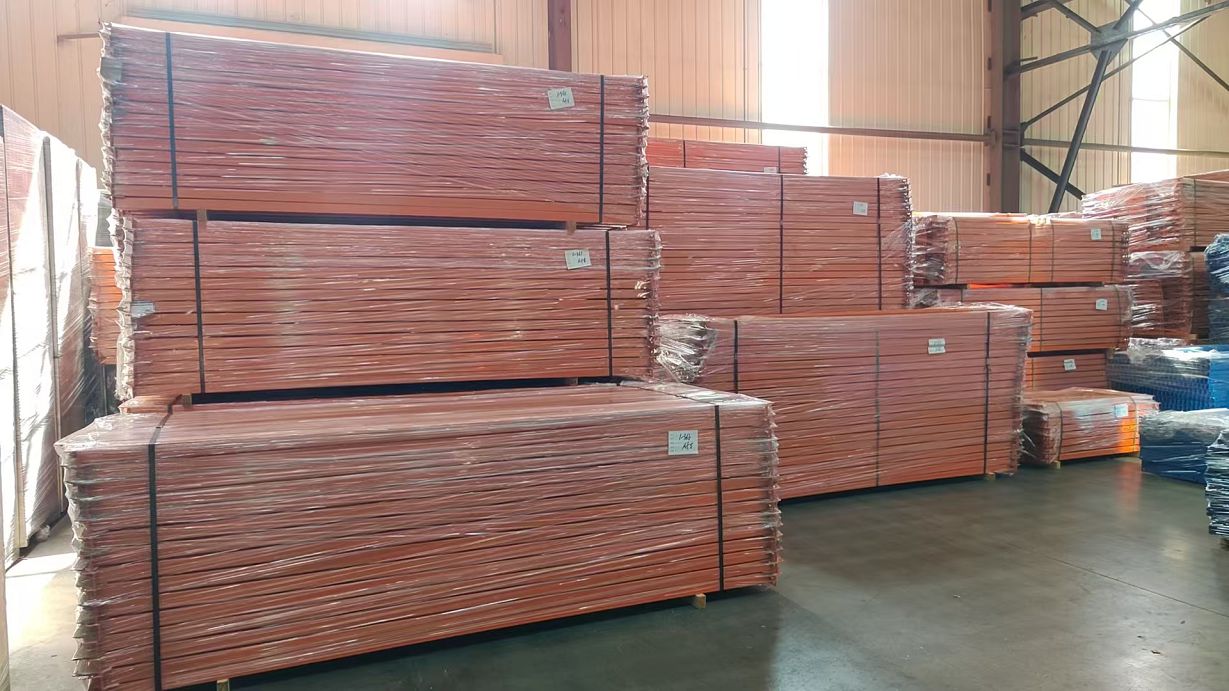
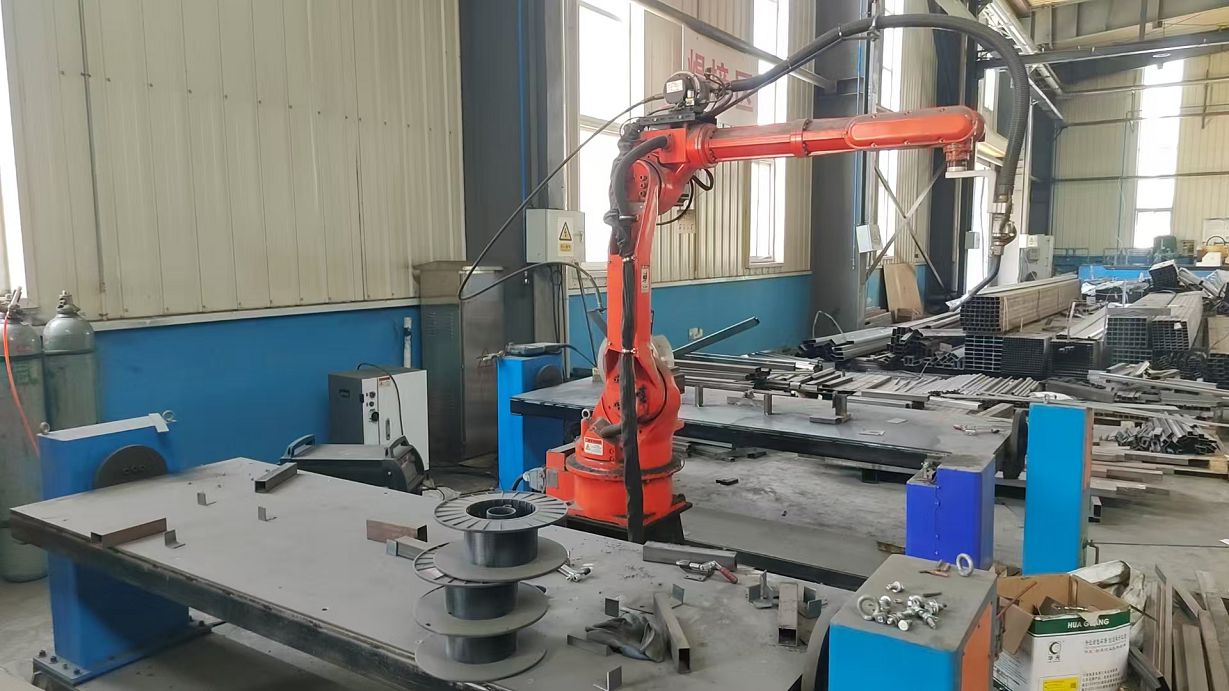
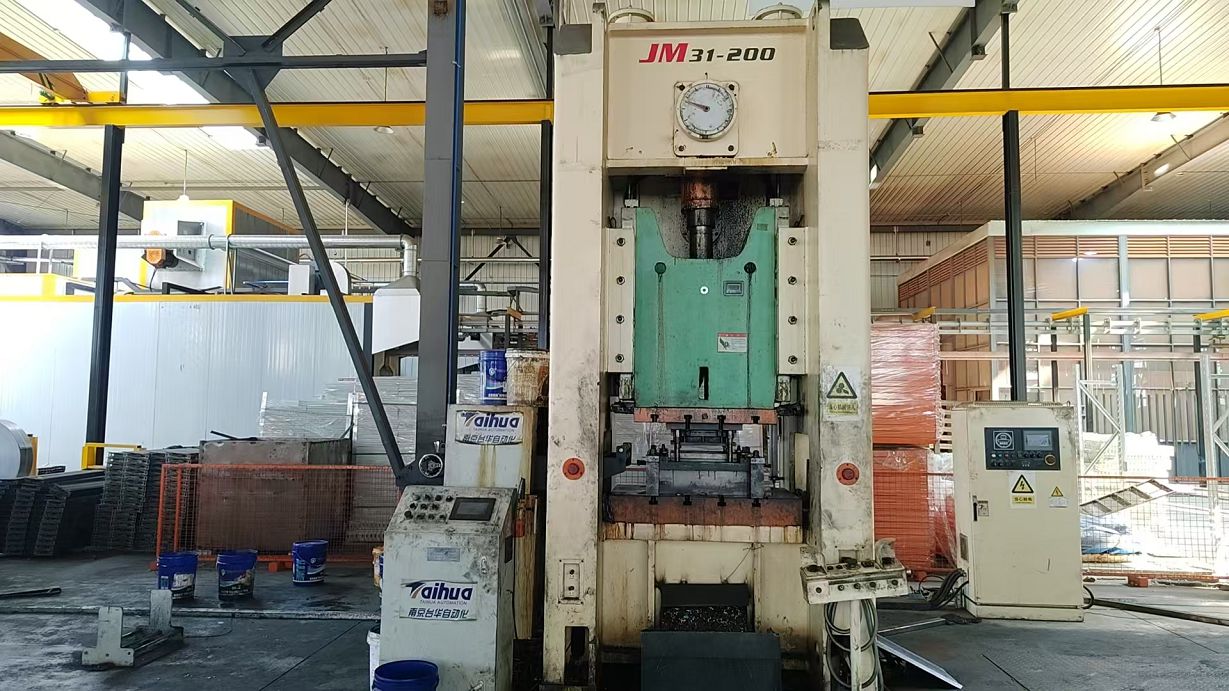
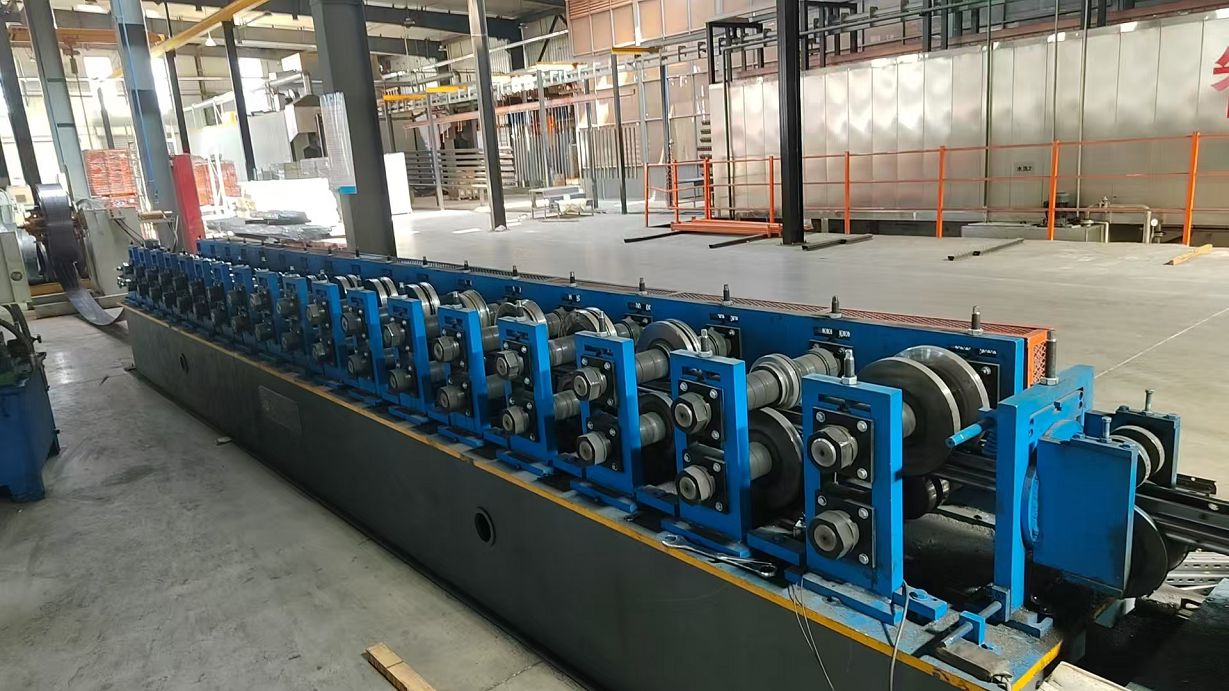
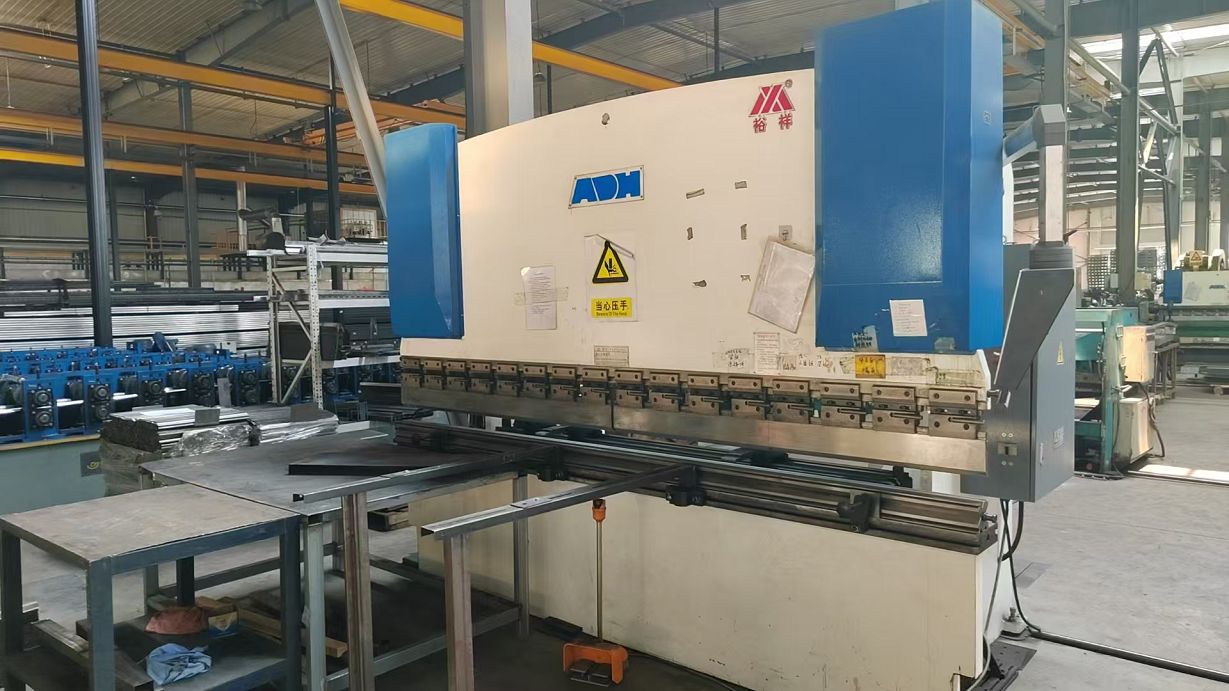
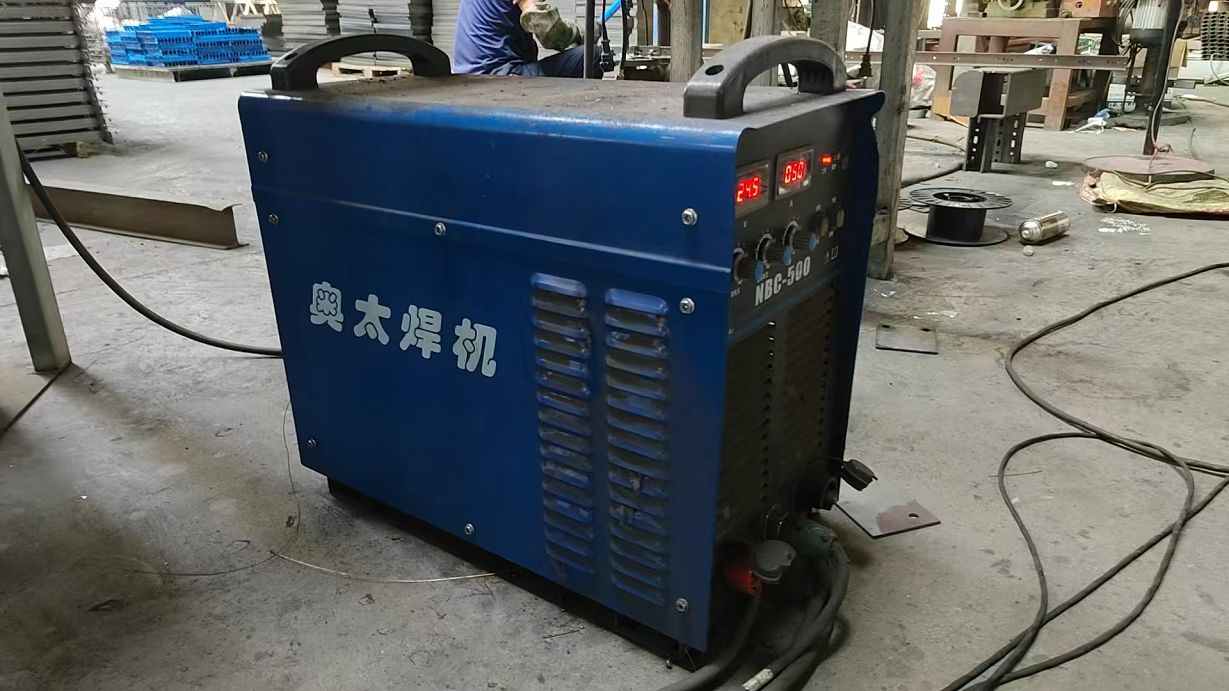
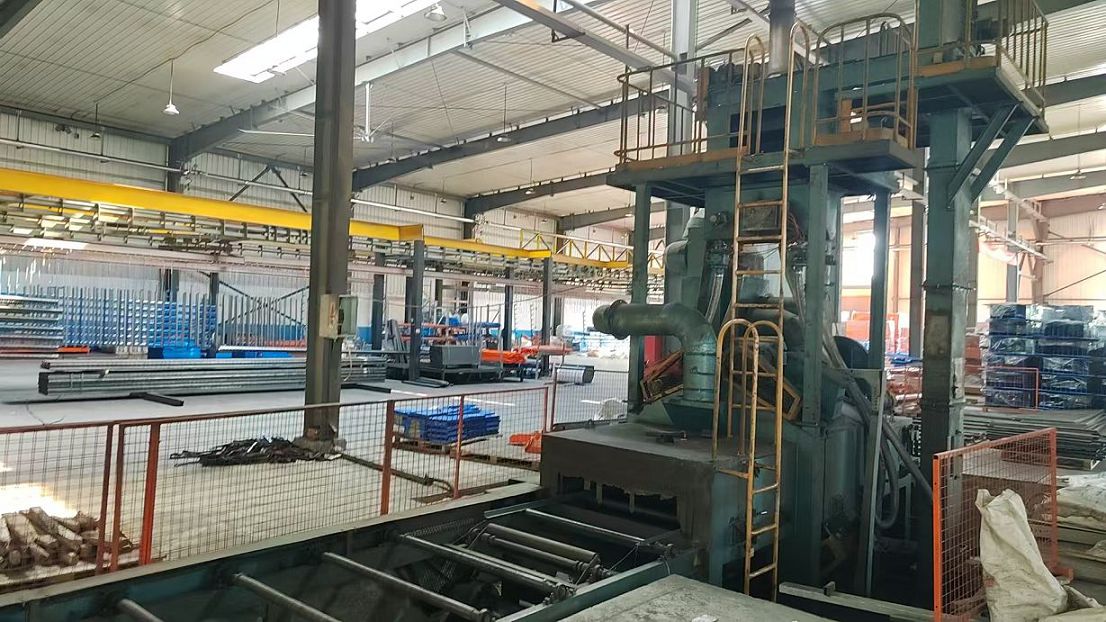
Every cantilever upright, brace, and base assembly undergoes a 14-step manufacturing and surface-treatment process to guarantee structural integrity. Below is our verified production process:
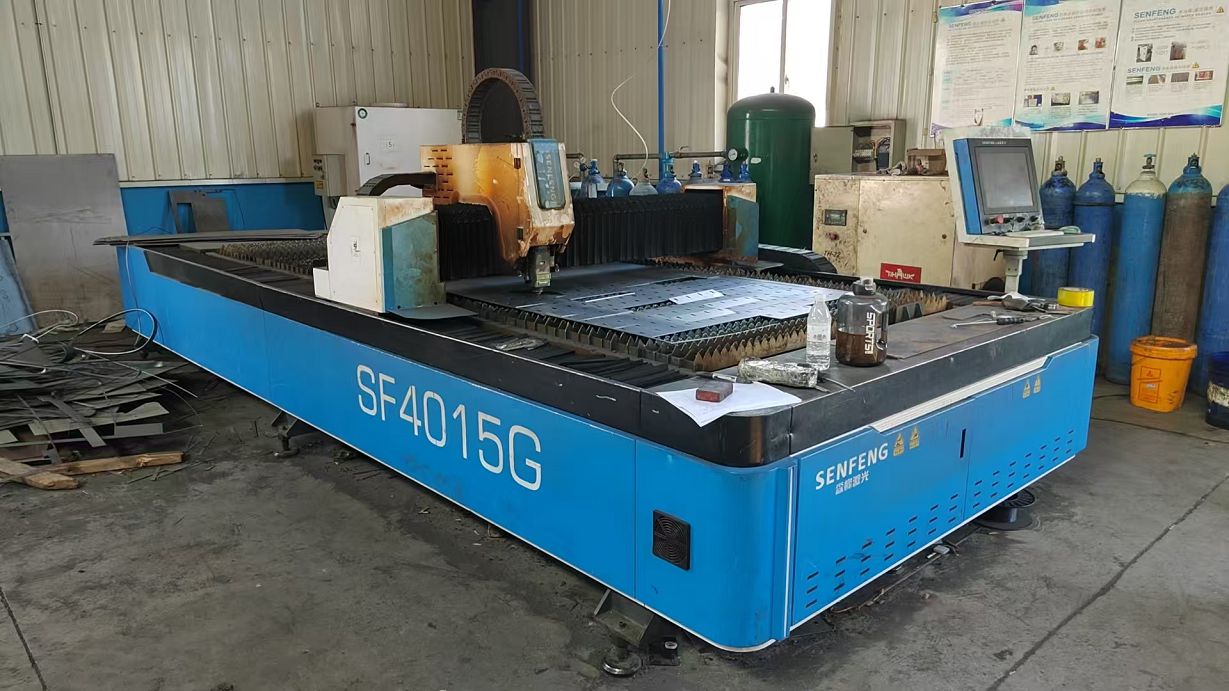
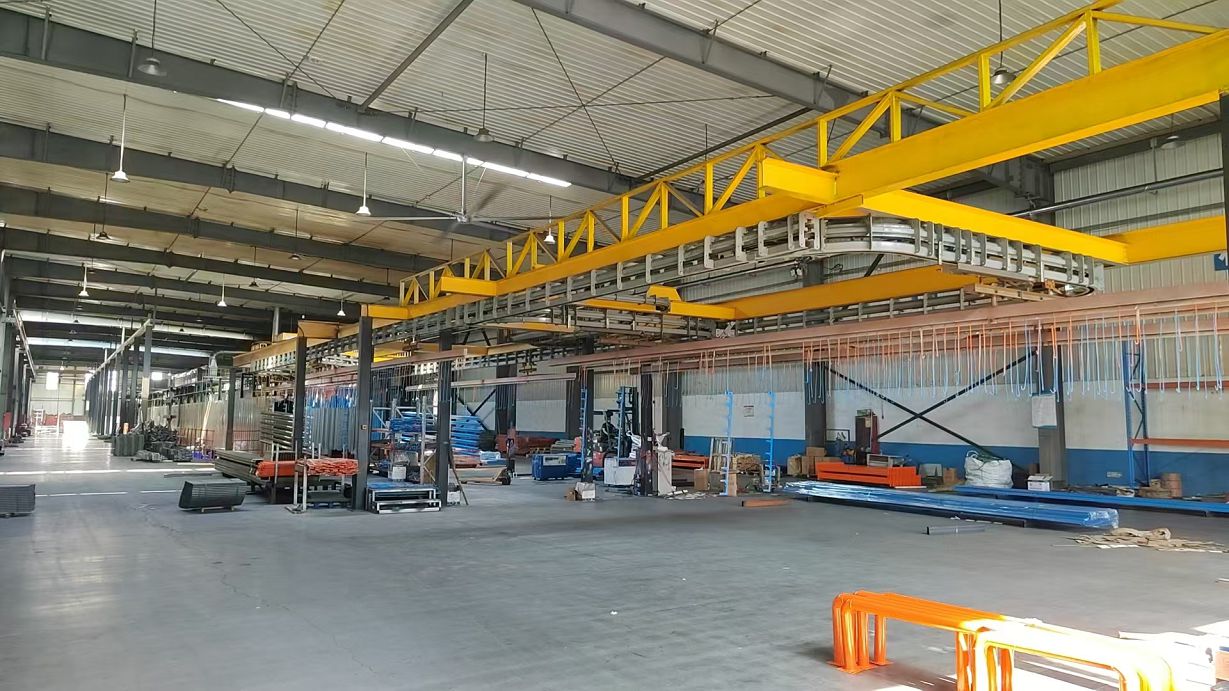
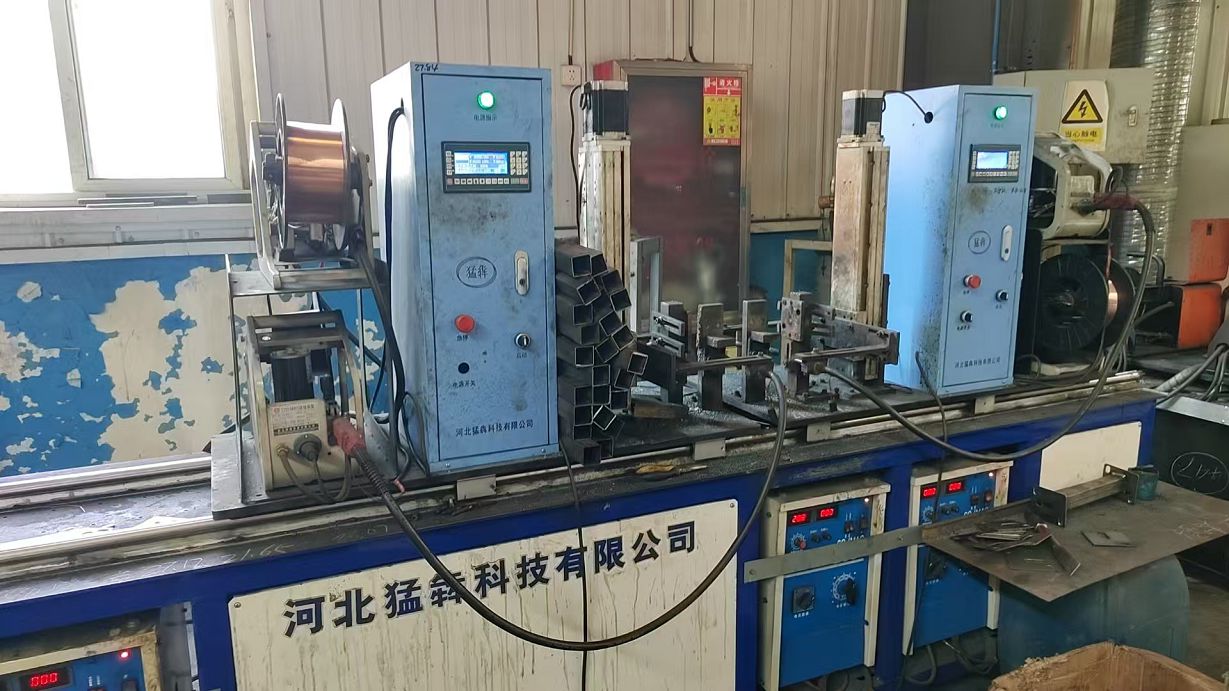
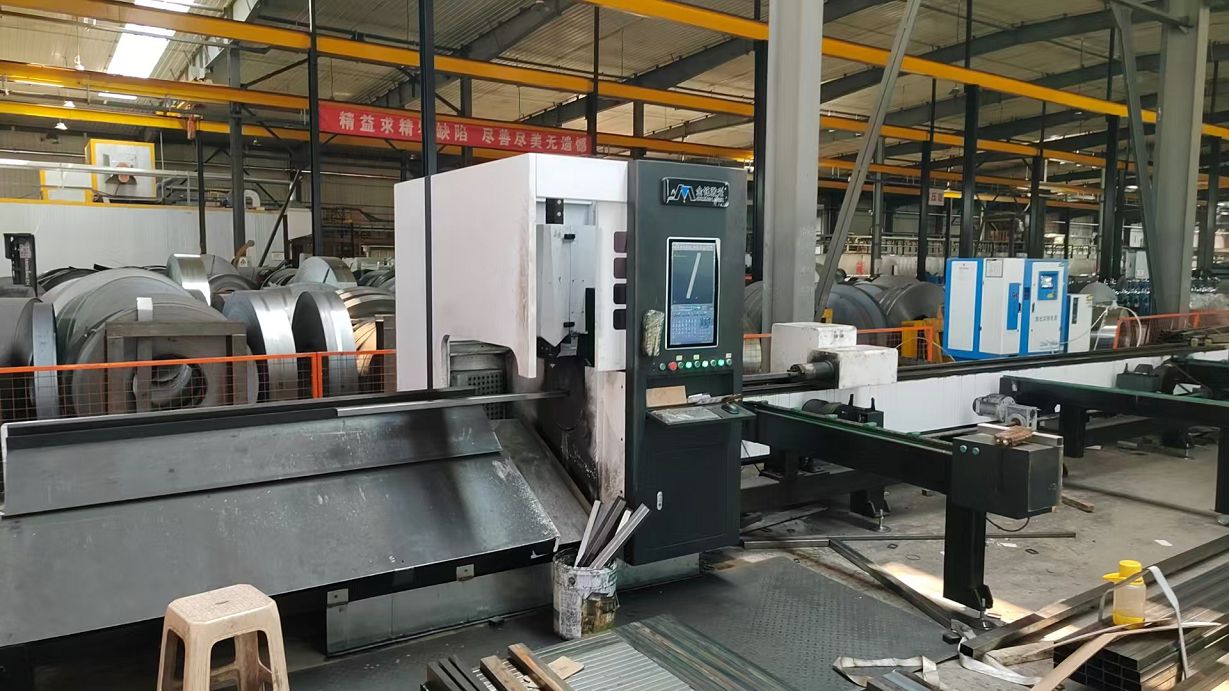
Procuring heavy steel racking systems from overseas manufacturers requires clear documentation, verification of materials, and coordinated logistics. Chengdu CoreStorage works with Japanese import channels to ensure compliance with container shipping limits and port clearance rules.
To prevent surface damage or structural bending during ocean transit across the East China Sea to Tokyo, Osaka, or Kobe, we bundle all uprights and arms using heavy-duty steel bands and protective wood block separators. Small components, safety pins, and anchor bolts are packed in secure, export-grade crates. Our shipping packages are designed to match 40-foot High Cube (40HC) container dimensions, helping to maximize space utilization and lower ocean freight costs for Japanese importers.
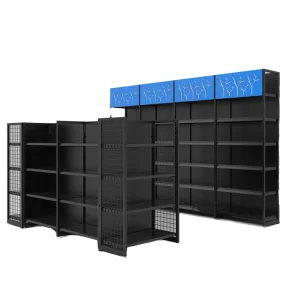
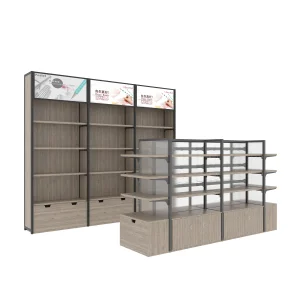
Our complete range of industrial and retail rack systems engineered to international standards for safety, stability, and load capacity.
Our engineering team will compile detailed structural designs, layout CAD drawings, and seismic resilience verification reports tailored to your local prefecture's construction safety standards.
Send Inquiry Now CoreStorage