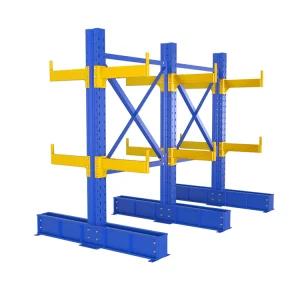
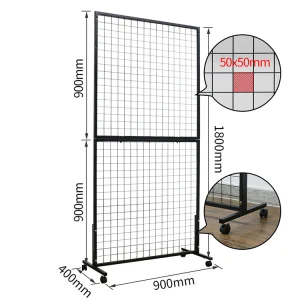
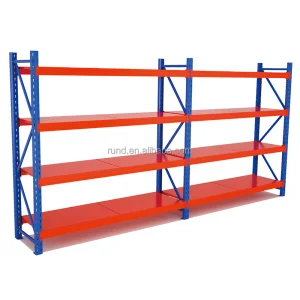
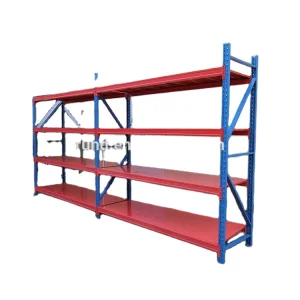
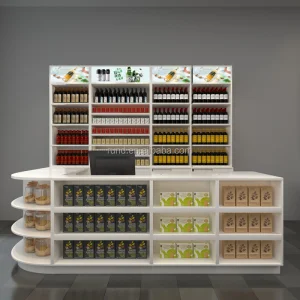
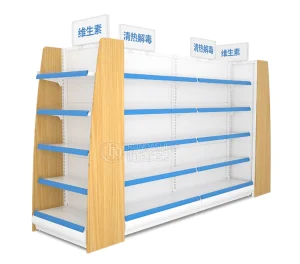
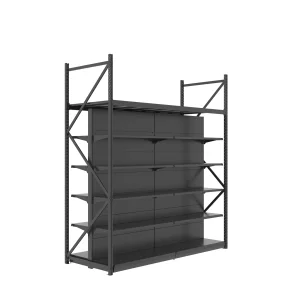
Premium multi-level industrial racking solutions specifically designed for the high-density warehouse storage environments in Ontario, British Columbia, and Quebec.
The commercial and industrial real estate market in Canada, particularly within key distribution hubs such as the Greater Toronto Area (GTA), the Greater Vancouver Area (GVA), Calgary, and Montreal, has experienced unprecedented pressures over the past decade. With warehouse lease rates rising rapidly and industrial land availability at historic lows, logistics operators, manufacturing plants, and distribution centers are forced to optimize vertical space rather than seeking horizontal expansion.
The installation of **Attic Shelves** (commonly referred to in North America as **Multi-tier Racking Systems** or **Industrial Mezzanine Floor Racks**) represents the most cost-effective and architecturally sound response to these physical constraints. By transforming unused overhead volume into active, high-density storage or assembly areas, businesses can effectively double their usable footprint without undergoing costly building expansion or relocation.
"According to Canadian logistics industry research, utilizing the clear height of a warehouse with structural mezzanines or multi-level attic racks can reduce the total footprint cost by up to 45%, bypassing the need for acquiring new commercial land under challenging macroeconomic conditions."
However, implementing multi-level platforms in Canada is not merely a matter of purchasing steel shelves. The Canadian regulatory landscape requires strict adherence to localized structural engineering standards, seismic safety regulations (specifically targeting British Columbia and parts of Eastern Ontario/Quebec), and stringent occupational health and safety codes (such as Ontario's Pre-Start Health and Safety Reviews). This whitepaper outlines the technical criteria, manufacturing benchmarks, and supply chain strategies necessary to successfully deploy Attic Shelving systems in the Canadian market.
Canada's industrial landscape is highly regionalized. In British Columbia, logistics operations must design structures capable of handling significant seismic activity under the *National Building Code of Canada (NBCC)*. Conversely, Ontario and Quebec focus heavily on high-volume consumer goods fulfillment, where integration with automated storage and retrieval systems (ASRS) and material handling conveyors is paramount. A global manufacturer must offer custom-engineered steel configurations (such as Q355B high-tensile steel roll-formed or structural members) that satisfy regional engineering seals (P.Eng. validation) across provinces.
A Trusted Manufacturer and Global Supplier of Certified Storage Systems
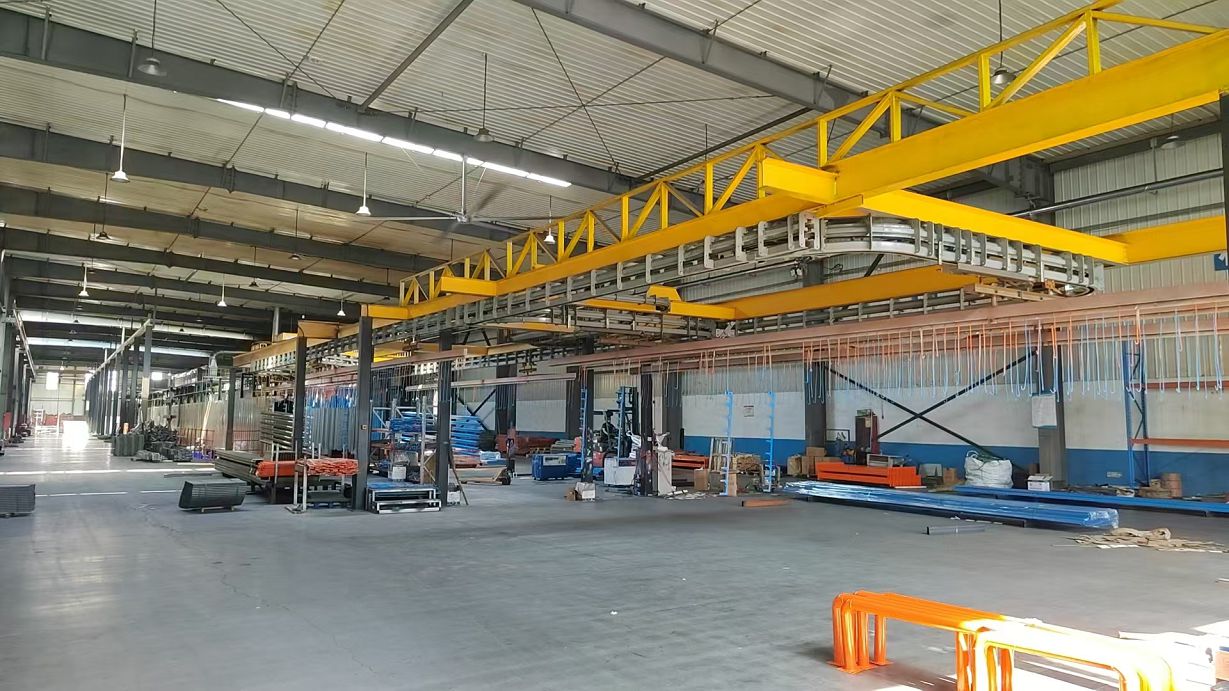
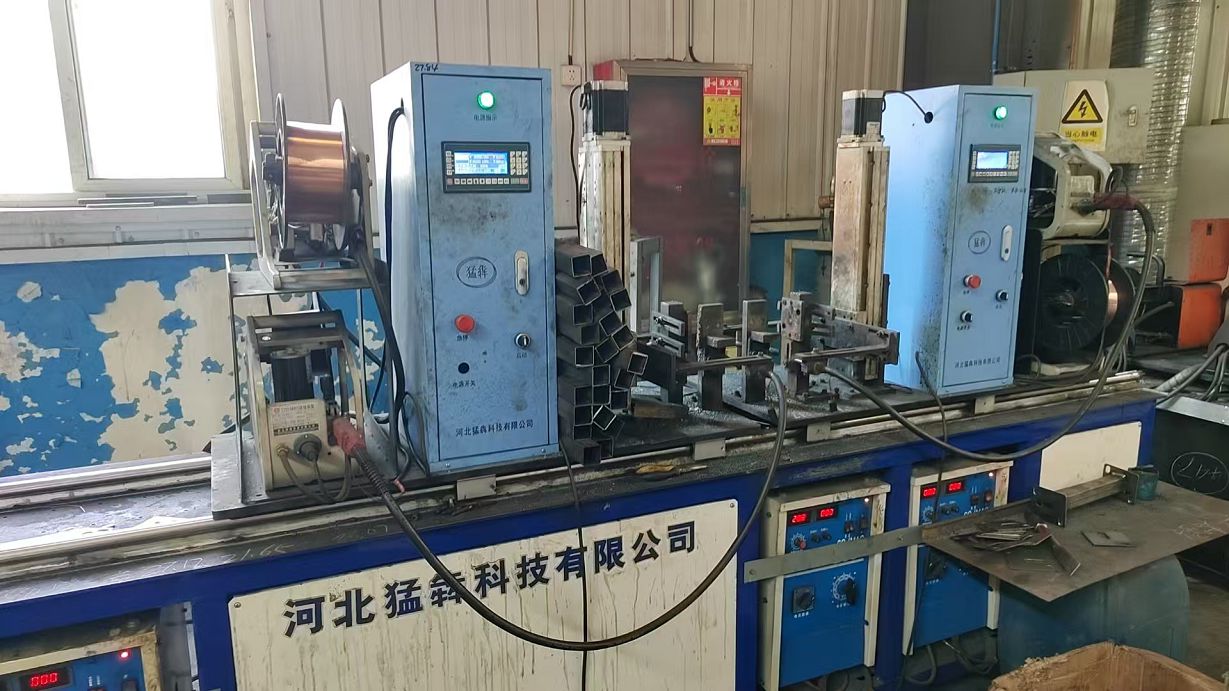
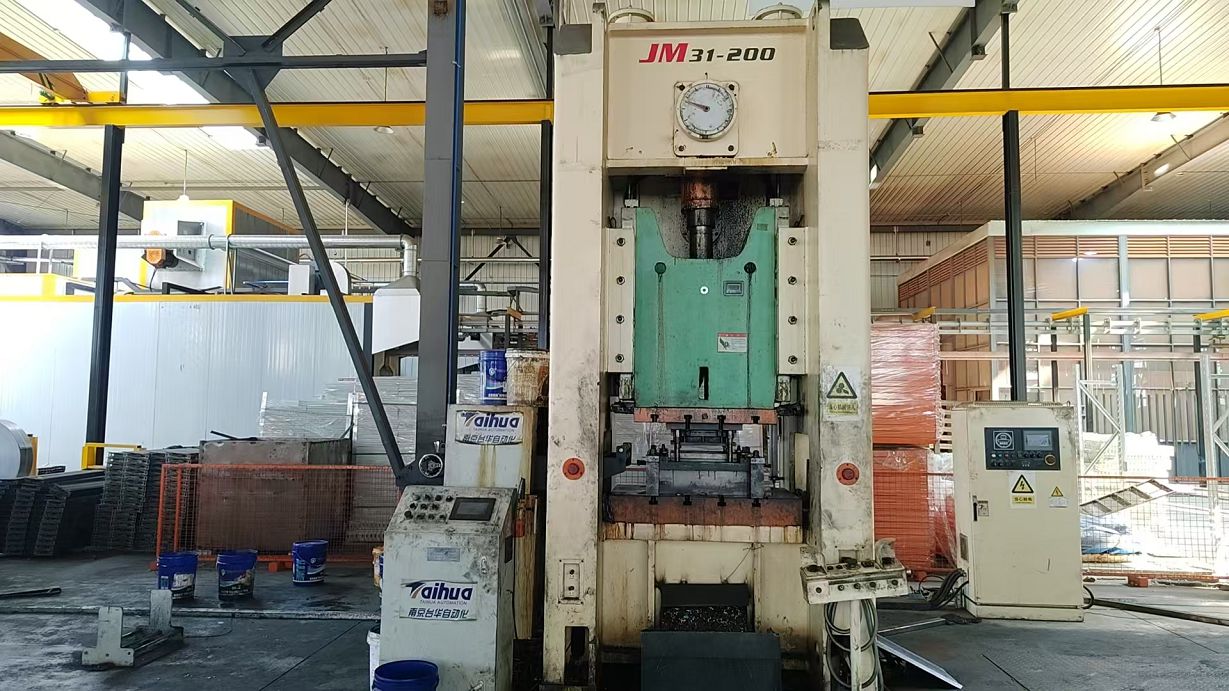
Founded in 2016, Chengdu CoreStorage Logistics Equipment Manufacturing Co., Ltd. has established itself as an industry-leading designer and manufacturer of advanced modular racking. Spanning a state-of-the-art comprehensive factory area of 22,000 m², we operate with a clear mission: to provide unparalleled material handling solutions globally, generating an annual export revenue exceeding $15,000,000.
We bring 6 years of dedicated global trade expertise alongside 11 years of specialized industrial rack manufacturing experience directly to our Canadian clients. To guarantee the absolute load integrity required in rigorous industrial environments, our manufacturing and quality control procedures strictly adhere to ISO 9001 & CE Structural Safety Standards. By utilizing advanced CMM Automated Dimensional & Load Stress Testing, we ensure every beam, upright, and connector is built to perform under the toughest conditions.
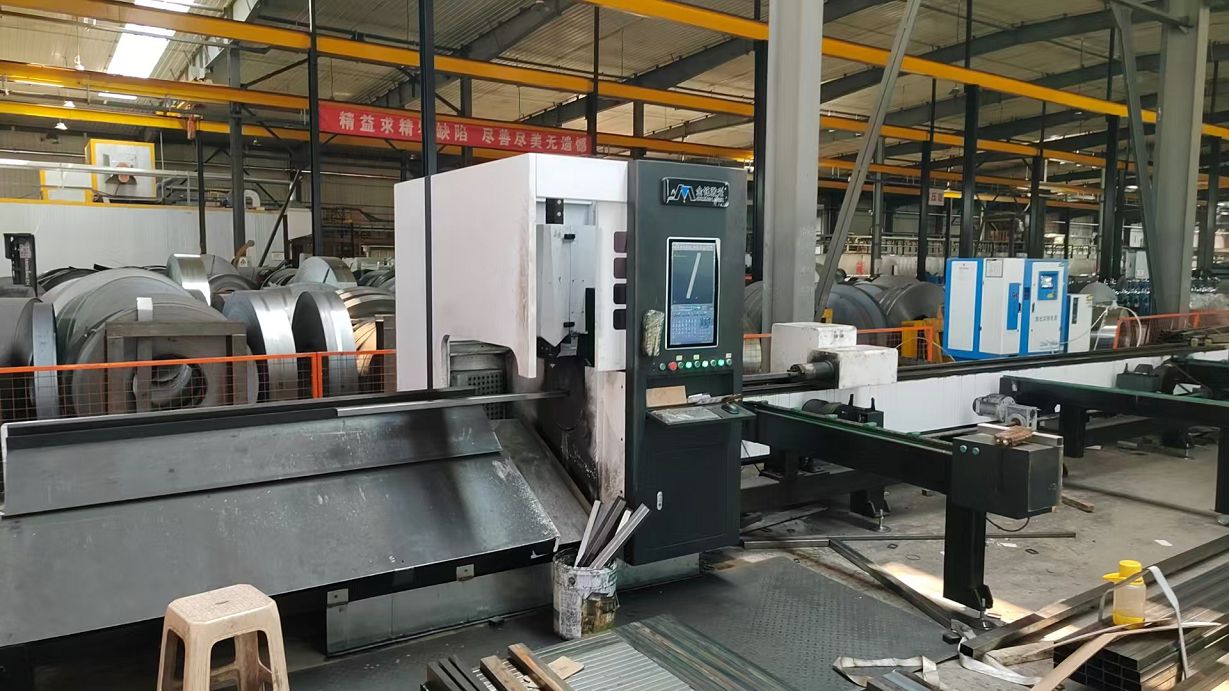
Our dedicated Quality Assurance department comprises 28 skilled QC inspectors who monitor the entire production workflow from raw steel coil inspection to final package sealing. Functioning as a highly integrated manufacturer and global trading hub, our primary markets span the Middle East, South America, Eastern Europe, and rapidly expanding channels in North America (Canada & USA). We actively collaborate with 650 supply chain partners to serve diverse client groups, including cold storage operators, wholesale distribution chains, and automotive assembly facilities.
Driven by Intelligent Modular Racking Design, our innovative R&D team provides flexible, customized solutions including corrosion-resistant galvanization, tailored column profiles, and adjustable beam heights. Last year alone, we successfully executed 28 new product releases, empowered by our core team of 18 professional R&D engineers.
When deploying Attic Shelf and Mezzanine systems in Canadian facilities, structural safety is the most critical element of the design cycle. Racks must support static pallet or shelf loads alongside dynamic loads from human traffic, pallet jacks, and occasionally, light automated guided vehicles (AGVs) or autonomous mobile robots (AMRs).
For a system to pass local building inspections in Canada, it must conform to the CSA A344 Standard (User Guide for Steel Storage Racks). In seismic zones like Vancouver or Richmond, BC, structural designs are cross-referenced with the CSA S16 Design of Steel Structures and must account for local seismic coefficients. The engineering calculations verify that under peak ground acceleration, the multi-tier platform will maintain its structural integrity without collapse.
"Our engineering team leverages Finite Element Analysis (FEA) software to simulate real-world stress distributions on attic shelving joints under dynamic load scenarios. This guarantees compliance with Canadian P.Eng. stamping criteria before the steel elements ever leave our factory doors."
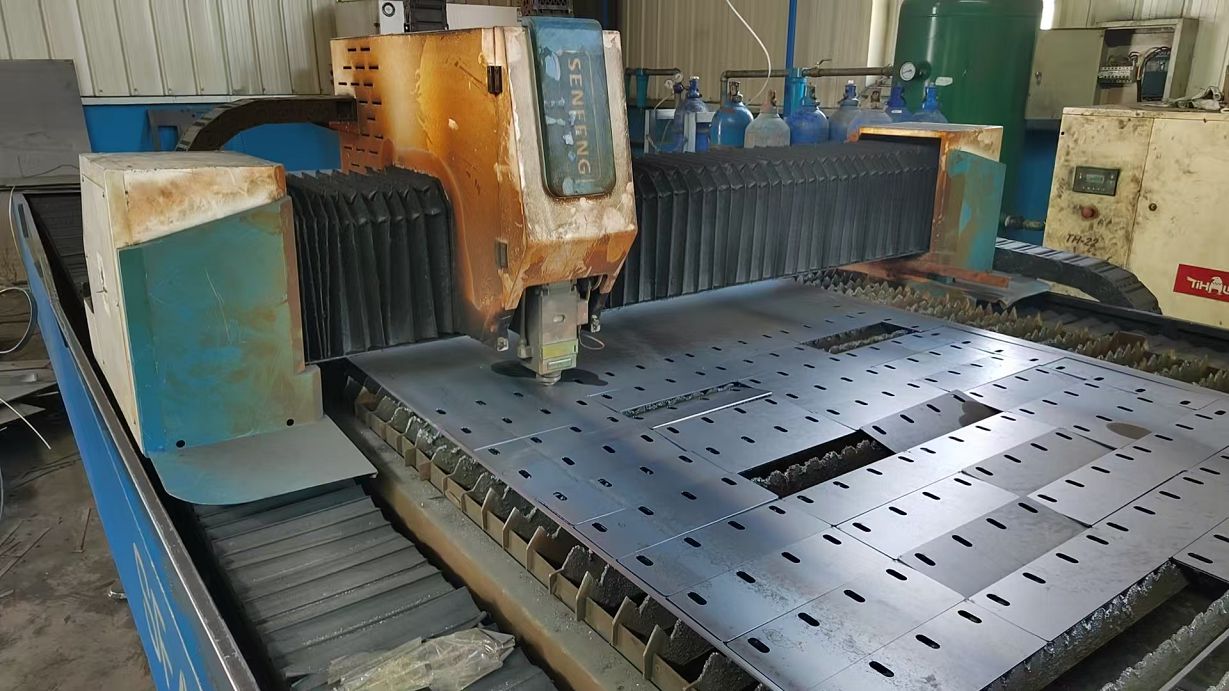
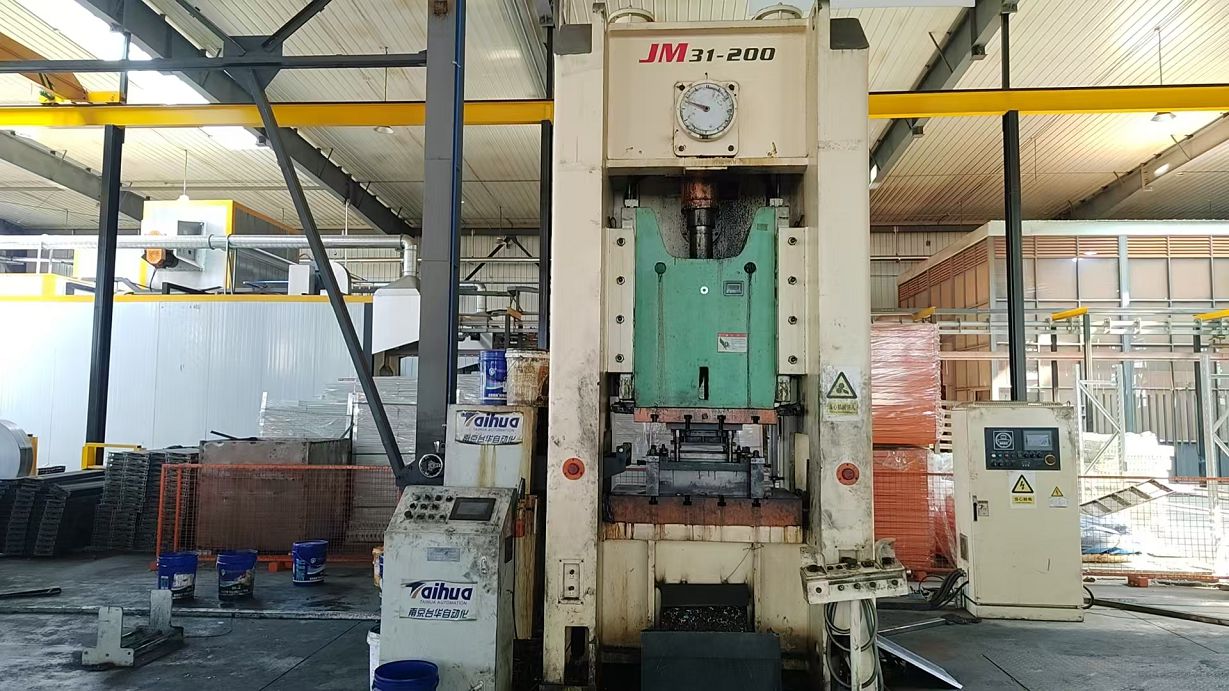
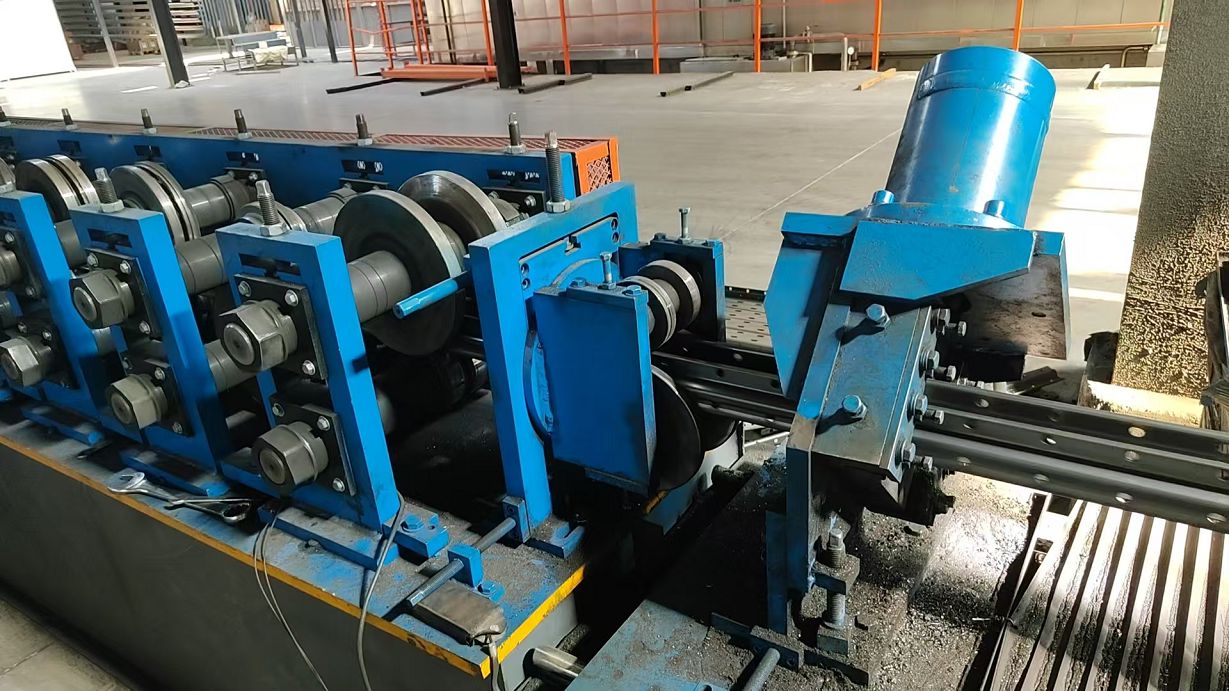
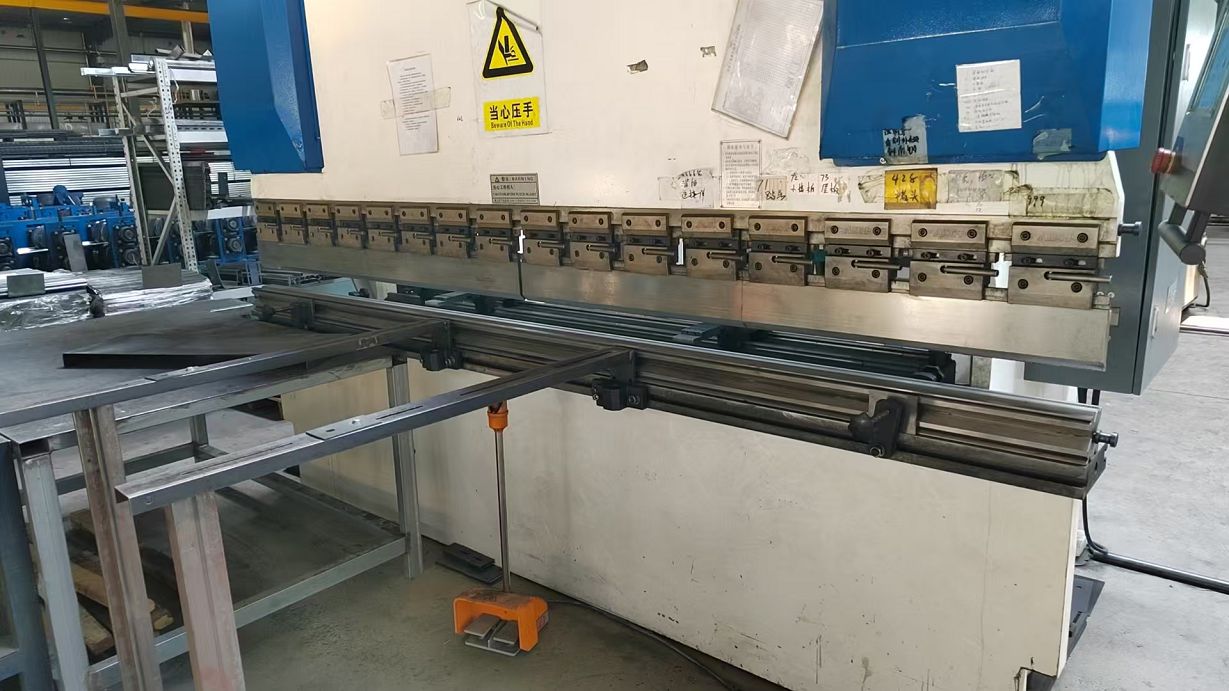
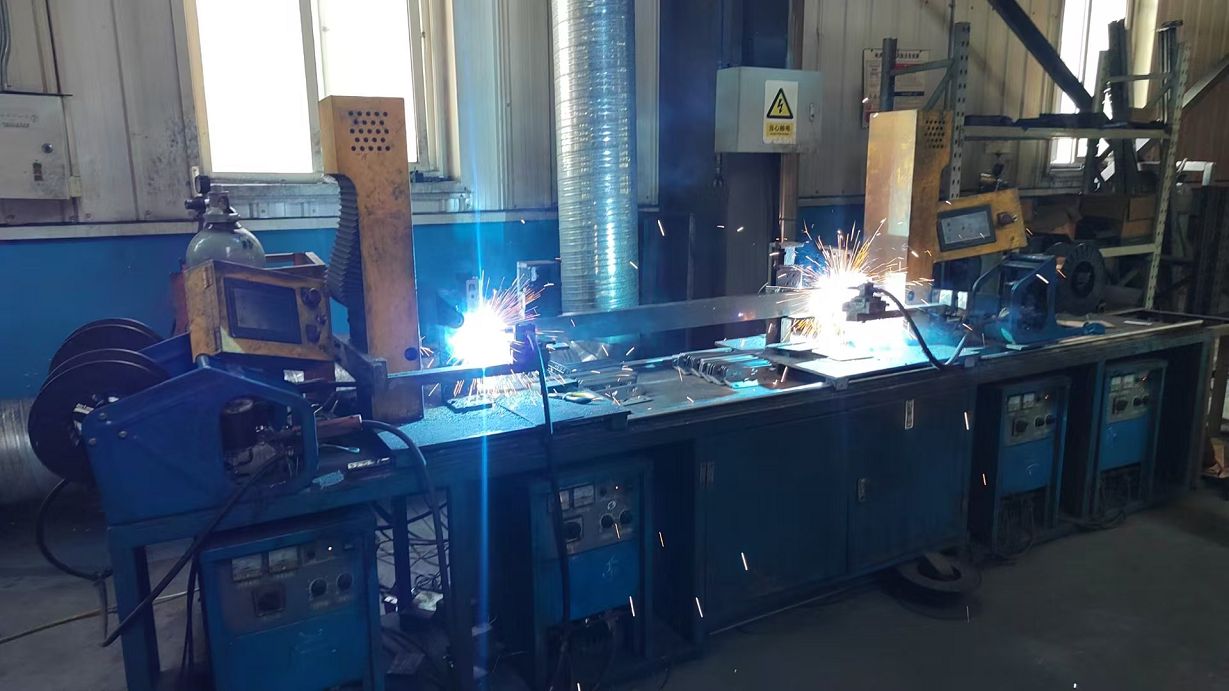
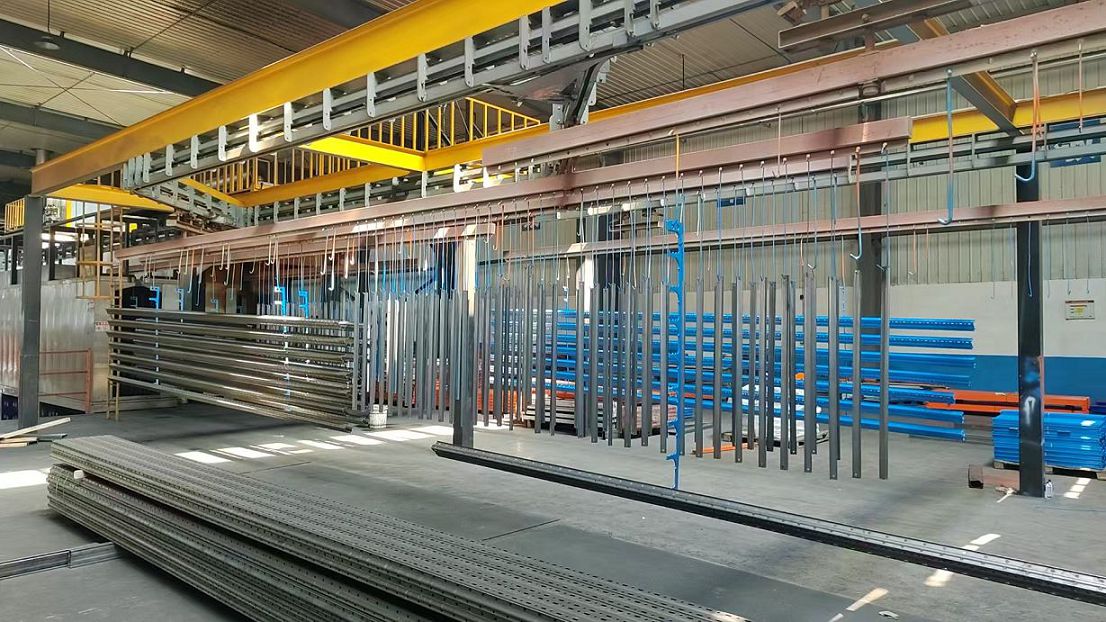
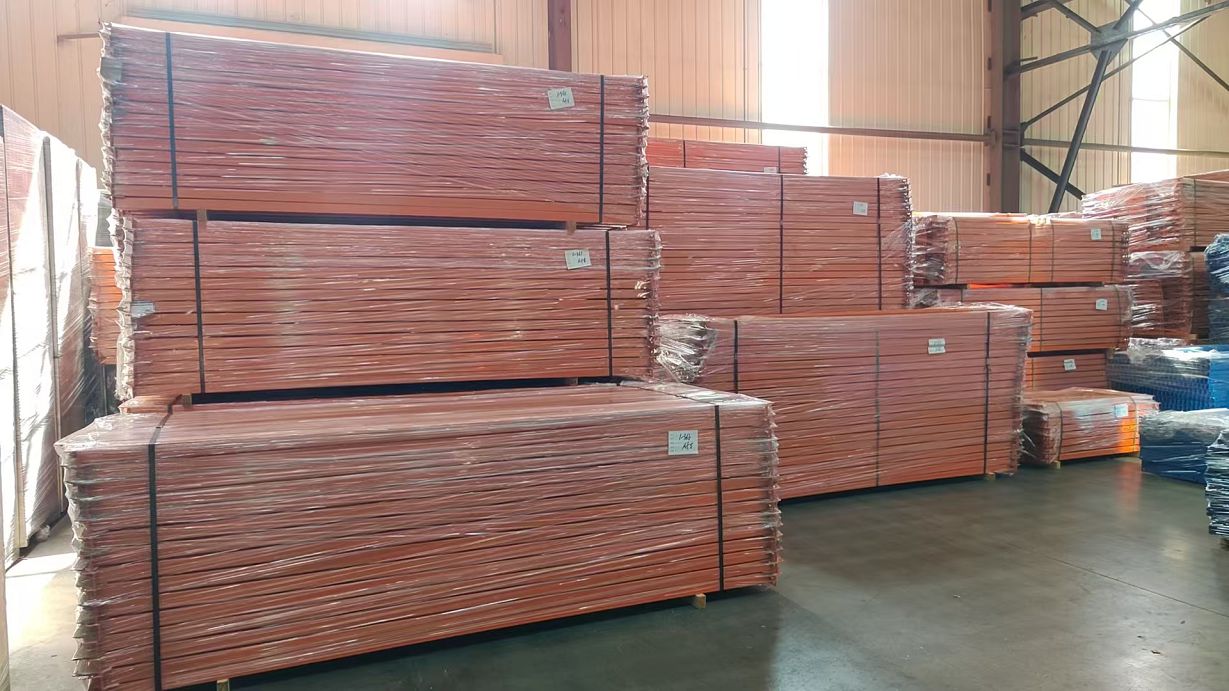
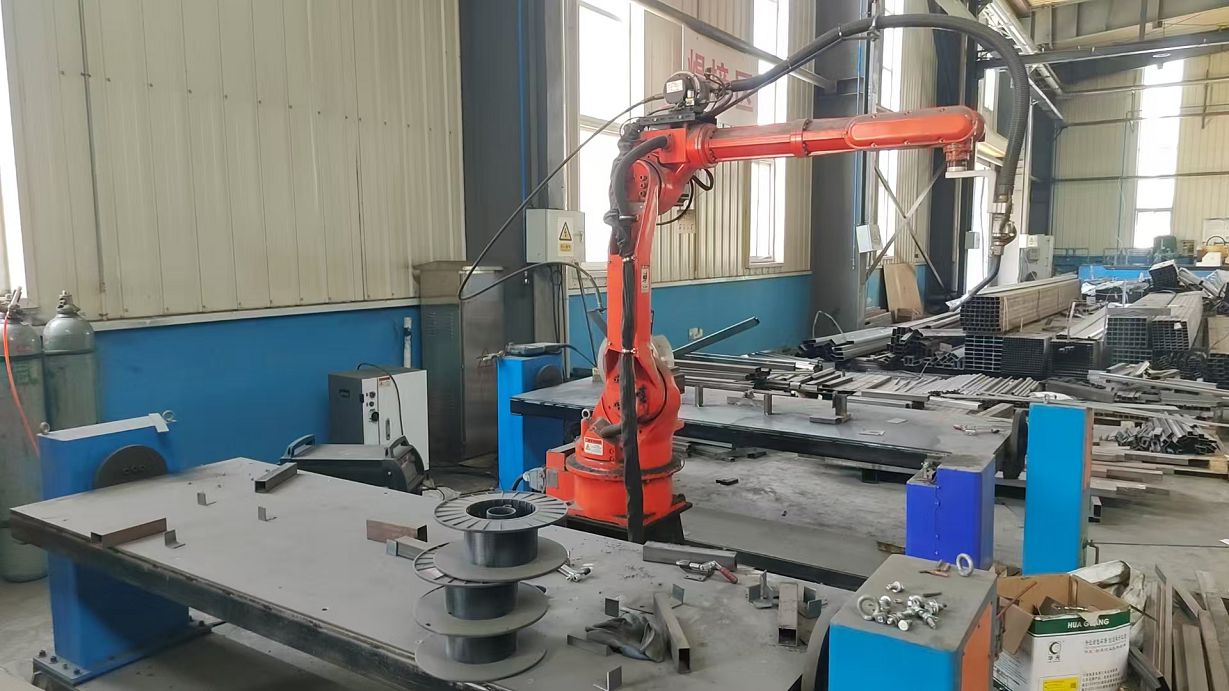
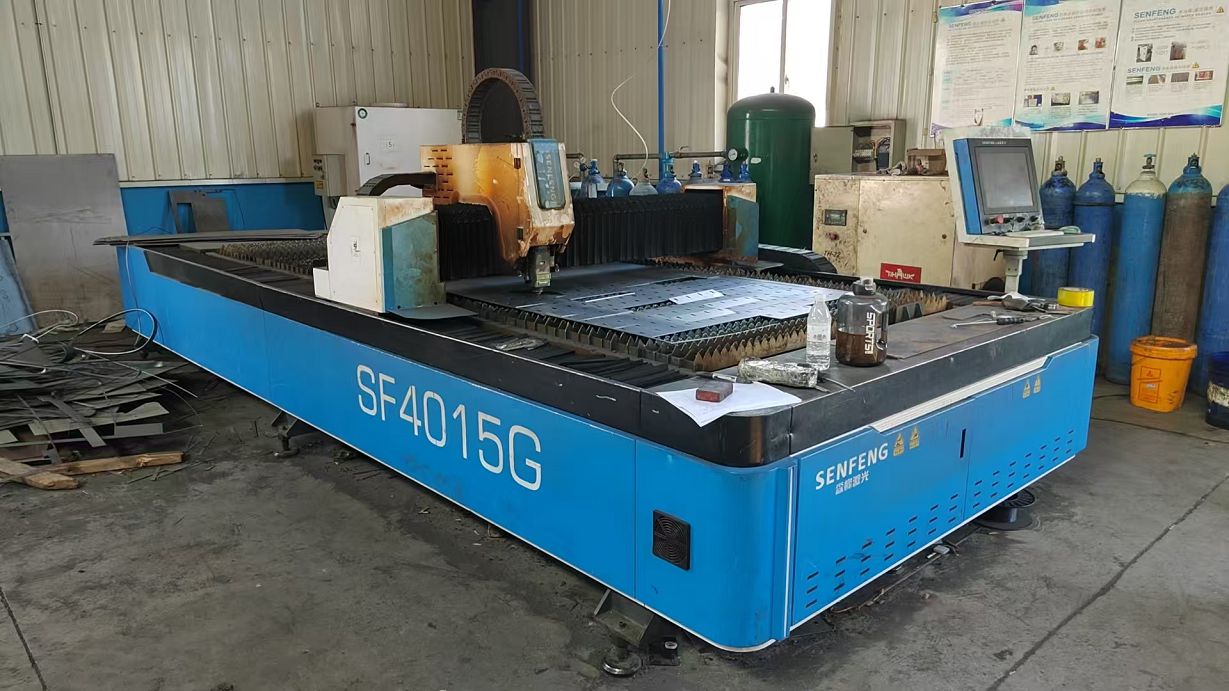
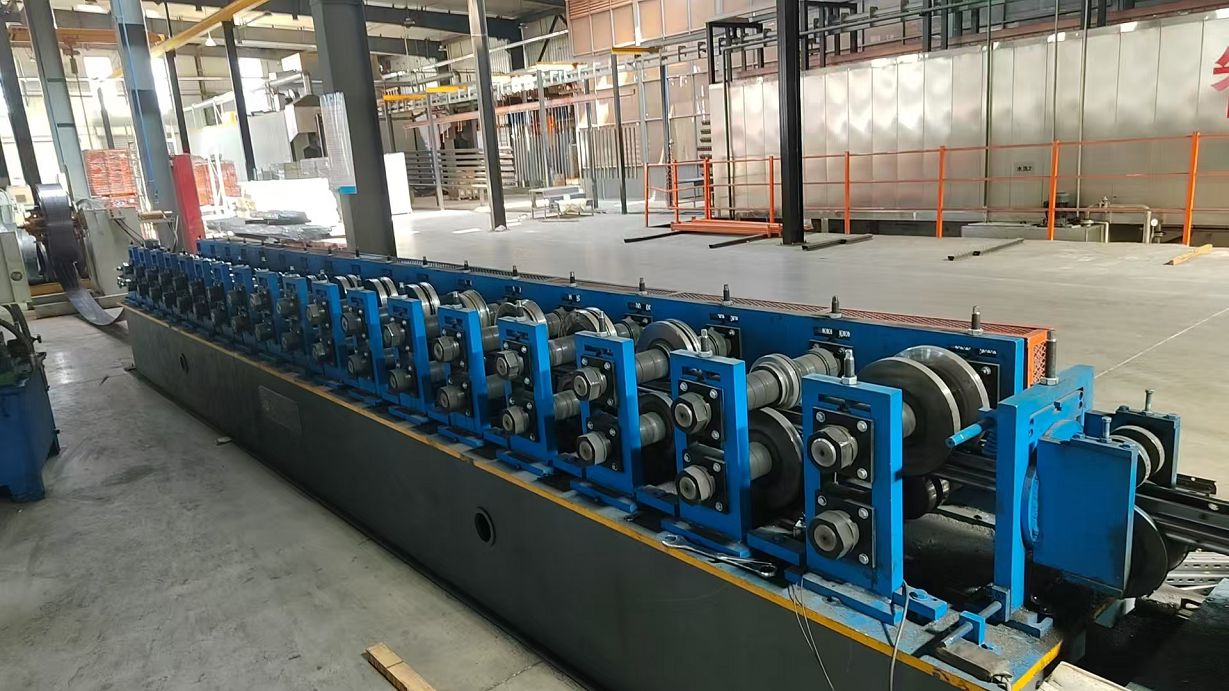
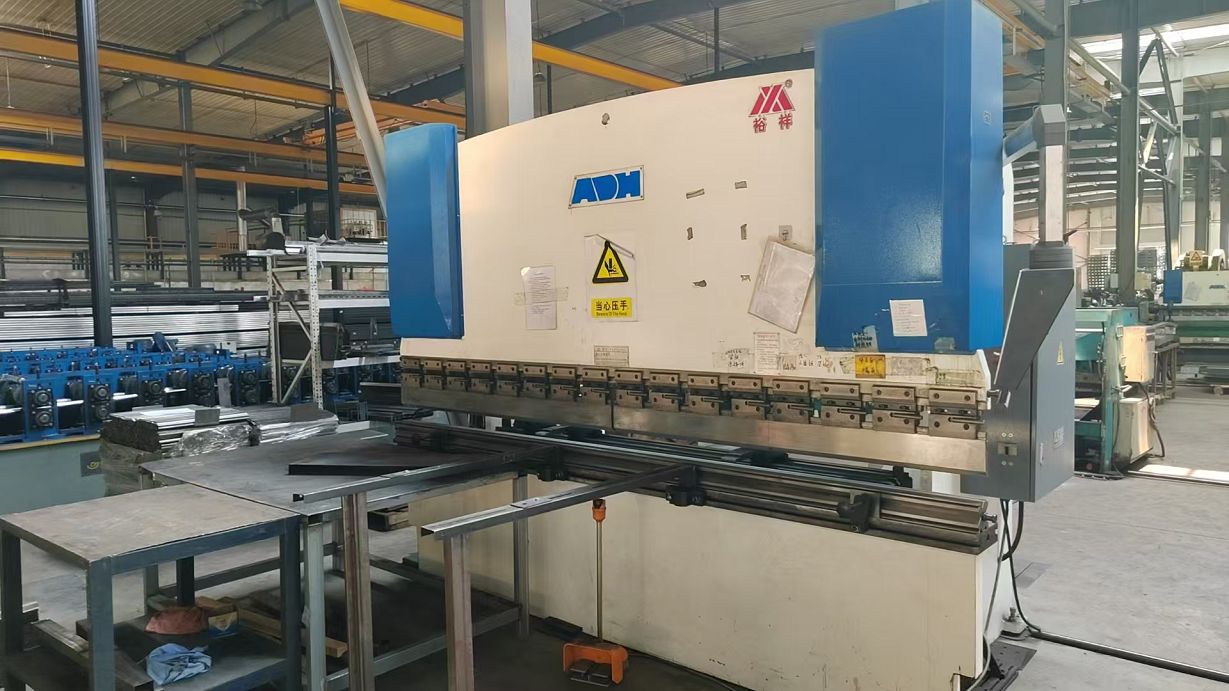
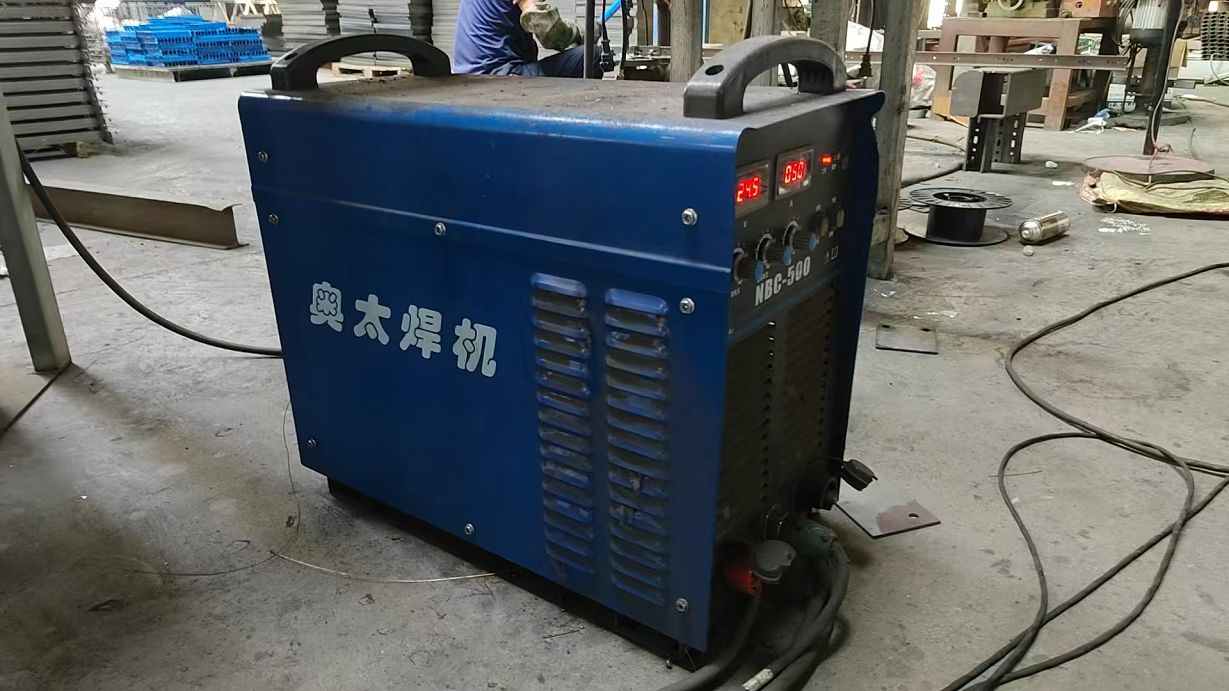
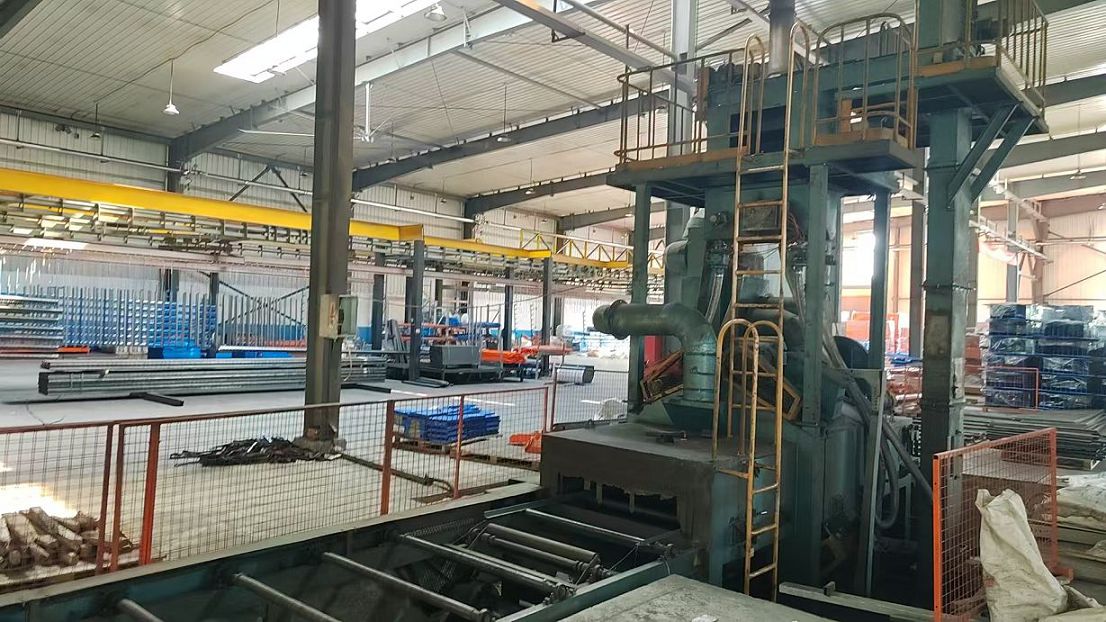
A visual look inside our 22,000 m² modern manufacturing facility, utilizing automated robotics and laser precision to output high-performance industrial racking.
Attic shelving systems are not one-size-fits-all products. Different industries operating in Canada have highly specific structural and logistical demands:
In high-throughput e-commerce hubs, attic shelves are commonly configured as multi-tier pick towers. The design emphasizes foot traffic flow, integrated slide chutes for fast-moving items, and strategic placement of carton flow tracks. Incorporating mesh decking is critical to meet local Canadian fire protection regulations (NFPA 13), allowing sprinkler system water to penetrate all levels.
In sub-zero temperatures, typical carbon steel can become brittle. Chengdu CoreStorage utilizes specialized low-temperature carbon steel options and high-durability zinc coatings to prevent crystallization and corrosion. Multi-tier shelving in cold rooms maximizes expensive refrigerated volume, drastically lowering operational utility costs per pallet.
For automotive suppliers storing engines, transmissions, and heavy tools, the platform load ratings are pushed to their maximum. Heavy-duty cantilever columns and structural steel components are combined to provide dynamic crane-loading access points and safety gates (e.g., pivot gate systems), preventing falls from elevated levels during loading.
As material science and warehouse robotics advance, the design of attic shelf systems is shifting toward smarter, lighter, and more environmentally sustainable materials.
To reduce deadweight without sacrificing structural integrity, the use of ultra-high-strength steel alloys allows manufacturers to decrease profile thickness while matching traditional load capabilities. This development reduces ocean shipping weight (lowering carbon emissions and overall cost) and simplifies on-site assembly within Canadian distribution centers.
The future of industrial warehousing involves real-time monitoring. By integrating strain gauges and micro-sensors into critical structural joints and column bases, warehouse managers can monitor load weight and structural shift via an online dashboard. If a fork truck impacts an upright or a level is overloaded, maintenance teams are notified immediately to prevent catastrophic failure.
Fast-changing market demands mean that structures must be flexible. Bolted connections are completely replacing welded assemblies, allowing Canadian facilities to easily expand, reconfigure, or dismantle and relocate the attic shelving system as business operations evolve.
Importing large industrial structures into Canada from global manufacturers requires precise coordination. Understanding the logistics, custom procedures, and installation logistics is essential for a seamless project execution.
Our factory in Chengdu leverages integrated shipping networks to deliver components directly to the Port of Vancouver or the Port of Montreal. By utilizing optimized packaging and flat-pack bundling (facilitated by our specialized packing process), we maximize ocean container volumetric efficiency, minimizing transportation costs.
To ensure zero delays at the border, all products are accompanied by comprehensive bill-of-materials (BOM), structural testing certificates, and conformity documentation. Our global trade specialists handle all necessary commercial invoicing and customs declarations in accordance with the CBSA (Canada Border Services Agency) regulations.
We supply detailed 3D installation drawings, step-by-step assembly guides, and layout specifications. For major projects, we collaborate with local Canadian engineering offices to secure local provincial engineer stamps (P.Eng. seals) and conduct Pre-Start Health and Safety Reviews (PSR), assuring full administrative and structural compliance before the system goes live.
Answering technical, structural, and procurement questions frequently asked by Canadian logistics operators and warehouse managers.
Premium grade retail and commercial warehousing equipment designed to support modern logistics and heavy retail displays across Canada.
Get in touch with our team of technical specialists for custom layout designs, load calculations, and competitive pricing for the Canadian market. We offer engineering stamps and full shipping compliance support.
Send Inquiry Now CoreStorage