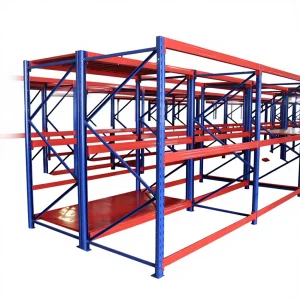
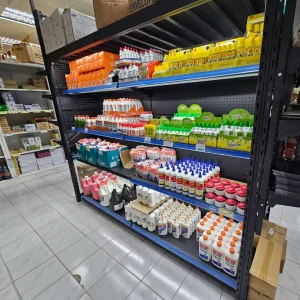
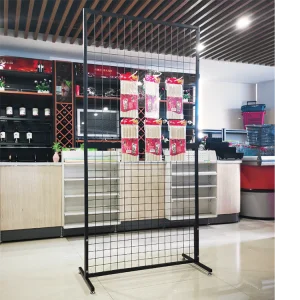

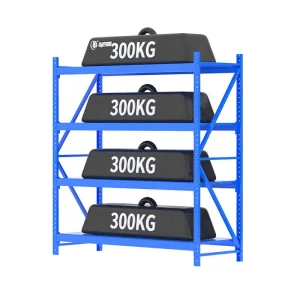
In modern industrial logistics, floor space is one of the most premium assets. To combat skyrocketing real estate costs, supply chain operators are transitioning rapidly from traditional selective systems to high-density configuration methodologies. Among these, **Pantograph Shelving Systems** (commonly engineered as deep-reach racking with scissor-extension mechanisms) represent a monumental leap in space optimization. By utilizing a heavy-duty mechanical pantograph arm, warehouses can store pallets two-deep, eliminating every second access aisle and expanding horizontal storage density by up to 35% without expanding the physical footprint.
Unlike standard double-deep racks that require specialized forklift attachments with variable forks, structurally integrated pantograph shelving distributes kinetic and static load profiles directly along the structural grid. As the global logistics ecosystem trends toward automated micro-fulfillment and dense cold storage facilities, understanding the manufacturing precision and material chemistry behind these pantograph assemblies becomes critical for major distribution networks.
Across North America, Western Europe, and rapidly expanding trade corridors in the Middle East and Eastern Europe, the integration of pantograph storage platforms is governed by safety, reliability, and precision. In South American agricultural distribution sectors, bulk storage requires heavy-duty racking systems capable of withstanding seismic conditions and high ambient humidity. Conversely, European logistics sectors operate under strict EN 15620 guidelines, mandating highly precise alignment tolerancing for robotic picking mechanisms.
This variance in regional requirements makes it essential for procurement managers to work with unified manufacturers. A factory must act as both an experienced fabricator and an agile engineering house, translating localized regulatory demands into custom structural steel compositions like **Q235 steel** and advanced surface finishes that survive temperature-controlled cold chains.
Chengdu CoreStorage Logistics Equipment Manufacturing Co., Ltd. was founded in 2016. Spanning a comprehensive factory area of 22,000 m², the company generates an annual export revenue of $15,000,000. We bring 6 years of global trade expertise alongside 11 years of specialized industrial rack manufacturing experience.
To ensure maximum load integrity, our quality control procedures adhere to ISO 9001 & CE Structural Safety Standards, utilizing advanced CMM Automated Dimensional & Load Stress Testing. Our Quality Department comprises 28 skilled QC inspectors. Functioning with an Integrated Manufacturer & Global Trading Hub background, our main markets are focused on the Middle East, South America, and Eastern Europe. We actively collaborate with 650 supply chain partners to serve diverse client groups, including cold storage operators, wholesale distribution chains, and automotive assembly facilities.
Driven by Intelligent Modular Racking Design, our innovation team provides flexible custom options such as corrosion-resistant galvanization, tailored column profiles, and adjustable beam heights. Last year, we successfully executed 28 new product releases, empowered by 18 R&D engineers.
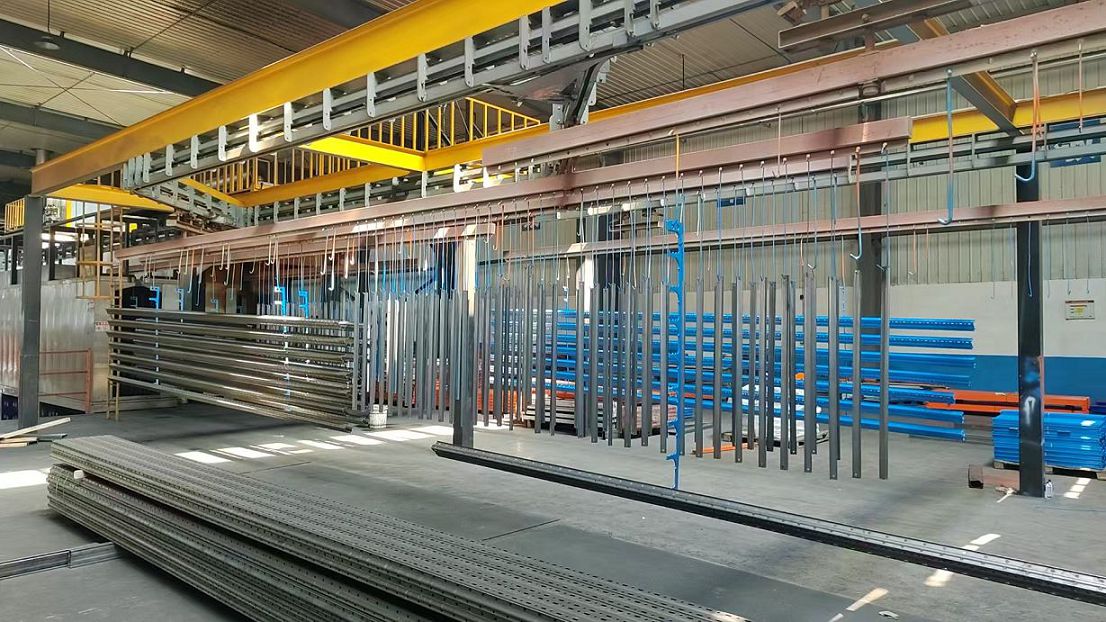
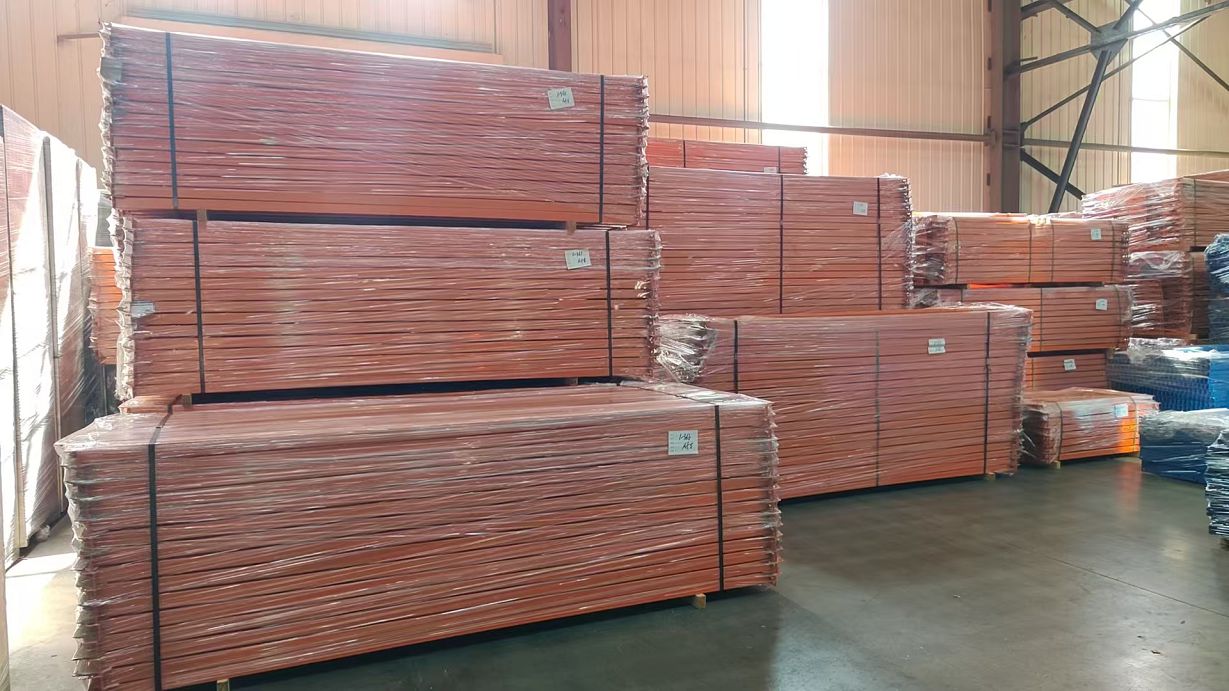
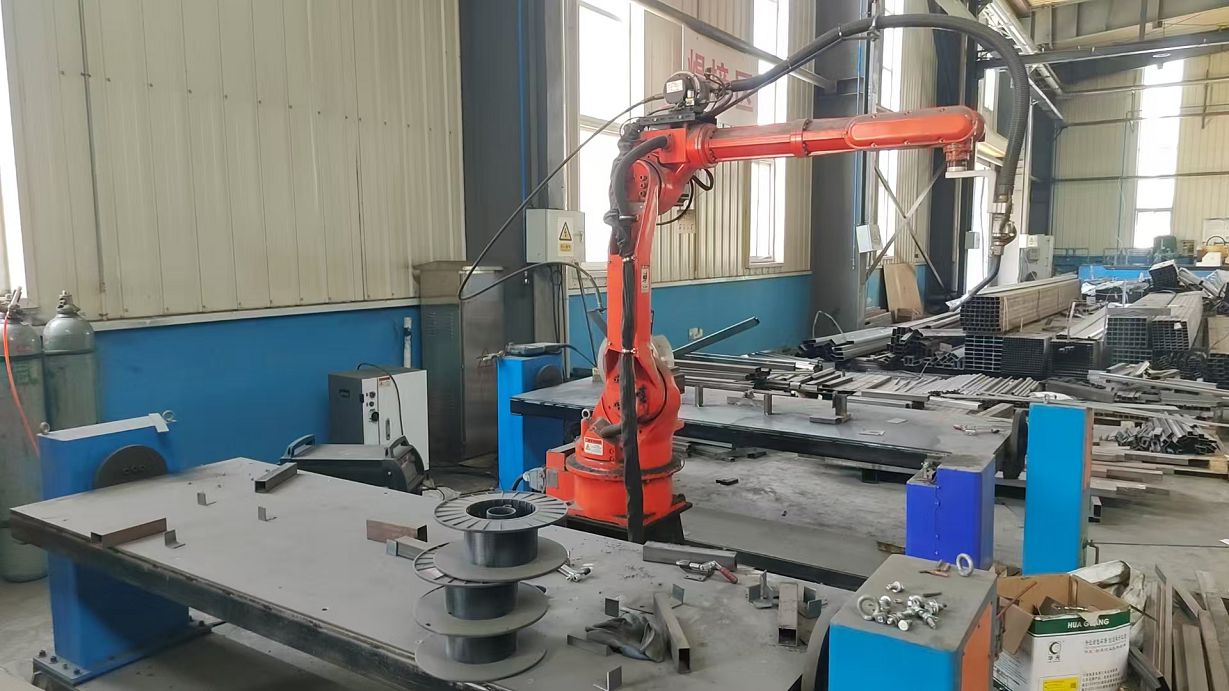
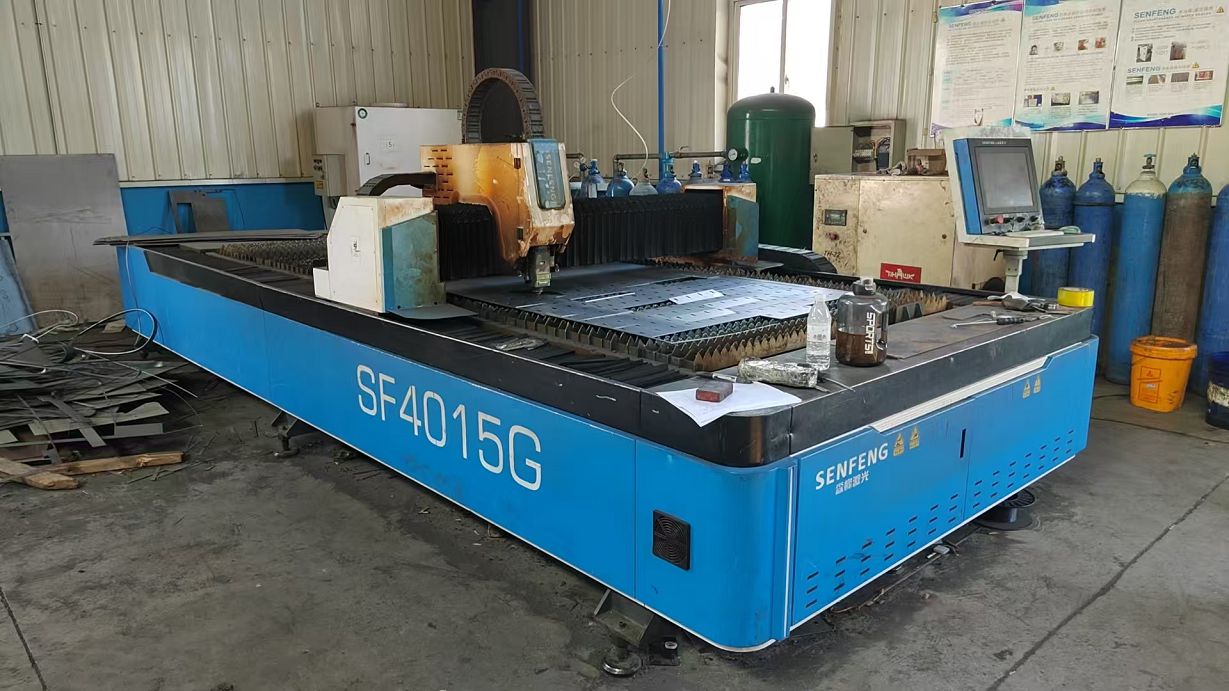
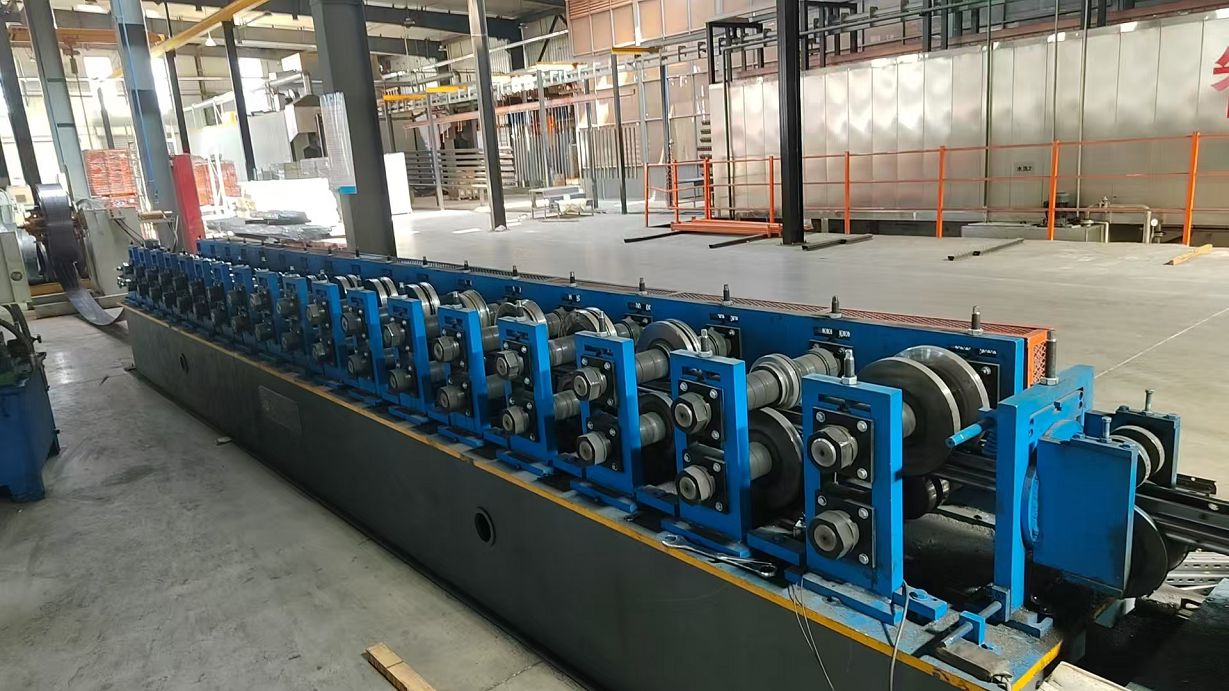
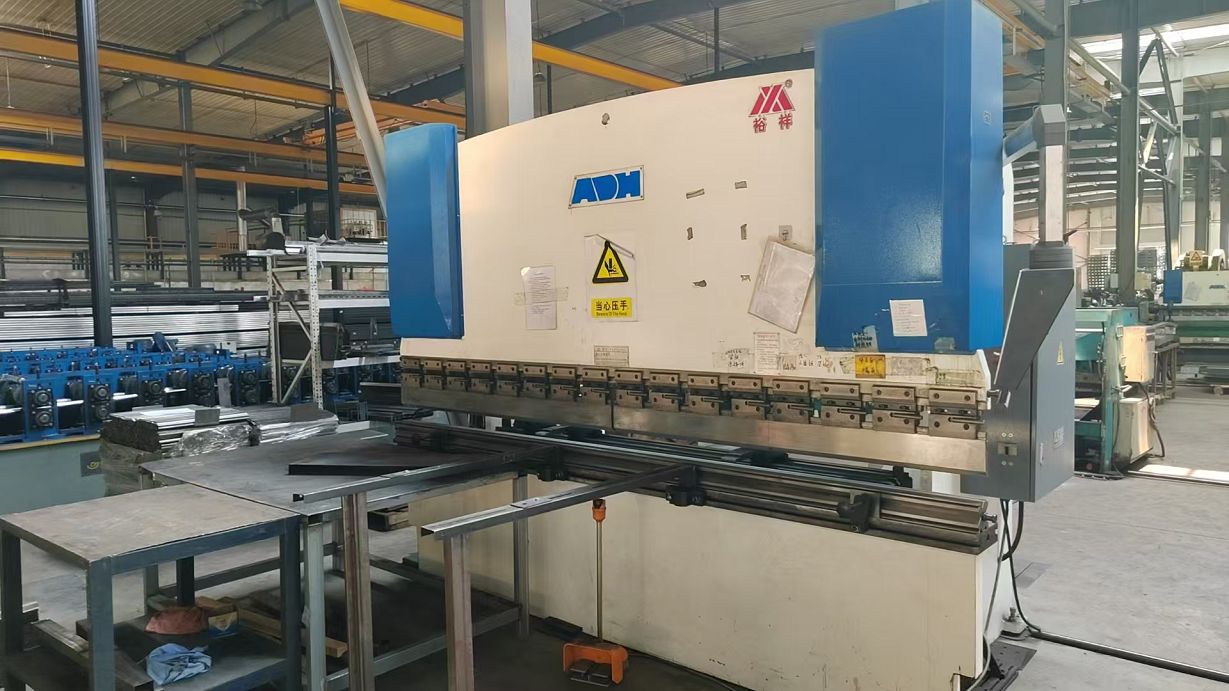
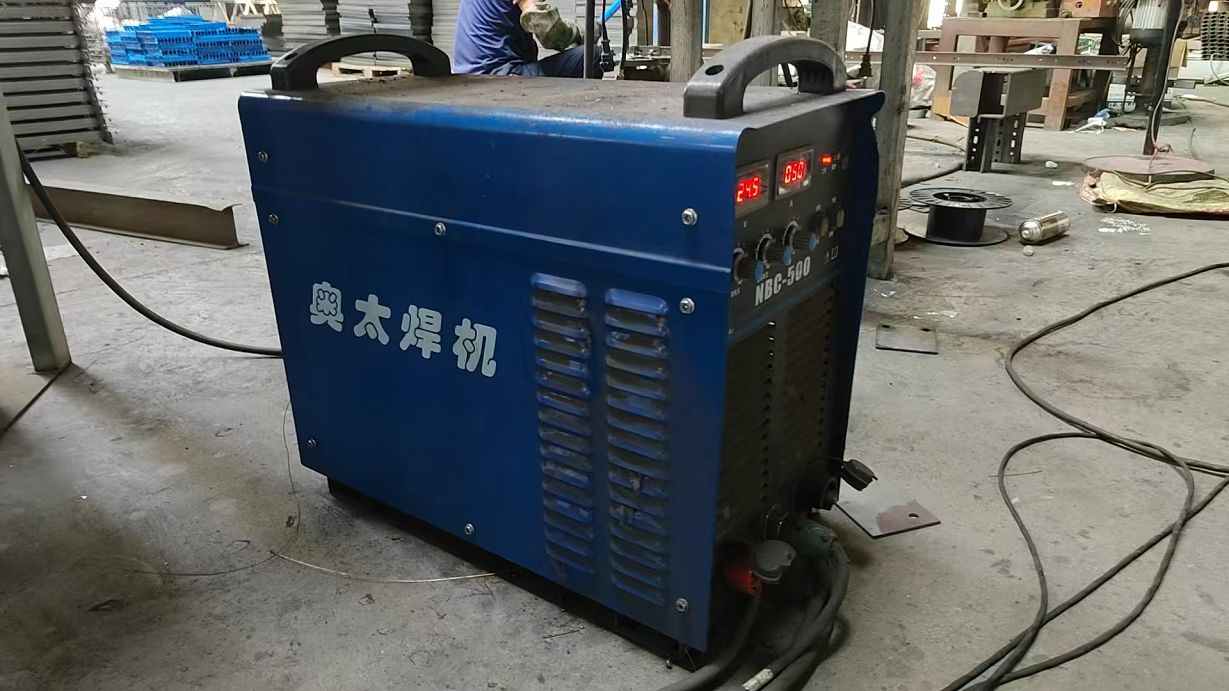
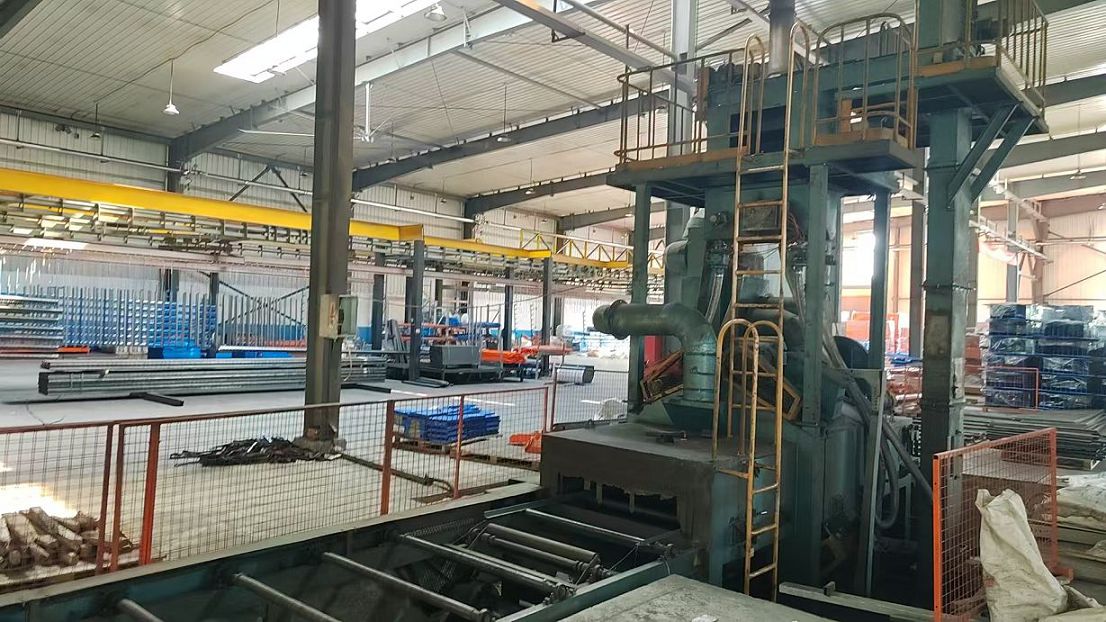
Producing robust, reliable industrial racking requires a strict sequence of manufacturing steps. From raw steel deformation to high-efficiency automated welding, every stage must prevent material fatigue and structural distortion. Below is the comprehensive step-by-step lifecycle deployed across Chengdu CoreStorage's automated lines:
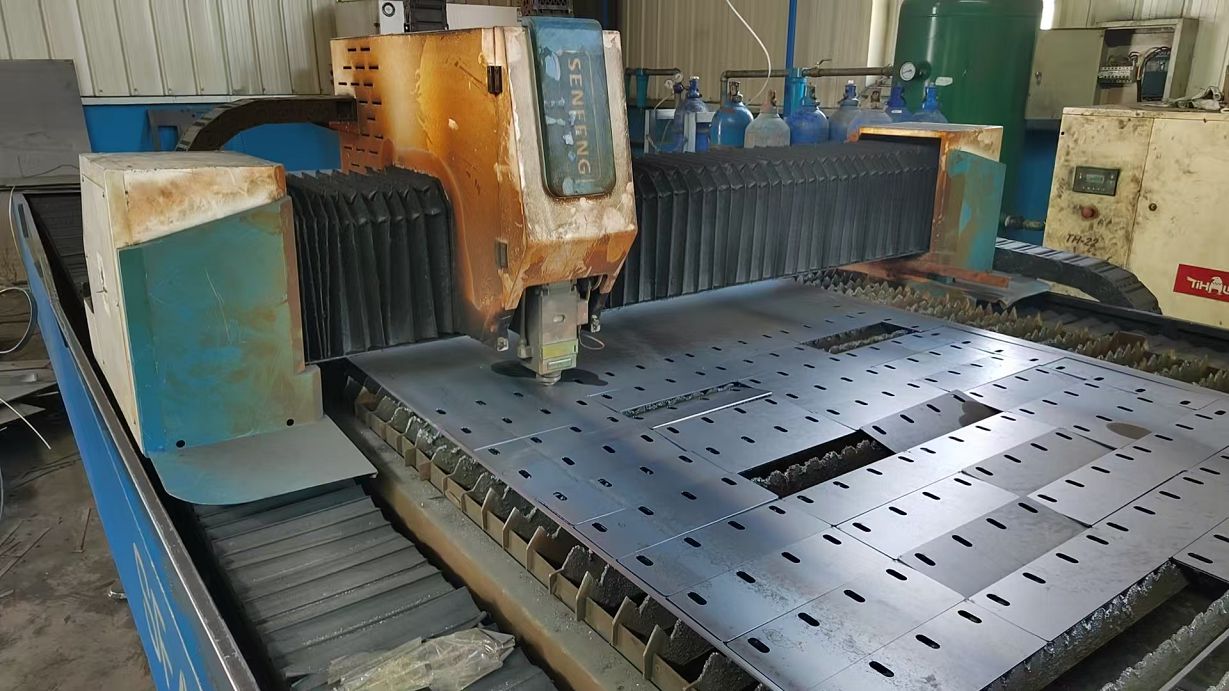
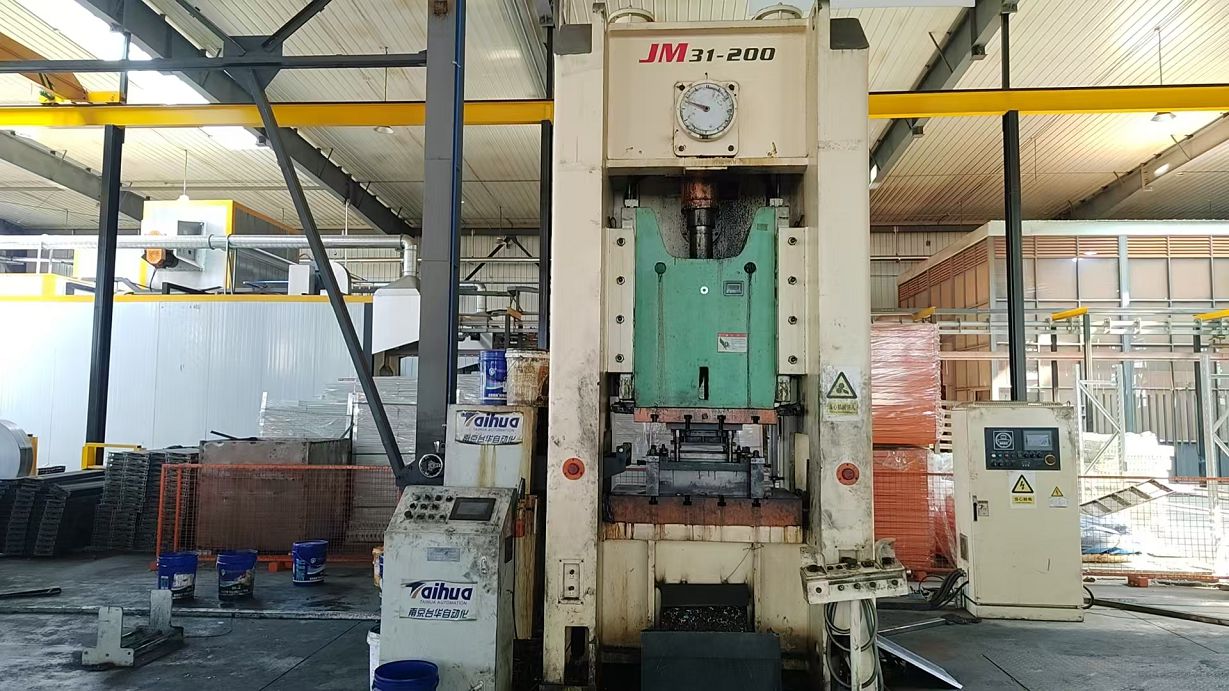
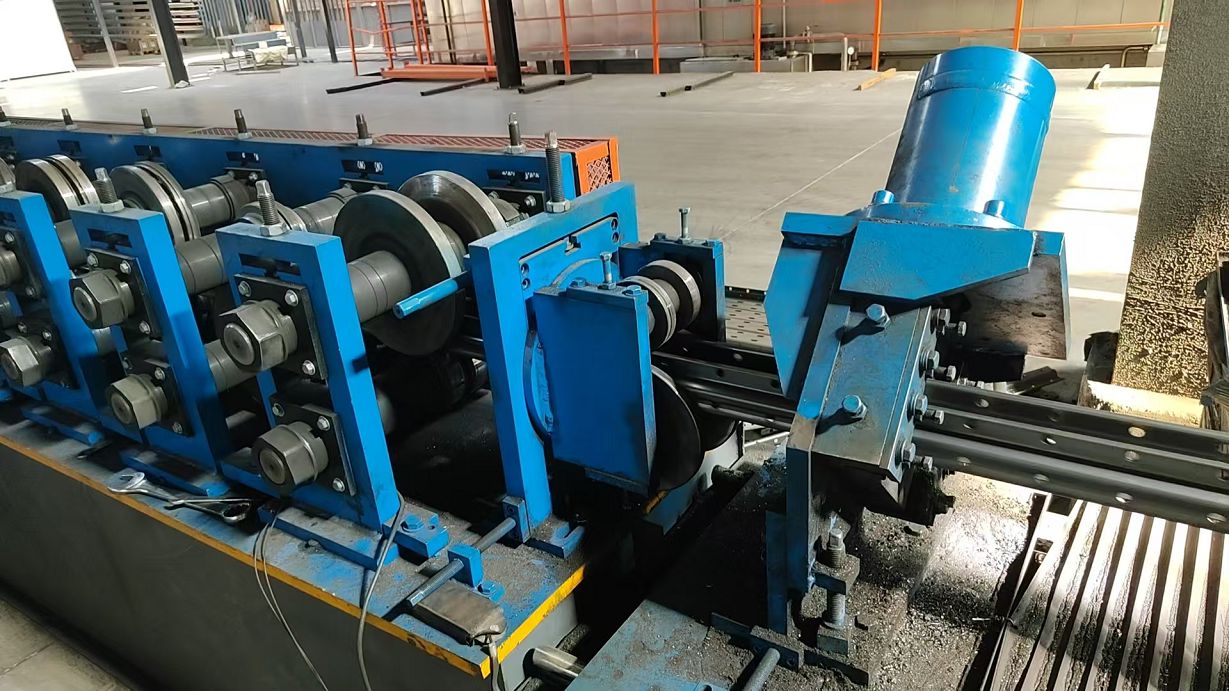
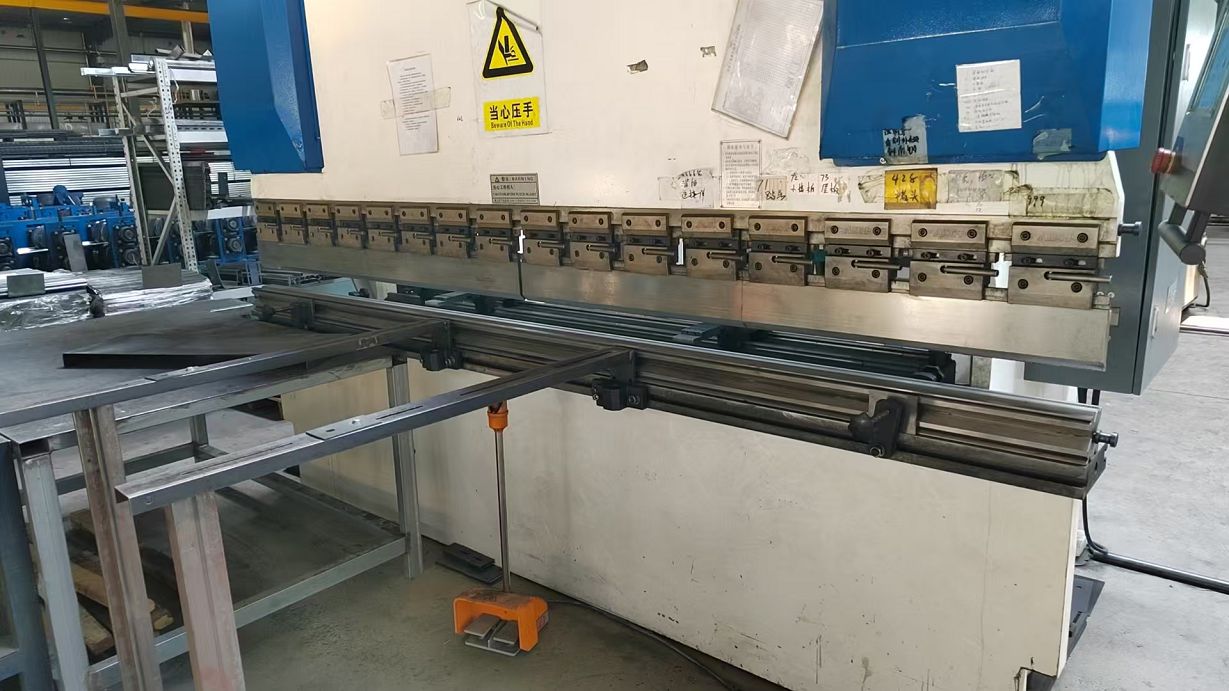
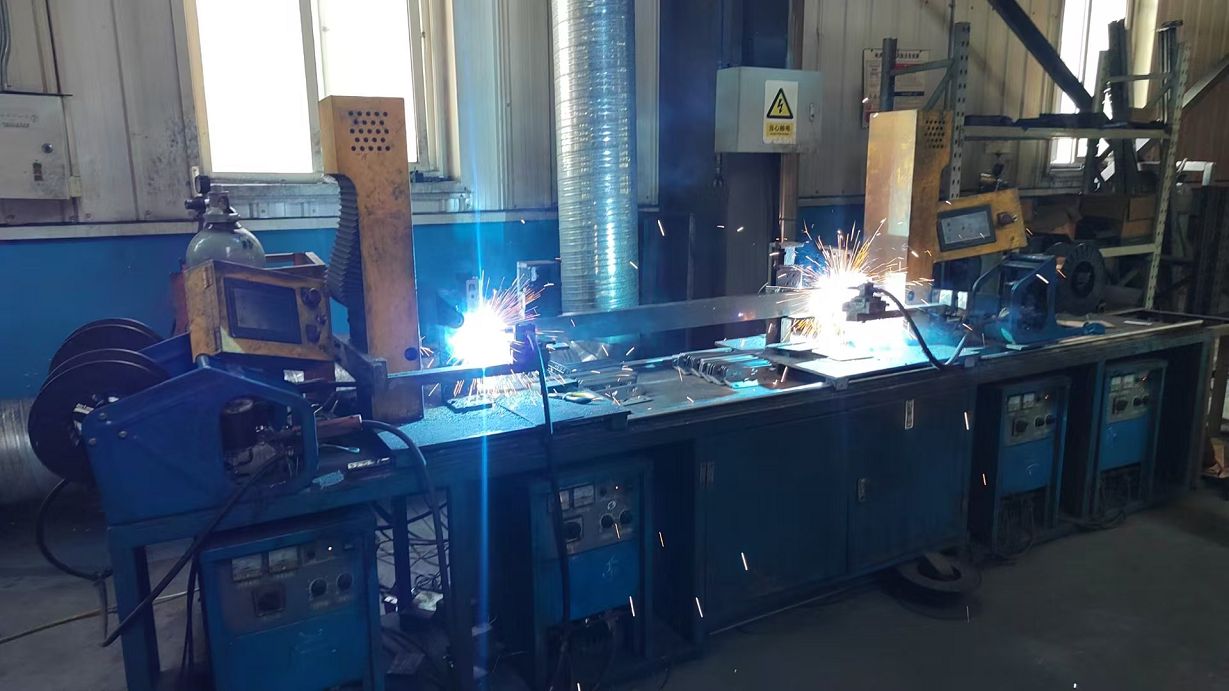
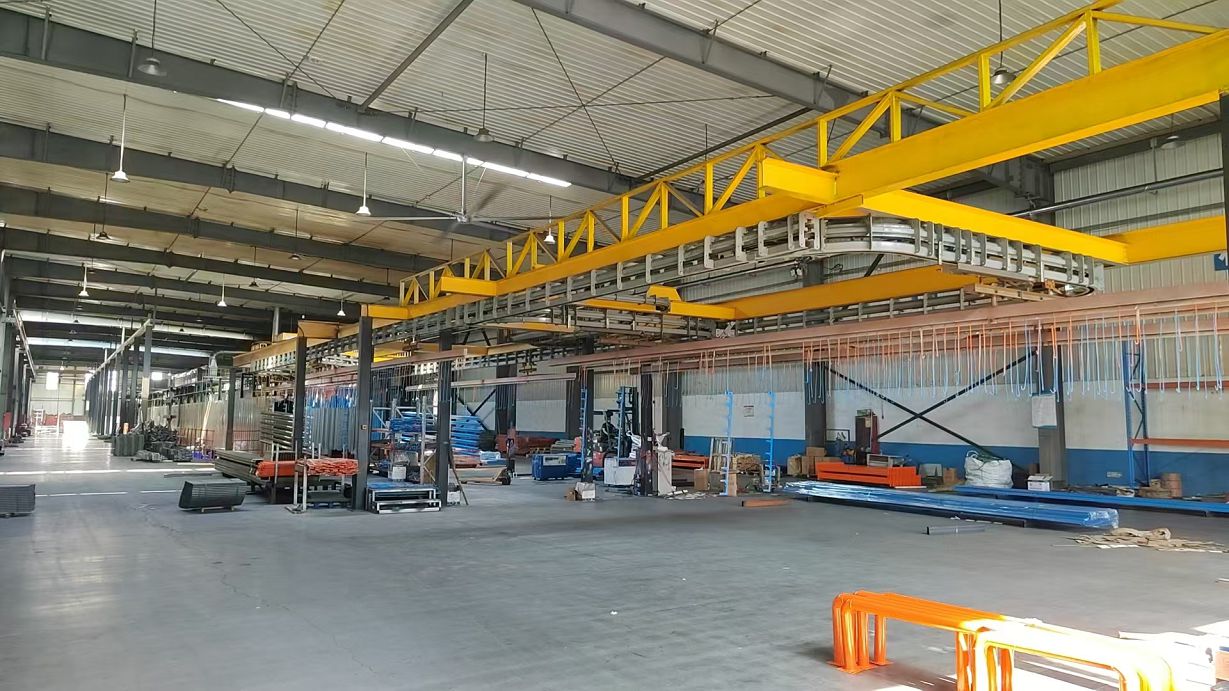
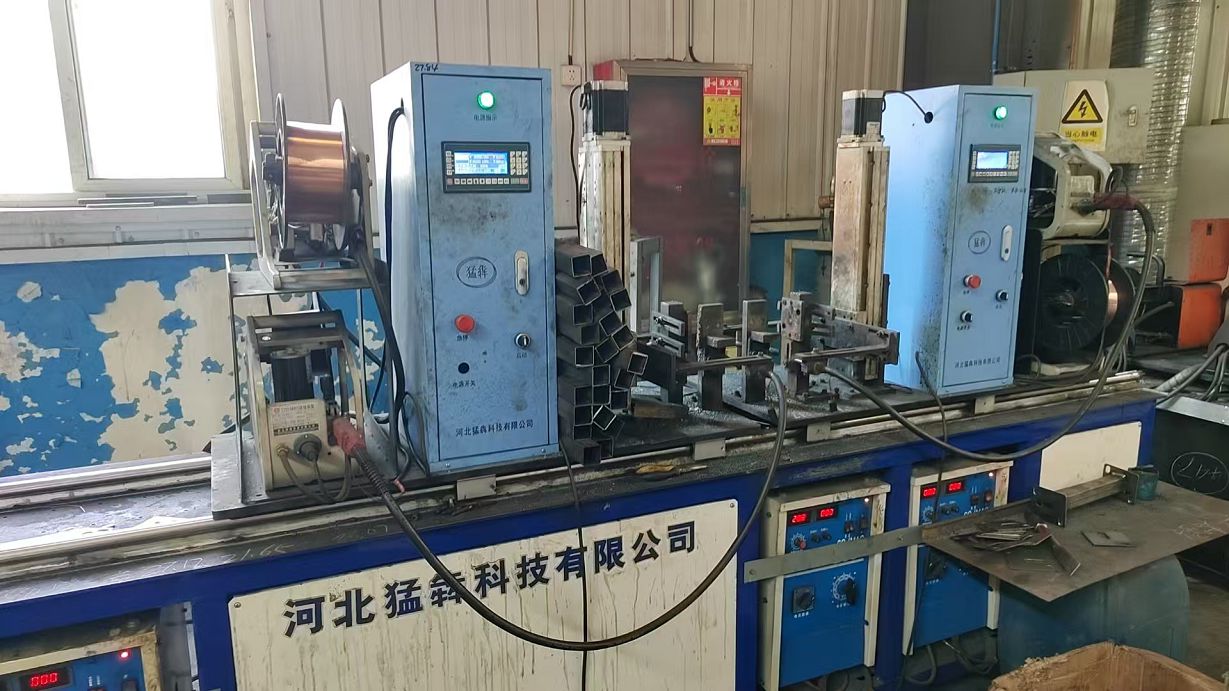
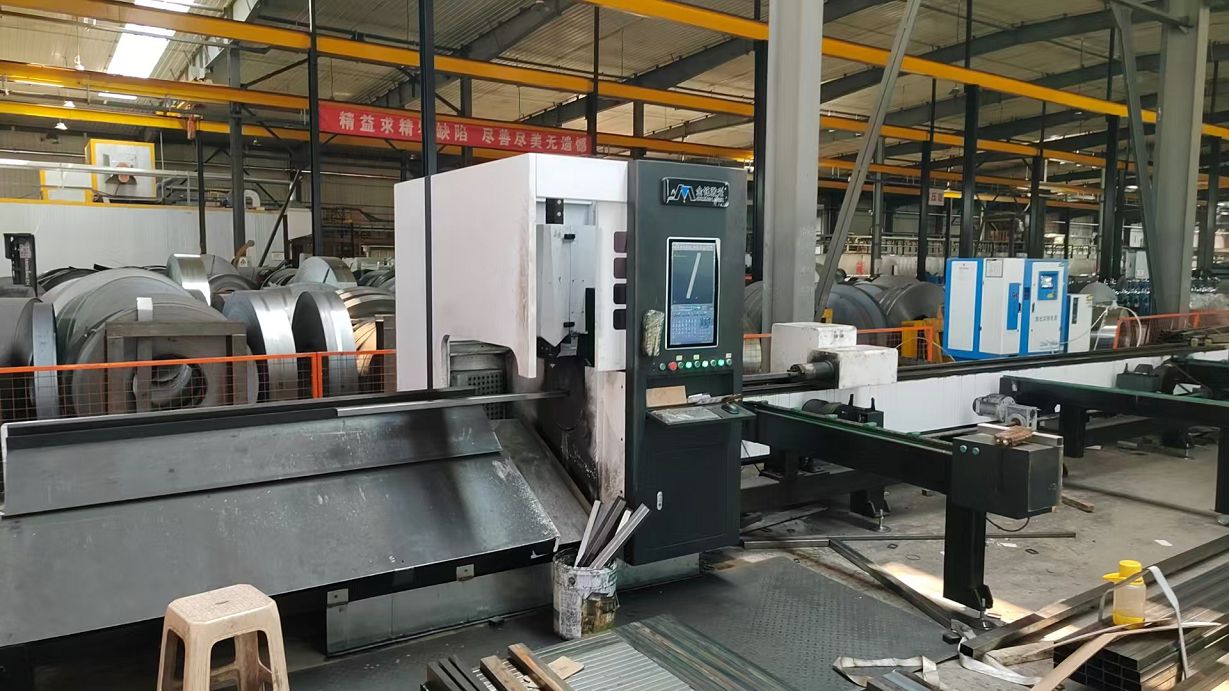
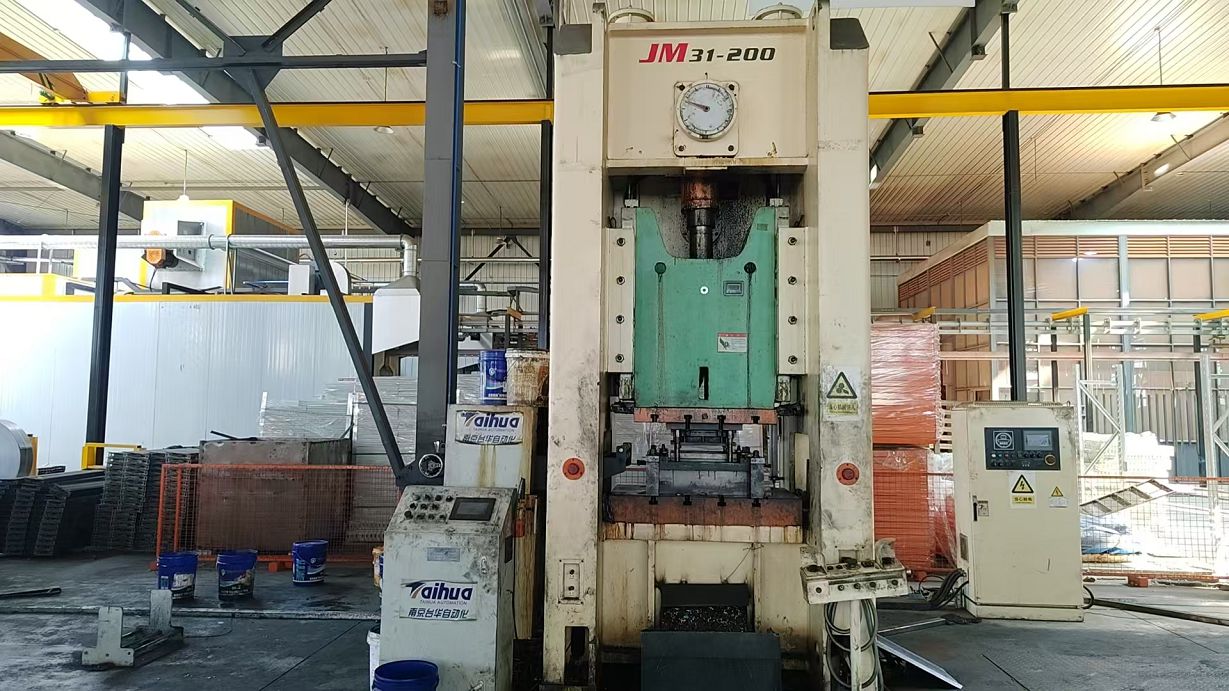
A global storage network requires strict engineering compliance across regions. To ensure continuous operation under extreme structural conditions, our projects undergo thorough localization checks:
Looking ahead, industrial shelving will integrate directly with Automated Storage and Retrieval Systems (ASRS) and Internet of Things (IoT) monitoring frameworks. Our R&D team focuses on two main development paths:
First, we are developing automated, sensor-enabled upright structures. Integrated strain gauges track live weight distribution across multi-level racks, feeding data directly to warehouse management software (WMS) to prevent overloading and uneven structural stress. Second, we are refining green powder coatings that cure at lower temperatures, reducing our carbon footprint during manufacturing and helping global logistics operations meet their sustainability targets.
We primarily utilize certified Q235 and Q355 high-tensile structural steel. These grades provide the ideal balance of yield strength and ductility, allowing racks to handle heavy loads safely over long operational cycles.
Standard selective racking requires a forklift aisle for every rack row. Double-deep pantograph shelving stores pallets two-deep, eliminating half of the forklift aisles. This increases total pallet storage density by up to 35% within the same warehouse footprint.
Our manufacturing processes are certified to ISO 9001 and CE structural safety standards. We use automated Coordinate Measuring Machines (CMM) for dimensional verification, alongside load stress testing to confirm frame and beam capacities.
Yes. We provide corrosion-resistant hot-dip galvanization and specialized low-temperature powder coatings. These finishes ensure structural integrity and prevent degradation in demanding cold storage or chemical handling applications.
Standard fabrication and custom design adjustments typically require 4 to 6 weeks, depending on project scale. This includes engineering validation, automated manufacturing, powder coating, and protective packaging for international transit.
 CoreStorage