Engineered high-performance configurations built for intense industrial operations and high-volume retail environments.
In the contemporary globalized supply chain, industrial storage systems and retail fixtures are no longer static assets; they are dynamic mechanisms critical to operational throughput. As warehouse space costs rise and supply chain margins tighten, multinational procurement officers and facility designers are prioritizing spatial efficiency, safety compliance, and system modularity. Understanding user intent in this sector requires analyzing how space is utilized across various industries, from high-density cold chain warehouses to high-traffic retail spaces.
China has established itself as the global hub for precision-engineered storage solutions. Leveraging advanced metallurgy, fully automated powder coating operations, and robust production capacity, China-based manufacturers deliver high-yield storage systems that meet rigorous international structural safety codes. This whitepaper analyzes the engineering capabilities, manufacturing standards, and custom methodologies that define tier-1 suppliers, specifically highlighting Chengdu CoreStorage Logistics Equipment Manufacturing Co., Ltd. as an industry leader.
Tailoring structural steel systems and display interfaces to meet the demands of different vertical sectors.
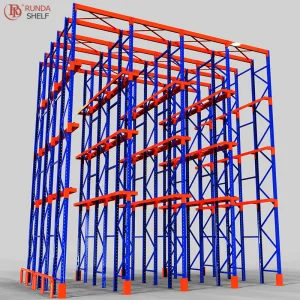
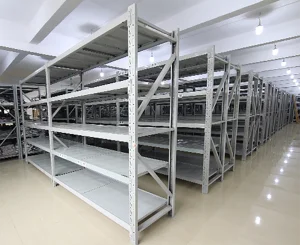
Industrial environments require heavy-duty storage racks with high structural integrity. Multi-tiered mezzanine layouts and drive-through pallet systems help maximize overhead clearance. These configurations are designed to withstand high point-loads and forklift impact, utilizing structural steel columns and drop-in safety beams to prevent accidental dislodgement.
Cold storage demands corrosion-resistant finishes. High-durability hot-dip galvanization (HDG) and specialized low-temperature powder coatings prevent rust and embrittlement. Maximizing storage density is essential to lower refrigeration costs, making mobile racking and drive-in racks the preferred choice for cold storage operators.
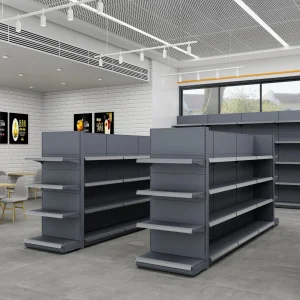
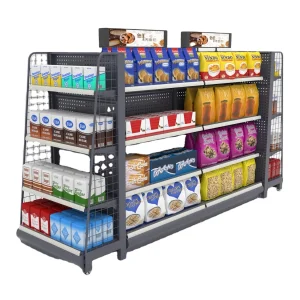
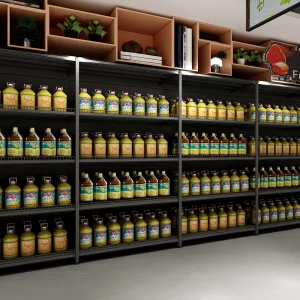
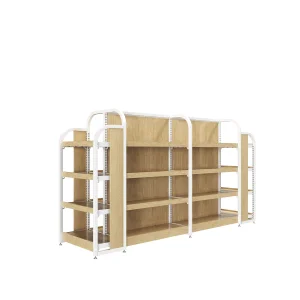
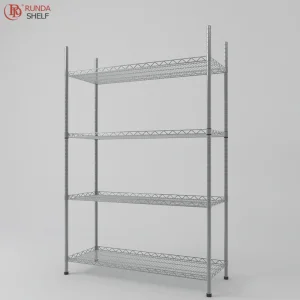
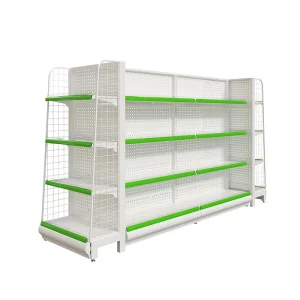
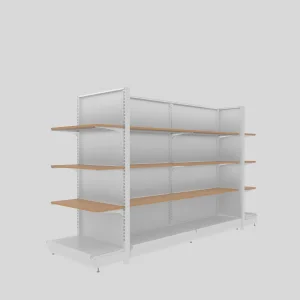
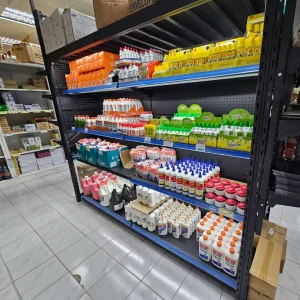
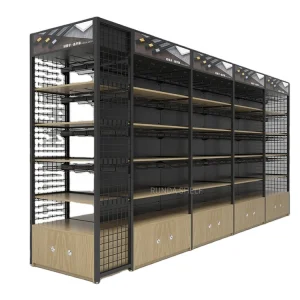
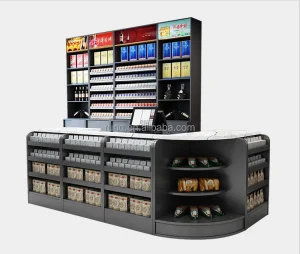
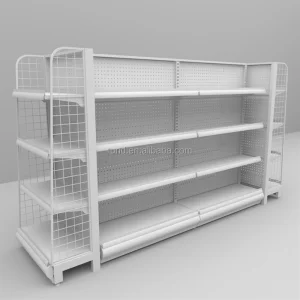
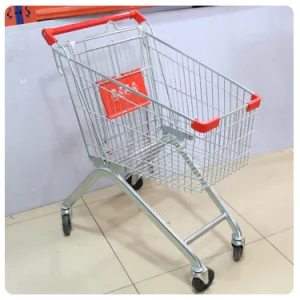
Retail operations require modular flexibility, visual appeal, and clear accessibility. Double-sided steel gondolas, wire mesh shelves, and hybrid wood-metal display units help optimize product visibility. These systems must support rapid configuration changes and regular sanitation protocols, while ensuring customer safety under heavy loading.
Founded in 2016, Chengdu CoreStorage Logistics Equipment Manufacturing Co., Ltd. has established itself as a reliable partner in the industrial racking and logistics shelving sector. The company operates a 22,000 m² factory facility, supported by 11 years of specialized manufacturing experience and 6 years of global trade operations, resulting in an annual export revenue of $15,000,000.
CoreStorage's engineering team focuses on safety and quality control. The production processes are certified to ISO 9001 and CE Structural Safety Standards. The QA department, consisting of 28 quality control inspectors, monitors every phase of production. The company utilizes advanced testing methods, including CMM Automated Dimensional Inspections and Load Stress Testing, to verify that all components meet structural safety requirements.
Serving markets in the Middle East, South America, and Eastern Europe, CoreStorage partners with 650 supply chain entities. Their systems support cold storage facilities, retail distribution centers, and automotive assembly plants. The product development team, consisting of 18 R&D engineers, launched 28 new product designs last year, showing their commitment to continuous product improvement.
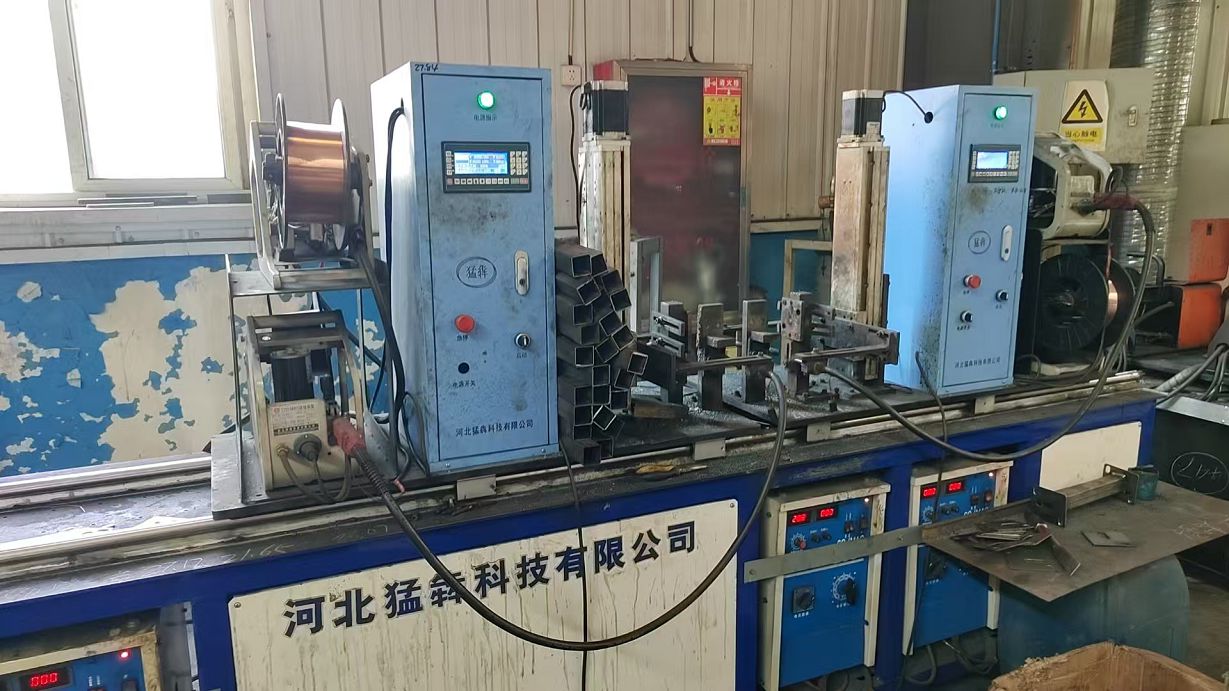
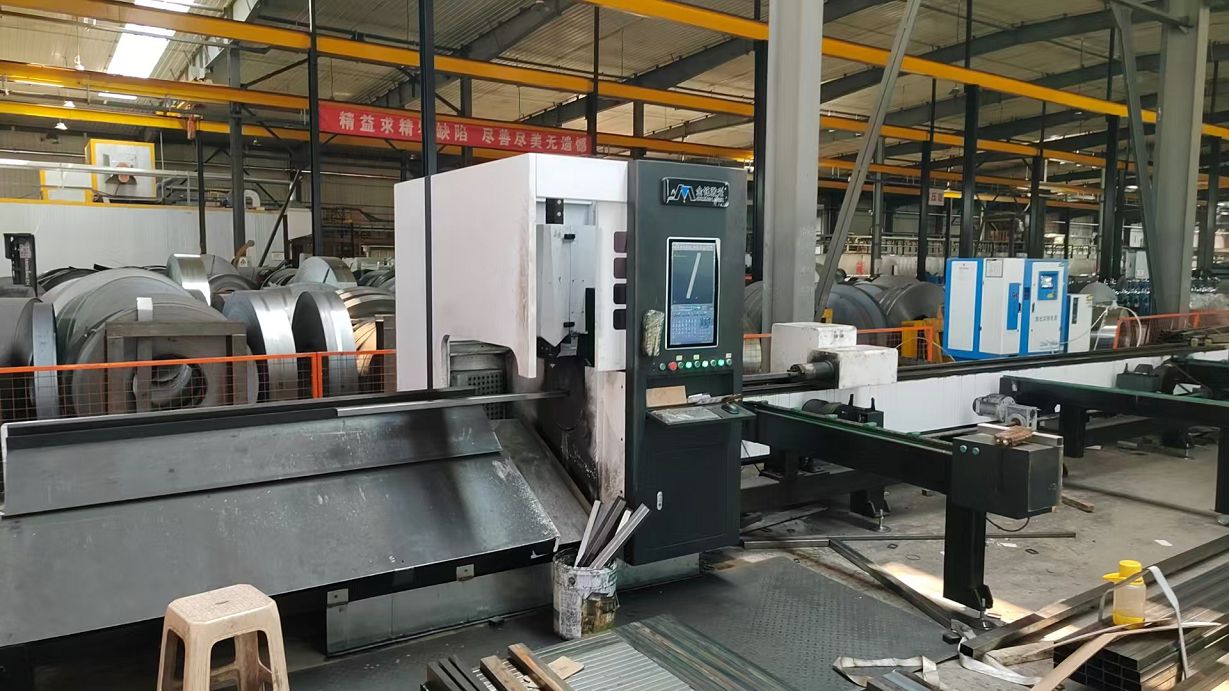
A detailed look at the machinery and quality control stages that turn raw structural steel into high-capacity storage solutions.
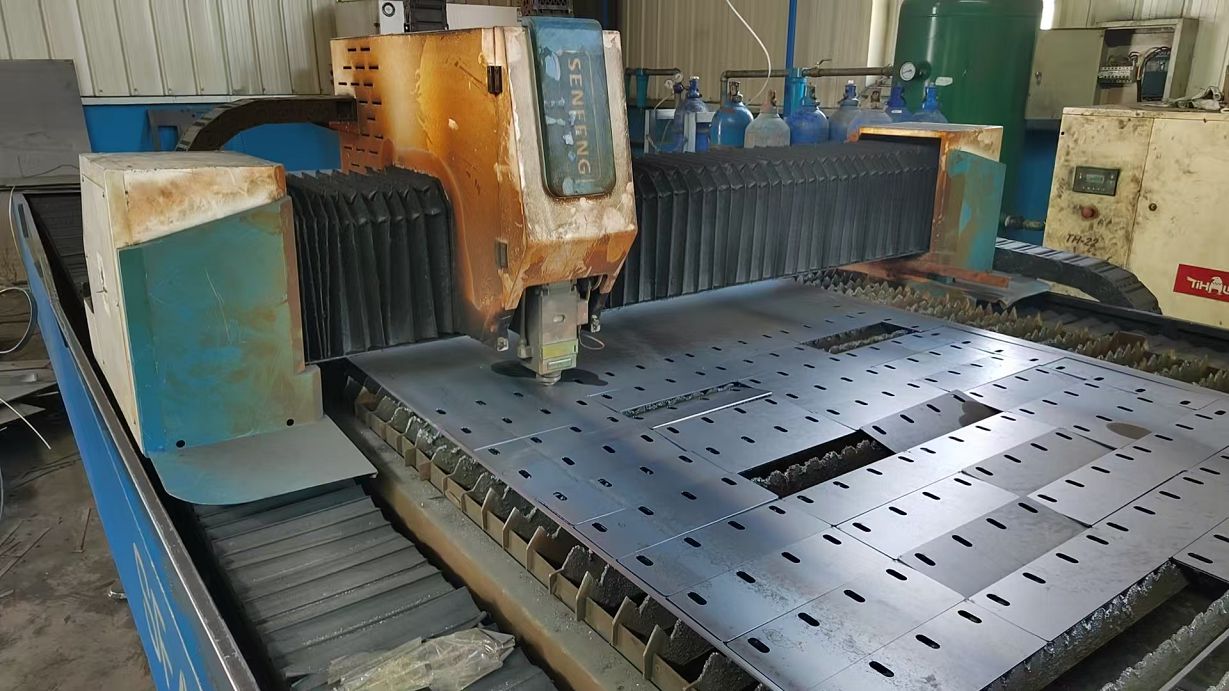
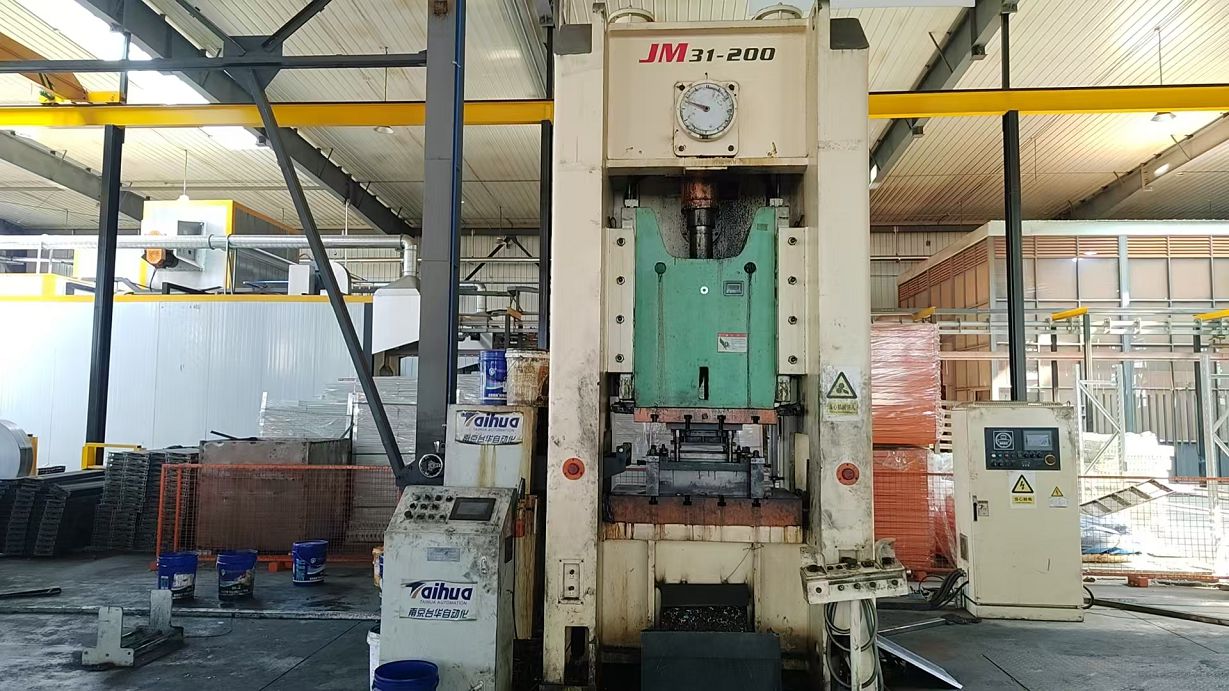
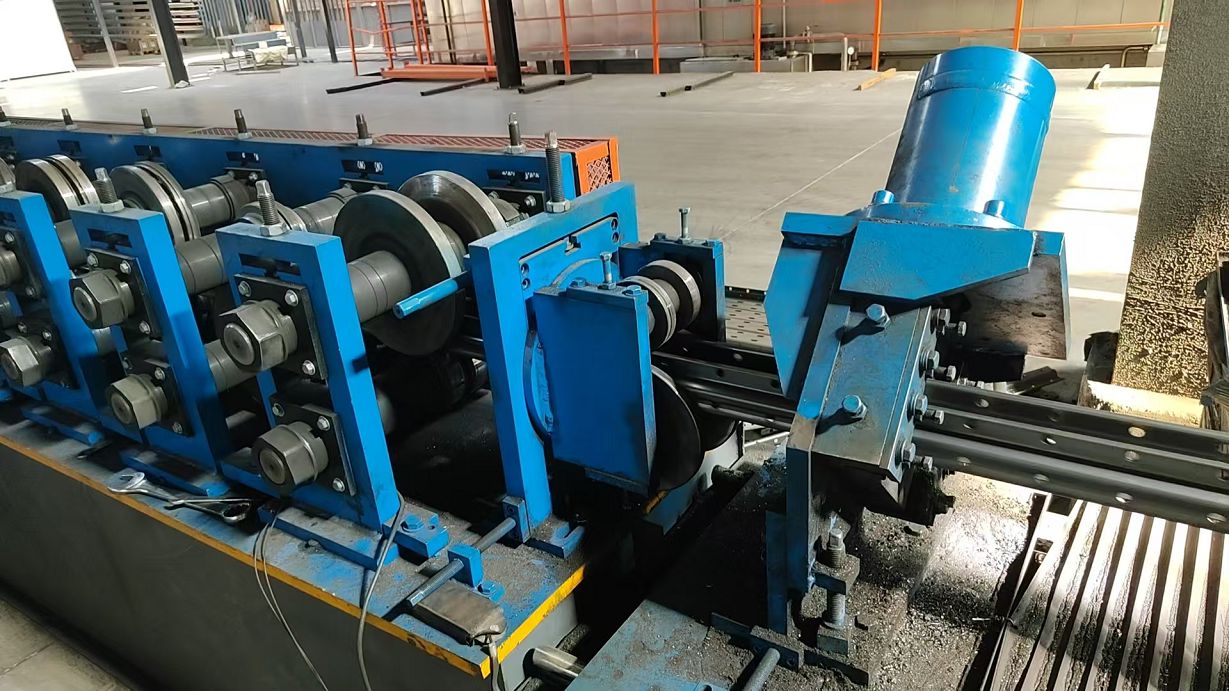
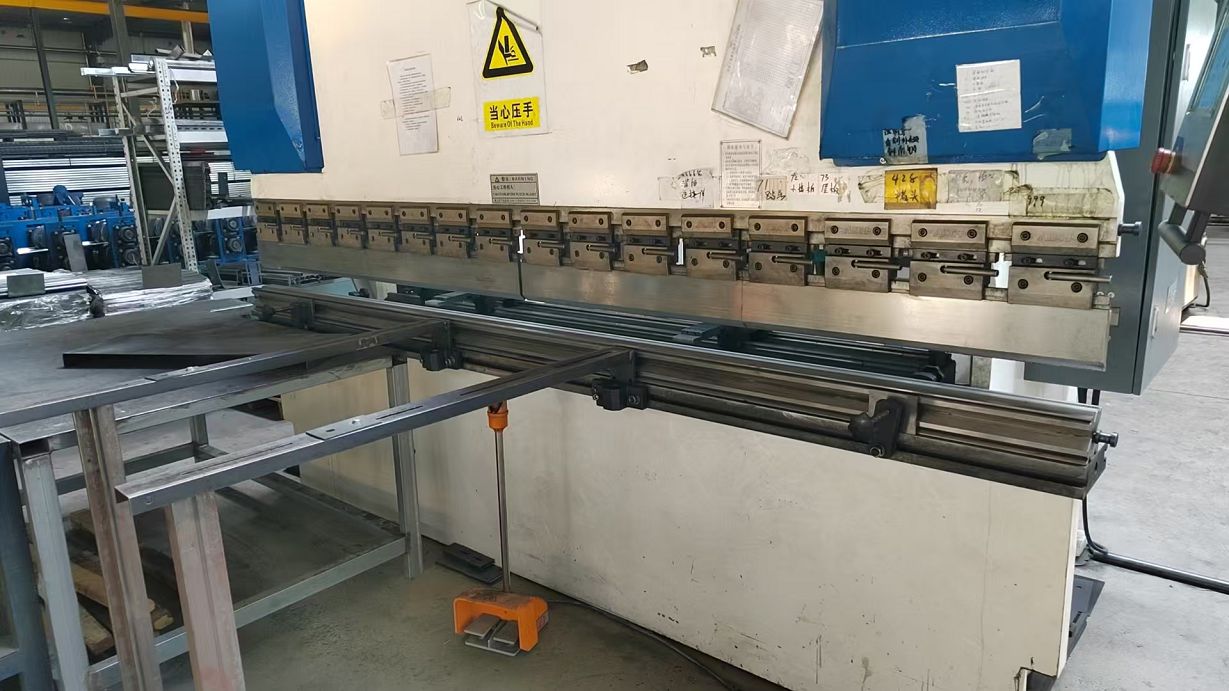
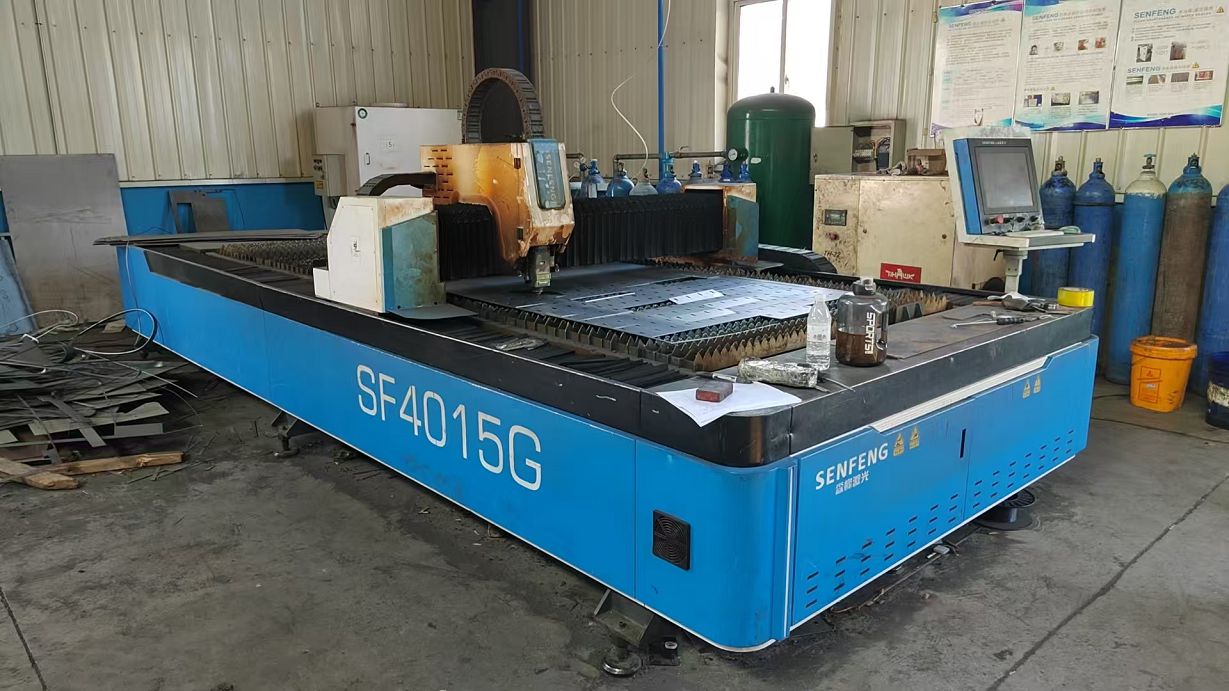
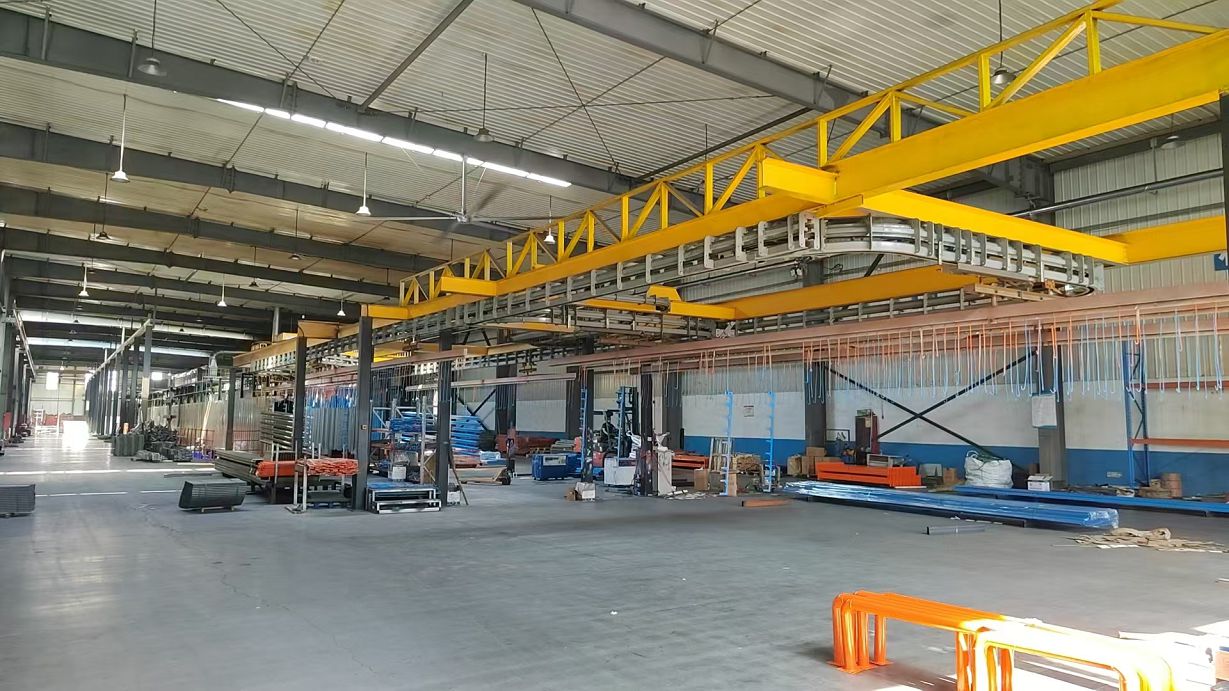
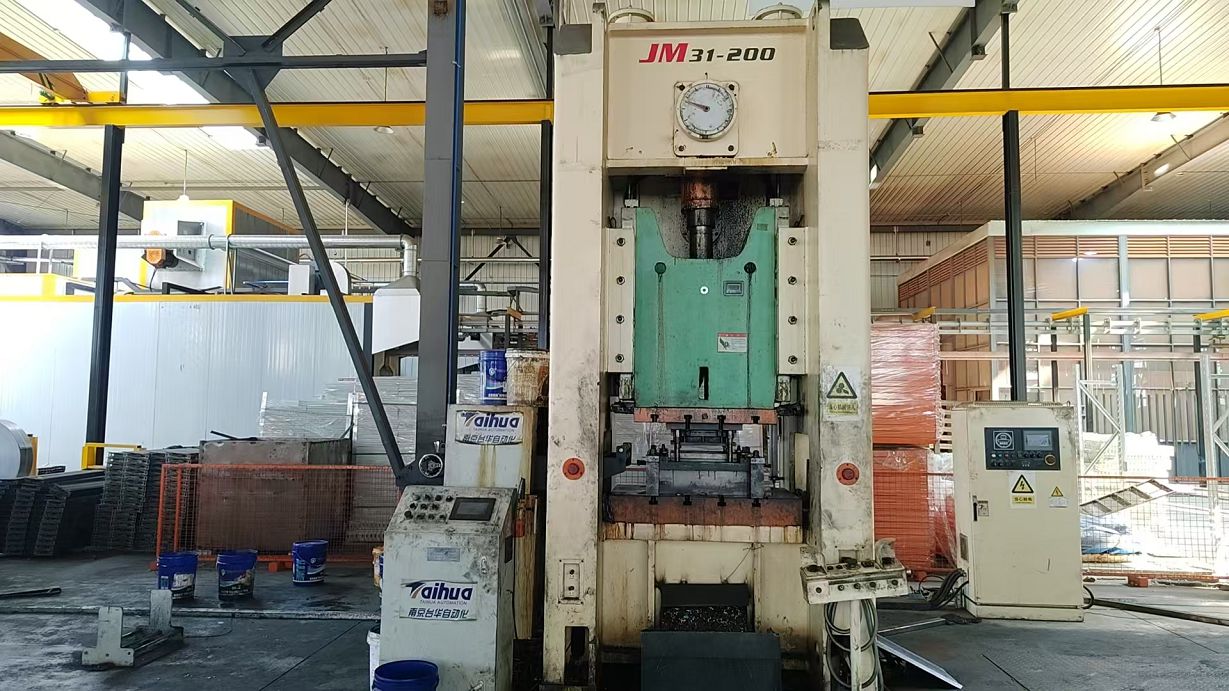
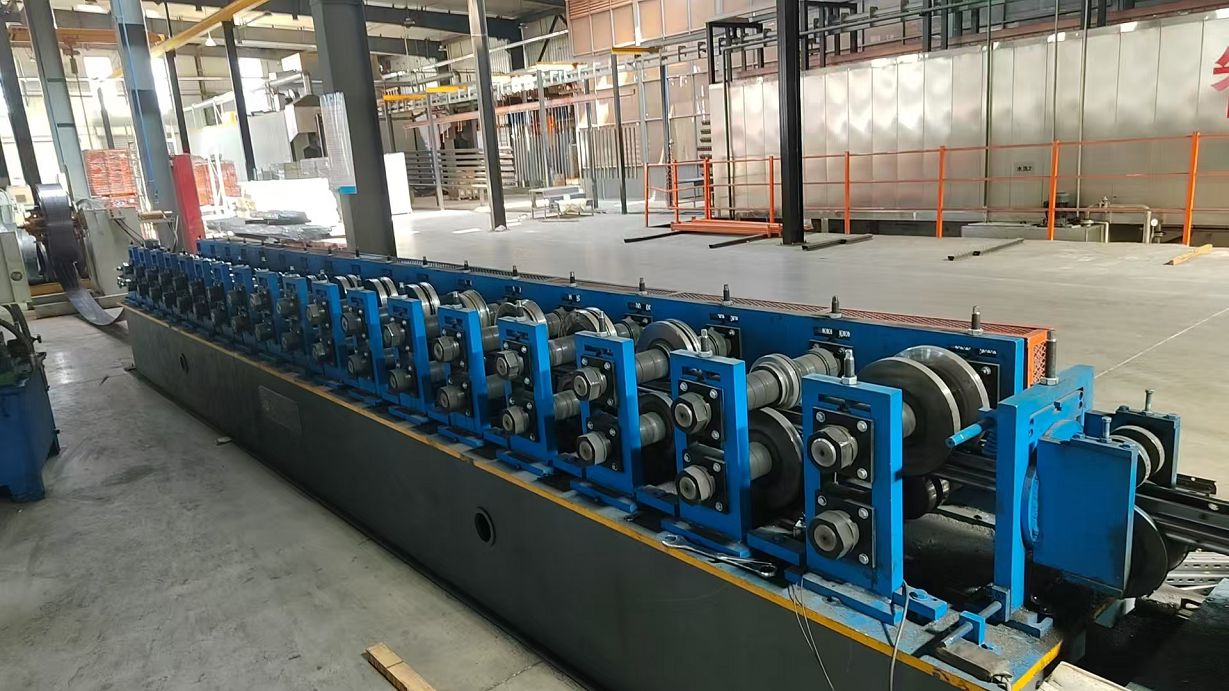
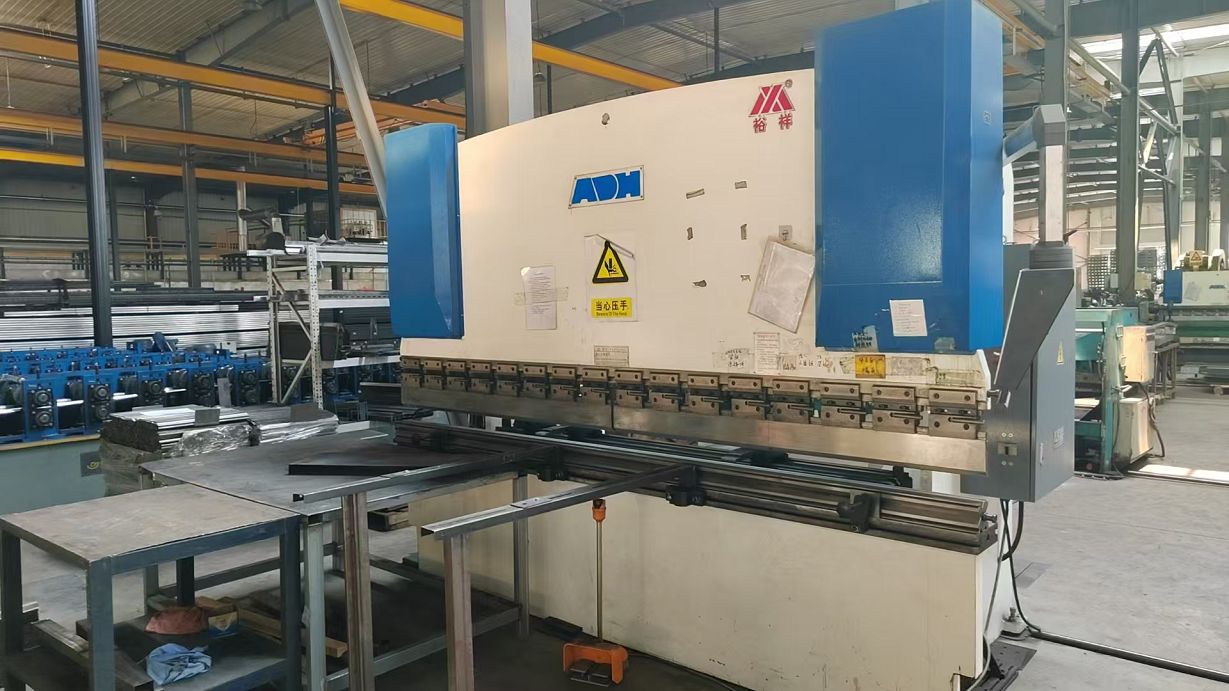
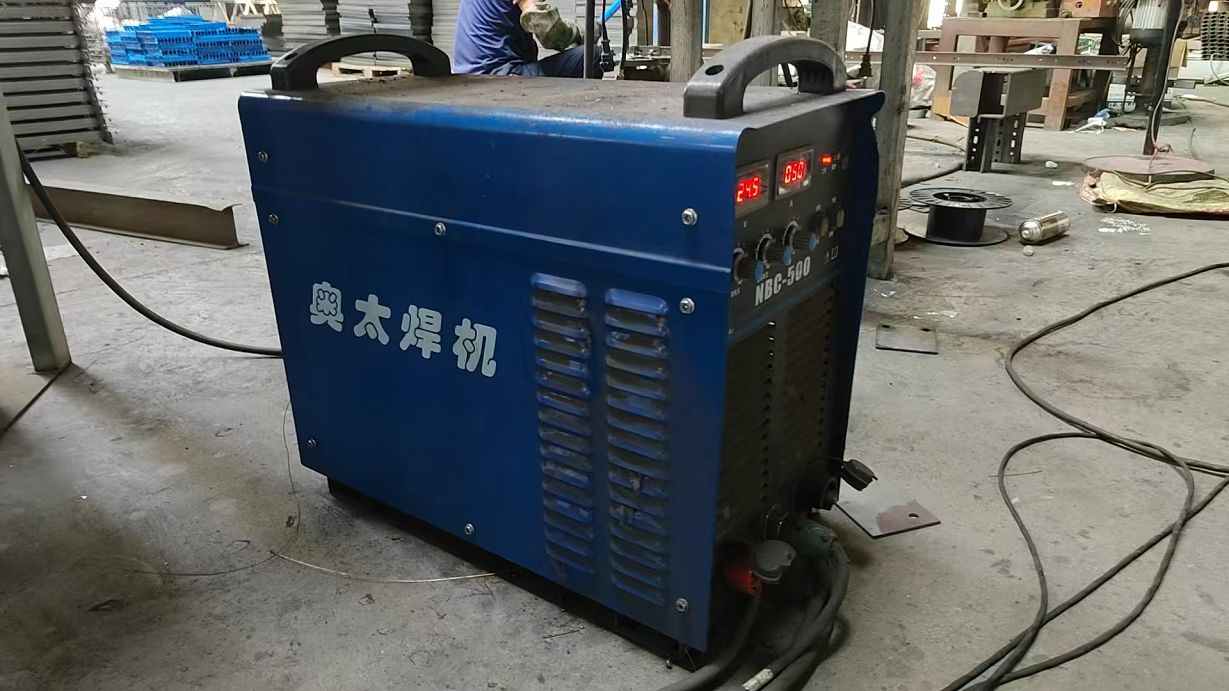
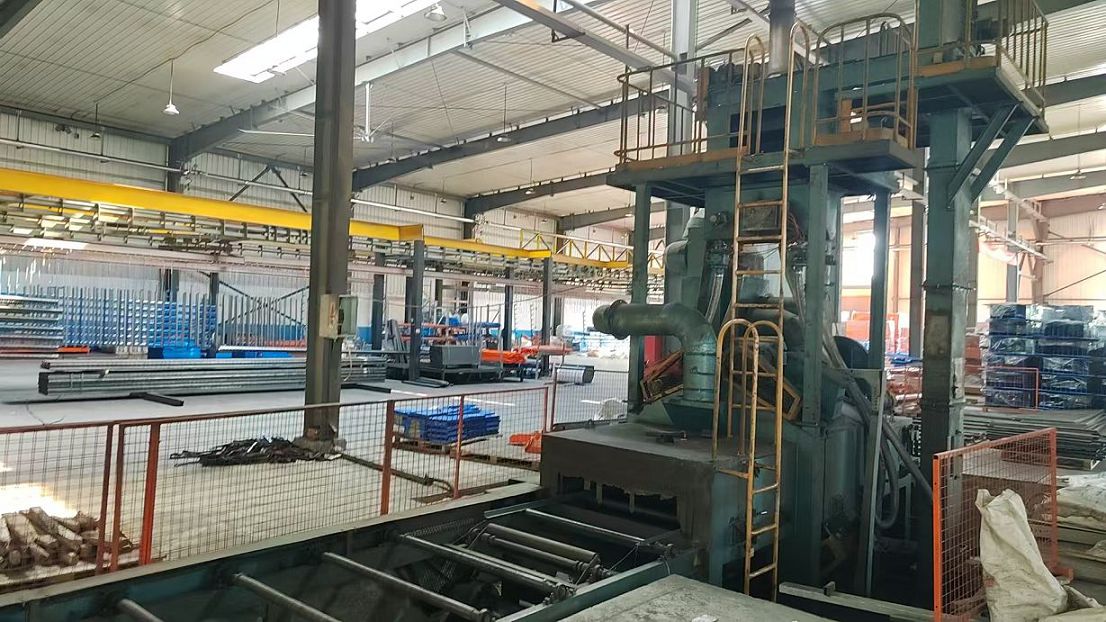
The reliability of a heavy-duty rack system depends on metallurgical consistency and structural design. Standard commercial storage units often use Q235B cold-rolled steel, which is selected for its weldability and tensile performance under static and dynamic loading. To design high-performance racks, engineers must calculate yield strengths, shear thresholds, and local buckling characteristics.
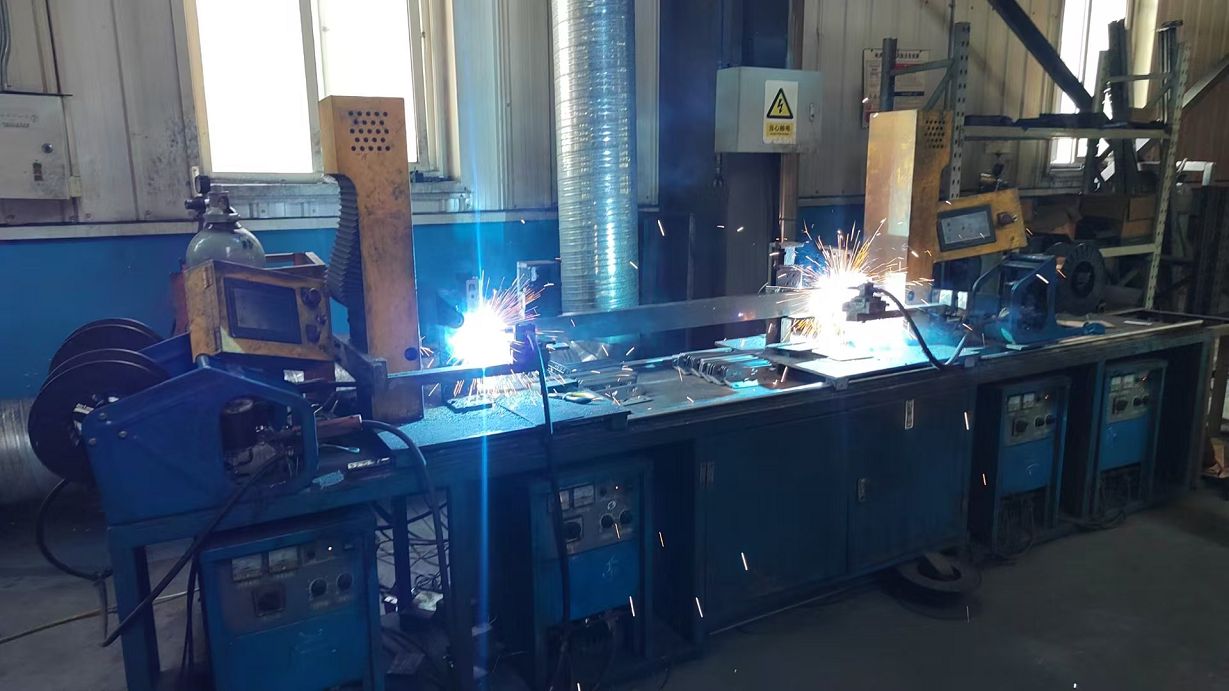
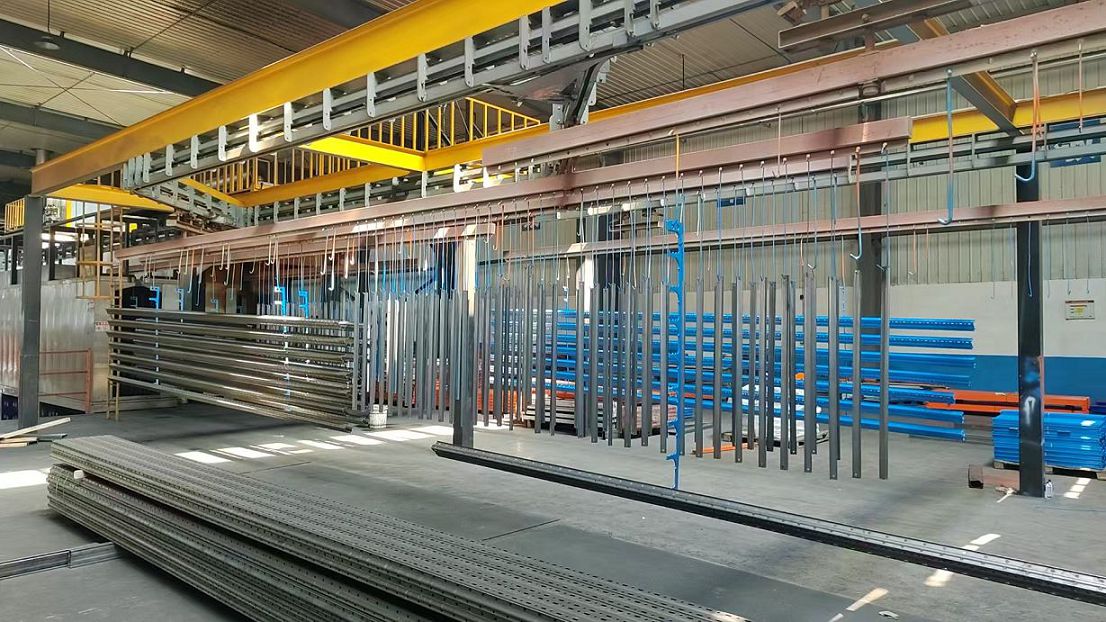
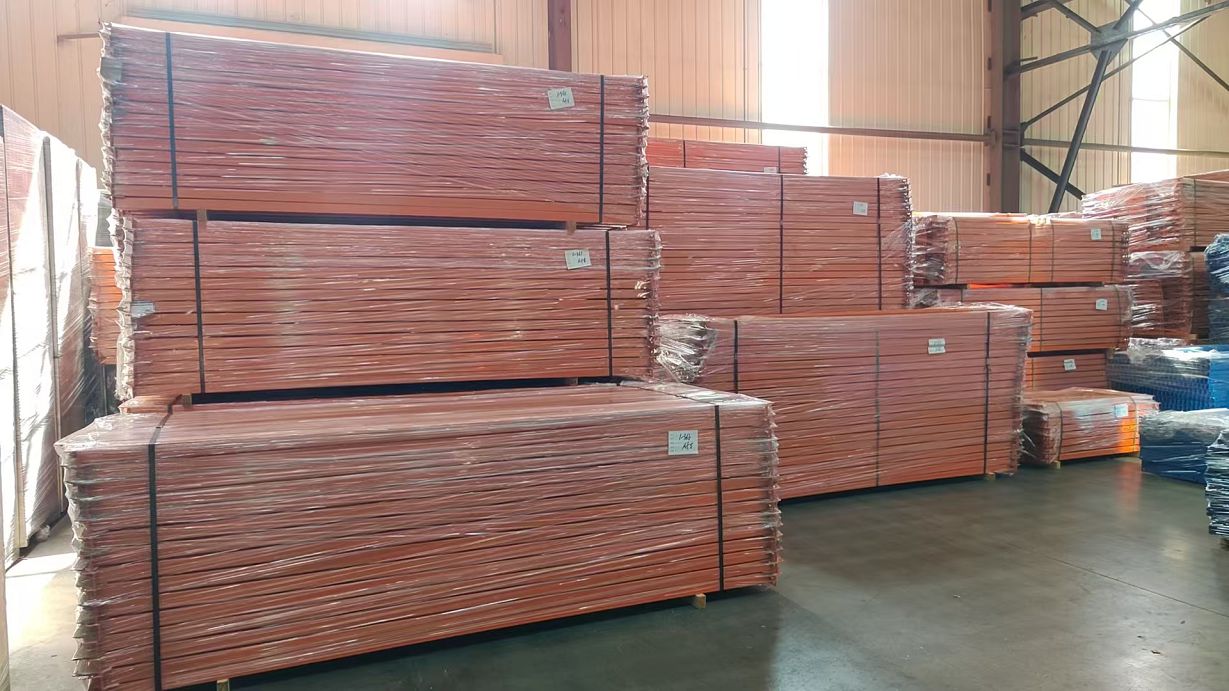
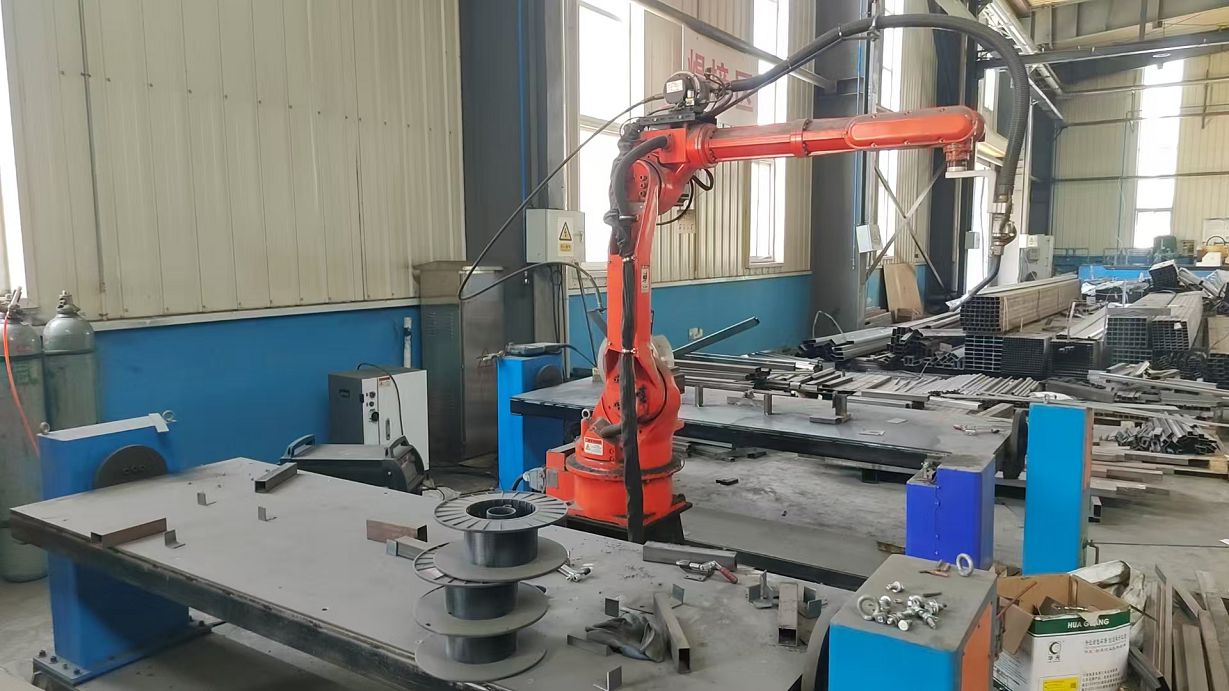
The manufacturing process begins with structural steel coils. The material undergoes Automated Roll-Forming, where computer-controlled rollers shape the steel into custom profiles. Pre-punching machines punch exact hole patterns for adjustable connectors. Robot welding stations assemble key components like base plates and bracing connectors, ensuring consistent weld depth and preventing cold-weld defects.
Verifying the chemistry and mechanical properties of incoming steel coils to ensure compliance with international standards.
Precision cold-forming of upright frames and beams, maintaining dimensional tolerances within +/- 0.5mm using CNC punching equipment.
Automated robotic arm welding of end-connectors to beams, providing consistent penetration depth and clean weld joints.
Multi-stage pretreatment, including acid washing and shot-blasting, followed by electrostatic powder deposition and high-temperature curing.
Industrial storage systems must comply with local safety standards to protect operators and inventory. Quality manufacturers align their engineering processes with globally recognized certifications:
To confirm compliance, manufacturers run regular testing programs, including tensile testing, weld shear testing, and load-to-failure trials on full assemblies. Quality assurance departments verify that batch-produced racks match the performance of certified prototypes.
Answers to common engineering, logistical, and customization questions from procurement teams.
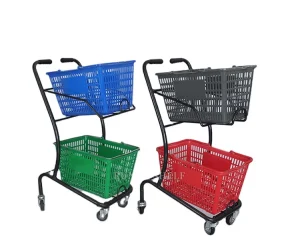
Industrial logistics, warehouse pallet systems, point-of-sale checkout fixtures, and handling accessories.
 CoreStorage