1. Global Evolution & Trends in Retail Shelving Design (2025-2030)
The global commercial store fixture landscape is undergoing a structural paradigm shift driven by evolving consumer shopping behaviors and the convergence of brick-and-mortar storefronts with digital inventory nodes. Modern retail spaces are no longer static product depositories. They have transitioned into fluid, omnichannel fulfillment ecosystems. In this demanding landscape, modular retail shelving units serve as the physical baseline of product presentation, stock organization, and optimized customer movement patterns.
Market analysis reveals three primary vectors of innovation currently redesigning the retail fixture sector:
Hyper-Modular Interconnectivity
Modular store fixtures must allow for quick structural transformations without specialized tools. Retailers now demand double-sided steel gondolas and adjustable shelving systems that can transition from high-density FMCG displays to spacious promotional arrangements in minutes, cutting structural labor downtime by up to 40%.
Integrated Smart Merchandising
With the rise of Electronic Shelf Labels (ESL), RFID product tracking, and weight-sensing micro-shelves, fixture manufacturers must build structures with integrated wire management raceways, anti-interference metal formulations, and magnetic strip configurations designed to power local digital displays.
Material & Coating Circularity
ESG directives require commercial equipment to possess documented lifecycle attributes. High-quality steel alloys (such as Q235B grade) combined with VOC-free electrostatic powder coating finishes ensure our shelves are not only highly durable and rust-resistant, but also conform to clean industrial certifications.
2. Technical Demands & Procurement Criteria for Enterprise Buyers
For global supermarket groups, large wholesale chains, and supply chain managers, procuring retail shelving is a complex calculation of load dynamics, spatial efficiency, and safety. A single structural failure can lead to inventory loss and liability issues. Therefore, procurement teams must verify that shelving solutions conform to strict engineering standards.
Key considerations for sourcing commercial racking systems include:
Structural Load Integrity & Certified Capacities: The design of shelving columns, upright posts, and brackets must be calculated using Finite Element Method (FEM) software. High-quality shelving configurations should guarantee specific load tolerances, ranging from light-duty units (50-100 kg per level) to industrial heavy-duty racking and mezzanine platforms (exceeding 300 kg/sqm).
Surface Treatment and Corrosion Defenses: For operations involving high humidity, cold storage, or food displays, electrostatic powder coating must pass ASTM scratch and salt spray testing. This process ensures the steel frame resists corrosion and remains stable under cleaning agents and daily wear.
Modular System Compatibility: Components should offer adjustable pitches (e.g., 25mm or 50mm increments) so that shelves can be repositioned to accommodate changing product dimensions. This versatility optimizes spatial layouts and minimizes wasted vertical space.
Established in 2016, Chengdu CoreStorage Logistics Equipment Manufacturing Co., Ltd. has grown into a leading manufacturer of high-performance retail shelving and industrial logistics racks. Operating from a modern 22,000 m² factory, our team combines 11 years of rack manufacturing expertise with 6 years of global trade operations. This foundation enables us to maintain an annual export revenue of $15,000,000 while supplying commercial equipment to demanding markets worldwide.
22,000 m²
Production Space
11+ Years
Manufacturing Exp
$15M USD
Annual Export Revenue
28 Inspectors
Quality Assurance
To ensure structural reliability and load integrity, our quality assurance protocols conform to ISO 9001 and CE Structural Safety Standards. We utilize CMM Automated Dimensional & Load Stress Testing to ensure that every production run meets exact dimensional and structural specifications. With a team of 28 skilled QC inspectors and 18 R&D engineers, we successfully introduced 28 new product designs last year. Today, we collaborate with 650 supply chain partners to serve clients in industries ranging from cold storage facilities and supermarket distribution chains to automotive assembly warehouses in the Middle East, South America, and Eastern Europe.
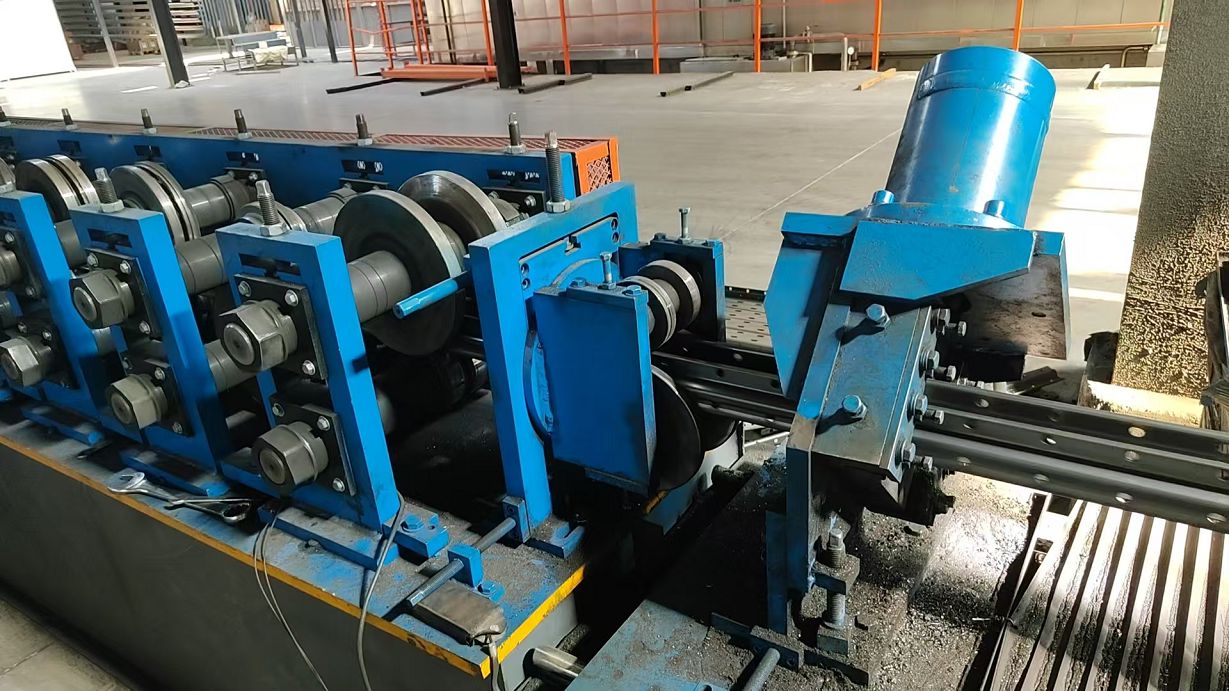
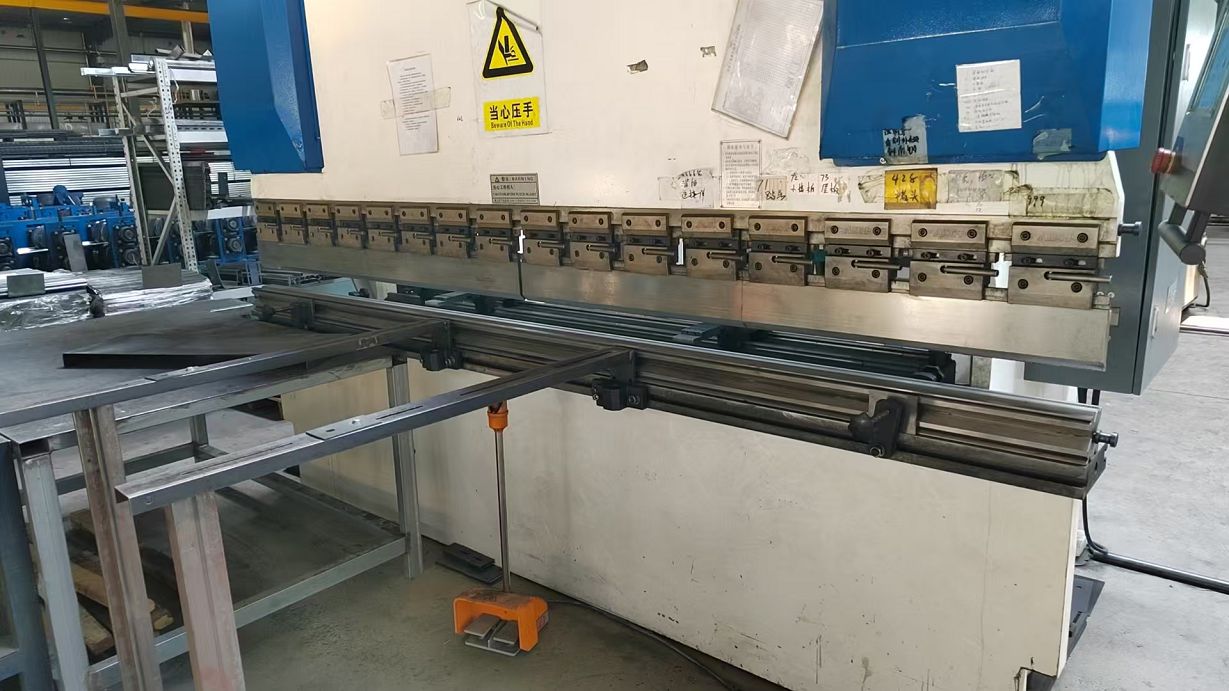
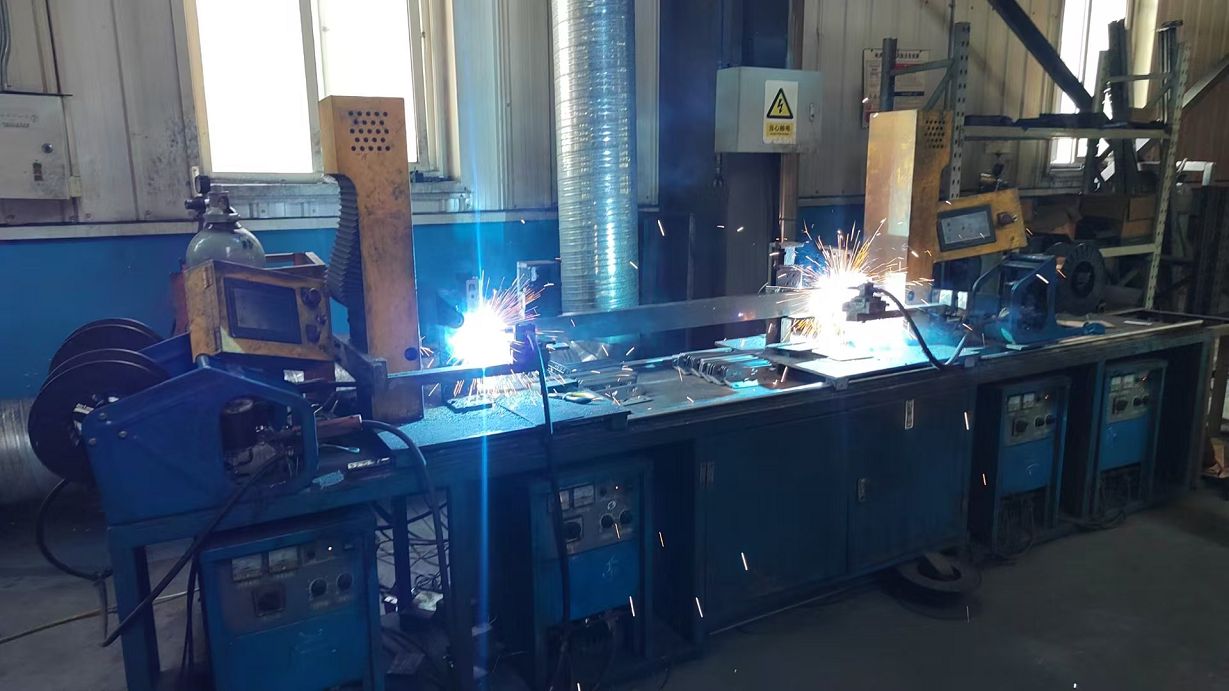
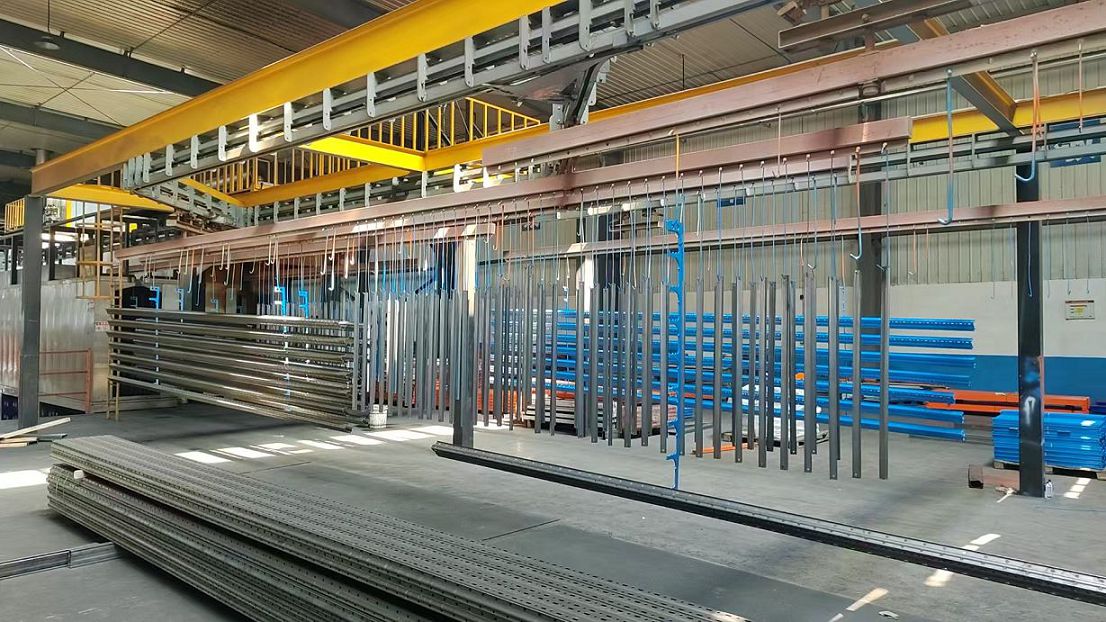
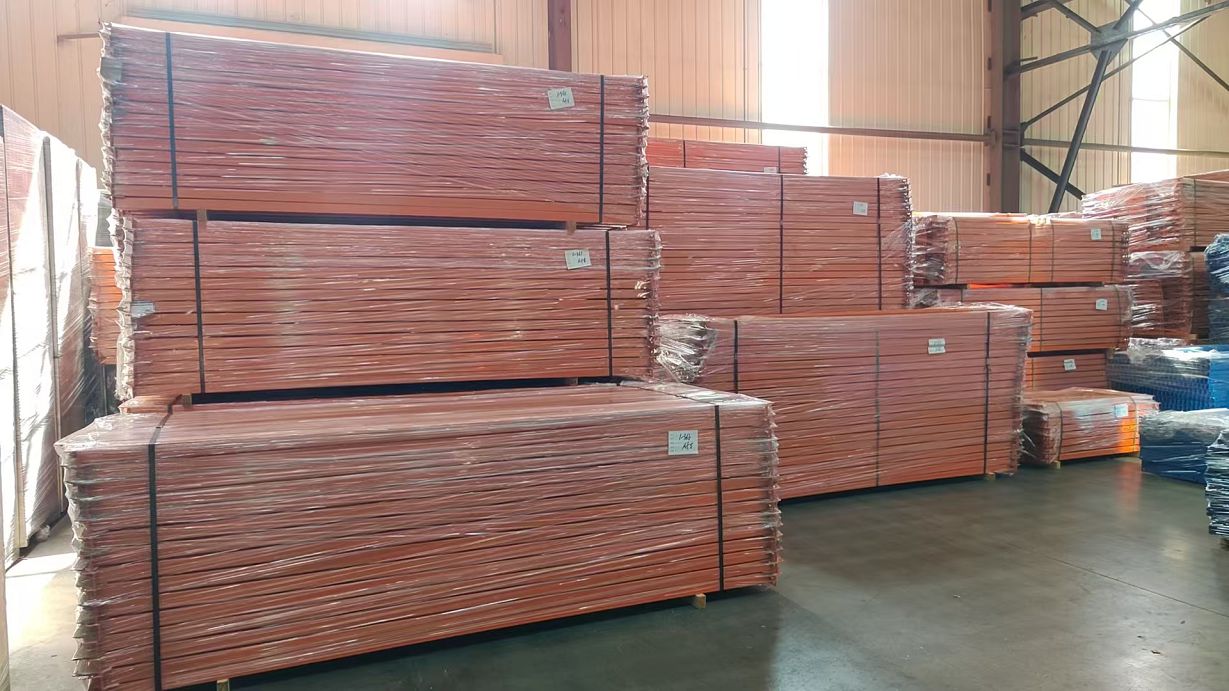
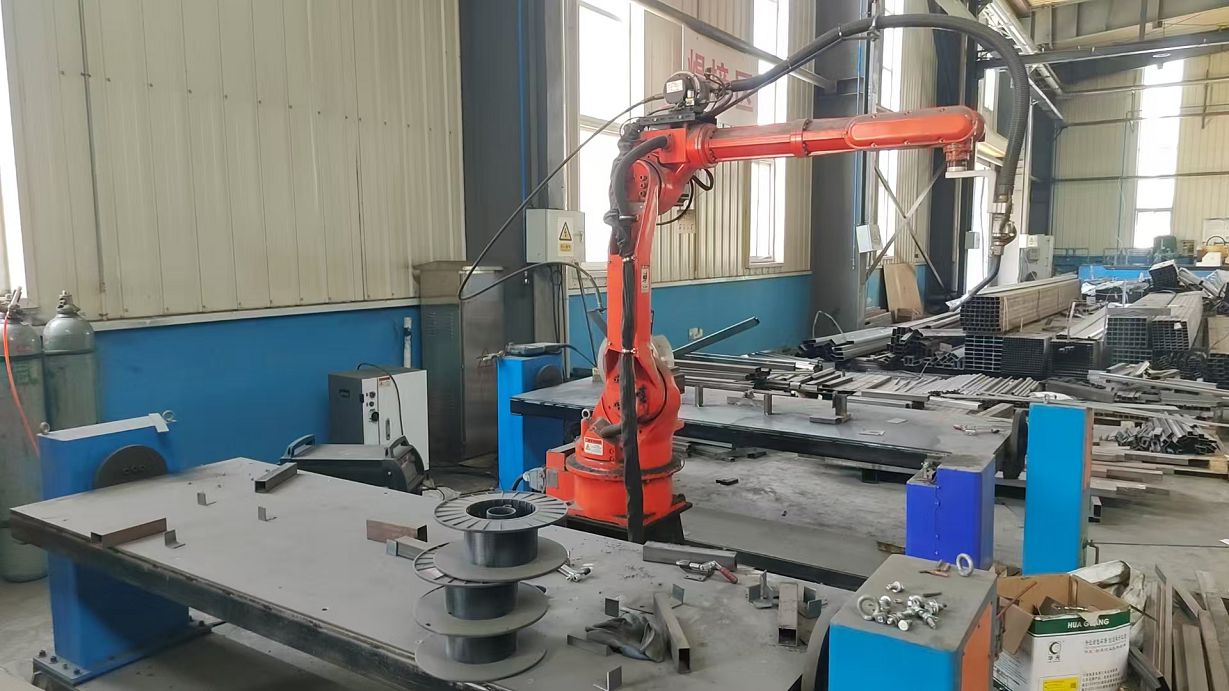
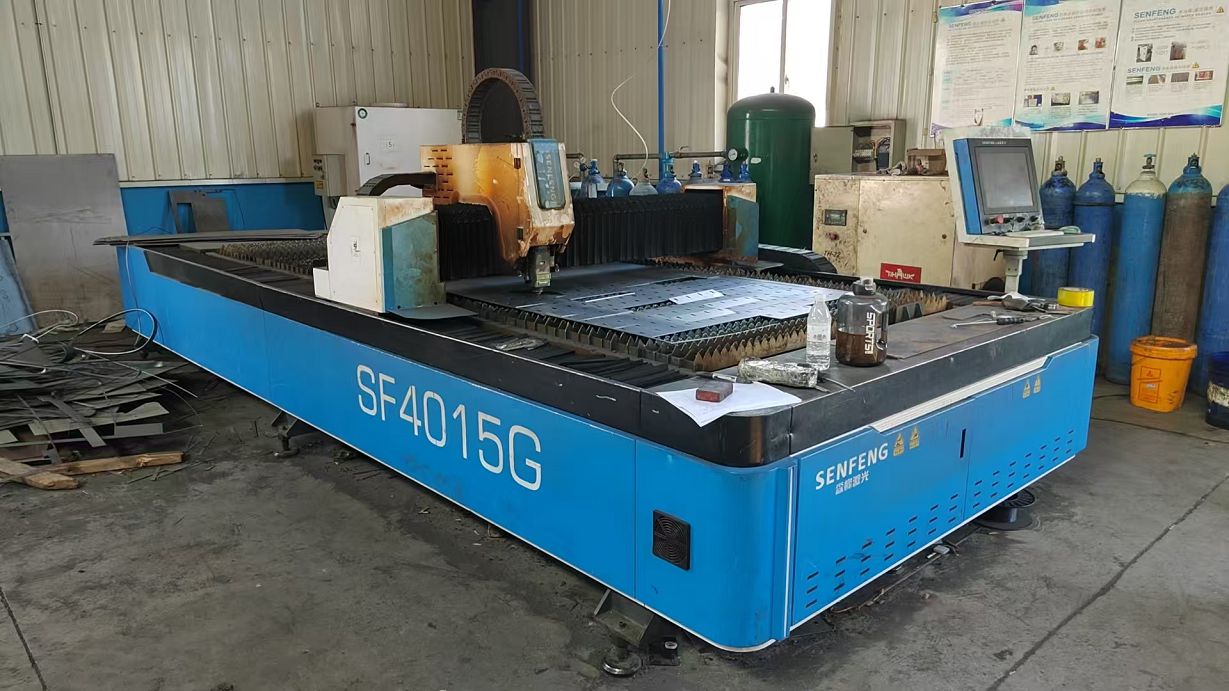
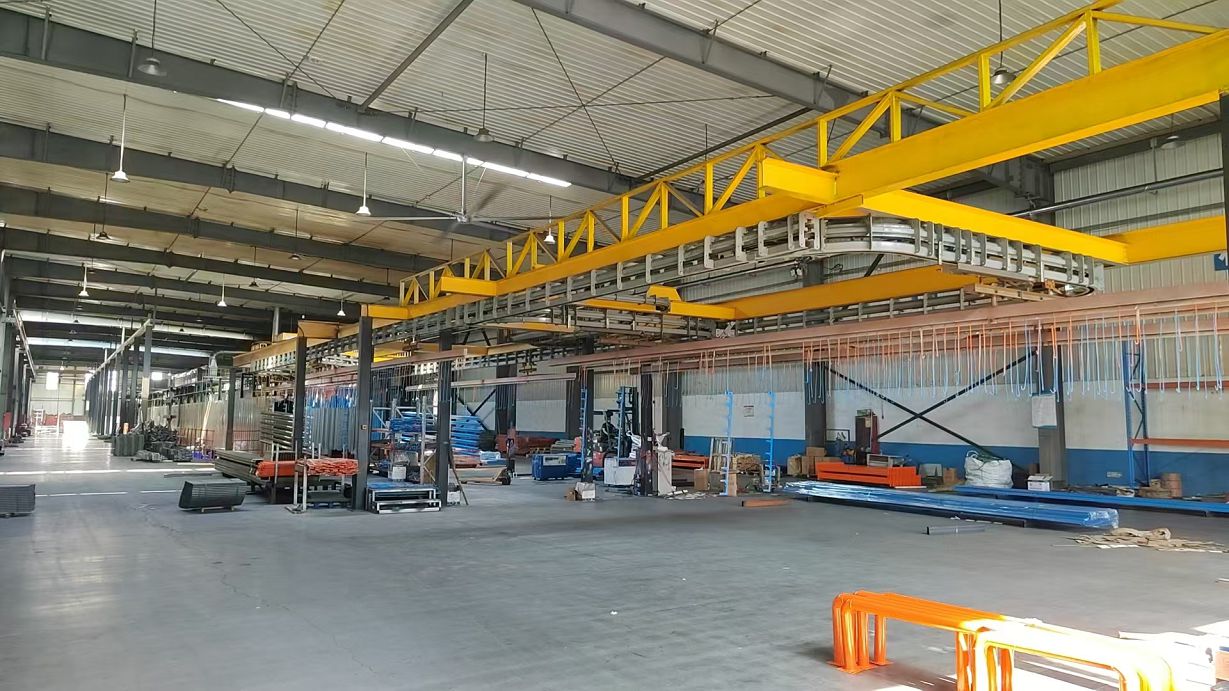
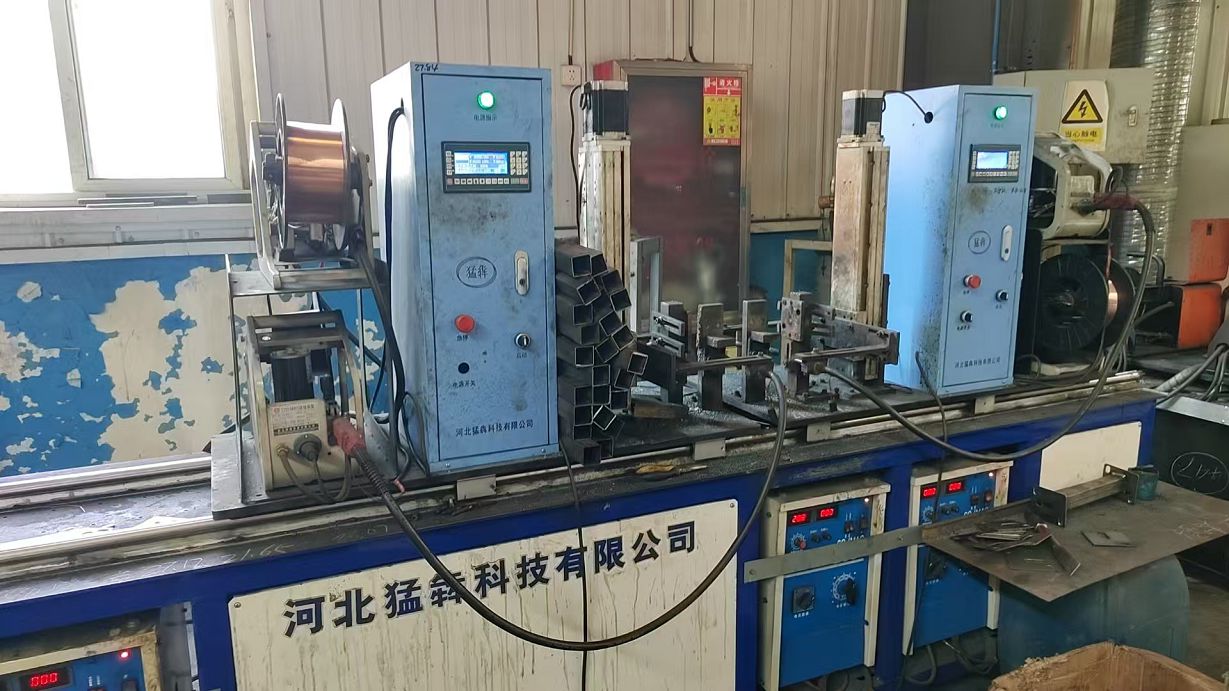
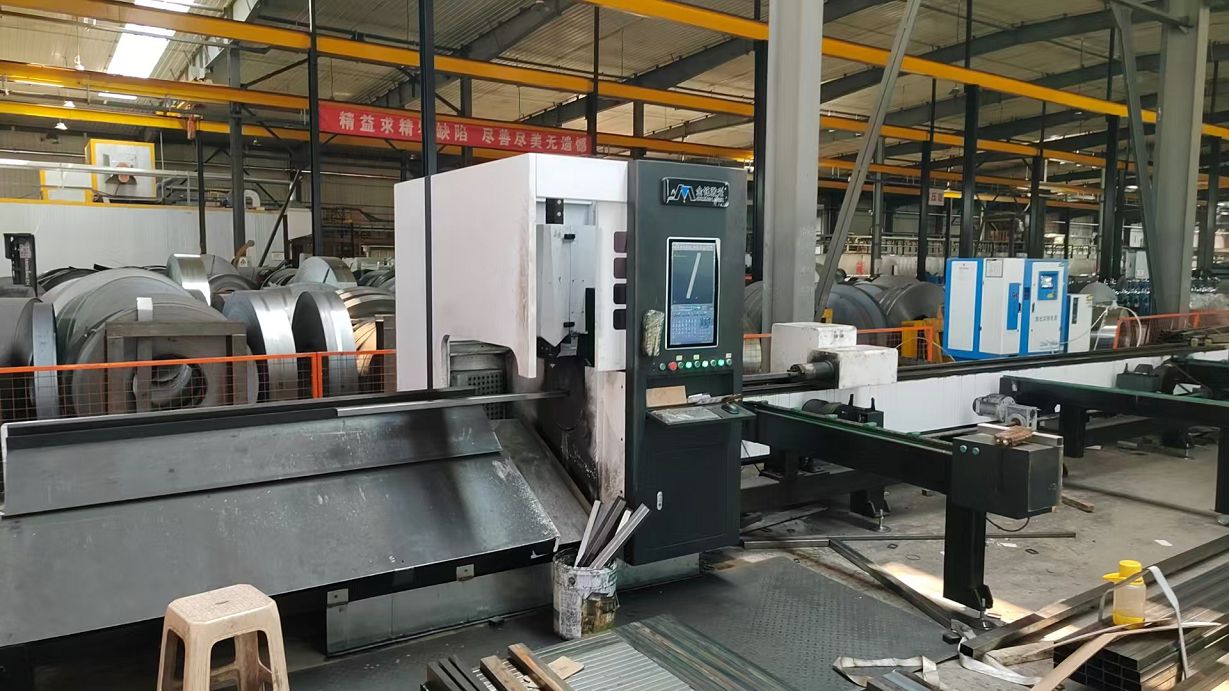
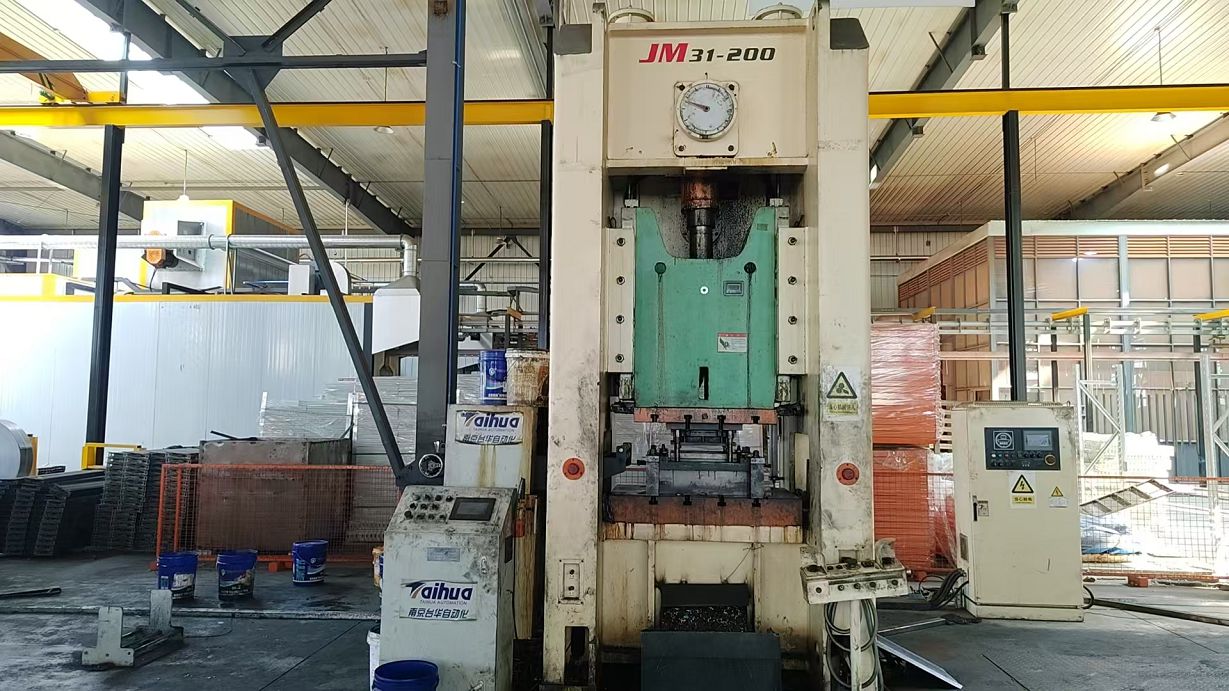
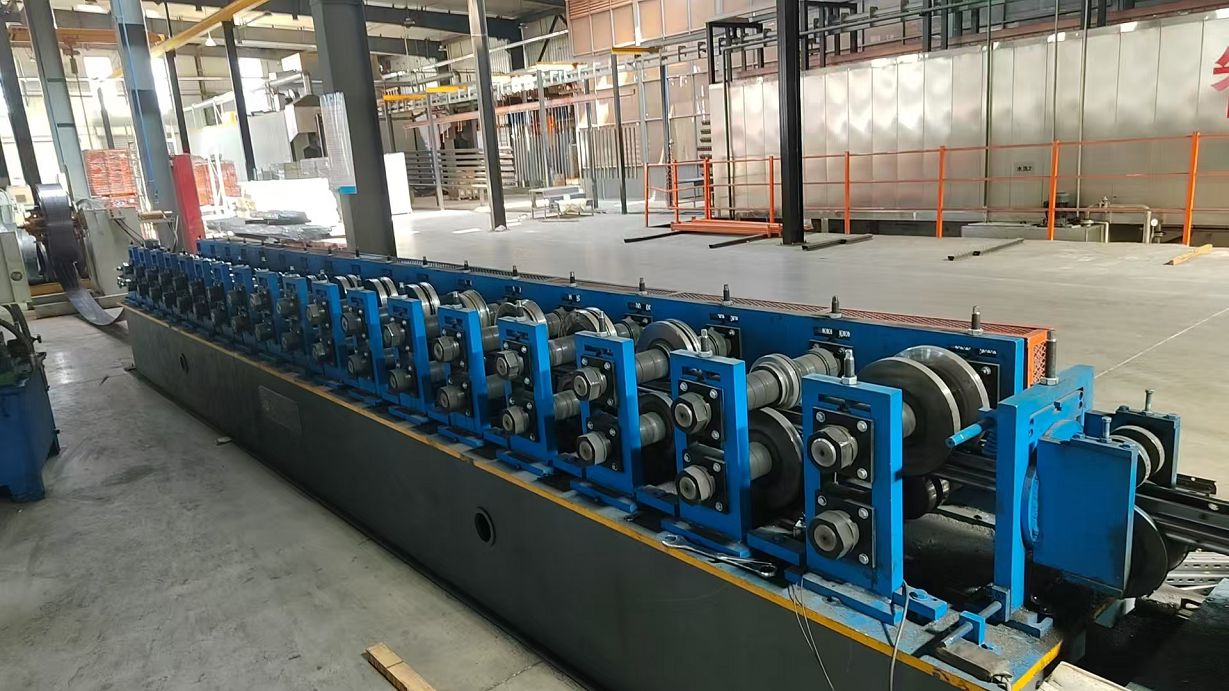
4. China Factory 4.0: High-Precision Production Processes & Quality Control
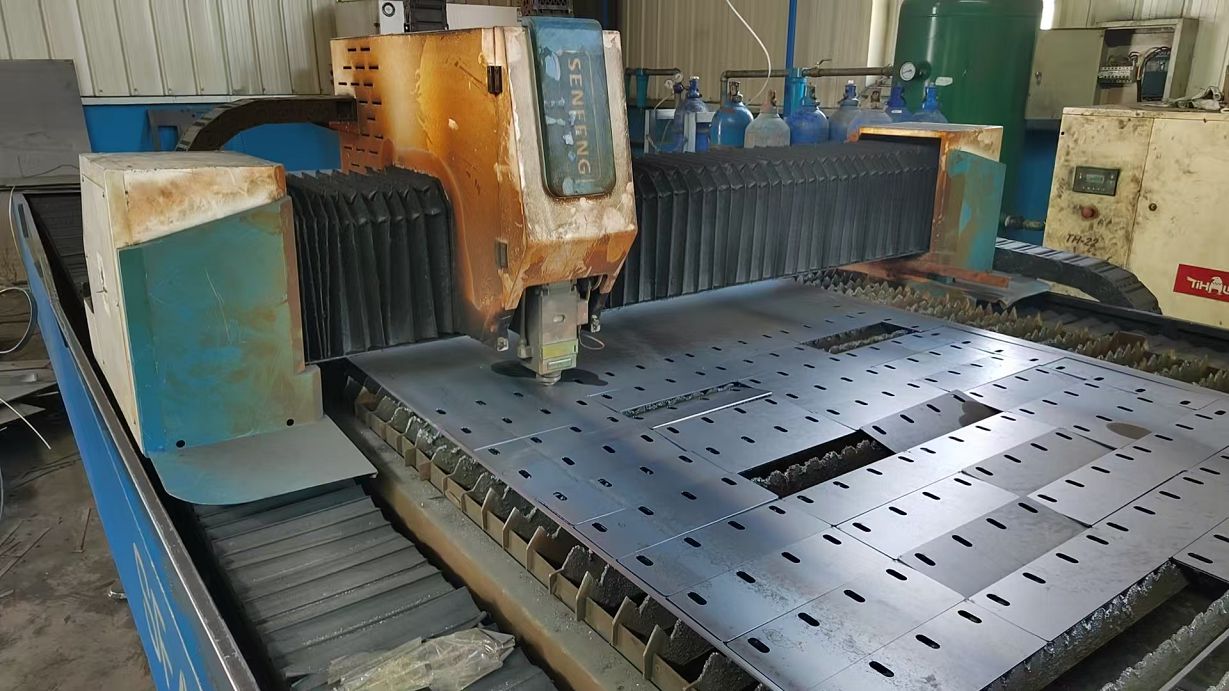
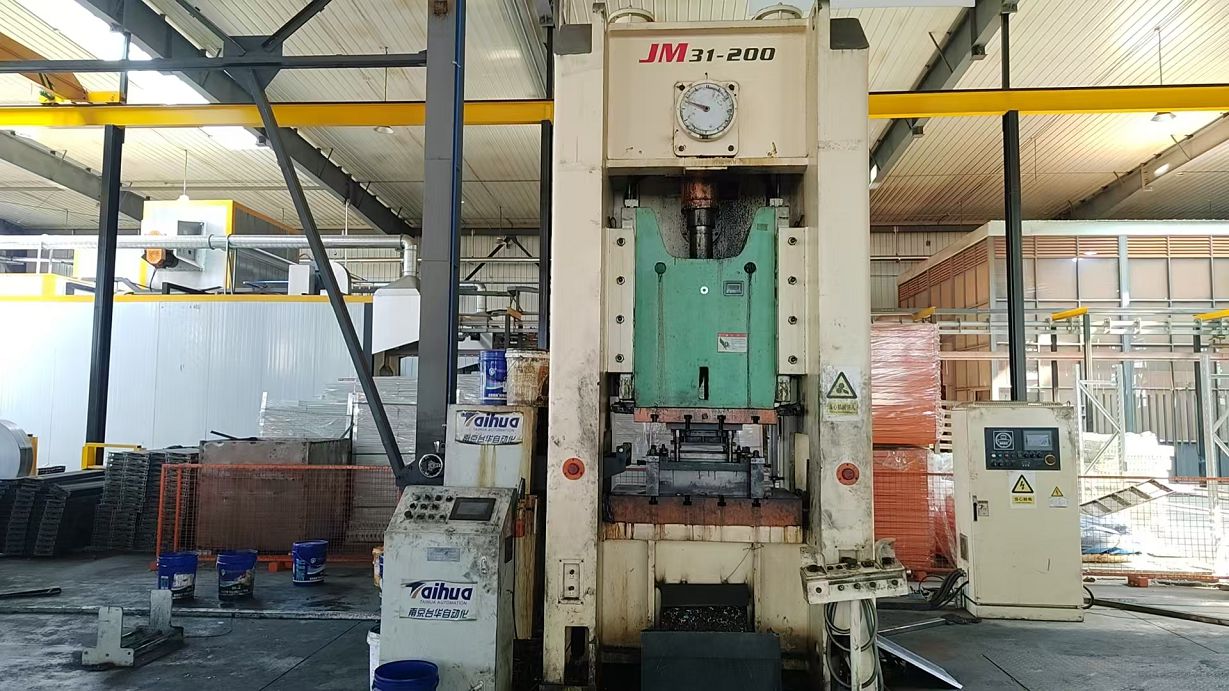
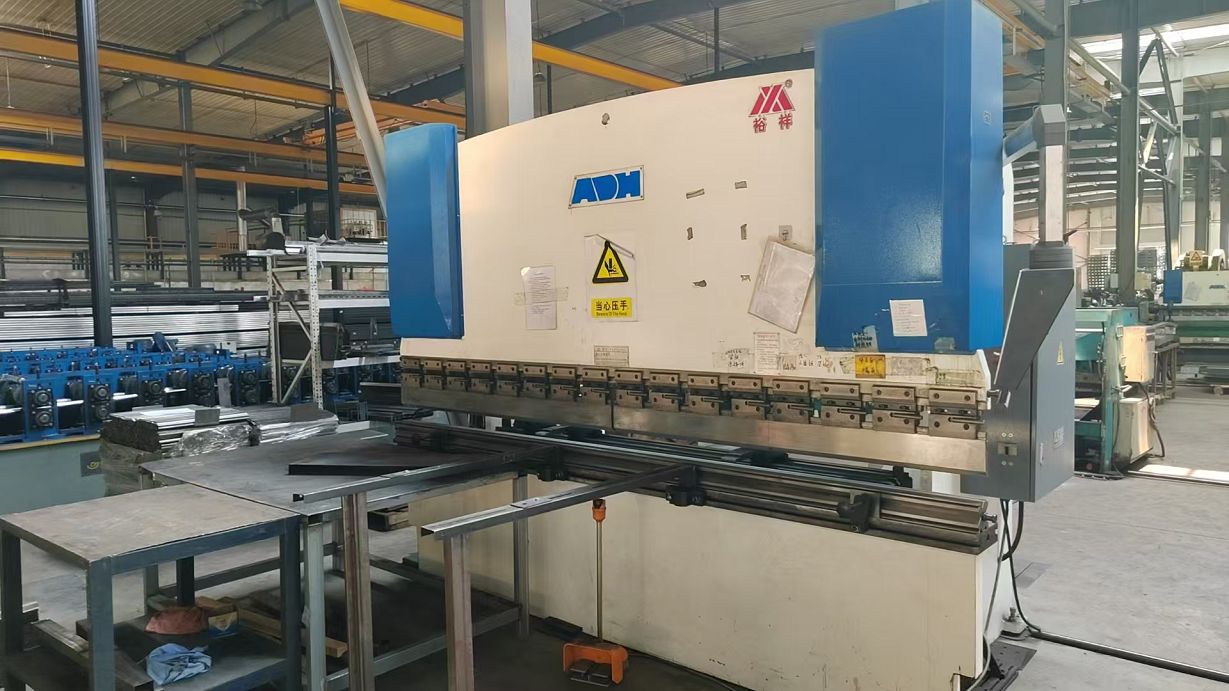
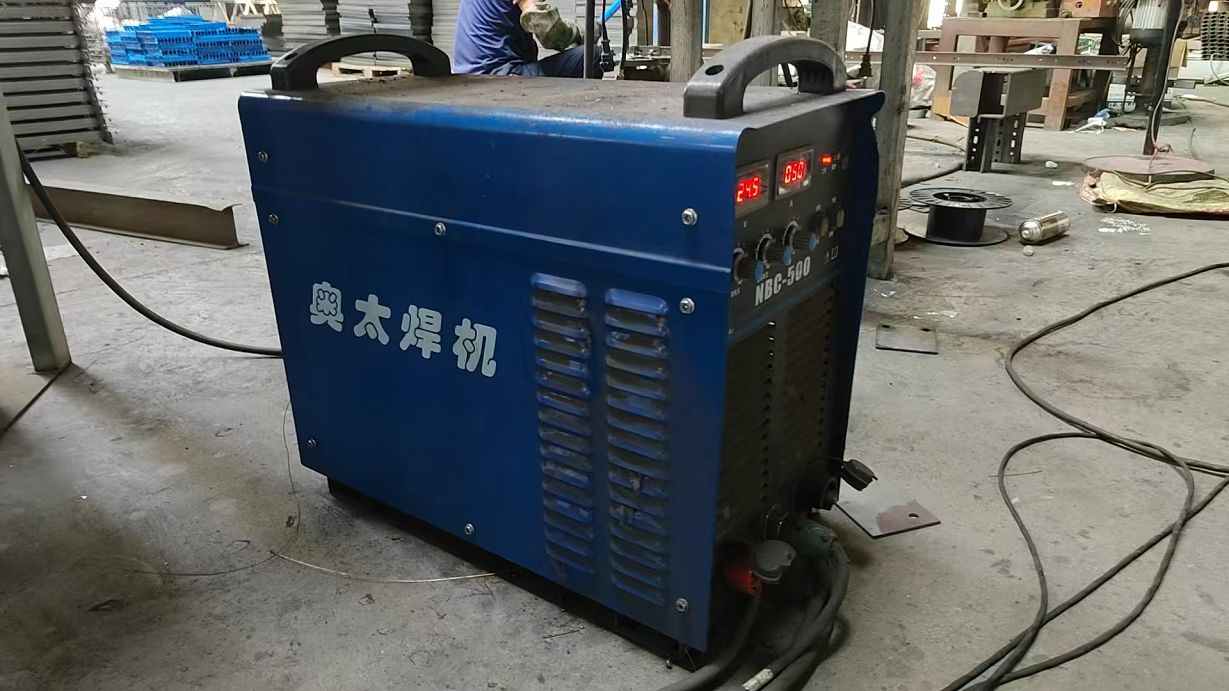
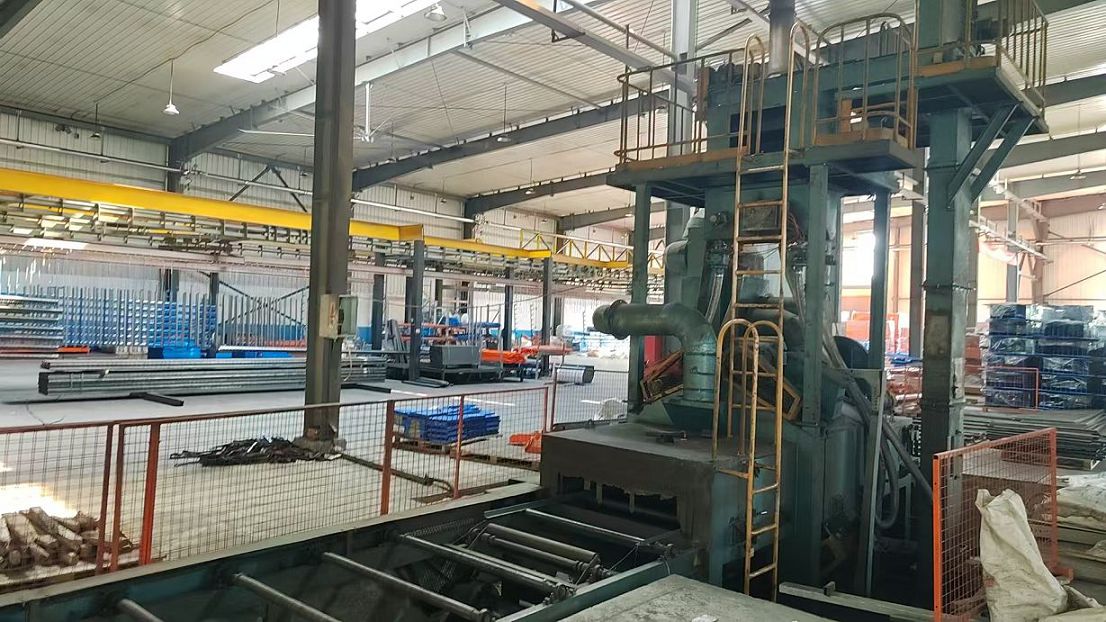
Our production facility integrates advanced automation, robotic welding, and precision metal shaping machinery. This infrastructure allows us to manufacture highly consistent components that assemble easily on-site. Explore our primary manufacturing stages below:
Every commercial environment requires a tailored approach to display and structural design. Standard, off-the-shelf shelving often falls short when balancing load requirements with aesthetics. We offer tailored retail and warehousing solutions optimized for various settings:
High-Volume Supermarkets & Grocery Chains
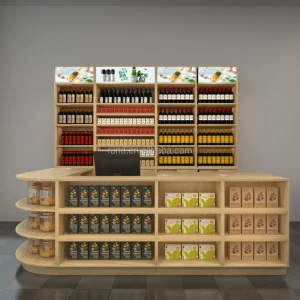
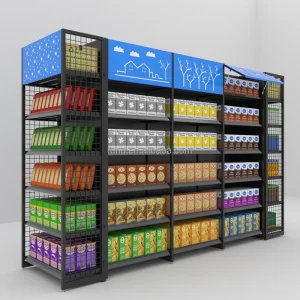
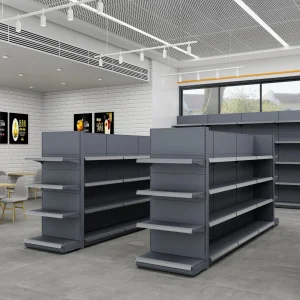
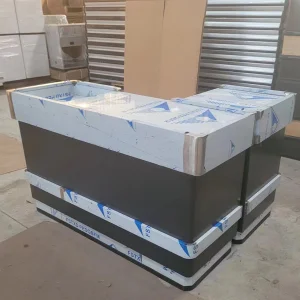
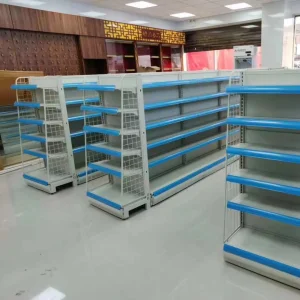
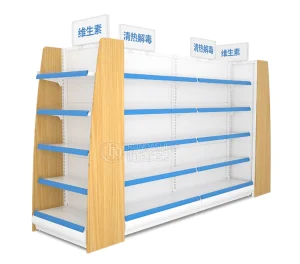
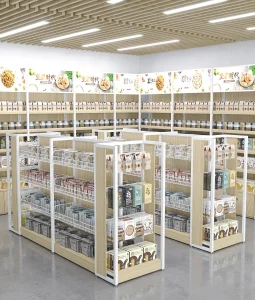
Heavy-duty double-sided steel gondolas with adjustable height beams serve as the core display system for modern grocery store formats. These shelves are designed for quick replenishment, and can be integrated with wooden accents for organic and produce sections, or fitted with wire baskets for packaged goods. Checkout lanes are supported by ISO 9001-certified wooden and metal cash counters to ensure smooth checkout flows.
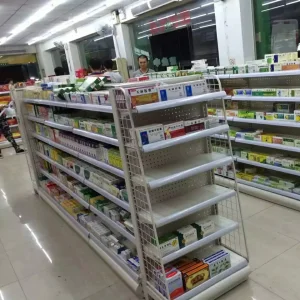
Boutique Pharmacies & Specialized Minimarkets
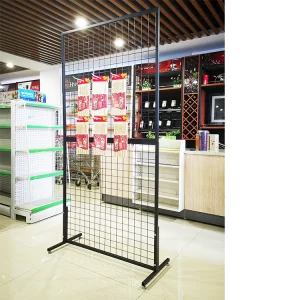
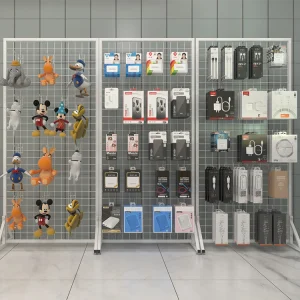
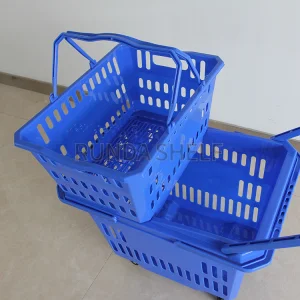
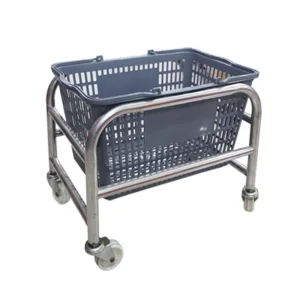
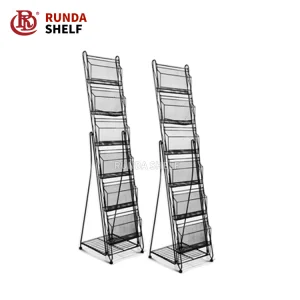
Space utilization is critical in smaller retail layouts. Light-duty white metal shelving combined with rotating newspaper and magazine racks ensures high visibility for compact items. The addition of modular plastic hand baskets and rolling baskets with wheels helps maintain an organized shopping flow in restricted spaces.
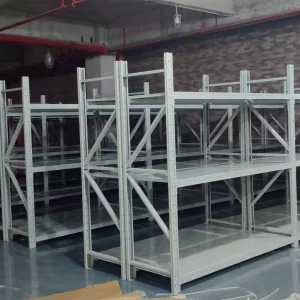
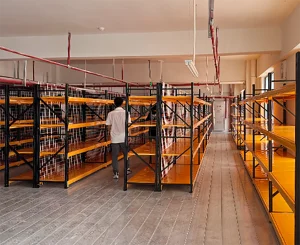
Back-of-house storage requires robust, certified structures. Industrial heavy-duty steel pallet racking and multi-level mezzanine systems (supporting up to 300kg/sqm) help maximize vertical storage capacity. These components feature corrosion-resistant galvanization to withstand temperature changes in cold storage or industrial warehouses.
6. Technical Procurement Q&A (FAQ)
Q1: What steel grades do you use in manufacturing, and how is load capacity calculated?
We primarily use high-strength, cold-rolled Q235B steel. Our R&D team uses Finite Element Analysis (FEA) to simulate load distribution across shelves, brackets, and upright columns. Each design is certified under CE structural safety standards and verified via physical load-stress testing.
Q2: Do you offer custom OEM/ODM services for retail store displays?
Yes, our engineering team provides full OEM/ODM services. We can customize dimensions, sheet metal thicknesses, post spacing, column profiles, and paint finishes to match your brand specifications and display requirements.
Q3: How does CoreStorage protect products from corrosion and surface wear?
All steel surfaces undergo a multi-stage pre-treatment process, including shot blasting to remove rust and contaminants, followed by electrostatic powder coating. For cold storage and high-moisture environments, we also offer hot-dip galvanizing for long-term corrosion protection.
Q4: What is your standard lead time for international orders?
Standard manufacturing lead times are typically 20 to 30 days from order confirmation, depending on order size and customization requirements. Our production is supported by 650 supply chain partners to ensure reliable delivery times.
Additional Commercial Store Fixtures & Material Handling
Complete your storefront and back-of-house storage setup with our durable retail accessories and rolling equipment.
 CoreStorage