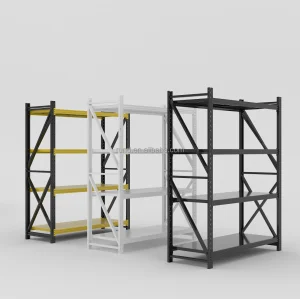
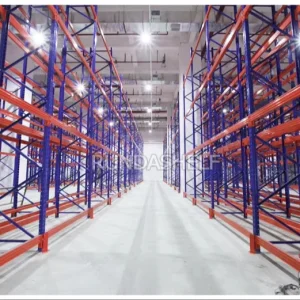
Explore our highly integrated logistical infrastructure designs built for durability, efficiency, and heavy loads.
Engineering Reliable Logistics Equipment Since 2016
Chengdu CoreStorage Logistics Equipment Manufacturing Co., Ltd. was founded in 2016. Spanning a comprehensive factory area of 22,000 m², the company generates an annual export revenue of $15,000,000. We bring 6 years of global trade expertise alongside 11 years of specialized industrial rack manufacturing experience.
To ensure maximum load integrity, our quality control procedures adhere to ISO 9001 & CE Structural Safety Standards, utilizing advanced CMM Automated Dimensional & Load Stress Testing. Our Quality Department comprises 28 skilled QC inspectors. Functioning with an Integrated Manufacturer & Global Trading Hub background, our main markets are focused on the Middle East, South America, and Eastern Europe. We actively collaborate with 650 supply chain partners to serve diverse client groups, including cold storage operators, wholesale distribution chains, and automotive assembly facilities.
Driven by Intelligent Modular Racking Design, our innovation team provides flexible custom options such as corrosion-resistant galvanization, tailored column profiles, and adjustable beam heights. Last year, we successfully executed 28 new product releases, empowered by 18 R&D engineers.
Production Facility Area
Industrial Manufacturing
Annual Export Value
New QC Inspectors
Expert R&D Engineers
In the modern globalized cold chain logistics framework, freezer racks act as the fundamental load-bearing architecture that holds the global food supply chain, pharmaceutical stockpiles, and chemical reserves together. According to recent market analysis, the global cold chain logistics market is projected to grow substantially over the next decade, propelled by increasing demands for biological therapeutics, temperature-sensitive food products, and strict quality assurance regulations. Unlike room-temperature storage, the cold room or deep-freeze storage space is extremely expensive to construct and maintain. Energy usage remains a massive operational expense. Consequently, maximized volumetric utilization—often called cube utilization—is the ultimate objective for any logistics manager operating in sub-zero environments.
Whether utilizing Drive-In racking, Mobile Pallet Racking, or high-density automated shuttle systems, the physical racks must perform reliably under thermal stress. The engineering of these storage racks is specialized because extreme low temperatures alter the mechanical behavior of standard structural carbon steels, making them vulnerable to unexpected and sudden failures. For instance, cold storage operations typically operate in temperature ranges of -18°C to -30°C for food storage, and as low as -80°C for biomedical materials. At these depths, understanding metallurgical transition phases is not merely a matter of safety, but of strategic resilience.
"In sub-zero warehousing, structural resilience and material choice dictate the difference between structural longevity and sudden fatigue failure. Selecting a manufacturer with proven cryogenic design standards is crucial."
Operating a sub-zero logistics hub presents three main challenges:
Preventing cold-temperature brittle fracture requires careful material selection and alloy chemistry. Standard structural steels like standard Q235 steel exhibit a transition temperature below which they lose ductility. For deep freeze applications (especially below -20°C), Chengdu CoreStorage utilizes premium micro-alloyed steels, such as Q355D or Q355E, which undergo Charpy V-notch impact testing at -20°C or -40°C respectively. This testing guarantees that the steel maintains sufficient fracture toughness to withstand impact energy even under extreme operating conditions.
Beyond material selection, structural calculations must adhere to international codes such as the European Federation of Materials Handling (FEM 10.2.02) and the Rack Manufacturers Institute (RMI) standards. The physical geometry of the racking profiles—such as columns with multiple bends and reinforced webs—is designed to distribute load stress and improve stiffness, preventing buckling under cold, high-load scenarios.
Utilizing high-grade steel certified for low-temperature impact strength down to -40°C. Prevents sudden fractures under forklift impacts.
Conforming to ASTM A123, providing a heavy, molecularly-bonded zinc layer (up to 80-120μm) that resists condensation-driven rust.
Engineered for thermal expansion. Tapered connectors and drop-in safety locks simplify adjustments without compromising stability.
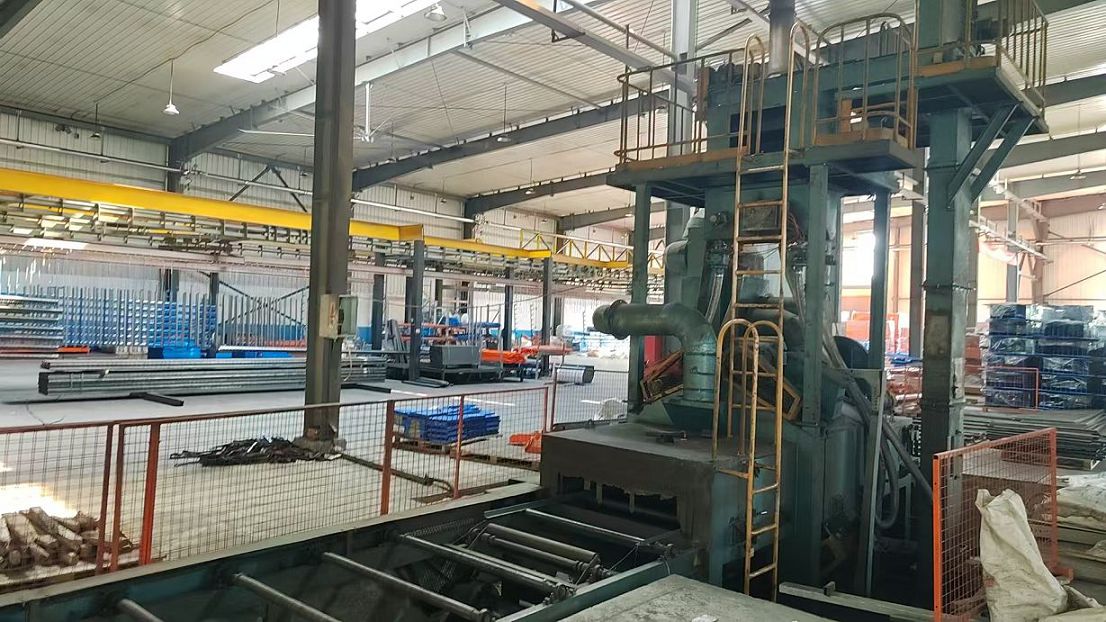
A comprehensive view of our heavy-duty manufacturing operations, precision tooling, and quality assurance processes.
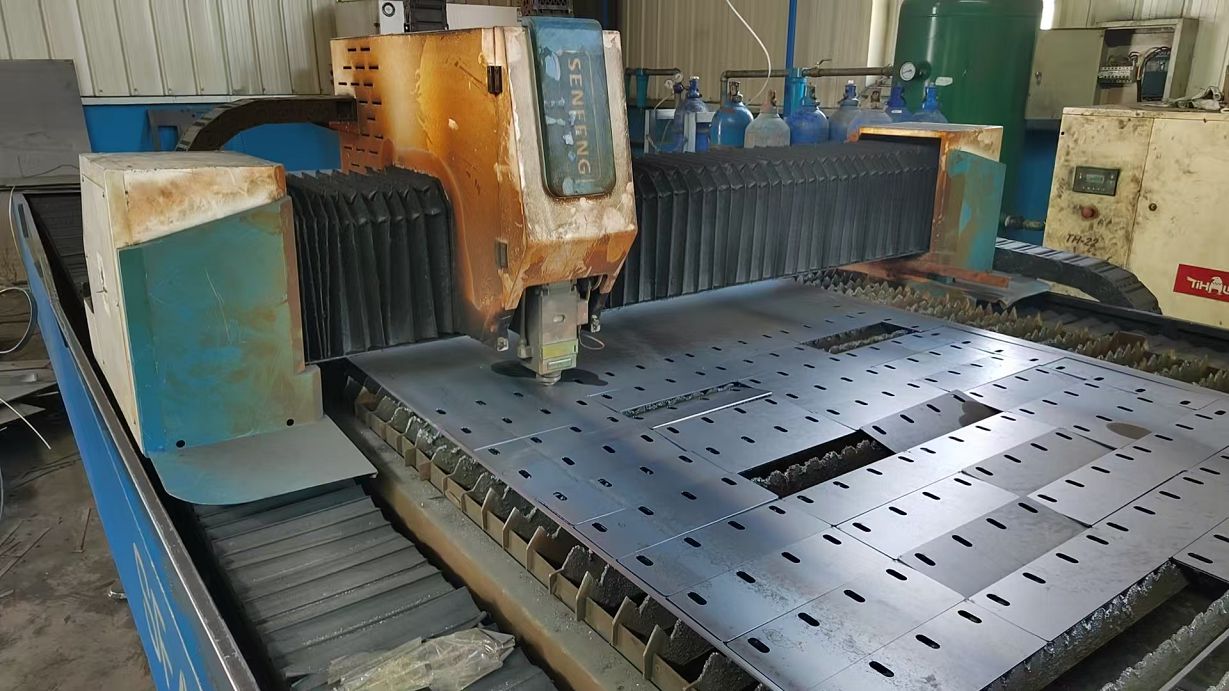
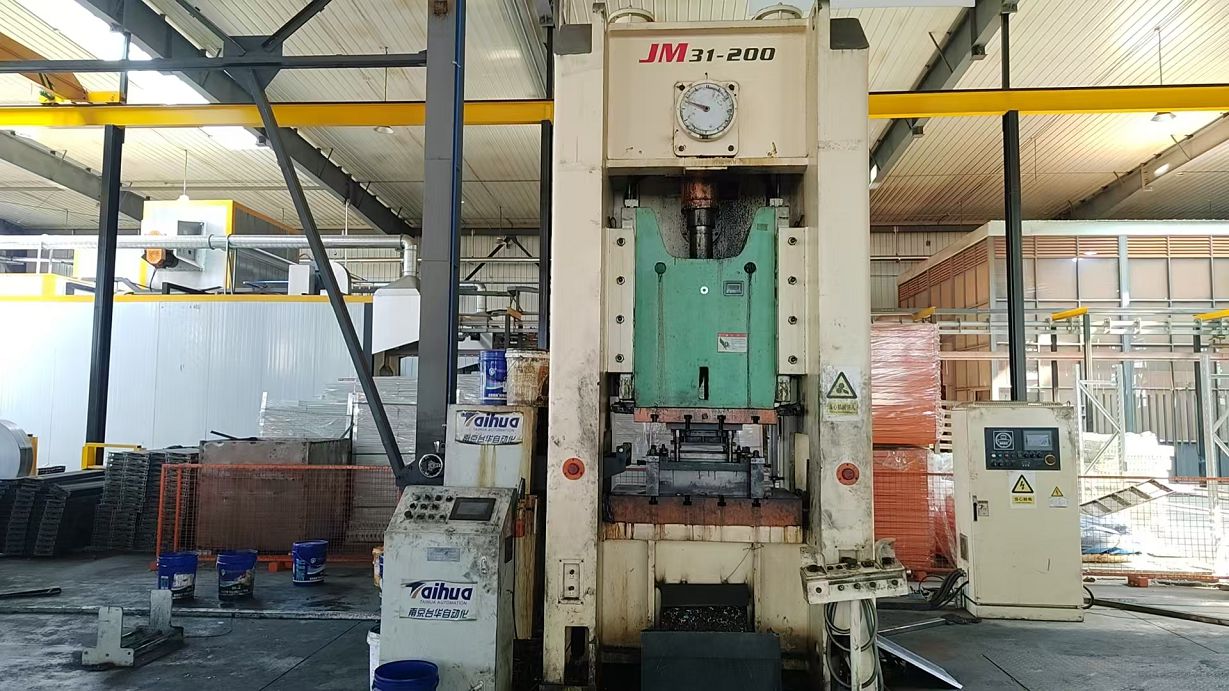
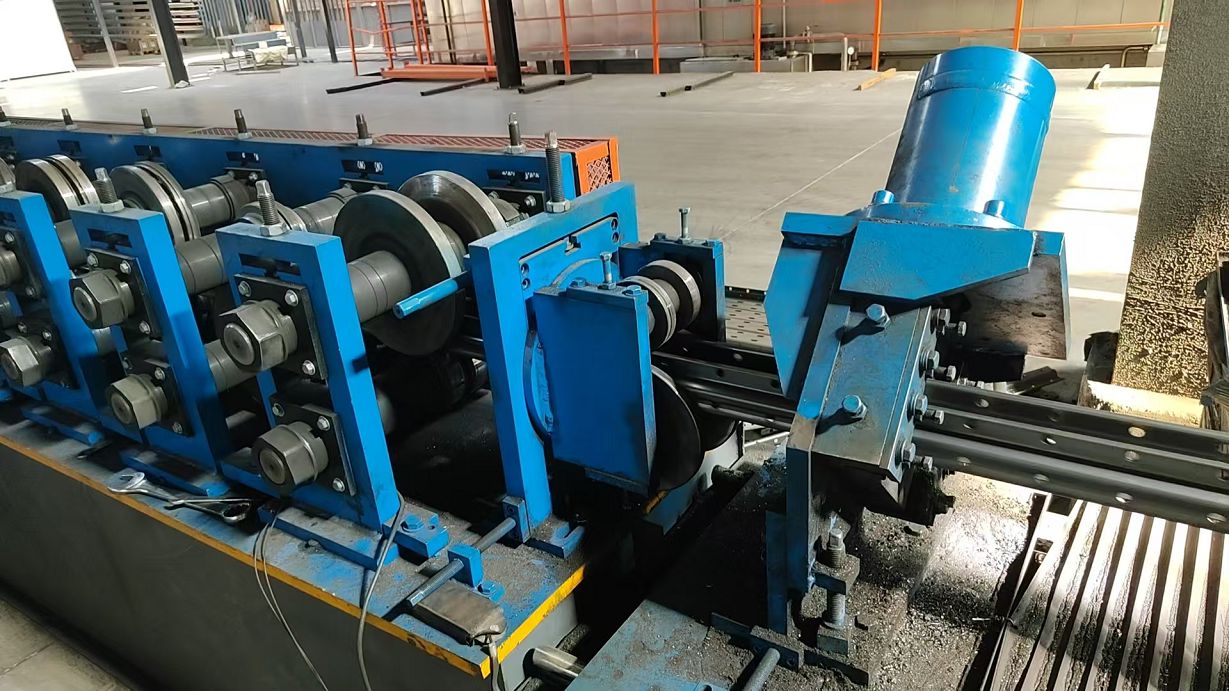
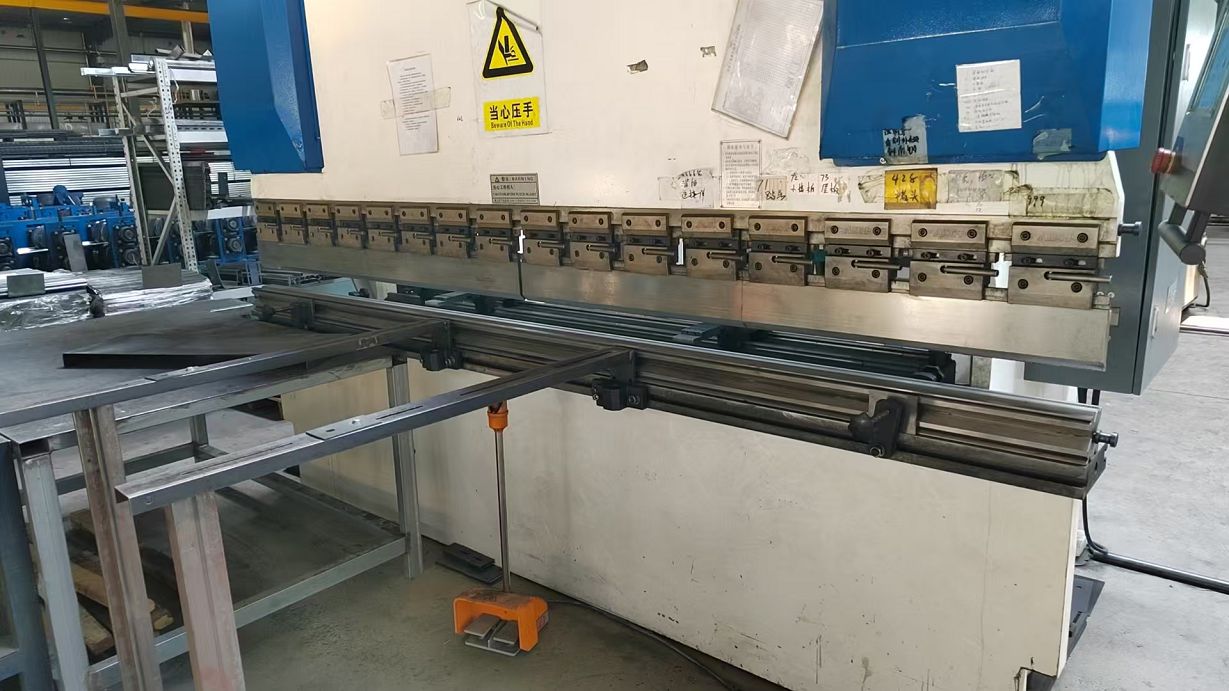
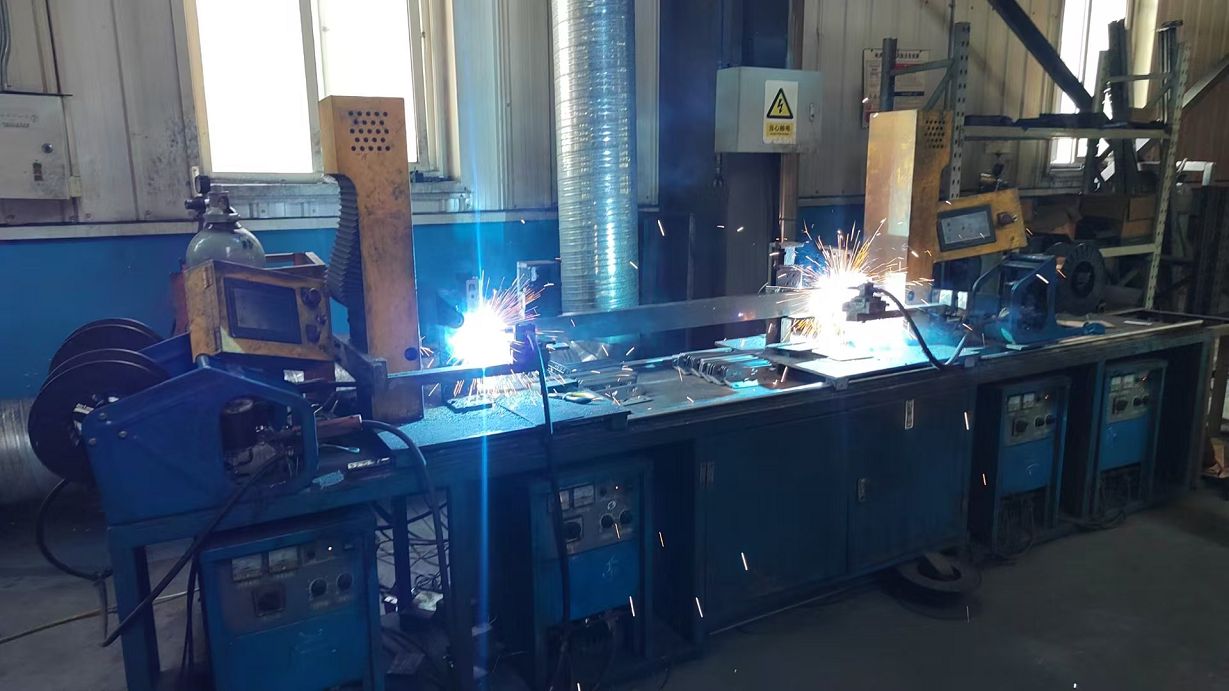
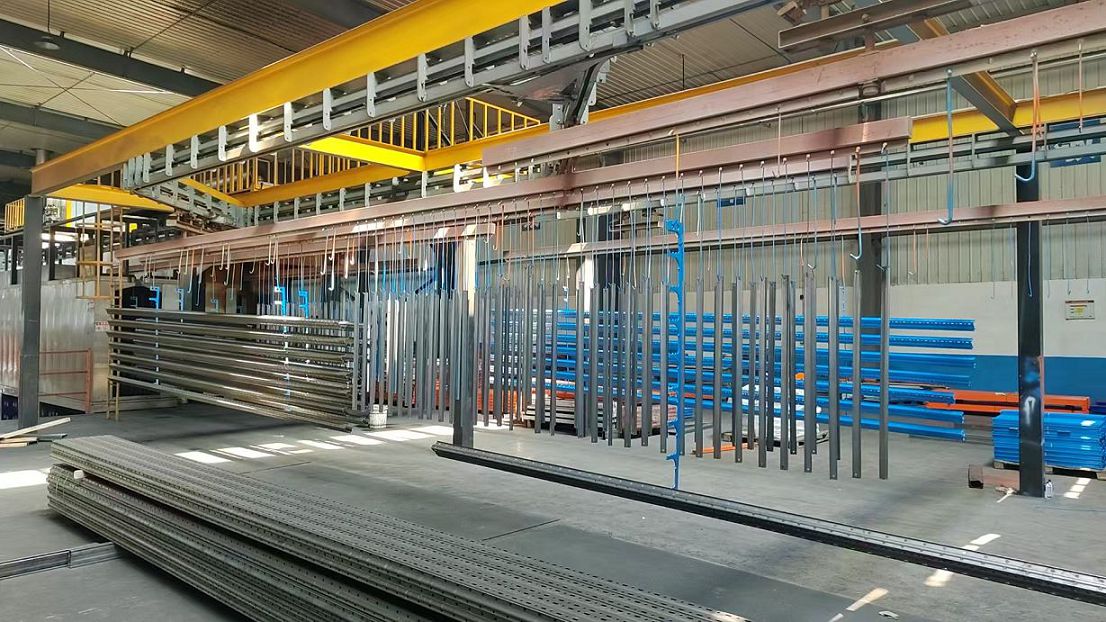
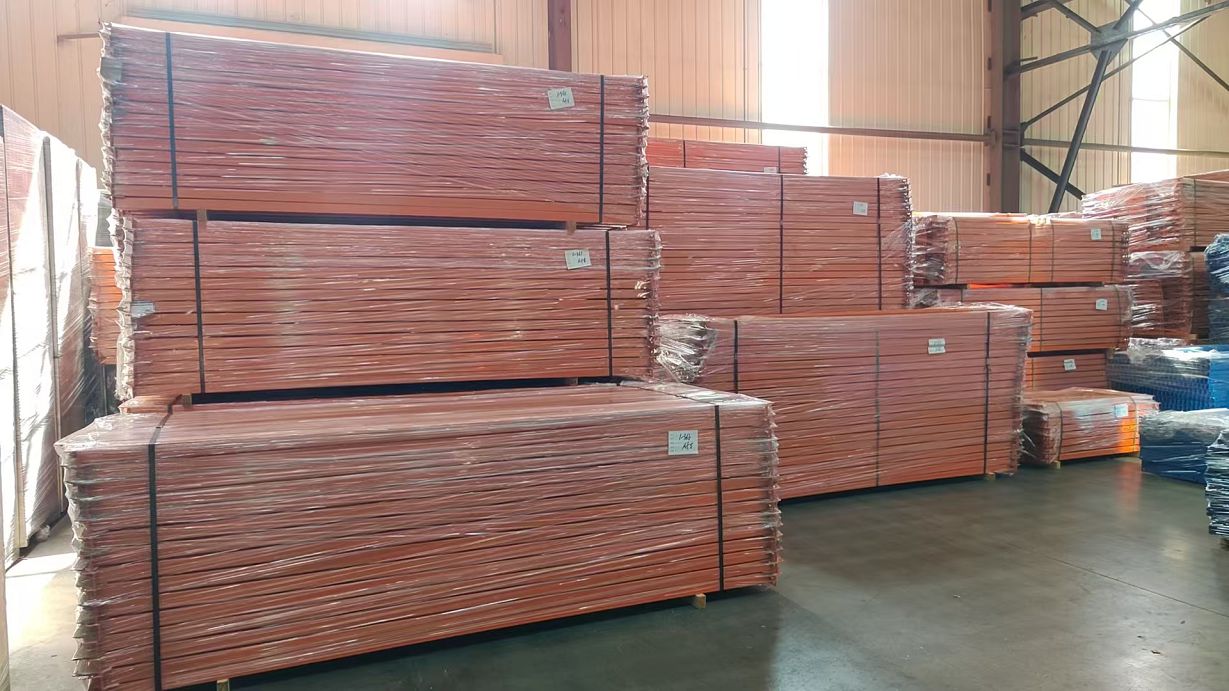
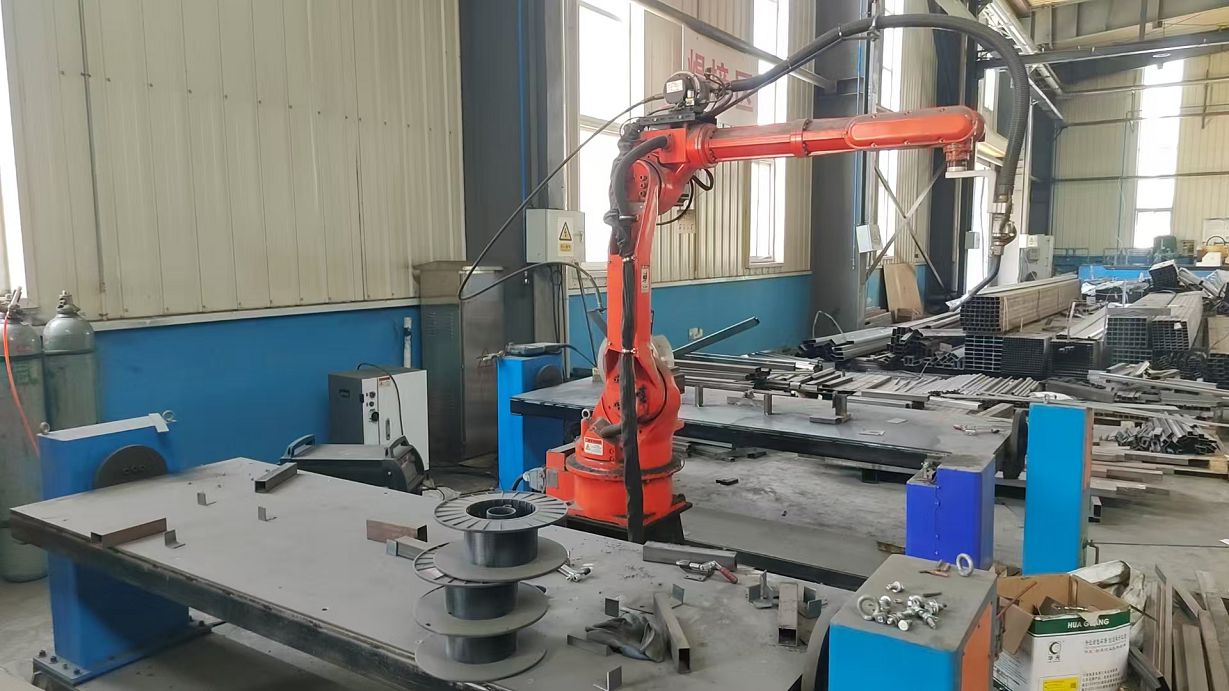
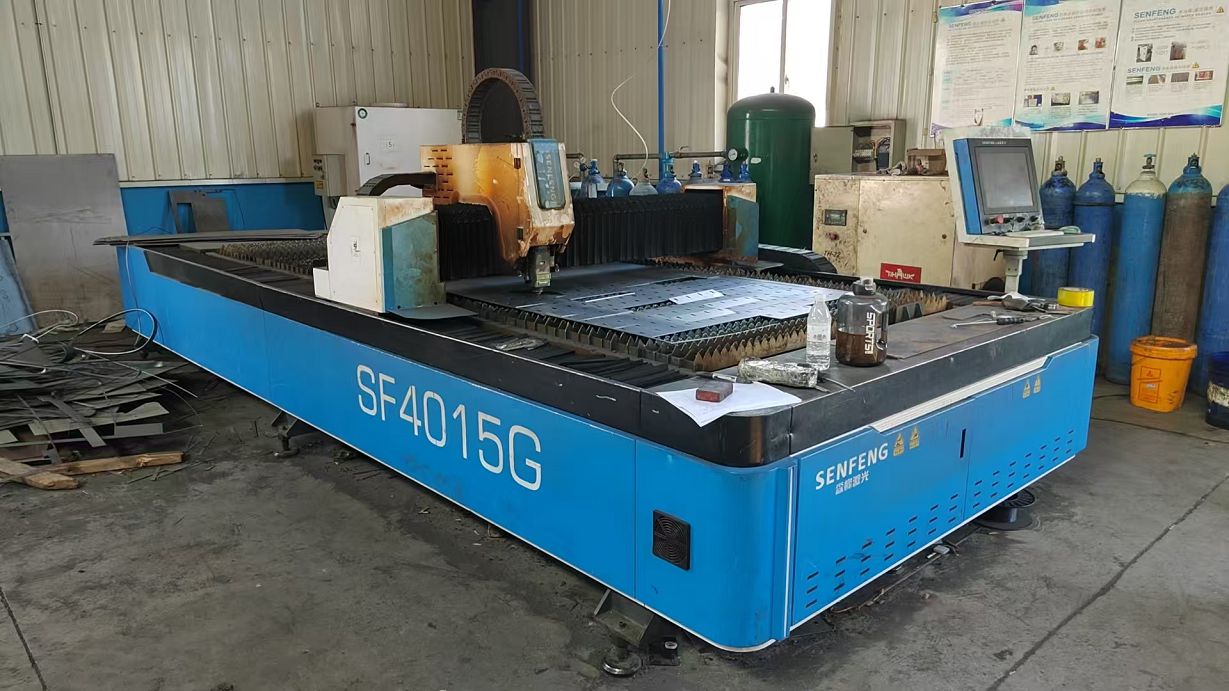
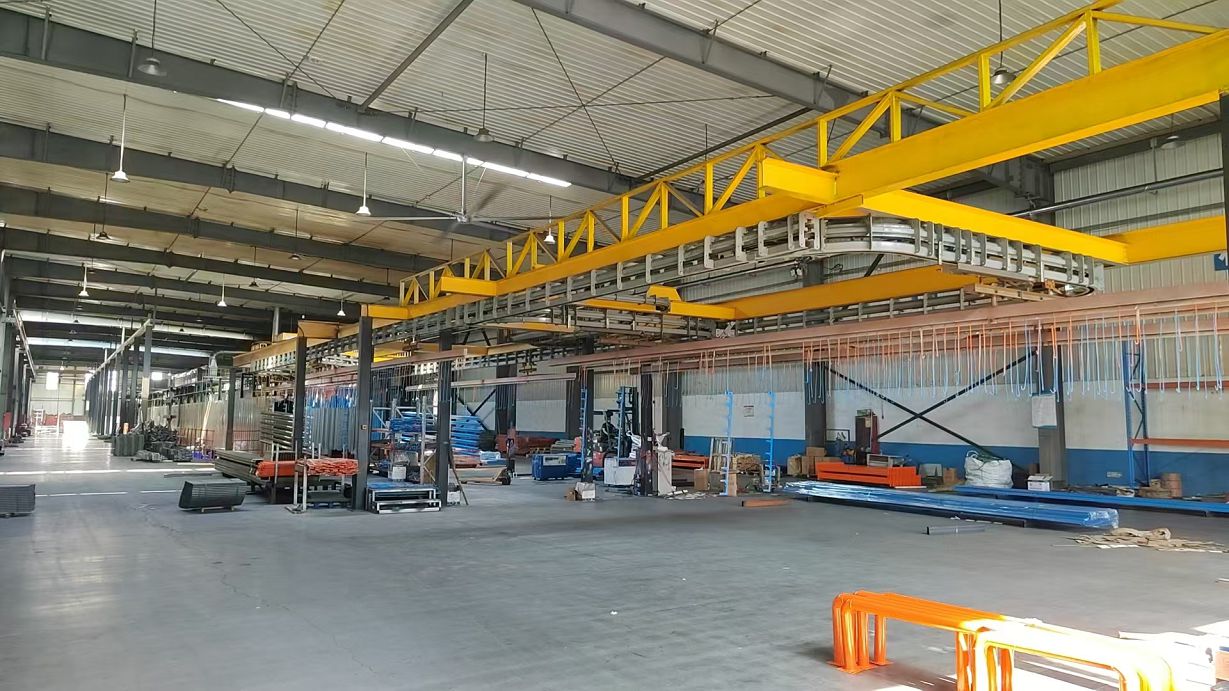
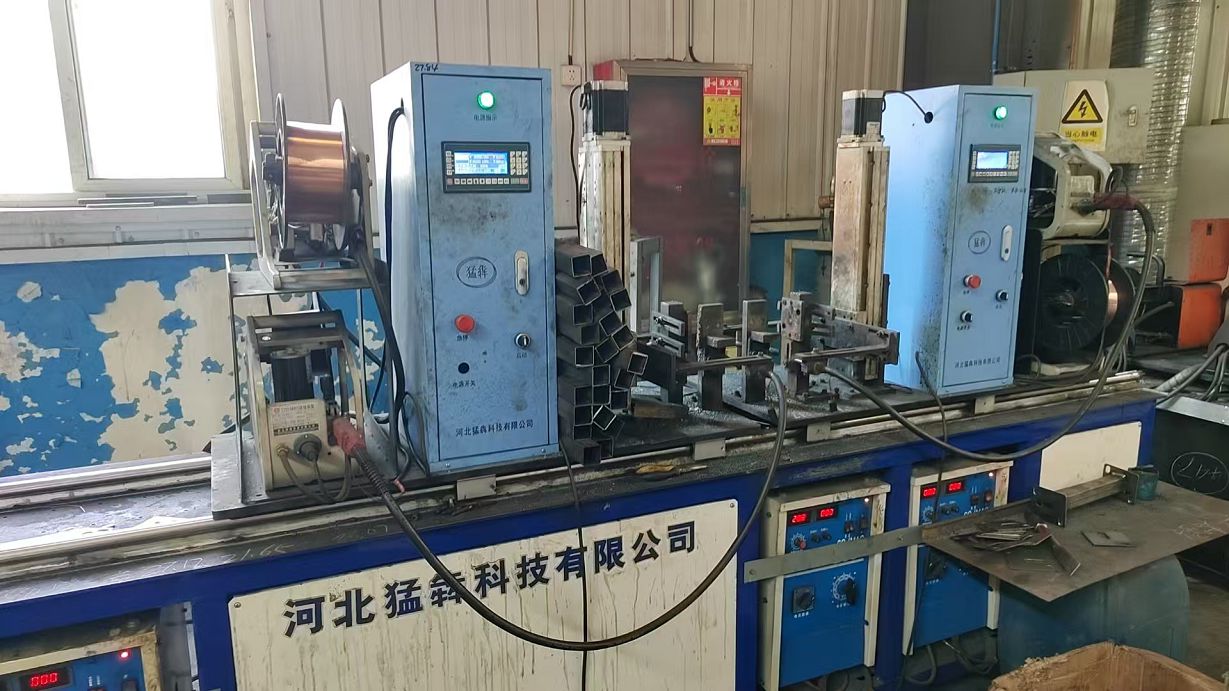
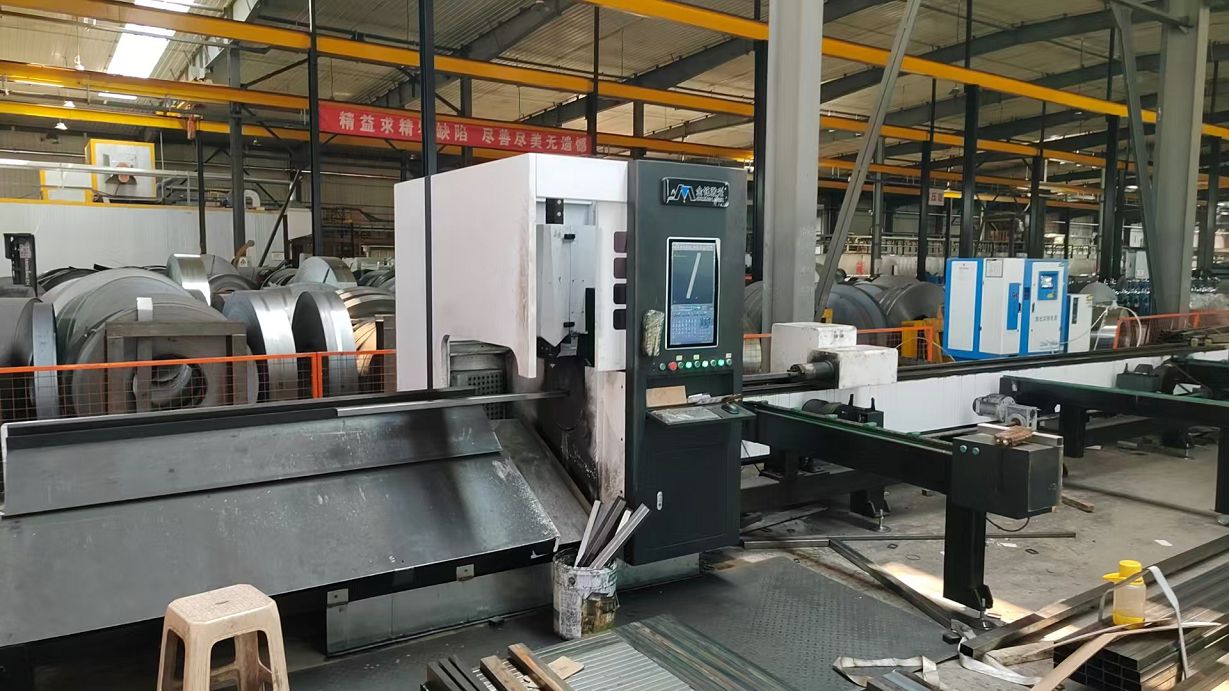
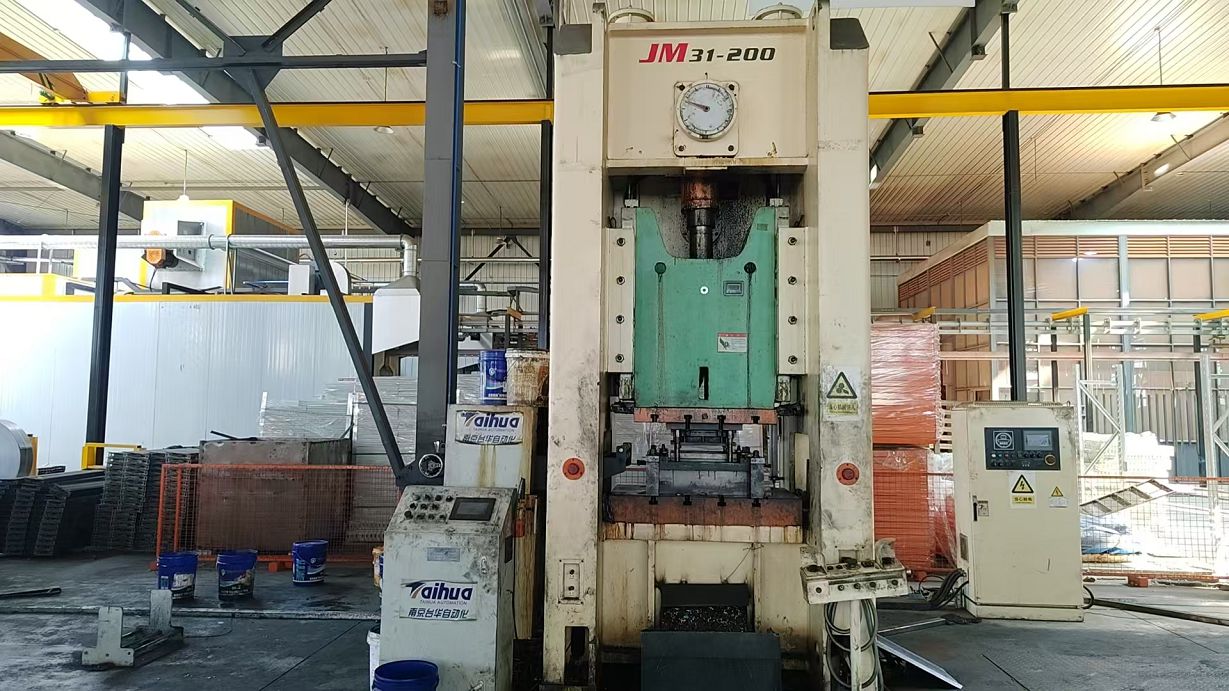
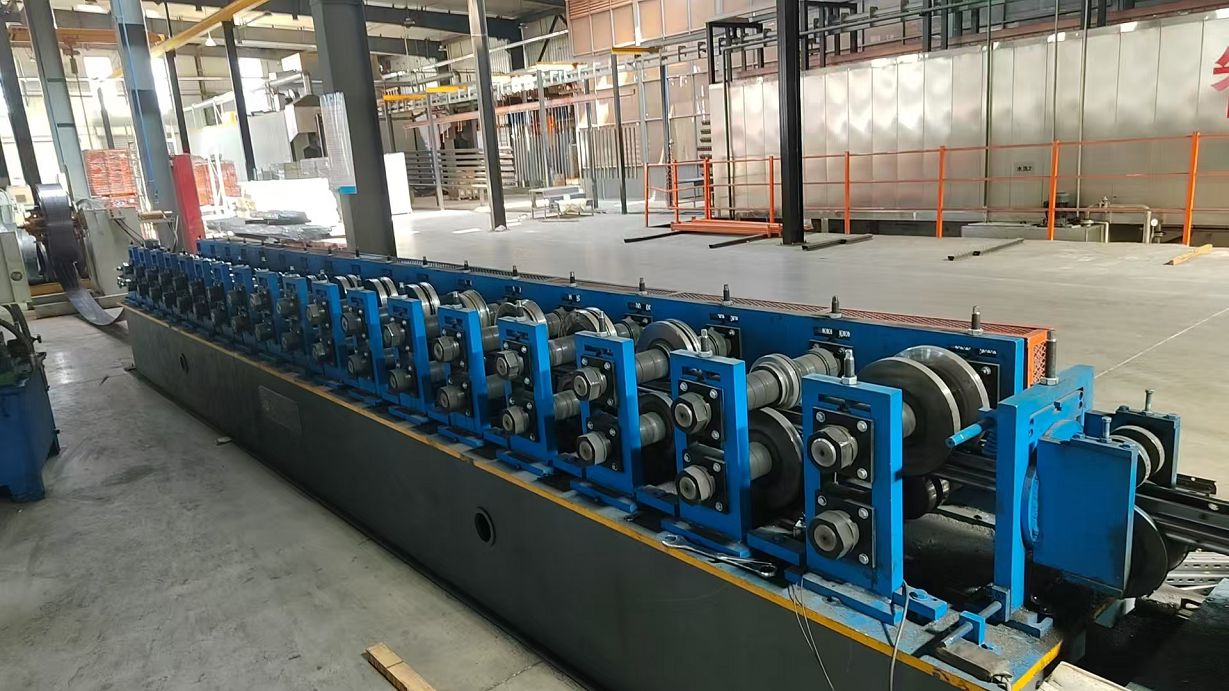
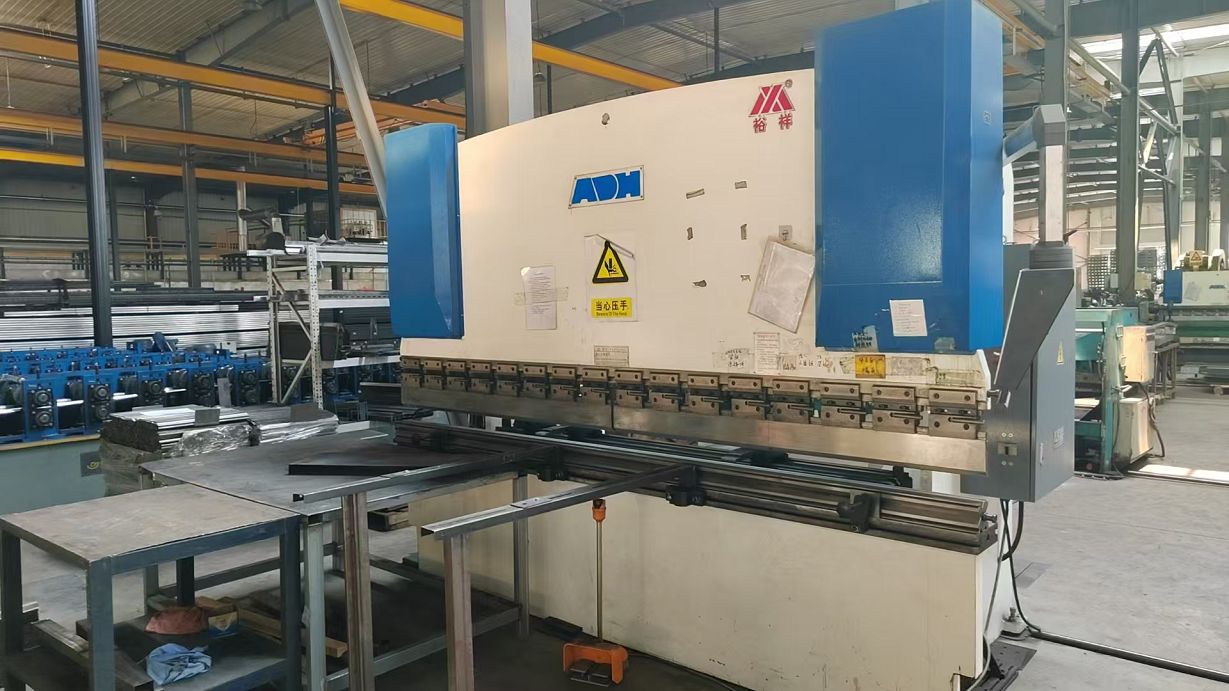
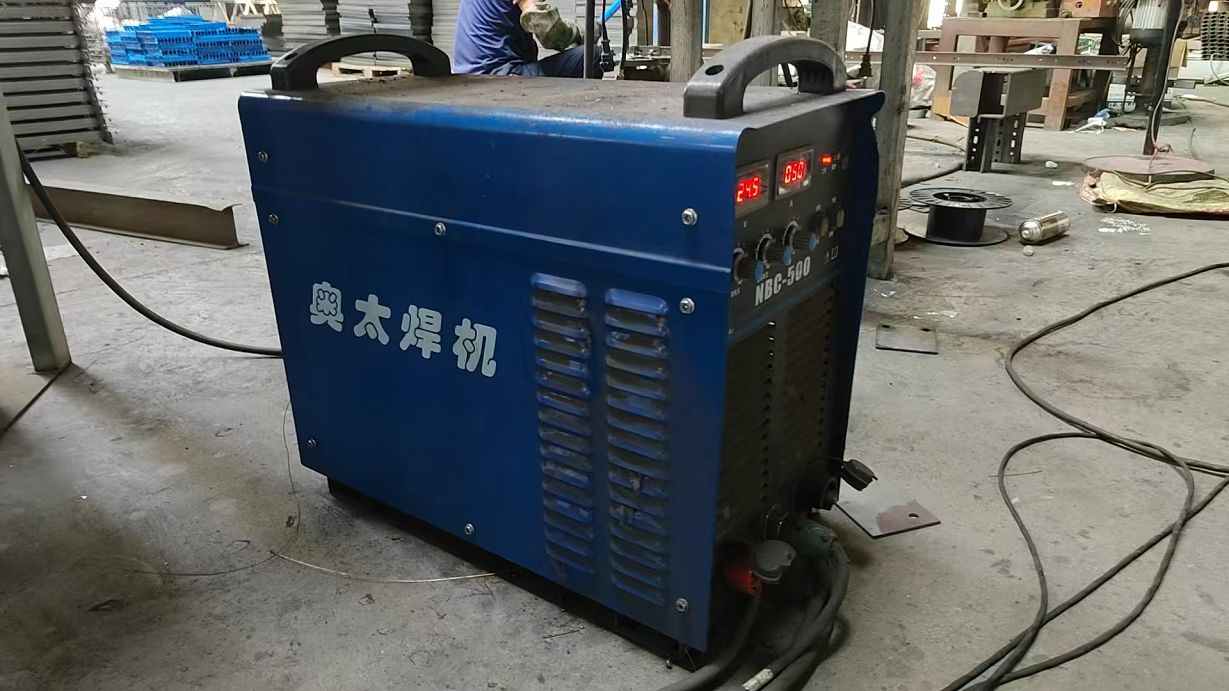
Cold chains operate differently depending on region, climate, and regulation. Understanding these variations is essential for ensuring product quality and structural durability over time.
In port cities like Dubai or Singapore, sub-zero warehouse structures interface with warm, humid coastal air. When loading docks open, hot air enters and collides with freezing racks, creating heavy condensation. This environment requires Hot-Dip Galvanized (HDG) steel. Cold room racks in these regions require hot-dip zinc coatings thicker than 85 microns to protect against rust for decades.
Sub-zero cold storage facilities in seismic zones like Chile or Peru must withstand both extreme temperatures and seismic loads. The high mass density of these racking structures makes seismic forces a critical load case. In these areas, Chengdu CoreStorage uses high-tensile steel (such as Q355D) combined with thick base plates and heavy anchor bolts to absorb and dissipate seismic energy.
For European pharmaceuticals, zero contamination is required. Conventional open-section racks can collect moisture and harbor bacteria. In response, CoreStorage utilizes hygienic closed-box steel profiles, seamless continuous welds, and non-porous powder coatings. This prevents bacterial growth and makes the racking systems easy to wash down and sanitize.
The cold chain industry is rapidly shifting toward automation and energy optimization. Traditional warehouses are transition into high-density, automated environments that maximize storage volume and reduce thermal loss.
The next generation of cold storage focuses on the following key areas:
Technical answers to common questions about sub-zero warehouse design, metallurgy, and installation.
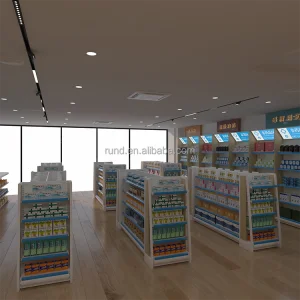
Browse our range of high-durability displays, shop counters, and storage shelving designed for commercial spaces.
 CoreStorage