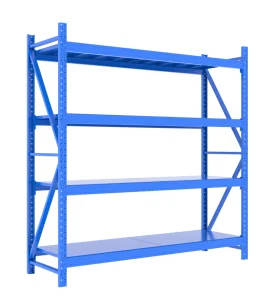
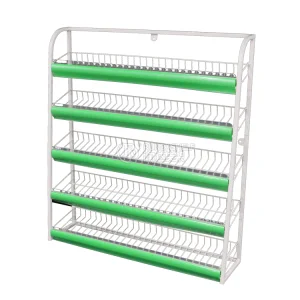
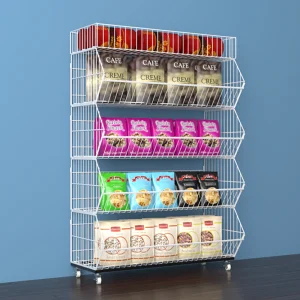
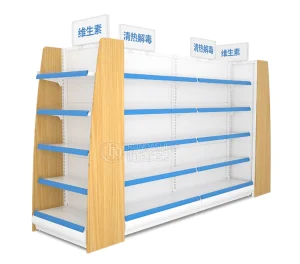
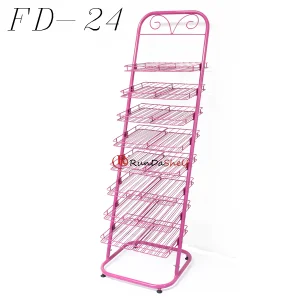
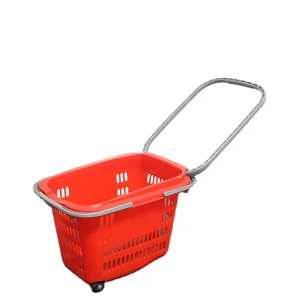
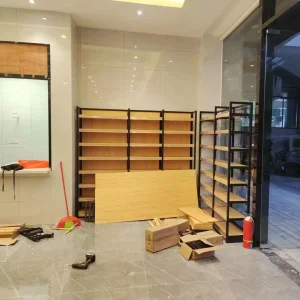
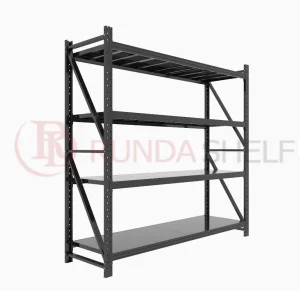
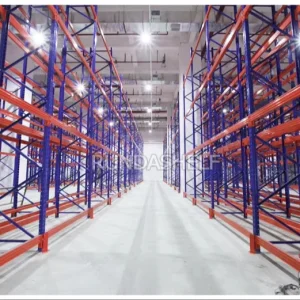
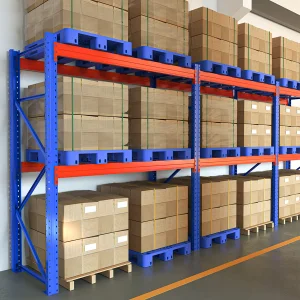
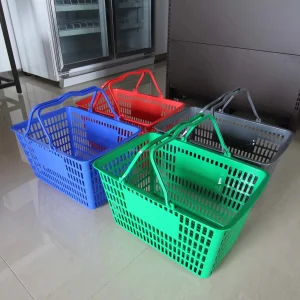
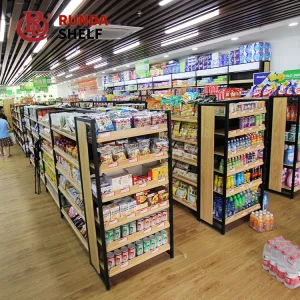
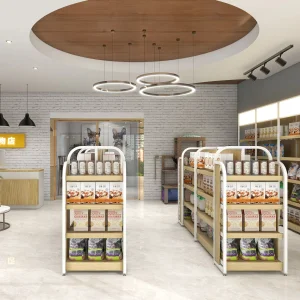
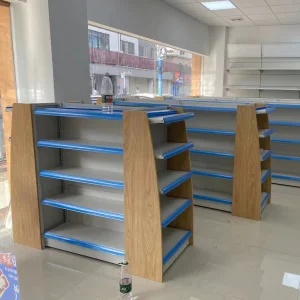
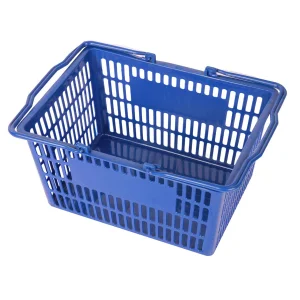
In the modern omnichannel era, the boundary between logistics, warehousing, and retail storefronts is dissolving. Retail Staging Units have transitioned from simple secondary display structures into business-critical logistics and inventory staging nodes. These systems are specifically designed to bridge the gap between high-density backend pallet storage and high-turnover front-of-house displays. The global retail market demands equipment that does not just hold inventory, but optimizes SKU layout, increases fulfillment speeds, and minimizes human labor in replenishment cycles.
As micro-fulfillment centers (MFCs) and click-and-collect systems proliferate across urban spaces, manufacturers are tasked with creating units that provide maximum modularity, structural safety under dynamic loads, and long-term durability in varied thermal environments. A high-performing staging system directly corresponds to reduced labor operating costs, lower item breakage rates, and higher spatial utilization rates, solving the critical warehousing bottleneck of "last-fifty-feet" intra-logistics.
International corporate procurement teams face complex regulatory compliance challenges. Selecting a global manufacturing partner for retail staging units requires verification beyond mere pricing structures. Quality assurance frameworks like ISO 9001 and structural compliance safety marks like the European CE Standard are non-negotiable requirements for tier-one logistics networks. These standards guarantee that load capacities are structurally calculated, weld lines are ultrasonically stable, and material deflection rates meet safety margins.
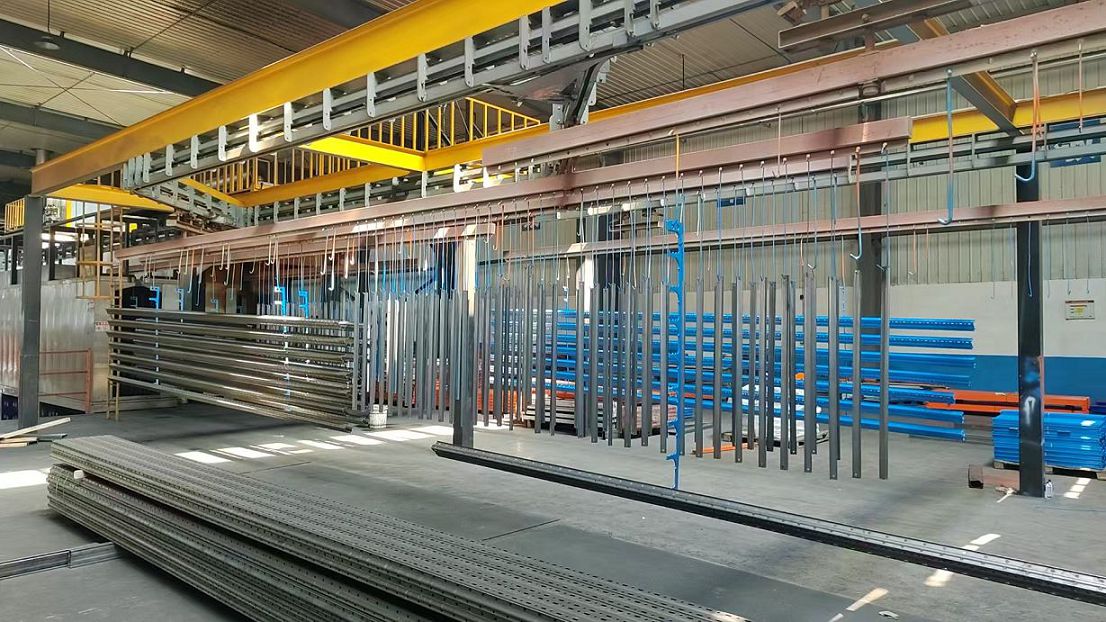
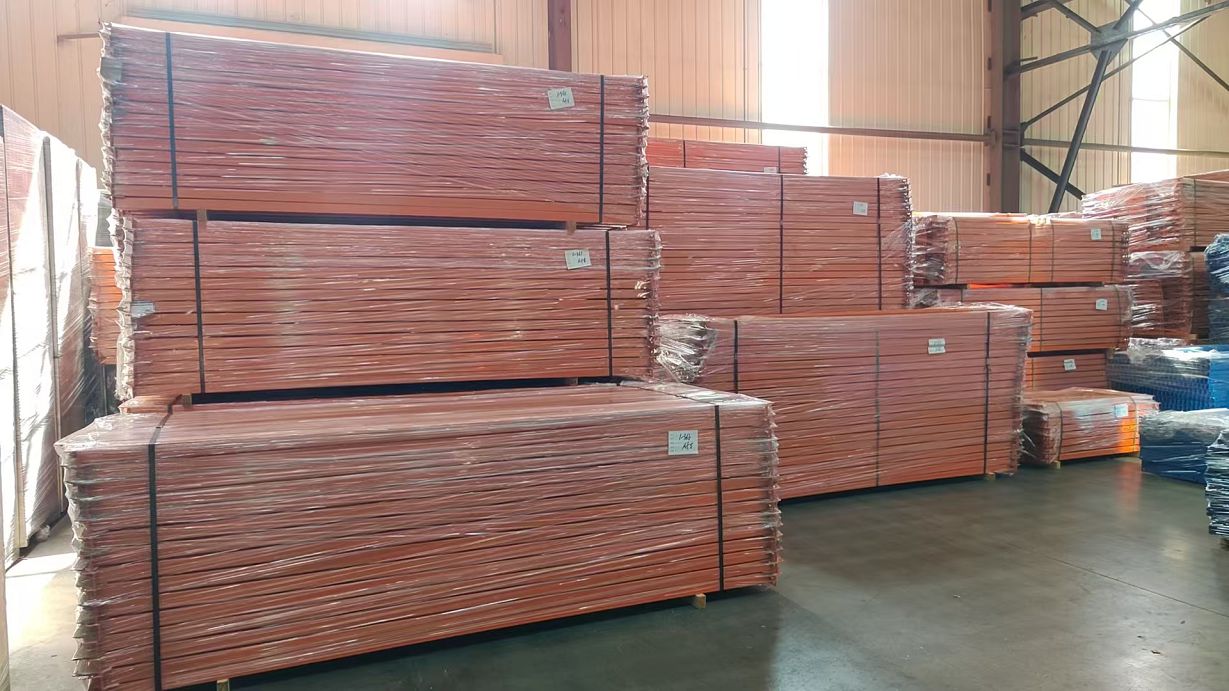
Advanced testing methodologies, such as CMM Automated Dimensional Inspections and Load Stress Testing, ensure that every rack configuration can handle its designated rating—whether it's a 300kg light-duty display or a 500kg+ heavy-duty industrial staging system. In the Middle East, South America, and Eastern Europe, supply chains must operate continuously under challenging environmental factors. High-humidity climates require advanced surface finishes like hot-dip galvanization or high-durability electrostatic powder coating to prevent oxidation and structural failure over extended life cycles.
The core competitive advantage of Chengdu CoreStorage Logistics Equipment Manufacturing Co., Ltd. lies in the integration of digital manufacturing and robust supply chain resilience. Operating as an Integrated Manufacturer & Global Trading Hub, the company utilizes a network of 650 supply chain partners. This ecosystem enables rapid procurement of high-grade raw materials and custom tooling, stabilizing production lead times even during global supply chain disruption events.
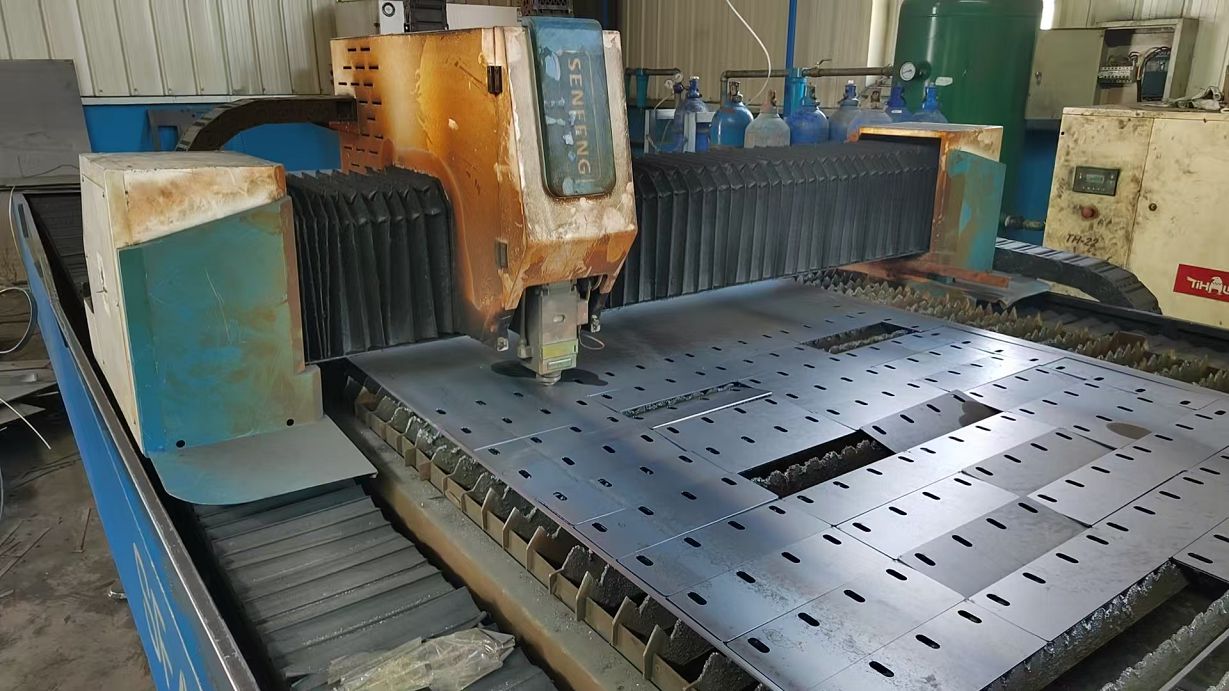
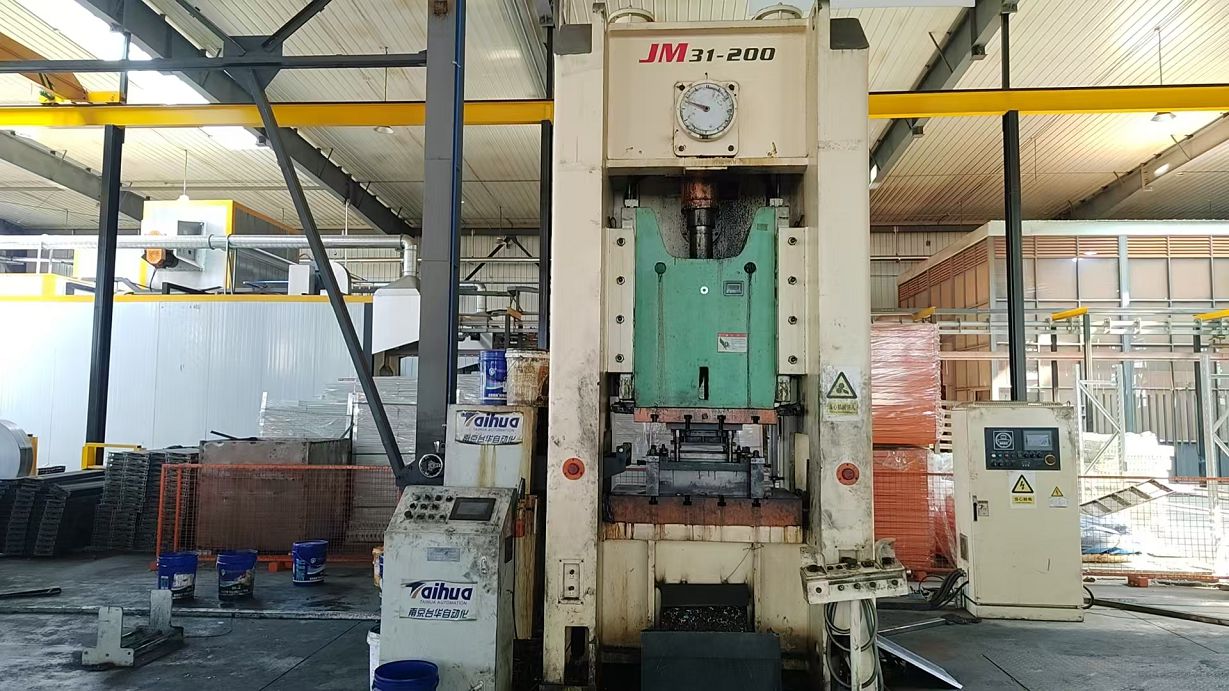
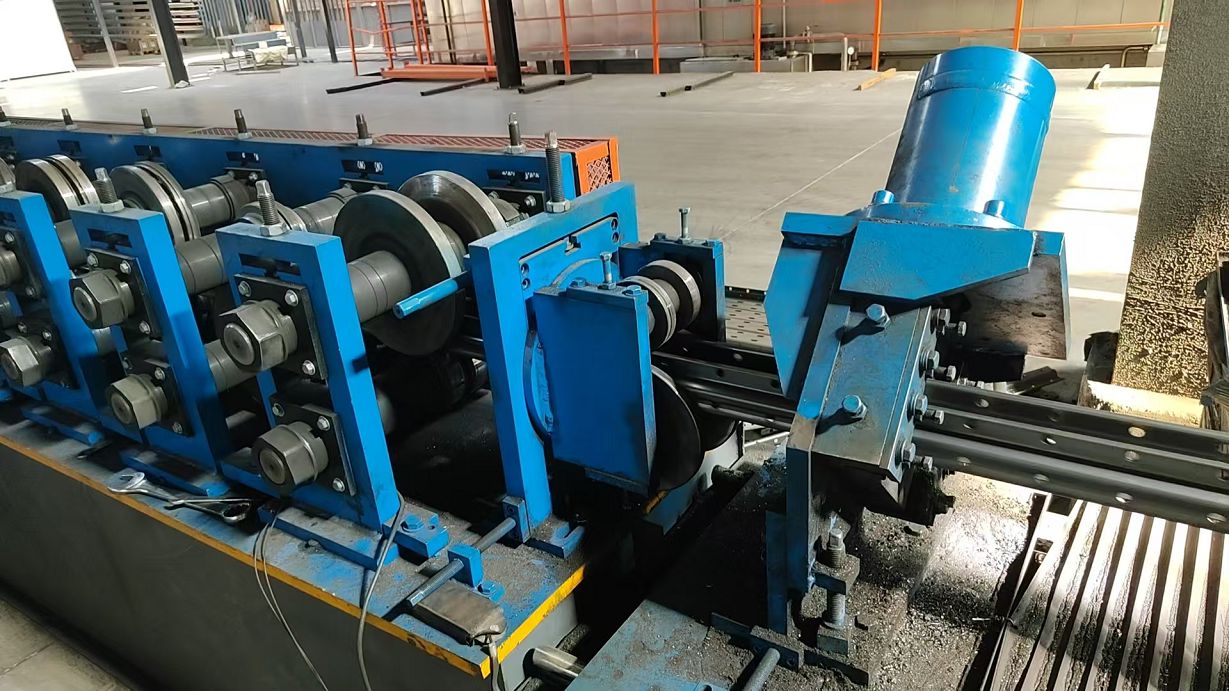
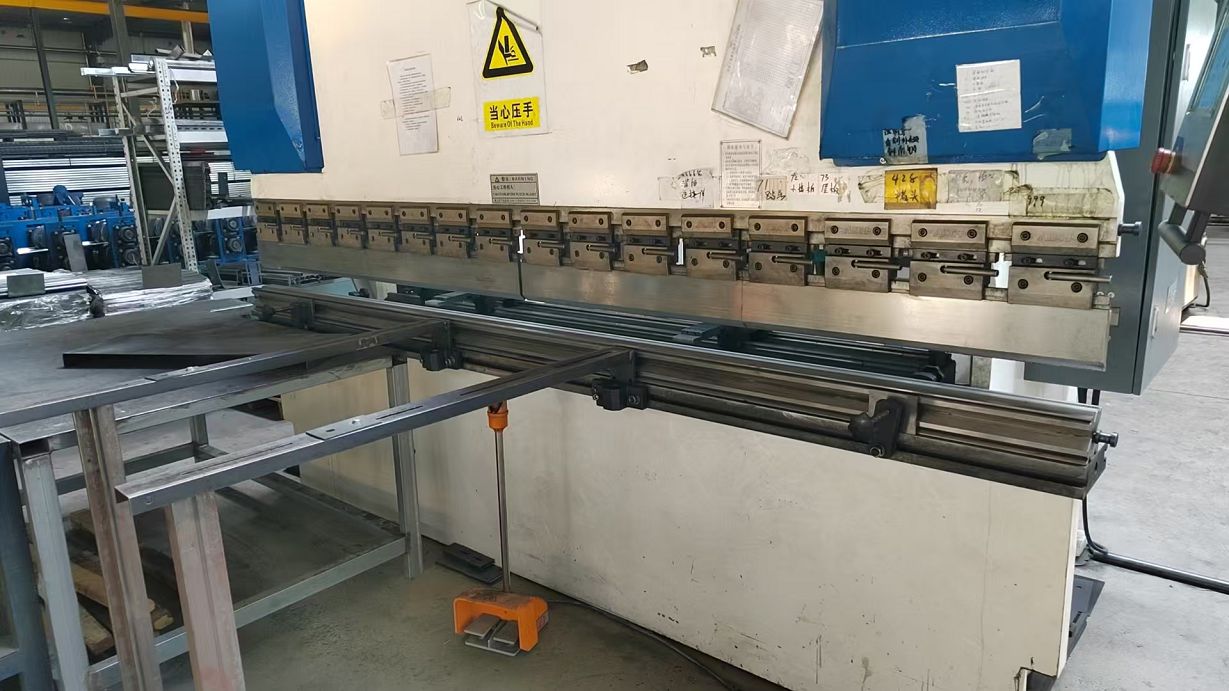
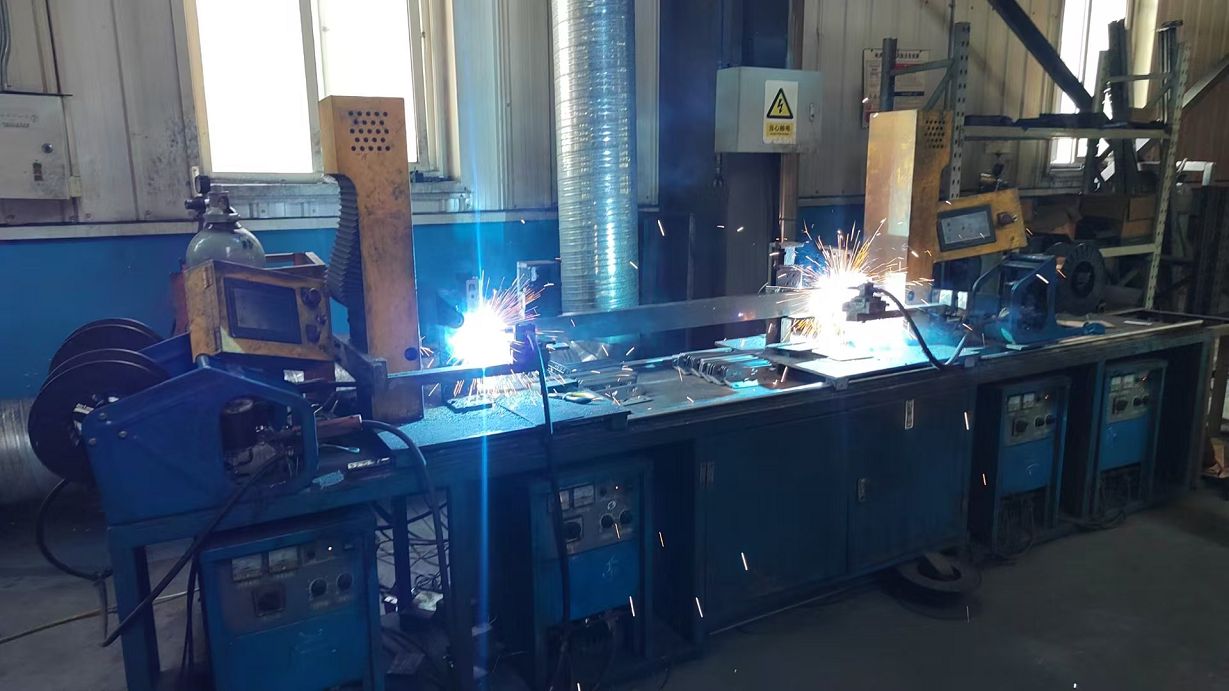
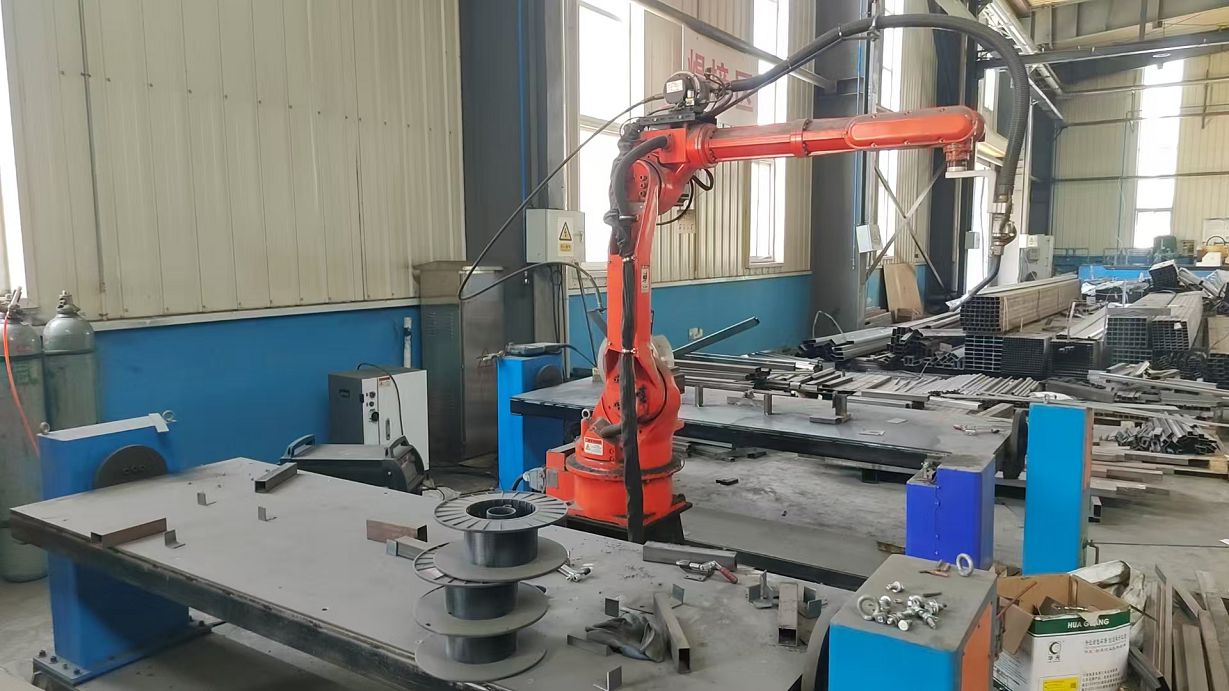
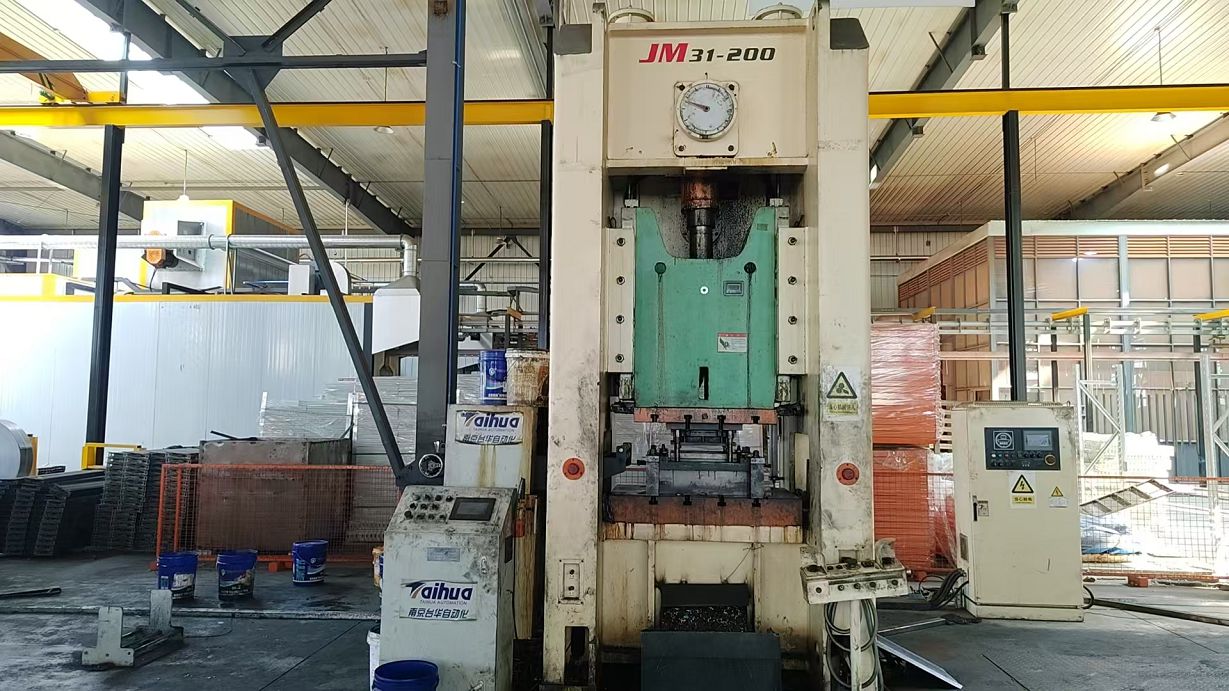
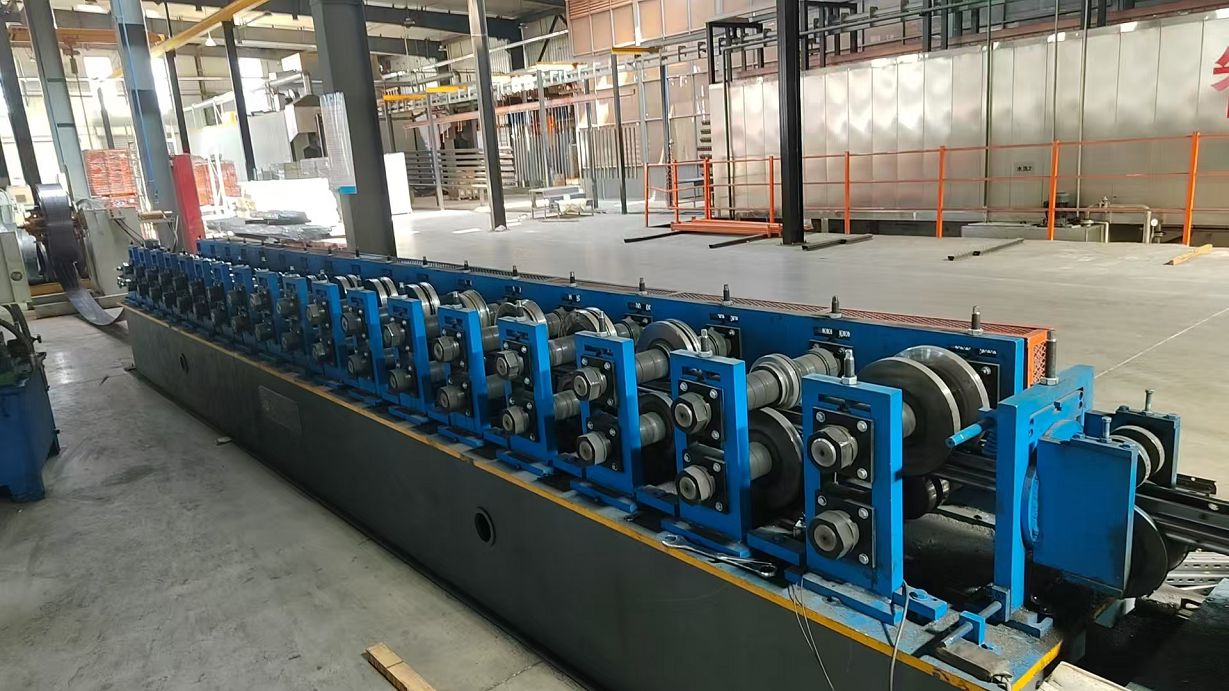
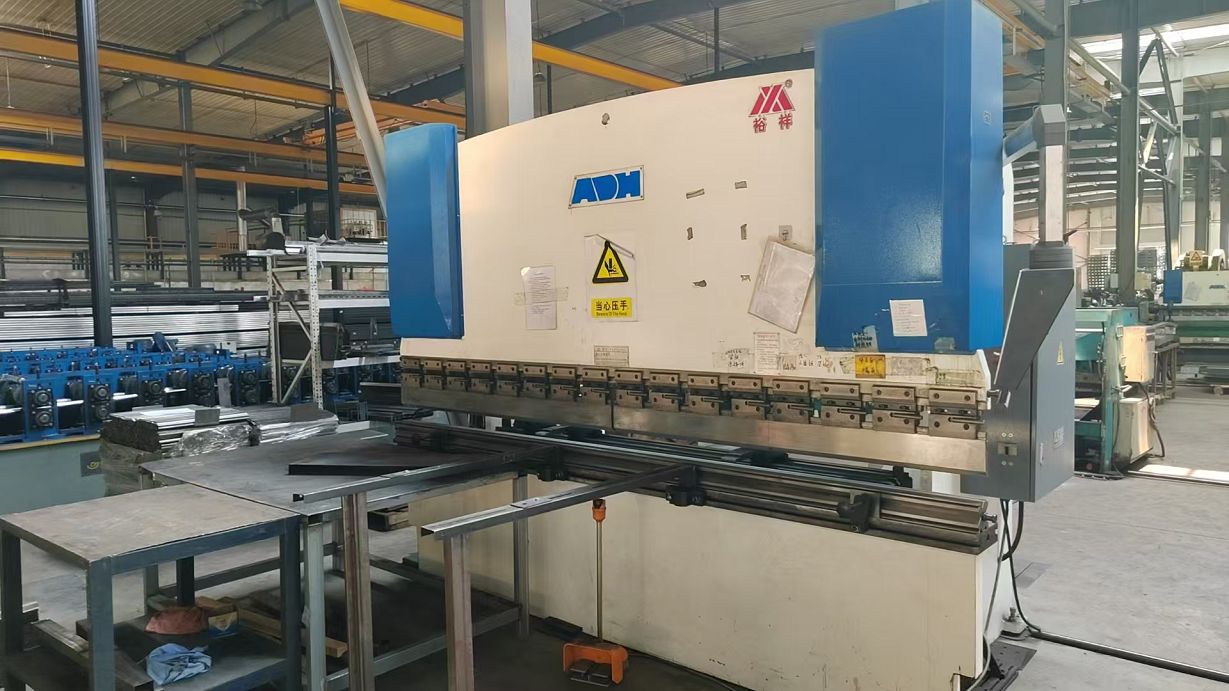
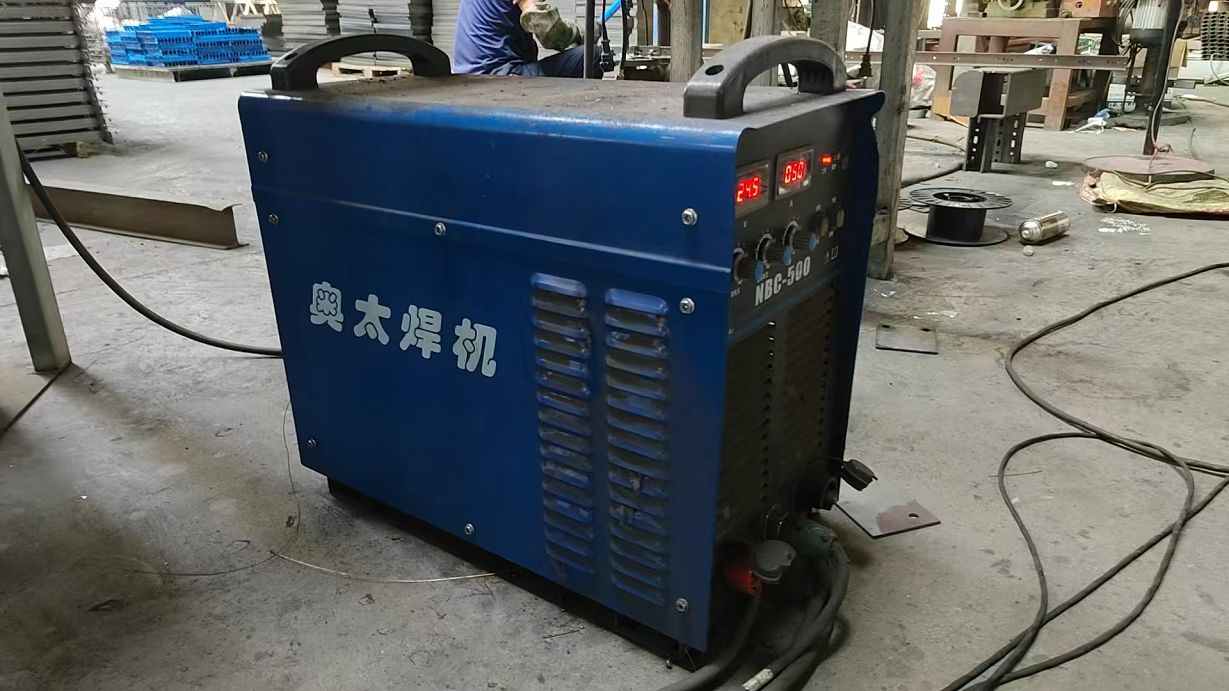
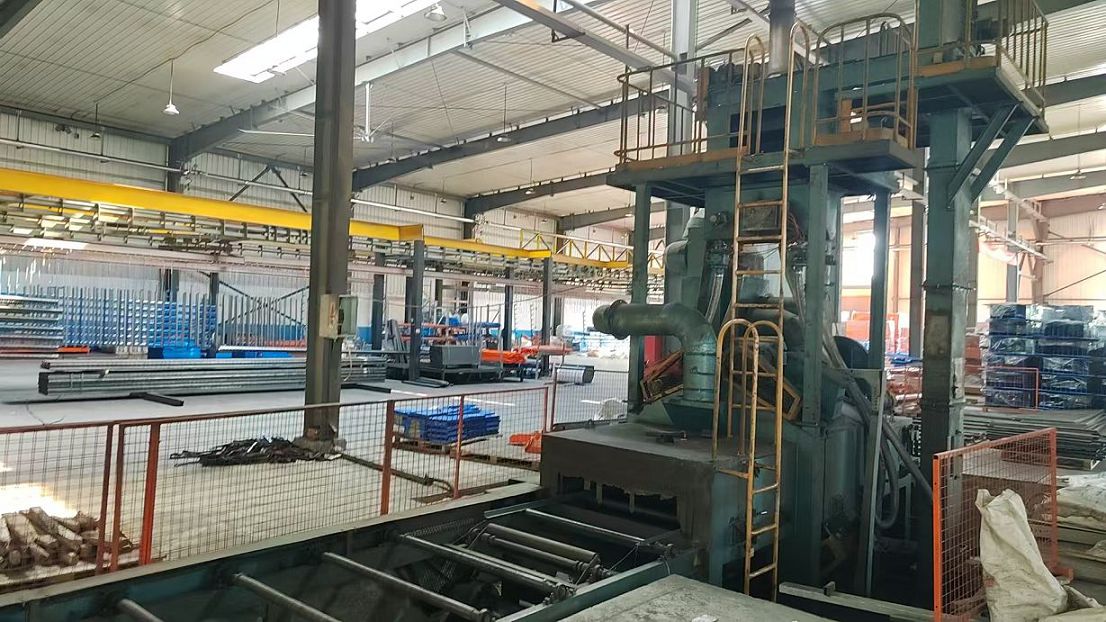
Inside our production facilities, automation drives scale and precision. By leveraging CNC pipe cutting machines, automatic profile pressing lines, and robotic welding stations, CoreStorage achieves structural precision within fractions of a millimeter. Robotic welding ensures deep penetration, clean seams, and eliminates human error—critical factors in manufacturing racks that bear heavy vertical forces. This systematic integration of automation reduces waste, maximizes raw-material yield, and translates into a highly competitive Total Cost of Ownership (TCO) for global distributors and enterprise buyers.
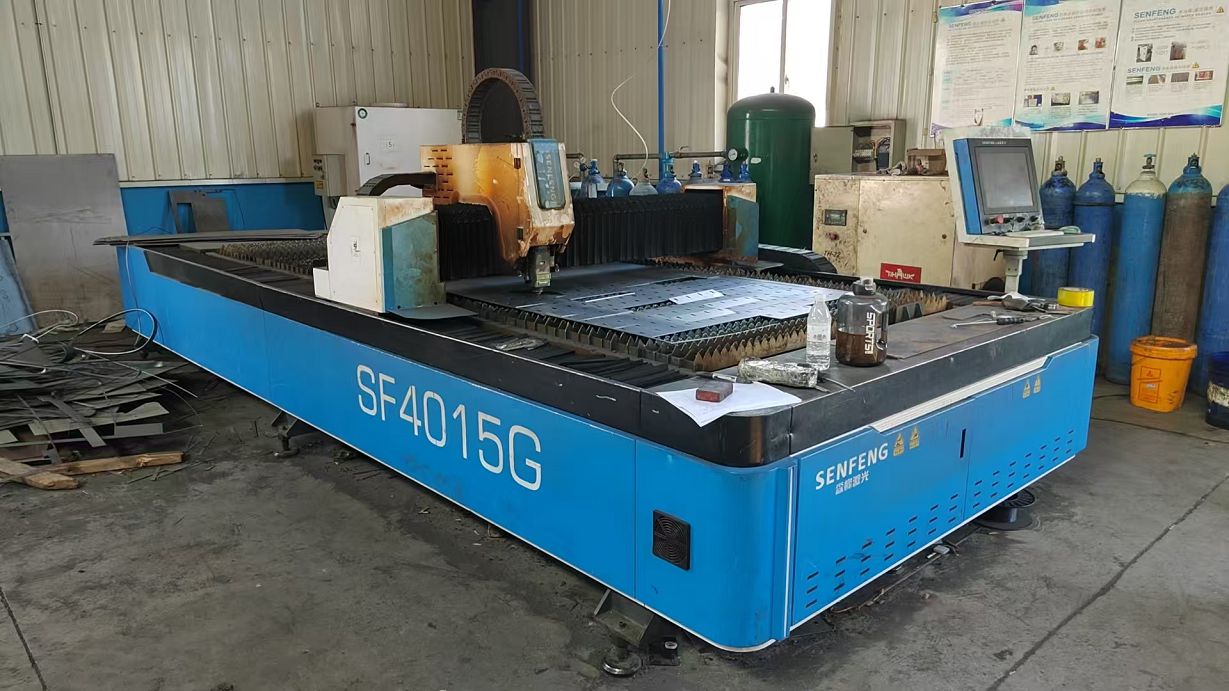
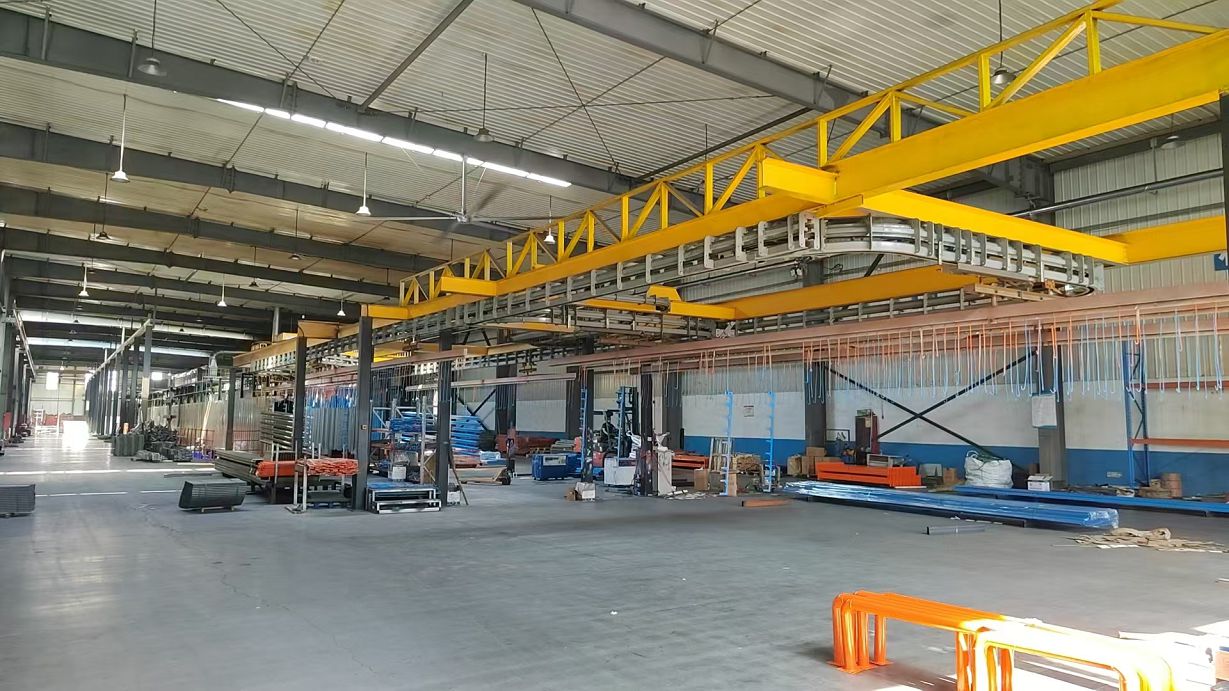
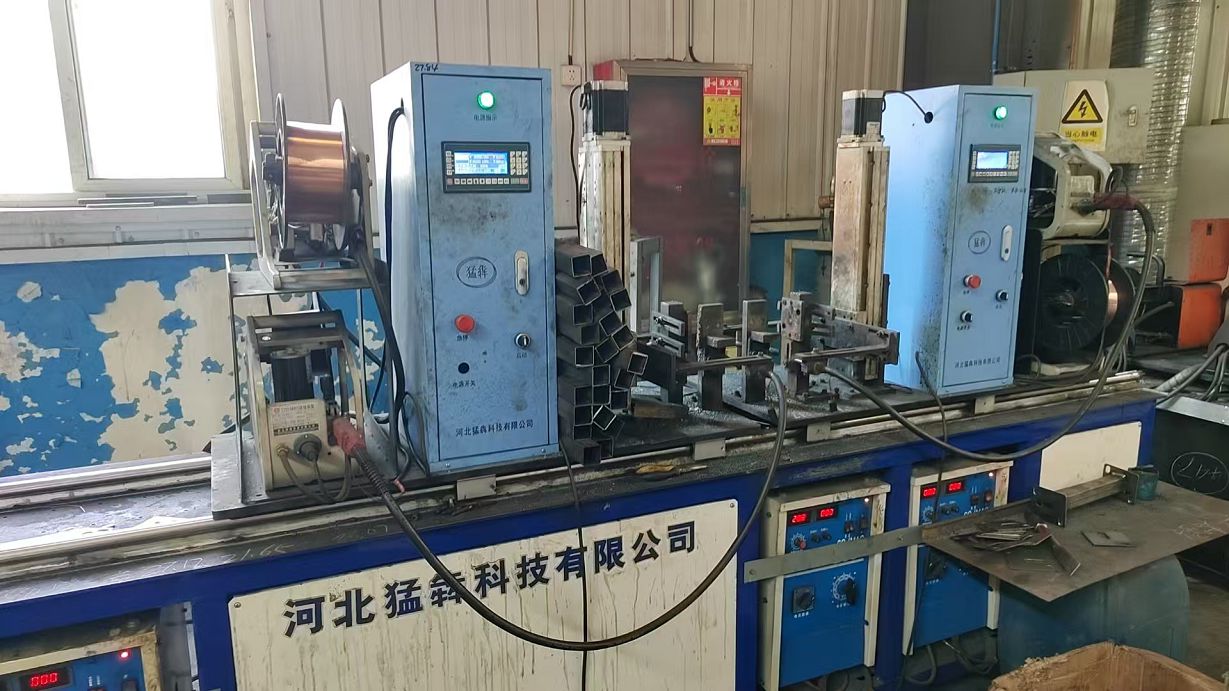
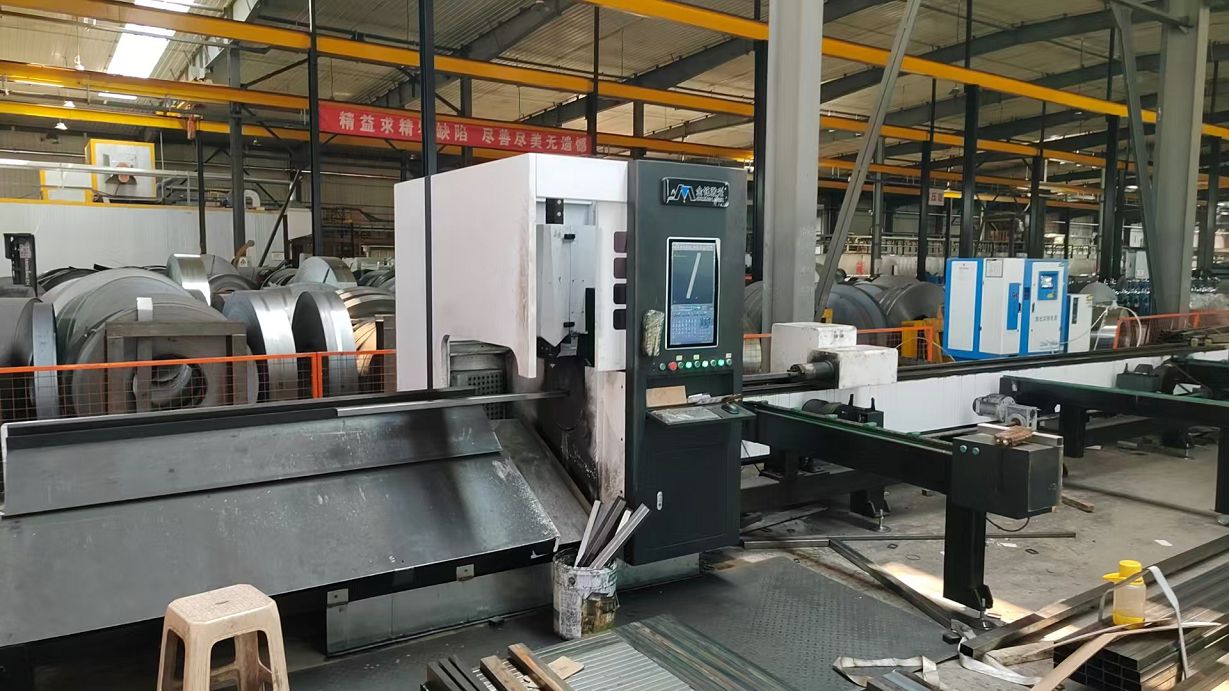
Industrial staging solutions are not one-size-fits-all. Different commercial environments demand customized engineering parameters to optimize space, access speed, and safety:
In temperature-controlled and sub-zero storage systems, steel structural integrity changes. Low temperatures can make standard metals brittle, posing severe safety risks under high load stress. CoreStorage design teams use specialized low-temperature carbon steel combined with tailored hot-dip galvanization processes. This ensures the racks maintain structural elasticity, prevent frost-induced micro-fractures, and resist rusting in high-condensation environments.
High-volume distribution centers require massive SKU variety, rapid order picking, and heavy structural load limits. Modular shelving systems allow for rapid horizontal beam adjustments, helping logistics managers dynamically adapt shelf height to match shifting seasonal packaging dimensions. This adaptability minimizes spatial waste and increases pick-line productivity.
Automotive parts are heavy, structurally irregular, and highly prone to surface damage. Specialized metal staging displays and customized stacking racks with protective synthetic linings allow components to sit securely without metal-on-metal contact. Integrating these racks with automated guided vehicles (AGVs) provides reliable, hands-off transport from backend warehouses straight to assembly stations.
 CoreStorage