In the modern era of logistics, warehousing, and high-density retail space configuration, modular shelving systems serve as the fundamental structural framework for global supply chains. Once defined as basic metal racking, contemporary shelving design has evolved into highly engineered, dynamic modular architectures. Today's procurement teams prioritize adaptable systems that maximize space utilization, achieve seismic certification compliance, and ensure structural load integrity across diverse vertical environments.
This comprehensive whitepaper analyzes the engineering capabilities, material properties, and supply chain benefits of top modular shelving manufacturers. By examining mechanical dynamics, localized design modifications, and the industrial advantages of modern production hubs (such as China's advanced metallurgical clusters), we provide global procurement managers, warehouse planners, and logistics directors with the metrics required to make optimized sourcing decisions.
Structural Steel Grade
Factory Floor Area
Safety Certifications
Design Engineers
Engineered to meet specific mechanical load demands, retail display configurations, and high-frequency supply chain requirements.
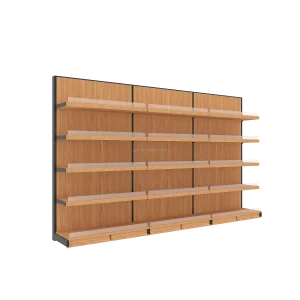
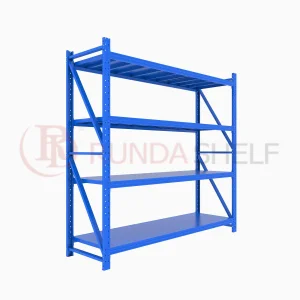
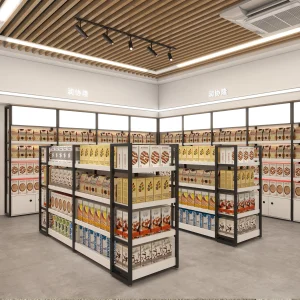
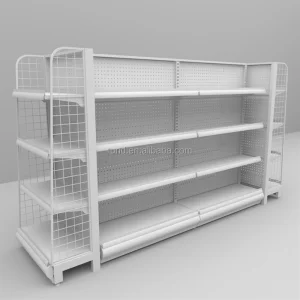
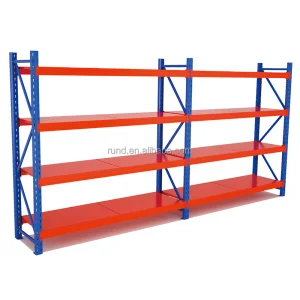
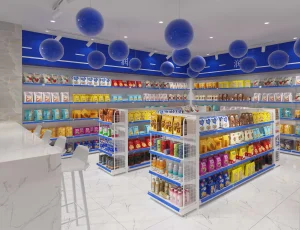
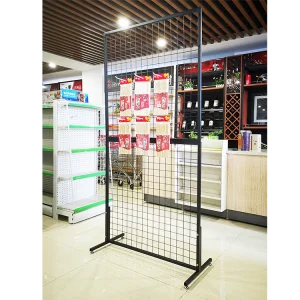
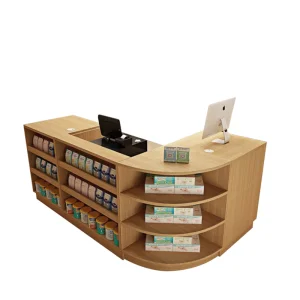
Global procurement directors sourcing industrial racking systems prioritize supply chain resilience, material consistency, and structural performance relative to cost. China's industrial manufacturing hubs—particularly those located in metallurgical centers like Chengdu—deliver significant economic and technical advantages in this sector.
The primary advantage is structural steel integration. Factories in China utilize high-grade carbon structural steels, such as Q235B and Q355B, which offer excellent mechanical yield strength and weldability. By maintaining close partnerships with domestic steel mills, manufacturers secure premium, cold-rolled steel coils with minimal gauge deviation. This direct supply integration reduces freight and raw material markups, allowing for consistent cost structures even during volatile market cycles.
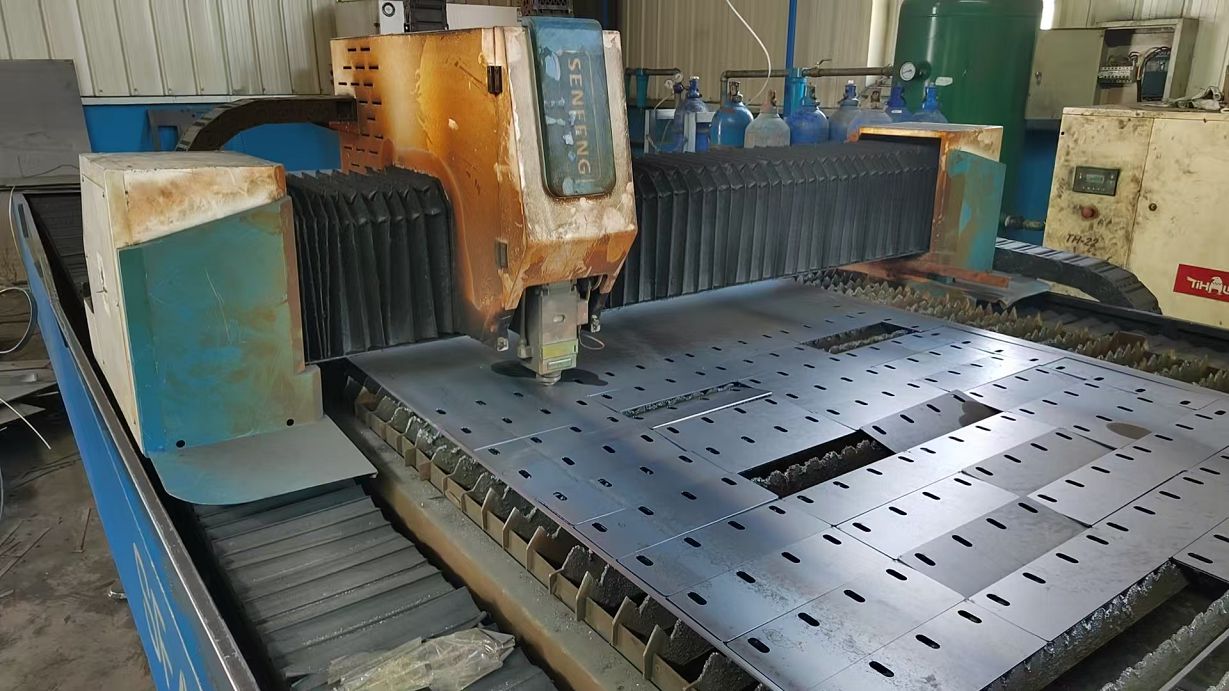
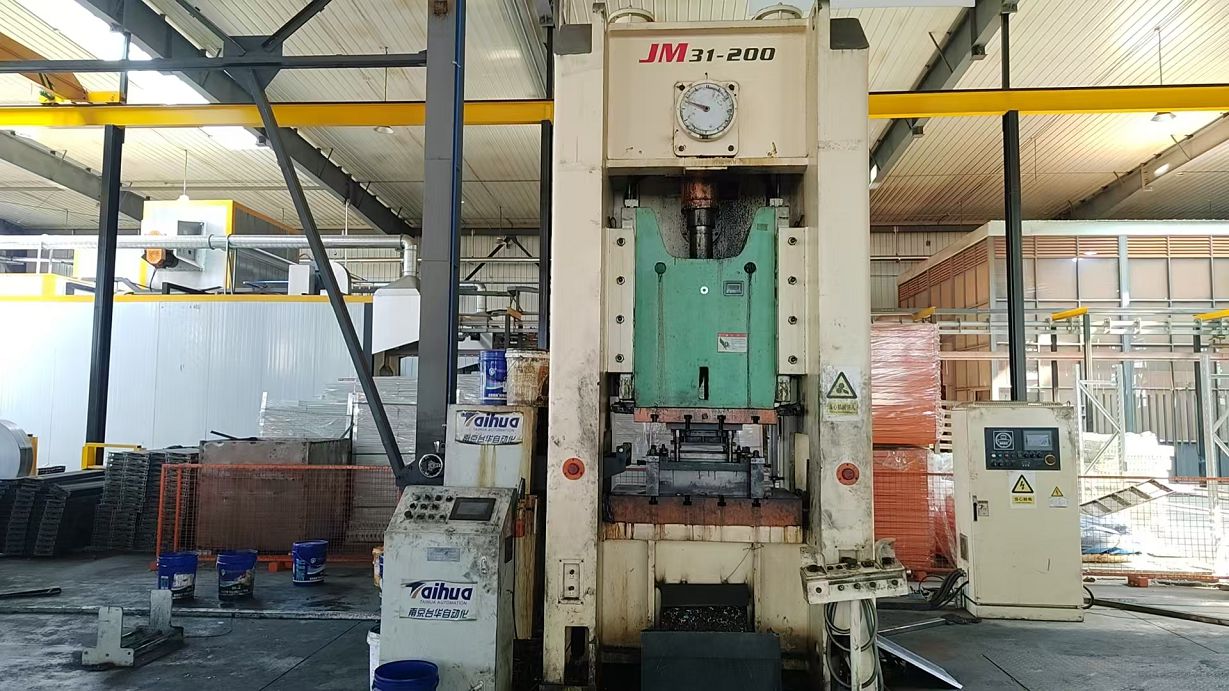
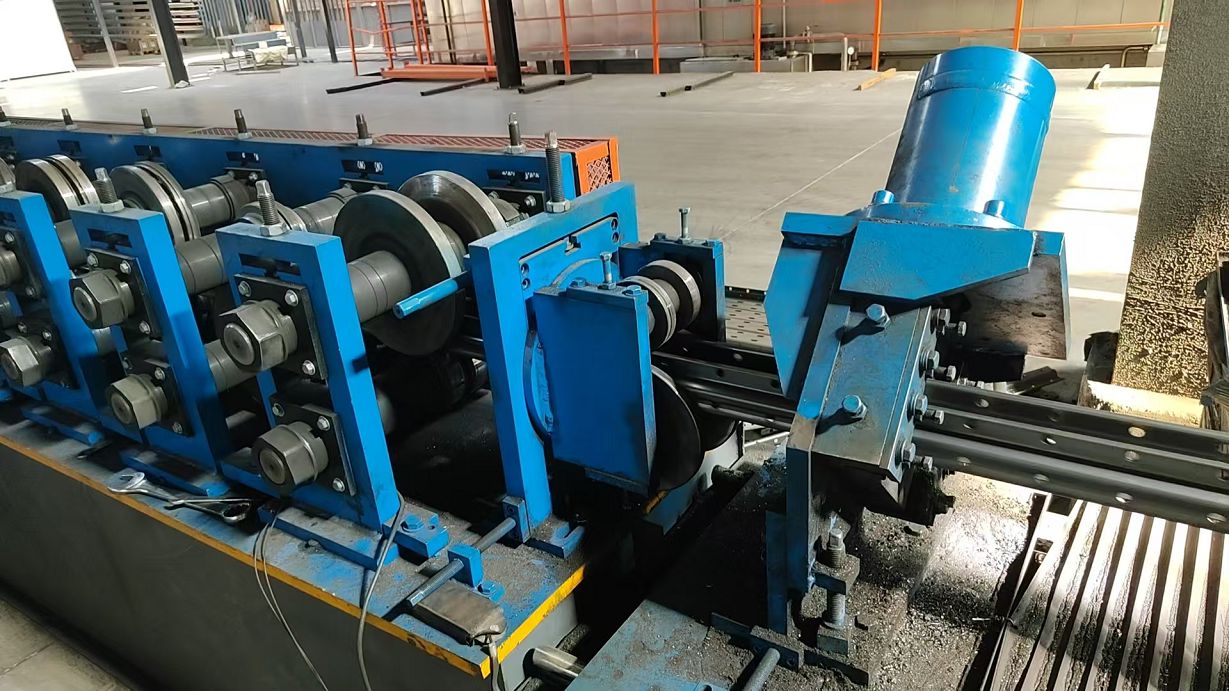
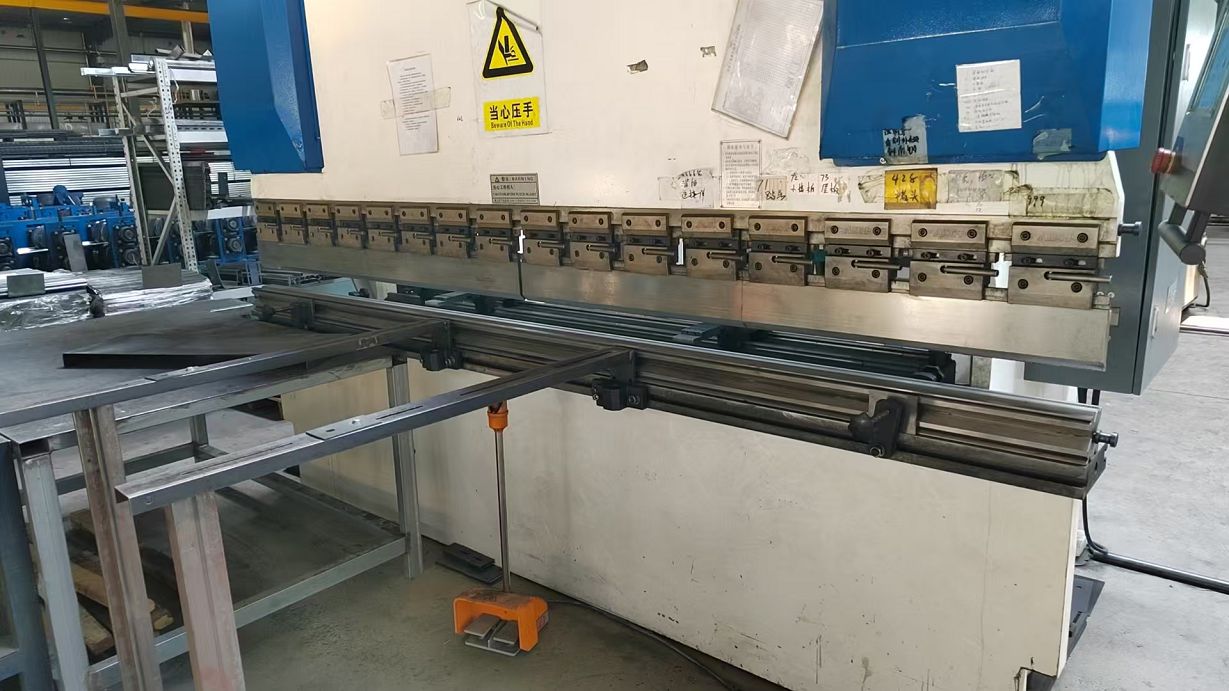
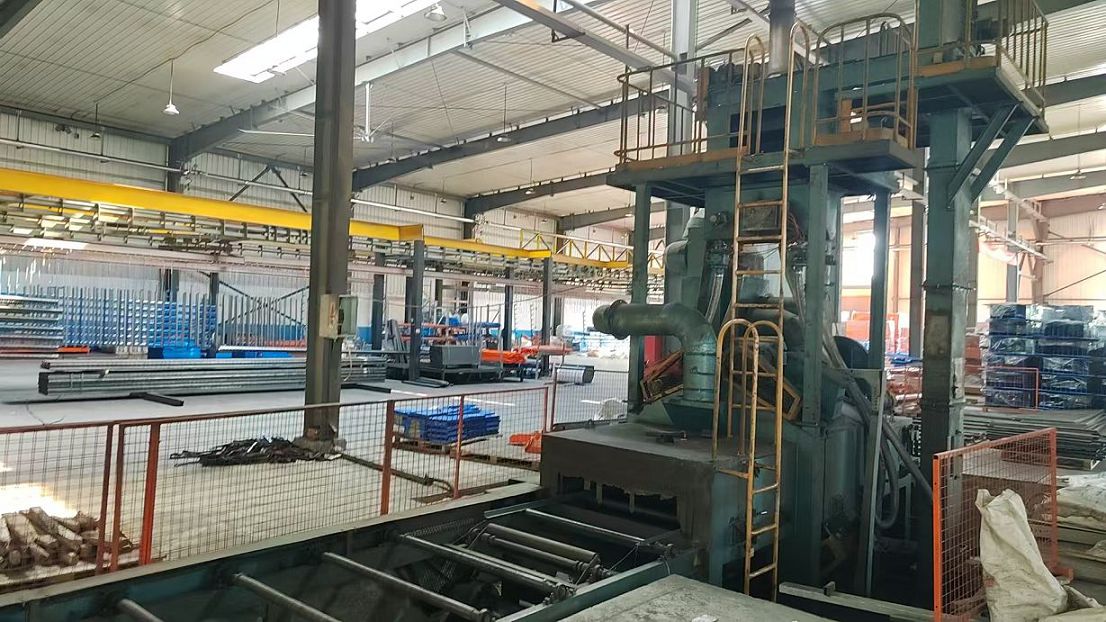
Additionally, Chinese factories lead in processing automation. Advanced production lines integrate robotic welding arrays, CNC pipe profile cutting, and automated powder coating systems. These technologies guarantee micro-level precision, uniform paint finishes, and structural stability across large production volumes. This systematic automation ensures that large production runs maintain uniform quality, minimizing field assembly issues and structural failures in high-bay applications.
A trusted global supplier of modular racking and heavy-duty storage infrastructures.
Established in 2016, Chengdu CoreStorage Logistics Equipment Manufacturing Co., Ltd. has developed into a leading global manufacturer of modular steel storage solutions. Spanning a modern 22,000 m² factory facility, the organization supports an annual export revenue exceeding $15,000,000. CoreStorage combines 6 years of global trade experience with 11 years of structural steel fabrication expertise.
To maintain strict mechanical integrity, all fabrication designs adhere to ISO 9001 and CE structural safety standards. CoreStorage employs a dedicated division of 28 certified quality control inspectors who run diagnostic checks across raw materials and final goods. Every structural batch undergoes automated Coordinate Measuring Machine (CMM) testing and simulated hydraulic load stress testing to verify weld penetration and deflection limits before shipment.
Operating as an integrated manufacturer and global trading hub, CoreStorage services high-growth supply chains in the Middle East, South America, and Eastern Europe. Collaborating with 650 supply chain partners, CoreStorage supplies specialized storage structures to cold storage operators, wholesale distribution chains, and automotive assembly facilities. Supported by an agile 18-engineer R&D team, the company launched 28 new product releases last year, introducing improvements in corrosion-resistant galvanization, custom upright column profiles, and boltless safety-lock step beams.
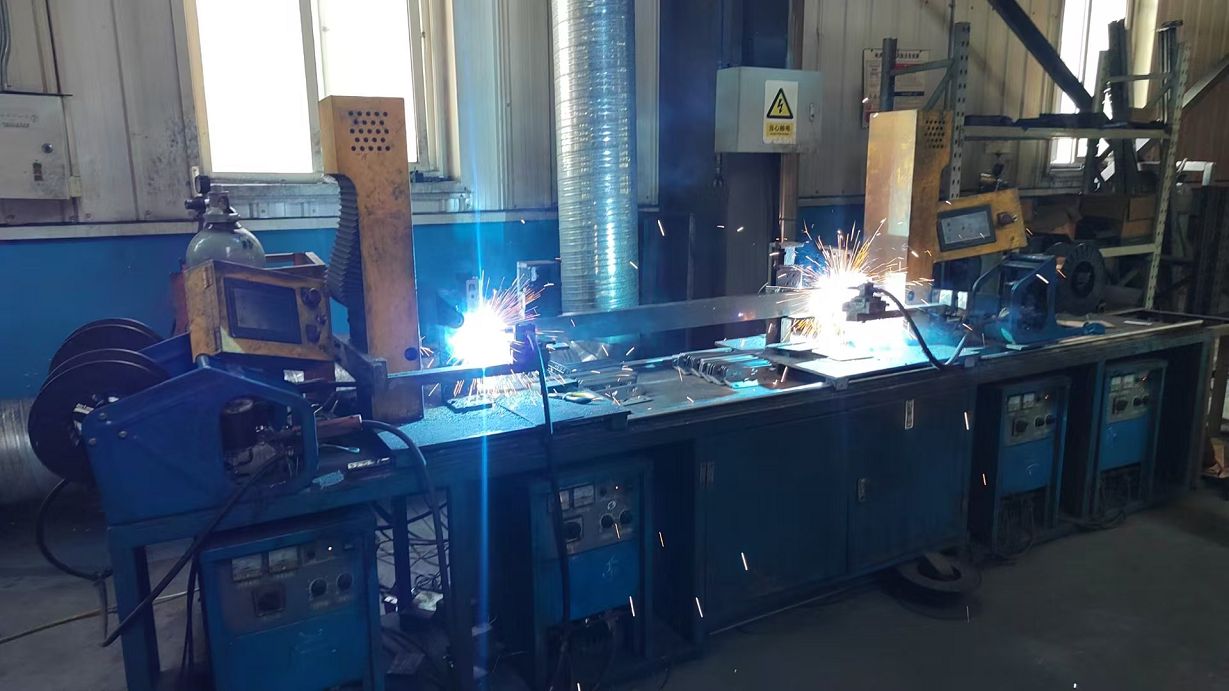
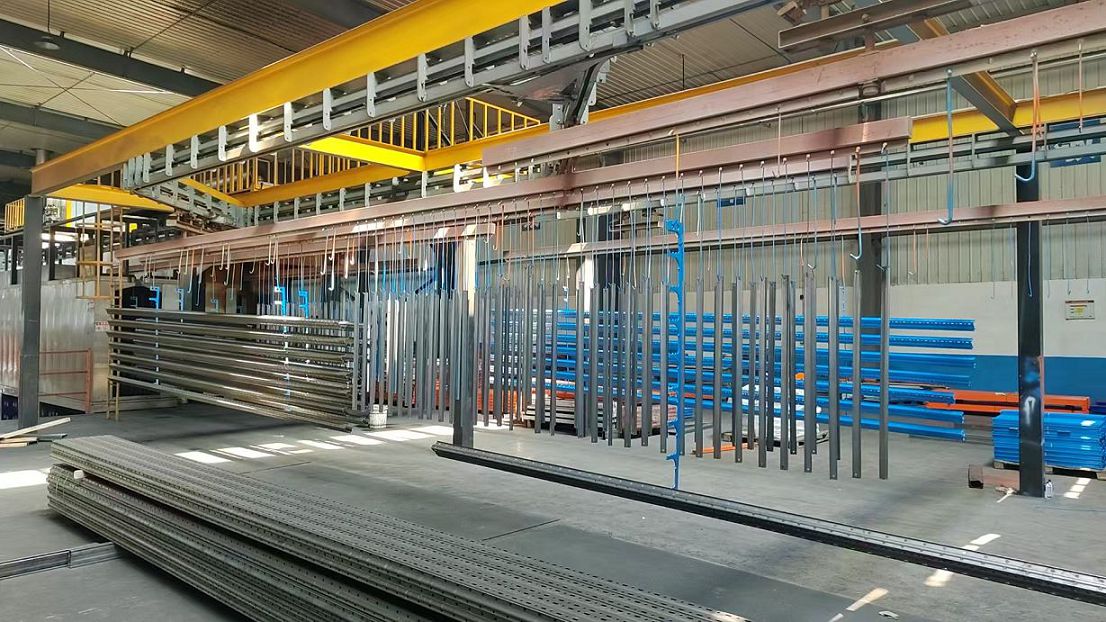
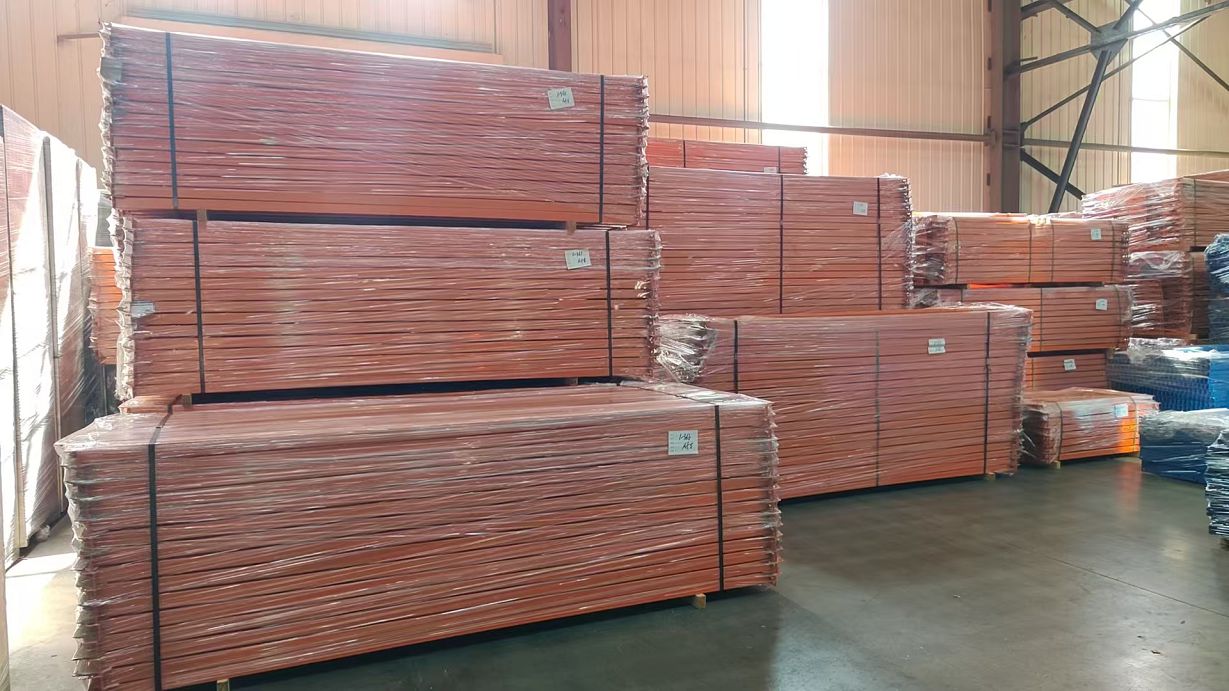
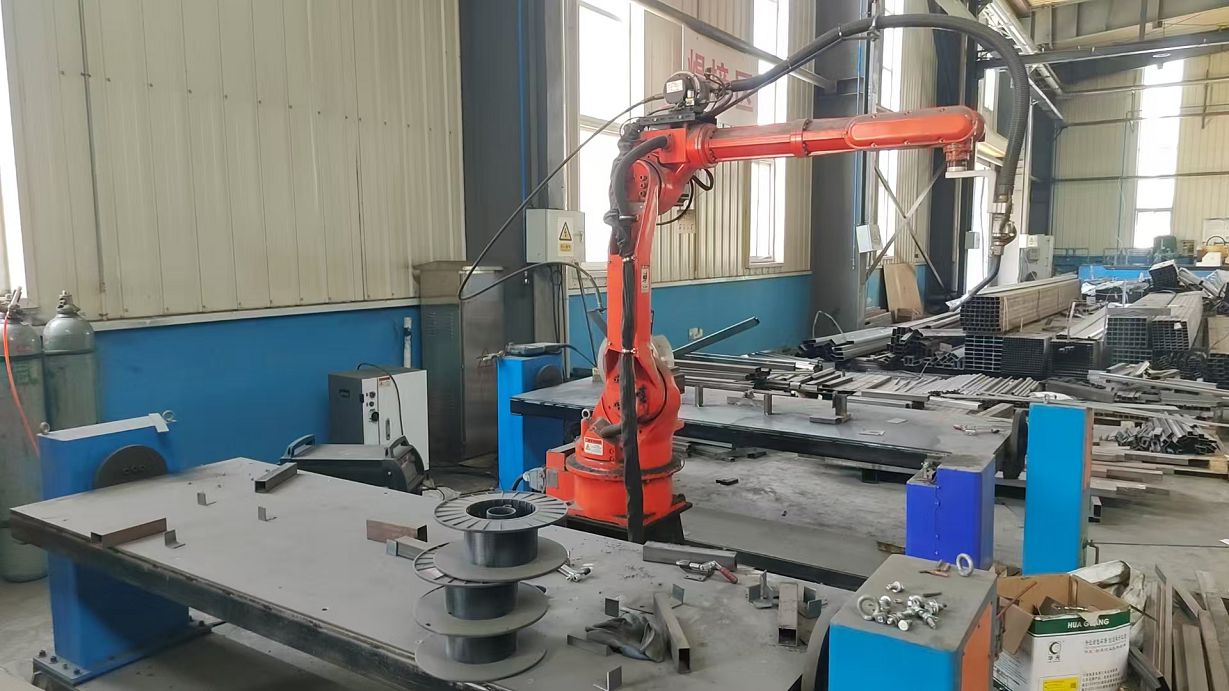
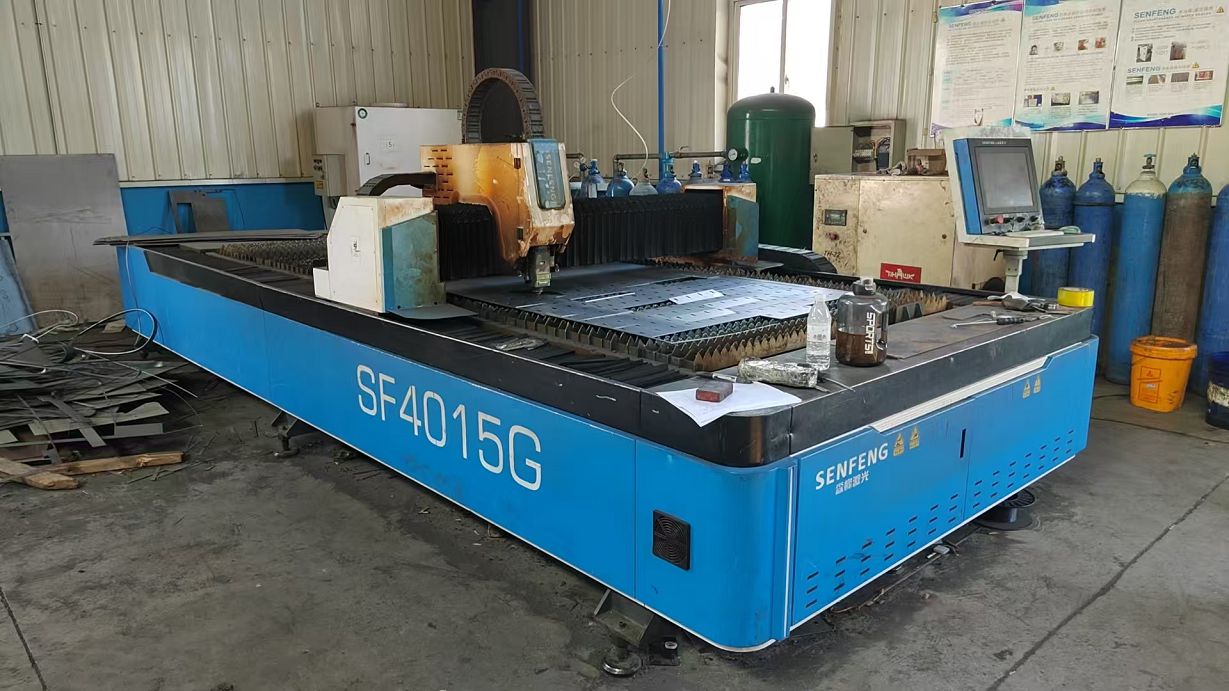
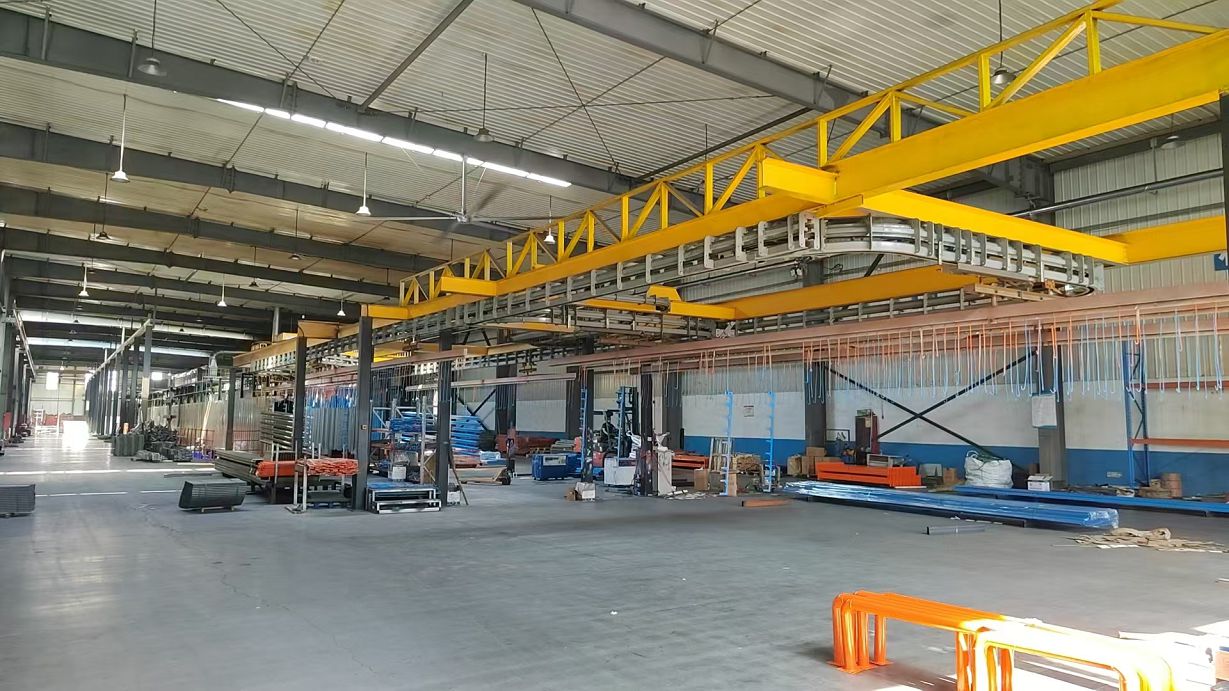
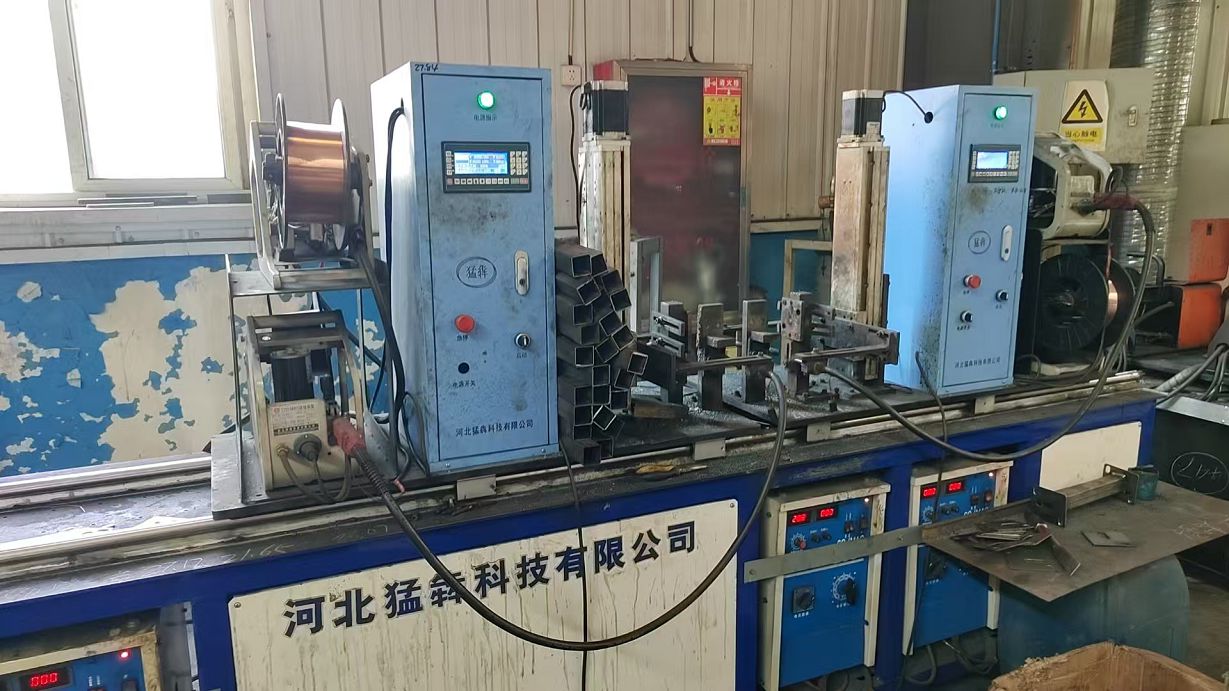
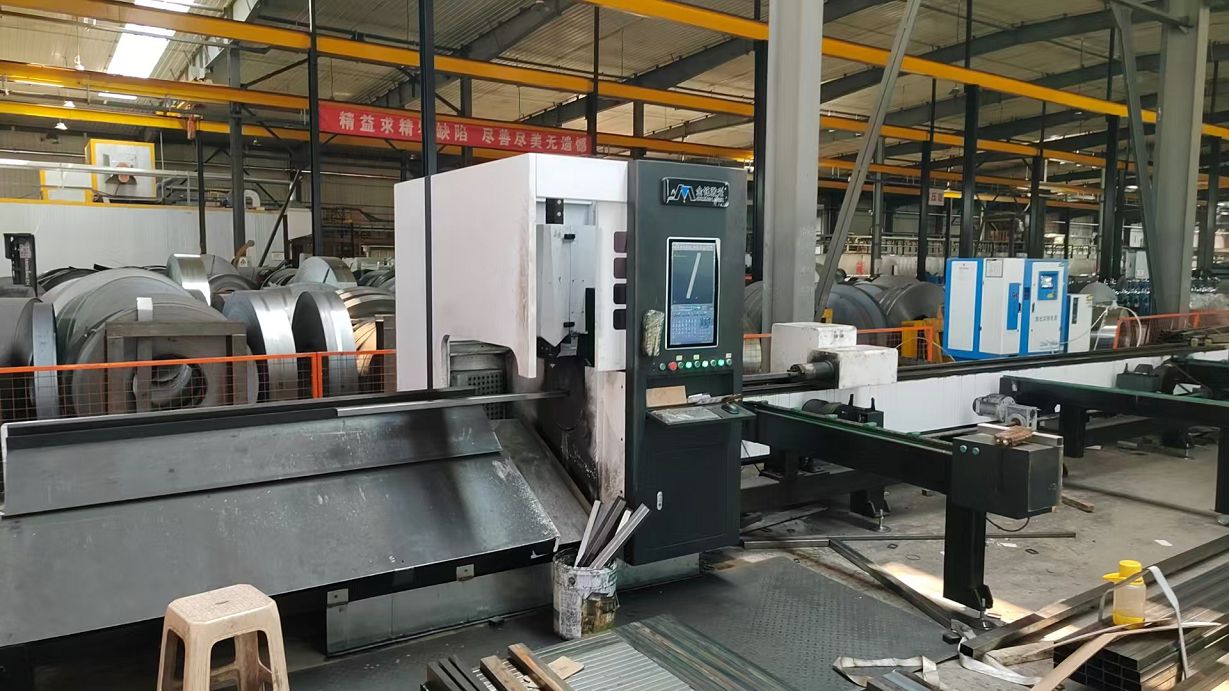
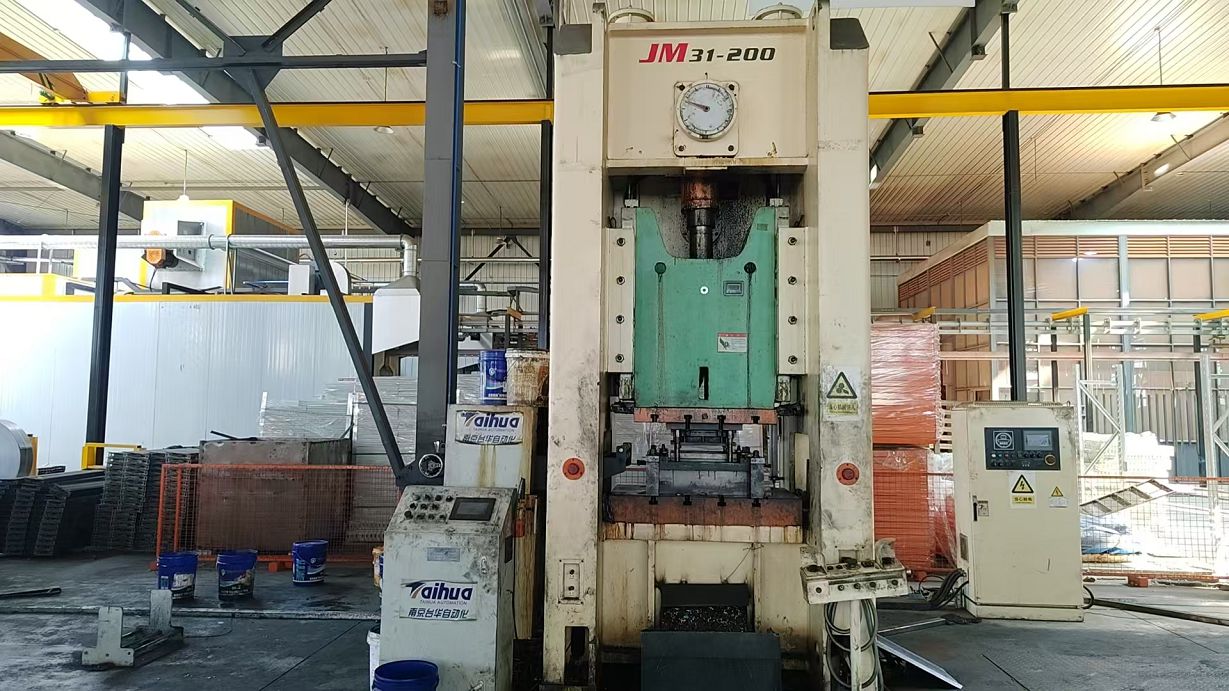
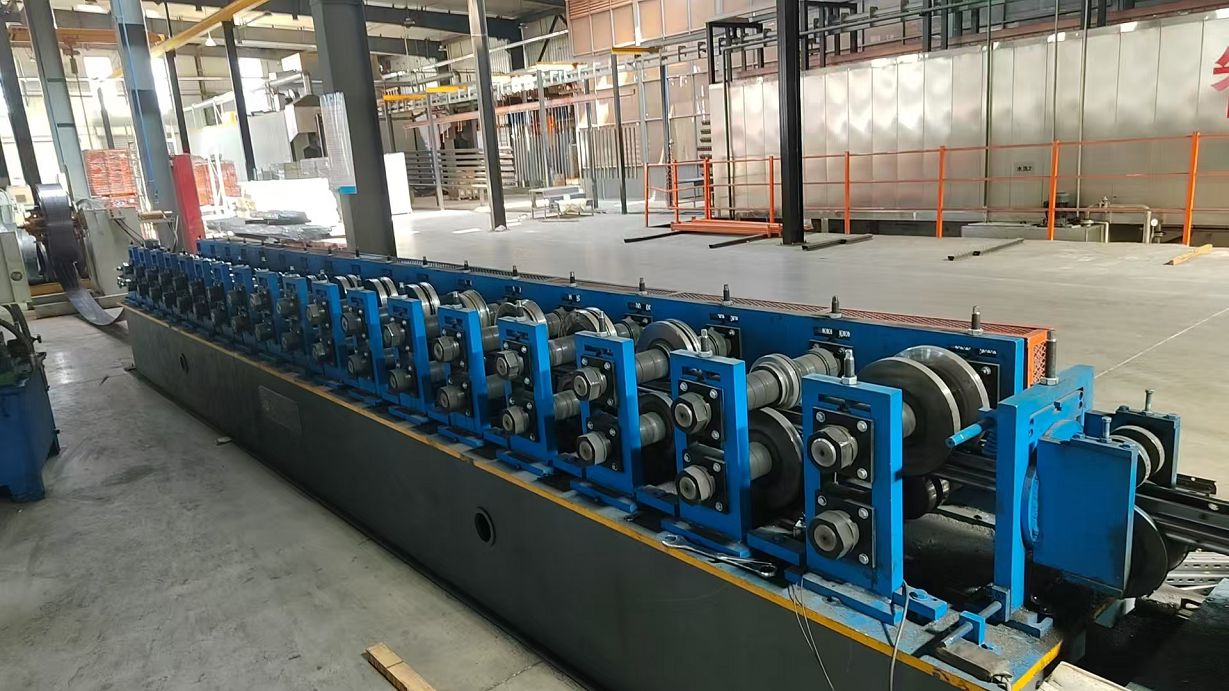
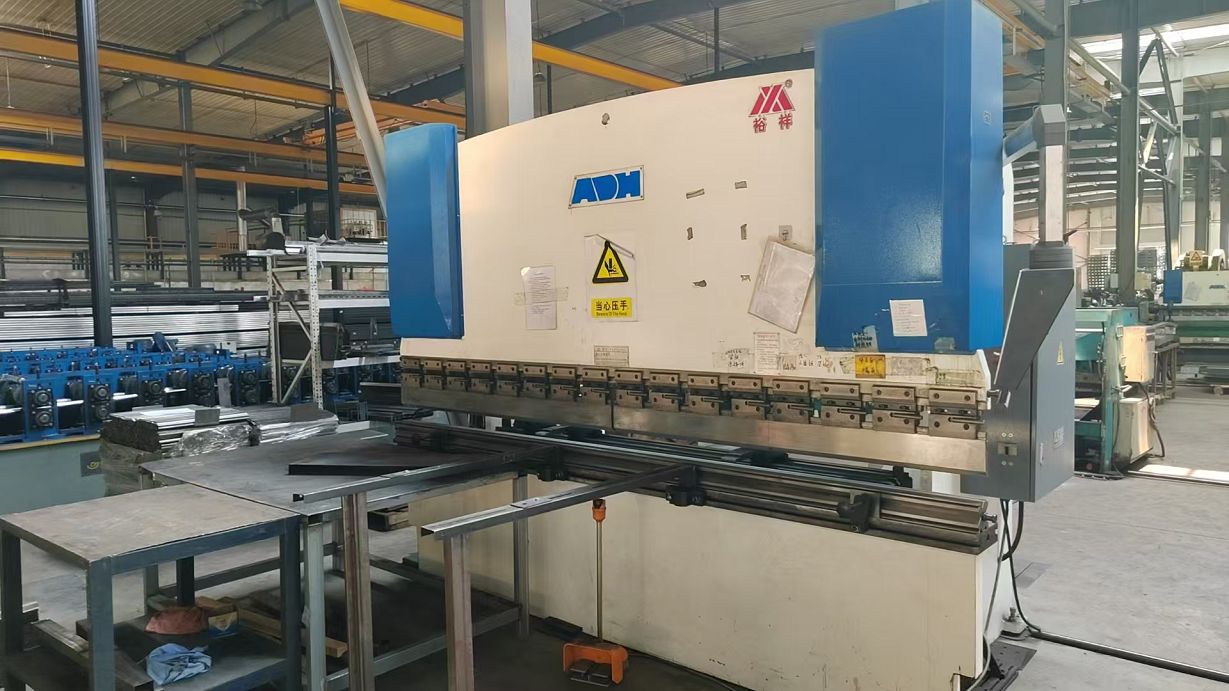
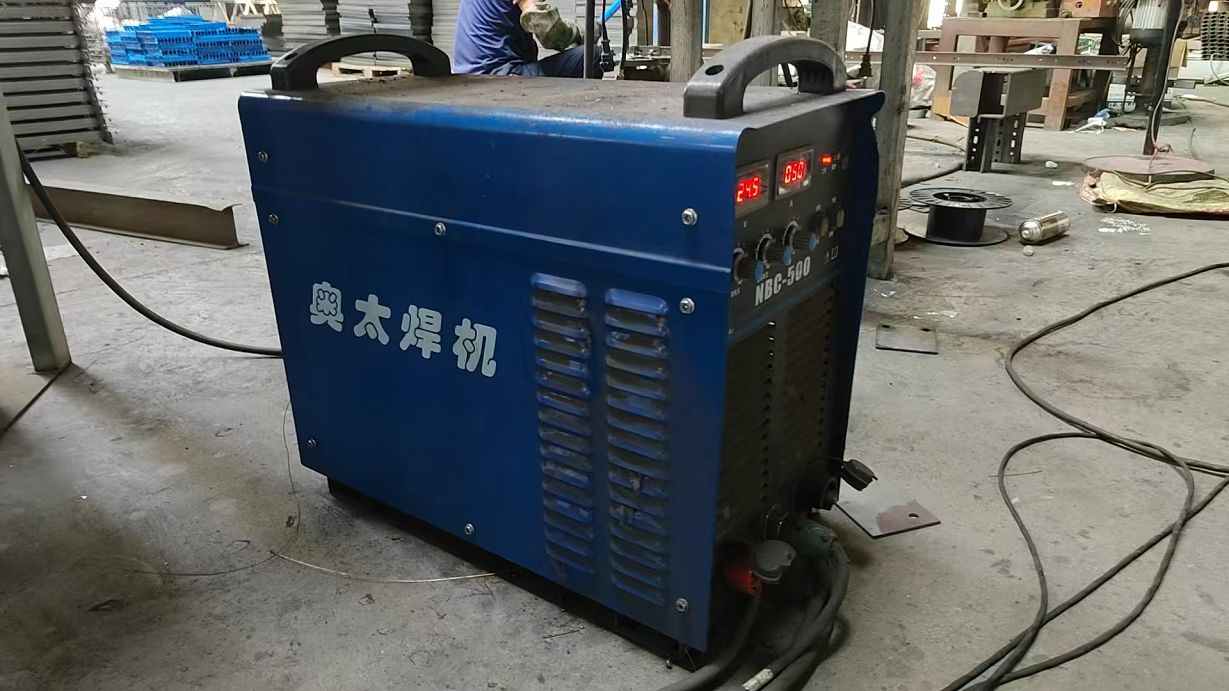
Procurement professionals operating within multinational supply chains must balance engineering requirements, regulatory compliance, and total cost of ownership (TCO). When specifying modular shelving systems, key procurement metrics include:
1. Corrosion Resistance & Material Protection: In high-humidity environments, cold-chain storage facilities, and outdoor distribution yards, standard powder coatings can degrade over time. Sourcing specifications should require electro-galvanized or hot-dip galvanized finishes. These coatings provide dynamic cathodic protection, preventing oxidation on structural components.
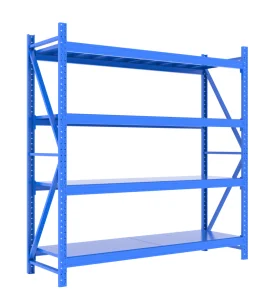
2. Architectural Adaptability: Fixed shelving options often lead to spatial inefficiencies. Modern procurement teams specify modular, boltless systems featuring adjustable step-down beams, integrated punch holes on 50mm centers, and interlocking upright panels. This enables technicians to adapt shelf heights dynamically based on changes in inventory profiles.
3. Compliance with Safety Certifications: Sourcing industrial racking requires compliance with international standards. In Europe, designs must meet EN 15512 and carry the CE Mark. In North America, systems must comply with the Rack Manufacturers Institute (RMI) ANSI MH16.1 standard. These certifications guarantee that load capacity calculations accounts for second-order structural effects and regional seismic considerations.
Industrial shelving is not a one-size-fits-all product. Different industrial sectors demand distinct material and structural configurations:
Cold Storage Logistics: Sub-zero storage environments demand steel alloys with high impact toughness at low temperatures. Standard carbon steel can experience low-temperature embrittlement, increasing the risk of structural failure. Racking systems for cold environments should utilize fine-grain structural steels that maintain impact properties down to -30°C.
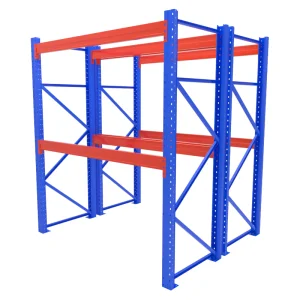
Automotive Assembly Plants: Production facilities require durable, high-capacity racks designed for heavy automotive components and engines. These settings rely on heavy-duty cantilever racks and wide-span pallet shelving integrated with automated guided vehicle (AGV) systems.
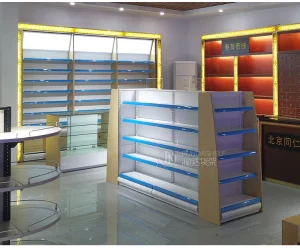
Pharmaceutical Retail & Healthcare Facilities: Medical inventory requires hygienic, highly organized storage. Pharmacies use double-sided, light-duty cold-rolled steel shelving with anti-microbial powder coatings. Standard configurations include modular drawers and gravity-feed tilted shelves to support First-In, First-Out (FIFO) inventory rotation.
The modular warehousing sector is undergoing a rapid transition toward automation. The growth of Automated Storage and Retrieval Systems (AS/RS) demands tighter tolerances in structural shelving design. Standard tolerances acceptable for manual forklift operations are inadequate for robotic shuttles. Modern racking structures must maintain deflection limits tighter than L/300 to prevent system interruptions.
Another key trend is the integration of IoT sensors. Piezoelectric load sensors embedded within upright column footings provide continuous load measurements. This structural monitoring data is aggregated by Warehouse Management Systems (WMS) to prevent overloading and predict structural fatigue.
Professional guidance on metallurgical choice, seismic factors, safety standards, and global logistics optimization.
Engineered storage solutions, modular checkouts, and custom displays for global retail and logistics operators.
 CoreStorage