Engineered structural systems built for diverse load requirements and maximum space optimization.
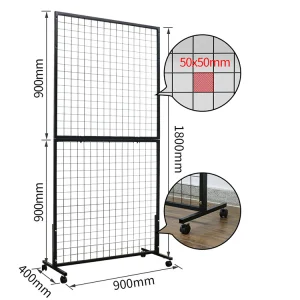
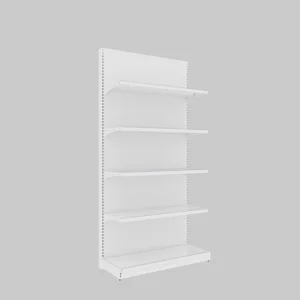
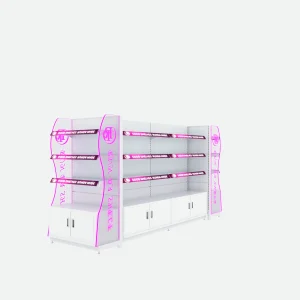
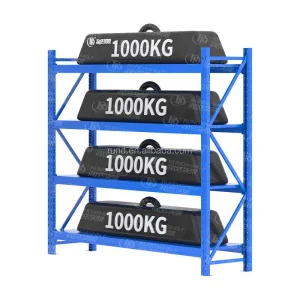
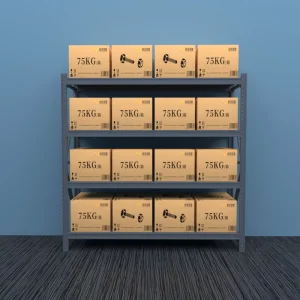
The global warehousing and logistics ecosystem is undergoing a generational shift. No longer are industrial storage racks treated as static structures; they have evolved into dynamic nodes of the modern automated supply chain. As global trade increases and land constraints limit the horizontal footprints of logistics centers, enterprises are forced to scale vertically. This vertical growth demands exceptional load capacities, stricter safety engineering (such as EN 15512 and ANSI RMI standards), and modular system designs that can integrate with automatic guided vehicles (AGVs) and stacker cranes.
Key drivers behind the demand for high-strength steel racks include the rise of cross-border e-commerce, the expansion of cold-chain pharmaceutical storage, and the shifting dynamics of automotive assembly line configurations. Modern buyers are not looking just for low-cost steel; they demand certified structures capable of withstanding dynamic seismic shifts, variable high-velocity impact stresses from forklifts, and corrosive chemical exposures in harsh storage conditions.
Moreover, local governments and global insurance providers are mandating rigid proof of load-bearing structural compliance. This makes certification (CE, ISO, and mill test certificates for Q235B cold rolled steel) a prerequisite for international tender bidding. Understanding the core technical parameters of storage racking systems is no longer a localized engineering task; it has become a vital step in supply chain risk mitigation.
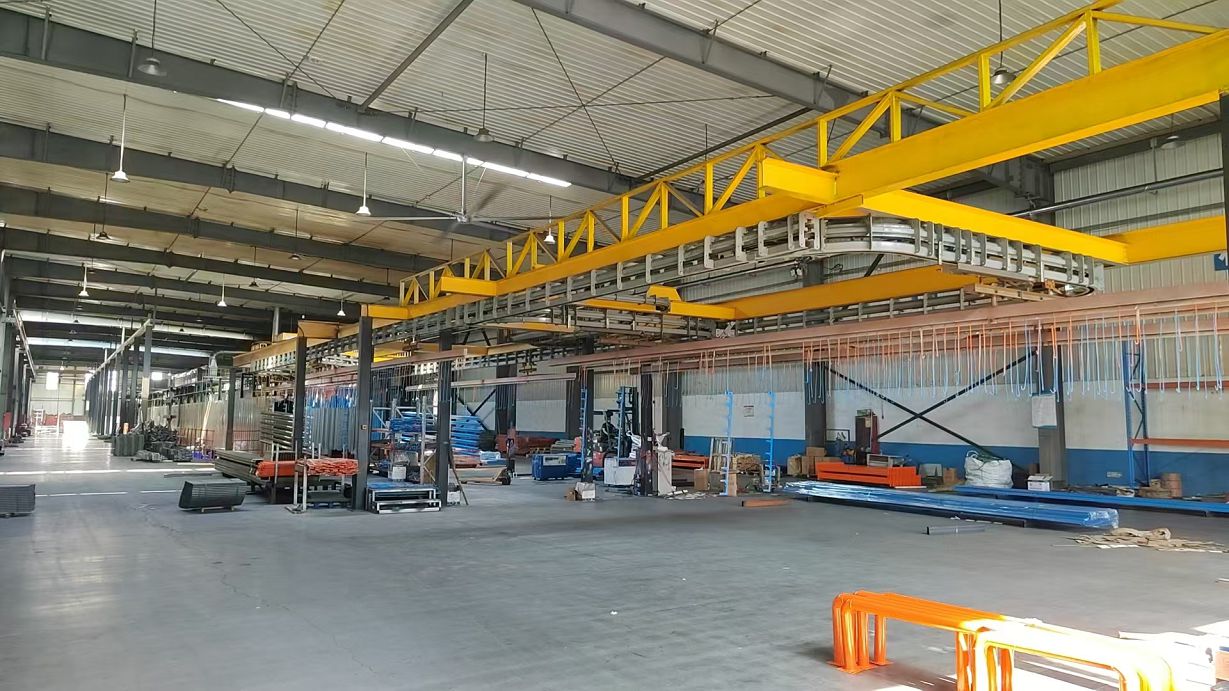
Founded in 2016, Chengdu CoreStorage Logistics Equipment Manufacturing Co., Ltd. has established itself as an industry leader in heavy-duty logistics equipment production. Spanning a state-of-the-art facility of 22,000 m², the company manages complex international shipping demands, generating an annual export revenue of over $15,000,000. Supported by 6 years of global trade expertise and backed by over 11 years of specialized industrial rack manufacturing experience, CoreStorage stands at the intersection of production capacity and technical engineering.
To assure maximum structural load integrity, our quality assurance systems align strictly with ISO 9001 and CE Structural Safety Standards. The factory deploys CMM Automated Dimensional & Load Stress Testing to eliminate human error during product inspection. Our dedicated Quality Control Department, comprising 28 skilled QC inspectors, tracks every batch of raw steel from mill sourcing to packaging. We serve diverse client categories—including cold storage operators, wholesale distribution chains, and automotive assembly facilities—across our primary export markets in the Middle East, South America, and Eastern Europe, collaborating with 650 supply chain partners globally.
Our engineering vision is driven by Intelligent Modular Racking Design. Under the guidance of our 18 R&D engineers, we continuously launch high-performance options such as corrosion-resistant galvanization, custom-tailored column profiles, and adjustable beam configurations. This robust innovation strategy enabled the successful execution of 28 new product releases last year alone, offering tailor-made storage solutions for challenging international logistics contexts.
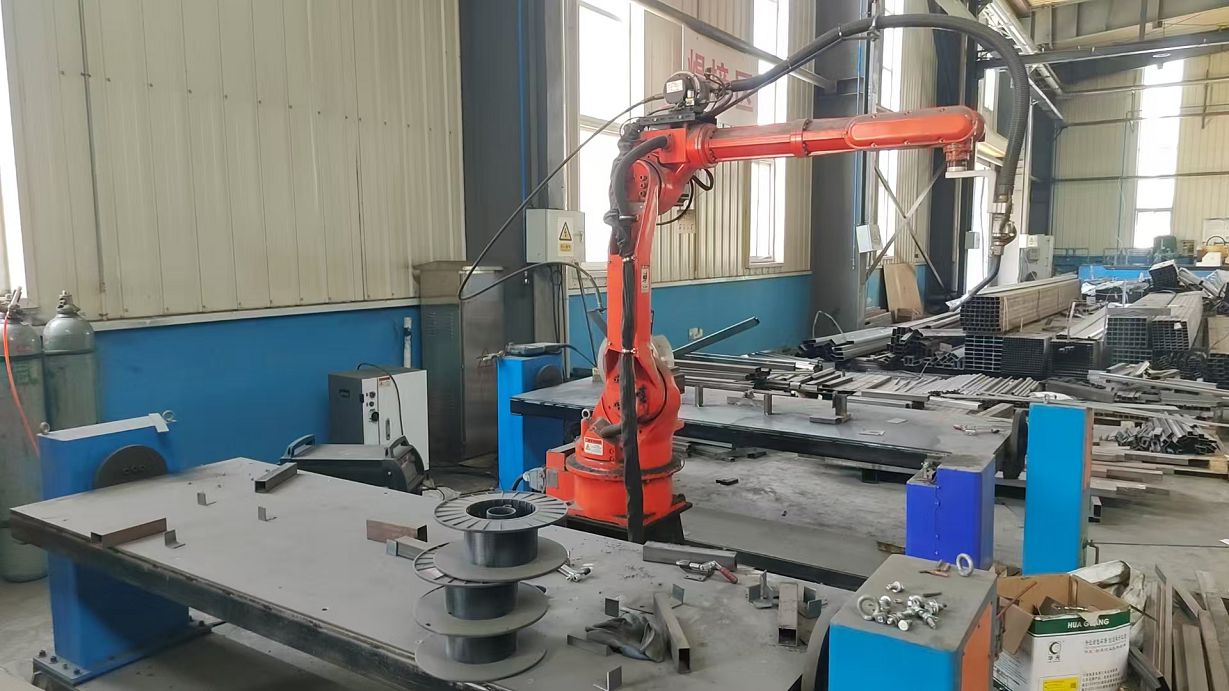
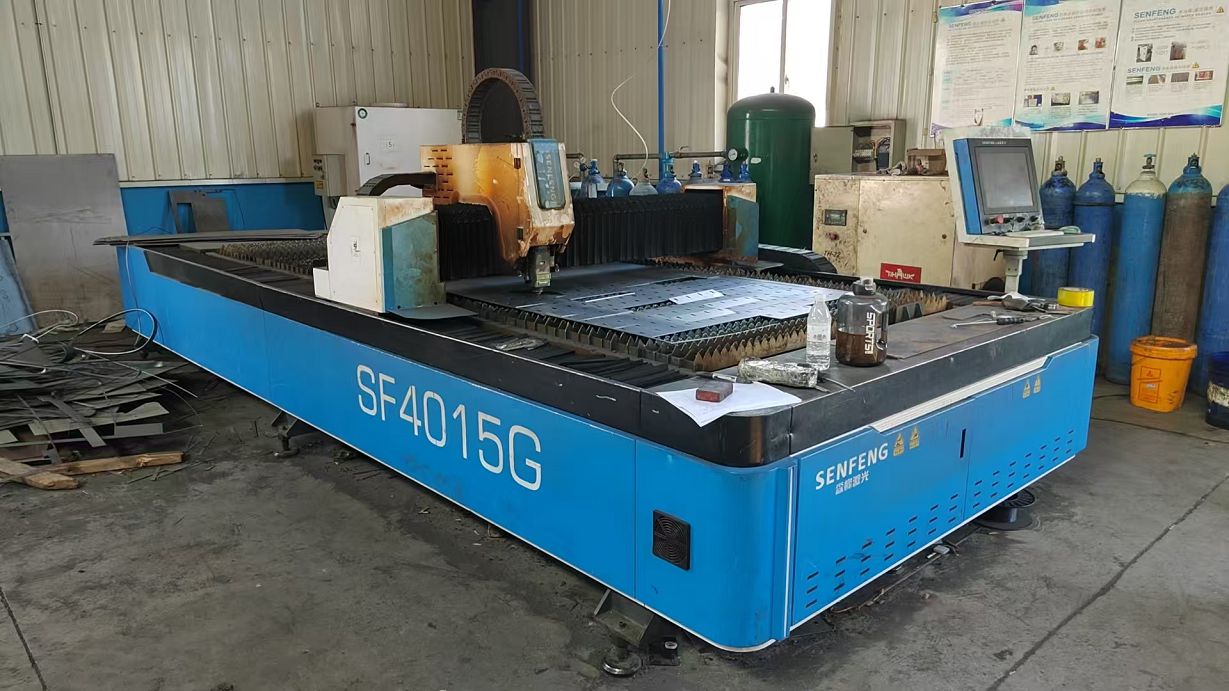
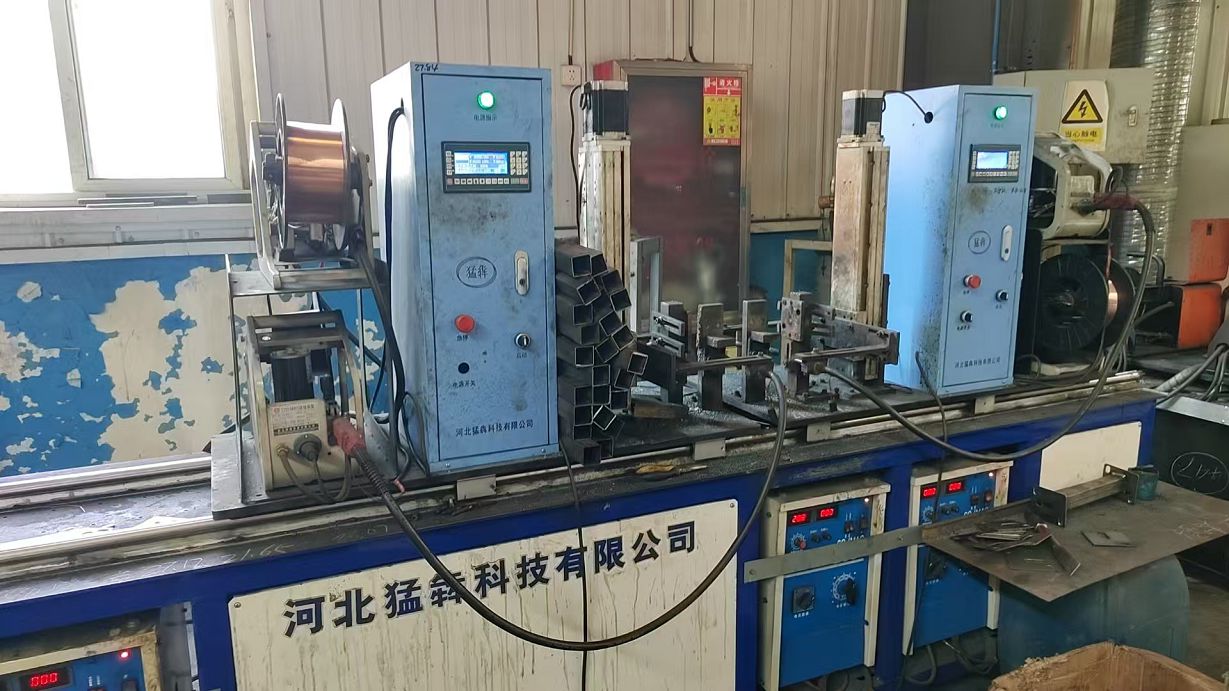
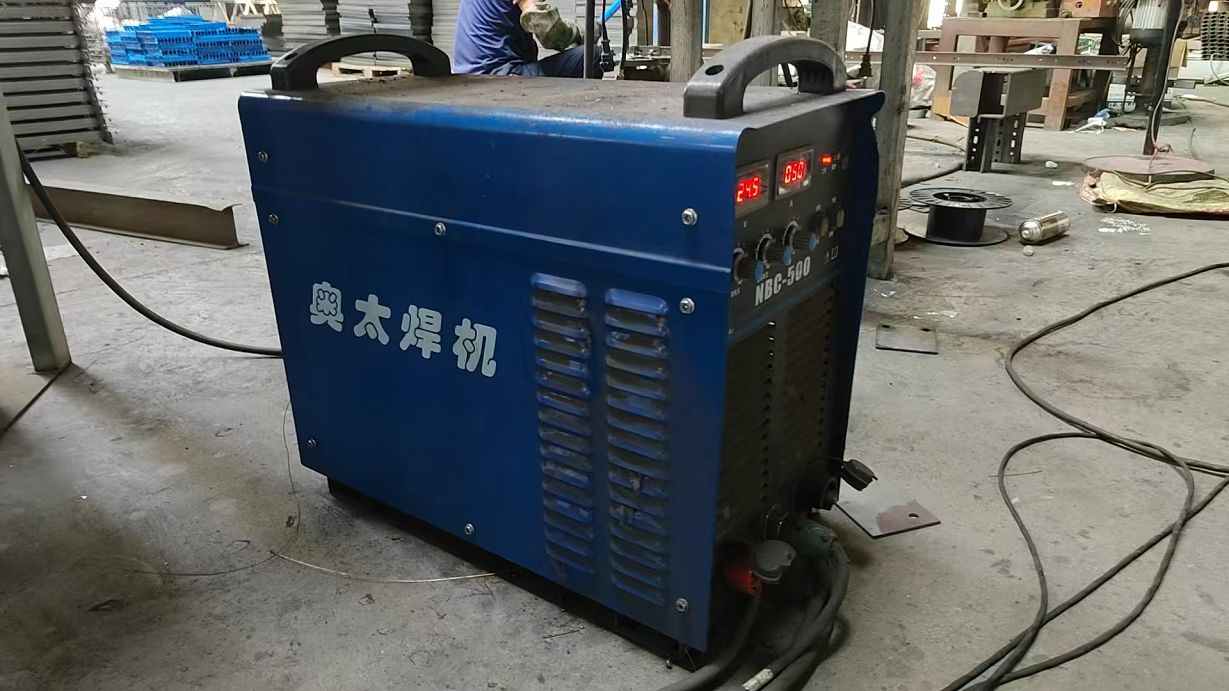
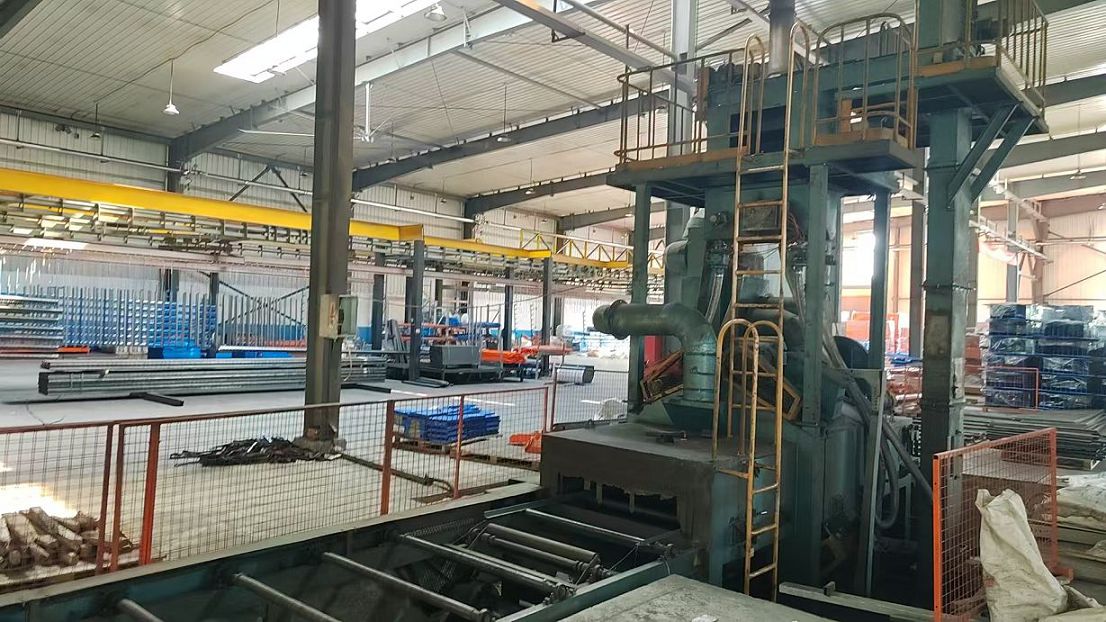
The label "Made in China" has evolved. In the industrial racking sector, China’s Factory 4.0 initiative represents a complete paradigm shift from labor-intensive manual fabrications to highly integrated, automated precision manufacturing. Through automated roll-forming machines, robotic welding arrays, and high-performance electrostatic powder coating lines, Chinese factories maintain unmatched speed, accuracy, and structural consistency.
By using modular production designs, factories can scale their output capacity to support massive infrastructure projects. This systematic approach ensures shorter delivery timelines, structural design flexibility, and a highly competitive total cost of ownership (TCO) for logistics hubs and retail chains worldwide.
How we control quality and structure at each stage of manufacturing, from steel coil to packed cargo.
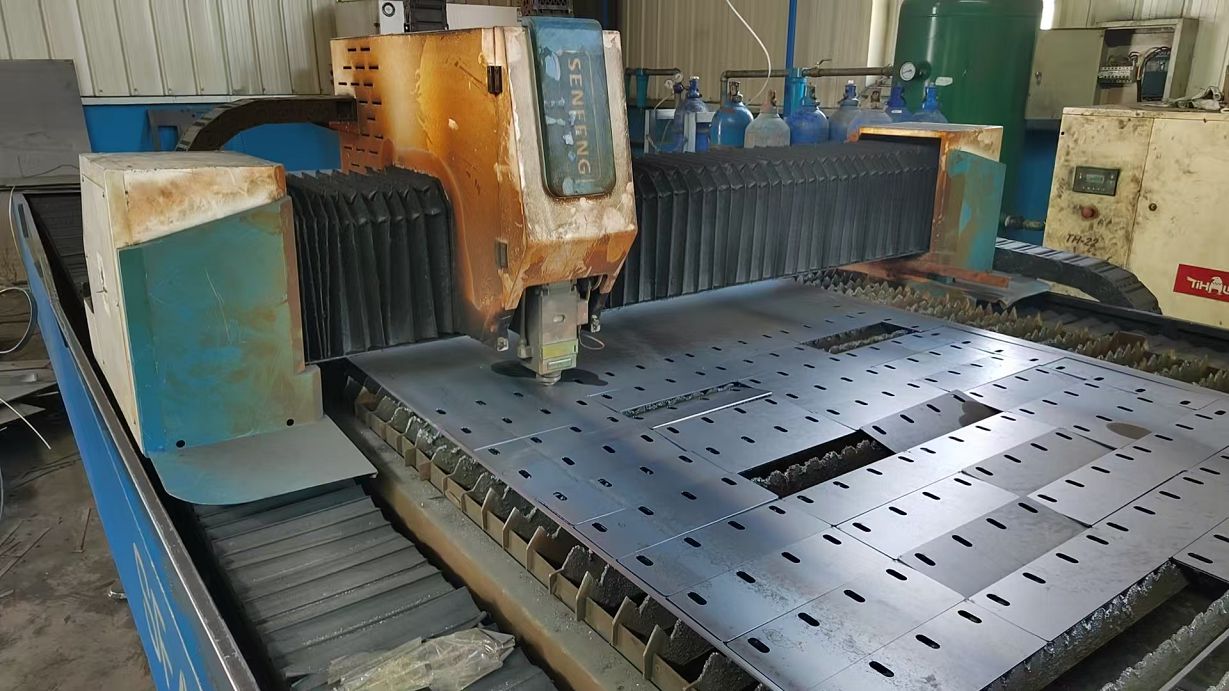
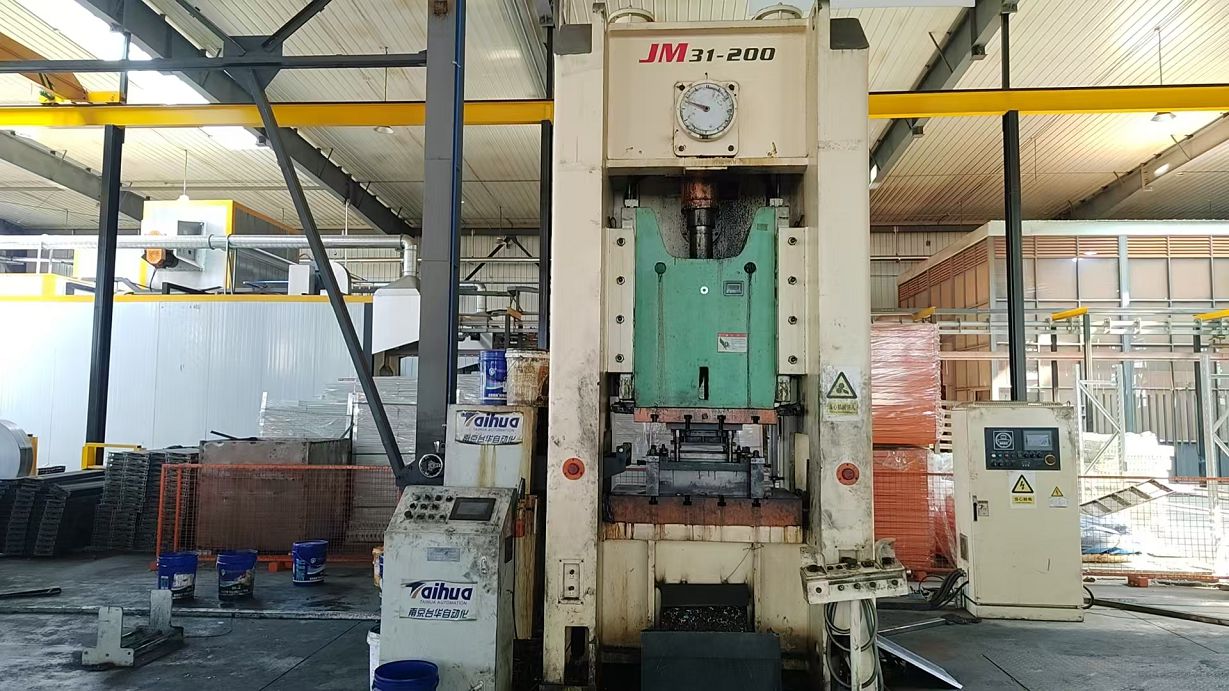
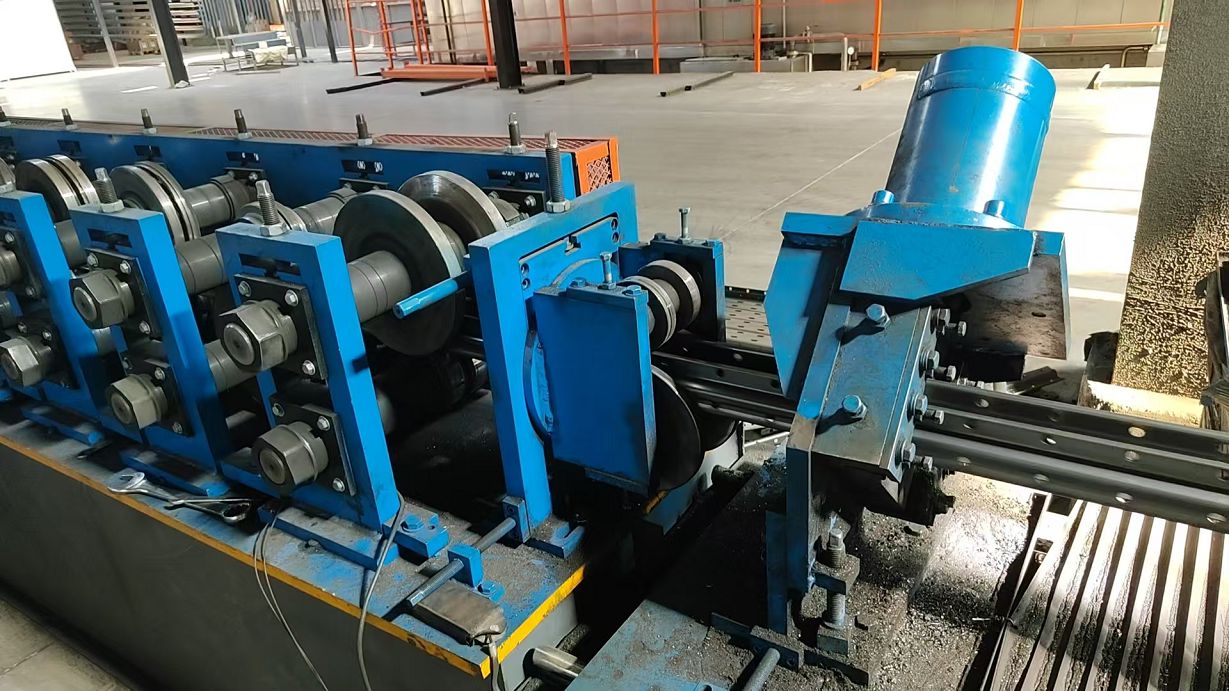
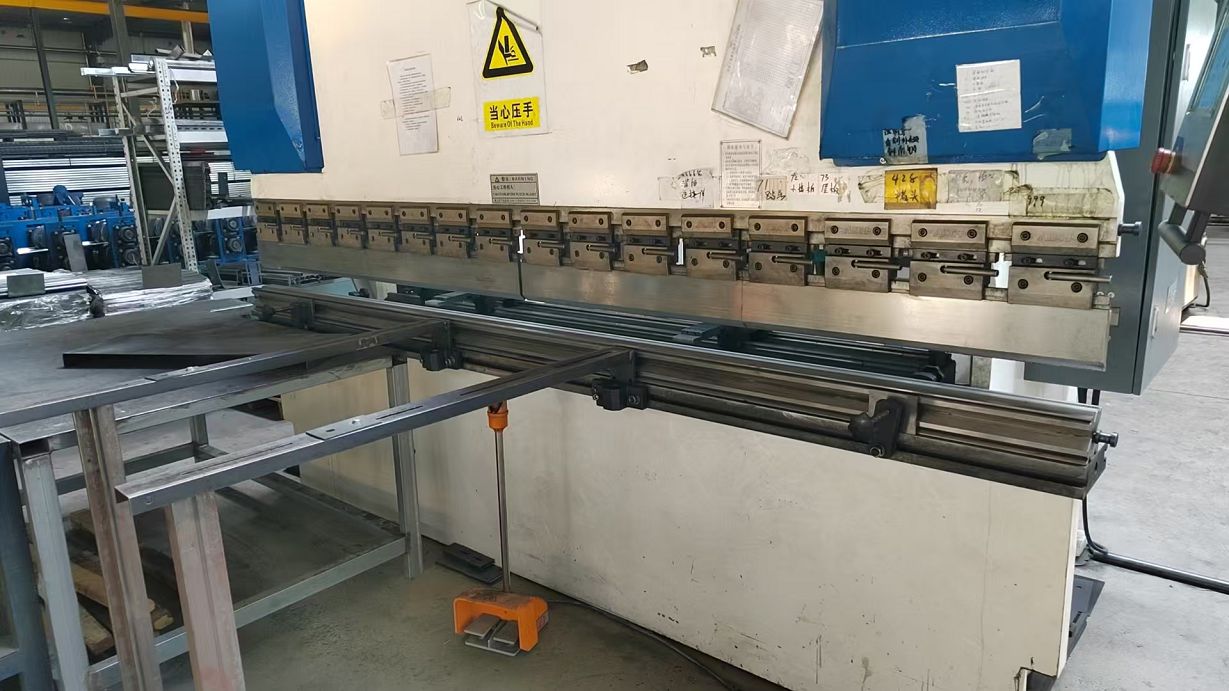
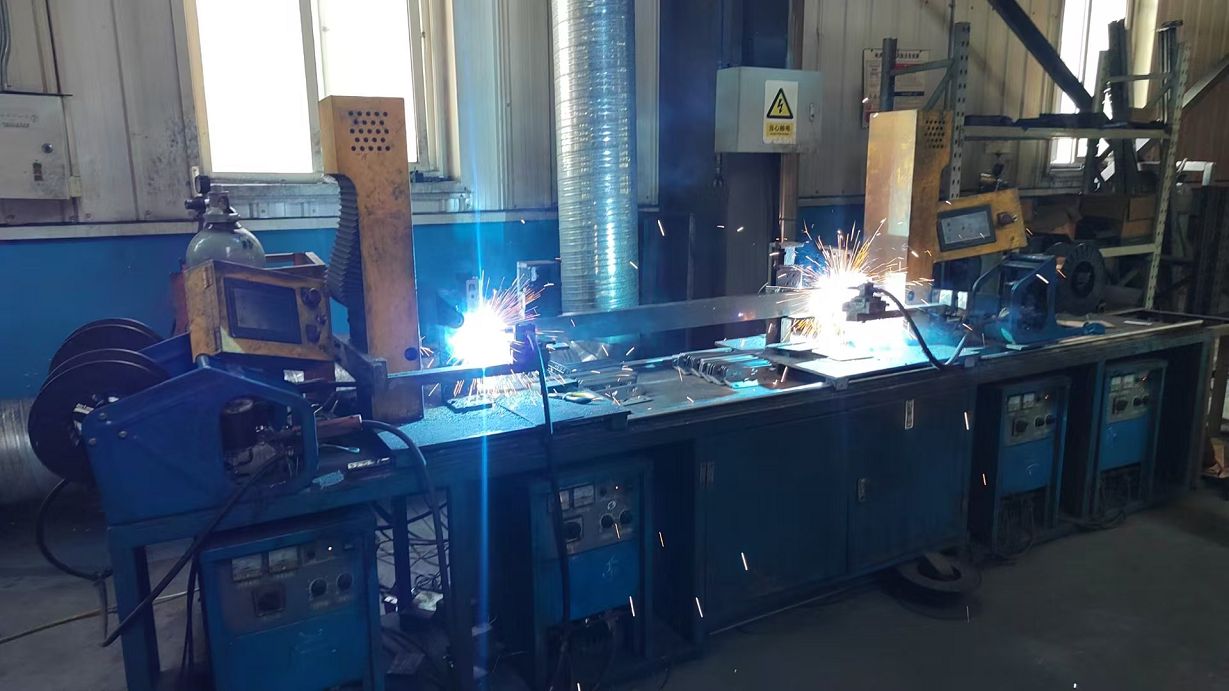
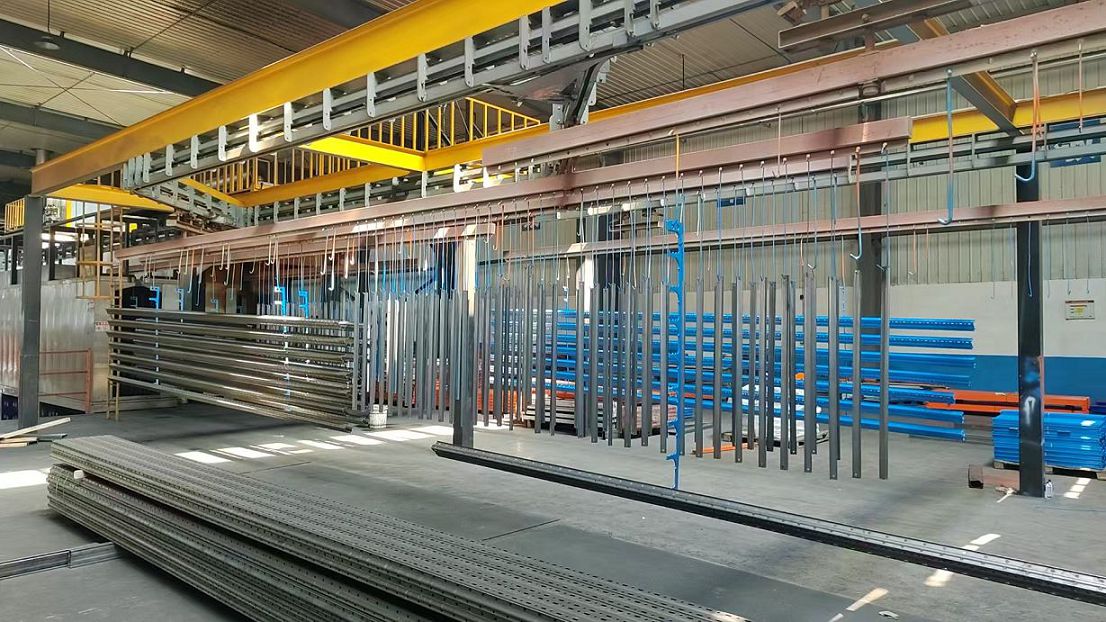
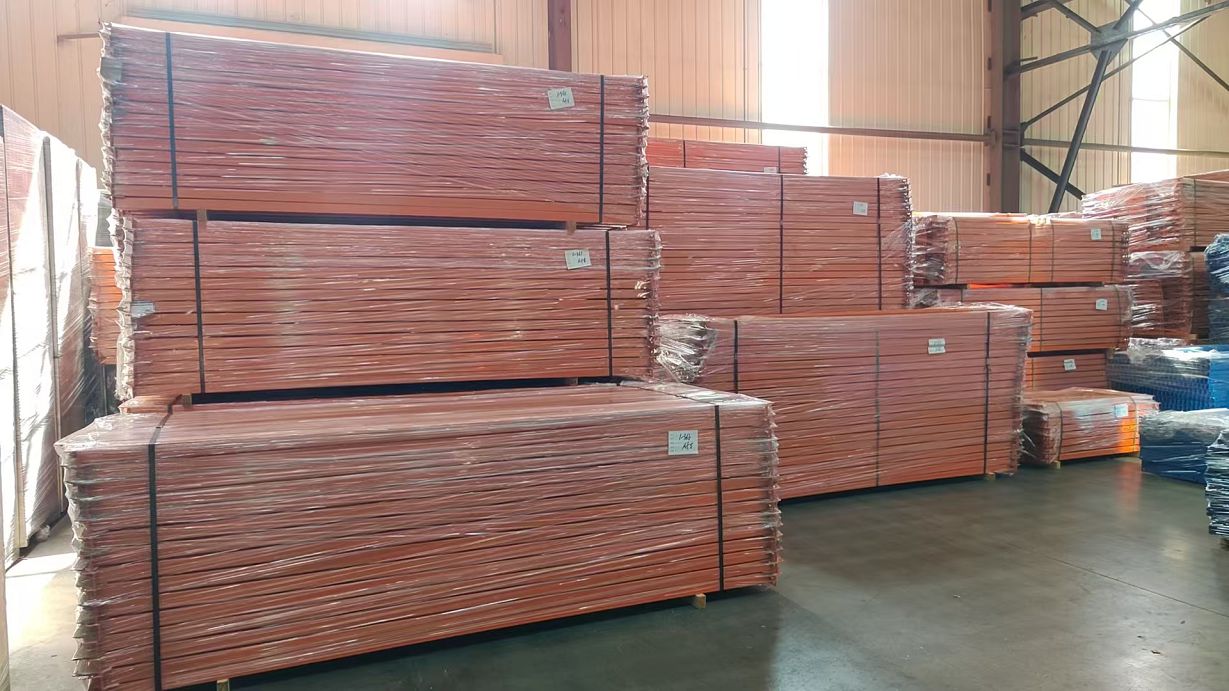
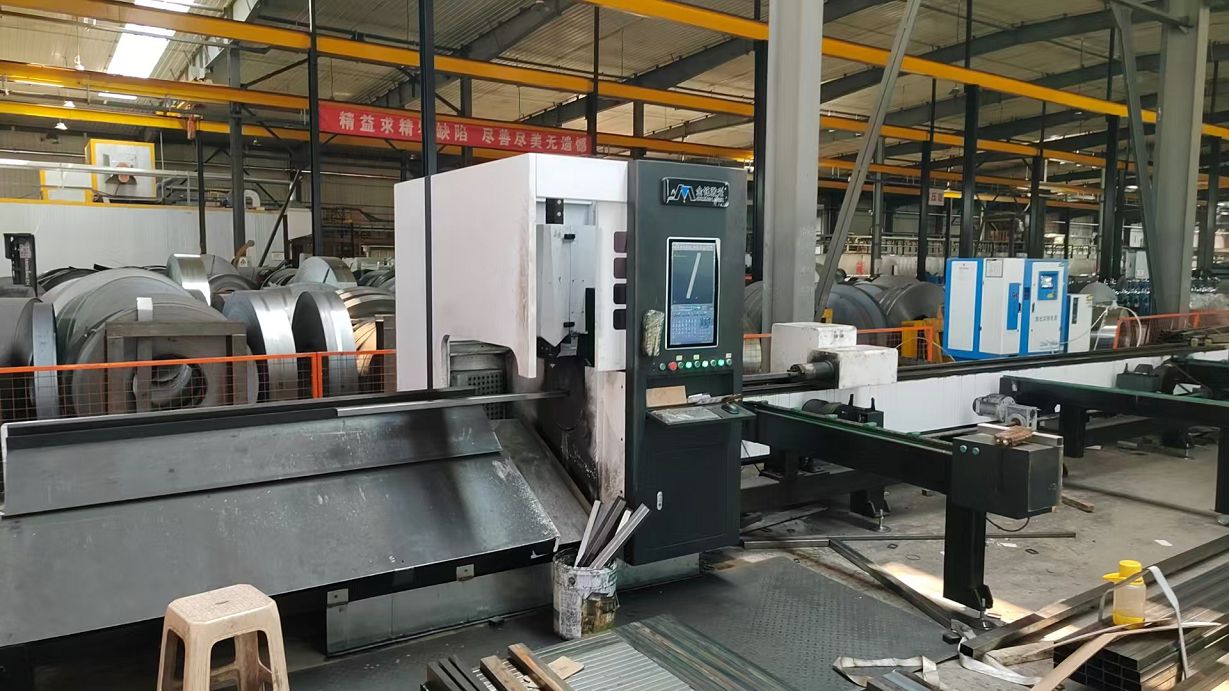
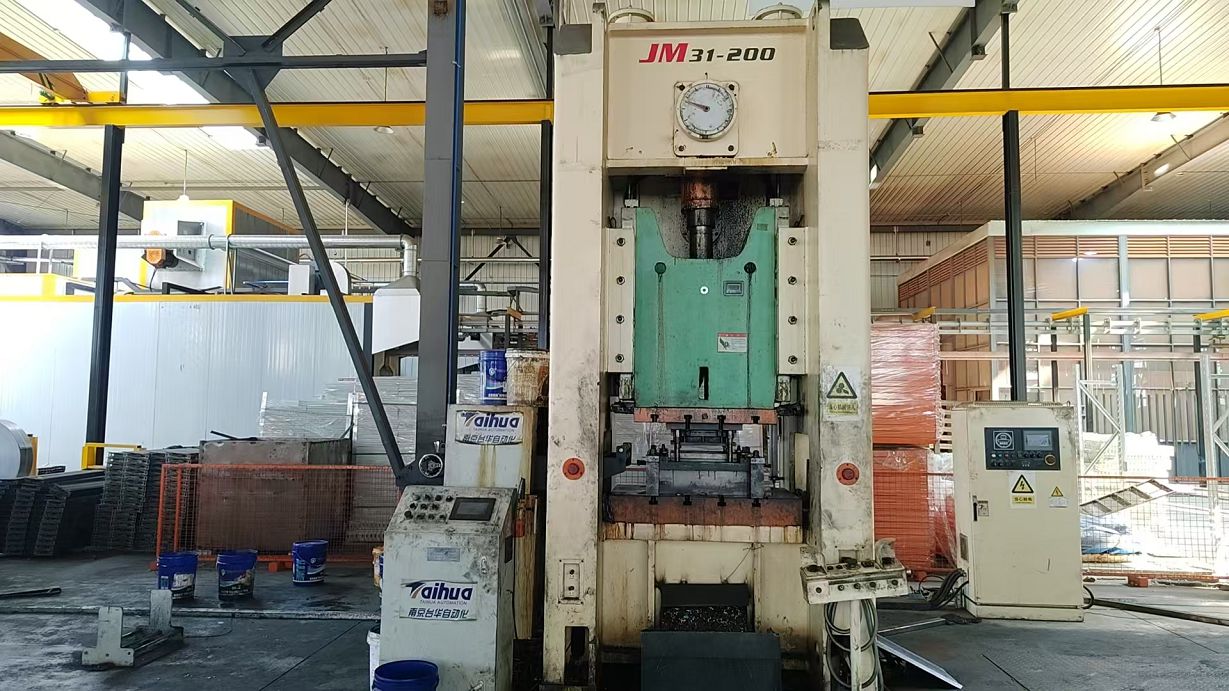
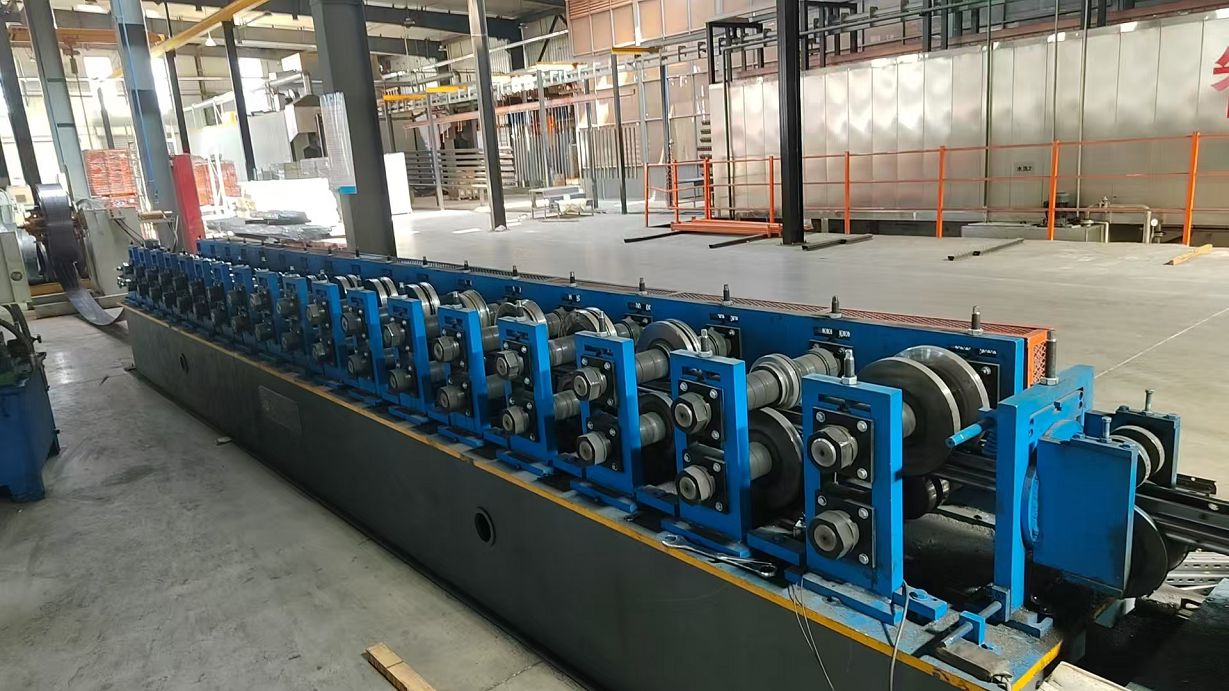
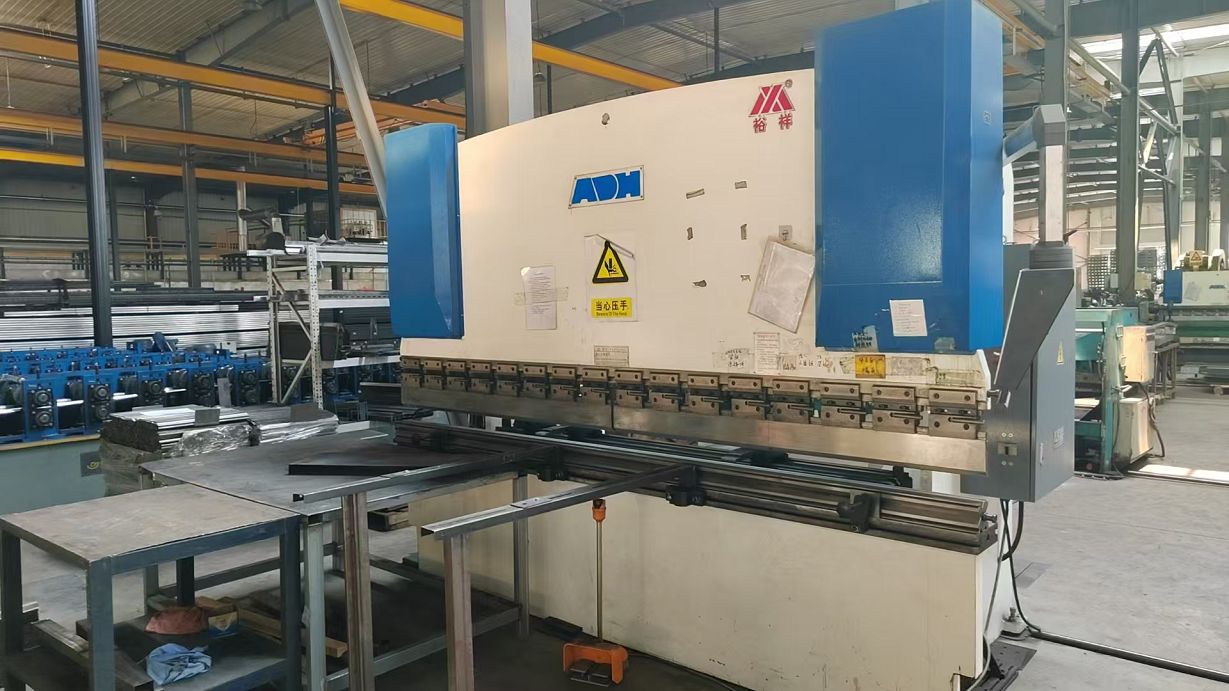
Modern industrial heavy-duty racking is not a one-size-fits-all product. Different storage operations present unique environment challenges that require custom structural configurations:
Through our dedicated 18-member R&D engineering division, CoreStorage provides comprehensive 3D layout simulation services. This engineering support ensures that column thickness, beam lengths, and locking mechanisms are tailored to meet local seismic regulations and load requirements. This structural optimization helps protect both operational staff and stored inventory from potential failures.
Answers to common questions regarding structural engineering, material science, and international storage compliance.
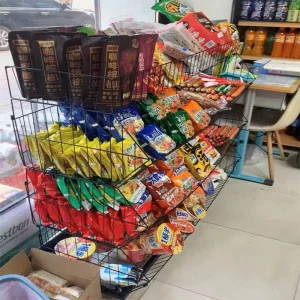
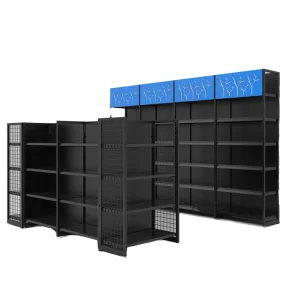
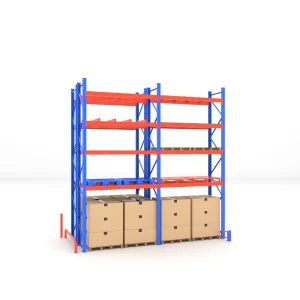
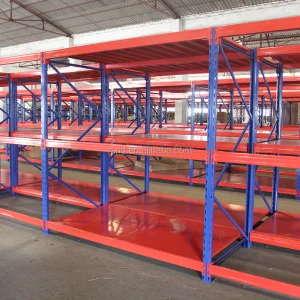
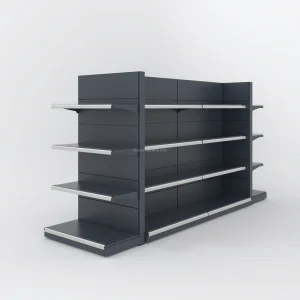
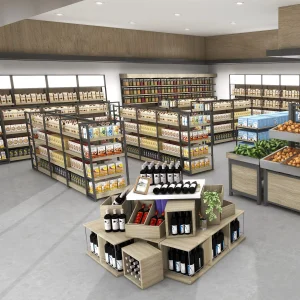
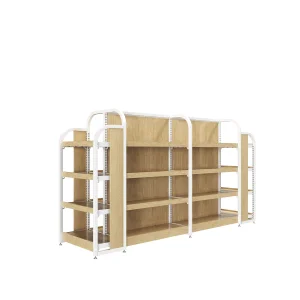
Explore our targeted commercial systems, VNA pallet racking, and customizable product display units.
 CoreStorage