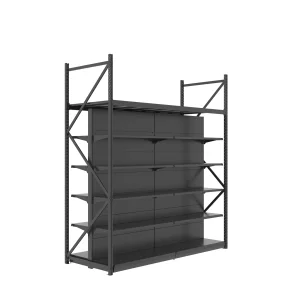
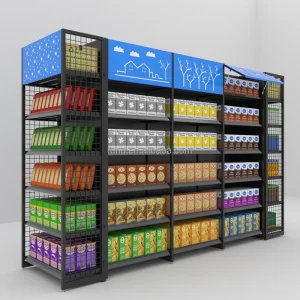
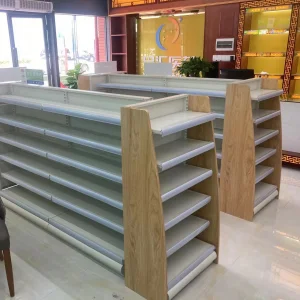
Premium-grade structural racking solutions certified for industrial loads, dynamic retail presentation, and multi-scenario logistics integration.
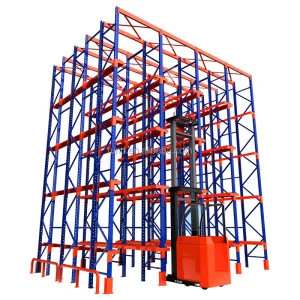
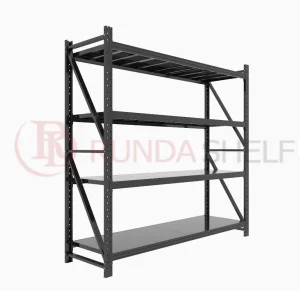
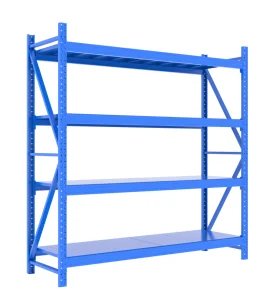
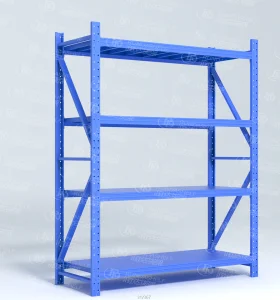
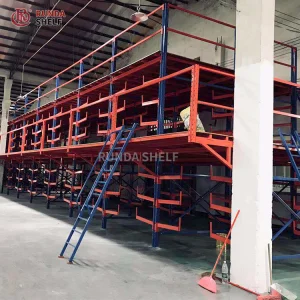
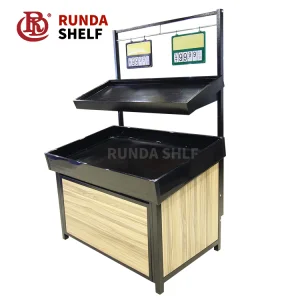
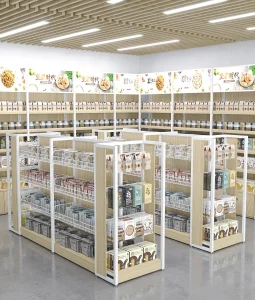
The contemporary global retail landscape is undergoing a massive, structural transition. Driven by the exponential growth of omnichannel distribution systems, e-commerce fulfillment speed requirements, and micro-fulfillment centers (MFCs), the demand for high-efficiency, customizable, and exceptionally durable retail storage carts and racking solutions has never been more critical. Traditional static warehouse environments are rapidly evolving into dynamic, fluid logistic interfaces where modular, mobile hardware represents the backbone of modern material handling.
Across North America, Western Europe, the Middle East, and South America, multi-channel distribution operators are facing unprecedented labor constraints and space utilization pressures. Retail storage carts are no longer categorized as basic commodity hardware; instead, they are engineered sub-systems designed to optimize product transit velocity, reduce product shrinkage through ergonomic structural designs, and seamlessly interface with automated guided vehicles (AGVs) and autonomous mobile robots (AMRs).
For high-volume retail environments, hypermarkets, and industrial-scale warehouse facilities, partnering with an experienced OEM/ODM manufacturer is essential. Standard shelf offerings rarely accommodate the unique load patterns, customized dimensions, and high-frequency duty cycles required by enterprise-level logistics operations. Bespoke designs ensure optimal structural safety factors, custom corrosion-resistant coatings, and ergonomic handles that safeguard both materials and workforce personnel.
Our state-of-the-art facility integrates advanced fabrication technologies to guarantee strict dimensional stability, load-bearing reliability, and premium structural finishing.
Operational excellence at scale requires rigorous technological oversight. At our 22,000 m² manufacturing hub, Chengdu CoreStorage Logistics Equipment Manufacturing Co., Ltd. implements a fully synchronized production flow that translates conceptual CAD engineering into heavy-duty physical racking components. Through automated CNC pipe cutting, robotic welding machines, and advanced laser cutting suites, we eliminate dimensional deviation and structural weak points.
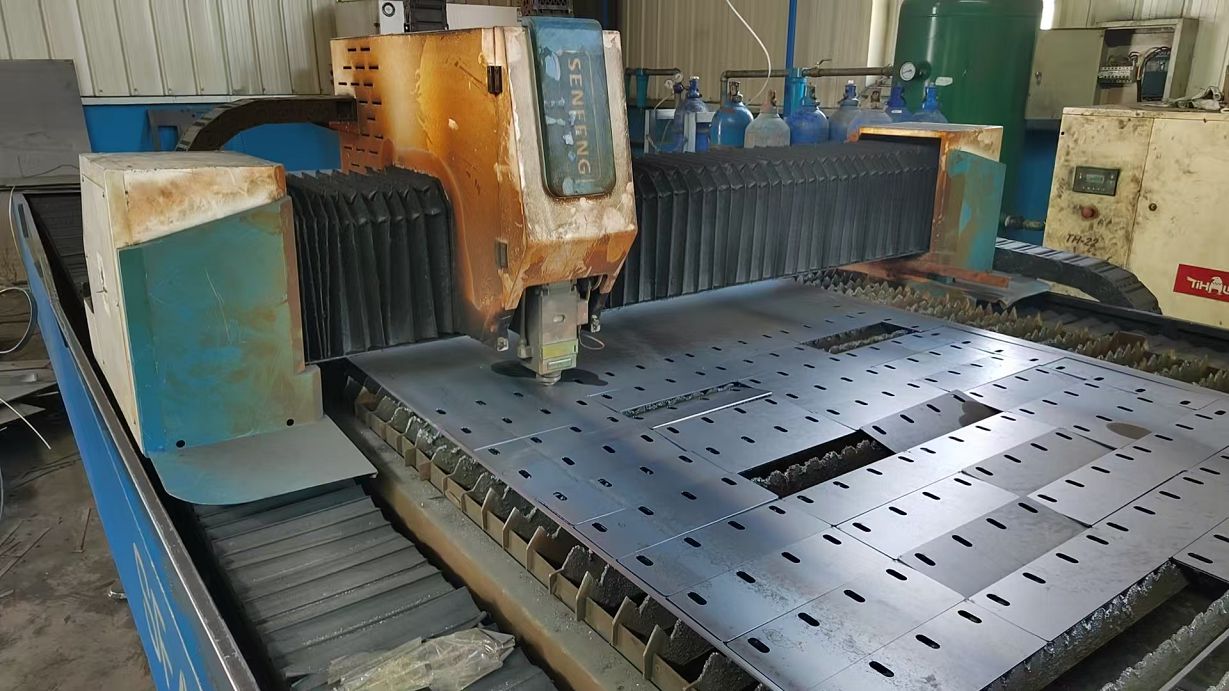
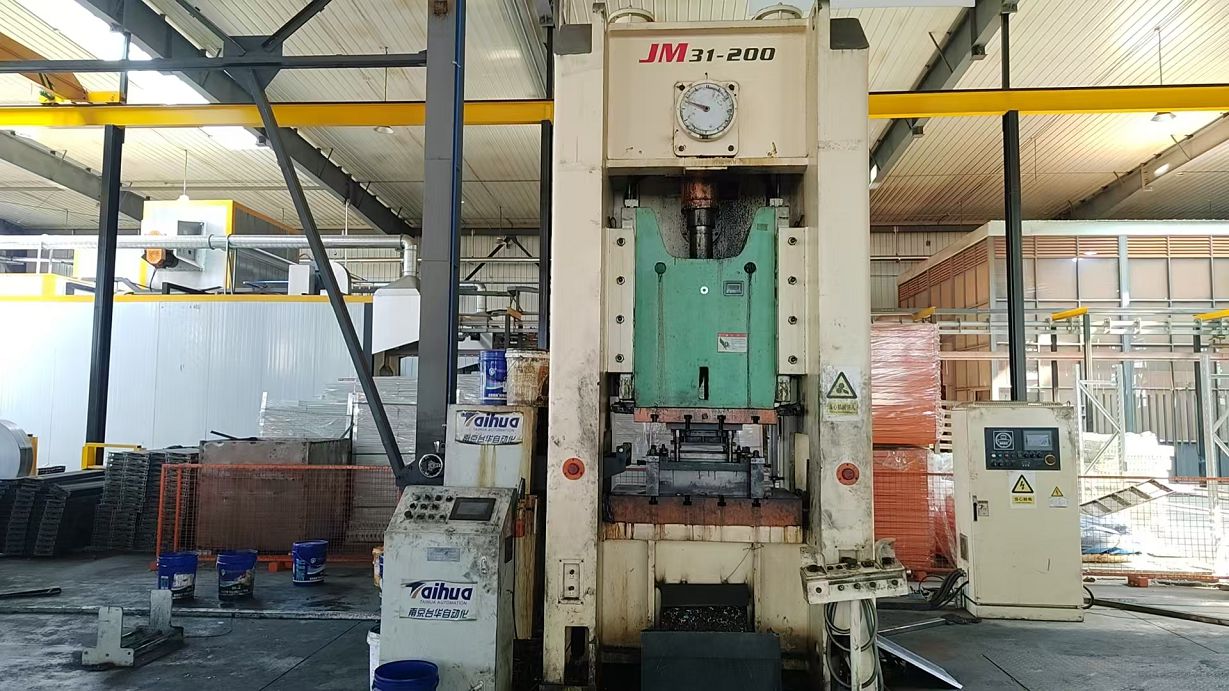
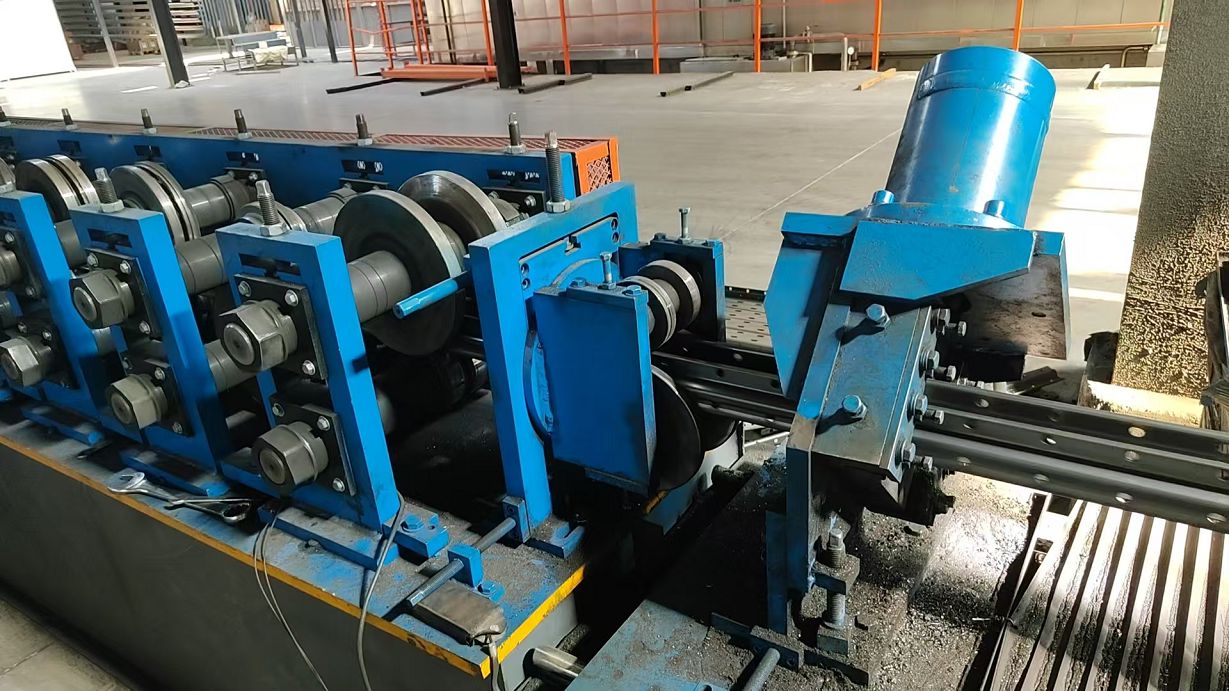
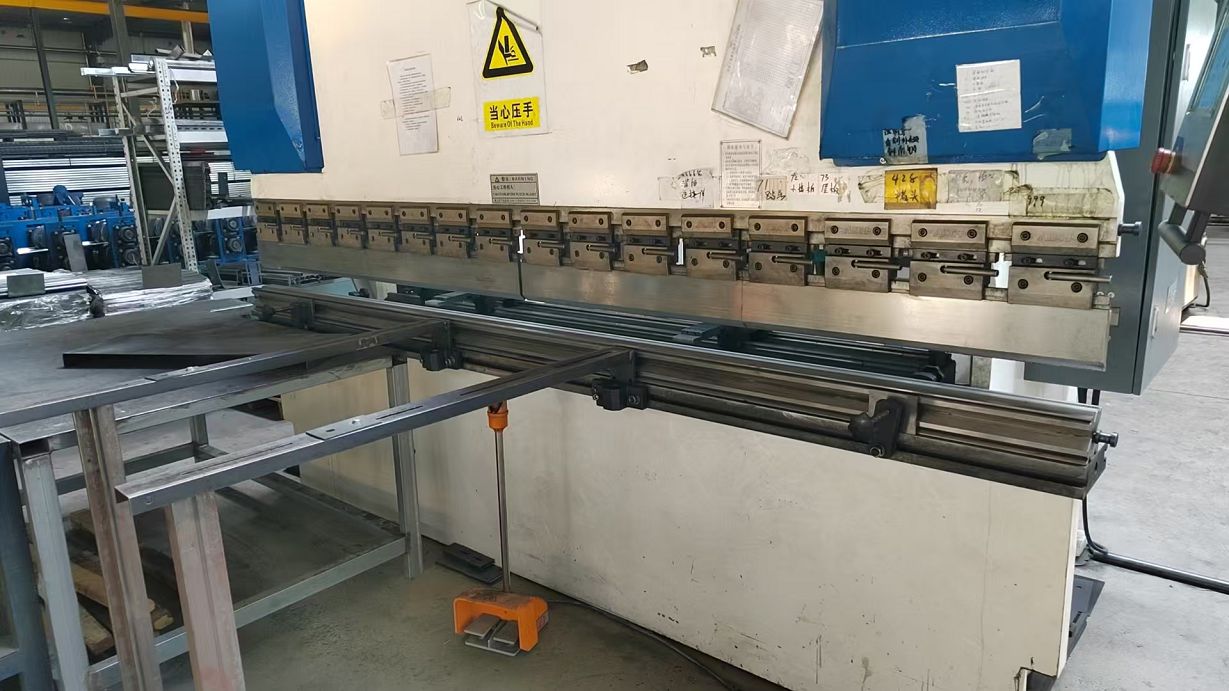
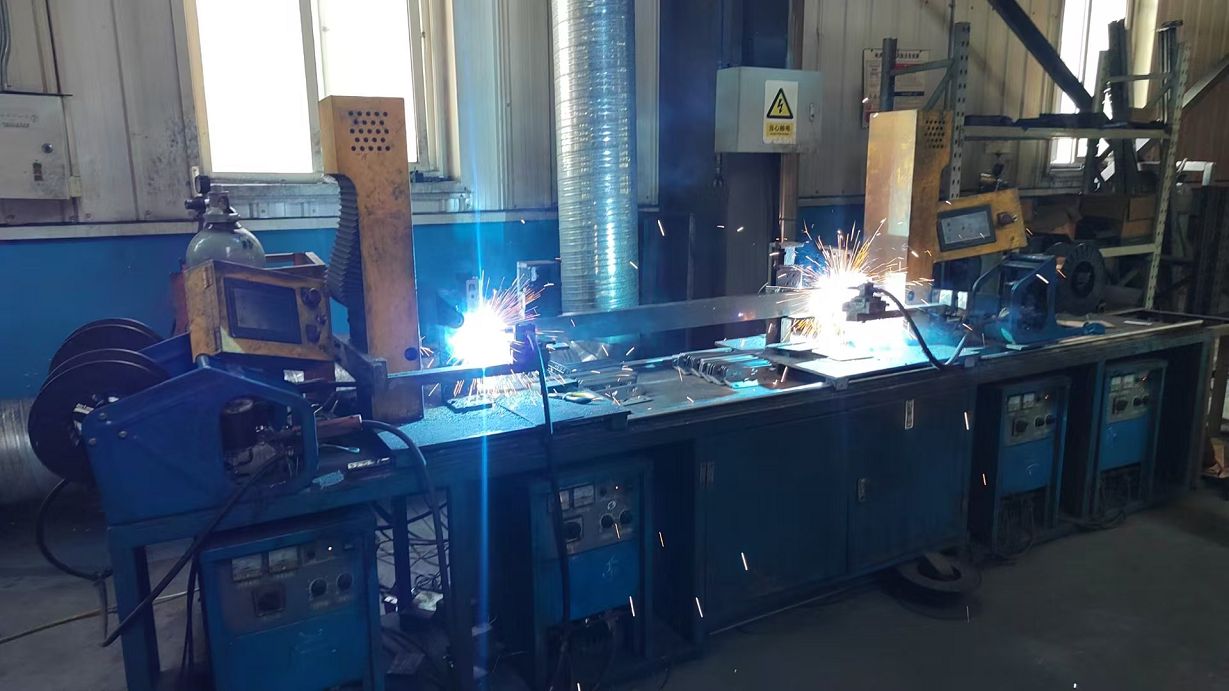
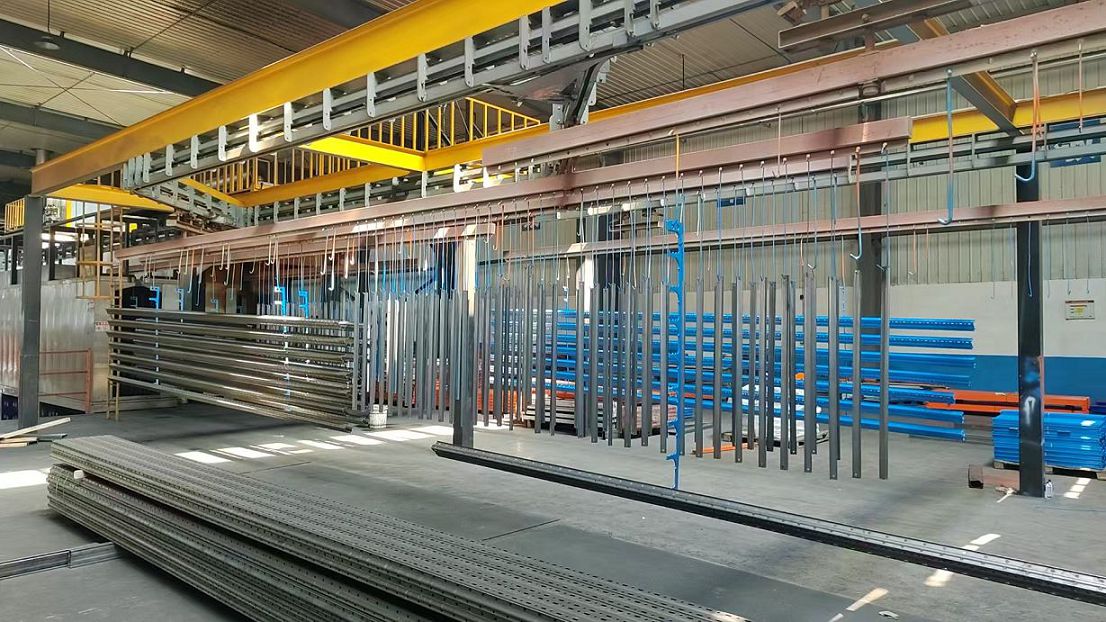
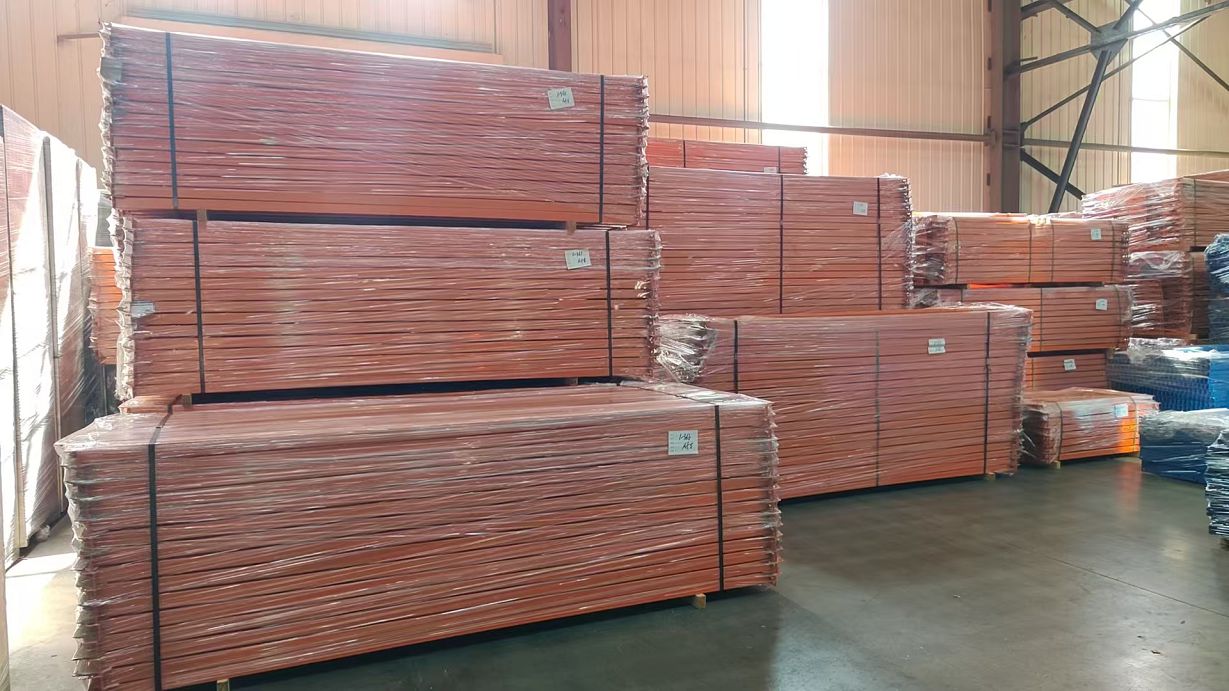
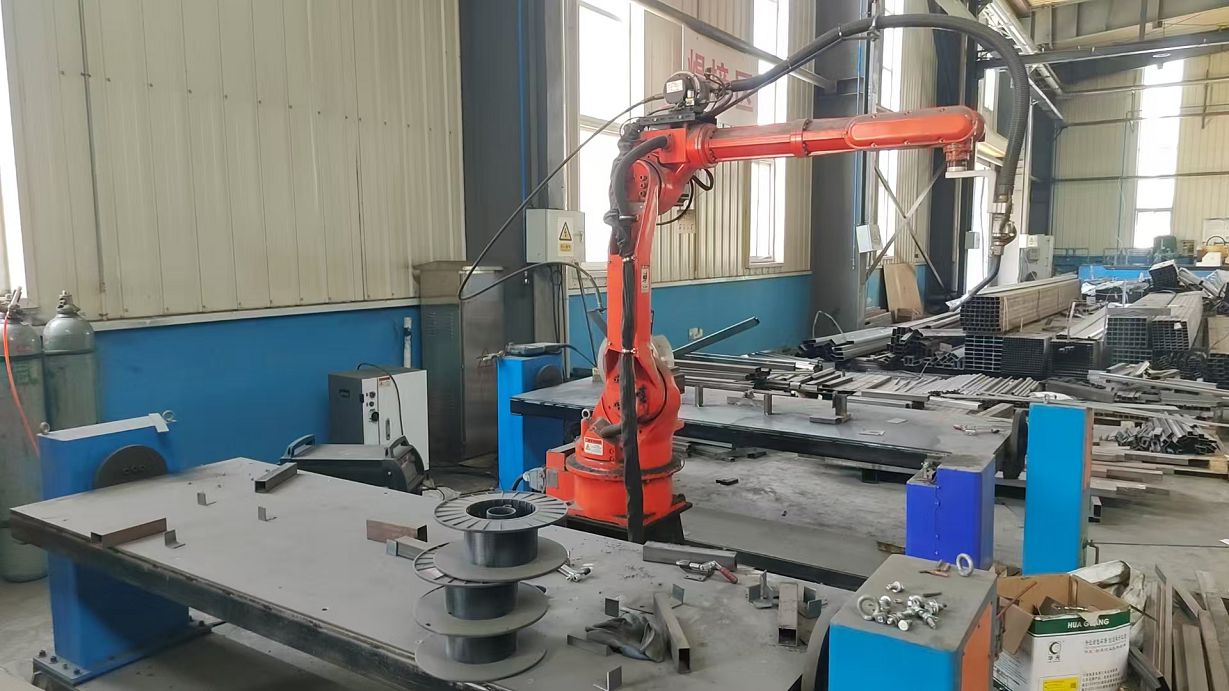
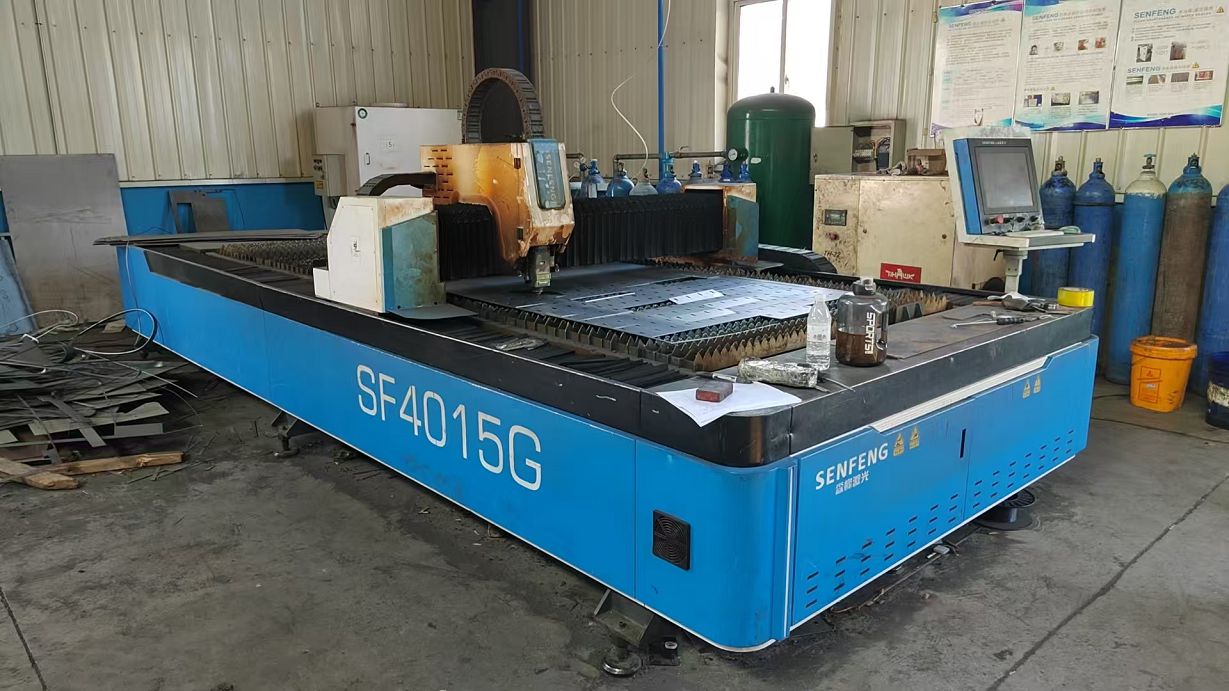
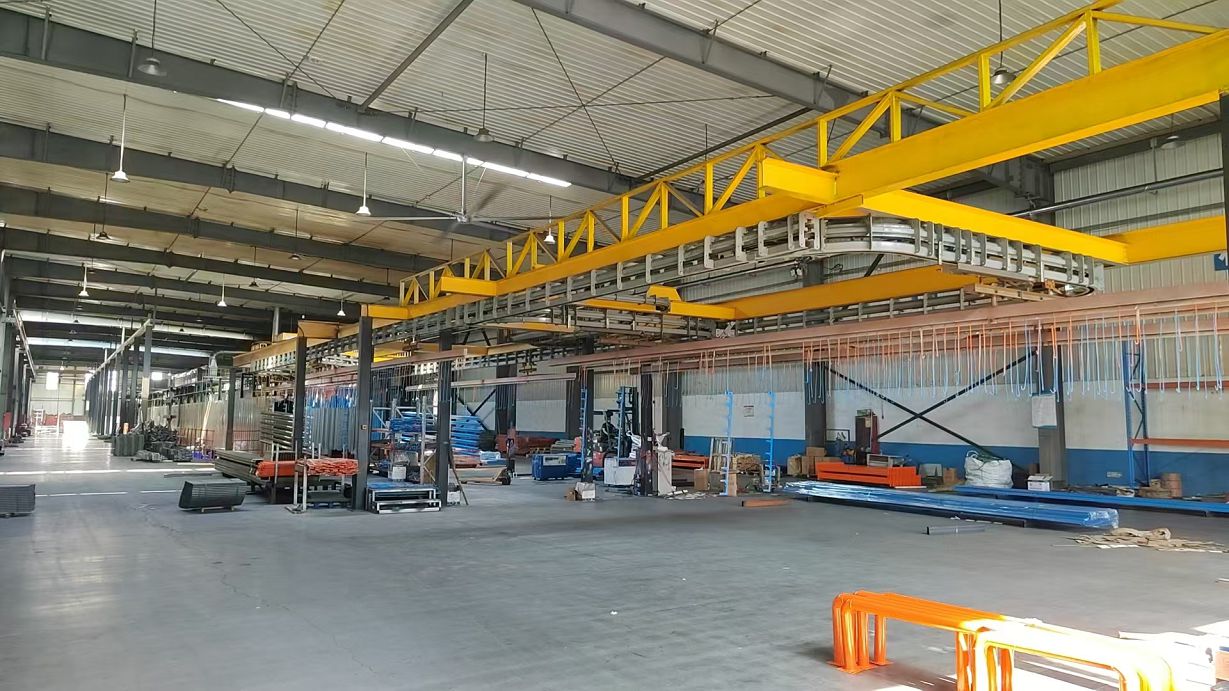
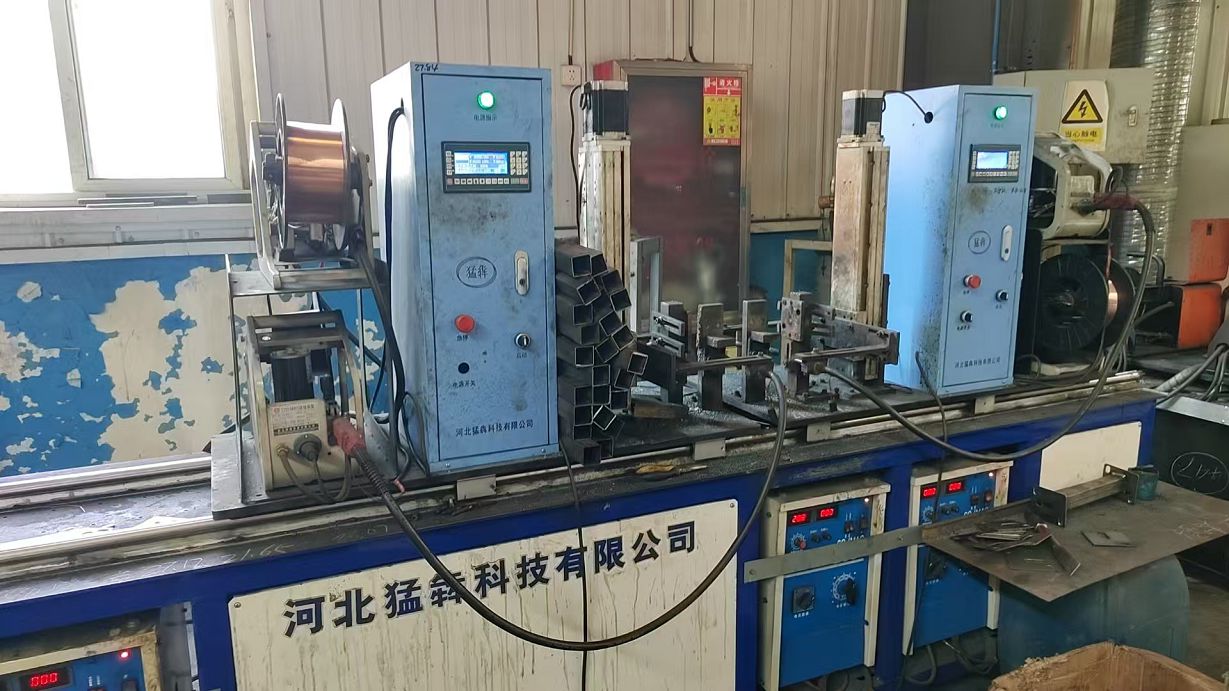
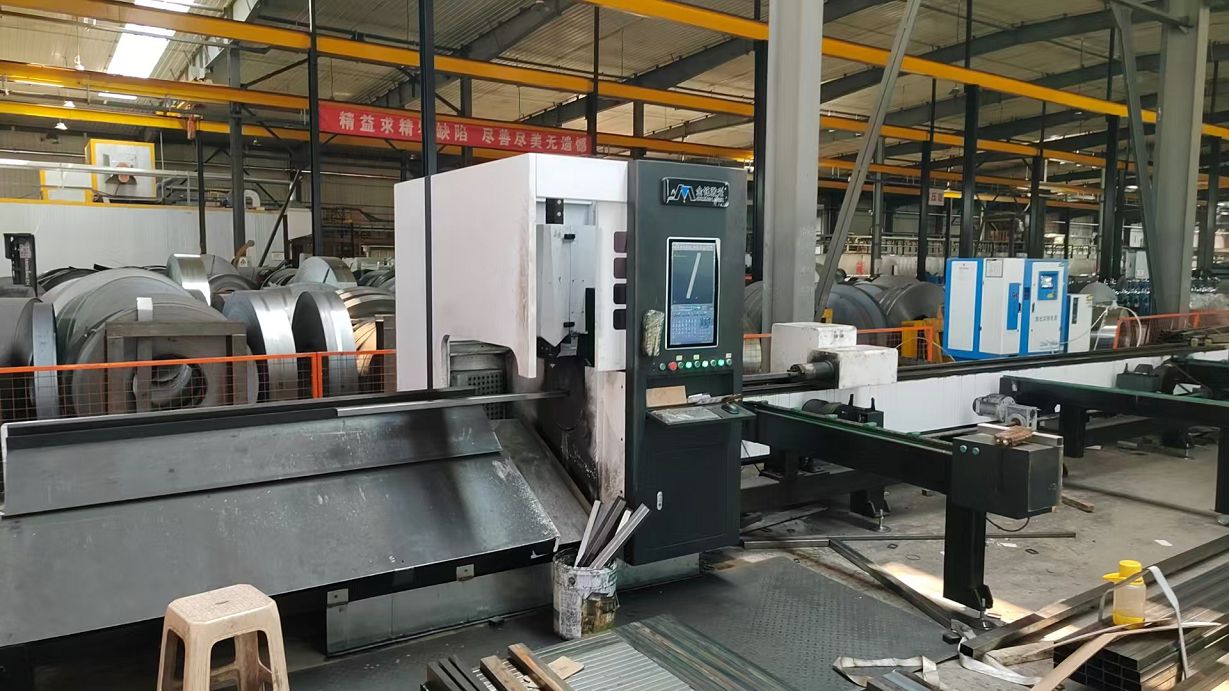
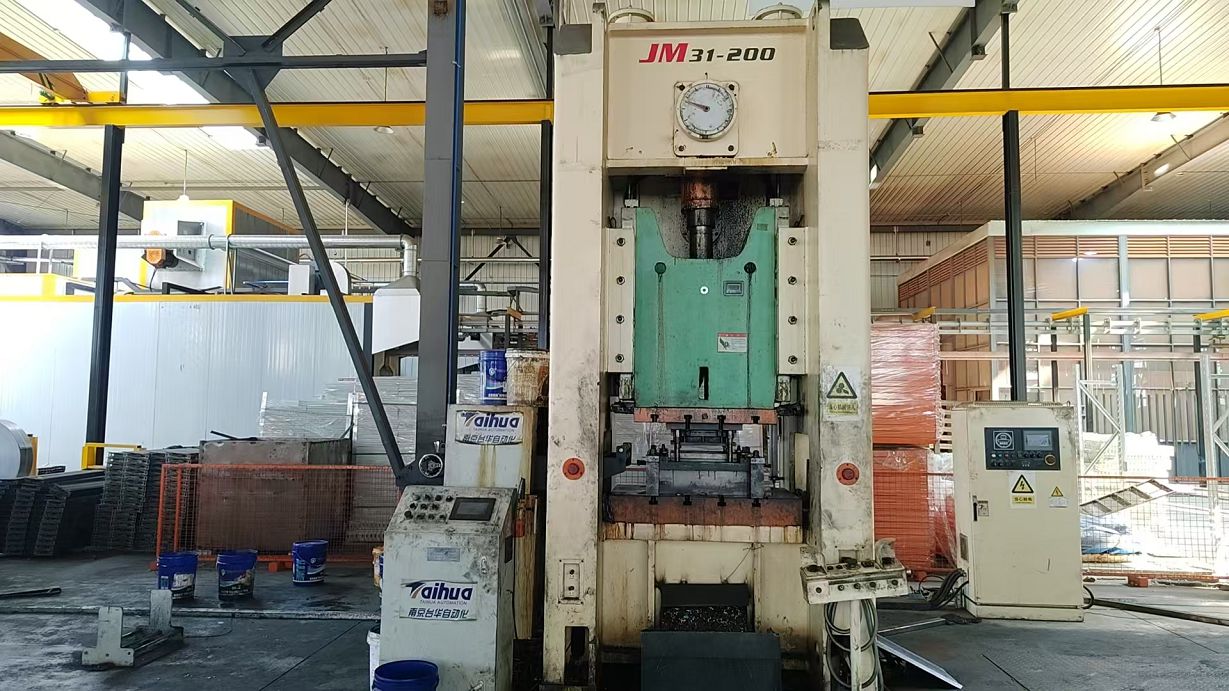
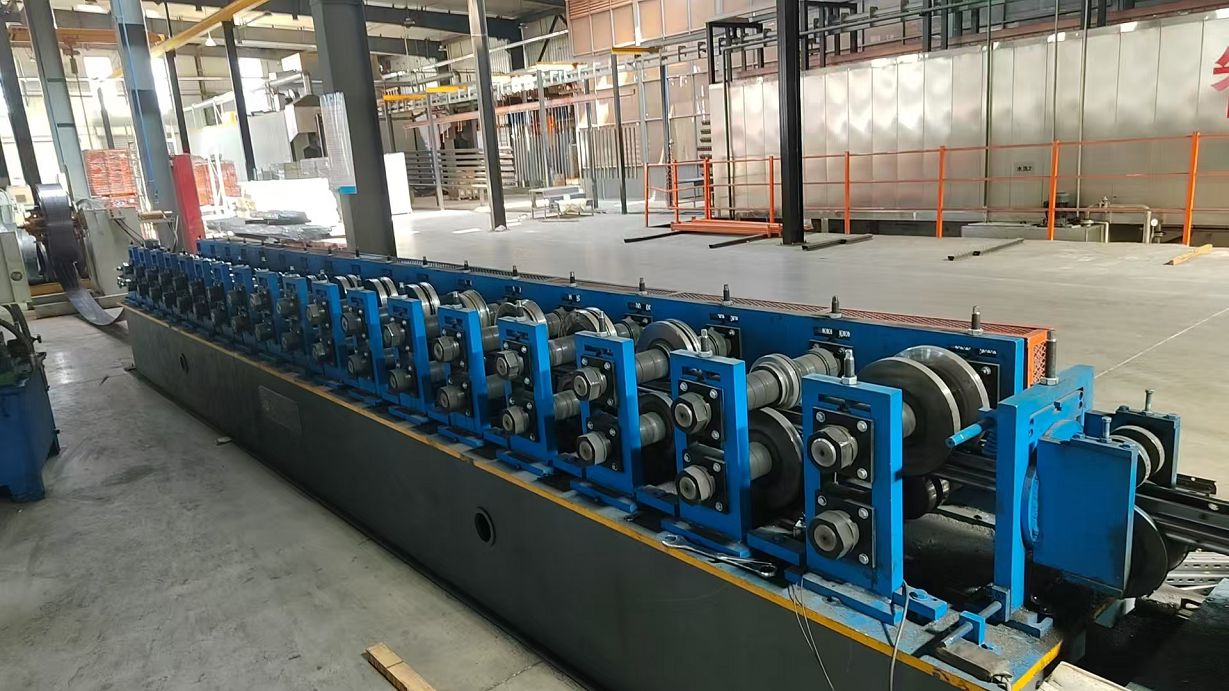
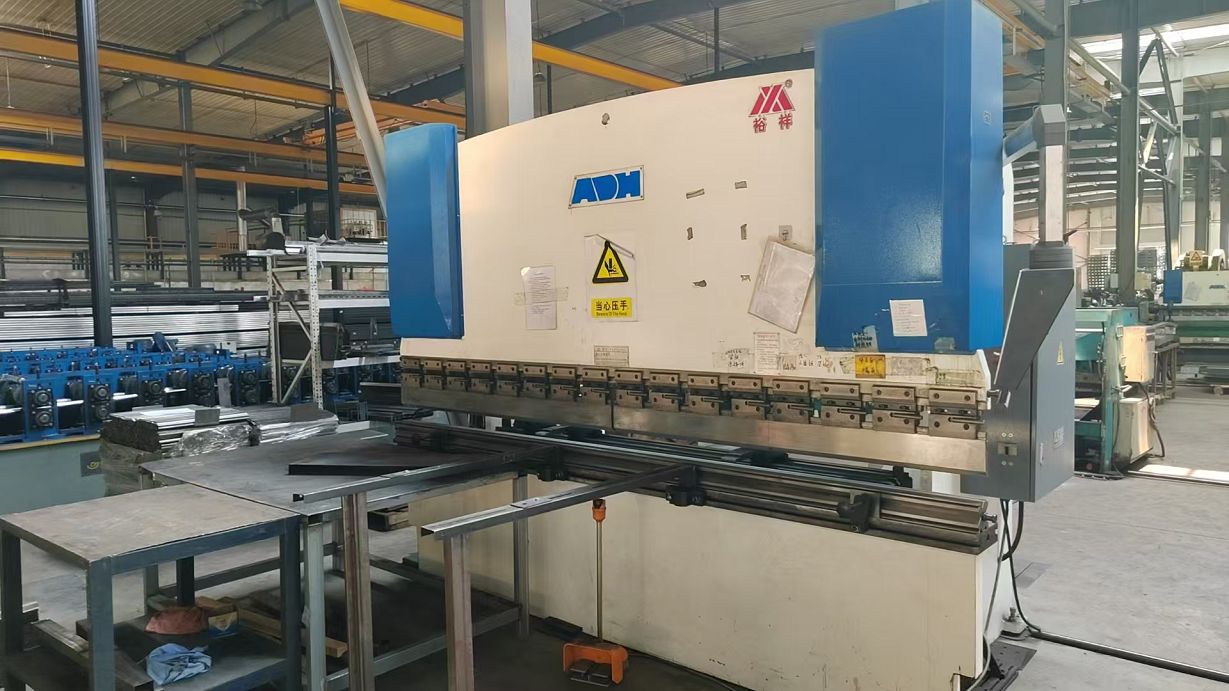
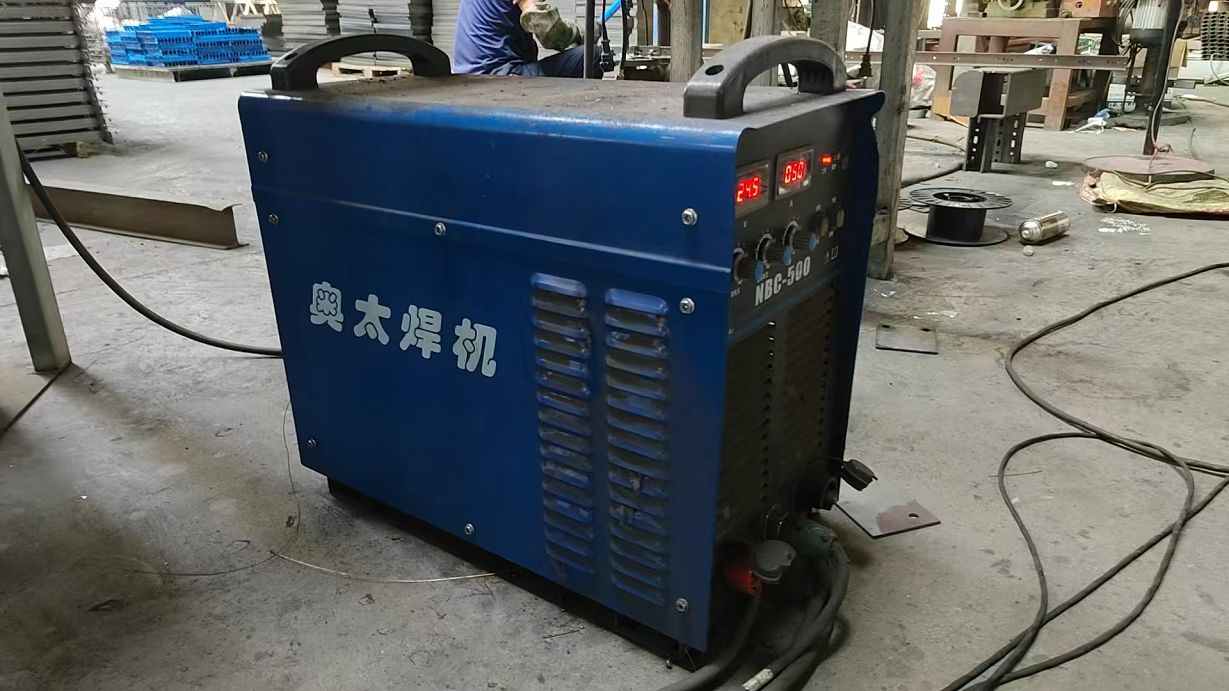
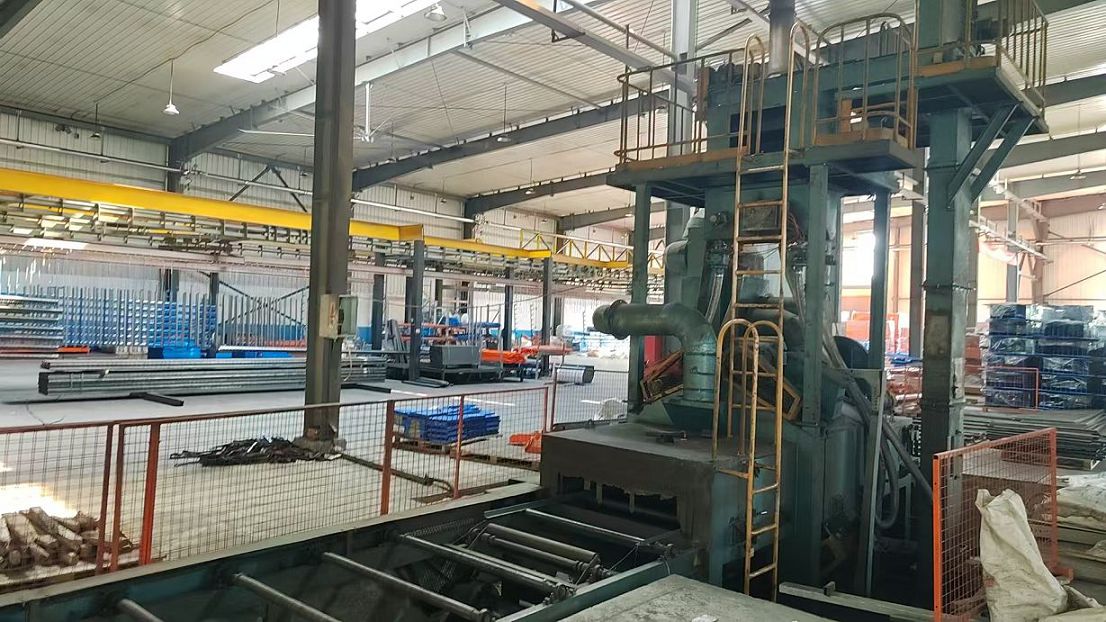
Established in 2016, we merge robust structural science with advanced modular engineering to deliver high-capacity industrial racking and bespoke OEM retail cart frameworks globally.
Our quality assurance framework utilizes CMM Automated Dimensional & Load Stress Testing to ensure that every rack system, mezzanine deck, and mobile utility cart maintains total structural safety under full load capacity. With over 6 years of international trade operations, our technical teams actively collaborate with supply chain directors across the Middle East, South America, and Eastern Europe.
We serve a diverse portfolio of industrial and retail clients, including cold storage operators, wholesale distribution chains, and automotive assembly facilities. Driven by our proprietary Intelligent Modular Racking Design methodology, we specialize in high-durability modifications including corrosion-resistant hot-dip galvanization, bespoke structural column profiles, and adjustable beam heights to match unique operational footprints.
The industrial landscape for material handling equipment is shifting away from low-cost, disposable carts toward high-end structural hardware capable of integration with next-generation distribution technologies. Over the next five years, key technological forces will redefine how retail storage carts are engineered, manufactured, and deployed:
As modern fulfillment centers increasingly transition to automated workflows, picking carts are being modified to feature high-precision optical alignment markers, durable under-ride coupling hooks, and structural bumper arrays. These additions allow autonomous mobile robots to lift, lock, and transport carts through warehouses without manual human assistance. Our engineering team specializes in adapting standard frame geometries to interface with the world’s leading AMR platforms.
The sweet spot for modern warehouse material design lies at the intersection of high structural capacity and minimal self-weight. By using micro-alloyed, cold-rolled steel profiles, we reduce the tare weight of warehouse carts by up to 15% while fully preserving structural load rating thresholds. This optimization directly reduces worker fatigue and extends the battery runtime of AMRs during transport cycles.
Industrial operations in regions like Eastern Europe and South America are facing increasingly strict environmental standards regarding chemical coatings and volatile emissions. The modern industry standard has transitioned toward solvent-free electrostatic powder coating lines and lead-free trivalent zinc electroplating. These coating systems offer superior protection against humidity, mechanical impacts, and chemical corrosion while complying with global RoHS and REACH regulations.
Different industrial and commercial environments present unique design challenges. Our OEM design workflows are built around solving sector-specific challenges, ensuring that every warehouse cart and rack structure complies with the operational constraints of its final destination:
Operating at temperatures as low as -30°C requires special steel grades that resist low-temperature embrittlement. Our hot-dip galvanized carts and high-viscosity lubricants prevent caster freeze and preserve coating adhesion in high-humidity environments.
High-density stock processing requires deep-nesting designs to save square footage when carts are not in use. Our nested designs reduce empty cart footprints by up to 75% on warehouse floor spaces.
Assembly environments rely on lean manufacturing designs. Our custom carts are engineered with specialized rubber cushioning, vertical separation dividers, and quick-release latching configurations to protect Class-A finished automotive surfaces.
In addition to structural differences, our engineering team tailors raw material selections to meet local regulatory and safety standards. Whether complying with European EN standards, RMI rack capacity recommendations in South America, or seismic load ratings in earthquake-prone regions, our computer-modeled configurations guarantee compliant, safe, and stress-tested performance.
Answers to key engineering, material specification, and custom manufacturing questions from our procurement partners.
We primarily use Q235 and Q355 high-strength carbon structural steel. Q235 steel has a minimum yield strength of 235 MPa and a tensile strength of up to 460 MPa. For higher load-bearing configurations, Q355 offers a yield strength of 355 MPa, ensuring exceptional structural safety and minimal deflection under load.
Every custom model undergoes a multi-phase testing workflow: First, we conduct FEA (Finite Element Analysis) stress simulations during design. Next, we produce prototypes and perform CMM automated dimensional inspections, followed by static and dynamic load testing to verify deflection limits and shear resistance.
We provide three primary surface treatments: industrial-grade electrostatic powder coating (standard indoor warehouses), electro-galvanization with clear passivates (moderate humidity environments), and hot-dip galvanization (harsh industrial environments and outdoor cold chain facilities).
Once technical CAD drawings are approved, physical prototypes are fabricated in 7 to 14 working days, depending on geometry complexity. Mass production runs are typically completed within 25 to 35 days, facilitated by our automated welding lines and high-capacity powder coating lines.
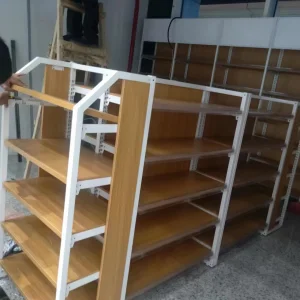
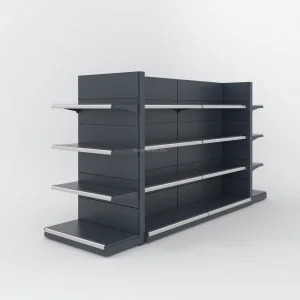
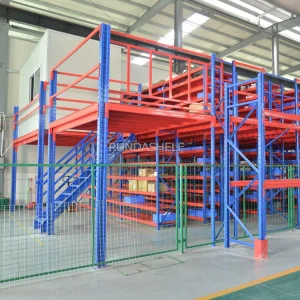
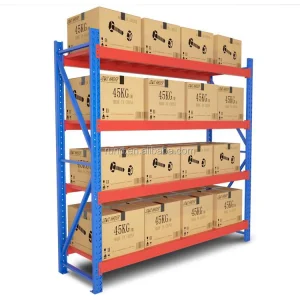
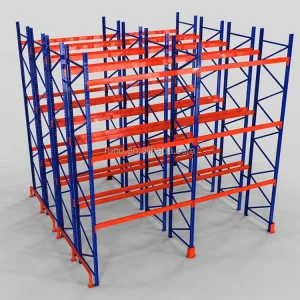
Explore our full line of commercial display systems, modular gondolas, and heavy-duty steel mezzanines designed for maximum operational density.
 CoreStorage