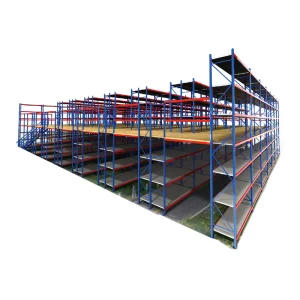
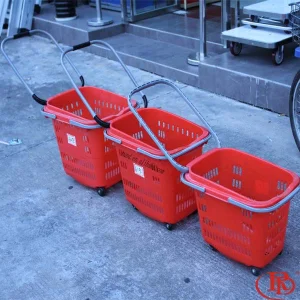
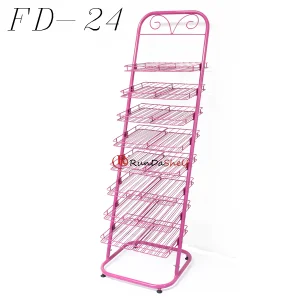
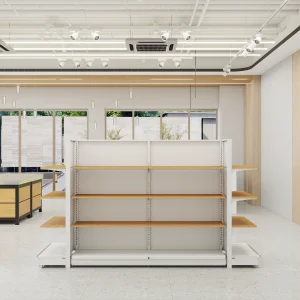
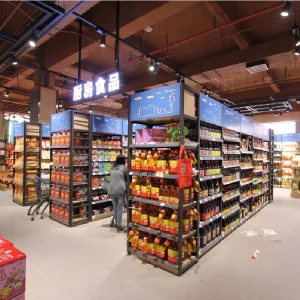
Engineered to international specifications, our logistics solutions span from warehouse storage to high-visibility retail displays.
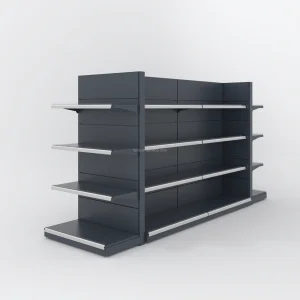
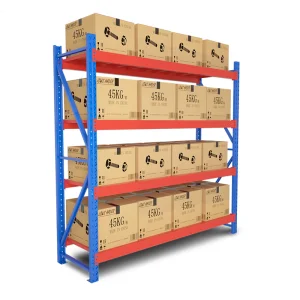
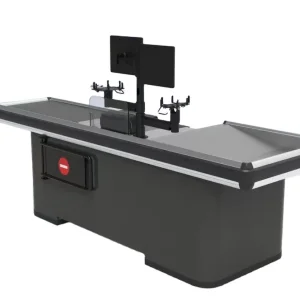
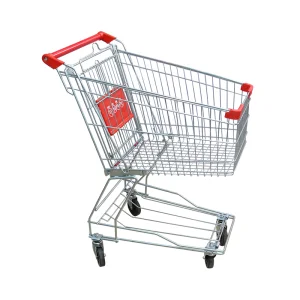
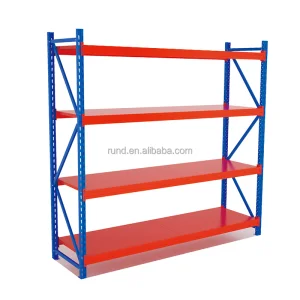
Modern logistics demand is shifting globally. High land valuation, automated picking technologies, and rapid omnichannel distribution require vertical spaces to be optimized using structurally reliable, flexible, and robust steel infrastructure.
As logistics facilities expand vertically to implement high-density storage configurations, custom OEM metal shelving systems serve as the backbone of modern warehousing and commercial display networks. Factors such as regional urbanization, cold chain network expansion, and tight warehouse space availability require precision-engineered shelving to prevent structural failures, lower maintenance cycles, and improve floor space efficiency.
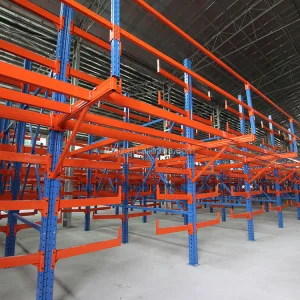
Across heavy industrial hubs and consumer retail corridors, structural steel shelving undergoes severe stress profiles. Ranging from high-load industrial pallet racking supporting thousands of kilograms per level to sleek, aesthetically precise supermarket display gondolas, the design, manufacturing tolerances, and raw material composition must comply with high structural engineering benchmarks. Working with certified, reliable OEM manufacturing facilities ensures that enterprises achieve high warehouse capacities while meeting localized structural safety and seismic regulations.
In industrial logistics manufacturing, authority is established through physical capacity, technical competence, and rigorous quality inspection protocols.
Chengdu CoreStorage Logistics Equipment Manufacturing Co., Ltd. was established in 2016. Spanning a modern manufacturing plant area of 22,000 m², the enterprise secures an annual export volume exceeding $15,000,000. Supported by 6 years of global trade execution and 11 years of structural industrial rack manufacturing experience, CoreStorage supplies engineering solutions to international distribution partners.
To assure structural load stability under extreme applications, CoreStorage quality control protocols conform to ISO 9001 and CE Structural Safety Standards. The plant relies on Coordinate Measuring Machine (CMM) Automated Dimensional Verification alongside dedicated Load Stress Testing equipment. The quality control department consists of 28 skilled QC inspectors managing raw materials and finished products. Operating as an integrated manufacturer and global trading hub, the company serves the Middle East, South America, and Eastern Europe, working with over 650 supply chain partners to support cold storage facilities, warehouse chains, and automotive assembly operations.
Driven by Intelligent Modular Racking Design, our team provides tailored options including corrosion-resistant hot-dip galvanization, specific column cross-sections, and adjustable beam configurations. Last year, the engineering team executed 28 new product releases, managed by 18 professional R&D engineers.
This solid manufacturing foundation enables CoreStorage to bridge the gap between initial raw material sourcing and custom site installations. By maintaining control over design configurations (such as upright shape, beam connector locking mechanisms, and structural baseplate dimensions), the company ensures that structural racking systems remain straight, stable, and secure over decades of operational use.
A detailed look into the precision stages and machinery driving Chengdu CoreStorage's 22,000 m² high-output production line.
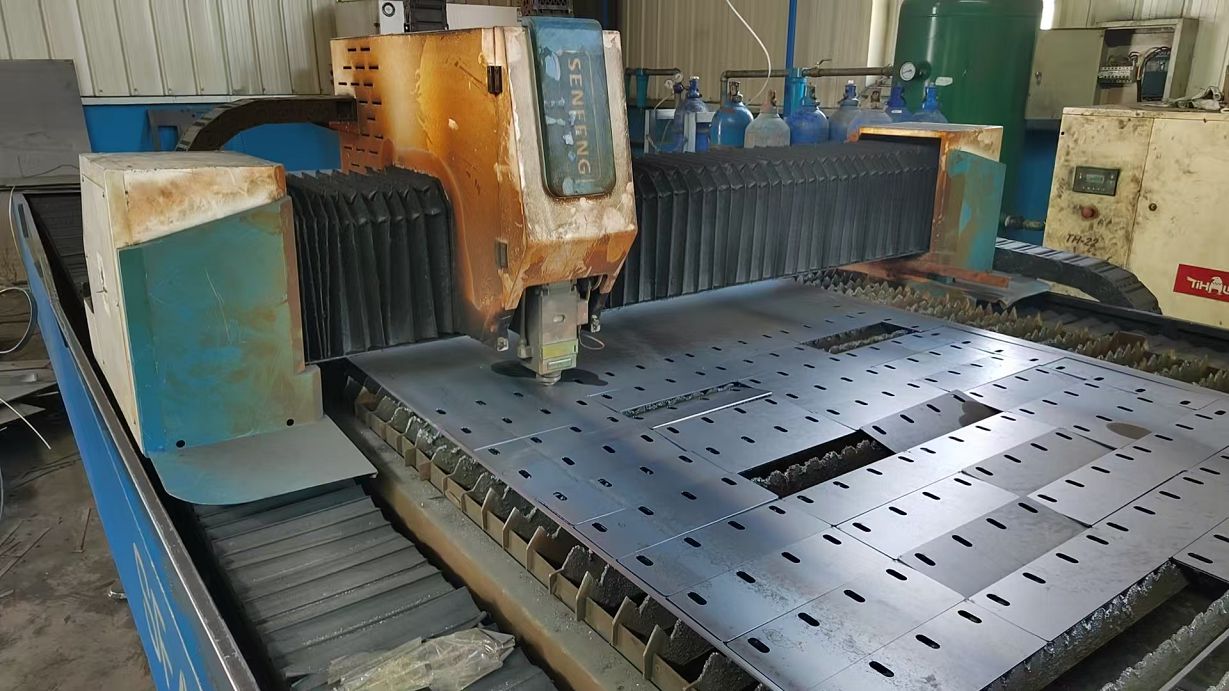
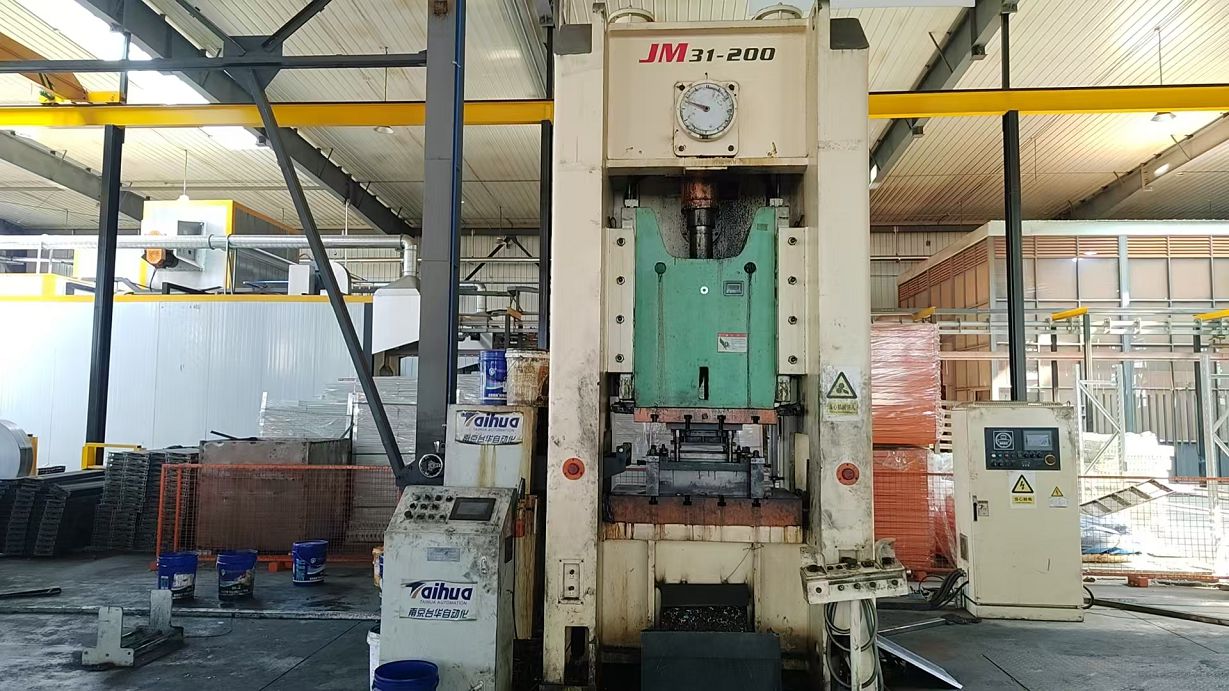
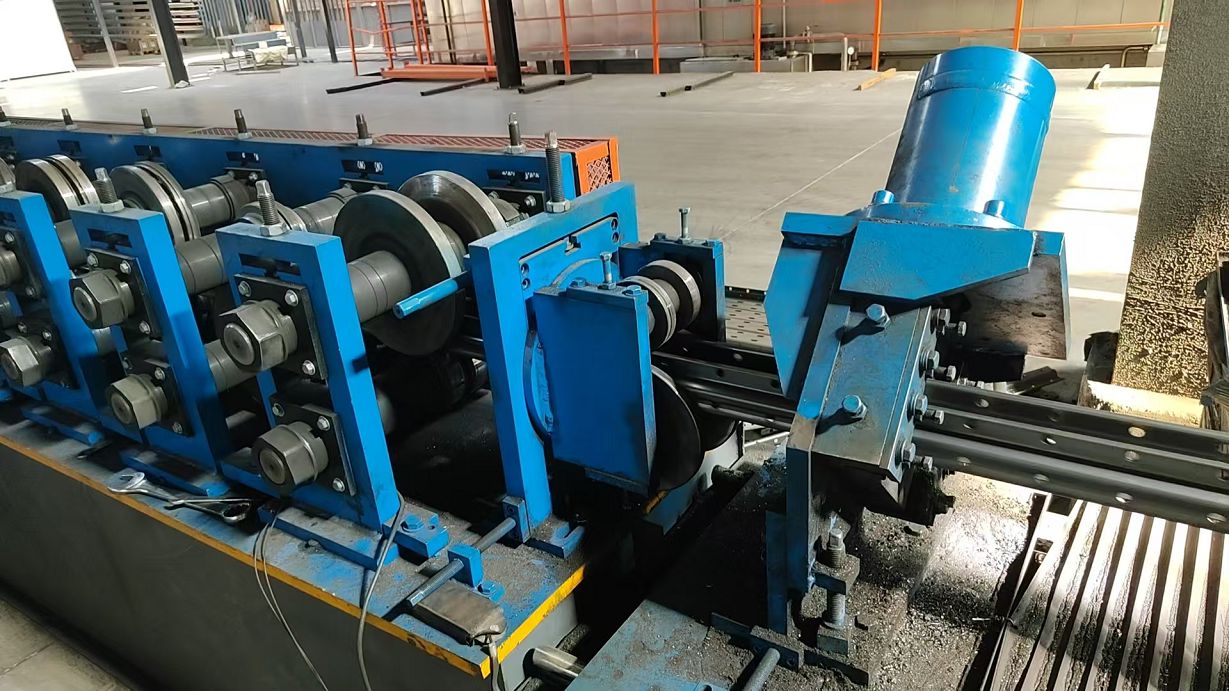
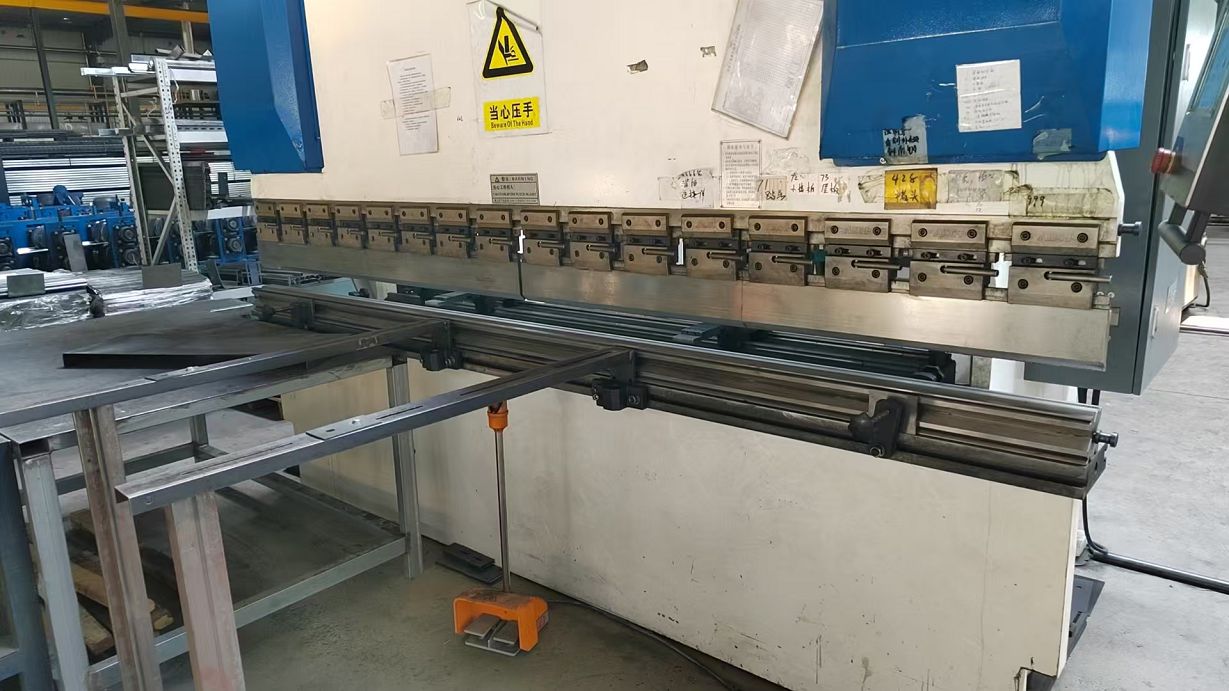
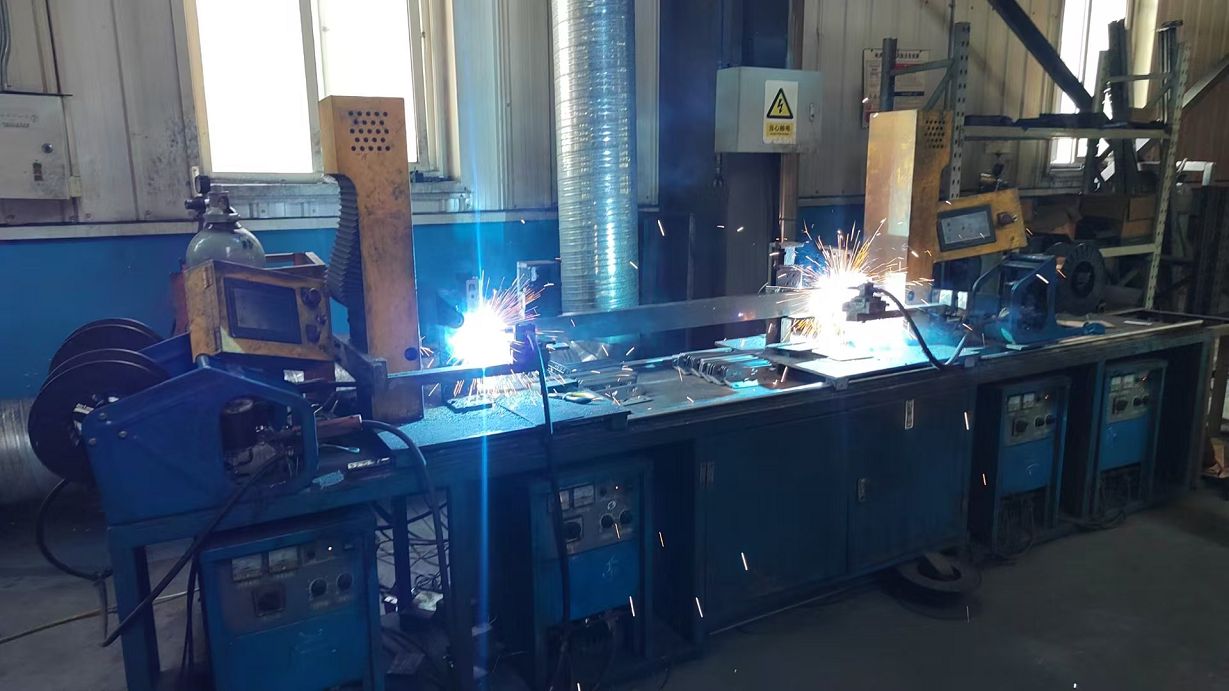
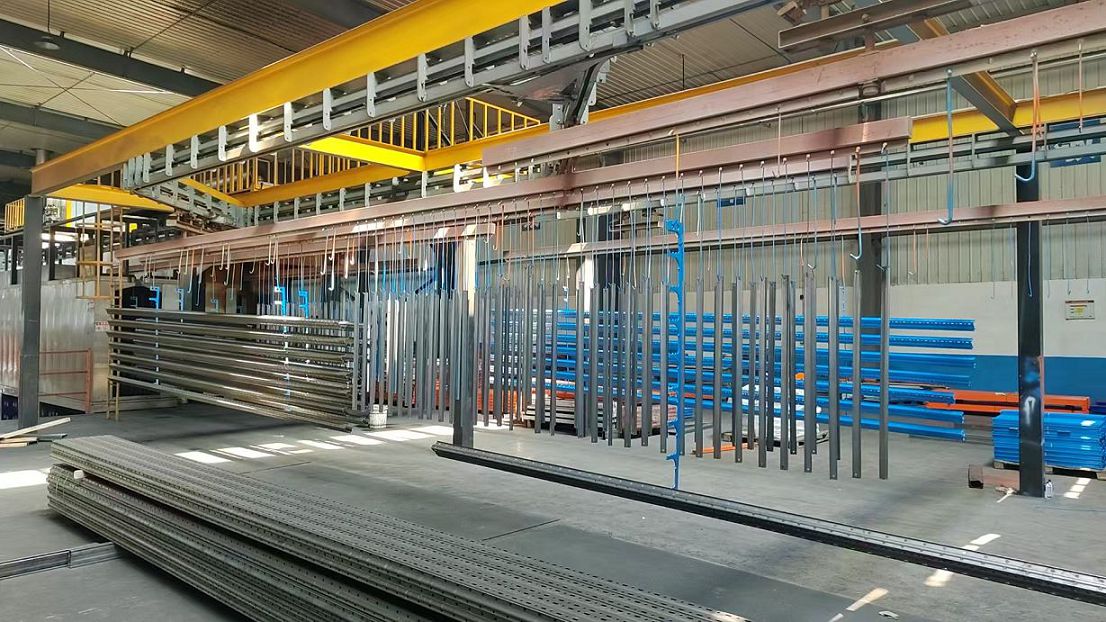
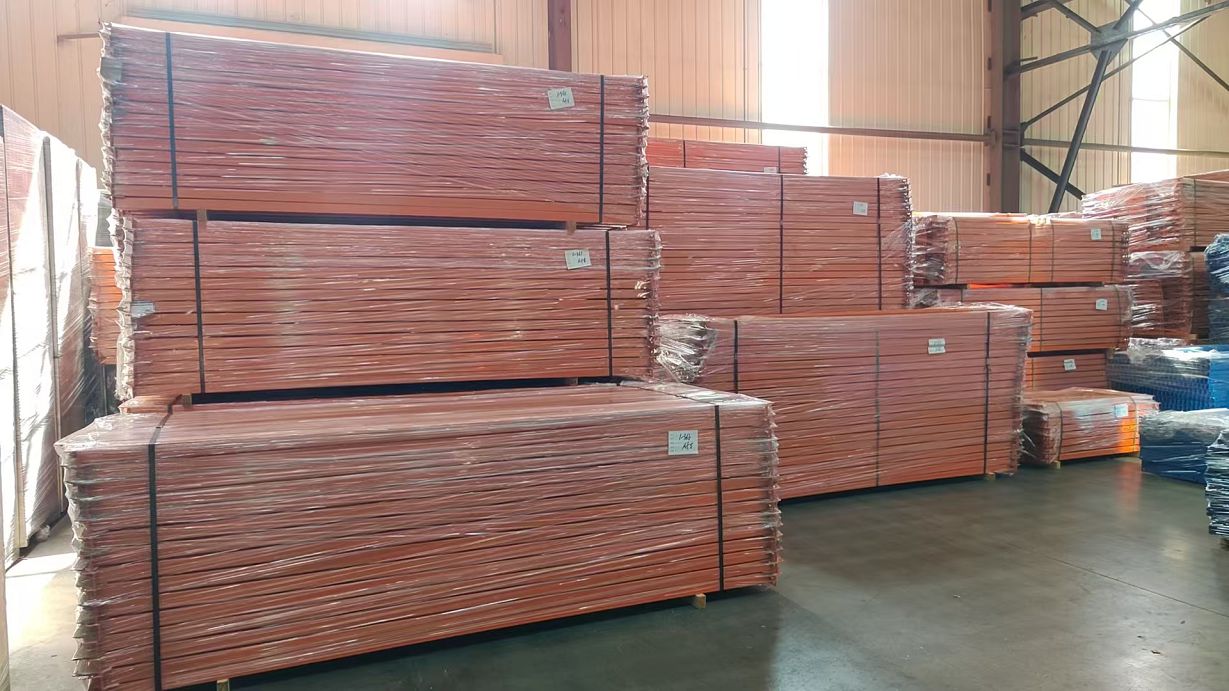
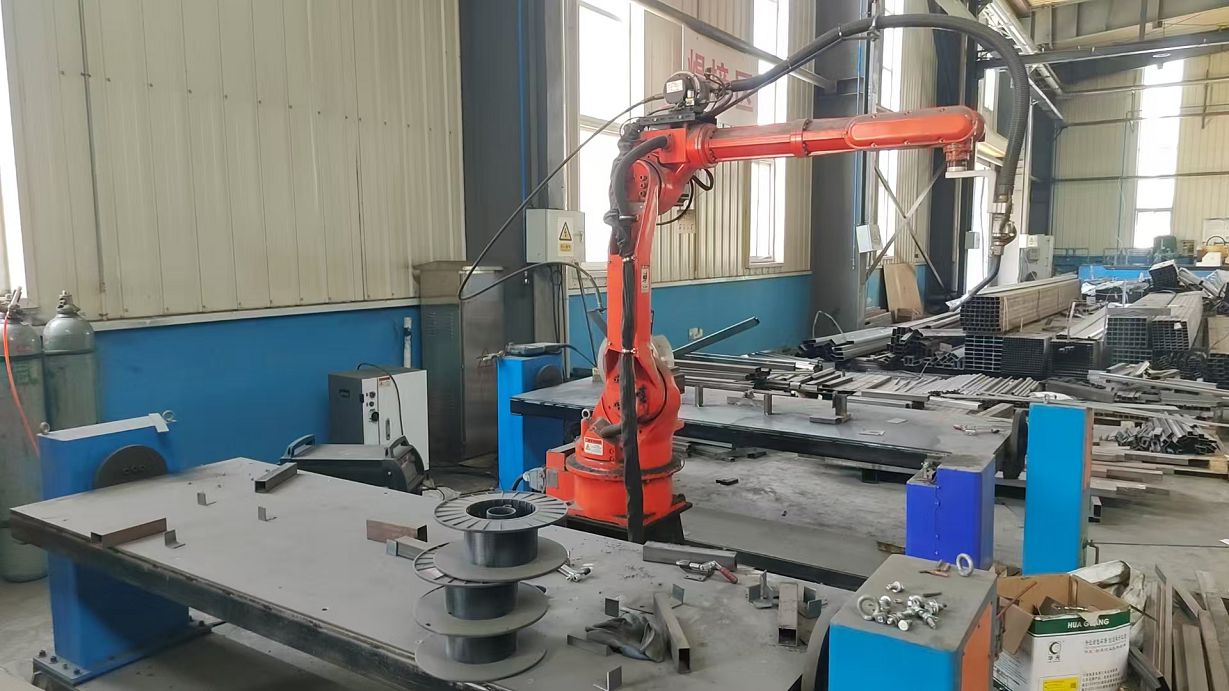
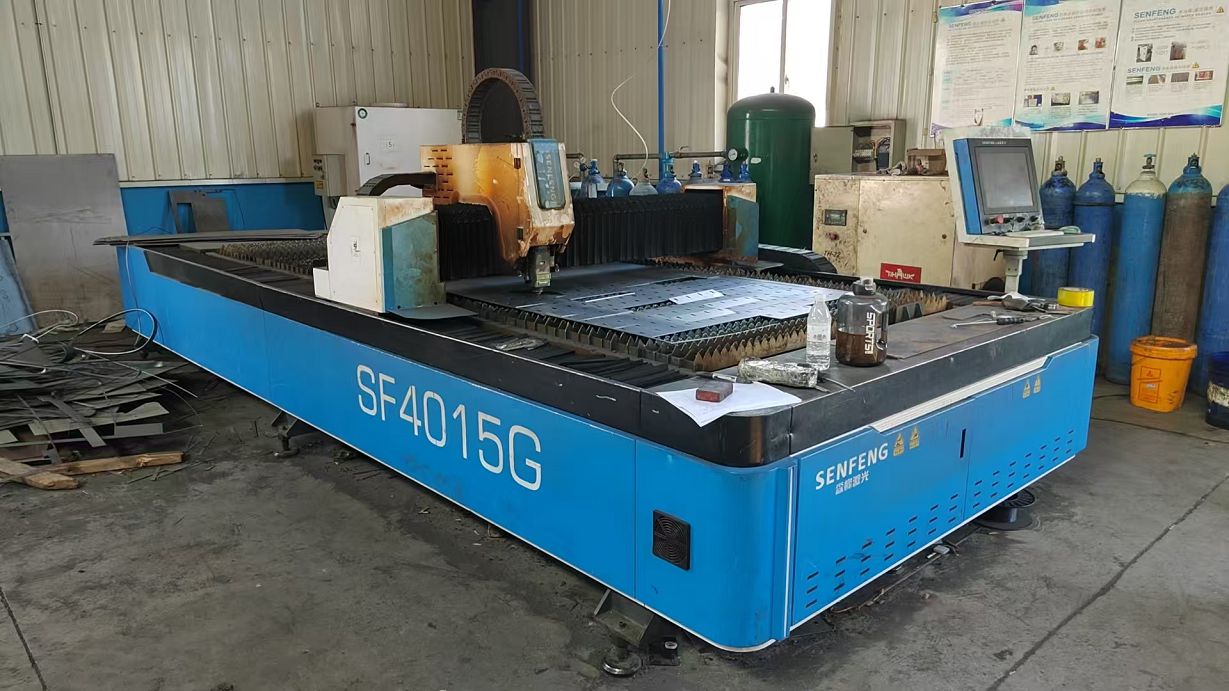
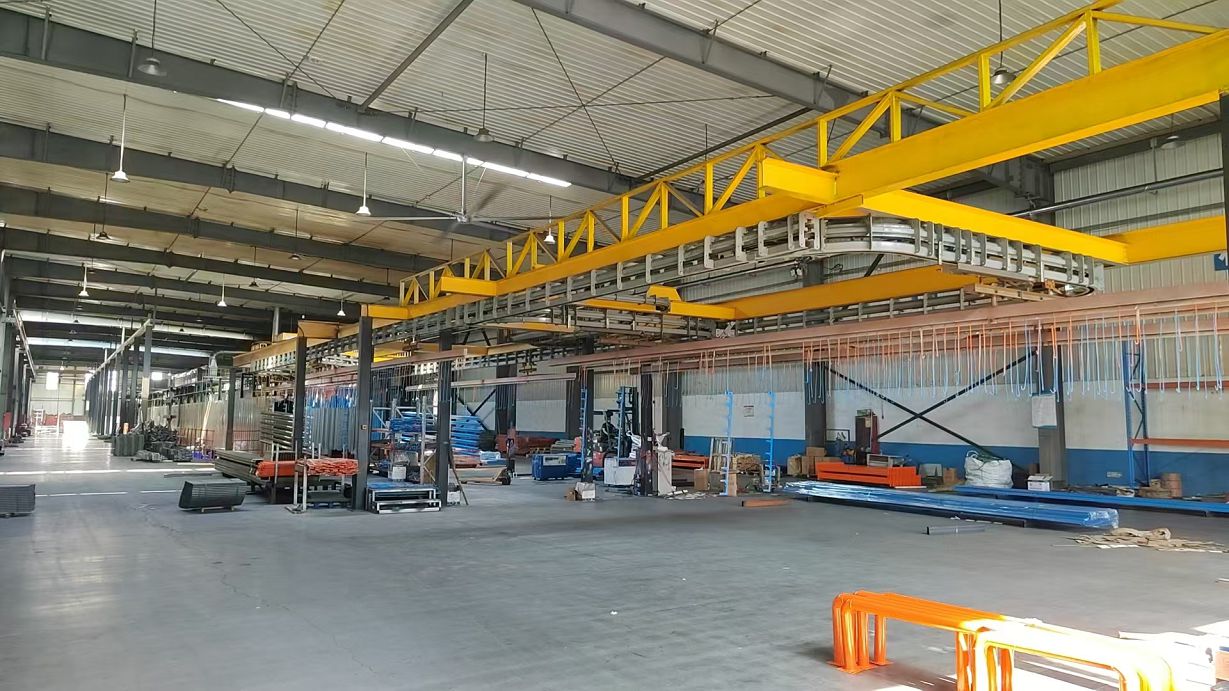
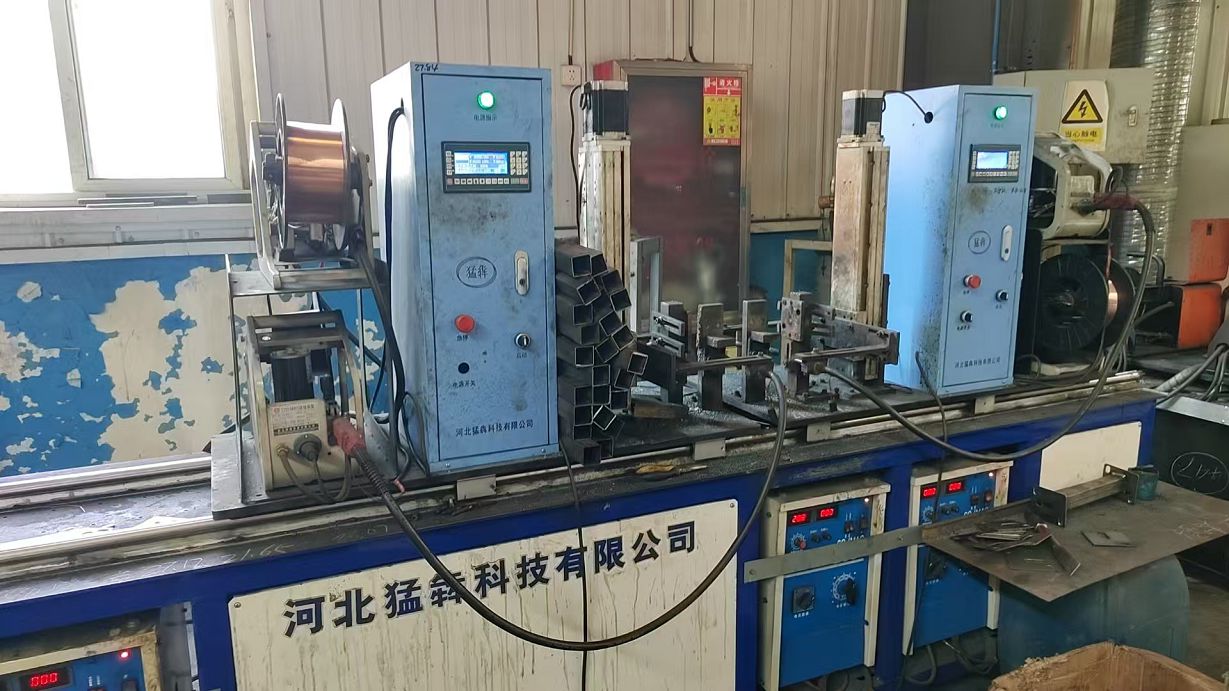
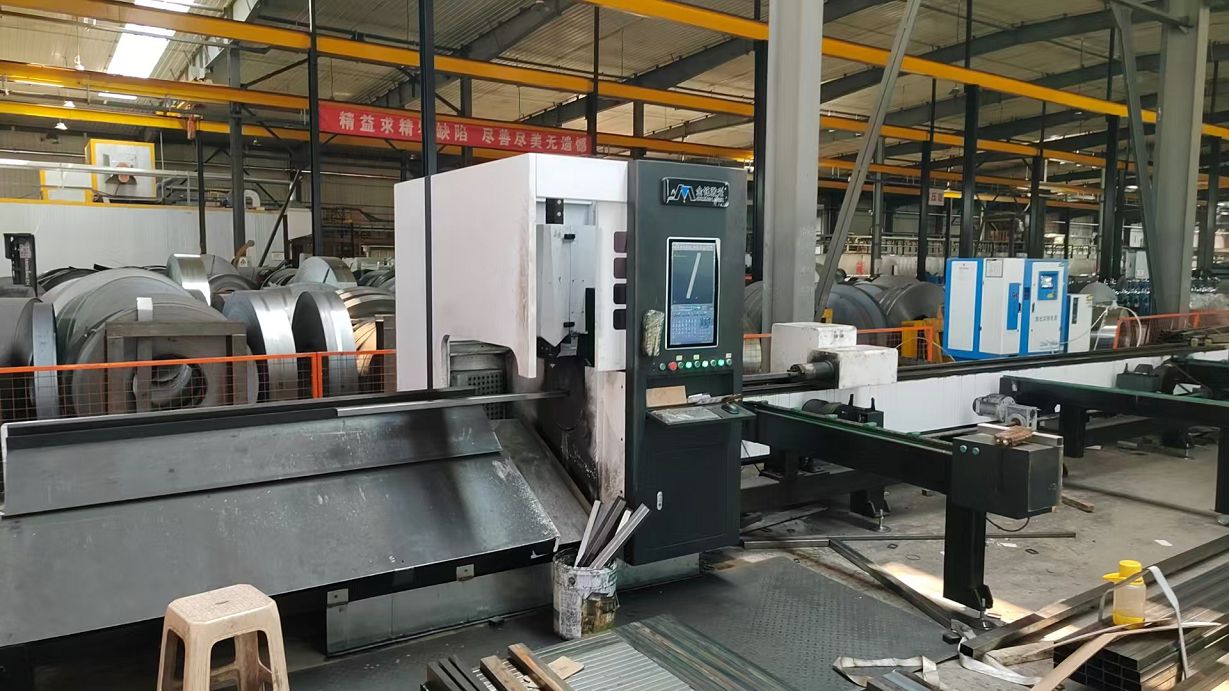
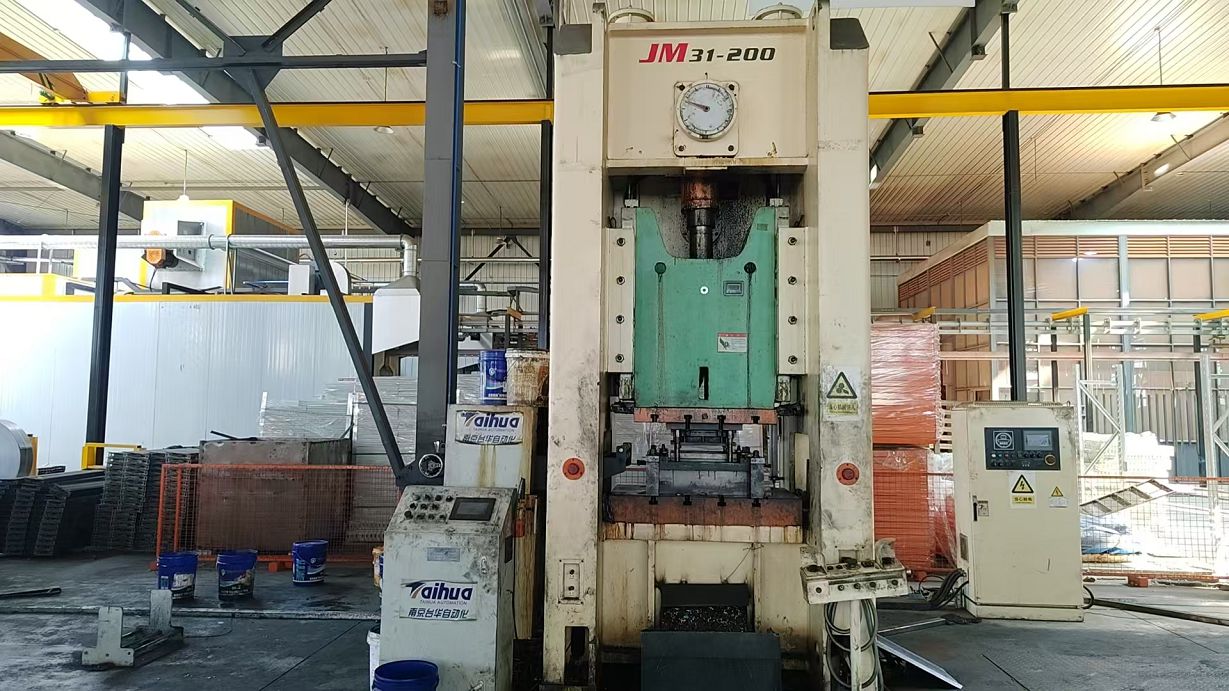
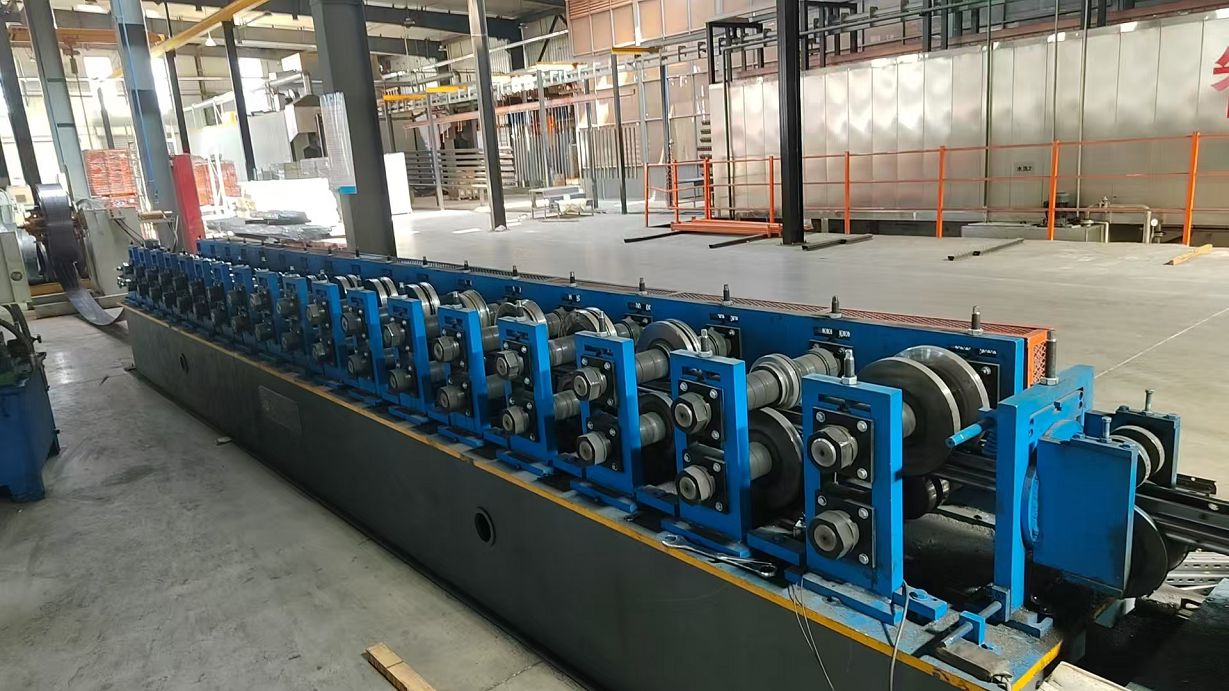
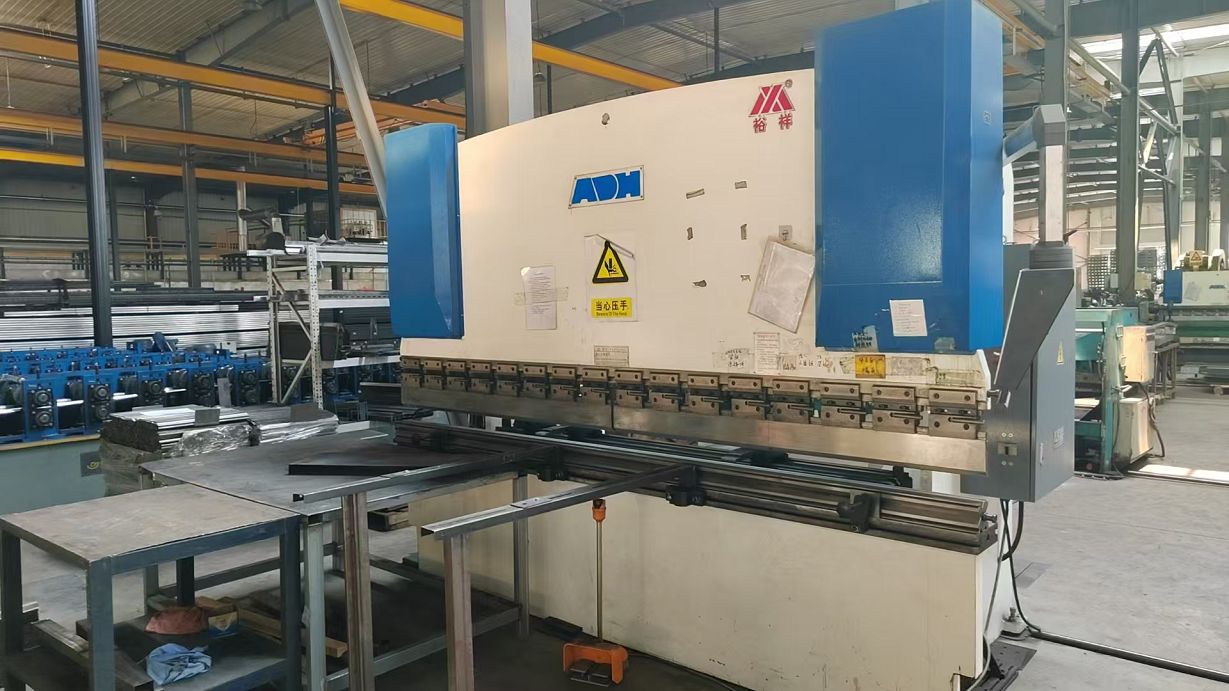
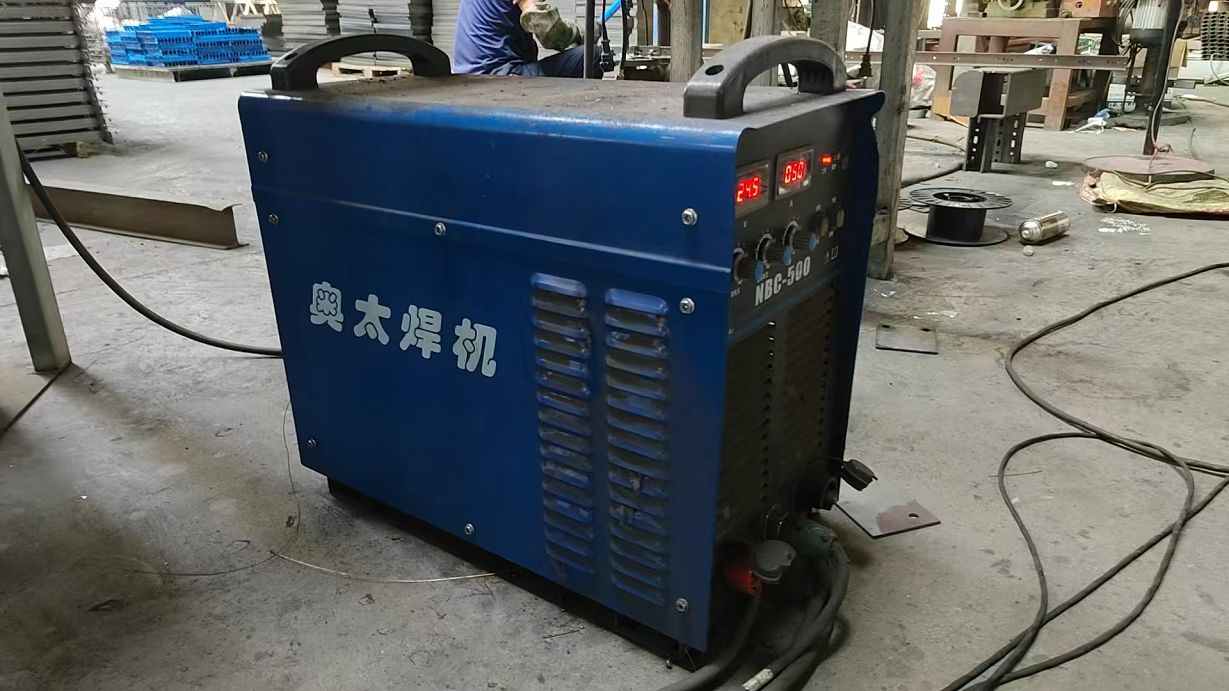
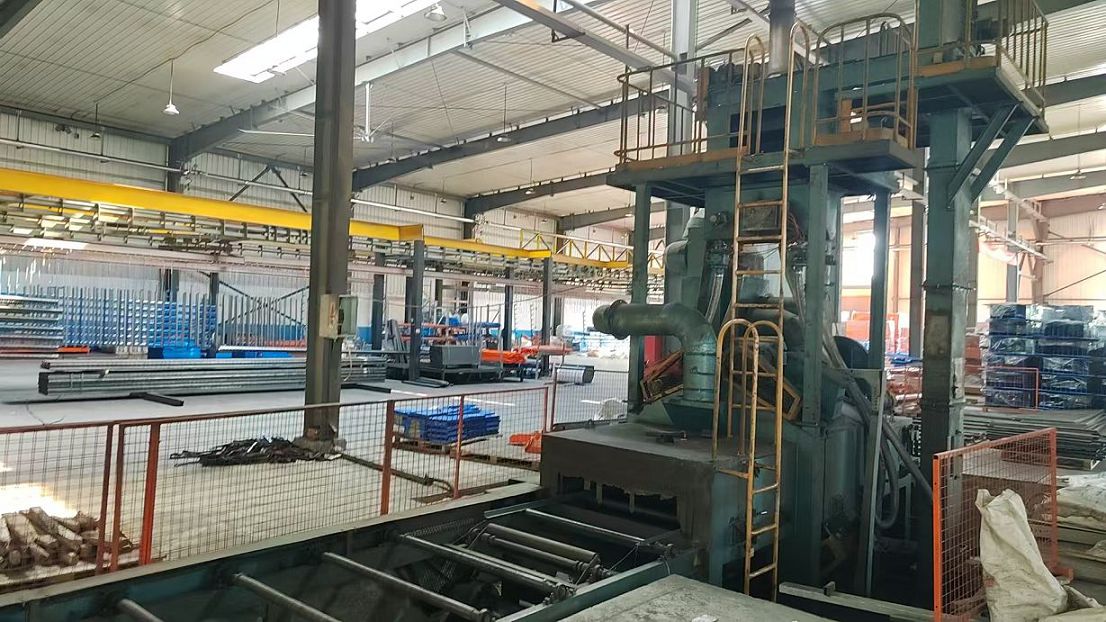
Procuring heavy-duty metal racking systems from China offers distinct supply chain advantages. Our integration with regional steel processing clusters provides a stable and cost-efficient raw material base. Sichuan province, as a key logistics corridor connecting Southwest China, provides access to primary steel manufacturers, allowing us to source certified structural steel (such as Q235B and Q355B profiles) with minimum market price fluctuations.
By utilizing a network of over 650 supply chain partners, CoreStorage coordinates component manufacturing, surface finishes, and locking accessories. This network reduces lead times for complex custom systems. Furthermore, Chengdu's logistics infrastructure, including the Chengdu-Europe Express Rail Link, provides direct land transport routes to Eastern Europe and the Middle East, offering a dependable alternative to maritime freight during global shipping challenges.
This logistics flexibility, combined with regional production capacity, minimizes overall acquisition costs for project buyers. OEM partners can secure large-scale fabrication volumes with consistent chemical and physical material properties, avoiding project delays common in localized supply chains.
Industrial metal storage systems are transitioning from static frames to dynamic, integrated platforms. Our R&D team targets innovations that increase load density, simplify field assembly, and lower structural weight.
Using Finite Element Analysis (FEA) software, our engineers simulate stress points on load-bearing profiles under dynamic configurations, including seismic loads. This structural analysis allows us to design upright shapes that optimize safety factors while using material efficiently, reducing raw steel consumption and lowering shipping costs.
Additionally, we design our shelving systems for compatibility with automated guided vehicles (AGVs) and autonomous mobile robots (AMRs). Integrated sensor slots, level tolerance designs, and high-quality paint finishes ensure that automated scanners and picking robots operate without interference from physical storage components.
Metal shelving must perform across diverse climates, warehouse settings, and commercial facilities:
Engineered to support heavy engine blocks and heavy steel tooling components. Integration of dynamic gravity-flow channels enables First-In, First-Out (FIFO) material supply directly to production operators.
Specialized steel alloys engineered for sub-zero (-30°C) stability. Protective hot-dip galvanized coatings resist oxidation caused by constant condensation cycles in industrial food warehouses.
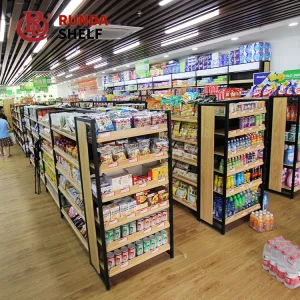
Combining structural steel stability with hybrid materials (including polymer backboards and wood moldings). Flat shelf alignments are optimized to handle weight loads while presenting products clearly to consumers.
Understanding local physical parameters allows us to tailor variables such as baseplate thickness, floor anchor selection, and diagonal bracing. These customized details ensure that our racking systems remain stable, meeting localized operating conditions and design requirements.
Deploying industrial metal storage systems requires alignment with regional structural and industrial engineering standards. Operating without certified, verified structural parameters can lead to building permit rejections, insurance validation issues, or structural failures.
CoreStorage manufacturing processes are engineered to satisfy global structural requirements:
Our global reach is supported by partner engineers in target regions who assist with localized design verification, structural calculations, and permit approvals. This collaboration streamlines installation and sign-off processes for regional operations.
Expert answers to common engineering questions regarding raw materials, load calculations, and OEM fabrication.
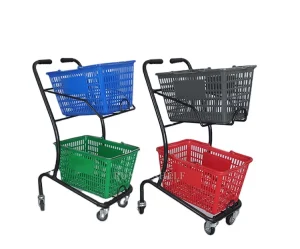
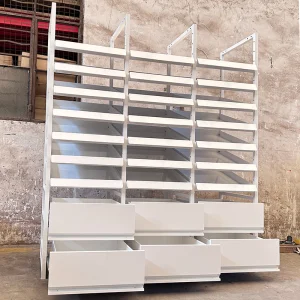
A broad selection of durable retail displays and high-capacity industrial shelving systems engineered for diverse business applications.
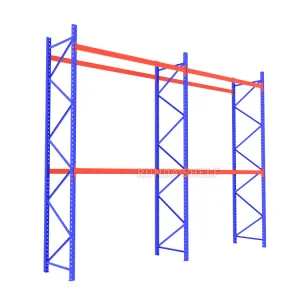
 CoreStorage