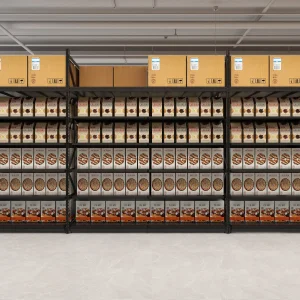
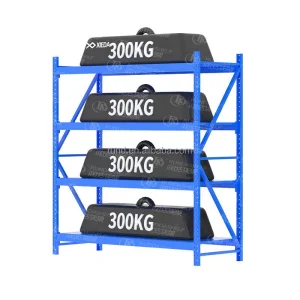
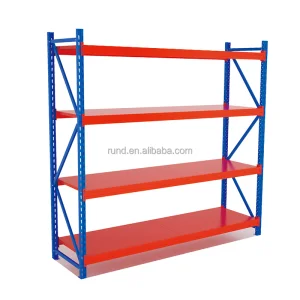
Explore our robust range of certified commercial refrigeration shelving units and specialized logistics equipment engineered for maximum structural reliability.
In modern global logistics and food distribution networks, the demand for highly reliable, sanitary, and structurally sound cold room infrastructure is expanding. CE Certified Walk-In Cooler Shelves represent a fundamental hardware component within commercial walk-in freezers, cold rooms, and clean environments. Because they must function continuously under sub-zero temperatures (ranging from 0°C to -30°C or lower) and high-humidity levels, standard shelving materials are highly prone to oxidation, material embrittlement, and rapid structural deformation.
As a global pioneer in logistics equipment fabrication, Chengdu CoreStorage Logistics Equipment Manufacturing Co., Ltd. addresses these challenges by developing and exporting premium walk-in cooler shelving units that are fully tested and certified under rigorous international safety norms. This whitepaper explores the critical engineering parameters, metallurgical compositions, global sourcing compliance, and manufacturing innovations that set Chengdu CoreStorage apart in the high-demand export market.
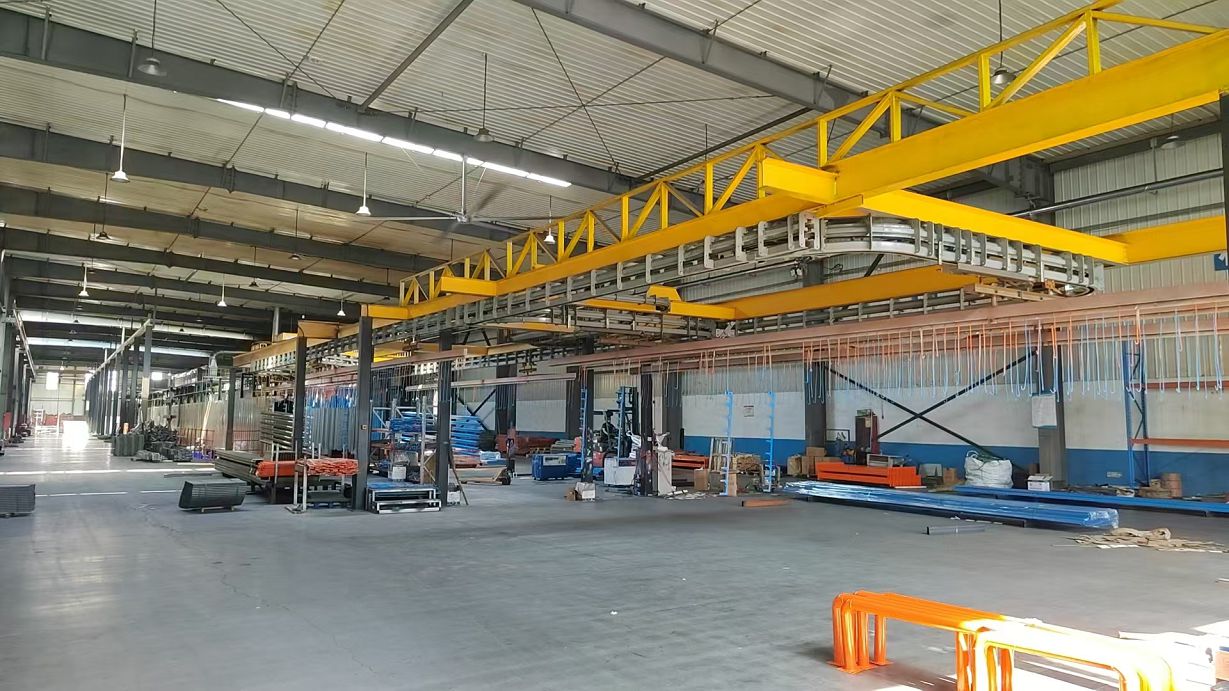
Founded in 2016, Chengdu CoreStorage Logistics Equipment Manufacturing Co., Ltd. operates a state-of-the-art 22,000 m² factory, providing robust production scalability to fulfill high-volume international B2B orders. Generating an annual export revenue of $15,000,000, we bring 6 years of global trade expertise alongside 11 years of specialized industrial rack manufacturing experience.
To ensure maximum load integrity, our quality control procedures strictly adhere to ISO 9001 & CE Structural Safety Standards. We leverage advanced CMM Automated Dimensional & Load Stress Testing protocols to verify that our components can withstand severe environments without fatigue. Our dedicated Quality Department comprises 28 skilled QC inspectors who ensure every production batch meets our zero-defect policy. Operating as an Integrated Manufacturer & Global Trading Hub, our primary export regions include the Middle East, South America, and Eastern Europe. We actively collaborate with 650 supply chain partners to serve diverse client groups, including cold storage operators, wholesale distribution chains, and automotive assembly facilities.
Driven by our proprietary Intelligent Modular Racking Design methodology, our innovation team provides flexible custom options such as corrosion-resistant galvanization, tailored column profiles, and adjustable beam heights. Our robust focus on research and development is led by 18 R&D engineers, who successfully brought 28 new product releases to the market last year.
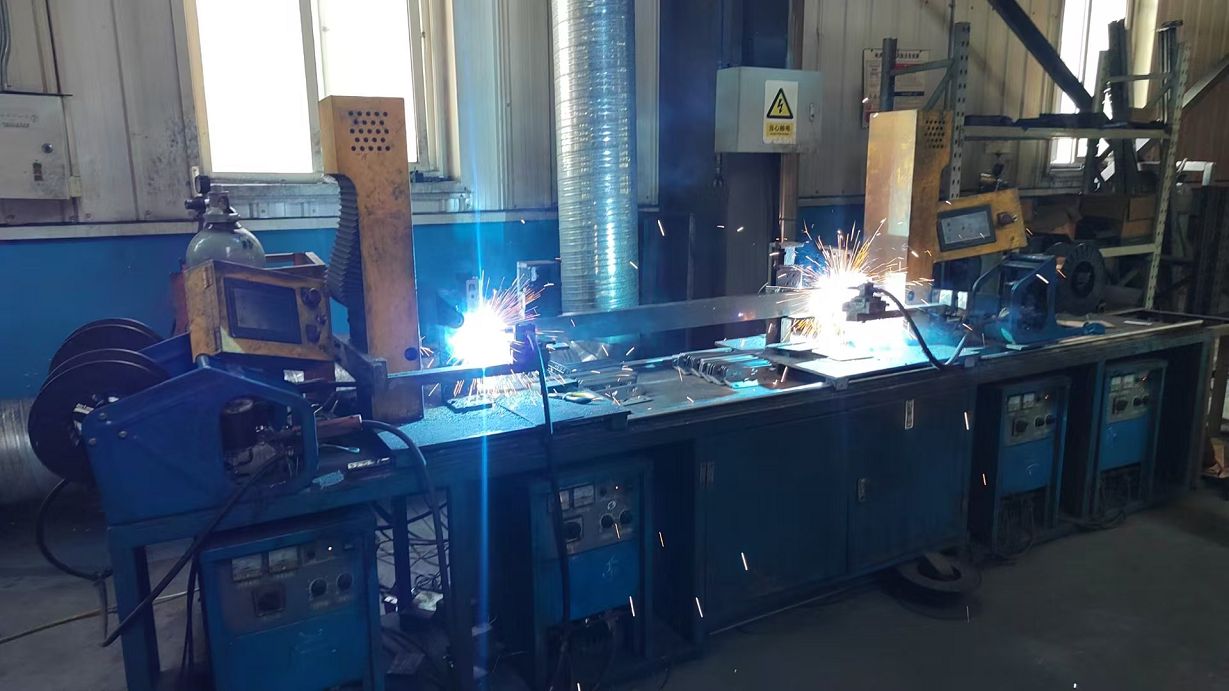
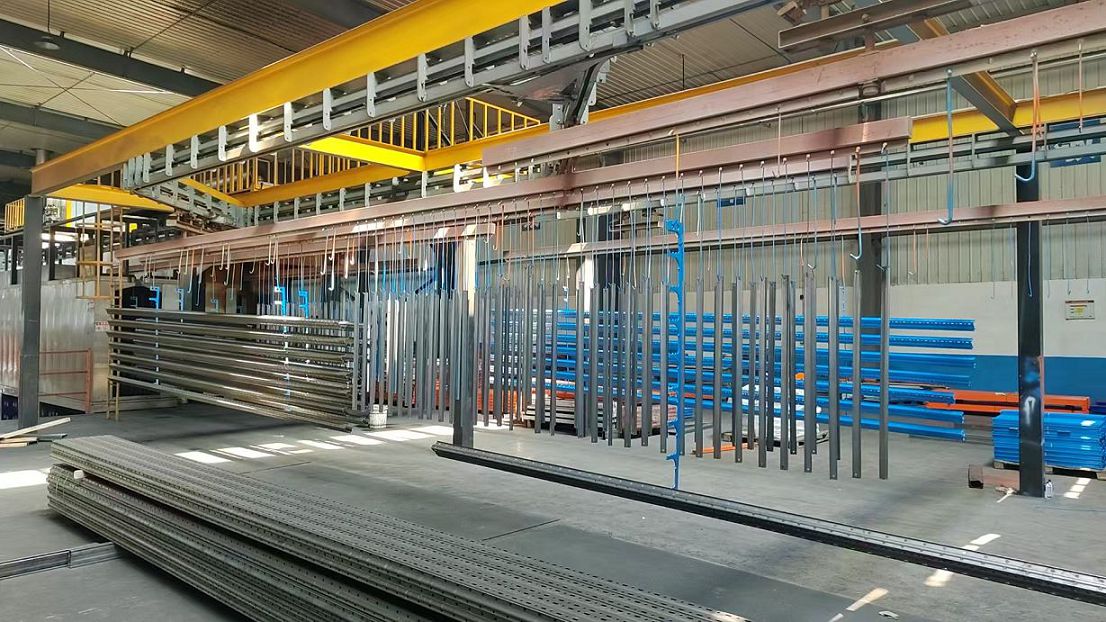
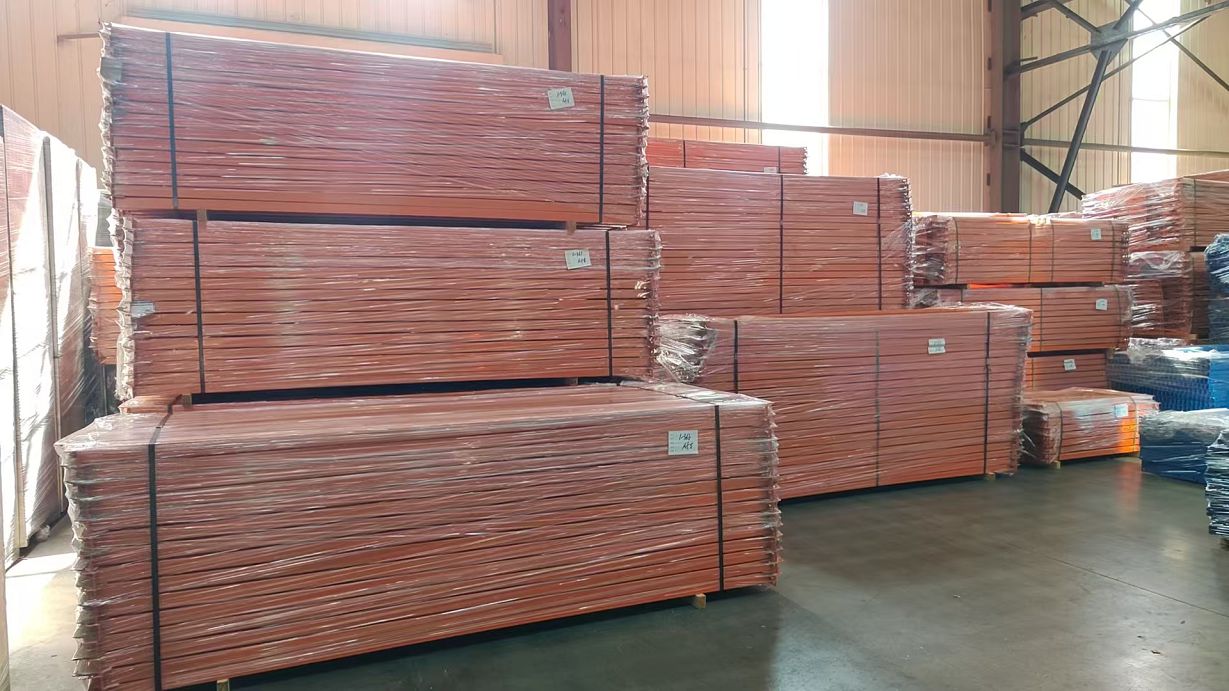
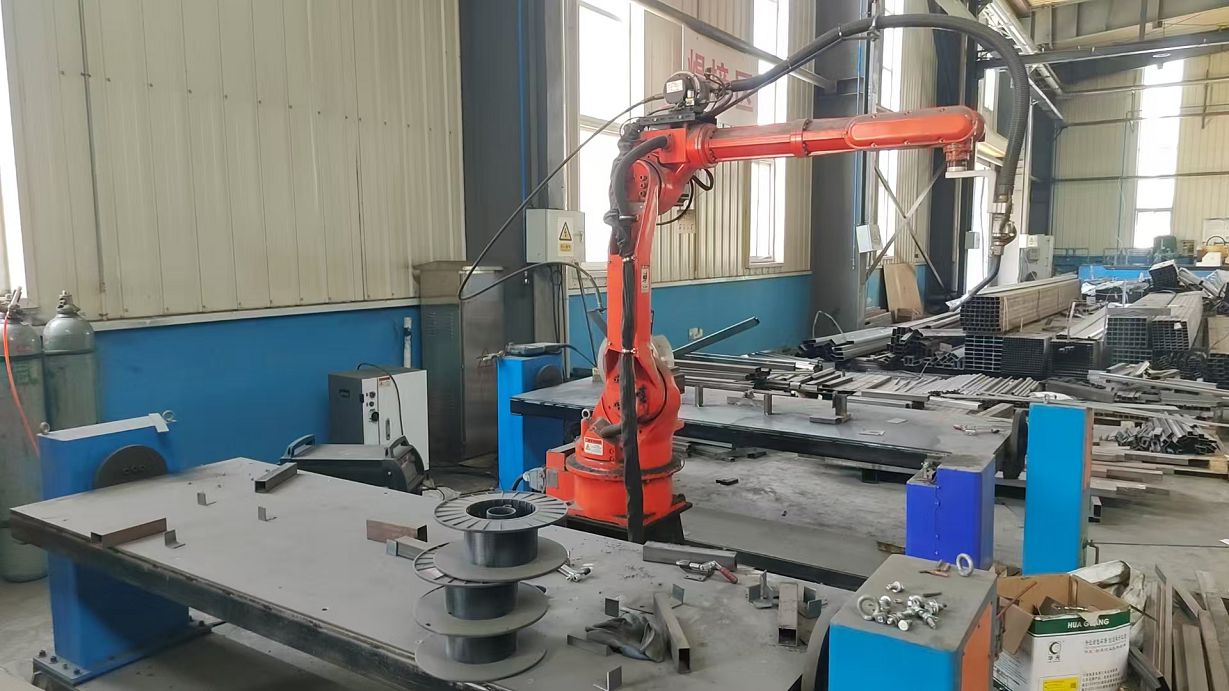
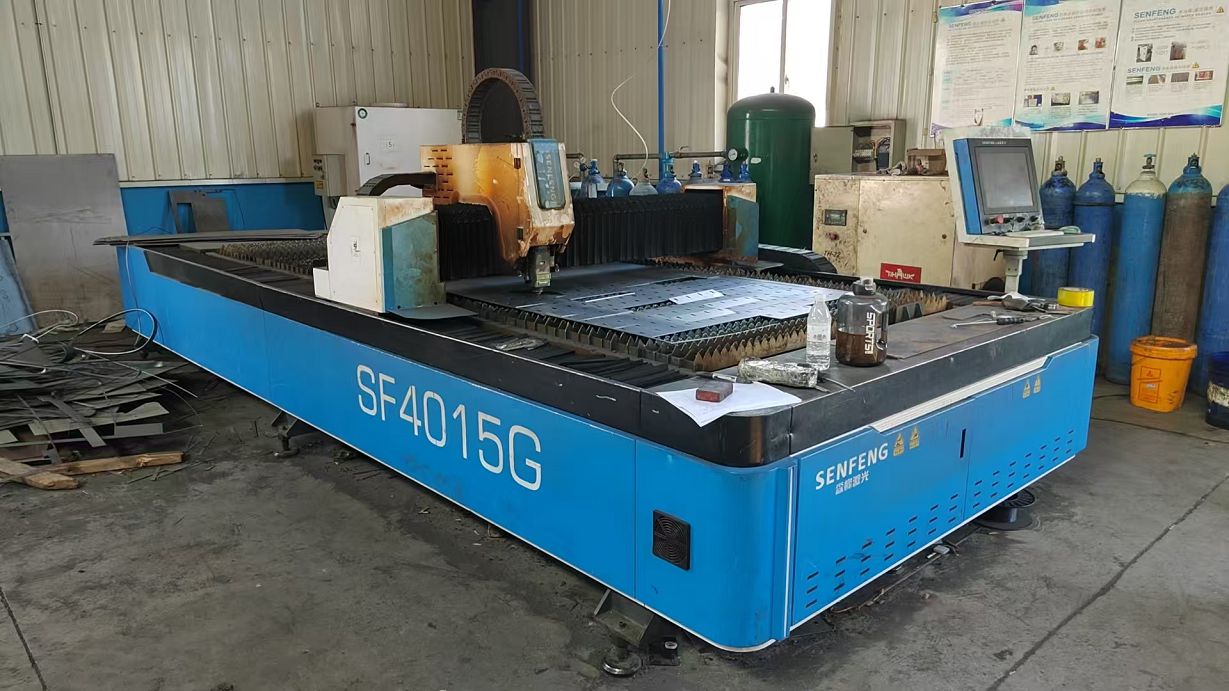
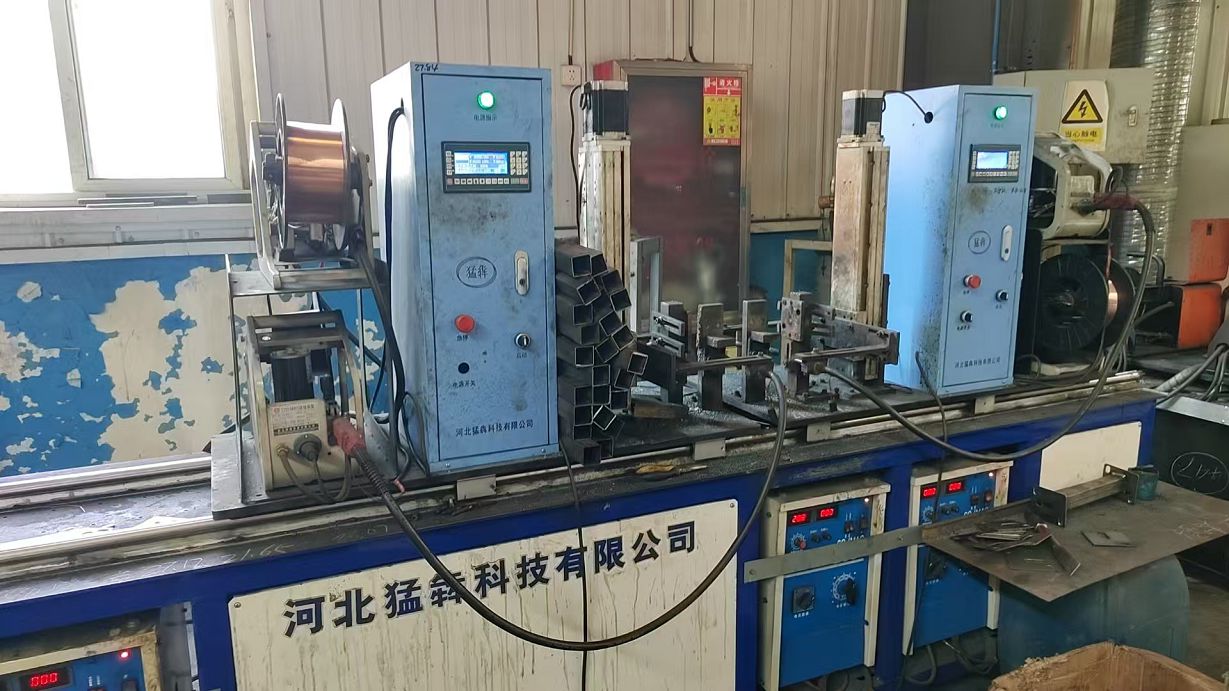
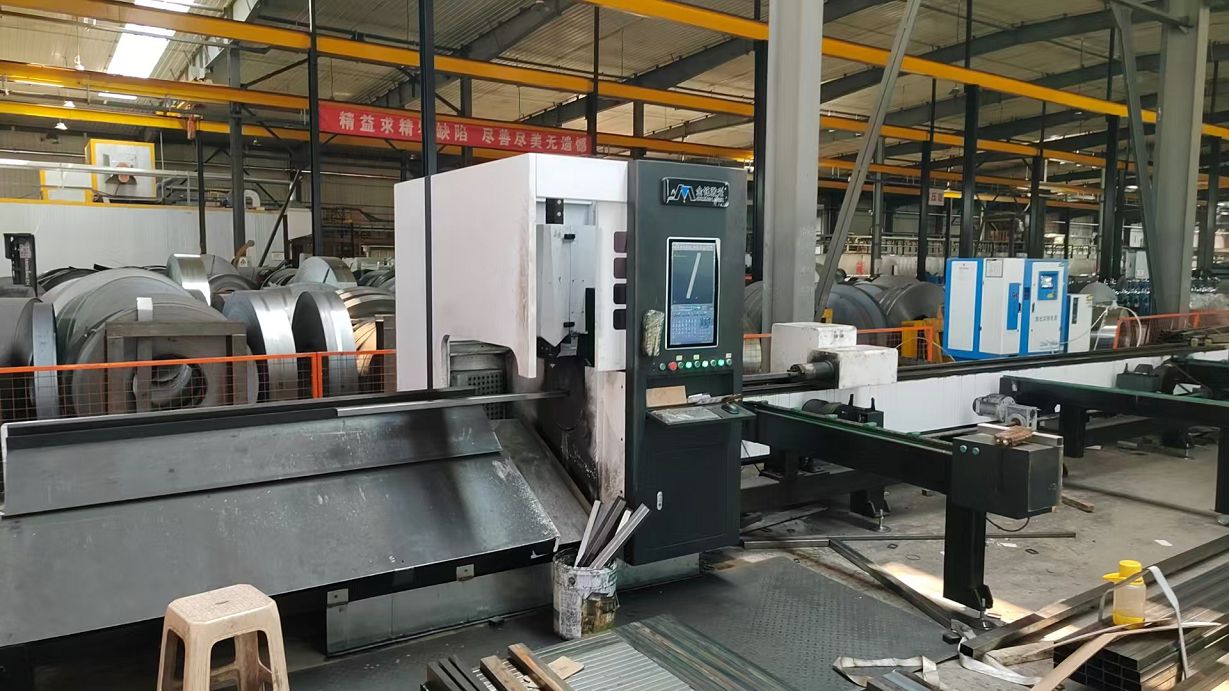
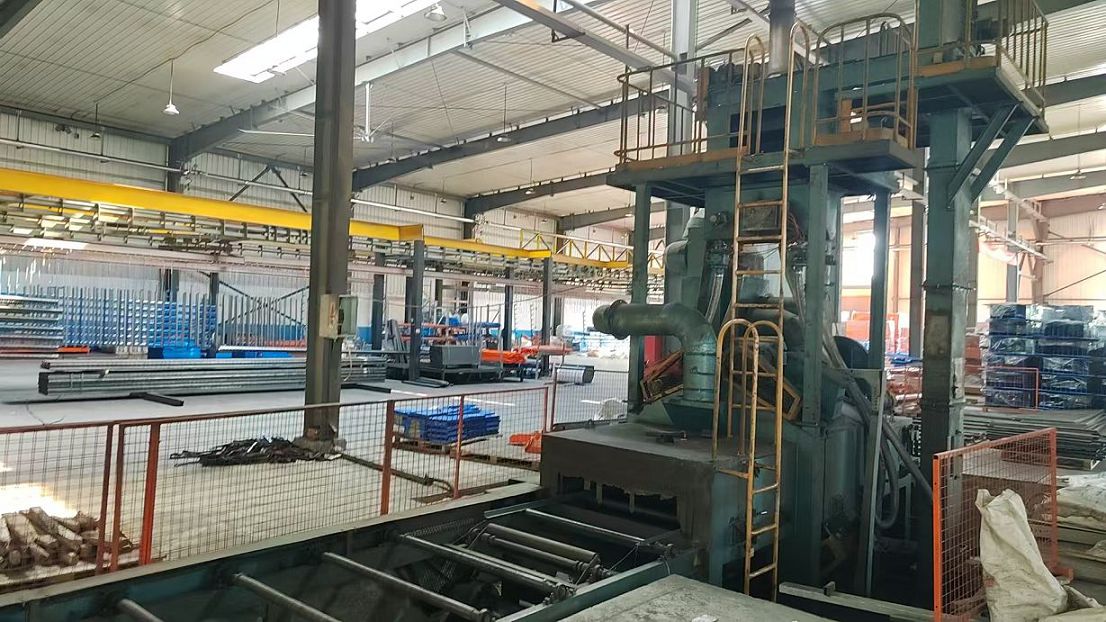
Our fully optimized production workflows combine high-precision machinery with stringent safety audits, guaranteeing exceptional product uniformity and durability for extreme environments.
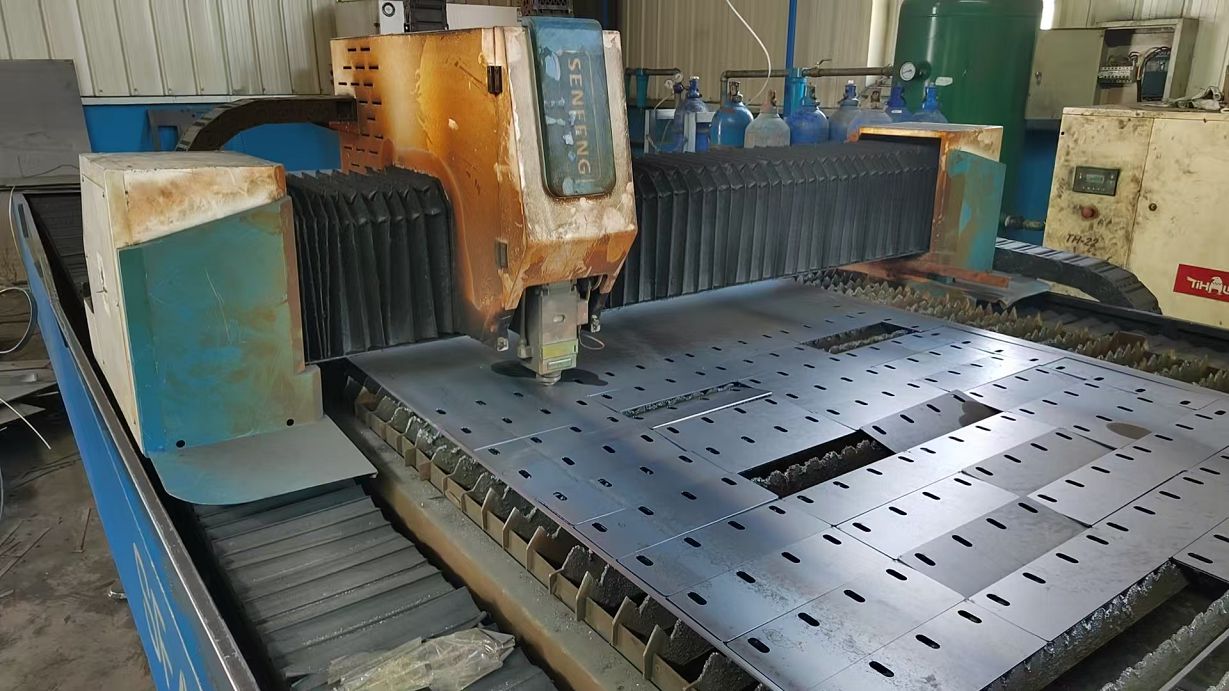
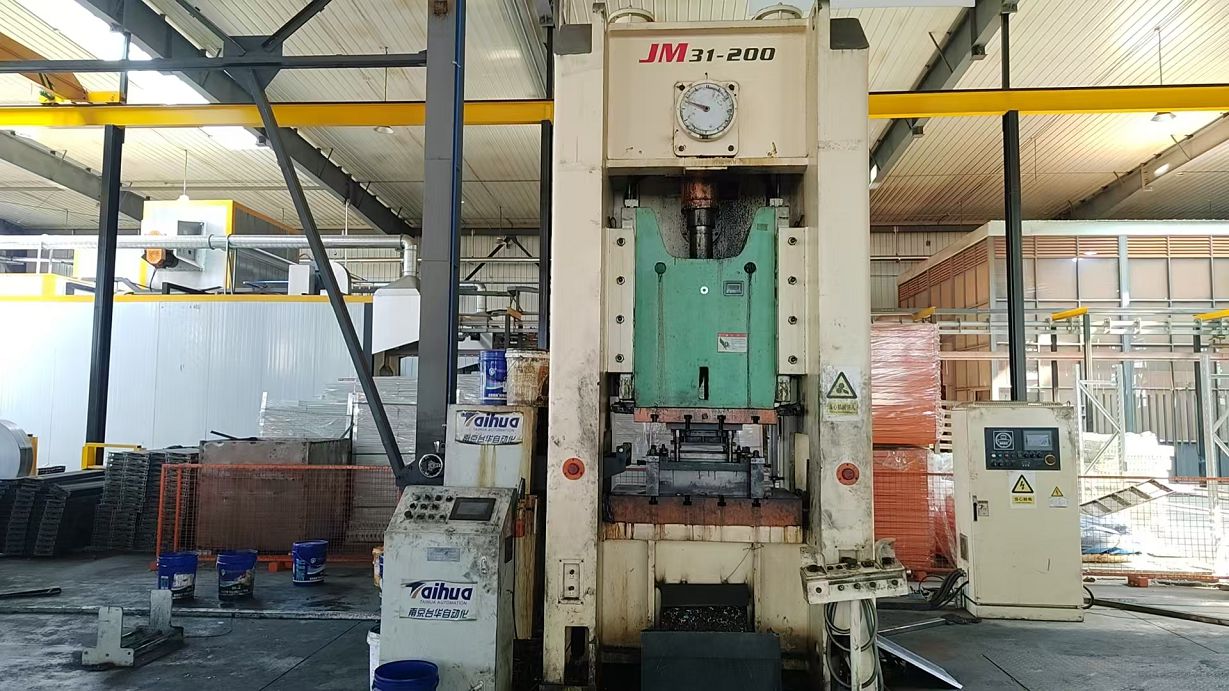
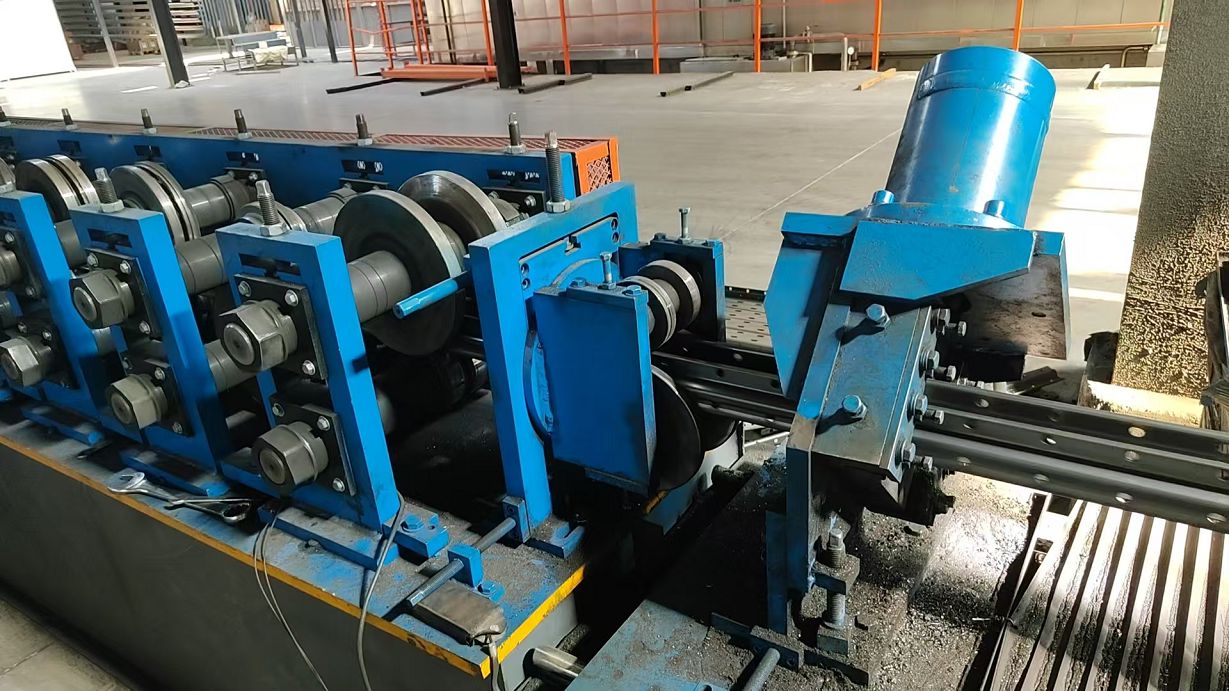
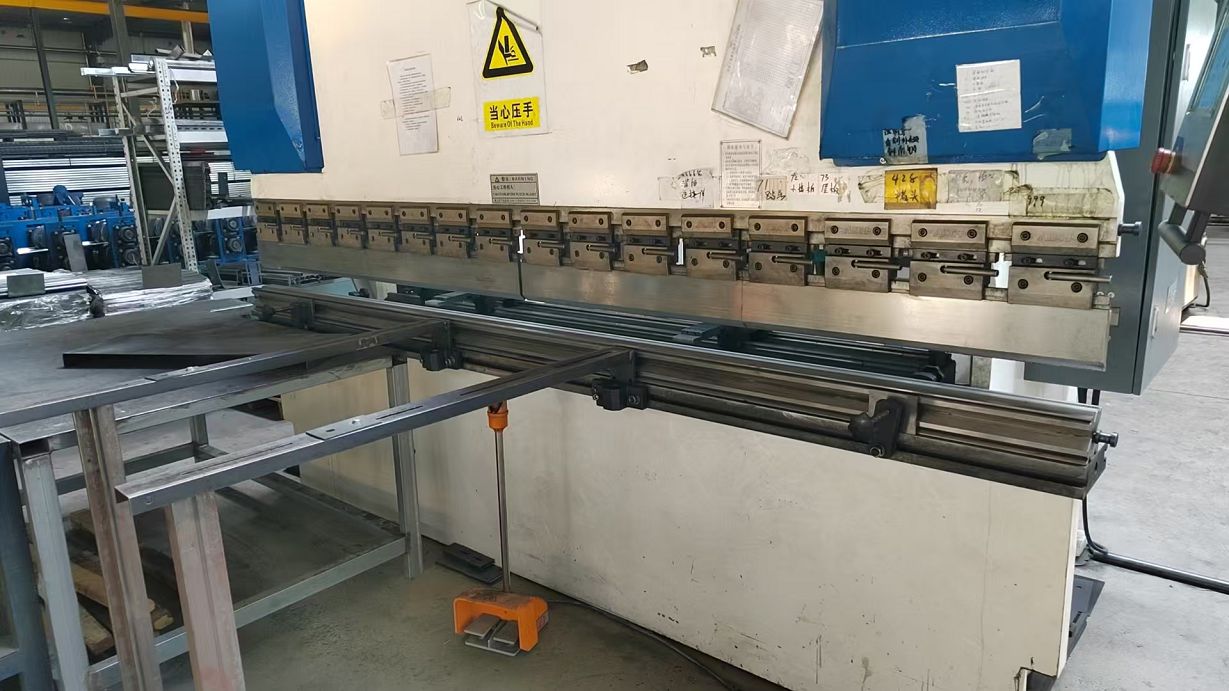
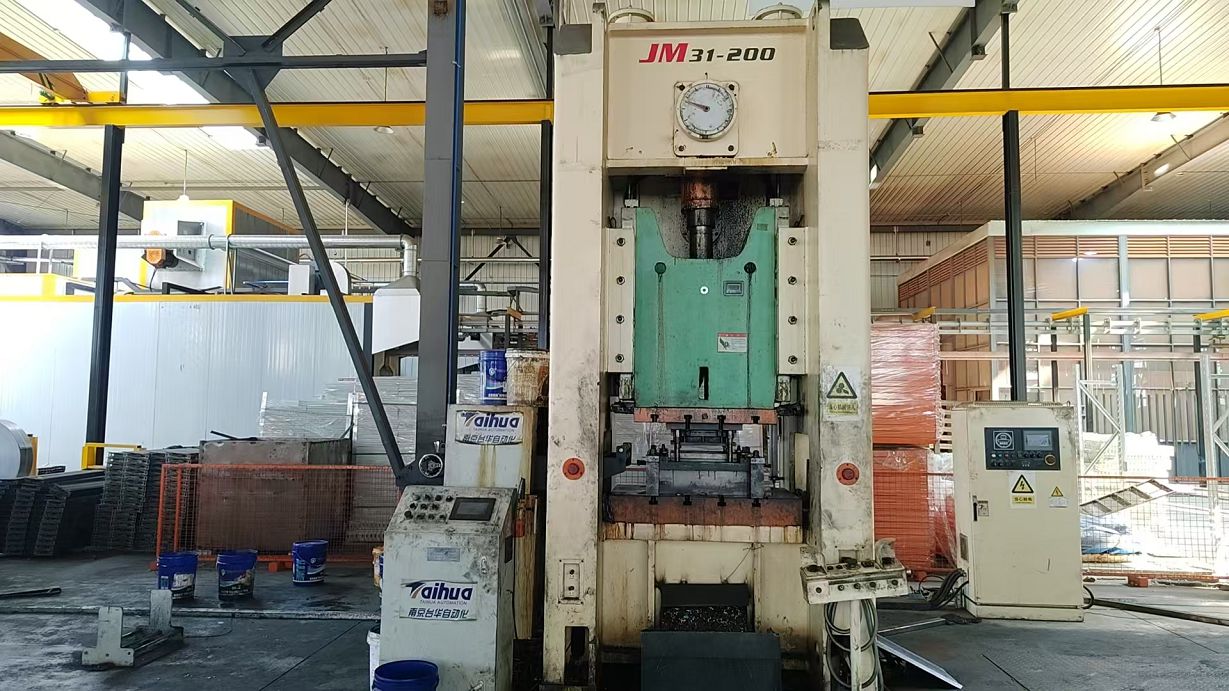
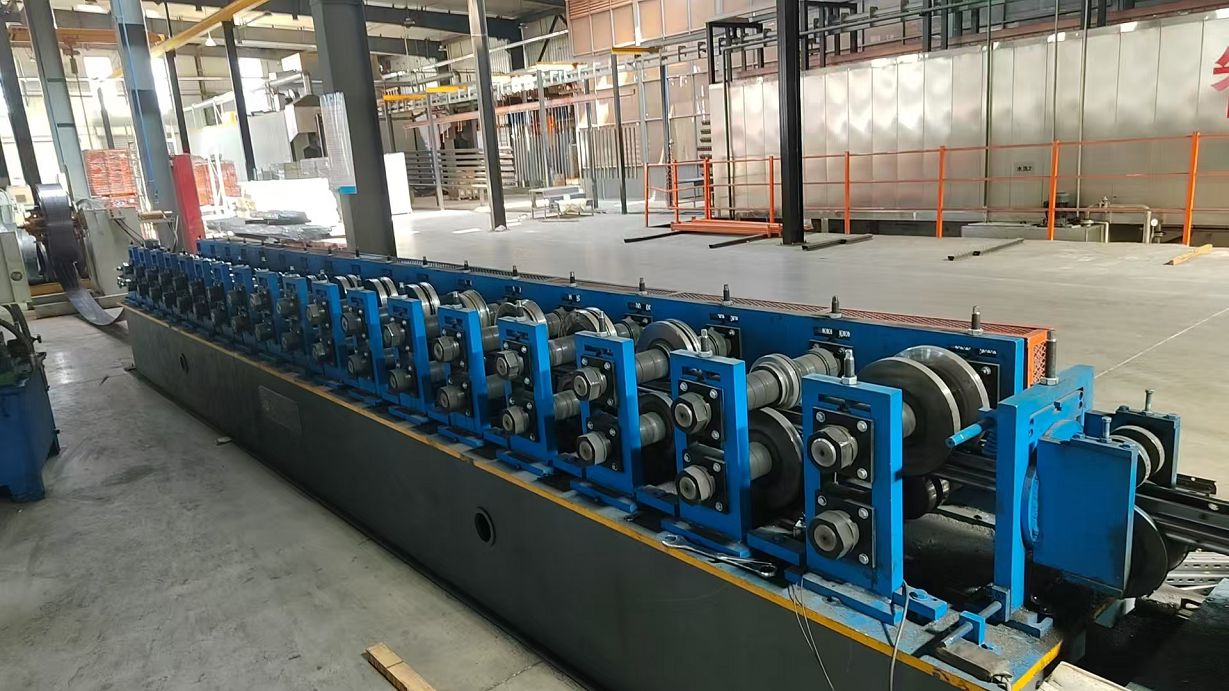
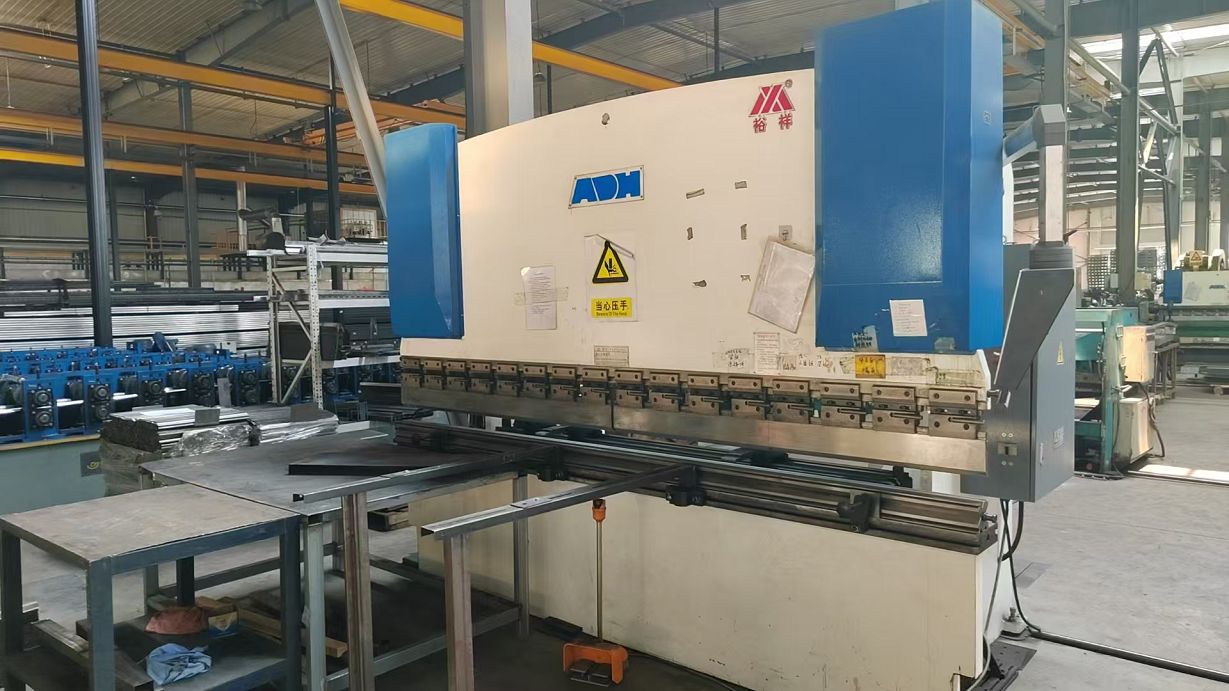
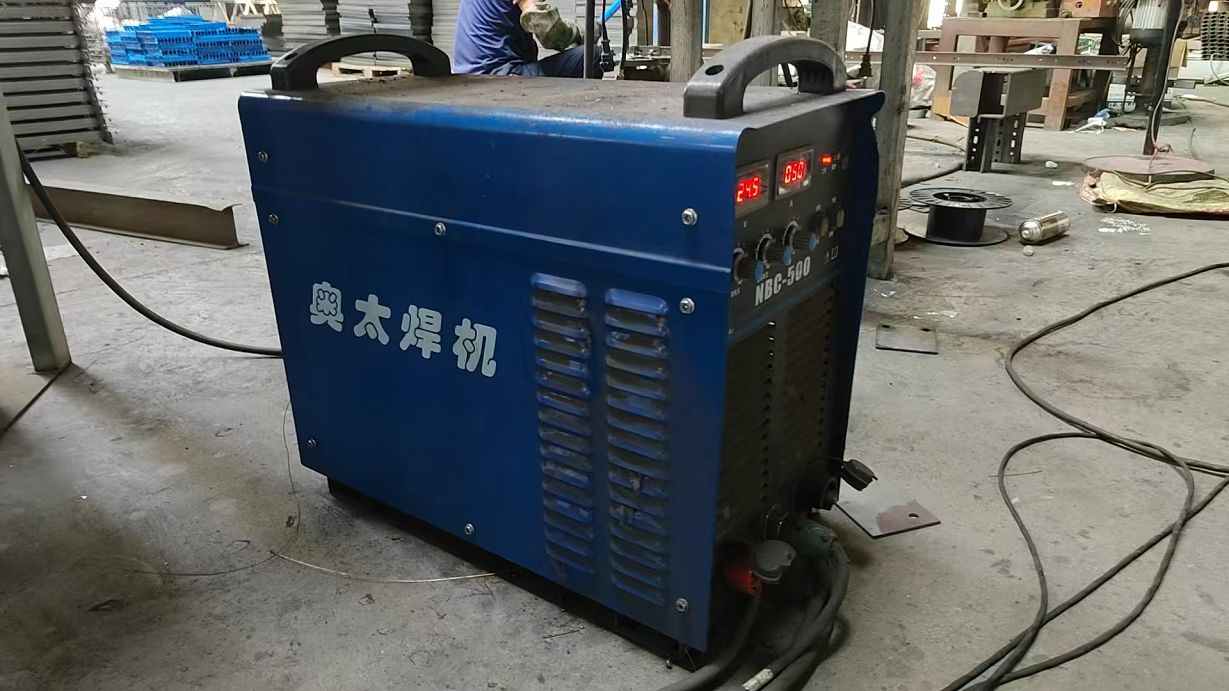
As cold-chain logistics expand globally, multi-facility operations demand high-density storage configurations that minimize cooling volume waste. Walk-in coolers and freezers represent massive energy consumption centers; thus, the optimization of space usage is directly linked to operating margins. Corporate buyers, cold storage developers, and retail procurement departments are prioritizing key structural paradigms:
CE certification for structural storage equipment, such as heavy-duty industrial shelving and cold room racks, guarantees compliance with key European structural safety codes (including EN 15512 and EN 15620). At Chengdu CoreStorage, the certification process is backed by strict verification steps:
Our structural analysis relies on Finite Element Analysis (FEA) to simulate buckling modes and load-deformation limits under sub-zero conditions. Following production, our CMM Automated Dimensional & Load Stress Testing apparatus performs physical destructive and non-destructive stress tests. This testing guarantees that our rated safe working loads (SWL) are accompanied by a safety factor exceeding 1.4, preventing catastrophic structural collapse.
Additionally, all primary steel substrates are monitored for chemical composition. We select high-tensile carbon steel that retains its mechanical ductility at -30°C, avoiding cold embrittlement where conventional steel grades lose impact strength and fracture under dynamic fork-truck loading.
When specifying walk-in cooler shelves for food preservation or chemical/pharmaceutical storage, choosing the correct material coating system is critical to prolonging service life:
The cold-chain logistics market is transitioning toward automation. Chengdu CoreStorage’s R&D team is developing smart-shelving solutions that interface with digital warehouses. Our upcoming technology roadmap focuses on:
In-depth technical answers addressing load capacities, material compliance, and export logistics for global B2B procurement managers.
CE certification ensures the structural components comply with standard European machinery and structural codes (e.g., EN 15512, EN 15620). It guarantees the shelving has undergone strict mechanical stress, load capacity, and material integrity testing to prevent structural collapse under low-temperature conditions, minimizing liability risks for importing businesses.
We manage product quality through our dedicated Quality Department of 28 QC inspectors. We utilize coordinate measuring machines (CMM) for automated dimensional verification and load-stress testing. Every production step—from automated profile pressing to welding—undergoes strict batch audits to maintain zero-defect standards before packing.
For extreme humidity, we highly recommend 304 or 316 Stainless Steel wire shelving, or our advanced hot-dip galvanized coating. For general commercial applications, our multi-stage electrostatic epoxy powder coating over a rust-resistant zinc primer offers a durable, chemical-resistant finish at an affordable price.
Yes, customizable modular designs are a core engineering strength. Our R&D team of 18 engineers can customize column profiles, beam dimensions, wire spacing, and overall dimensions to match your cold room layout and pallet sizes.
Standard production lead times range from 20 to 30 days, depending on custom requirements and order volume. Backed by 650 supply chain partners, we ensure reliable material sourcing and timely production scheduling.
Sub-zero temperatures can cause standard carbon steels to undergo a ductile-to-brittle transition, which increases the risk of structural cracking under heavy impact. Chengdu CoreStorage utilizes impact-tested steel grades that maintain high ductility in cold temperatures, ensuring safe structural load capacities.
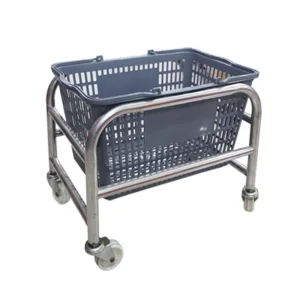
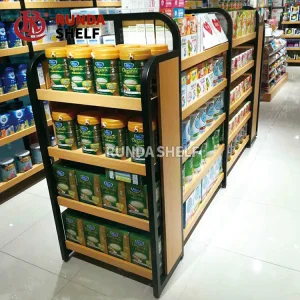
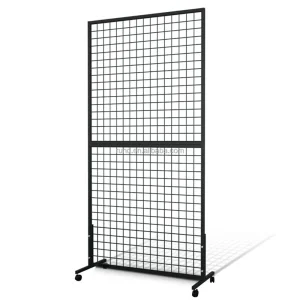
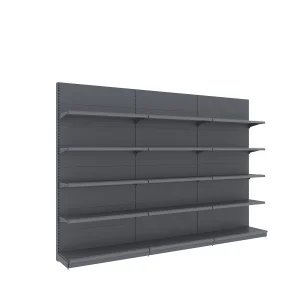
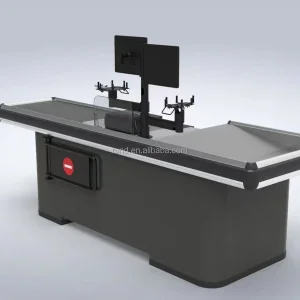
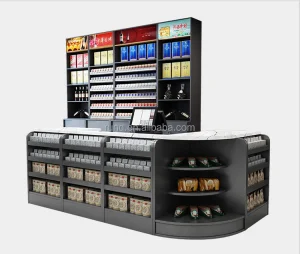
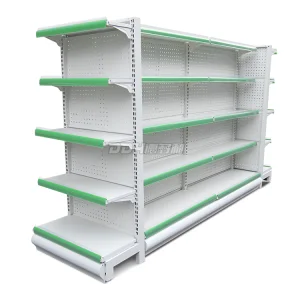
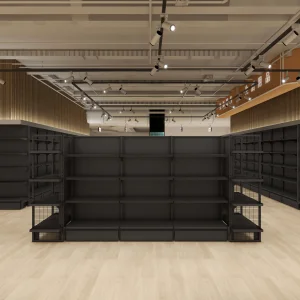
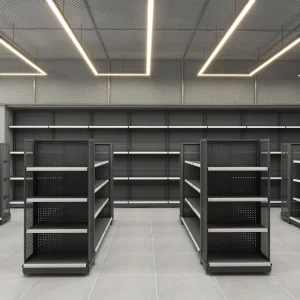
Explore our full selection of heavy-duty racks, supermarket gondolas, and checkout equipment designed to streamline storage and retail floor operations.
 CoreStorage