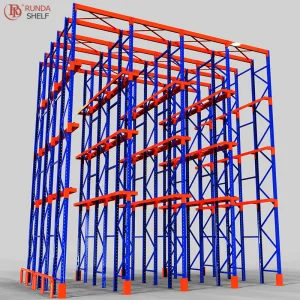
In the modern logistics infrastructure landscape, deploying racking systems outdoors requires a highly specialized approach to engineering and materials science. Unlike indoor warehouse storage environments, outdoor setups are directly exposed to unrelenting environmental stresses, including ultraviolet (UV) radiation, severe humidity, fluctuating thermal cycles, seismic events, and wind load pressures. Procurement directors and supply chain managers cannot treat outdoor racks as standard warehouse shelves; they require structural systems engineered to strict global standards to ensure long-term physical integrity and site safety.
For modern multi-national corporations, procuring outdoor storage solutions hinges on satisfying three core prerequisites: CE Structural Certification, optimized Total Cost of Ownership (TCO), and verifiable material durability. Without rigorous compliance with international codes like EN 1090-1 (Execution of steel structures and aluminium structures) and EN 1993 (Eurocode 3: Design of steel structures), deploying industrial structures in European and highly regulated global markets is a substantial legal and physical risk. The primary challenge lies in bridging the gap between structural longevity and project budgets, a target that can only be reached through advanced manufacturing and intelligent engineering design.
Every outdoor rack must undergo Finite Element Analysis (FEA) to verify it can withstand winds exceeding 120 km/h and comply with local seismic zone acceleration requirements, safeguarding inventory and personnel.
Hot-dip galvanizing conforming to ISO 1461, combined with architectural-grade UV-stable thermosetting powder coating, guarantees a service life exceeding 15 years in C4 (industrial/coastal) environments.
Full adherence to Eurocode 3 (EN 1993) and cold-formed steel specifications guarantees structural safety under load stress, validated by comprehensive CMM testing and quality assurance checks.
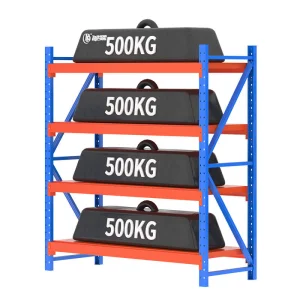
Industrial sectors globally require bespoke outdoor rack configurations. For example, heavy manufacturing and construction materials distributors utilize open-air cantilever systems to store steel billets, pipes, and timber. These items demand maximum load carrying capacities alongside immediate crane or forklift accessibility. In utility and telecommunications infrastructure, outdoor galvanized cable reel racks and transformer stands must withstand high localized stresses while maintaining structural integrity in extreme weather.
To support global supply chains, our structural engineers design systems optimized for specific industry footprints:
| Application Sector | Primary Structural Choice | Corrosion Protection Method | Key Safety Standards Met |
|---|---|---|---|
| Cold Storage & Deep Freeze | Drive-In / Dynamic Push-Back Racks | ISO 1461 Hot-Dip Galvanizing (Zinc thickness > 85μm) | EN 15635, CE Structural Certification |
| Heavy Machinery & Pipe Storage | Heavy-Duty Structural Cantilever Racks | Zinc-Rich Primer + UV-Resistant Polyester Topcoat | EN 1993-1-3 (Eurocode Structural Steel) |
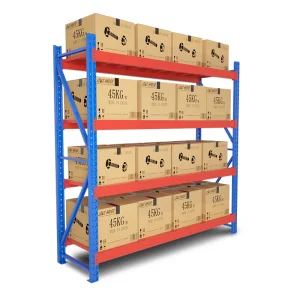
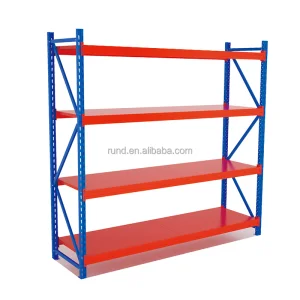
| Retail Yards & Building Material Centers | Multi-Level Heavy Pallet Racking | Duplex Coating (Galvanized + Powder Coated) | ISO 9001, CE Certified Steel Structures |
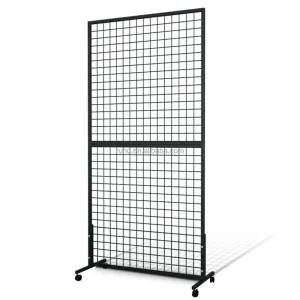
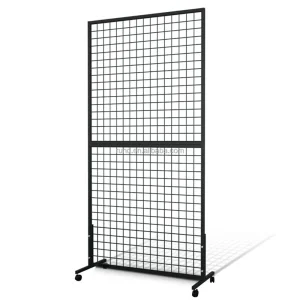
| Telecom & Utility Depots | Movable Gridwall & Specialized Cable Reel Racks | Electro-galvanizing with Passivation | ANSI/RMI MH16.1 Compliance |
Founded in 2016, Chengdu CoreStorage Logistics Equipment Manufacturing Co., Ltd. has established itself as an industry leader in heavy-duty logistics storage design and manufacturing. Spanning a modern production footprint of 22,000 m², our state-of-the-art facilities yield an annual export revenue of over $15,000,000. We integrate 6 years of global trading expertise with 11 years of highly focused industrial rack manufacturing experience, delivering dependable solutions to demanding industries worldwide.
Our quality control frameworks conform to ISO 9001 & CE Structural Safety Standards. By utilizing advanced CMM Automated Dimensional & Load Stress Testing, we ensure that every column profile, beam connection, and base plate meets structural load requirements. Our dedicated Quality Department, staffed by 28 skilled QC inspectors, monitors production from raw steel intake to final packaging. Operating as an Integrated Manufacturer & Global Trading Hub, we actively serve markets in the Middle East, South America, and Eastern Europe, collaborating with over 650 supply chain partners to support cold storage operators, wholesale distribution networks, and automotive assembly plants.
Innovation remains the core driver of our growth. Backed by 18 dedicated R&D engineers, our product development team released 28 new modular product designs last year alone, focusing on advanced features like corrosion-resistant galvanization, tailored column configurations, and tool-free adjustable beam connectors.
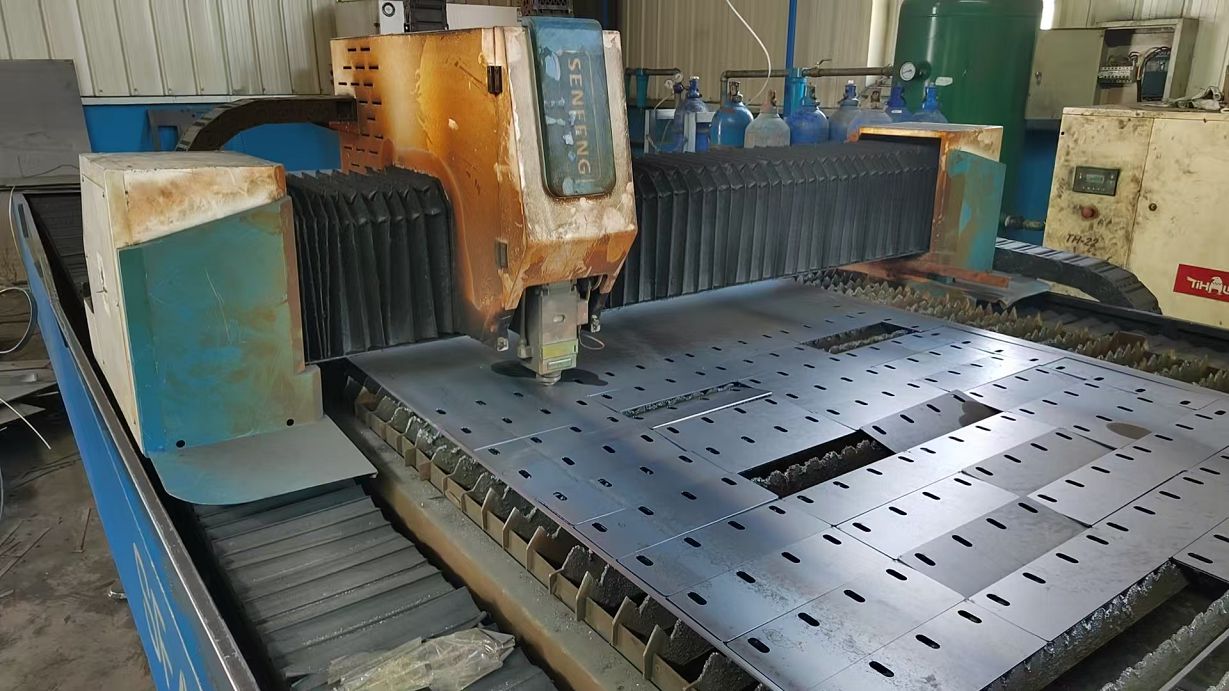
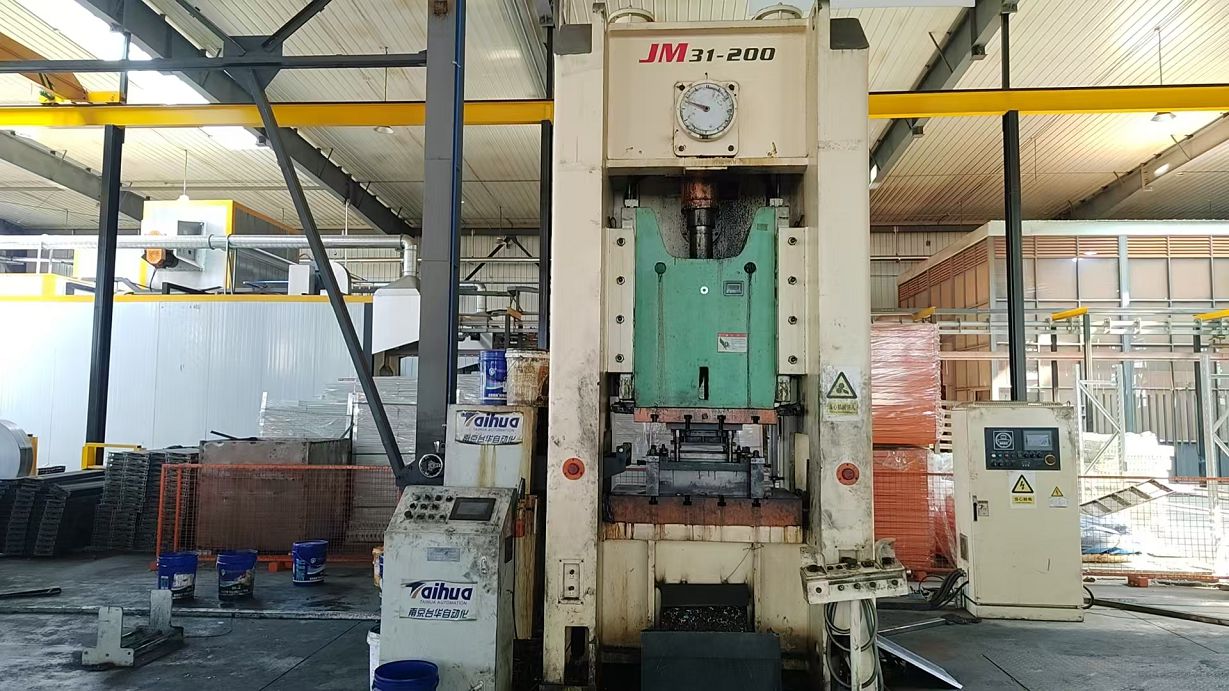
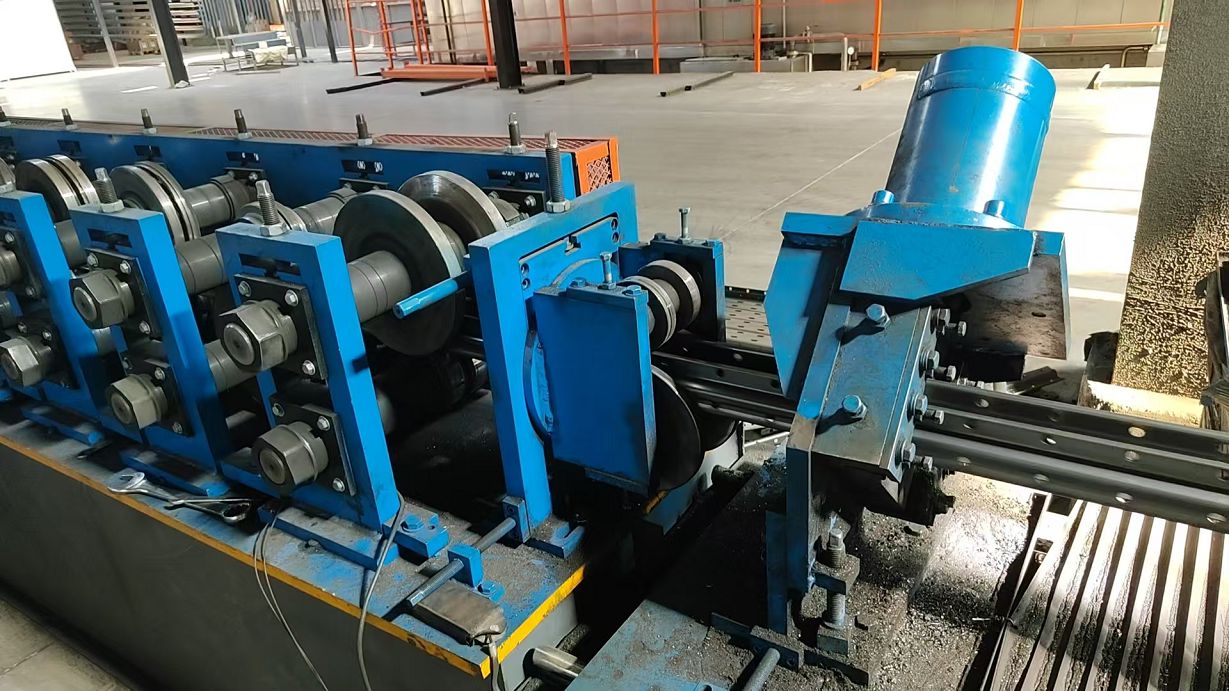
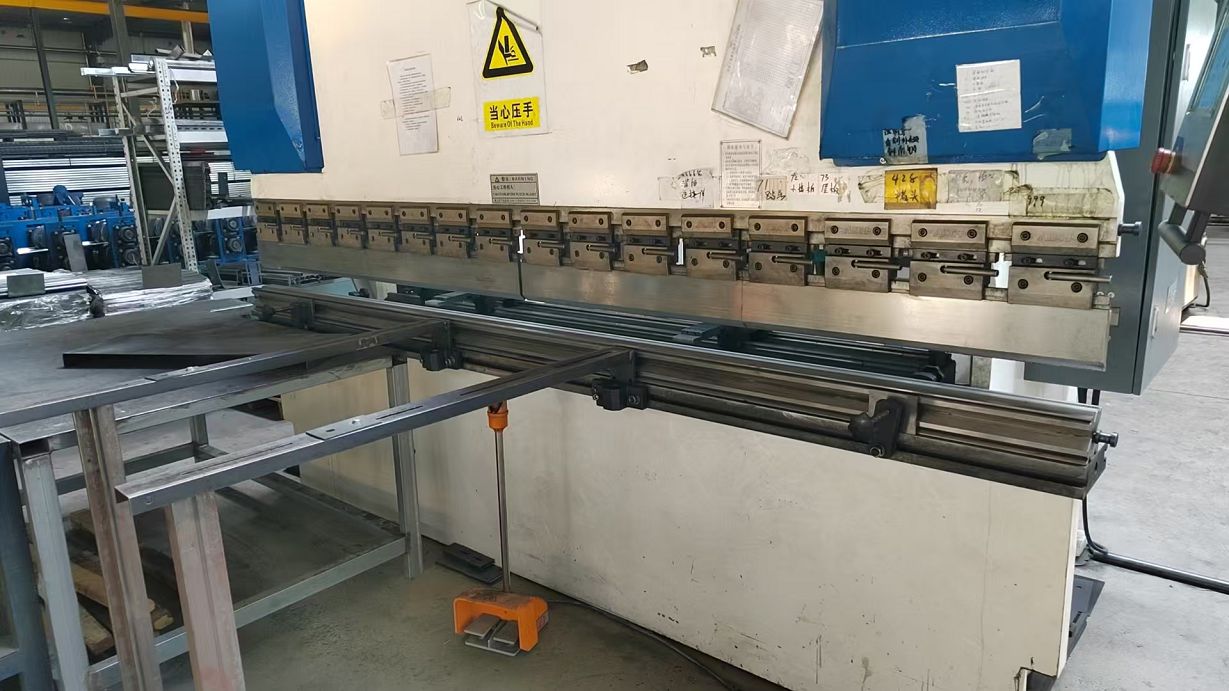
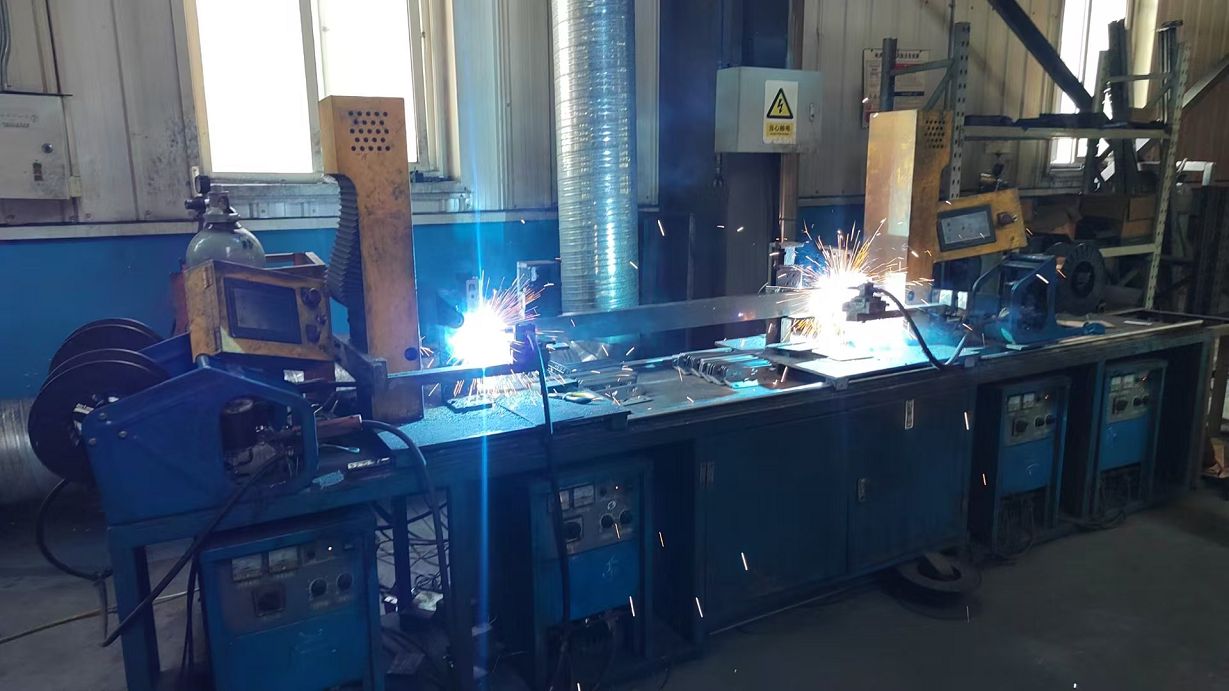
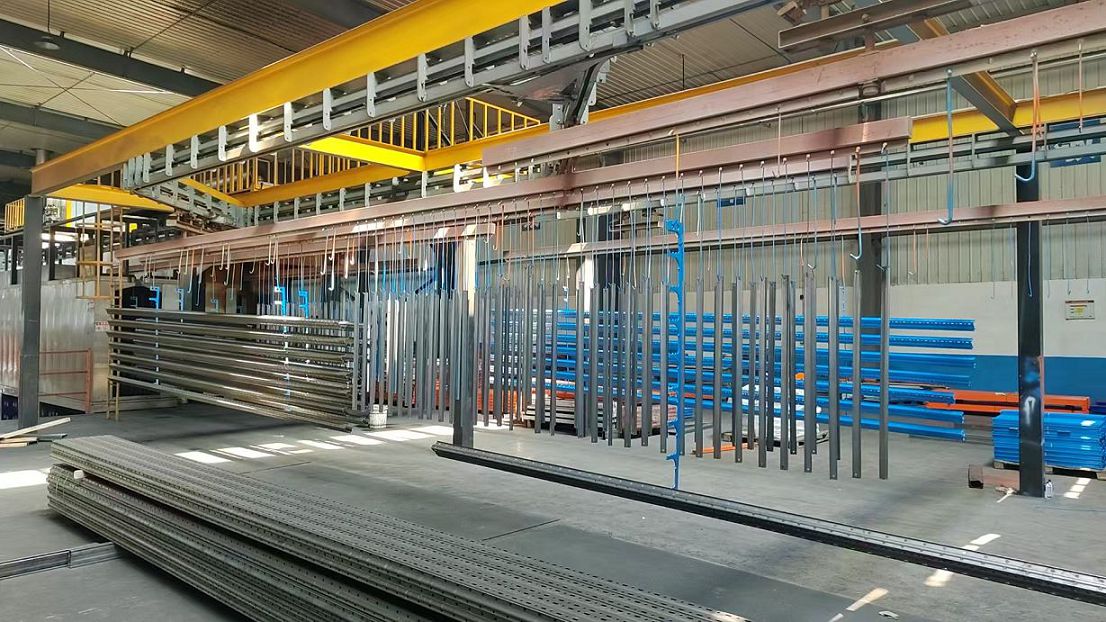
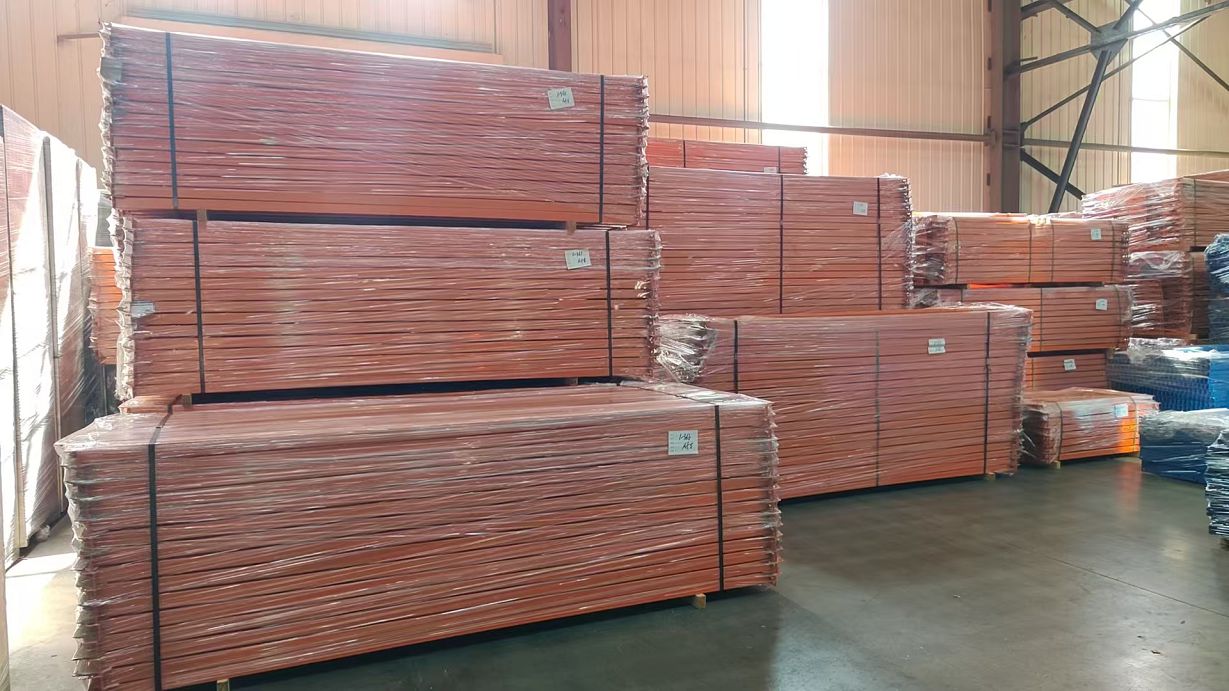
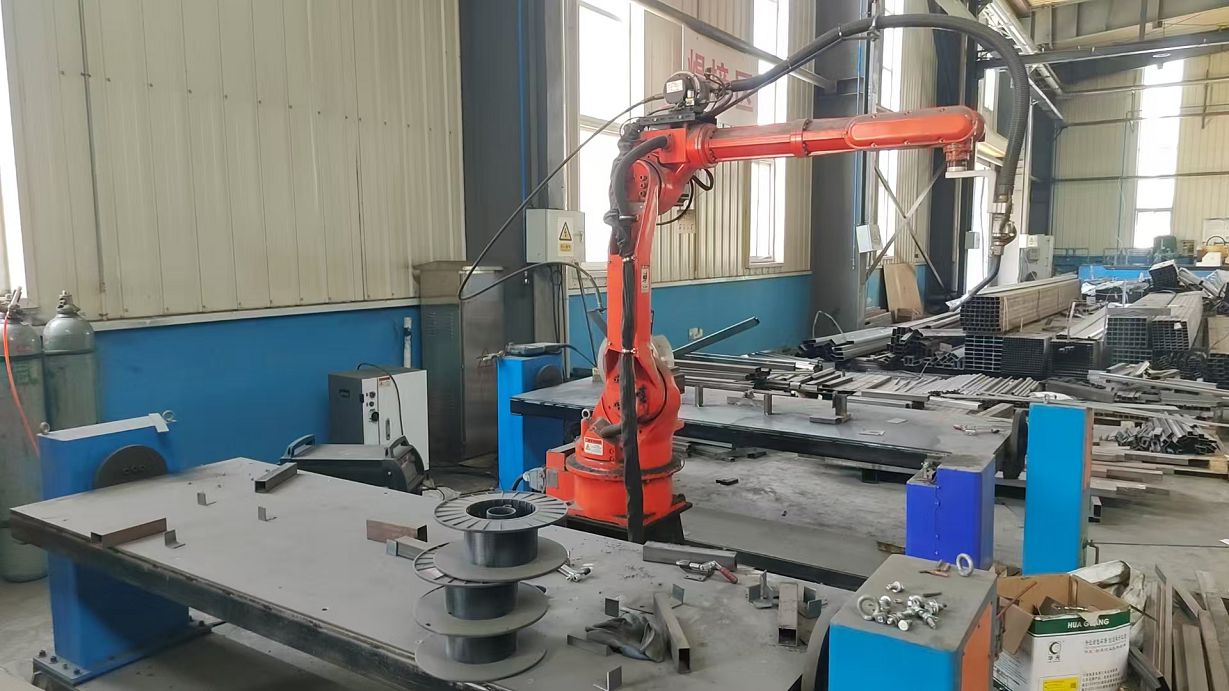
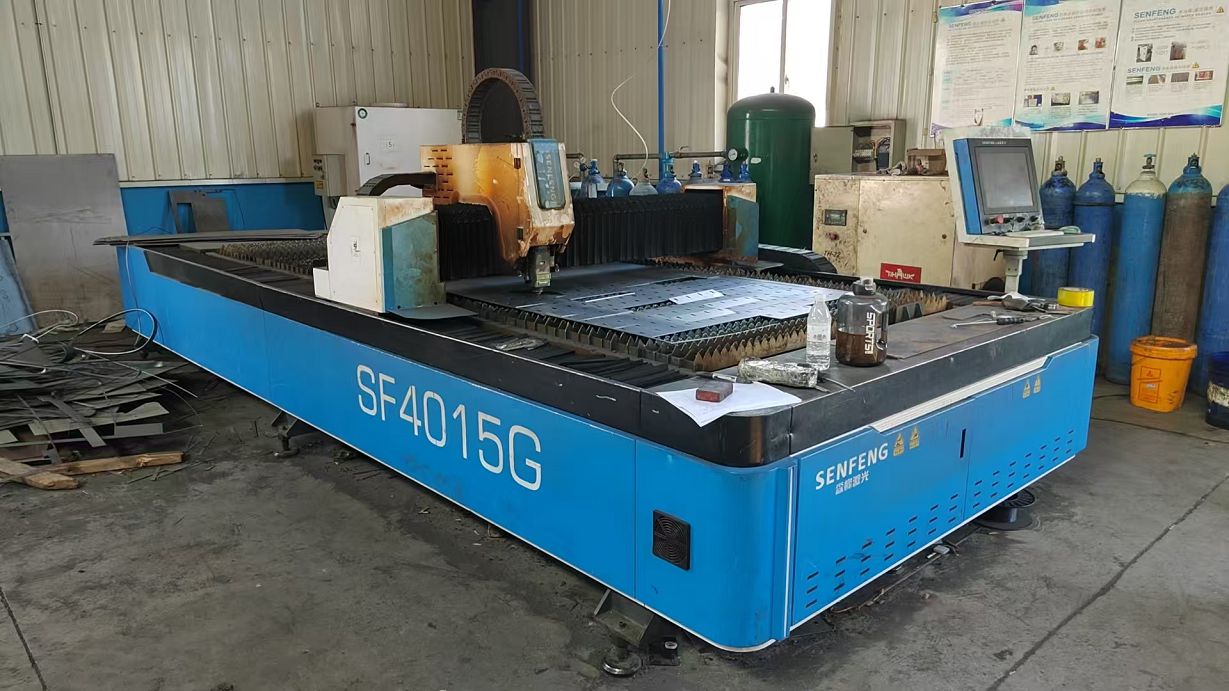
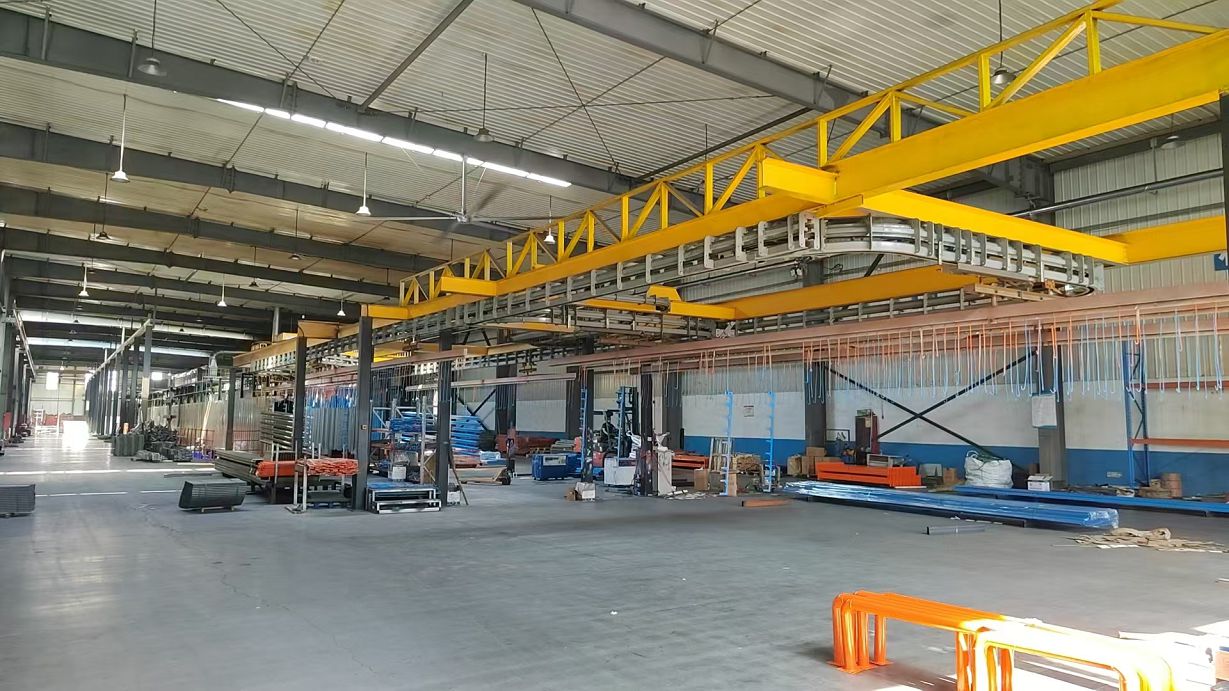
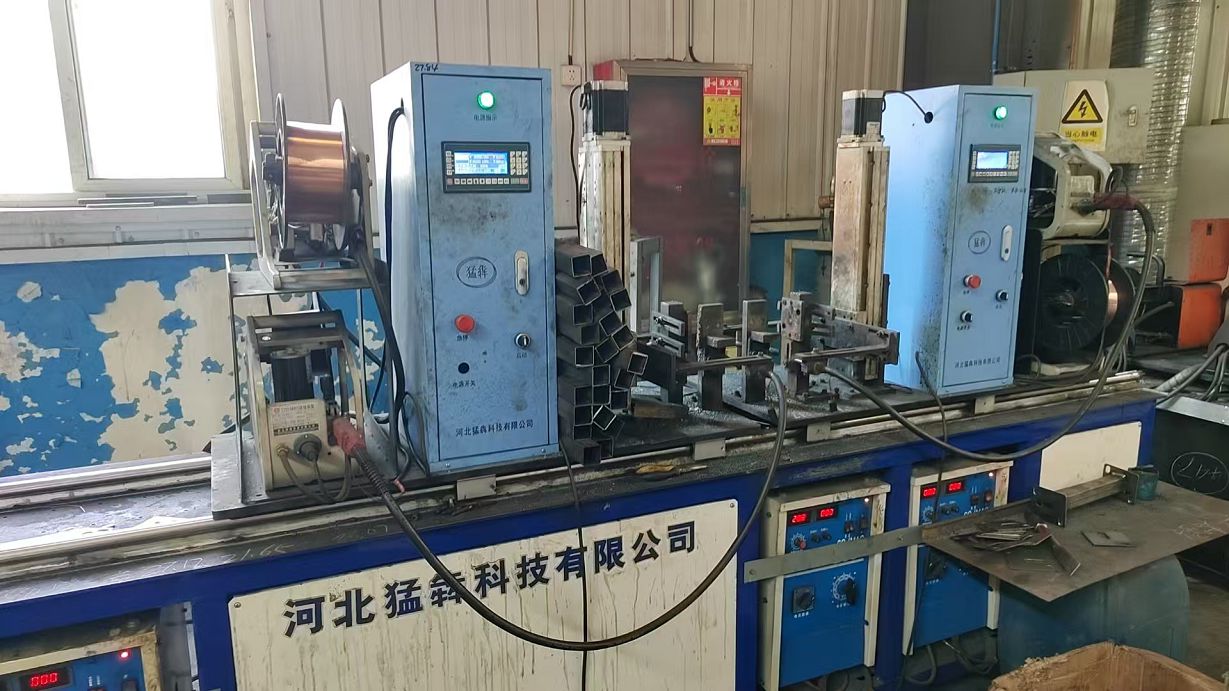
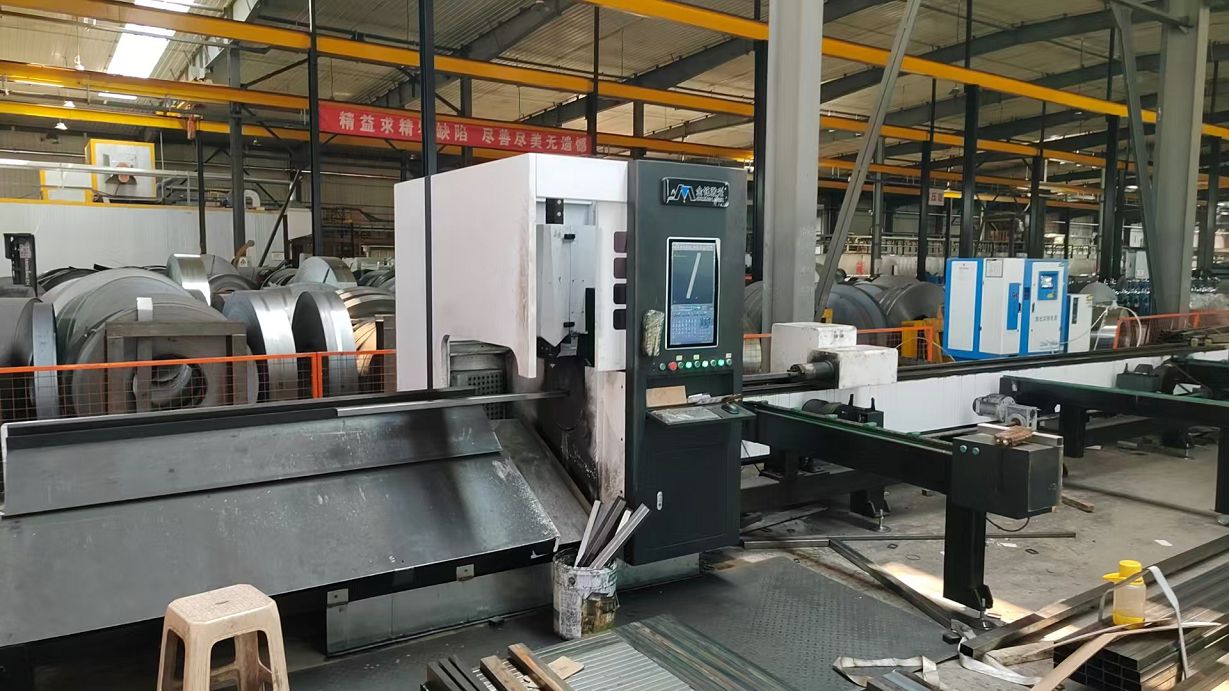
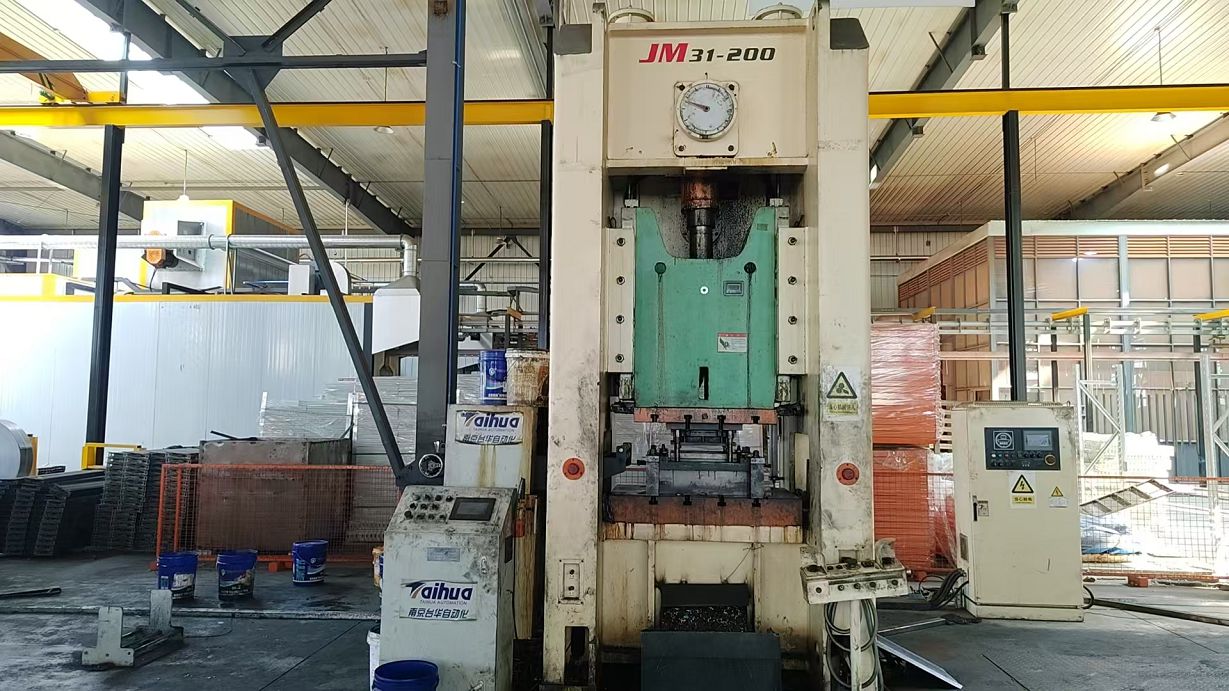
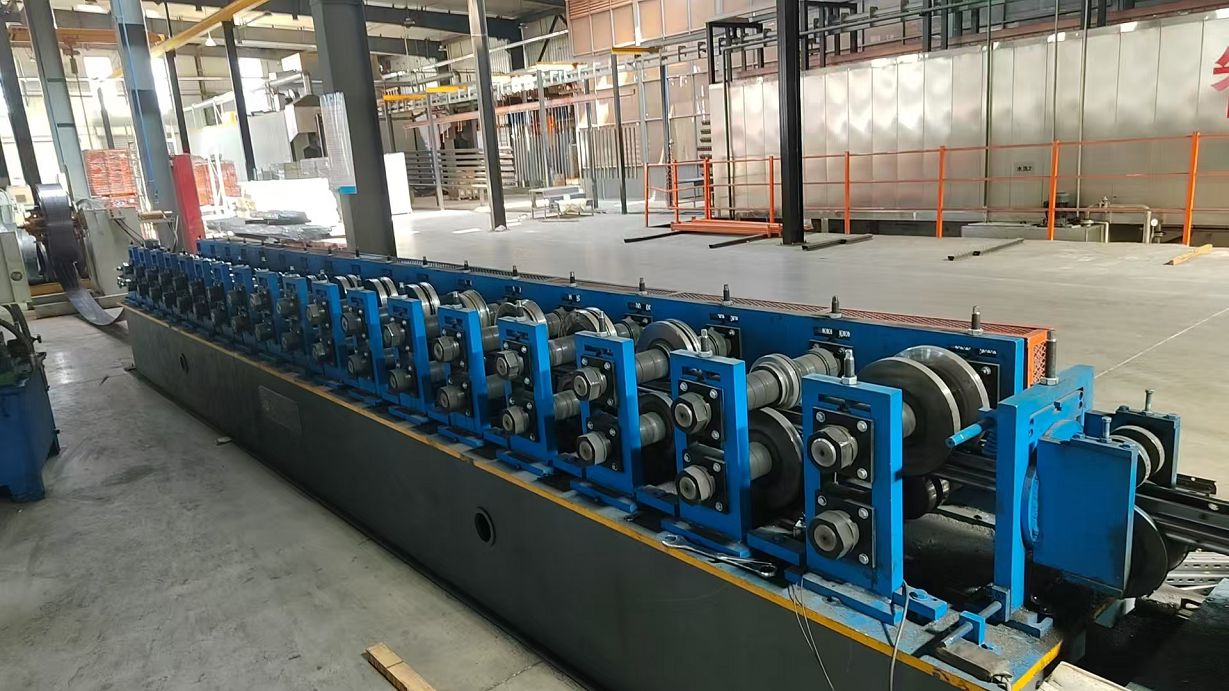
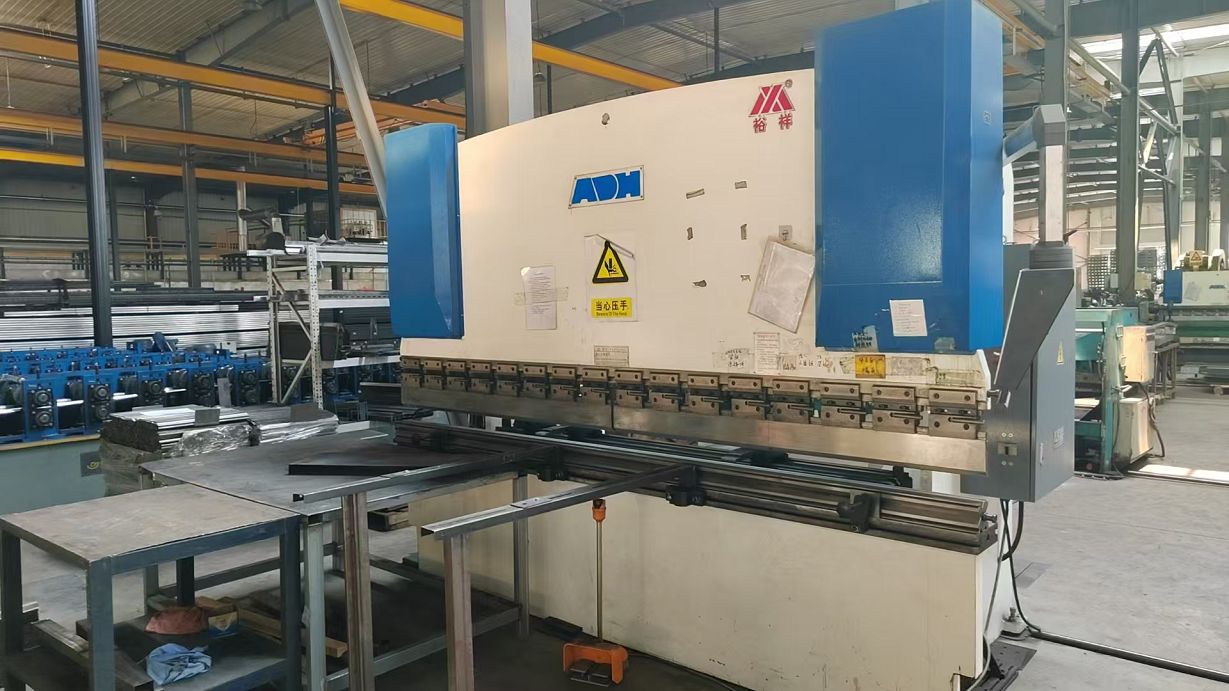
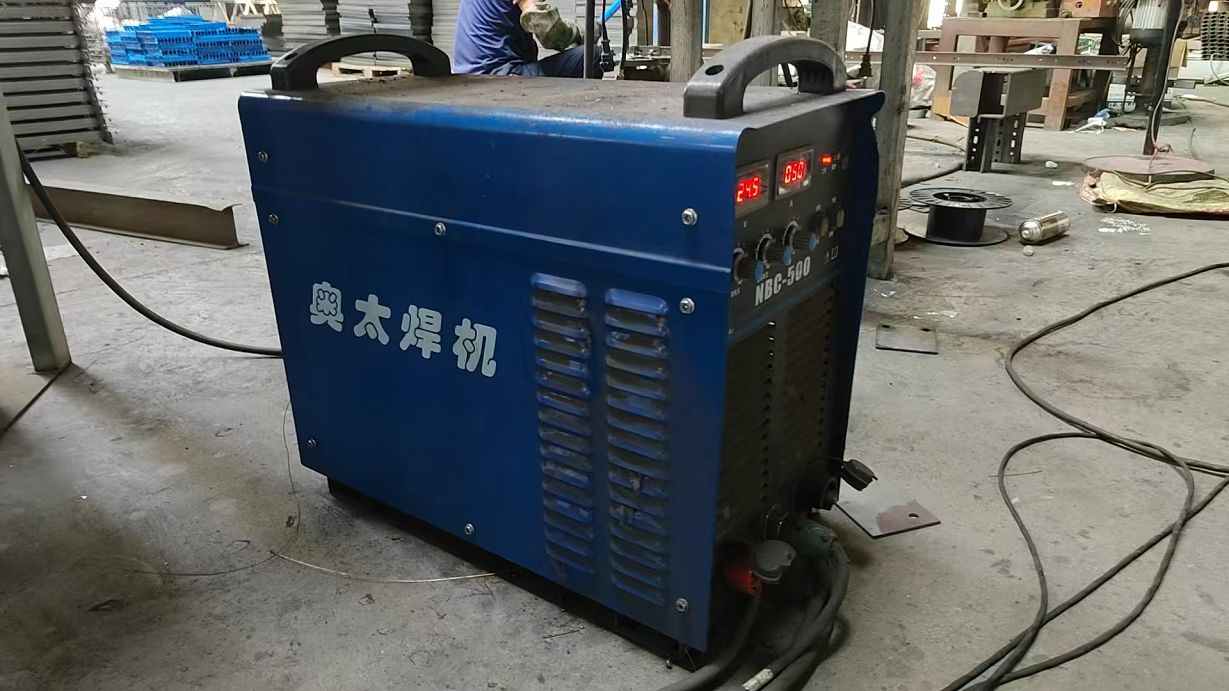
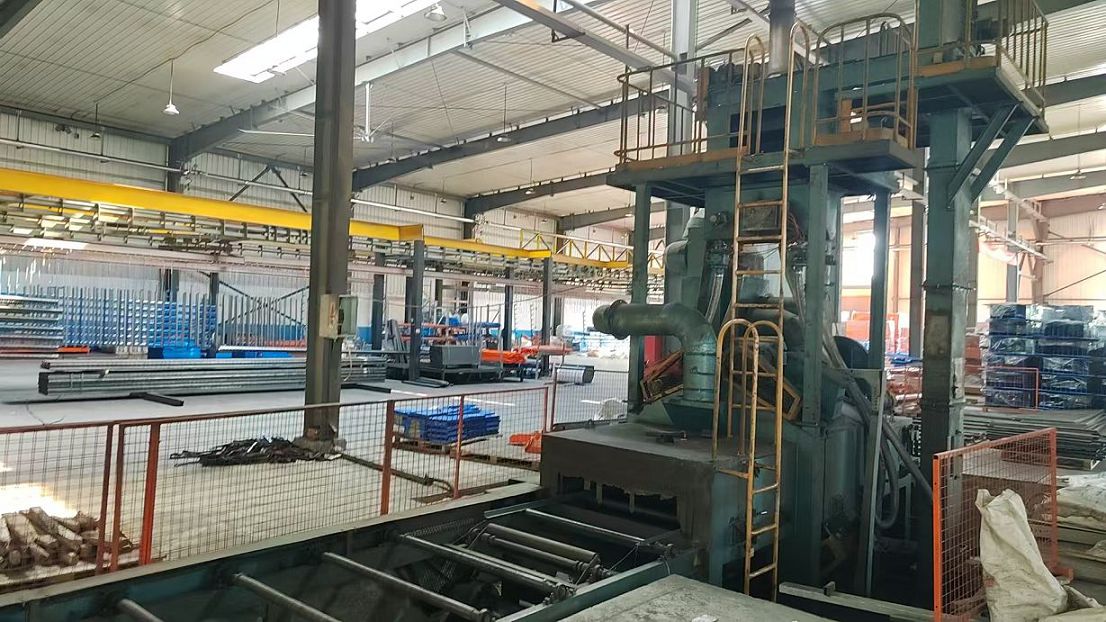
Operational reliability begins with precision manufacturing. At Chengdu CoreStorage, our production lines utilize high levels of automation to ensure dimensional accuracy, structural consistency, and structural performance. Our factory processes cover every step from raw material processing to final finish application.
The outdoor logistics infrastructure sector is rapidly evolving from passive structural steel components toward integrated, intelligent asset ecosystems. The R&D engineers at Chengdu CoreStorage are focused on pioneering several upcoming technologies designed to extend service life and improve operational transparency:
Future iterations of our heavy-duty industrial outdoor racks will offer optional strain gauge sensors and wireless inclinometers. These IoT-enabled modules continuously monitor real-time mechanical stresses and column deflection angles, transmitting alerts to warehouse management software if overload limit thresholds are approached due to environmental impacts, accidental vehicle collisions, or ground settling.
In response to global carbon reduction mandates, our coating R&D is moving toward high-performance water-based zinc-rich primers and organo-metallic hybrid coatings. These options reduce VOC emissions by up to 60% compared to traditional solvent-borne systems, while matching the salt-spray performance specifications defined under ISO 12944 standard protocols.
To reduce onsite assembly overheads, we are developing next-generation inter-locking connection mechanisms. These configurations will allow field crews to adjust structural beam placements and vertical shelf height layouts without specialized toolsets, reducing installation timelines by up to 30% while retaining structural safety and stability ratings.
Navigating geopolitical dynamics and supply chain blockages requires deep production resilience. By operating from Chengdu, a major industrial manufacturing hub, Chengdu CoreStorage leverages direct, high-volume raw steel procurement channels from nearby state-owned steel mills, securing stable pricing structures and high-grade raw materials (such as Q235B and Q355B structural steel grades).
Our Factory 4.0 paradigm relies on digital integration to manage complex production flows:
Deploying outdoor structures worldwide requires thorough alignment with local building safety codes. An outdoor rack configuration that is compliant in South America may fail to meet structural safety mandates in Northern Europe due to snow accumulation calculations. Chengdu CoreStorage works to resolve this geographical variation through localized engineering and support:
Our design team utilizes site-specific geographical coordinates provided by clients to calculate local weather coefficients. These parameters are integrated into structural simulations to design rack bases, anchoring bolt depths, and steel thicknesses that conform to local building laws.
Every shipment is backed by a compliance documentation package, including Mill Test Certificates (MTCs) for raw steel tracking, ISO 9001 quality audit trails, CE structural certificates, and comprehensive CMM testing reports. This documentation ensures rapid regulatory approvals from municipal building inspectors and insurance underwriters.
Under ISO 12944 standard guidelines, coastal zones fall within C5-M high salinity exposure bands. For these installations, we recommend hot-dip galvanizing with a minimum zinc coating thickness of 85 microns. This thickness provides a service life expectancy of 15 to 20 years before the onset of base steel oxidation.
We conduct FEA modeling during design and utilize high-precision material sourcing. Our 28 QC inspectors perform ultrasonic weld testing and dimensional checks using Automated Coordinate Measuring Machines (CMM). Final products are certified under EN 1090 structural execution guidelines before international dispatch.
We design specialized seismic components, including oversized heavy-gauge baseplates, heavy floor anchors, and diagonal cross-bracing frameworks. These additions spread horizontal forces and improve structural stability under ground acceleration loads.
 CoreStorage