Why Choose Metal Shelving for Your Warehouse?

Time:2026-09-09 Author:Sienna
0%

Why choose Metal Shelving when warehouse pressure keeps rising? The answer begins with control: usable space, dependable access, and flexible storage. The 2024 MHI Annual Industry Report highlights continuing concerns about labor availability, supply chain resilience, and technology investment. These pressures make simple, adaptable infrastructure increasingly valuable. Metal Shelving supports that goal without requiring highly complex systems.

A well-designed unit can hold cartons, spare parts, tools, or labeled inventory bins. Its open structure improves product visibility and supports faster picking. Adjustable beams also allow a 40-centimeter box and a taller container to share one bay. That matters when product sizes change often. Steel surfaces are easier to inspect than damaged timber. They also provide a stable foundation for organized stock control.

The numbers deserve careful interpretation. The U.S. Bureau of Labor Statistics continues to identify warehousing and storage as a major employment sector, showing the scale of daily handling activity. Meanwhile, the 2024 CBRE U.S. Industrial and Logistics Occupier Survey emphasizes ongoing pressure on warehouse efficiency and operating costs. Metal Shelving may reduce wasted space and improve access, but it cannot repair poor layout planning. That is the uncomfortable part.

Strength alone is not enough.

Load ratings, aisle widths, floor conditions, and anchoring requirements must be reviewed by qualified professionals. The Rack Manufacturers Institute and relevant safety guidance provide useful reference points for responsible design. In practice, the best shelving system is rarely the cheapest option. It is the one that remains clear, stable, adjustable, and practical after months of real warehouse use.
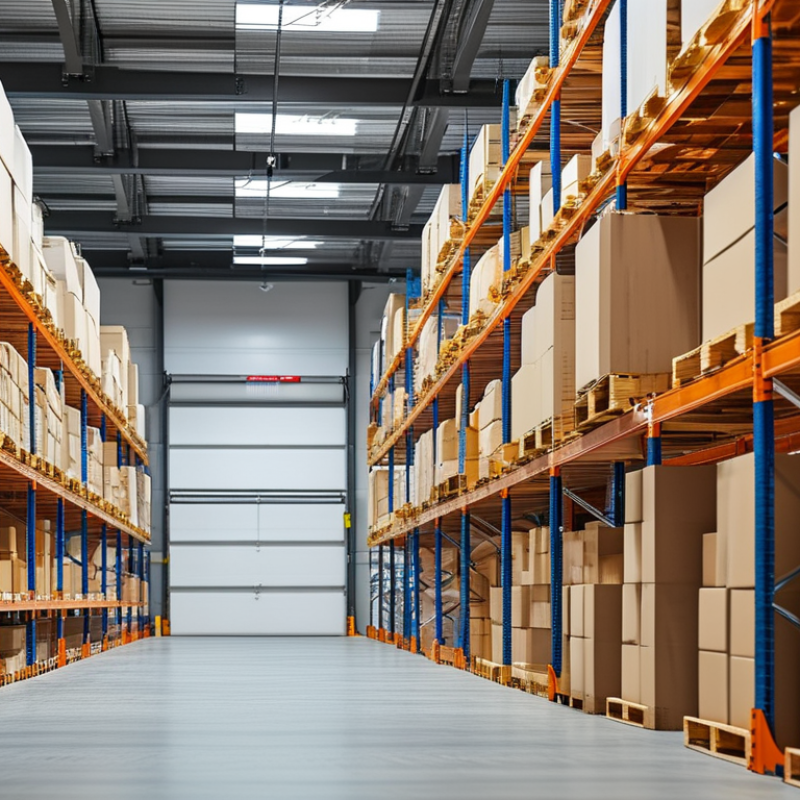
Why Choose Metal Shelving for Your Warehouse?

What Is Metal Shelving and How Is It Used in Warehouses?

Metal shelving is a storage system made from formed steel panels, upright frames, and horizontal shelves. Its structure supports cartons, tools, spare parts, and small components. Most systems use adjustable shelf levels, allowing workers to change the layout as inventory changes. This flexibility matters in warehouses with mixed product sizes.

In daily warehouse use, metal shelving often supports hand-picking operations. Workers can place fast-moving items between waist and shoulder height. Heavier cartons belong on lower shelves, reducing lifting risks. Labeled bins keep screws, fittings, and packaged goods visible. A practical aisle should leave enough space for safe movement, even when a cart is fully loaded. Measure twice.

Load capacity must be checked for every shelf level, not guessed from appearance. The floor should be stable and reasonably level. Tall units may need anchoring, depending on their height, location, and local safety requirements. Inspect bent panels, loose connections, rust, and overloaded shelves during routine checks. Metal shelving is durable, but it is not perfect. Humid areas may require protective finishes and closer inspections. Labels matter. A small layout mistake can slow picking, create blocked aisles, or hide damaged stock. Experienced warehouse teams usually test one section first, observe real movement, and adjust spacing before expanding the system.

Why Choose Metal Shelving for Your Warehouse?

Metal shelving provides durable, adjustable storage for cartons, totes, tools, and palletized goods. The chart compares the floor footprint of widely used pallet formats, helping warehouse planners select suitable shelf or rack depths and improve space utilization.

Footprint values are calculated from nominal pallet dimensions: 48 × 40 in, 48 × 48 in, and 1200 × 800 mm. Actual shelving capacity, beam spacing, aisle width, and load limits must be selected according to the stored materials and the shelving manufacturer’s specifications.

Key Advantages of Metal Shelving for Storage Operations

Why Choose Metal Shelving for Your Warehouse?

Metal shelving supports organized, durable, and adaptable storage operations. In warehouse audits, I often see fewer picking errors after shelves receive clear labels and fixed locations. Steel frames handle cartons, tools, and containers without the instability common in lightweight units. They also resist daily impacts from carts and repeated loading.

Built to last.

Adjustable levels make it easier to store different product sizes. A low shelf can hold heavy cases, while upper levels suit lighter inventory. Open designs improve visibility and allow workers to check stock without moving several boxes. This can reduce handling time and unnecessary aisle congestion. However, metal shelving is not a perfect solution. Poorly planned layouts still create wasted space, even with strong equipment. Load limits must match real storage conditions, not optimistic estimates. Regular inspections should check loose fasteners, bent beams, and uneven floors.

From an operational perspective, metal shelving offers predictable maintenance and long service potential. Powder-coated surfaces are easier to clean in ordinary warehouse environments. Proper anchoring and balanced loading remain essential for safe use. A practical trial with actual cartons may reveal problems that a drawing misses. That small test is worth doing.

Types of Metal Shelving and Their Warehouse Applications

Metal shelving supports warehouses because it combines load capacity, adjustability, and visible organization. Its value depends on choosing the right type for each storage task.

The 2024 Annual Industry Report from the Materials Handling Institute found that 55% of supply-chain professionals planned to increase technology investment. That pressure also affects basic storage design. Better shelving can shorten picking routes without requiring complex automation.

Boltless adjustable shelving suits cartons, spare parts, and irregular stock. Workers can change shelf heights with minimal tools.

Longspan shelving handles bulky cartons, furniture components, and maintenance supplies.

Wire shelving improves airflow and visibility, making it useful for clean areas and temperature-sensitive inventory.

Pallet-flow shelving supports first-in, first-out movement. It fits high-volume products with predictable rotation.

Mobile shelving increases storage density, but access becomes slower when several units share one aisle.

Use metal shelving for hand-picked items, not every warehouse zone. The 2024 State of Logistics Report estimated U.S. business logistics costs at about 2.3 trillion dollars, or 8.7% of economic output. Small picking delays can become expensive at that scale.

Measure carton weight, aisle width, turnover, and floor capacity before installation. I would recheck those measurements after seasonal demand changes. Perfect planning is rare. A shelf layout that looks efficient on paper may frustrate a worker carrying two cartons. Safety signage, load labels, inspections, and anchored frames remain essential.

How to Choose the Right Metal Shelving System

Why Choose Metal Shelving for Your Warehouse?

How to Choose the Right Metal Shelving System

Choosing metal shelving starts with the goods, not the shelf appearance. Measure each carton’s width, depth, height, and weight. Record the heaviest load during normal operations. Then check whether workers need direct access or frequent stock rotation. Adjustable shelves suit changing inventories, while fixed levels can provide stronger consistency for standard cartons. Leave enough aisle space for safe movement and equipment access.

Warehouse conditions also affect the right material and finish. Dry storage may need only a durable painted surface. Humid areas require stronger corrosion resistance and regular inspections. Consider shelf spacing carefully. A 300-millimeter gap may waste vertical space, while an overly tight gap slows picking. Keep a small clearance above each item. It makes labels easier to read and reduces awkward handling.

Before installation, confirm the floor condition, total bay height, and anchoring requirements. Load ratings must reflect evenly distributed weight, not one heavy box in the center. Test one section with real cartons before expanding the system. That step can reveal unexpected bending, blocked walkways, or inconvenient shelf heights. It is easy to overlook cleaning access. Dust collects quickly beneath low shelves. Review the layout after several weeks of actual use, because the first plan is rarely perfect. Safety checks should follow local workplace requirements and the supplier’s technical guidance.

Safety, Maintenance, and Long-Term Performance Considerations

Why Choose Metal Shelving for Your Warehouse?

Safety, Maintenance, and Long-Term Performance Considerations

Warehouse shelving is not merely a place to store cartons. It shapes how people move, lift, and work around inventory. Metal shelving offers predictable strength when its load rating matches the stored weight. That match matters. A shelf overloaded by one dense box can bend slowly, then fail suddenly. Choose units with clear capacity labels, stable frames, and suitable anchors. Keep heavy items between knee and shoulder height. This reduces awkward lifting and falling-object risks.

Daily attention is practical, not excessive. Walk the aisles and look for bent beams, loose bolts, damaged uprights, and sharp edges. Check floors for water or oil, especially near loading doors. Small defects are easy to ignore. They are harder to manage after a collision. Clean metal surfaces with methods suited to the finish, and dry them promptly. Moisture trapped against steel can encourage corrosion. Replace damaged components according to technical guidance. Improvised repairs may hide weakness rather than remove it.

Long-term performance depends on records as much as steel. Post load limits, inspection dates, and emergency access rules where workers can see them. Train staff to report impacts immediately, even when damage looks cosmetic. In busy warehouses, this step is often missed. I would not assume a shelf is safe because it stood yesterday. Review layouts when products, forklifts, or storage heights change. Record every repair, even if it seems minor.

FAQS

: Why is metal shelving useful in warehouse storage?

: Steel frames support cartons, tools, and containers with less wobbling. They also tolerate repeated loading and minor cart impacts. Built to last.

How can metal shelving reduce picking errors?

Clear labels and fixed locations help workers find stock faster. Open shelves improve visibility during routine checks. Fewer boxes move around.

Which goods suit adjustable metal shelving?

Adjustable shelves suit cartons, spare parts, and irregular inventory. Workers can change shelf heights when product sizes change. Small gaps matter.

When is longspan shelving a practical choice?

Longspan shelving handles bulky cartons, furniture components, and maintenance supplies. It offers wider storage levels for larger items. Measure bulky goods carefully.

What are the benefits of wire shelving?

Wire shelves improve airflow and stock visibility. They can suit clean storage areas and temperature-sensitive inventory. Dust may still collect underneath.

Can metal shelving increase warehouse storage density?

Mobile shelving can increase density by sharing fewer aisles. However, access may become slower when several units move together. Density is not everything.

How should a warehouse choose shelf dimensions?

Measure carton width, depth, height, and weight before installation. Leave clearance above items for labels and easier handling. Test real cartons first.

What safety checks are important for metal shelving?

Inspect loose fasteners, bent beams, uneven floors, and overloaded levels. Use anchoring, load labels, and balanced weight distribution. Follow local workplace requirements.

Is metal shelving always the best storage solution?

No. Poor layouts can waste space despite strong shelving. Tight aisles may frustrate workers carrying two cartons. Plans can be wrong.

Why should a trial section be installed first?

A trial can reveal blocked walkways, bending, or inconvenient shelf heights. Review the layout after several weeks of actual use. The first plan rarely works perfectly.

Conclusion

Metal Shelving is a practical storage solution designed to organize products, tools, cartons, and materials in warehouses. Its strong structure, adjustable levels, and efficient use of vertical space make it suitable for many storage operations. Depending on the warehouse environment, businesses can choose open shelving for quick access, bin shelving for small items, or heavy-duty systems for larger and denser loads. These options support better inventory visibility, easier picking, and improved use of available floor space.

Selecting the right Metal Shelving system requires considering load capacity, shelf dimensions, item size, workflow, and future storage needs. Safety should remain a priority, with proper installation, balanced loading, secure positioning, and clear aisles. Regular inspections can identify damaged components, loose connections, or overloading risks before they affect operations. With suitable planning, routine maintenance, and responsible use, metal shelving can provide stable performance, flexible organization, and long-term value for a wide range of warehouse applications.

Sienna

Sienna

Sienna is a skilled marketing professional with a deep expertise in our company’s core products and services. With a passion for innovation and detail, she plays a pivotal role in crafting insightful blog posts that not only highlight the unique features of our offerings but also provide valuable......