China is a major sourcing destination for warehouse storage systems, but finding the right Heavy Duty Racks supplier takes more than comparing prices. A rack may look robust in a product photo. Its real performance depends on steel grade, beam design, weld quality, surface treatment, and clearly stated load limits. Small details matter: the thickness of an upright, the fit of a beam connector, and whether the finish can withstand daily handling.
This guide explores what distinguishes leading suppliers and how buyers can assess them with care. It considers product range, customization, production capacity, quality checks, delivery planning, and after-sales support. Ask for technical drawings, load-rating documentation, material specifications, and references for comparable installations. If possible, inspect a sample or arrange a factory audit. Verify claims against records, not polished brochures alone.
There is no universal “top” supplier for every project. A distributor serving a small warehouse may need different support from a manufacturer supplying a large distribution center. Price matters, but so do replacement-part availability and clear communication when specifications change. That sounds straightforward. It isn’t. Supplier information can be incomplete, and a low quote may omit installation or testing. The sections ahead offer a practical framework for comparing Chinese rack suppliers, asking sharper questions, and matching a system to real operating conditions. A careful shortlist is more useful than a confident ranking built on limited evidence.
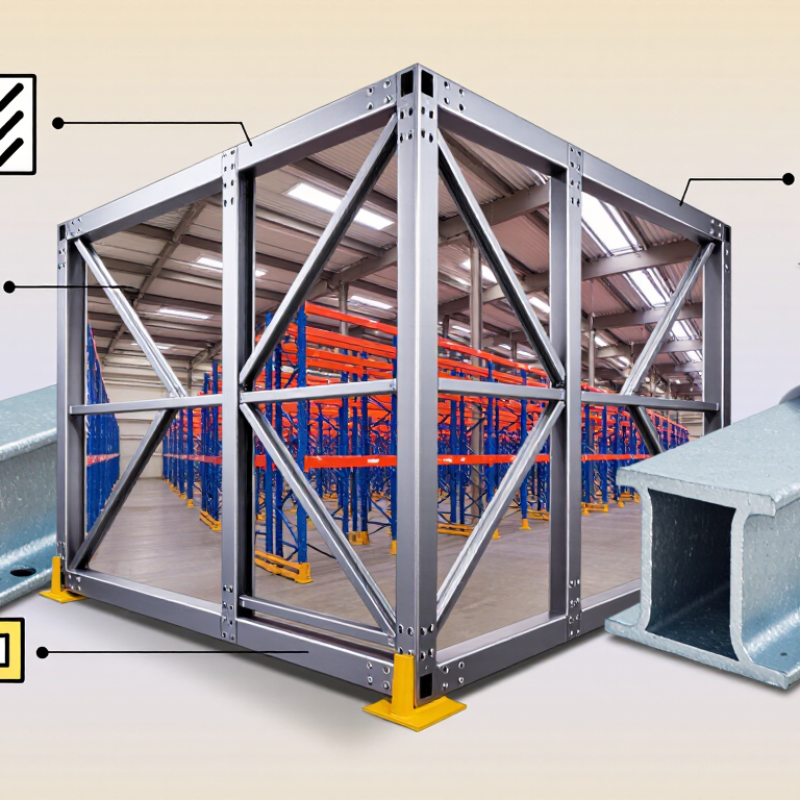
Heavy-duty racking is a structural storage system designed to hold palletized goods and other substantial loads. Upright frames, horizontal beams, and bracing transfer weight toward the floor. Capacity depends on beam spacing, pallet dimensions, load distribution, and the condition of the building slab. Small details matter. A pallet that overhangs a beam can create a less stable load than its label suggests.
These systems are common in distribution warehouses, manufacturing plants, and parts facilities, where forklifts need clear access to stored goods. Cold-storage sites also use them, but aisle widths, floor conditions, and equipment performance need careful attention. Before installation, operators should check the actual load weights, forklift turning space, and slab capacity—not just the available floor area. That part is sometimes underestimated. Rack layout should also allow workers to spot damaged beams or loose connections during routine inspections. Racking can improve storage density, but a very narrow aisle may slow picking or complicate safe vehicle movement. The best arrangement depends on daily operations, not simply the number of pallets it can fit.
Compare suppliers by their ability to engineer, manufacture, test, and support the right system. Rack capacities and dimensions depend on the design, materials, layout, floor conditions, and applicable standards; confirm project-specific ratings with the supplier.
| Racking System | How It Works | Typical Applications | Storage Density and Selectivity | Supplier Capabilities to Check |
|---|---|---|---|---|
| Selective pallet racking | Each pallet is accessible directly from the aisle, using a forklift. | Distribution centers, manufacturing warehouses, and operations handling many product types. | High selectivity; aisle space reduces storage density compared with deep-lane systems. | Beam and upright design calculations, load plaques, adjustable beam levels, frame protection, and compatibility with the specified forklifts and pallets. |
| Drive-in and drive-through racking | Forklifts enter storage lanes to place or retrieve pallets on rails. Drive-in commonly uses last-in, first-out access; drive-through can support first-in, first-out when managed from opposite ends. | Cold stores and warehouses holding large quantities of a smaller number of product lines. | Higher storage density than selective racking; pallet access within a lane is limited. | Lane and rail design, forklift-clearance checks, pallet-stop options, impact protection, and clear operating guidance for the intended stock rotation. |
| Push-back racking | Multiple pallets are stored on nested carts or tracks; loading a pallet moves the previous pallets farther back. | Warehouses that need compact storage for multiple pallet loads per product line. | Higher density than selective racking, with lane-level last-in, first-out access. | Cart and track engineering, pallet size and weight compatibility, installation tolerances, and inspection and maintenance guidance. |
| Pallet-flow racking | Pallets move by gravity on inclined rollers from the loading side toward the picking side. | High-throughput distribution, order picking, and products requiring first-in, first-out rotation. | High density with first-in, first-out access by lane; typically requires separate loading and picking aisles. | Flow-lane layout, roller and brake design, pallet quality requirements, lane separators, and load-testing documentation. |
| Heavy-duty cantilever racking | Horizontal arms extend from upright columns to support long or irregular loads without front columns. | Steel service centers, lumber yards, building-material warehouses, and storage of pipes or profiles. | Open-front access; density depends on product length, arm spacing, and handling equipment. | Arm and column ratings, single- or double-sided layout design, base stability, load restraint, and outdoor corrosion protection where required. |
| Mezzanine-supported storage systems | An elevated platform creates additional usable floor levels and may integrate shelving, work areas, or conveyor routes. | Warehouses and production facilities needing additional storage or operating space within an existing building. | Adds vertical usable area; layout and access routes determine storage and workflow efficiency. | Structural calculations, building and floor checks, stairways and guardrails, fire-safety coordination, and local approval requirements. |
It stores palletized goods and substantial loads in warehouses, factories, and parts facilities. Forklifts need clear access.
Beam spacing, pallet dimensions, load distribution, and slab condition all matter. Small details matter.
A pallet overhanging a beam may be less stable than its label suggests. I sometimes forget how important that is.
Confirm actual load weights, forklift turning space, and floor slab capacity. Floor area alone is not enough.
Check beam lengths, upright profiles, bracing, and rated loads for each level. Ask whether capacity covers one beam pair or a complete bay.
No. Match certificates to the factory, product range, and manufacturing scope. A document alone proves little.
A video walkthrough or independent audit can show welding, coating, and finished-part storage. Look closely. Sample parts should match approved drawings.
Include load limits, tolerances, inspection criteria, spare-part terms, and delivery dates. Ask recent buyers about packaging and after-sales response. No single check guarantees a reliable result.
This article explores what makes Heavy Duty Racks suitable for demanding storage needs, including their role in warehouses, factories, distribution centers, and other operations that handle bulky or heavy goods. It explains how China’s supplier market includes manufacturers with different production capabilities, product ranges, and service models, so buyers should compare options according to their specific storage requirements rather than price alone.
The guide outlines key factors for evaluating suppliers, such as rack capacity, materials, design flexibility, quality controls, customization, lead times, and after-sales support. It also distinguishes among common supplier types, from specialized rack producers to broader storage-system providers. To help buyers make a confident choice, the article recommends verifying company credentials, reviewing relevant product and factory information, requesting clear specifications and quotations, and confirming that the proposed system fits the facility and intended loads.

 CoreStorage