Choosing the right Compact Shelving system can reshape storage efficiency, labor flow, and long-term operating costs. Global buyers often compare mobile shelving, modular boltless units, sliding systems, and high-density archive solutions. Each option serves different environments. A small distribution center may need fast picking access. A museum may prioritize stable temperature control and gentle handling. A parts warehouse may require adjustable levels and clear product visibility.
The strongest systems combine practical capacity with dependable engineering. Buyers should examine load ratings, shelf dimensions, corrosion protection, assembly methods, and replacement-part availability. Local service also matters when imported equipment needs adjustment or repair. A supplier’s certificates, installation records, and customer references can reveal more than polished product images. Ask for tested specifications, not vague promises.
Details matter.
A 2.4-meter bay can change aisle planning significantly. A sliding carriage may increase capacity, but it can slow access during busy periods. Manual systems may suit moderate use, while powered units demand reliable maintenance support. These trade-offs are easy to underestimate. That assumption can fail.
This guide evaluates leading Compact Shelving systems through the experience of international procurement, warehouse planning, and everyday user requirements. It considers performance, safety, flexibility, total ownership cost, and supplier reliability. No single system fits every market or building. Regional standards, floor conditions, climate, and workforce habits can change the final choice. Careful measurement remains essential. Real performance begins with accurate information, transparent specifications, and a realistic view of daily operations.
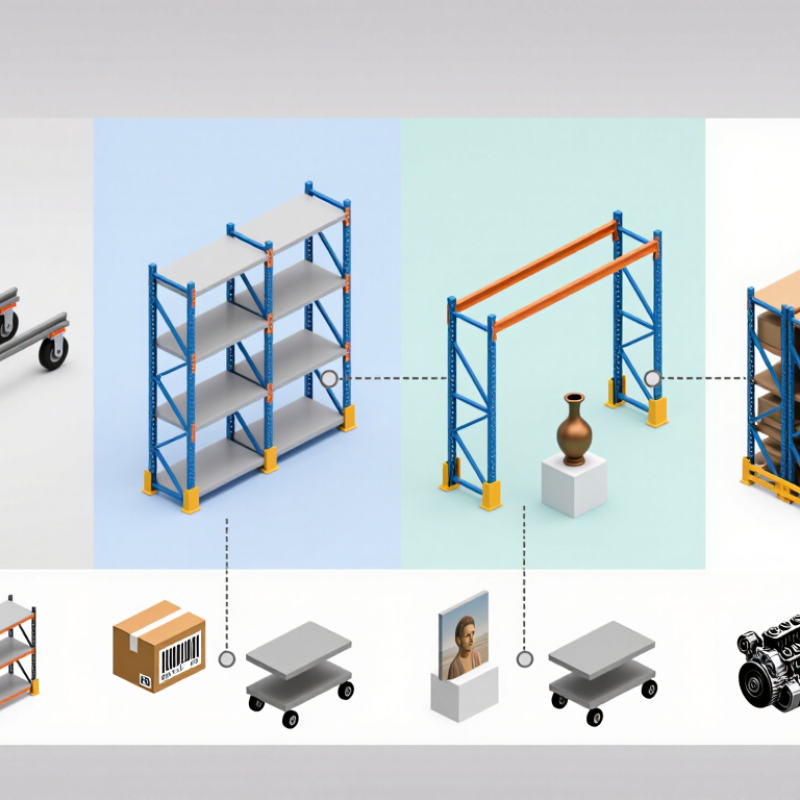
Defining Compact Shelving Systems and Their Core Functions
Compact shelving systems are storage structures designed to hold more items within a limited floor area. Unlike fixed shelving, many compact models move along floor rails. Operators open only the required aisle, while adjacent units remain closed together. This design reduces unused passage space and increases storage density.
The core function is controlled access. A handwheel, mechanical assist, or powered drive separates the shelves when access is needed. Clear aisle indicators help workers locate the correct section. Locking mechanisms, anti-tip features, and load-rated shelves support safer daily use. Buyers should check floor capacity, shelf dimensions, maximum load, and emergency access before selecting a system. These details affect installation and long-term reliability.
Compact shelving can organize records, spare parts, tools, or boxed inventory. Adjustable levels allow different item sizes, while labels and location codes improve retrieval accuracy. In a well-planned room, the system may store more units without expanding the building. Space matters. However, density alone is not enough. A tightly packed layout may slow picking if access frequency is ignored. Measure twice. Global buyers also need to review local electrical requirements, fire precautions, accessibility rules, and service support. A practical design balances capacity, worker movement, maintenance, and future changes. Some systems look efficient on paper but become inconvenient when inventory grows or equipment fails. That limitation deserves honest attention.
Comparing Main Types of Compact Shelving for Different Uses
Compact shelving systems vary widely in structure, access, and installation needs. Global buyers should match the system to the stored materials, available floor space, and local working conditions. Static compact shelves are simple, affordable, and reliable for offices, archives, and small stockrooms. They suit frequent access, but they do not maximize every square meter.
Mobile shelving uses rails and movable units to reduce fixed aisles. Operators can open one aisle at a time, creating higher storage density for records, textiles, or spare parts. Manual systems work well in smaller facilities. Electric systems improve convenience for heavier loads, yet they require stable power, safety sensors, and trained maintenance staff. A short test period is wise. Layout drawings can miss daily movement patterns.
Cantilever shelving supports long or irregular items, such as pipes, panels, and timber. Its open design makes loading easier with carts or lifting equipment. It needs careful anchoring and balanced weight distribution. Bin shelving is more suitable for small components, tools, and packaged goods. Clear labels and adjustable dividers can reduce picking errors. They sound minor.
Evaluating Space Efficiency, Capacity, and Accessibility
Compact shelving systems matter most when floor space is expensive and access cannot become an afterthought. Static adjustable shelving suits frequent picking and changing inventory. Mobile shelving can reduce fixed aisles and increase storage density, but only one aisle may remain open. That saves space. It can also slow retrieval.
The 2024 MHI Annual Industry Report found that 55% of supply chain leaders planned to increase technology investment. This supports using barcode tracking, location labels, and basic occupancy data. However, technology cannot fix poor shelf planning. Measure usable capacity, not the advertised frame size. A 2.4-metre bay may lose space around beams, handles, and safety clearances. Heavy cartons also need lower positions for safer handling. In practice, a system with slightly less capacity may deliver better daily output.
Tips
Leave clear routes for carts and workers. Test a full retrieval cycle before installation. Record the time needed to open, pick, and close each aisle. For global sites, check local accessibility and fire-safety requirements with a qualified assessor. Consider adjustable shelving for mixed stock, mobile units for slow-moving records, and bin systems for small parts. Do not make every aisle narrow. That decision often looks efficient in a spreadsheet, then feels inefficient at 4 p.m. Also review seasonal demand, because peak inventory can remove the access space you carefully planned.
Assessing Materials, Safety Features, and Installation Requirements
What Are the Top Compact Shelving Systems for Global Buyers?
Materials and safety deserve equal attention. Powder-coated steel suits offices, archives, and retail backrooms because it resists scratches and supports repeated use. Galvanized components perform better in humid storage areas. Check the declared load per shelf, bay, and moving carriage. Do not accept one impressive load figure.
According to the International Labour Organization’s 2023 report, nearly 3 million workers die annually from work-related accidents and diseases. Storage design cannot remove every risk, but anti-tip locks, guarded moving parts, and clear operating instructions reduce preventable incidents.
Installation often decides whether a compact system performs safely. The floor must be level, strong, and suitable for concentrated loads. Anchoring may be necessary in seismic zones or busy facilities. EN 15635 guidance supports regular inspections of storage equipment, while local electrical and fire rules may affect powered units. Buyers should request drawings, floor-load calculations, emergency-release details, and maintenance access before ordering. A system that fits the room may still fail the workflow.
Tips: Measure the loaded aisle, not the empty room. Leave space for doors, sprinklers, and evacuation routes. Ask for corrosion testing and replacement-part availability. Photograph the installation area before quoting. Small errors become expensive later. I have found that installation guidance is often too general, so require a site-specific method statement and staff training. No single specification fits every country or building.
Choosing Compact Shelving for Global Markets and Environments
Choosing compact shelving for global markets starts with the room, not the catalogue. Measure aisle widths, ceiling height, doorways, and floor capacity before comparing systems. A mobile unit may save space in a records room, but it needs a stable floor and clear access for users. In humid coastal settings, finishes and routine inspection matter more than a small difference in shelf capacity.
Think about what the shelves will hold. Paper files need even, dependable support; boxed parts may need adjustable shelf heights and clear load limits. Check dimensions in metric units, then confirm them against local building plans. Small conversion errors can leave a unit too wide for a doorway. It happens.
Climate, staff habits, and maintenance resources also shape a sensible choice. In dusty workshops, open shelves are easy to reach but collect grime. Enclosed options protect contents, though they may slow retrieval. Where electricity is unreliable, manually operated systems can be simpler to maintain. Yet manual movement may not suit every user or workload, so test the mechanism with the people who will use it.
Ask suppliers for load ratings, installation requirements, spare-part availability, and written care instructions. Confirm that packaging can withstand long-distance shipping and repeated handling. A drawing is useful, but a site visit or sample bay can reveal awkward reach, noisy movement, or blocked sightlines. Those details are easy to miss on paper.
FAQS
Static shelving is simple, reliable, and suited to frequent access. It may use more floor space than mobile shelving.
Units move along rails, reducing fixed aisles. Only one aisle may be open at a time, which can slow retrieval.
Manual systems can suit smaller facilities. Electric systems help move heavier loads but need stable power, safety sensors, and trained maintenance staff.
Cantilever shelving can hold pipes, panels, or timber. Secure anchoring and balanced weight distribution matter.
It works well for small components, tools, and packaged goods. Clear labels and adjustable dividers can help reduce picking errors.
Measure usable space, including clearance around beams, handles, and safety routes. Advertised frame dimensions may overstate what you can store.
Test a full retrieval cycle. Record the time to open an aisle, pick an item, and close it; drawings may miss daily movement patterns.
Check corrosion protection, drainage, and ventilation in humid regions. Uneven floors can affect rail alignment, so involve qualified local teams.
Use location labels and adjustable dividers. Keep heavy cartons on lower shelves and leave clear routes for workers and carts.
Not necessarily. A denser layout can make access slower, especially during seasonal peaks. Leave room for expansion and real working routes.
Conclusion
Compact Shelving systems are designed to maximize storage capacity while using less floor space than conventional fixed shelving. Their core function is to organize materials efficiently through movable, mobile, modular, or high-density configurations. Different types suit different needs: mobile shelving works well in offices and archives, modular units support flexible layouts, and heavy-duty systems are suitable for warehouses, workshops, and industrial environments. The best choice depends on the items stored, handling frequency, available space, and required load capacity.
When evaluating Compact Shelving, buyers should compare usable capacity, aisle requirements, accessibility, and ease of expansion. Durable materials, stable frames, locking mechanisms, anti-tip features, and clear load ratings are important for safe operation. Installation requirements should also be reviewed, including floor conditions, assembly space, maintenance access, and compatibility with local facility standards. For global markets, systems should be adaptable to different building environments, climate conditions, user habits, and logistics requirements, allowing organizations to achieve reliable, space-efficient storage without sacrificing safety or convenience.

 CoreStorage