How to Choose the Right Adjustable Shelving?

Time:2026-09-14 Author:Ethan
0%

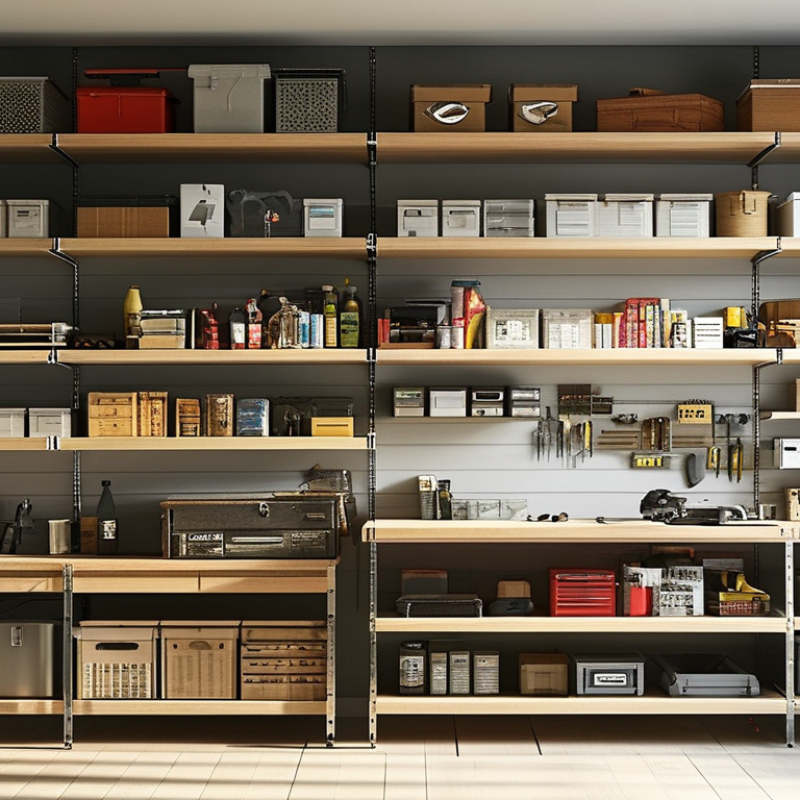
Choosing the right Adjustable Shelving begins with understanding how your space works every day. A garage may need strong steel shelves for toolboxes, paint cans, and heavy storage bins. A home office may require quieter, lighter shelves for books, folders, and display items. The best system fits your habits, not just your wall measurements.

Measure the available width, depth, and ceiling height before comparing products. Leave enough clearance for doors, walkways, and comfortable access. Check each shelf’s rated load capacity, then consider how weight will be distributed. A shelf holding one large appliance behaves differently from one holding many small boxes. Material also matters. Powder-coated steel often suits workshops, while laminated wood can create a warmer indoor appearance. Adjustable Shelving should move easily, but its locking system must remain firm under regular use.

Reliable selection also depends on installation quality and future changes. In my experience, people often choose maximum capacity and overlook daily convenience. That can make a sturdy unit frustrating to use. Think about shelf spacing, cleaning access, and whether another person can safely reach the upper levels. Product specifications, manufacturer guidance, and independent reviews deserve careful comparison. Still, no guide replaces checking the actual wall, floor, and intended load. Small details matter. A slightly uneven floor can affect stability, and crowded shelves may reduce visibility. The right choice is not always the strongest or cheapest option. It is the system that remains safe, practical, and adaptable as your storage needs change.
How to Choose the Right Adjustable Shelving?

Define Your Storage Needs and Available Space

Before choosing adjustable shelving, define what must be stored.

A kitchen may need space for jars, pans, and small appliances. A garage may hold paint supplies, tools, and seasonal boxes. These objects differ in weight, height, and access frequency.

The 2024 What Home Buyers Really Want report from the National Association of Home Builders found that 85% of buyers considered a walk-in pantry desirable. Storage demand is not a minor detail.

Measure the available space carefully.

Record wall width, ceiling height, door swing, skirting boards, and nearby outlets. Leave enough clearance for walking and opening containers.

A narrow utility room might fit a 30-centimeter-deep unit, while a garage may support deeper shelves. Measure twice. I still find that overlooked pipework causes expensive changes.

Adjustability matters when storage needs change.

Place heavy cookware or tool cases on lower levels. Keep daily-use items between knee and shoulder height. Store lighter boxes above them.

The Occupational Safety and Health Administration advises reducing awkward lifting and keeping materials stable, which supports safer shelf planning.

Avoid filling every level immediately. A 2023 residential space-use report from the U.S. Census Bureau shows that household conditions vary widely, so one fixed layout cannot serve every home.

Your first arrangement may be wrong. Leave room to revise it.

Compare Adjustable Shelving Materials, Sizes, and Weight Capacities

Choosing adjustable shelving starts with the material, because each option behaves differently under pressure. Powder-coated steel handles heavy boxes, tools, and archived files well. It resists dents, but it can feel industrial in bedrooms or offices. Aluminum is lighter and easier to move, though long shelves may flex sooner. Solid wood offers warmth and good rigidity, while engineered wood costs less but needs protection from moisture.

Measure the space before comparing shelf sizes. Record the wall width, ceiling height, and door clearance. A 36-inch shelf may fit the wall but block a cabinet door. Leave room for your hands, especially when storing deep bins. Adjustable holes should allow practical spacing, such as 10 to 14 inches between shelves. I once chose narrow shelves for a utility room and regretted it; cleaning supplies kept tipping forward.

Weight capacity needs careful reading. Check whether the rating applies per shelf or to the entire unit. Confirm that the test assumes evenly distributed weight. A shelf rated for 200 pounds may fail faster when one heavy box sits in the center. Add a safety margin of at least 20 percent for everyday use. For example, storing 120 pounds on a 150-pound shelf leaves little flexibility. Fasten tall units to a suitable wall surface, and inspect connections after moving the shelves. Ratings are useful, but real rooms are rarely perfectly level.

Choose the Right Shelf Adjustment and Installation System

How to Choose the Right Adjustable Shelving?

Choose the Right Shelf Adjustment and Installation System

The adjustment system controls how easily your shelving adapts to changing storage needs. Common options include pin holes, slotted rails, and concealed brackets. Pin holes suit books, boxes, and light household items. Slotted rails offer faster changes and better support for uneven loads. Concealed brackets create a cleaner appearance, but installation requires greater accuracy.

Check the shelf pitch before buying. Smaller spacing gives finer control, especially in workshops or kitchens. Confirm the rated load for each shelf, not only the entire unit. I once installed shelves that looked strong but sagged under dense files. The frame was stable; the shelf material was not. That mistake changed how I evaluate complete systems.

Installation conditions matter just as much. Measure the wall, floor, and available clearance. Use a level during every rail or upright installation. Masonry, timber, and drywall need different fasteners, so never rely on one fixing method. Secure tall units against tipping, especially in homes with children or busy work areas. Keep adjustment holes accessible after installation. A perfect layout can become inconvenient when shelves are difficult to move. Check twice. Then adjust slowly.

Evaluate Safety, Durability, Accessibility, and Maintenance

How to Choose the Right Adjustable Shelving?

Evaluate Safety, Durability, Accessibility, and Maintenance

When I assess adjustable shelving, I begin with its safety features. Check the tested load rating for each shelf, not only the entire unit. Locking pins should fit tightly and resist accidental release. Tall systems may need wall anchoring to prevent tipping. A small gap can become a serious hazard.

Do not trust appearance alone. Durability depends on steel thickness, joint quality, and resistance to moisture or corrosion. Shelves should remain level after repeated adjustments. Use the supplier’s load chart and follow recognized workplace safety guidance. I once selected a strong-looking unit with weak connectors. That mistake taught me to inspect hidden parts carefully.

Accessibility affects daily efficiency. Store heavy containers between waist and shoulder height. Keep frequently used items near the front and leave enough aisle space for safe handling. Rounded edges can reduce injuries during busy work. Maintenance should stay simple, too. Choose smooth surfaces that wipe clean without special chemicals. Inspect screws, anchors, and shelf clips every few months. Replace bent parts promptly. Some designs promise tool-free adjustment, but clips may loosen over time. That detail deserves honest review before purchase.

Match the Shelving Design to Your Budget and Future Needs

How to Choose the Right Adjustable Shelving?

Match the Shelving Design to Your Budget and Future Needs

Adjustable shelving should fit both your wallet and your changing storage plans. Start with the items you own today. Measure their height, depth, and weight before comparing designs. A shelf that holds books may not safely support tools or archive boxes. Check the stated load capacity for each level, not only the entire unit. Steel frames usually offer strong support, while laminated boards can provide a warmer appearance at a lower initial cost. However, cheaper materials may require earlier replacement in damp or heavily used spaces.

Think beyond the first installation. Choose shelves with several height positions, removable components, and compatible add-on sections. These details can accommodate taller equipment, seasonal containers, or a growing collection. Leave a little unused space. It gives you room to adapt. Measure doorways and wall gaps carefully, since a flexible design is useless if it cannot enter the room. I once underestimated ceiling clearance and had to rearrange an entire storage area. That mistake was avoidable. Also consider installation time, anchoring hardware, and maintenance costs. A low purchase price can become expensive when assembly is difficult or parts are unavailable. For children’s rooms or busy workspaces, secure the unit against tipping and avoid overloading upper shelves. Small decisions matter.

How to Choose the Right Adjustable Shelving? — Match the Shelving Design to Your Budget and Future Needs
Shelving Design Typical Initial Cost per Bay Common Dimensions Typical Load per Shelf Adjustment Method Installation Needs Best for Future-Needs Consideration
Basic Boltless Steel Shelving Approximately US$60–US$180 Height: 1.8–2.4 m
Width: 0.9–1.2 m
Depth: 0.4–0.6 m
Approximately 150–350 kg per shelf when evenly distributed Usually adjusted in vertical increments of about 25–50 mm Generally suitable for self-assembly; a rubber mallet may be required Home storage, garages, light-duty stockrooms, and low-cost setups Good entry-level choice, but check whether extra shelves and compatible accessories are available
Clip-In or Rivet Steel Shelving Approximately US$100–US$300 Height: 1.8–2.4 m
Width: 0.9–1.5 m
Depth: 0.45–0.75 m
Approximately 200–450 kg per shelf when evenly distributed Typically adjusted in 25–50 mm increments without bolts Usually quick to assemble; taller units may need wall or floor anchoring Small warehouses, workshops, archives, and growing inventory Offers a useful balance between price, capacity, and the ability to add or reposition shelves
Adjustable Wire Shelving Approximately US$80–US$250 Height: 0.9–2.1 m
Width: 0.6–1.5 m
Depth: 0.35–0.6 m
Approximately 90–360 kg per shelf, depending on size and configuration Usually adjusted with split sleeves or locking collars in small vertical increments Typically tool-free; leveling feet are recommended on uneven floors Kitchens, clean storage areas, retail backrooms, and items needing airflow or visibility Easy to reconfigure, but open wire surfaces may require liners for small or unstable items
Heavy-Duty Rivet Shelving Approximately US$180–US$600 Height: 1.8–2.4 m
Width: 1.2–1.8 m
Depth: 0.6–0.9 m
Approximately 450–900 kg per shelf when evenly distributed Commonly adjusted in 50 mm increments using rivet connections Assembly is generally straightforward, but heavy components may require two people Industrial storage, tools, containers, and dense warehouse inventory Suitable for expansion when heavier stock or wider shelves may be required later
Long-Span Adjustable Shelving Approximately US$250–US$800 Height: 1.8–2.4 m
Width: 1.5–2.4 m
Depth: 0.6–0.9 m
Approximately 250–600 kg per shelf when evenly distributed Usually adjusted with boltless or clip-in beam connections Requires careful leveling; anchoring is recommended for tall or heavily loaded bays Bulky cartons, archive boxes, seasonal stock, and long items Provides more usable width, but confirm that future loads will not exceed the beam and deck capacity
Mobile Adjustable Shelving Approximately US$700–US$2,500 per bay Height: 1.8–2.4 m
Width: 0.9–1.2 m
Depth: 0.3–0.6 m
Approximately 100–300 kg per shelf, depending on the mobile base and shelf system Shelves are adjustable; entire units move on rails or mechanical/electric bases Requires a level floor and professional planning; floor loading must be checked Archives, offices, stockrooms, and areas where floor space is limited Can significantly increase storage density, but future layout changes may involve higher relocation and installation costs
Modular Plastic Shelving Approximately US$40–US$180 Height: 0.9–1.8 m
Width: 0.6–1.2 m
Depth: 0.35–0.6 m
Approximately 45–180 kg per shelf when evenly distributed Usually adjusted through molded slots or interlocking posts Typically lightweight and tool-free; avoid unstable or uneven surfaces Damp areas, utility rooms, lightweight supplies, and temporary storage Resists moisture and corrosion, but may not be suitable if future storage needs include heavy or hot materials
Planning note: Prices are typical non-branded planning ranges in U.S. dollars and can vary by material thickness, shelf size, finish, accessories, freight, and installation. Load ratings assume evenly distributed weight and proper assembly; always verify the supplier’s certified capacity before use.

FAQS

Which shelving material is best for heavy storage?

Powder-coated steel suits tools, heavy boxes, and archived files. It resists dents but may look industrial. Solid wood feels warmer and remains rigid. Aluminum is lighter, though long shelves may flex. Engineered wood costs less but needs protection from moisture.

How should I measure the installation space?

Record the wall width, ceiling height, doorway, and cabinet clearance. A 36-inch shelf may fit the wall but block a door. Leave hand space for deep bins. Measure twice. Regret is expensive.

How much space should I leave between adjustable shelves?

Practical spacing often ranges from 10 to 14 inches. Measure your containers before choosing hole positions. Tall equipment may need more room. Leave some unused positions for future changes.

How can I understand a shelf’s weight rating?

Check whether the rating applies to one shelf or the whole unit. Confirm that the test assumes evenly distributed weight. A heavy box in the center creates extra stress. Ratings can mislead.

What safety margin should I use for everyday storage?

Keep at least 20 percent below the stated capacity. For example, 120 pounds on a 150-pound shelf leaves little flexibility. Spread heavy items across the surface. Do not overload upper shelves.

How can I choose shelving for future storage needs?

Look for multiple height positions, removable parts, and compatible add-on sections. These features can hold seasonal containers or taller equipment later. Leave a little empty space. Storage plans change.

Should I consider installation and maintenance costs?

Yes. Include assembly time, anchoring hardware, replacement parts, and cleaning needs. A low purchase price may become expensive when parts are unavailable. I once underestimated ceiling clearance and rearranged everything. That mistake was avoidable.

How can I make adjustable shelving safer?

Fasten tall units to a suitable wall surface. Inspect connections after moving shelves. Keep heavy items lower whenever possible. Secure units in children’s rooms and busy workspaces. Perfectly level floors are uncommon.

Conclusion

Choosing the right Adjustable Shelving begins with a clear understanding of your storage needs and available space. Consider what items you plan to store, how much weight each shelf must support, and whether the unit will fit comfortably without blocking walkways or access points. Compare materials such as metal, wood, and composite options based on strength, appearance, moisture resistance, and expected use. Shelf dimensions and weight capacity should match both your current requirements and the items you may add later.

Next, evaluate how easily the shelves can be adjusted and installed. A practical system should allow secure repositioning without complicated tools, while stable construction, smooth edges, and reliable supports improve safety and durability. Accessibility and easy maintenance are also important, especially in frequently used areas. Finally, choose a design that fits your budget while offering flexibility for future changes. Investing in a well-planned shelving solution can improve organization, maximize space, and provide dependable long-term value.

Ethan

Ethan

Ethan is a seasoned marketing professional with a deep expertise in our company's innovative product line. With a passion for sharing knowledge and insights, he takes the lead in regularly updating our corporate blog, where he explores industry trends, product features, and effective marketing......