Essential Tips for Choosing Retail Shelving Units for Your Store?

Time:2026-08-25 Author:Madeline
0%

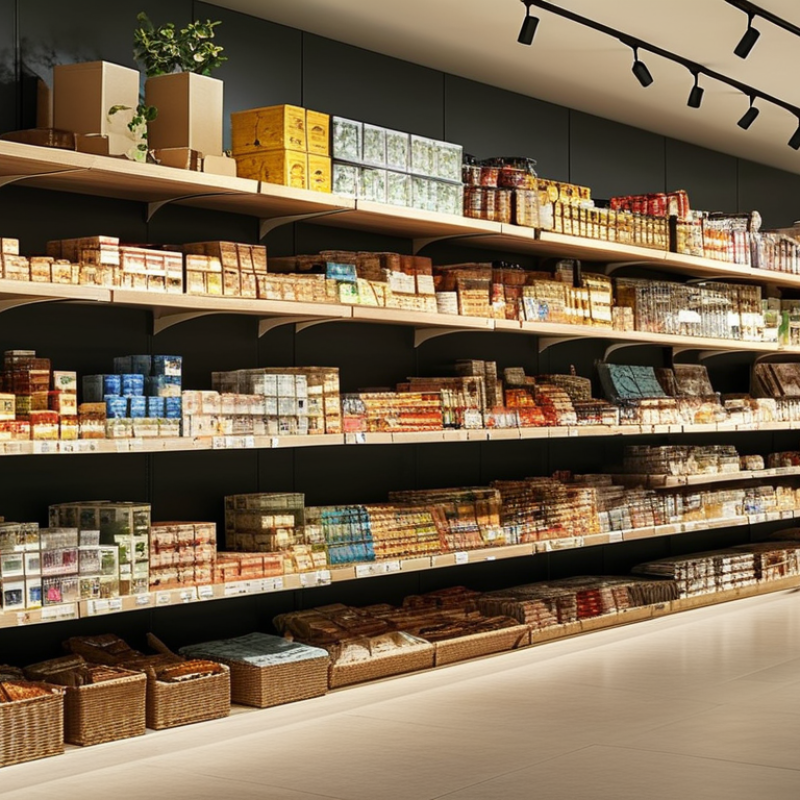
Choosing the right Retail Shelving Units can transform your store's layout. These units are crucial for effective product display and customer engagement. When selecting the ideal shelving, consider both functionality and aesthetics.

Retail Shelving Units come in various designs and materials. It’s essential to evaluate your specific needs. Will the shelves hold heavy items or delicate products? Think about your store’s theme. Shelving should enhance the shopping experience, not detract from it.

Many retailers overlook the importance of proper spacing and arrangement. This can lead to cluttered aisles or inaccessible products. Reflect on how customers navigate your store. Are they drawn to your displays? Taking the time to choose wisely can significantly impact sales. Trust your instincts but also seek advice from experienced retailers. Balancing creativity with practicality is key.
Essential Tips for Choosing Retail Shelving Units for Your Store?

Factors to Consider When Choosing Retail Shelving Units

Choosing the right retail shelving units is crucial for your store’s success. One key factor is the material of the shelving. Metal and wood are both popular options, but each has its pros and cons. Metal shelves offer durability and strength, making them suitable for heavy items. In contrast, wooden shelves can create a warm and inviting atmosphere but may require more maintenance. According to a recent industry survey, 45% of retailers found that shelving material impacts customer decision-making.

Another important consideration is shelf height and spacing. Adjustable shelves can accommodate different product sizes, enhancing display versatility. Research indicates that proper shelving can increase product visibility by up to 70%. Customers prefer organized displays, and clutter can lead to frustration. If your shelves are too high, customers may struggle to reach items. Observing how customers interact with your displays can provide valuable insights for adjustments.

Lastly, aesthetics play a significant role. Shelving should complement your store's branding and layout. A visually appealing shelving unit can attract customer attention and support impulse buying. However, over-designing can distract from the products. Sometimes, simplicity works best. Striking the right balance between functionality and design is essential. Be prepared to make changes based on sales data and customer feedback. This ongoing refinement can significantly impact your store's overall performance.

Types of Retail Shelving Units and Their Uses

When selecting retail shelving units, understanding the types available is crucial. Standard shelving units are versatile and can support a range of products. They can be used for various items, from clothing to groceries. The adaptability of these units makes them a popular choice among retailers. According to research by the Retail Industry Leaders Association, appropriate shelving can increase product visibility and drive sales by up to 30%.

Gondola shelving is another type worth considering. It is often found in convenience stores and supermarkets. Gondolas have adjustable shelves, allowing retailers to customize displays easily. Their double-sided design maximizes floor space, making them efficient for high-traffic areas. However, not all gondola shelving fits every product. This is an area for retailers to reflect on their specific needs.

Corner shelving can be a game changer in smaller shops. It optimizes space and showcases products effectively. Yet, its effectiveness depends on proper layout planning. Some retailers might overlook how the shelving fits within the overall design, which could lead to awkward layouts. Regular assessments and adjustments are necessary to ensure that shelving units serve their intended purpose effectively. Understanding various shelving types enhances your store's layout and overall appeal.

Evaluating the Space and Layout of Your Store for Shelving

When considering shelving units for your store, evaluating your space and layout is crucial. Start by measuring your area. Identify the main traffic flows in your store. Place shelves where they encourage customers to browse but don’t block pathways.

Utilize vertical space effectively. High shelving can draw attention but must be accessible. Maintain a balance between product visibility and safety. Remember that overcrowding can overwhelm shoppers. Leave some areas open for movement and relaxation.

Adapting to your store's unique layout can be a challenge. Consider your customer demographic. Are they in a hurry, or do they enjoy wandering? Design your shelving to match their shopping habits. Place essential items at eye level and use end caps for promotions. Test various arrangements and reflect on how each impacts sales. Adjusting your layout might take time, but the right setup will enhance the shopping experience.

Material and Durability: Selecting the Right Shelving for Your Needs

Selecting shelving units for your store involves careful consideration of materials and durability. Your choice impacts both the presentation and practicality of your retail space. Metal shelving is known for its strength and load-bearing capacity. It can handle heavy products easily but might not be suitable for all store aesthetics.

Wooden shelving offers a warm and inviting look. It can complement many store styles, but it requires maintenance. Over time, wood may bow under heavy weight or get scratched. Think about how much wear and tear your shelving will encounter. This reflection helps in making informed choices.

Plastic shelving is lighter and often more affordable. However, it may not have the same longevity as metal or wood. Consider your inventory and the expected foot traffic. Each material has its pros and cons. Test different options and observe which withstand the daily demands of your store best.

Budgeting for Retail Shelving: Costs and Investment Considerations

When budgeting for retail shelving, it's crucial to consider both initial costs and long-term investments. Basic shelving units might fit your budget, but they can lack the durability and design needed for your specific products. Higher-quality shelving might cost more upfront but can enhance the shopping experience. Investing in appealing displays can drive sales, making the initial expense worthwhile.

Evaluate your store's layout and product range. Are tall shelves necessary, or do you need flexibility with adjustable units? For a smaller space, compact shelving might be just right. This decision greatly influences your budget, as some types require more space and structural support. It’s also essential to account for installation costs, which can add to your overall spending.

Don't overlook ongoing expenses like maintenance. Regular upkeep can increase the longevity of your shelving. Make sure to factor in these costs when planning your budget. Reflecting on what worked in the past can be insightful. Have previous shelving units met your needs? Missteps in budgeting can lead to regret, making it vital to learn from past choices.

FAQS

: What are standard shelving units used for?

: They are versatile and hold various products, from clothing to groceries.

How can gondola shelving benefit retailers?

Gondolas maximize floor space with adjustable shelves, suited for high-traffic areas.

What should be considered when using corner shelving?

Proper layout planning is essential to avoid awkward designs and enhance product visibility.

Why is material choice important for shelving?

The material impacts both the presentation and the durability of the retail space.

What are the advantages of metal shelving?

Metal is strong and can handle heavy products, but may not suit all store aesthetics.

What are the downsides of wooden shelving?

Wooden shelves require maintenance and may bow or scratch over time.

Is plastic shelving a good investment?

It's lightweight and affordable but may lack durability compared to metal or wood.

How should budget considerations be approached for shelving?

Balance initial costs with long-term investments and expected maintenance expenses.

What factors should influence shelving height choices?

Assess the store layout and whether adjustable or compact options are needed.

How can past experiences guide shelving decisions?

Reflecting on previous units' performance can help avoid future budgeting missteps.

Conclusion

When choosing Retail Shelving Units for your store, several key factors must be considered to ensure the best fit for your space and merchandise. First, assess the available space and layout of your store, as this will influence the type, size, and arrangement of shelving units. There are various types of retail shelving units available, each designed for specific products, such as gondolas, wall-mounted shelves, and display racks, making it crucial to select those that align with your inventory needs.

Material and durability also play a significant role in the selection process. Opting for sturdy, high-quality materials ensures longevity and supports the weight of the items you're displaying. Additionally, budgeting for retail shelving requires careful consideration of initial costs and potential long-term investments, as quality shelving can enhance consumer experience and encourage sales. Balancing these aspects will lead to an effective shelving solution that maximizes your store's potential.

Madeline

Madeline

Madeline is a dedicated marketing professional with a wealth of expertise in our company's core offerings. With a keen understanding of the industry, she brings a unique perspective to her role, consistently delivering high-quality content that highlights the superior aspects of our products. As......