Choosing the right Pegboard Displays can shape how customers move, browse, and decide inside your store. A well-planned board turns empty wall space into an active selling area. It can hold tools, accessories, packaged goods, or seasonal products without creating visual confusion. However, the cheapest fixture is not always the best choice. Weak hooks, uneven spacing, and poor lighting can make valuable products appear unimportant.
Retail visual merchandising expert Martin M. Pegler wrote, “The display is a silent salesperson.” This principle still matters in modern stores. Your Pegboard Displays should communicate product value before staff assistance becomes necessary. Consider the board’s size, load capacity, finish, hook compatibility, and distance from the customer’s eye level. A small store may need narrow panels and vertical organization. A larger shop may benefit from wider sections, category signs, and flexible accessories.
Observe the customer.
Do shoppers reach comfortably? Can they compare items quickly? Does the display look organized after several products are removed? These details reveal whether the fixture works in real conditions. I have seen attractive displays fail because their hooks were too short for boxed products. That mistake is easy to overlook during planning.
This guide explains how to compare materials, layouts, accessories, and installation requirements. It also examines durability, maintenance, branding, and customer safety. No single design fits every store. Your best choice may require testing, adjustment, and a little honest reconsideration.
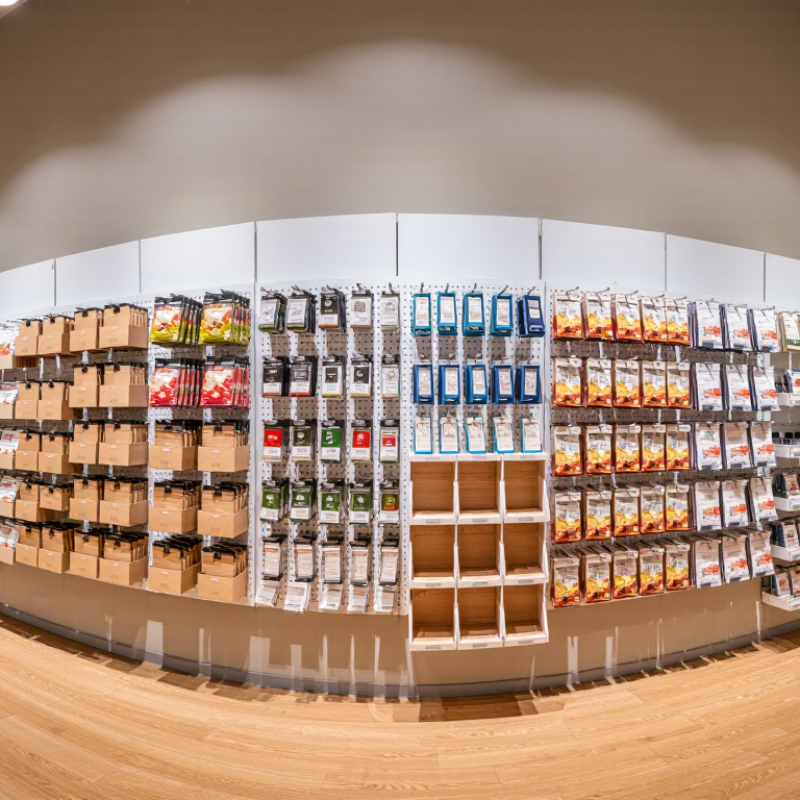
How to Choose the Best Pegboard Displays for Your Store
Define your display goal before selecting hooks, shelves, or baskets. Are you increasing product visibility, improving replenishment, or guiding shoppers toward related items? POPAI’s Mass Merchant Shopper Engagement Study reported that 82% of purchase decisions happen in stores. Your pegboard should support that moment with clear pricing and easy product comparison.
Start with the product requirements. Measure package width, weight, depth, and hanging-hole position. Small accessories may need short hooks, while boxed tools require stronger brackets and wider spacing. Check the display’s tested load capacity. Do not estimate it by appearance. Leave enough room between products for shoppers to remove one item without disturbing others. A crowded board looks inexpensive.
Test the layout with real products.
Place high-margin items at eye level, but keep essential products within comfortable reach. Group products by task, size, or use rather than color alone. A 2023 retail experience report from the International Council of Shopping Centers found that physical stores remain important for product discovery and immediate purchase. That supports displays built for browsing, not just storage. In practice, take a photo from the aisle and inspect it later. Some layouts seem balanced up close but disappear from three meters away. I have also found that overly neat spacing can reduce capacity. The right answer may need adjustment after one busy weekend.
Define your store’s display goals and product requirements before selecting pegboard components.
Use this 1–5 planning scale to prioritize the features your store needs most. Higher scores indicate greater importance when comparing pegboard panels, hooks, shelves, baskets, and other accessories.
Choosing a pegboard display starts with material, not appearance. Steel panels suit tools, packaged hardware, and dense merchandise. They resist dents and usually support heavier hooks. Medium-density fiberboard offers a warmer retail look, but humidity can weaken its edges. Plastic panels are light and easy to clean, though they may flex under concentrated weight. Shop! Global’s 2023 retail display research identifies flexibility and durability as major fixture priorities. That finding matches daily store experience: displays need to change quickly without looking unstable.
Size should follow product rhythm. A 24-by-48-inch panel works well beside a counter or narrow aisle. Larger 48-by-72-inch panels create stronger visual impact, but they need secure wall anchoring.
Check the rated load for the panel, brackets, and hooks together. A practical layout keeps heavier items below shoulder height and lighter products near eye level. Do not trust appearance alone. A steel panel may hold substantial weight, while one small hook may not.
The National Retail Federation and Appriss Retail reported $743 billion in U.S. retail returns during 2023, or 14.5% of sales. Flexible pegboard layouts can help stores reorganize returned or seasonal goods faster.
Test before full installation. Hang the heaviest planned item for 24 hours. Measure bowing, hook movement, and wall pressure. I once underestimated packaging weight. That was inconvenient. Leave space around each product, especially in high-touch areas. A slightly smaller display with clear spacing may sell better than a crowded, stronger one. Check manufacturer test methods, because “maximum capacity” is not always a real-world capacity.
A pegboard display works best when its accessories support the merchandise, not compete with it. Start by studying each product’s size, weight, and buying pattern. Small hooks suit packaged accessories, while sturdy shelves hold boxed goods or folded items. Baskets can gather loose products, but they may hide attractive packaging. Keep frequently handled products between waist and eye level. Shoppers should understand the arrangement within seconds.
Tips: Measure the wall before ordering accessories. Leave enough space for hands, labels, and restocking. Use matching hooks when products share a category. Place heavier items on lower shelves. Test one section before outfitting the entire display.
Your store layout should guide movement naturally. Use horizontal rows for a clean, organized selection. Use vertical groupings when customers compare sizes, colors, or variations. For example, place phone cases on hooks beside charging cables, with a small shelf below for bundles. A narrow aisle needs shallow accessories, or customers may brush against the display. That mistake is easy to overlook during planning. I have also found that identical hooks do not always create a better display; some merchandise needs more breathing room. Check visibility from several angles, especially from the entrance and checkout area. Adjustable accessories are useful when seasonal stock changes, though constant rearranging can weaken the visual logic. Record what sells, what gets ignored, and which products need clearer spacing.
Choosing a pegboard display starts with the wall, not the hooks. Measure stud spacing, panel weight, and expected product load. A professional installer should verify fasteners against the wall material. Drywall anchors may suit light accessories, but loaded shelves need studs or a tested rail system. The Retail Industry Leaders Association’s 2023 sustainability report highlights growing pressure to reduce store waste, making reusable fixtures more practical than disposable displays.
Flexibility also affects daily labor. Adjustable hooks, movable shelves, and tool-free brackets let staff change seasonal layouts without drilling new holes. The 2024 Global Shopper Study by Zebra Technologies reported that 73% of shoppers expect retailers to improve the shopping experience through better store operations. A stable, easy-to-reconfigure display supports that expectation. It also reduces rushed maintenance. Maybe not every product needs the same hook length. That assumption deserves review.
Tips: Test one loaded panel for 30 days. Check hook deflection, screw movement, surface scratches, and cleaning damage. Record the heaviest item placed on each accessory. For durability, compare powder-coated steel, reinforced polymer, and laminated wood by load rating, moisture resistance, and replacement cost. ASTM testing terminology can guide abrasion and coating discussions, but supplier claims still need verification. Choose fixtures with replaceable parts. A cheap panel becomes expensive when the entire unit needs replacement.
A practical pegboard arrangement starts with customer sightlines, not available wall space. POPAI’s Shopper Engagement Study found that about four in five purchase decisions occurred in-store within the measured categories. That makes clear product visibility commercially important. Place best-selling or high-margin items between 120 and 160 centimeters from the floor. This zone matches comfortable adult viewing height. Keep related products together, such as hooks beside compatible accessories. Use three visual levels: hero products in the center, supporting items nearby, and small add-ons below. Leave breathing room between groups. Crowded panels confuse shoppers.
The U.S. Census Bureau reported that e-commerce represented about 16% of total U.S. retail sales in 2024. Physical stores still need fast, readable navigation. Use consistent price cards, short descriptions, and strong contrast. Test the layout from the entrance, then from a normal walking distance. Can a shopper understand the section in three seconds? I once placed lightweight items too low, assuming children would notice them. The display looked tidy, but adult shoppers ignored it. That mistake showed why real observation matters. Record weekly sales by pegboard zone, note frequently handled products, and adjust hook spacing accordingly. Keep popular items easy to reach. Check empty hooks each day. A perfect plan rarely survives real customer movement.
Match each accessory to the product’s size, weight, and buying pattern. Use small hooks for packaged items. Choose sturdy shelves for boxed goods. Baskets collect loose products but may hide attractive packaging.
Keep them between waist and eye level. This position feels comfortable for most adult shoppers. Place heavier items on lower shelves. Easy reach matters.
Leave room for hands, labels, and restocking. Crowded panels can confuse shoppers. Some products need extra breathing room. Identical hooks are not always better.
Use horizontal rows for a clean, organized selection. Use vertical groups when shoppers compare sizes, colors, or variations. Keep related products close together. Logic should stay visible.
Place compatible items beside each other. For example, hang phone cases beside charging cables. Add a small shelf below for bundles. This creates a clear shopping path.
Start with customer sightlines, not empty wall space. Place key products about 120 to 160 centimeters above the floor. Keep hero products in the center. Supporting items belong nearby, with small add-ons below.
View it from the entrance and checkout area. Then check it from normal walking distance. Ask whether the section makes sense within three seconds. Real observation may reveal awkward choices.
Test one section before outfitting the entire wall. Record weekly sales by display zone. Note frequently handled products and ignored items. Check empty hooks daily. The plan may need revision.
Choosing the right Pegboard Displays begins with understanding your store’s goals, available space, and the products you need to present. Consider whether the display is intended to maximize visibility, improve organization, support frequent product changes, or create a consistent shopping experience. Compare materials, panel sizes, finishes, and weight capacities to ensure the system can safely hold your merchandise without overwhelming the space. The right accessories, such as hooks, shelves, baskets, and holders, should match both the product types and the layout of your store.
It is also important to evaluate installation methods, adjustability, and long-term durability. A flexible display system can adapt as your inventory and merchandising strategy change, while sturdy construction helps maintain a neat appearance over time. Finally, plan the arrangement around customer sightlines and shopping flow. Group related products, keep popular items easy to reach, and maintain enough spacing to prevent clutter. A practical, well-organized pegboard layout can improve product visibility, simplify restocking, and make the entire store easier to navigate.

CoreStorage