What Are the Best Types of Shelving Boards in 2026?

Time:2026-11-20 Author:Charlotte
0%

Choosing the right Shelving Boards in 2026 means balancing load, moisture, finish, and budget. A board that holds light books may sag under paint cans or a row of ceramic jars. The difference is practical, not merely visual.

Grand View Research valued the global furniture market at USD 541.52 billion in 2023 and forecast 5.9% annual growth from 2024 to 2030. This broad market estimate is not specific to shelving, but it reflects continued demand for furniture and storage. For material guidance, the USDA Forest Products Laboratory’s Wood Handbook explains how wood properties vary with species, grain, and moisture. It is a useful technical reference, though not a product-by-product shelving test.

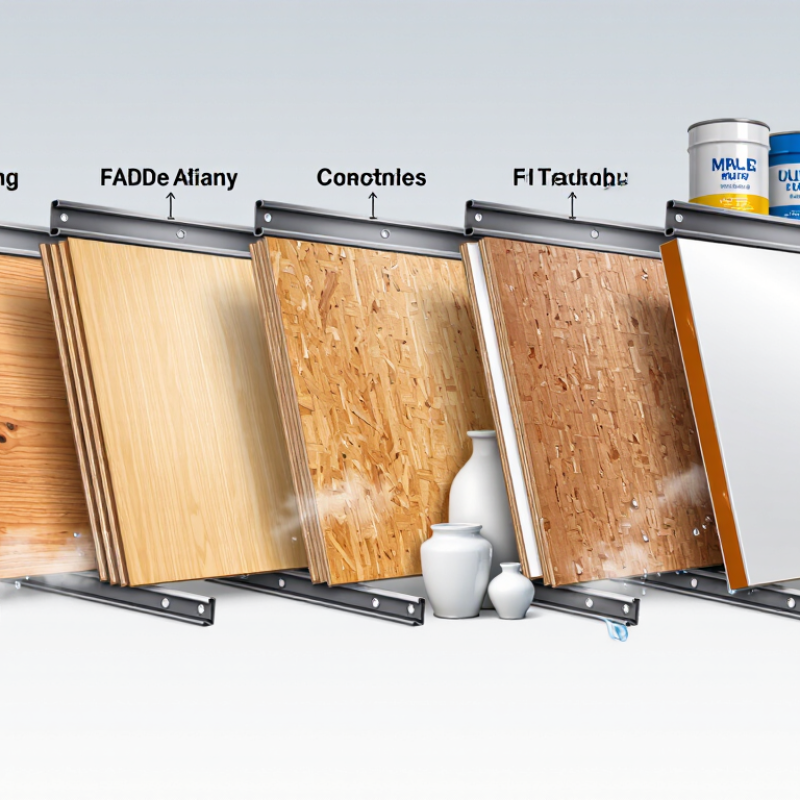
This guide compares solid wood, plywood, MDF, particleboard, and laminate-faced boards. It looks at how each handles everyday weight, damp rooms, edge damage, and installation. A pantry shelf faces different conditions from a garage rack. That matters. A thick board can still fail if its span is too wide or its supports are poorly placed. And price labels rarely tell the whole story; a lower-cost panel may need careful edge protection. Some choices remain compromises. The best board depends on the room, the load, and how long you expect the shelf to serve.
What Are the Best Types of Shelving Boards in 2026?

What Shelving Boards Are and How They Differ

Shelving boards are flat structural surfaces, but their materials behave differently under weight, moisture, and changing room conditions. Solid wood has visible grain and can be sanded, yet its movement is easy to underestimate. The USDA Forest Products Laboratory’s Wood Handbook (FPL-GTR-282, 2021) places wood’s fiber saturation point near 30% moisture content. Below that level, drying can cause shrinkage. That matters. A board near a sunny window may cup or change width.

Plywood layers thin veneers with alternating grain directions, helping it resist splitting and stay relatively stable. APA’s Engineered Wood Construction Guide describes panel span ratings such as 24/16. These figures refer to roof and subfloor support spacing, not a shelf’s safe load. Don’t confuse them. Shelf strength still depends on thickness, depth, supports, and the weight’s distribution.

MDF and particleboard are made from wood fibers or particles bonded with resin. Their smooth faces suit painted or laminated finishes, but exposed edges can be vulnerable to moisture and damage. MDF is dense and heavy; particleboard is often lighter and more economical. Thickness alone is a tempting shortcut, but it tells only part of the story. A long board loaded with books may sag even when it looks sturdy, so compare the intended span and support layout before choosing.

Which Materials Are Used to Make Shelving Boards?

Shelving boards are commonly made from solid wood, plywood, medium-density fibreboard (MDF), particleboard, or metal. Each behaves differently under weight and humidity. Solid wood has a natural grain and can be sanded or refinished, but wide boards may warp if moisture levels change. Plywood uses thin wood layers bonded together, giving it a stable structure and good screw-holding strength. Its exposed edges may need finishing. Small details matter.

MDF has a smooth surface that suits painted shelves, though it is heavy and can swell when wet. Particleboard is often more affordable, but its edges may crumble if screws are repeatedly removed. Both materials need careful support, especially on long spans. Metal shelving panels resist moisture and can carry substantial loads, but they may feel less warm in a living space. There is no universally best board. Check the manufacturer’s load guidance, board thickness, and support spacing before choosing. One easily missed trade-off is appearance: a sturdy board can still sag over time if its span is too wide. I would not judge a shelf by material alone.

What Are the Best Types of Shelving Boards in 2026? - Which Materials Are Used to Make Shelving Boards?

Shelving Board Material How It Is Made Key Advantages Limitations Suitable Uses Moisture Suitability Relative Cost
Solid Wood Sawn timber boards made from species such as pine, oak, maple, or birch. Strong, repairable, and easy to cut or refinish; natural grain gives each board a distinct appearance. Can expand, shrink, or warp with changes in humidity; heavier and often more expensive than engineered panels. Bookshelves, display shelves, cabinets, and projects where appearance and long service life matter. Low to moderate unless sealed and maintained; not ideal for frequent wetting. Medium to high, depending on species and board grade.
Plywood Thin wood veneers bonded in alternating grain directions to improve stability. Good strength for its weight; holds fasteners well, and higher-grade faces can be finished attractively. Exposed edges may need banding or finishing; quality and surface appearance vary by grade. Utility shelving, cabinets, workshops, and wide shelves that need a stable panel. Moderate; exterior-rated or marine-grade panels are designed for more demanding moisture conditions, but still need suitable protection. Medium; varies by thickness, veneer, and grade.
Medium-Density Fiberboard (MDF) Fine wood fibers combined with resin and pressed into a smooth, dense panel. Uniform surface is easy to paint; cuts cleanly and is widely available in consistent thicknesses. Heavy for its strength; can sag over long spans and may split if fasteners are placed too close to an edge. Painted built-ins, closet shelving, and indoor storage with moderate loads and well-supported spans. Low for standard MDF; moisture-resistant grades are available but are not waterproof. Low to medium.
Particleboard Wood particles and resin compressed into a panel, often sold with a decorative laminate surface. Economical and commonly used in ready-to-assemble furniture; laminated faces are easy to wipe clean. Edges can chip, fasteners may loosen with repeated use, and unsupported shelves can sag under heavy loads. Budget furniture, light-duty closets, and dry indoor storage. Low; swelling and damage can occur if water reaches the core. Low.
Melamine-Faced Board A decorative resin-impregnated paper surface bonded to a particleboard or MDF core. Smooth, ready-to-use surface resists everyday stains and is available in many colors and patterns. The core determines strength; cut edges need protection, and the surface can chip if struck. Closets, cupboards, pantry shelving, and other clean, dry interior applications. Low to moderate at the surface; unsealed edges and the core remain vulnerable to water. Low to medium.
Solid Bamboo Panel Strips of bamboo laminated together to form a solid panel. Hard, dimensionally stable under normal indoor conditions, and has a distinctive linear appearance. Quality, construction, and availability vary; cut edges may require finishing. Decorative shelves, home offices, and light-to-medium indoor storage. Moderate when finished; prolonged moisture exposure should be avoided. Medium to high.
Metal Sheet or Wire Shelf Panel Formed steel or aluminum sheet, perforated metal, or welded wire used as a shelf surface. Durable and noncombustible; wire designs allow airflow and are useful in utility areas. Can dent or flex depending on construction; exposed metal may corrode if its protective coating is damaged. Garages, workshops, storage rooms, and ventilated pantry or utility shelving. Moderate to high when made from corrosion-resistant metal or given an intact protective finish. Medium; depends on metal, finish, and construction.
Glass Cut and finished sheet glass, commonly tempered for shelves intended for heavier everyday use. Easy to clean, visually light, and resistant to many household stains and odors. Can break if poorly supported or struck; edges require careful finishing, and fingerprints are visible. Bathroom, display, and decorative shelving when paired with suitable supports. High for ordinary indoor humidity, though fittings and nearby materials still need appropriate protection. Medium to high.

Selection note: Shelf capacity depends on board thickness, clear span, support spacing, fixing method, and load distribution—not material alone. Check the manufacturer's specifications for the specific panel and installation.

How Strength, Span, and Moisture Affect Board Performance

The best shelving board depends on what it must carry, how far it spans, and where it sits. A thick board can still sag when its supports are too far apart. Under simple beam theory, doubling an unsupported span can increase deflection roughly sixteenfold, with board size and loading held constant. A loaded 24-inch shelf may therefore bow much more than a 12-inch shelf made from the same material. Use span tables as a starting point, not a guarantee; edge loading and uneven support can change performance.

Solid wood offers a repairable surface, while plywood’s layered construction helps resist uneven movement. Particleboard and medium-density fiberboard can provide smooth surfaces, but exposed edges need protection from spills. The USDA Forest Products Laboratory’s Wood Handbook reports a typical wood fiber-saturation point near 30% moisture content. Below that point, wood’s strength generally increases as it dries, while changes in moisture can also cause shrinking or swelling. Bathrooms and garages deserve extra caution.

For wood-based panels, ASTM D1037 includes tests for bending strength and thickness swelling. Those measurements help compare panel performance, but they do not set a safe load for every shelf. Check the panel’s published span and load guidance, then consider the real contents: a row of books concentrates weight differently from folded towels. I would still leave a margin. Humidity, imperfect walls, and loose fasteners are easy to underestimate.

What Are the Best Shelving Board Types for Different Uses in 2026?

For books, pantry goods, or everyday storage, plywood is a dependable choice. Its layered construction helps resist bending, especially when the shelf has enough support. Solid wood offers a warm, durable surface for visible shelves, but it can move with changes in humidity. That movement is easy to overlook. MDF has a smooth face for painted shelves and works well for light to moderate loads. Keep it dry, since moisture can cause swelling.

The best board depends on the job. Use plywood for longer spans or utility rooms, and solid wood where appearance and repairability matter. MDF suits closets and display shelves with evenly distributed items. Particleboard can work for light storage on a tight budget, but it needs careful handling around edges and damp areas. For garages or workshops, a thick board with closely spaced brackets may be more practical than a thinner, attractive panel. Check the intended load and support spacing; board thickness alone does not guarantee a safe shelf.

Tips: Measure the clear span before buying, then check the board’s load guidance. Add a center support for heavy books or wide shelves. Seal exposed edges where spills are likely. A small test shelf can reveal sagging sooner than a full installation.

How to Choose the Right Shelving Board for Your Space

Choosing a shelving board starts with the room’s moisture, the load, and the distance between supports. Plywood suits utility shelves because its layered construction resists splitting around screws. Solid wood offers a clean, repairable surface, but it can move with humidity. The USDA Forest Products Laboratory’s Wood Handbook places fiber saturation near 30% moisture content for most wood species; below that point, drying can cause dimensional change. A board near a sunny window may therefore need more room to move.

For a dry closet or bookcase, medium-density fiberboard creates a smooth painted finish, while particleboard can work for light, evenly distributed items. Neither is ideal for repeated damp exposure or heavy, concentrated loads. APA’s engineered-wood panel guidance uses span ratings to relate panel thickness to support spacing. Check the panel rating and shelf span together. A thicker board alone does not guarantee a safer shelf; brackets, fasteners, and wall anchoring matter too.

Tips: Measure the actual clear span, then estimate the combined weight of books, bins, or dishes. Put heavier items near the supports. For a laundry room, choose a moisture-tolerant panel and seal exposed edges. Small detail, often missed. If the shelf still feels springy after installation, add a center support rather than hoping it settles.

FAQS

What materials are commonly used for shelving boards?

Common options include solid wood, plywood, MDF, particleboard, and metal. Each responds differently to weight and moisture.

Which shelving board works well for painted shelves?

MDF has a smooth face that takes paint well. It is heavy, though, and can swell when wet. Seal exposed edges.

Is plywood a good choice for utility shelving?

Plywood’s layered construction helps resist splitting and holds screws well. Its exposed edges may need finishing. Check the shelf span and supports, too.

Can solid wood shelves change shape over time?

Yes. Humidity changes can make wood shrink or move. A board near a sunny window may cup, so allow for movement.

Is particleboard suitable for heavy books?

It may work for light, evenly distributed items, but long spans can sag under books. Its edges may crumble after repeated screw removal. Not ideal.

Does a thicker board always make a stronger shelf?

No. Thickness is only one factor. The clear span, board material, brackets, fasteners, and wall anchoring also affect support.

How should I arrange heavy items on a shelf?

Place heavier books or dishes near the supports. Measure the clear span and estimate the combined load before installing the board.

What should I do if a shelf feels springy?

Add a center support rather than waiting for the shelf to settle. I might be tempted to trust a thick board, but that can be a mistake.

Conclusion

Shelving Boards come in a range of materials and constructions, each suited to different storage needs. Solid wood offers a natural look and can support substantial weight, while plywood and engineered wood provide practical options in varied sizes and finishes. Metal and plastic boards may work well where durability, easy cleaning, or lower weight matters. Their performance depends not only on material but also on board thickness, shelf span, load distribution, and exposure to moisture.

To choose the right type in 2026, consider what the shelf will hold, how far it must span between supports, and the conditions in the room. Heavy items generally call for thicker boards and closer support; humid spaces benefit from moisture-resistant materials and finishes. Match the board’s strength, appearance, maintenance needs, and budget to your space, and check its load capacity before installation.

Charlotte

Charlotte

Charlotte is a seasoned marketing professional with a deep understanding of the company's portfolio and a passion for elevating its presence in the market. With a keen eye for detail and a commitment to excellence, she ensures that our professional blog is regularly updated with insightful articles......