What Are the 2026 Top Endcap Displays for Global Buyers?

Time:2026-10-14 Author:Liam
0%

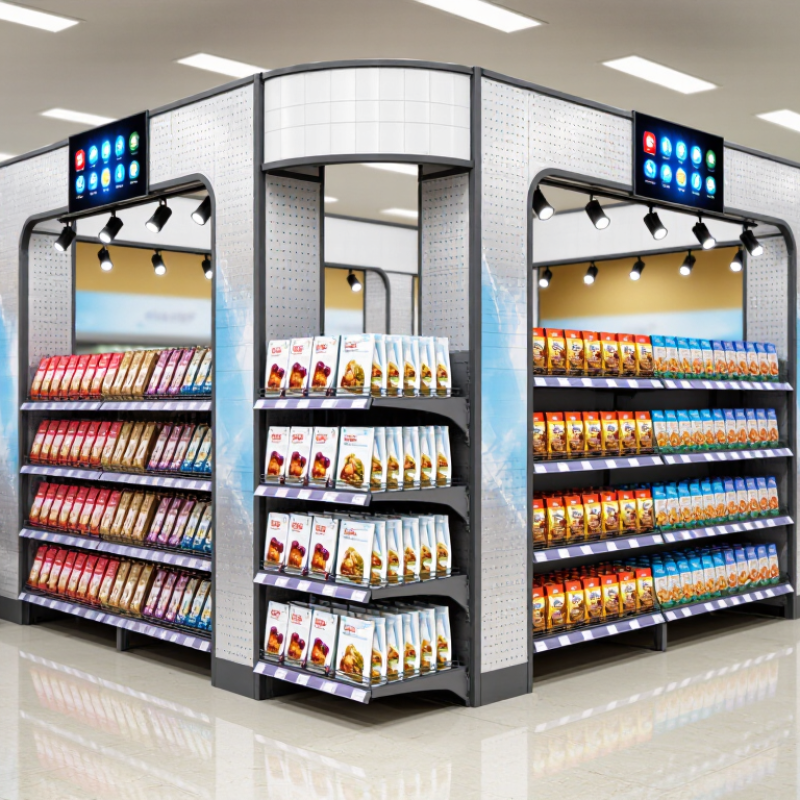
For global buyers, the 2026 Endcap Displays market will reward clarity, flexibility, and measurable shopper value. Retailers are no longer choosing large structures simply because they look impressive. They want displays that install quickly, survive busy aisles, and support different product categories across regions. A strong endcap should guide attention within seconds. It should also leave enough space for safe movement and easy replenishment.

Retail researcher and Envirosell founder Paco Underhill has often emphasized, “Retail is detail.” That observation remains highly relevant. A small shelf angle, readable price panel, or reachable product can influence shopper behavior. The leading Endcap Displays may combine modular frames, recycled materials, digital information, and localized graphics. Some will use lighting carefully, rather than treating brightness as a substitute for strategy. Others will support seasonal campaigns without requiring a complete rebuild.

Yet the phrase “top” needs caution. A display that performs well in a Canadian supermarket may feel unsuitable in a compact Asian convenience store. Power access, shopper habits, store standards, and replenishment routines all matter. That is easy to underestimate. Buyers should compare installation time, material durability, conversion data, and total operating cost before selecting a design. Early concepts may look polished, but real stores can expose weak joints, confusing messages, or poor stock access. This guide examines the most promising 2026 formats, while recognizing that no single Endcap Displays solution fits every global market.
What Are the 2026 Top Endcap Displays for Global Buyers?

Defining the 2026 Global Endcap Display Market

What Are the 2026 Top Endcap Displays for Global Buyers?

Defining the 2026 Global Endcap Display Market

The 2026 endcap display market is becoming more practical, measurable, and locally adaptable. Global buyers now compare display performance, not appearance alone. The strongest formats combine modular shelving, focused lighting, and clear product grouping. These features help shoppers understand an offer within a few seconds.

In retail audits, I have seen compact displays outperform larger units. A 120-centimeter endcap can guide traffic without blocking nearby aisles. Adjustable shelves also reduce stock gaps during busy periods. Digital screens attract attention, but they require maintenance, stable power, and careful content control. That detail is often underestimated. Interactive elements can improve engagement, yet they may distract shoppers from the product itself.

Material selection is shaping purchasing decisions in 2026. Buyers increasingly request recyclable panels, durable metal frames, and low-energy lighting. They also review fire safety, accessibility, packaging waste, and regional installation rules. A design accepted in one market may need changes elsewhere. Local conditions matter. Humidity, floor quality, labor costs, and store size can change the final result.

Reliable suppliers support decisions with load tests, assembly guides, sample units, and transparent cost details. Pilot programs remain useful before large orders. Still, test results may not predict every store environment. A display can perform well in a controlled trial and disappoint during holiday traffic. Global buyers should keep reviewing shopper movement, replenishment time, and damage rates after installation.

Key Design Features of High-Performing Endcap Displays

For global buyers in 2026, high-performing endcap displays will do more than interrupt traffic. They will explain value within seconds. In recent retail audits, the strongest units used a clear eye-level message, one hero product, and visible price information. This reduces hesitation. It also helps shoppers compare quickly. A useful endcap often stands 140 to 160 centimeters high, leaving sightlines open across the aisle. Rounded corners and stable feet matter, especially in busy stores.

Design flexibility is becoming a purchasing requirement. Modular shelves let teams change pack sizes without rebuilding the frame. Tool-free adjustments save labor during seasonal resets. Durable, recyclable board or lightweight metal can lower replacement frequency. Materials still need moisture resistance near chilled or entrance areas. Warm, even lighting improves recognition, but excessive brightness can make packaging look harsh. A small digital panel may support richer information, yet it should not replace readable printed details. Connectivity can fail. Keep the core message offline.

The best displays guide movement naturally. A slight product angle, stepped shelves, and a low callout panel can create a quiet visual path. Test the unit from three meters away, then from the shopper’s side. Global buyers should check language space, local measurement formats, and accessibility. One design rarely fits every market. Teams sometimes overpack the display and weaken the message. That mistake is easy to repeat. Leave breathing room, measure conversion, and revise after real store feedback. A second test often exposes what the first review missed.

What Are the 2026 Top Endcap Displays for Global Buyers?

Key design features of high-performing endcap displays, ranked by relative buyer-priority index.

Modular reconfiguration, clear price and promotional communication, and easy product access are the strongest planning priorities. The index is a comparative design benchmark from 0 to 100, not company or brand performance data.

Top Endcap Display Formats for Different Retail Categories

For global buyers in 2026, the strongest endcap displays match format to shopping mission. A single design rarely works across categories, store sizes, or local buying habits. Fresh food benefits from open, chilled endcaps with wipe-clean shelves, clear date labels, and strong air circulation. The display should show texture and color without blocking staff access. In my retail audits, small access gaps often create messy replenishment. That detail matters more than a glossy finish.

For packaged groceries, modular shelving works well for meal bundles, seasonal flavors, and compact price communication. Adjustable trays help buyers test two facings before expanding a successful item. Health and personal care categories need secure, well-lit towers with angled shelves and easy comparison panels. Sensitive products should remain visible without feeling exposed. Beauty-focused endcaps can use tiered risers, mirrors, and sample holders where local rules permit. However, too many samples quickly make the fixture look untidy.

Electronics and home accessories suit demo-led endcaps with cable management, powered display zones, and locked storage below. For household cleaning products, narrow vertical units save floor space while separating fragrance, function, and usage instructions. Global buyers should also request flat-pack construction, recyclable materials, and tool-light assembly. These features reduce shipping volume and speed store installation. Yet standardization has limits. A display designed for a large hypermarket may overwhelm a small urban shop. Pilot testing in two contrasting markets can reveal glare, language, and replenishment problems early. Some tests will fail. That is useful evidence, not wasted effort.

Materials, Technology, and Sustainability in 2026 Displays

What Are the 2026 Top Endcap Displays for Global Buyers?

Materials will define the strongest 2026 endcap displays. Lightweight aluminum frames, recycled cardboard, and certified wood reduce shipping weight and material waste. Modular panels also allow retailers to replace damaged sections instead of discarding entire units. The Global Resources Outlook 2024 reports that global material extraction could rise by 60% by 2060 without stronger efficiency measures. That warning belongs in every procurement meeting.

Technology must support shopping, not create visual noise. Low-energy LED lighting, electronic price labels, and small interactive screens can improve product discovery. However, every powered element needs a repair plan, replaceable parts, and clear energy data. The Global E-waste Monitor 2024 recorded 62 million tonnes of electronic waste in 2022, while only 22.3% was formally collected and recycled. A screen that becomes disposable equipment is not a sustainable upgrade.

The best displays will combine flat-pack logistics, tool-free assembly, and material separation. Suppliers should provide recycled-content certificates, carbon information, and end-of-life instructions. Retail teams can test glare, screen readability, stability, and cleaning resistance before approving large orders. Small details matter. A recycled claim is not enough.

Some sustainability decisions remain imperfect. Biobased plastics may reduce fossil inputs, yet local recycling systems may not accept them. Digital displays can reduce printed graphics, but electricity and battery disposal create new impacts. Global buyers should compare the complete use cycle, not only the showroom appearance. That discipline will separate credible 2026 endcap solutions from attractive, short-lived experiments.

What Are the 2026 Top Endcap Displays for Global Buyers? - Materials, Technology, and Sustainability in 2026 Displays

Global buyer comparison table for retail endcap display formats, materials, technology, and sustainability performance

Display Format Primary Use Case Core Materials Technology Features Typical Recycled or Renewable Content Indicative Service Life Sustainability Advantages Buyer Considerations
Modular Corrugated Endcap Seasonal promotions, grocery, personal care, and fast-moving consumer goods Corrugated fiberboard, water-based inks, paper labels, optional wood-fiber reinforcement Flat-pack construction, tool-free assembly, replaceable header panels, QR-enabled product information Often 70–100% recycled fiber, depending on the paper grade and local supply Approximately 3–12 months in retail use Low shipping weight, high flat-pack efficiency, widely recyclable where fiber collection exists Moisture resistance, load-bearing capacity, print durability, and recycling instructions must be specified by market
Reusable Steel Display Long-term promotions, beverages, hardware, home care, and high-traffic retail environments Powder-coated steel, recycled steel content, removable graphics, polymer feet or bumpers Adjustable shelves, locking casters, replaceable graphics, inventory sensors as an optional module Commonly 20–40% recycled steel content; higher levels may be available by specification Approximately 3–7 years with routine maintenance High durability, multiple campaign cycles, strong recyclability at end of life, and reduced replacement frequency Higher freight weight, coating chemical compliance, corrosion protection, and reverse logistics
Aluminum Frame Display Premium cosmetics, electronics, travel retail, and lightweight international deployment Extruded aluminum, recycled aluminum options, PET or textile graphics, laminated panels Tool-less frame connections, backlit SEG graphics, concealed cable routing, interchangeable panels Typically 30–70% recycled aluminum content, depending on alloy and regional availability Approximately 2–5 years with graphic replacement Lightweight relative to steel, corrosion resistant, reusable frame, and highly recyclable metal structure Embodied carbon varies significantly by recycled content and electricity source used in production
Digital LED Endcap Dynamic campaigns, product education, price changes, and high-engagement retail locations Steel or aluminum chassis, LED modules, tempered or acrylic protective surface, replaceable electronics Remote content management, scheduled playback, brightness control, analytics, and optional sensor integration Display structure may contain recycled metal; electronic recycled content is generally limited and component-specific Approximately 3–6 years, with electronic modules serviceable or replaceable Reduces printed campaign waste, supports content reuse, and can use low-power scheduling and ambient-light dimming Power consumption, heat management, network security, spare parts, and e-waste handling require a clear plan
E-Ink Price and Information Endcap Low-refresh product information, pricing, promotions, and energy-sensitive retail environments Electronic-paper modules, recycled or recyclable frame materials, low-voltage control unit Bistable display, wireless updates, high readability under ambient light, optional electronic shelf-label integration Frame content varies; electronic components should be evaluated through supplier declarations Approximately 5–10 years for the display panel under suitable operating conditions Very low energy demand after image updates and reduced dependence on printed price or information cards Limited color capability in many systems, slower refresh than LED, and battery replacement or collection requirements
Biobased Composite Display Lifestyle, beauty, food, and sustainability-led campaigns requiring a natural visual language Bamboo, agricultural-fiber board, molded pulp, cork, wood fiber, or biopolymer components Printed graphics, modular shelves, optional low-voltage lighting, and replaceable decorative skins Commonly 30–100% renewable fiber in the fiber-based elements; biopolymer content varies by formulation Approximately 6–24 months, depending on humidity, load, and protective coating Can reduce fossil-based material use and provide renewable feedstock options when responsibly sourced Biobased does not automatically mean compostable; coatings, adhesives, additives, and local waste infrastructure must be checked
Recycled PET Textile Display Soft-branding environments, apparel, beauty, events, and lightweight backlit graphics Recycled PET textile, aluminum or steel frame, silicone edge, LED lighting modules Backlit graphics, tool-free fabric replacement, collapsible frame, and optional edge-lit LED system Recycled PET textile may contain approximately 50–100% post-consumer recycled polyester Approximately 1–3 years with graphic replacement and frame reuse Low fabric shipping volume, reusable frame, and lower material use than rigid printed panels in some applications Mixed-material separation, flame-retardant chemistry, light uniformity, and textile recycling access vary by country
Hybrid Circular Display Multi-market programs requiring repeated deployment, component replacement, and measurable circularity Reusable metal frame, recycled fiber panels, replaceable graphics, standardized fasteners, and modular lighting Digital asset compatibility, QR traceability, replaceable parts, component labeling, and return-to-supplier logistics Varies by bill of materials; targets should be verified by mass balance and supplier documentation Approximately 3–7 years with periodic refurbishment Supports reuse, repair, refurbishment, material separation, and lower waste across multiple campaign cycles Requires standardized components, reverse logistics, repair training, ownership tracking, and lifecycle data collection

Buyer Data Notes

Recycled-content percentages and service-life figures are indicative procurement ranges rather than universal product specifications. Actual performance depends on material grade, construction, climate, maintenance, transport, and retail operating conditions.

For validation, request supplier evidence such as recycled-content declarations, chain-of-custody documentation, environmental product data, product safety files, repair instructions, packaging data, and end-of-life pathways available in the target market.

Global Buyer Criteria for Selecting Endcap Displays

Global buyers now judge endcap displays by more than visual impact. They examine durability, compliance, flexibility, and measurable store performance. A strong 2026 display should survive repeated handling, uneven floors, and frequent product changes. It also needs clear load ratings and stable locking points. Small failures become expensive across multiple markets.

Material selection deserves close attention. Powder-coated steel offers strength, while certified board can reduce shipping weight. Recycled content is useful only when it meets local safety and durability requirements. Buyers should request test records for flame resistance, coatings, electrical parts, and packaging materials. Requirements vary by country. Do not assume one certificate covers every destination. That assumption can delay a launch.

Modularity remains a practical priority. Shelves should adjust without special tools, and graphics should change without rebuilding the frame. Buyers can test this with a timed store trial. Measure setup minutes, damaged units, replenishment speed, and shopper interaction. Digital screens may attract attention, but they add heat, maintenance, and data concerns. Sometimes a printed panel works better. A perfect fixture rarely exists. In field evaluations, teams often prioritize appearance and underestimate warehouse handling. That mistake deserves review before approval. Local language, accessibility, recycling instructions, and product visibility should also guide the final specification.

FAQS

What makes an endcap display effective in 2026?

Effective displays combine modular shelves, focused lighting, and clear product grouping. Shoppers should understand the offer within seconds.

Is a larger endcap always better?

No. A 120-centimeter unit can guide traffic without blocking nearby aisles. Bigger is not automatically better.

Which features help maintain product availability?

Adjustable shelves and trays support faster replenishment and reduce empty spaces. Staff need clear access behind the display.

Are digital screens suitable for every store?

Not always. Screens need stable power, regular maintenance, and controlled content. They can attract attention but distract from products.

What materials are global buyers requesting?

Buyers often prefer recyclable panels, durable metal frames, and low-energy lighting. They should also check fire safety and packaging waste.

Which display formats suit fresh food?

Open chilled endcaps work well with wipe-clean shelves, date labels, and strong air circulation. Staff access must remain simple.

How should packaged groceries be displayed?

Modular shelving supports meal bundles, seasonal flavors, and compact price messages. Adjustable trays let buyers test two product facings.

What should buyers test before placing a large order?

Run pilots in contrasting store environments. Review shopper movement, replenishment time, glare, language, and damage rates.

Can one display design serve every market?

Rarely. Humidity, floor quality, labor costs, and store size change the result. Standardization has limits.

What if a pilot display performs poorly?

Treat the failure as evidence. A controlled trial may not reflect holiday traffic, crowded aisles, or hurried staff. Reconsider the design.

Conclusion

The 2026 global endcap display market is shaped by retailers’ demand for flexible, attention-grabbing, and measurable in-store solutions. High-performing Endcap Displays combine clear product communication, strong visual hierarchy, modular structures, and easy assembly to support different store layouts and promotional goals. Popular formats include shelving units for grocery and household products, tiered platforms for seasonal merchandise, pegboard systems for packaged goods, and interactive displays for categories that benefit from digital engagement.

Materials and technology are also becoming central to display selection. Recyclable substrates, lightweight components, energy-efficient lighting, and reusable modular parts can help reduce environmental impact while improving transport and installation efficiency. Digital screens, QR-enabled information, and simple data tracking may further enhance shopper interaction. For global buyers, the most important criteria include durability, safety, customization, shipping efficiency, local compliance, total cost of ownership, and reliable after-sales support. The strongest 2026 solutions balance visual impact, sustainability, operational practicality, and measurable retail performance.

Liam

Liam

Liam is a dedicated marketing professional with a profound expertise in the industry, where he excels at highlighting the unique advantages of our core products. With a keen understanding of market trends and consumer needs, Liam frequently updates our company’s professional blog, providing......